_1745823981883.webp)

Best Leachate Treatment Methods for Municipal Landfills: Ensuring Compliance and Safety
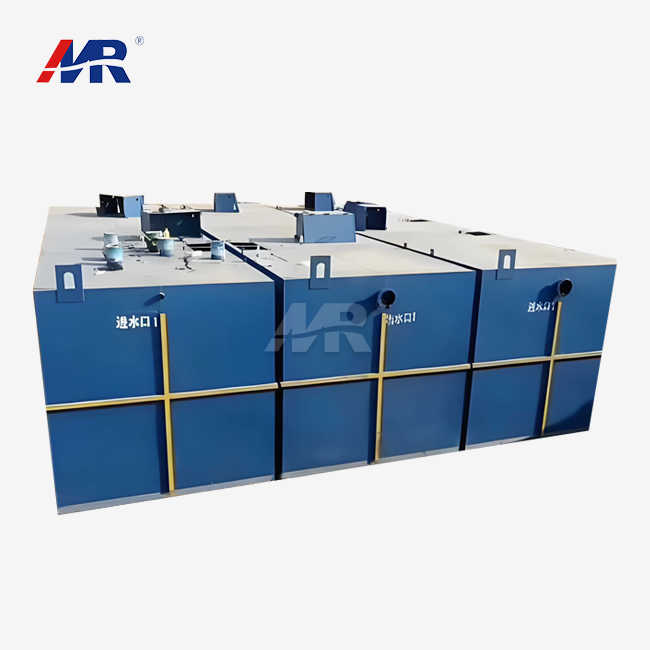
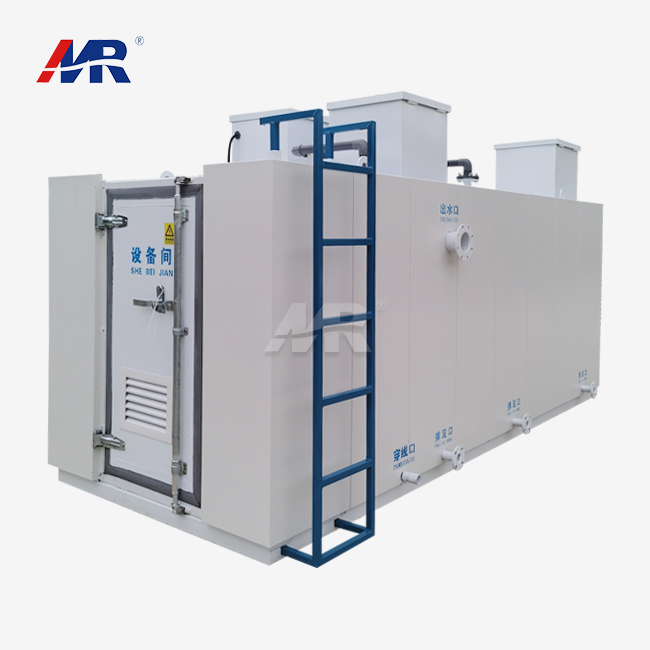
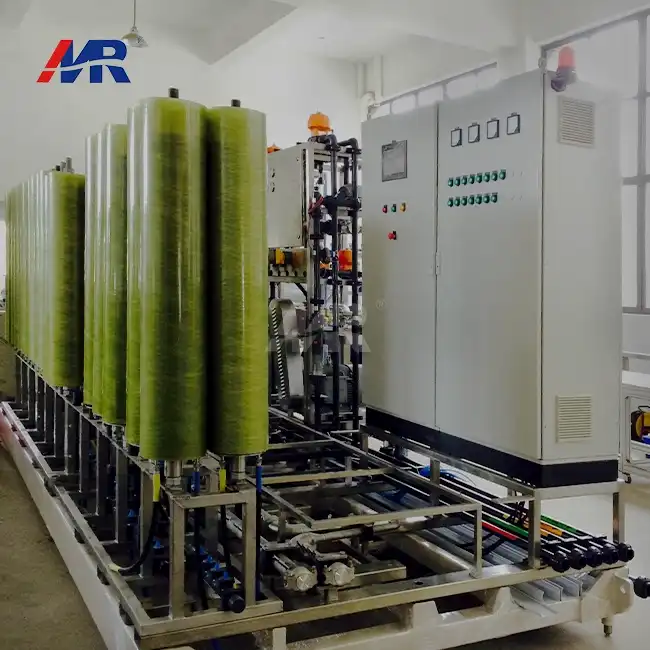
More and more strict environmental rules mean that municipal dumps have to handle waste in a responsible way. When you run a landfill, you know that treating leachate isn't just the law; it's also about saving the water sources and future of your town. A well-thought-out membrane">leachate treatment plant makes sure that polluted waste is cleaned up completely before it is released back into the environment. This is done by getting rid of harmful organic compounds, heavy metals, and ammonia nitrogen that can pollute groundwater. Combining tried-and-true biological methods with cutting-edge membrane technologies is the best way to treat wastewater. This will give you solid results that meet regulations in North America and Europe while keeping costs low.
Understanding Leachate and Its Environmental Impact
What Makes Landfill Leachate So Challenging?
Leachate from landfills forms when rainwater seeps through trash and dissolves a mix of pollutants along the way. There are very high amounts of biological oxygen demand (BOD), chemical oxygen demand (COD), dissolved solids, ammonia nitrogen, heavy metals like lead and mercury, and new toxins like PFAS compounds in this liquid. The amount of COD in raw leachate is usually higher than 20,000 mg/L, which makes it a lot dirtier than normal garbage from cities.
Contamination Pathways and Ecosystem Risks
If you don't have the right facilities for containment and treatment, leachate will move through the soil and reach groundwater within months to years, based on the geology. Once pollution happens, cleaning up is very expensive and takes a long time. When uncontrolled leachate gets into bodies of open water, it hurts ecosystems right away. Dissolved oxygen levels drop, fish populations die off, and toxic bioaccumulation threatens the whole food chain. People who depend on well water are directly exposed to chemicals that can cause cancer and bugs that can make people sick.
Regulatory Frameworks Governing Leachate Discharge
Under the Clean Water Act, owners of landfills in the United States need National Pollutant Discharge Elimination System (NPDES) permits. The amount of pollution that can be dumped into the water depends on the state and the type of water in which the waste is located. The Water Framework Directive and the Landfill Directive are strict rules that must be followed by all countries in the European Union. They set high standards for BOD, COD, total dissolved solids, and nitrogen compounds. Monitoring, reporting, and third-party proof must be done on a regular basis. Facilities that regularly fail to meet discharge standards are subject to large fines, operating bans, and required infrastructure changes that must be paid for by the facilities that violated the rules.
Key Leachate Treatment Methods for Municipal Landfills
To deal with the complicated mix of pollutants in leachate, municipal landfills use a number of different cleaning methods that work together. Each method tackles a different type of contamination, so systems with more than one stage are needed for complete cleaning.
Biological Treatment Processes
Microorganisms are used in biological ways to break down organic pollution into carbon dioxide, water, and biomass. Aerobic processes add air to help bacteria break down biodegradable compounds quickly. When handled correctly, these processes can get rid of more than 85% of the biodegradable compounds. Moving bed biofilm reactors and sequencing batch reactors work especially well in places that don't have a lot of room.
Without air, anaerobic digestion works, making biogas a useful waste while lowering the organic load. This method works well for runoff with a lot of strength, but the temperature needs to be carefully managed, and the holding time needs to be longer. The produced gas can help lower the cost of energy for the building, which makes the project more profitable overall.
Chemical Oxidation and Coagulation Techniques
Chemical treatments are used to finish off biological ways that can't fully get rid of stubborn organic molecules or color problems. Using ozone, hydrogen peroxide, or Fenton's reagent in advanced oxidation processes breaks down molecules that are too complicated for living things to break down. These ways are great for getting rid of medicine residues and chemicals used in industry.
Coagulation-flocculation breaks up particles in suspension by using aluminum or iron salts. This makes the particles stick together and settle. This step, before the next one, keeps the membranes from getting clogged and lowers the turbidity to a good level. The exact amount of chemicals used must be carefully monitored so that cleaning agents don't cause pollution in the first place. A well-designed leachate treatment plant coordinates biological, chemical, and membrane processes to ensure optimal results and long-term sustainability.
Membrane Technology Solutions
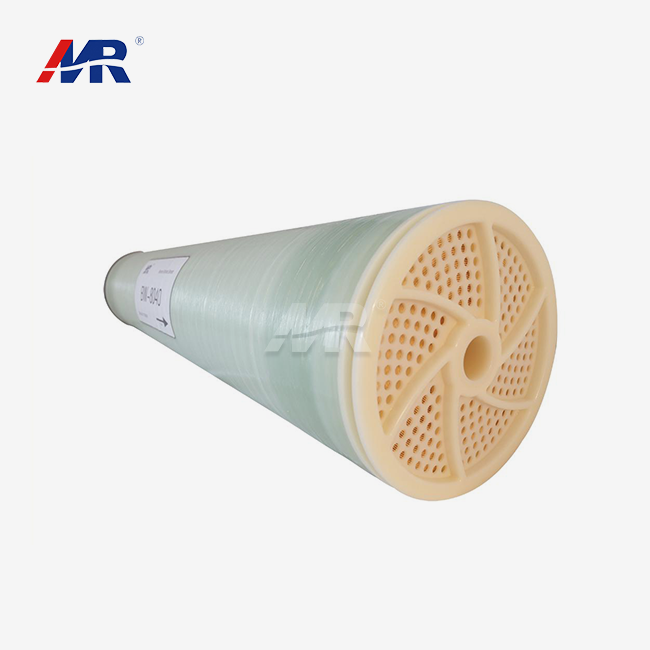
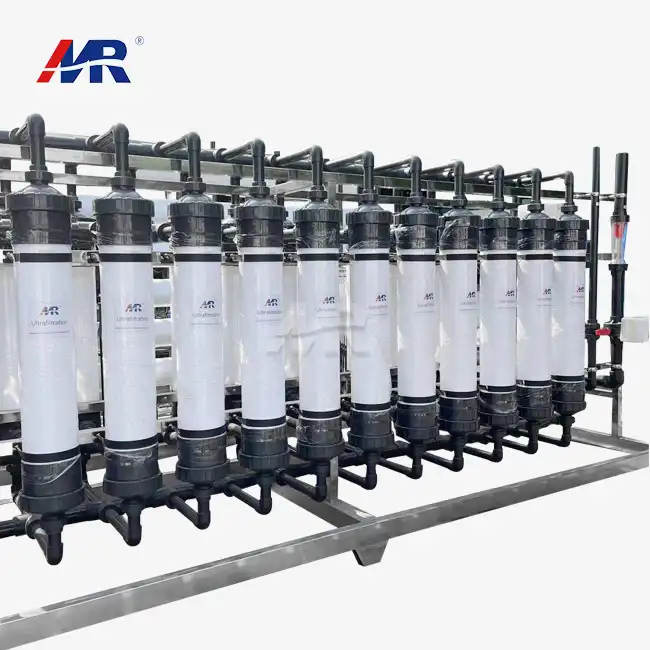
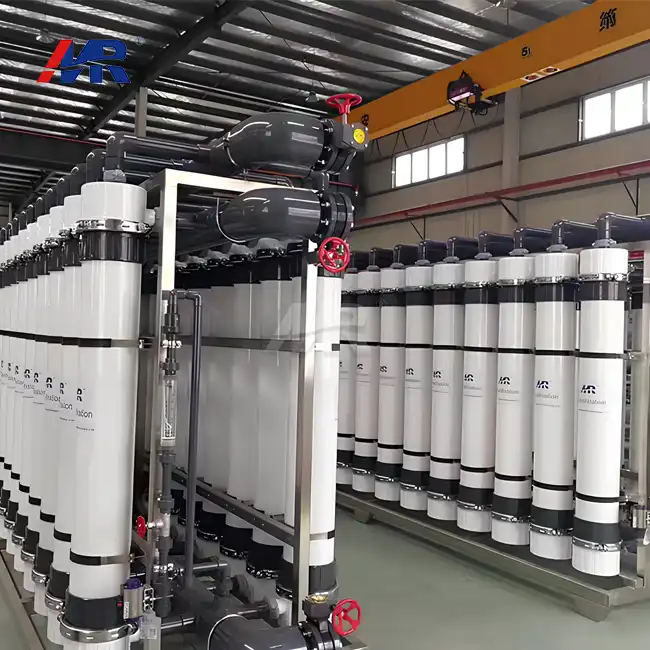
Membrane-based systems are the cutting edge of technology when it comes to managing leachate. They offer the best cleaning performance in small spaces. Reverse osmosis filters get rid of dissolved salts, heavy metals, and small organic molecules with an efficiency of nearly 98%. This makes permeated water that is clean enough to be released into the environment or used again in industry.
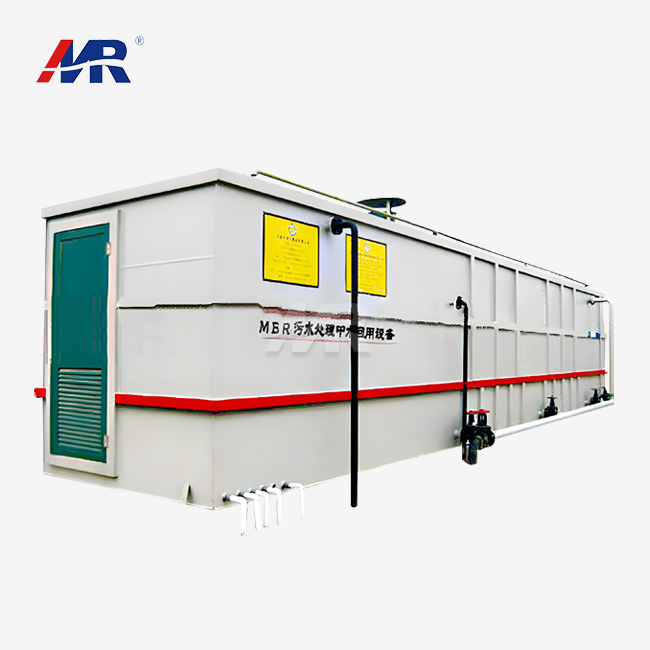
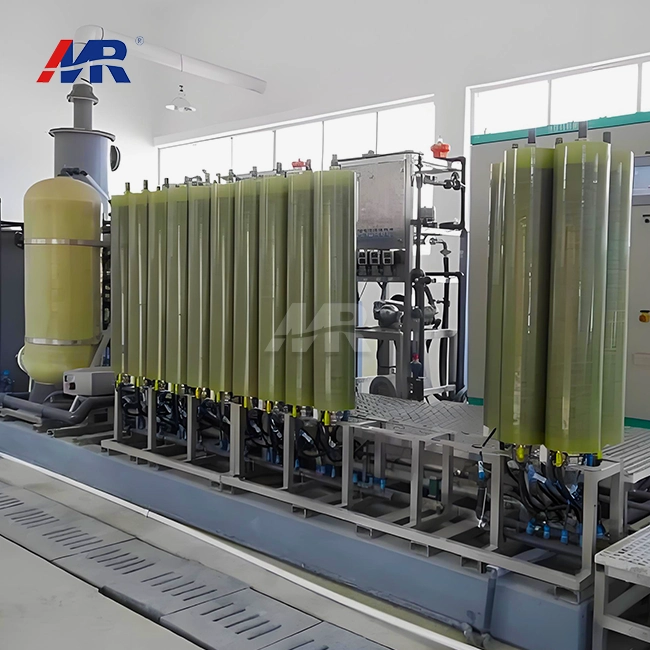
With membrane bioreactors, biological treatment and ultrafiltration membranes work together, so there is no need for separate clarifiers, and the wastewater quality is better. When compared to other activated sludge systems, the combined design takes up 40% less room. The open-channel flow routes and turbulence boosters in Disc Tube Reverse Osmosis (DTRO) technology clean the membrane surfaces all the time, even when the leachate is very foul. This setup keeps working well even when dealing with leachate that has a lot of oil and dissolved solids in it.
When you combine several technologies, you get mixed systems that use the best parts of each while making up for their flaws. A common setup might include biological preparation to lower the organic load, DTRO to get rid of dissolved contaminants, and then advanced oxidation for the final cleaning. These all-in-one options make sure that regulations are always followed, even when the waste is different or the weather changes.
Design Considerations and Best Practices in Leachate Treatment Plants
Scalability and Modular Configurations
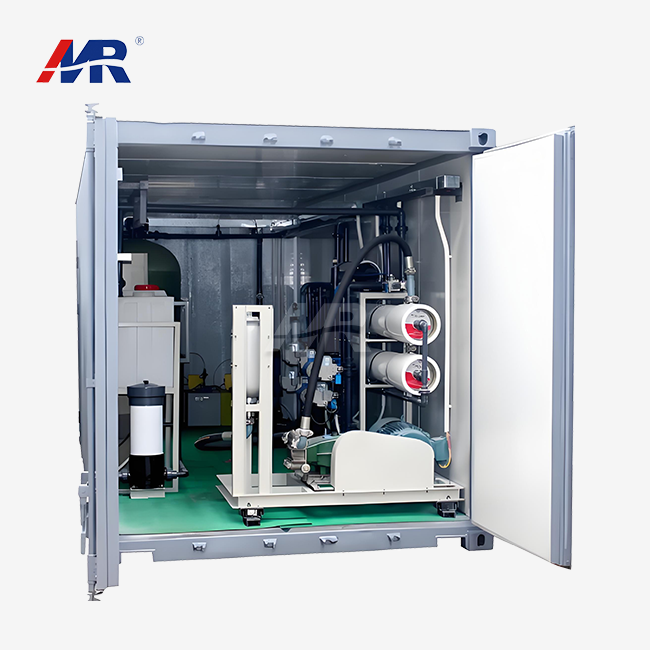
Smart building design plans for future growth without having to completely redo all the systems. With modular treatment skids, owners can add capacity gradually as the size of the waste increases, so they don't have to pay a lot of money all at once. Pre-assembled units come ready to connect to current systems, which cuts down on the time needed for installation. This step-by-step method matches the amount of money spent on capital with the amount of care that is actually needed, and it keeps the same performance standards throughout the lifecycle of the building.
Energy Efficiency Optimization
During the working life of the leachate treatment plant, energy use makes up a big part of the running costs. By recapturing hydraulic energy from concentrate streams, energy recovery devices on high-pressure membrane systems lower the amount of power used. Variable frequency drives on pumps and fans change the motor speed instantly to match the real-time demand. This stops the motor from running at full speed when the flow rate is low, which would be wasteful. Solar panels or biogas cogeneration systems can provide extra power, making the system less reliant on the power grid and making it more environmentally friendly.
Monitoring Protocols and Preventive Maintenance
Continuous automated tracking of important factors such as pH, temperature, pressure differences, and contaminant amounts lets you respond quickly to changes in the process before they affect the quality of the release. IoT monitors send data in real time to cloud platforms, where predictive algorithms use performance trends to find new repair needs. Cleaning the membranes, replacing the media, and inspecting the equipment on a regular basis, as suggested by the maker, keeps unexpected breakdowns from happening that stop activities.
Addressing Fluctuating Leachate Characteristics
Leachate's make-up changes a lot depending on how old the dump is, how much rain falls, and how the trash stream changes. Young dumps make acidic leachate that is high in volatile fatty acids, while older sites make wastewater that is lower in strength and higher in ammonia and refractory organics. Treatment systems need to be able to handle this range of conditions by having flexible process controls, enough balancing capacity, and chemical dosing methods that can be changed as needed. Short-term concentration spikes are tamed by buffer tanks, which protect living systems from harmful shock loads.
Procurement and Partnering with Trusted Leachate Treatment Solution Providers
Evaluating Total Cost of Ownership
When people buy things based only on how much they cost, they often end up regretting their choice when hidden costs come up. Civil works, electrical infrastructure, operator training, commissioning support, spare parts inventory, yearly service contracts, and plans for replacing consumables are all part of a full analysis. Manufacturers of reputable leachate treatment plants offer clear lifetime cost modeling, which lets buyers compare choices fairly and avoid budget shocks.
Importance of Proven Track Records
For municipal projects to be reliable, you need to have worked in the field before. When looking at possible suppliers, ask for examples from similar projects, like landfills that handle similar kinds and amounts of trash under similar rules. Visits to sites that are already up and running show that the Products work better in real life than they do in ads. Suppliers who have been specializing in treating leachate for decades know the unique problems these sites face and can come up with solutions that deal with common failure modes.
Over the course of 19 years of focused development, Guangdong Morui Environmental Technology has made its DTRO systems better at treating waste leachate. This level of knowledge shows up in design details that stock equipment sellers miss. The MR-DTRO-80TD type is a great example of engineering that was made to work in tough leachate conditions. It is made of corrosion-resistant 316L stainless steel that can handle pH changes and salt exposure, which quickly wears down regular materials. Toray's anti-fouling membranes have self-cleaning surfaces that don't get clogged up with oils and organic compounds. This means that the flow rates stay stable, whereas with regular membranes they drop quickly.
Customization Capabilities
Each dump has its own specific problems that need custom answers. Standardized equipment sets from providers drive facilities to use layouts that aren't ideal or systems that are too big and lose capacity. Because Morui makes everything itself, its engineers can change the flow rates from 5 to 50 cubic meters per hour, the footprints to fit in tight areas, and the level of automation difficulty to meet the skill level of the operators. Our more than 15 workshops oversee every step of the production process, from making Danfoss high-pressure pumps to Vontron membrane elements. This makes sure that quality is always the same and that changes can be made quickly.
After-Sales Support and Service Networks
Treatment equipment will always need to be maintained, fixed, and improved over the course of its useful life. When problems happen, operators are stuck because their suppliers don't have the right local support infrastructure. They have to pay expensive emergency trip fees or wait for parts to be shipped for a long time. Pre-sale services like free leachate sample analysis and process modeling should be part of comprehensive support packages. These help buyers make sure the system is right for them before they commit. After installation, quick expert support answers practical questions before they become compliance issues.
Morui offers expert help 24 hours a day, seven days a week, and predictive maintenance through IoT-enabled tracking systems that spot problems before they get too bad. Our emergency reaction promise guarantees on-site help within 72 hours, anywhere in North America. This keeps things running as smoothly as possible when urgent help is needed. A global network of spare parts makes sure that important parts get to you quickly, without the weeks-long delays that often happen with foreign sources. The two-year guarantee and additional service agreements protect you financially against repair costs that come up out of the blue during budget cycles.
Conclusion
Managing waste leachate well saves underground resources and makes sure that facilities stay in line with the rules so they can keep running without stopping. Combining biological pretreatment to lower the organic load with modern membrane technologies for final purification that meets disposal standards is the right way to treat wastewater. DTRO systems work really well in this situation because they don't get clogged up easily, have fast recovery rates, and are made in a small, flexible way that can be adjusted to fit the needs of the place. Instead of just looking at the price of the leachate treatment plant at the beginning, procurement choices should take into account the total cost over its entire life, the knowledge of the seller, the ability to make changes, and the support provided after the sale. Working with providers who have experience and know how to deal with the unique problems that come with leachate will give you solid long-term benefits that make the investment worth it.
Frequently Asked Questions
1. What are the primary US and European compliance standards for leachate discharge?
In the United States, sites follow Clean Water Act NPDES permits that set limits on BOD levels below 30 mg/L, TSS levels below 30 mg/L, and ammonia nitrogen levels below 10 mg/L. However, these limits are not always the same from state to state and from one water classification to another. The guidelines in the European Union are based on the Water Framework Directive and the Urban Waste Water Treatment Directive. They say that BOD levels must be less than 25 mg/L, COD levels must be less than 125 mg/L, and total nitrogen levels must be less than 15 mg/L in sensitive places. Both areas are regulating new pollutants, like PFAS chemicals and pharmaceutical residues, more and more.
2. How do I select the optimal treatment method for my landfill's characteristics?
The choice is based on the strength of the leachate, the amount of room that is accessible, the budget, and the discharge requirements. When leachate from new dumps is very strong, bacterial cleaning and membrane polishing are two good ways to clean it up. Older places with less organic matter but more ammonia may need special nitrification methods or membrane systems. DTRO technology works well in places where space is limited or where the makeup of the leachate changes a lot. Before putting money into a full-scale project, treatment success can be confirmed through test studies using representative samples of leachate.
3. What maintenance practices extend treatment plant lifespan and performance?
Depending on how often they get clogged, membrane systems need to be chemically cleaned every one to three months. This is done with specially made solutions that get rid of organic buildup and mineral scaling without harming the membrane's structure. Biological systems need to have their mixed liquid suspended solids, dissolved oxygen levels, and nutrient ratios checked on a regular basis, and extra biomass needs to be removed every so often. Tracking performance measures that show problems before they happen is a good way for predictive maintenance systems to keep all equipment in good shape.
Partner with Morui for Advanced Leachate Treatment Plant Solutions
Dealing with problems caused by leachate from city landfills requires more than off-the-shelf equipment. It needs engineered solutions from leachate treatment plant providers who know how your business works and what the rules are. Morui Environmental Technology brings 20 years of experience specializing in membranes to every project. They provide DTRO systems that have been used by Fortune 500 companies like BYD and CATL and have been proven to work. Our MR-DTRO-80TD has 50–75% recovery rates and can handle COD levels of up to 25,000 mg/L. It has ISO 9001, CE, and ROHS standards, which show that we are committed to quality. We offer complete services that turn leachate management from a legal hassle to a business benefit. These services include free leachate analysis, ROI modeling, installation completion, and predictive maintenance support. Get in touch with our technical team at benson@guangdongmorui.com to talk about the unique needs of your building and find out how customized DTRO technology can help you get better results at a lower cost.
References
1. Renou, S., Givaudan, J.G., Poulain, S., Dirassouyan, F., and Moulin, P. (2008). Landfill Leachate Treatment: Review and Opportunity. Journal of Hazardous Materials, 150(3), 468-493.
2. Kulikowska, D., and Klimiuk, E. (2008). The Effect of Landfill Age on Municipal Leachate Composition. Bioresource Technology, 99(13), 5981-5985.
3. Kjeldsen, P., Barlaz, M.A., Rooker, A.P., Baun, A., Ledin, A., and Christensen, T.H. (2002). Present and Long-Term Composition of MSW Landfill Leachate: A Review. Critical Reviews in Environmental Science and Technology, 32(4), 297-336.
4. Trebouet, D., Schlumpf, J.P., Jaouen, P., and Quemeneur, F. (2001). Stabilized Landfill Leachate Treatment by Combined Physicochemical-Nanofiltration Processes. Water Research, 35(12), 2935-2942.
5. Amokrane, A., Comel, C., and Veron, J. (1997). Landfill Leachates Pretreatment by Coagulation-Flocculation. Water Research, 31(11), 2775-2782.
6. Wiszniowski, J., Robert, D., Surmacz-Gorska, J., Miksch, K., and Weber, J.V. (2006). Landfill Leachate Treatment Methods: A Review. Environmental Chemistry Letters, 4(1), 51-61.