_1745823981883.webp)

What is a Sewage Treatment Plant & How does it work?
The question that every business owner and city manager has is how to properly deal with garbage without spending a lot of money. Understanding how modern sewage water treatment plants clean dirty water so that it meets strict environmental standards is the key to finding the answer. A Sewage Treatment Plant is a building that is intended to gather, clean, and release wastewater using a planned mix of chemical, biological, and physical processes. Before putting cleaned water back into the environment or using it in industry, these plants take out pollutants, germs, and nutrients from sewage. Modern systems use robotics and cutting-edge membrane technologies to treat water more effectively while keeping costs as low as possible.
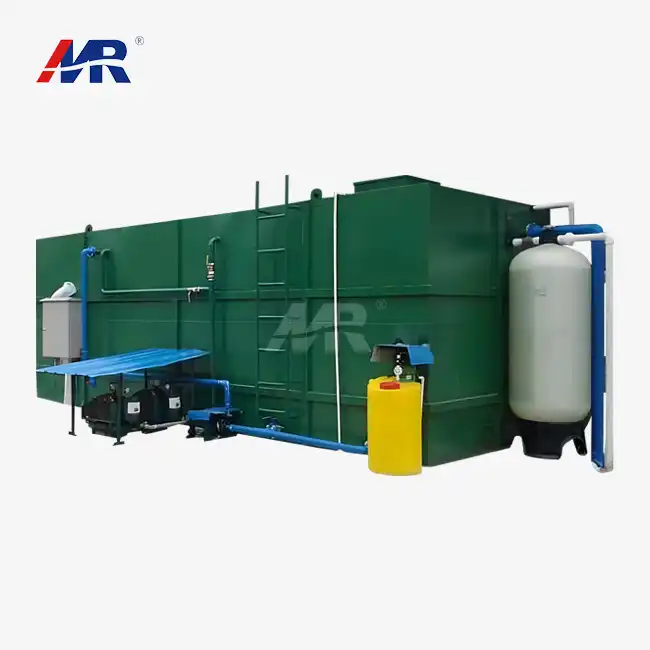
Understanding Sewage Treatment Plants: Principles and Types
Multiple stages of purification are at the heart of every successful sewage water treatment plant. These days, modern plants use three main types of cleaning to get rid of different types of contaminants.
Physical, Biological, and Chemical Treatment Integration
Screening and sedimentation are two physical cleaning methods that get rid of large solids and bits in the fluid. Biological processes use bacteria that are already in the environment to break down organic pollution, turning dangerous chemicals into harmless by-Products. Chemical solutions are better at getting rid of contaminants like phosphorus and heavy metals than organic ones are. This stacked method makes sure that all pollutants are removed while keeping costs low. To get strict discharge permits, plants that work with the food and drug industries often need to do advanced chemical cleaning after biological treatment, which is better.
Common Plant Types and Technologies
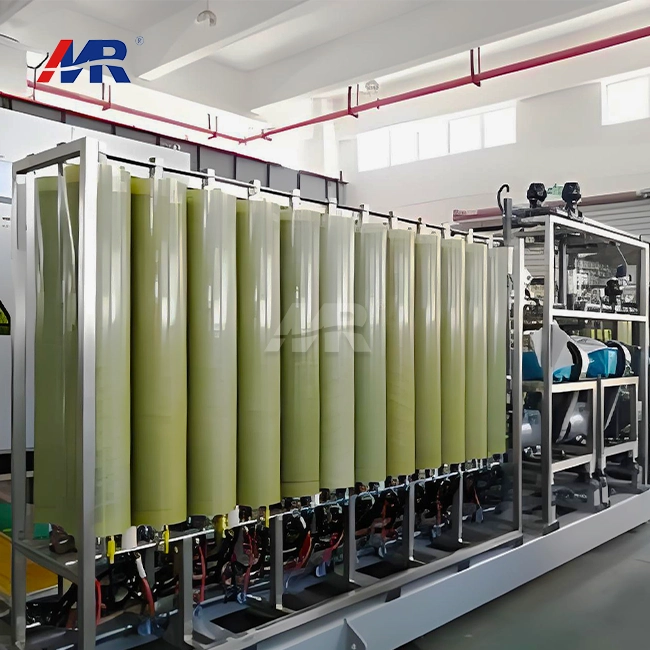
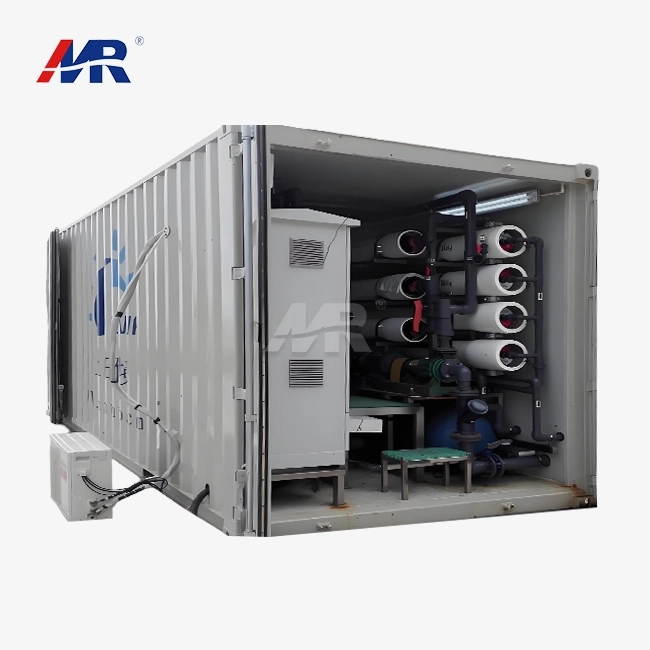
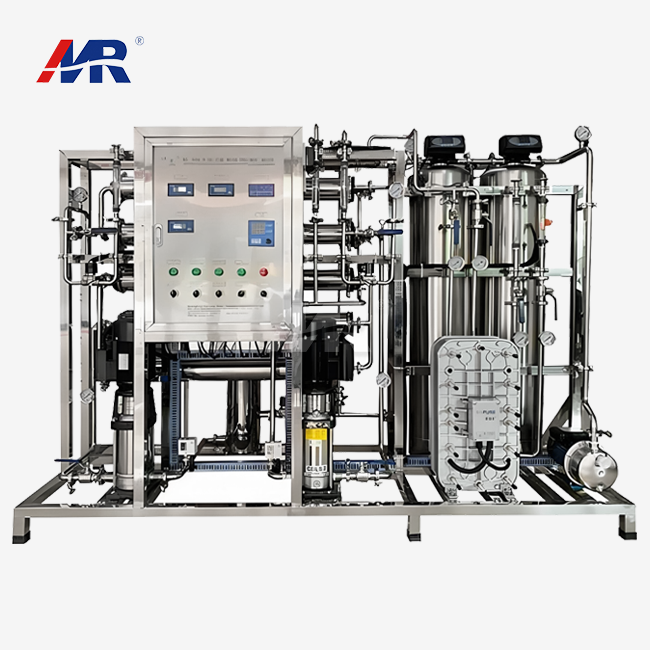
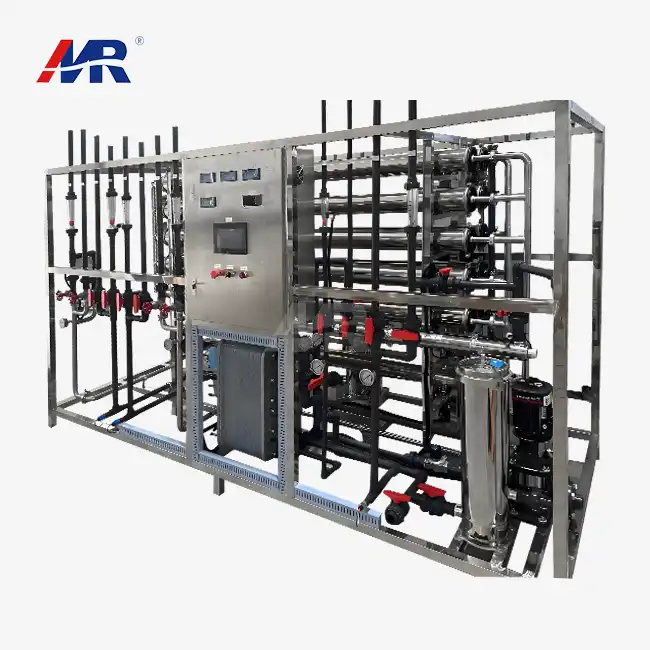
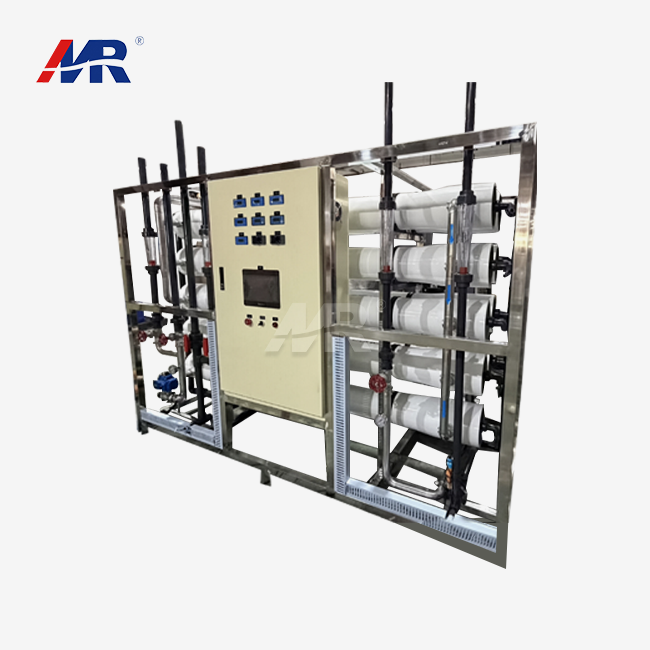
There are two main tools that rule the market right now. Activated sludge systems that are used today use big bubbling pools where microorganisms break down organic matter before it settles in clarifiers. These systems work regularly, but they take up a lot of space and make a lot of sludge. The most advanced option is membrane bioreactor (MBR) devices, which use hollow-fibre ultrafiltration membranes along with biological treatment. With 0.2-micron filtration, MBR technology produces better wastewater quality and turbidity levels below 0.5 NTU while taking up 30–50% less room than traditional systems. The flexible design lets the MBR's capacity grow smoothly from 100 m³/day to 100,000 m³/day. This makes it perfect for cities that are growing and factories that don't have a lot of room.
Scale Considerations for Different Applications
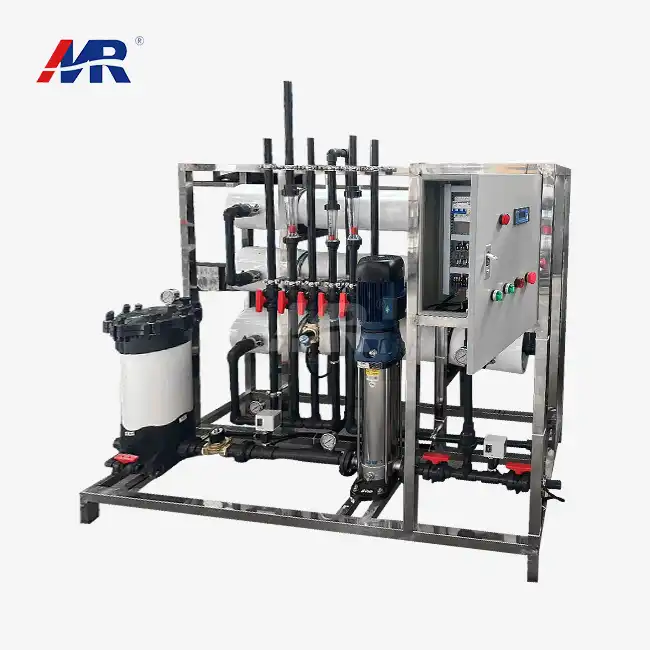
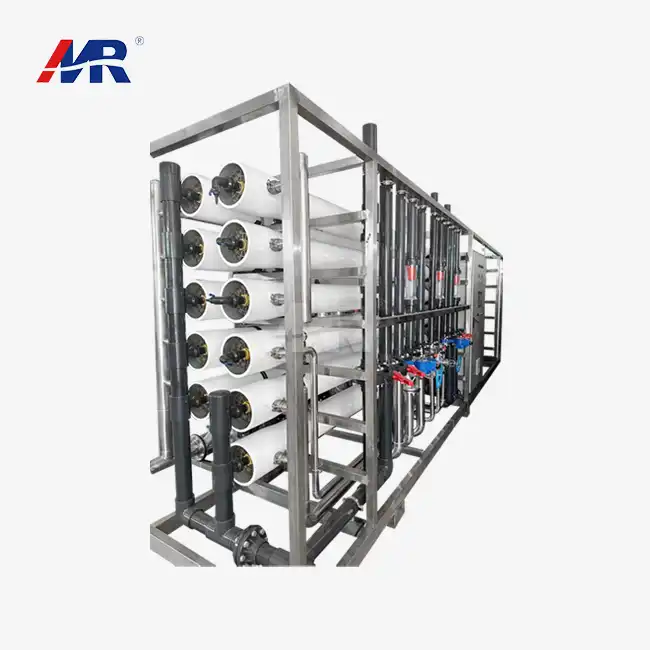
Small community systems usually deal with 10 to 500 m³ per day and use packed treatment units that are easier to use. Medium-sized plants that serve industrial parks or neighbourhoods in the suburbs handle 500 to 10,000 m³ per day and need more advanced process control. Large city sites that use more than 10,000 m³/day need advanced tracking systems, full automation, and redundant equipment. When procurement teams understand these differences, they can choose the right technology based on real capacity needs and growth estimates, instead of over-engineering solutions that make capital and operating costs go up.
How Does a Sewage Treatment Plant Work? Stages and Processes?
A sewage water treatment plant works in steps, and each stage targets a different type of pollution. This methodical technique makes sure that the water quality stays the same, no matter how the inputs change.
Preliminary Treatment: Screening and Grit Removal
Raw sewage comes in through channels, and big pieces of trash like plastic, rags, and wood are caught by coarse screens. Bar screens with 15–50 mm of space between them keep downstream equipment from getting damaged or clogged. After screening, grit cells slow down the flow, which lets sand, gravel, and heavy artificial particles settle. Getting rid of these rough materials keeps pumps and aerators from wearing out too quickly, which lowers upkeep costs by a large amount. Some facilities use fine screens with holes between 3 and 6 mm to catch more solids, which makes the main treatment work better. This first step gets rid of the roughest contaminants and gets the wastewater ready for later, more thorough steps of cleaning.
Primary Treatment: Sedimentation and Solid Separation
Gravity is used by primary clarifiers at a sewage water treatment plant to sort solids that can fall from the liquid. Wastewater moves through big tanks that are either round or square. The heavy particles sink after two to three hours, while the lighter ones float. Sludge that has fallen to the bottom is constantly scraped off by mechanical scrapers, which also skim grease that is floating on top. Between 50 and 70% of the dissolved solids and 30 to 40% of the biological oxygen demand (BOD) are taken out at this stage. The split sludge is thickened and dried out before it is thrown away or used again in a useful way as biosolids. Primary treatment cuts down on the amount of organic matter that goes into biological treatment by a large amount. This makes the process more stable downstream and lowers the amount of energy needed for ventilation.
Secondary Treatment: Biological Degradation
Aerobic bacteria break down dissolved organic matter in aeration tanks that have motorised or distributed air systems. Pollutants are broken down by bacteria, protozoa, and other microbes into carbon dioxide, water, and biomass. The activated sludge process keeps things running at their best by returning settled waste back into aeration tanks, which keeps the right number of microbes. Treatment plants that get rid of more than 95% of BOD and more than 90% of COD do so by carefully controlling the pH, temperature, liquid oxygen levels, and nutrient ratios. Advanced systems have anoxic zones before aerobic stages, which allows nitrification and denitrification processes to get rid of nitrogen. Biological treatment is the most important part of cleaning wastewater because it removes most of the toxins that have dissolved in it.
Tertiary Treatment: Advanced Filtration and Nutrient Removal
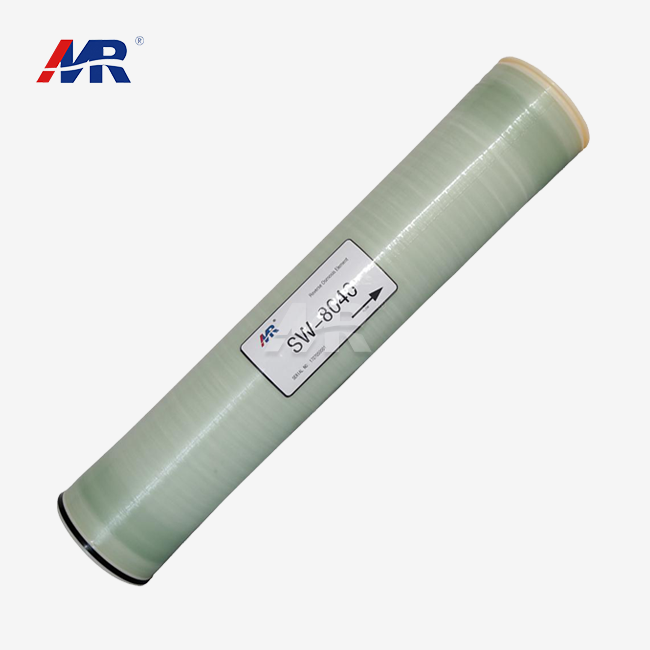
Tertiary cleaning is done by membrane filtration, sand filters, or built marshes in places that need better effluent quality. MBR systems combine biological treatment with ultrafiltration, so they don't need separate clarifiers. This makes the water very clean, so it can be used in industry or dumped into sensitive waterways. The 0.2-micron membrane holes get rid of bacteria, protozoa, and dissolved solids well, but they keep the active biomass inside the reactor. Chemical dosing systems use coagulants or phosphorus precipitants to get rid of phosphorus at rates higher than 90% and nitrogen at rates higher than 80%. This advanced treatment meets the strictest standards for water quality that are put in place for sites that discharge to recreational areas, drinking water sources, or programmes that recycle water.
Disinfection and Discharge
Pathogenic organisms are killed by final cleaning before the water is released or used again. Ultraviolet light systems disinfect without using chemicals and don't make any dangerous by-products. Chlorination, on the other hand, is still popular, even though it needs to be dechlorinated afterwards to protect the environment. In clear wastewater with turbidity below 5 NTU, UV systems working at a frequency of 254 nanometres can kill bacteria, viruses, and parasites. Water that has been treated and meets all government standards runs to receiving waters through outfall structures or is diverted to holding tanks so that it can be used again in industry. Continuous live tracking keeps an eye on pH, dissolved oxygen, turbidity, and other factors, making sure that release permits are always followed.
Modern Technological Enhancements
Programmable logic controllers change the way plants work by changing air rates, chemical doses, and flow distribution based on data from sensors that are being used right now. SCADA systems let you watch and handle things from afar, which cuts down on the need for workers and makes the process more stable. Biogas from anaerobic digesters is collected by energy recovery systems and used to lower the cost of heating and power. Some businesses lower their costs by 20 to 40 per cent by using energy-saving methods like variable-frequency drives on fans, high-efficiency motors, and organising processes for times when power use is lower.
Design Standards, Capacity, and Environmental Considerations
The right way to build a sewage water treatment plant takes into account capital costs, operational effectiveness, and legal compliance. Before choosing goods providers and technology platforms, procurement teams have to look at a number of factors.
International Standards and Regulatory Frameworks
In the US, the EPA sets rules for National Pollutant Discharge Elimination System (NPDES) permits that say how much BOD, total dissolved solids, nutrients, and bacteria can be released into the water. The ISO 24516 standards give managers of wastewater treatment plants advice on how to run their businesses. Clients in the industrial sector must follow both general discharge guidelines and sector-specific limits for things like heavy metals, pharmaceutical leftovers, and fats, oils, and grease. Knowing the rules that apply during the planning phase keeps you from having to make expensive changes or breaking the rules. To stop algae blooms and toxic zones, facilities near the coast are limited in how much nutrients they can release.
Capacity Planning and Scalability
Accurate capacity planning for a sewage water treatment plant takes current loads and growth forecasts for the next 20 to 30 years into account. The calculations take into account the daily average flow, the peak flow during wet weather, and the organic loading, which is shown as the BOD or COD mass per day. Undersized sewage water treatment plants often overflow and break the rules, while large plants waste money and don't work well when they have low loading rates. This problem can be solved by modular MBR systems, which allow more capability to be added in stages as demand rises. To get to 2,000 m³/day, facilities can start with a 500 m³/day module and add more of the same units without stopping what they're doing. Instead of spending in capacity that won't be used right away, this method lines up capital expenditure with real growth.
Environmental Impact and Sustainability Benefits
Pollutants that hurt fish populations and lower oxygen levels are taken out of water by modern cleaning plants. Getting rid of nutrients stops eutrophication in lakes and marine seas. Advanced systems make wastewater that can be used for flushing toilets, watering plants, or cooling factories. This saves freshwater in places where it's hard to find. Energy-efficient designs reduce carbon impact, and some plants use no energy at all because they make biogas and have solar screens. In MBR systems, less sludge is made, which lowers the cost of removal and the load on landfills by 30 to 50 per cent compared to traditional treatment. As companies try to get sustainability Certifications and meet their business responsibility goals, these environmental benefits become more important in the buying choices.
Choosing the Right Sewage Treatment Plant: Decision Factors for B2B Clients
To choose the right sewage water treatment plant, you have to weigh the technical performance, the cost, and the vendor's skills. People who make decisions should carefully consider a number of important factors.
Capacity, Energy, and Operating Cost Analysis
Match the system's ability to its expected flow, leaving enough room for error. Energy use has a direct effect on running budgets. In conventional plants, aeration usually uses 50–60% of all the power. Using high-efficiency fans and better process control can cut energy costs by a large amount. Instead of just looking at the original capital cost, compare the total cost of ownership over 20-year lifecycles. MBR systems cost more up front, but they save money in the long run because they leave less of an impact, use fewer chemicals, and require less sludge handling. Find the most cost-effective option by calculating the net present value while taking into account the terms of the loan, the cost of utilities, and the need for upkeep.
- Superior Effluent Quality: Membrane filtration makes water that meets the tightest standards for reuse. This means that industrial clients can reuse treated wastewater in cooling towers, boiler feed, or process uses, which saves money on buying fresh water.
- Reduced Chemical Consumption: Biological treatment, along with physical filtering, cuts down on or gets rid of the need for coagulants, flocculants, and other chemicals that are usually used in tertiary treatment, which lowers ongoing running costs.
- Lower Sludge Production: Membrane systems work at higher amounts of mixed liquor suspended solids, which cuts the production of extra sludge by 30–50%. This lowers the cost of removal and the damage it does to the environment.
- Automated Operation: Programmable controls take care of the cleaning cycles, aeration rates, and process factors automatically, which cuts down on the amount of work that needs to be done and the level of skill that operators need to do their jobs well.
- Compact Footprint: Because MBR systems don't need clarifiers and have smaller tanks, they are perfect for urban facilities, industrial parks, and waste areas where the cost of land makes it hard to build a regular treatment plant.
Comparing Technology Options and Acquisition Models
Conventional activated sludge is still a good choice for big city plants that have space and don't have to meet strict pollution standards. MBR technology is good for uses that need better water quality, a small size, or the ability to add more capability in the future. Some businesses choose leasing agreements to keep their cash for their main business activities. This is especially true when treatment plants help production facilities instead of being the main business. With equipment-as-a-service models, upkeep is handled by specialised service providers, which makes sure that the system works well even if the company doesn't have its own experts. Check to see if buying the item directly, financing it, or operating leasing fits better with the company's risk tolerance and financial goals.
Supplier Credibility and After-Sales Support
Work with well-known makers that have a history of success in similar situations, such as for a sewage water treatment plant. Check for certifications like ISO 9001 quality management and product certifications for important parts like filters and control systems. Full help after the sale includes training for operators, online diagnosis, access to spare parts, and emergency service. When specialised parts need longer wait times or suppliers don't have area service networks, plants have to shut down, which costs a lot of money. Check out examples from suppliers from similar facilities (e.g., a sewage water treatment plant) and ask them directly about how quickly they can respond to problems and how long they can keep parts in stock. Having good ties with suppliers is very helpful during the steps of launching, troubleshooting, and expanding capacity.
Conclusion
Modern sewage water treatment plant technology uses complex but reliable methods to protect the environment and keep resources from being wasted. Knowing about treatment principles, planning for capacity, and operational needs helps you make smart buying choices that balance technical performance with budgetary limitations. Membrane bioreactor systems are the best way to go right now for uses that need high-quality effluent with a small footprint and a lot of operating freedom. For projects to go well, vendors must be carefully chosen, operators must be fully trained, and upkeep programmes must be followed. When businesses invest in advanced wastewater treatment, they get more than just legal compliance. They also get more control over their running costs and the chance to reuse water, which helps them be more environmentally friendly and protects the communities and ecosystems around them.
FAQ
1. How long does a sewage water treatment plant typically last?
Sewage treatment plants typically last 25–40 years with proper maintenance. Concrete structures exceed 50 years, mechanical equipment needs replacement every 10–15 years, and mbr membranes and control systems require periodic upgrades.
2. What are the main cost considerations beyond initial purchase?
Operating costs include electricity for aeration and pumps, labour, chemicals, sludge disposal, and maintenance. Budget 3–5% of capital cost for upkeep and 1–2% for major repairs annually.
3. How do I ensure compliance with environmental regulations?
Ensure compliance by installing real-time monitoring for pH, turbidity, and flow, conducting regular BOD/COD testing, maintaining operational records, training staff, and performing routine process audits to prevent violations.
Partner with Morui for Advanced Wastewater Treatment Solutions
Every time Guangdong Morui Environmental Technology works on a sewage water treatment plant project, they bring 14 offices, 500 workers, and 20 engineering experts. Our vertically integrated skills include plants that make membranes and plants that make tools. This makes sure that quality control happens all along the supply chain. We offer full installation, setup, and help after the sale of MBR systems ranging from 100 m³/day to 100,000 m³/day. Our automated membrane bioreactor platforms get rid of more than 95% of BOD, more than 90% of COD, and less than 0.5 NTU of turbidity in the effluent, which meets the strictest industry and city standards. Our technical team offers custom solutions for use in the pharmaceutical, food processing, electronics manufacturing, and municipal fields. They can either improve the current infrastructure or build new facilities. Email our sewage water treatment plant provider team at benson@guangdongmorui.com to talk about your specific needs and find out how our tried-and-true technology can help you handle your wastewater in a way that is both reliable and cost-effective.
References
1. Metcalf & Eddy, Inc. (2014). Wastewater Engineering: Treatment and Resource Recovery. McGraw-Hill Education.
2. United States Environmental Protection Agency (2021). NPDES Permit Writers' Manual. EPA Office of Water.
3. International Organisation for Standardization (2019). ISO 24516-1:2019 Guidelines for the Management of Assets of Water Supply and Wastewater Systems.
4. Water Environment Federation (2018). Design of Municipal Wastewater Treatment Plants, Sixth Edition. WEF Press.
5. Judd, S. & Judd, C. (2020). The MBR Book: Principles and Applications of Membrane Bioreactors for Water and Wastewater Treatment. Butterworth-Heinemann.
6. American Society of Civil Engineers (2017). Standard Guidelines for the Design, Installation, and Operation of Wastewater Treatment Systems. ASCE Press.