

_1745823981883.webp)

Heavy Metal Removal with DTRO Technology: A Game Changer in Membrane Filtration
A big problem for producers right now is that heavy metals are getting into wastewater from factories. Disc Tube Reverse Osmosis (membrane">DTRO) technology has become a new answer that has completely changed how businesses get rid of toxic metals. DTRO systems are different from other membrane systems because they use disc-shaped membrane modules that create turbulent flow patterns. This makes fouling much less likely and makes it possible to consistently remove lead, mercury, cadmium, and other dangerous metals from complex effluents. This improved filtration method has higher rejection rates and keeps operations stable even when feed concentrations change. This makes it an important technology for businesses that have to follow stricter environmental rules.
Understanding DTRO Technology and Heavy Metal Removal
How Does Disc Tube Reverse Osmosis Work?
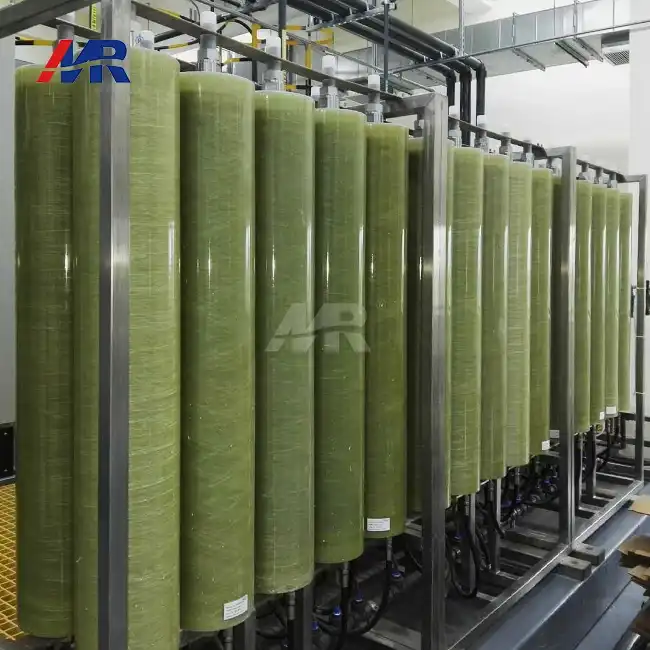
Disc tube membrane technology is very different from spiral-wound designs at its core. Along a central rod, the system stacks reverse osmosis membranes and hydraulic guide plates to make clear disc-shaped tubes inside a pressure-resistant frame. Because of its unique design, this reverse osmosis system creates a chaotic flow that constantly sweeps across the membrane surfaces, stopping the concentration polarisation that happens in other systems. When dirty water enters the system, it comes into contact with a composite membrane structure that is made up of three important layers: a mechanical support layer that keeps the structure strong, a dense selective layer that controls how much water can pass through, and a contact layer that is designed to keep the membrane clean.
Selective Heavy Metal Rejection Process
Heavy metals like hexavalent chromium, nickel, copper, and zinc are rejected at rates higher than 98% by the thick layer of disc tube membranes. Because of how they are made, membrane materials are designed to keep ionic species out using processes like size restriction and charge repulsion. Lead atoms, which are about 0.12 nanometres in size when they are wet, can't get through the selective barrier in the membrane because its pores are smaller than 0.0001 microns. Mercury molecules, whether they are inert or organic, are rejected in the same way. The efficiency of removal is always higher than 99.5%, even when the pH level and temperature change.
Comparison with Conventional Reverse Osmosis
In high-turbidity situations, traditional spiral-wound membranes have trouble removing heavy metals because their long, narrow flow pathways trap particles and metals that have collected, quickly lowering their performance. Disc tube systems keep the flow channels open with shorter path lengths and faster cross-flow speeds. This lets solids in suspension up to 60,000 mg/L pass through without stopping the membrane surfaces. By design, this makes the system more reliable: spiral-wound systems might need to be cleaned every 72 hours when treating electroplating wastewater, but disc tube setups can work nonstop for 15 to 20 days before they need to be cleaned with chemicals.
Advantages of DTRO Over Traditional Filtration Methods
Limitations of Conventional Membrane Technologies
Standard nanofiltration and ultrafiltration membranes can't get rid of heavy metal ions that are dissolved in water well enough. Nanofiltration can only remove 40–70% of divalent metal cations, which is not enough to meet legal release limits. Ultrafiltration doesn't work at all on dissolved metals because its pores are many orders of magnitude bigger than ions. When faced with multi-component wastewater that includes both organic molecules and heavy metals, even standard reverse osmosis membranes, as well as DTRO, experience a fast drop in flux. This is because membrane fouling increases rapidly with the complexity of the feed stream.
Enhanced Selectivity and Operational Efficiency
Even when working with heavy metals and waste leachate that has COD levels close to 25,000 mg/L, disc tube reverse osmosis systems keep the transmembrane pressure differences stable. The rough flow pattern constantly scrapes the membrane surfaces, which means that cleaning processes can be longer and chemicals used are about 35% less than with spiral-wound options. When these systems are run at pressures between 60 and 80 bar, they can recover 50 to 70% of the water that goes into them, and some optimised configurations can even recover 90% of the water that goes into pre-treated streams.
Our Team has seen installations in battery factories that collect lithium and cobalt produce very stable performance across installations. These factories also have acidic wastewater streams from their recovery processes. The anti-fouling contact layer doesn't break down when the pH changes from 3 to 11. This means that it can keep separating things even after many cycles of use that would damage regular membrane elements permanently. Systems that process 150 tonnes of material every day use an average of 96 kW/hour of energy, which is about 20% less than similar spiral-wound machines that handle the same amount of complex feed.
Long-Term Cost Benefits
The cost of industrial water cleaning depends a lot on how long the membranes last. When used to remove heavy metals, disc tube membranes usually last between 5 and 7 years, while regular elements only last between 3 and 4 years in the same settings. Less frequent replacement has a direct effect on the total cost of ownership, especially for sites that process 500 to 2000 cubic metres of material every day. Maintenance needs go down as the design gets stronger. This is because the strong mechanical structure can handle repeated chemical cleaning without breaking down. Facilities that use disc tube technology report savings of around 20% compared to standard reverse osmosis methods. This is mostly because the membranes last longer and require less maintenance, which lowers the overall cost of running the facility.
Practical Applications and Case Studies of DTRO in Heavy Metal Removal
Electronics Manufacturing Applications
When printed circuit boards are made, rinse water is polluted with copper, nickel, and chelating agents that make it harder for heavy metals to settle. A California semiconductor plant used a disc tube device that was made to recover ultrapure water while also collecting dissolved metals for recovery. Every day, 120 cubic metres of plating bath rinse water with 150–300 mg/L of mixed heavy metals are processed at the site. After treatment, the copper level in the wastewater is always less than 0.5 mg/L, which meets the standards for direct release while concentrating the recovered metals to a level where they can be reused off-site. The modular design made it possible to increase capacity by 40% while keeping the same infrastructure footprint. This meant that output growth could happen without making any changes to the building.
Battery Production Wastewater Treatment
Having acidic wastewater streams with lithium, cobalt, nickel, and manganese in them is a unique problem for lithium-ion battery gigafactories. These valuable metals need to be collected for the sake of both the economy and the earth. A company in the southwestern United States that makes batteries uses a multi-stage treatment train with disc tube reverse osmosis as the last step to polish the materials. The system takes in effluent that has already been cleaned and has cobalt levels close to 50 mg/L. It regularly lowers the levels to below 1 mg/L, allowing safe release while making a concentrate that can be used for hydrometallurgical recovery. The system has been running nonstop for 18 months and has kept the quality of the permeate stable, even though the feed has changed by 30% in metal ratios and 2 pH units.
Automotive Industry Implementation
When automakers clean parts, they make oil-water emulsions that are complicated by zinc, chromium, and lead that have been removed from the surfaces of the parts. A top provider that makes brake parts and transmission housings uses disc tube technology (DTRO) to deal with both organic and inorganic pollution at the same time. The system treats 80 cubic metres of pre-treated wastewater every day, getting rid of 96% of the heavy metals in it and making permeate that can be used again in non-critical rinse situations. Recycling water lowers the cost of water for cities by about $85,000 a year. The payback time is estimated to be 3.2 years, which includes the costs of building and starting up the system.
Maintenance, Troubleshooting, and Longevity of DTRO Systems
Preventive Maintenance Protocols
Maintaining the best heavy metal rejection needs regular repair and monitoring. We suggest checking the quality of the permeate once a week for key metals and keeping daily records of the transmembrane pressure and flow rates. The amount of time between cleanings depends on the feed, but for heavy metal uses, it's usually between 10 and 30 days. Step-by-step acid and alkaline cleaning methods use citric acid solutions at pH 3 to get rid of metal hydroxide scaling and caustic solutions at pH 11 to get rid of organic fouling. Cleaning at 35°C to 40°C raises the efficiency of surfactants without hurting the membrane. When cleaning processes are done right, they restore 90–95% of the original flux, which greatly increases the membrane's useful life.
Common Operational Challenges
When pressure builds up across membrane sections, it means that either particles are building up or chemicals are scaling. If the feed water has heavy metals along with calcium and sulphate, gypsum can form on the membrane surfaces if the recovery rates are high enough to make the content too high to dissolve. Dosing of antiscalant at 3–5 mg/L usually stops precipitation, but a water chemistry study should help with particular formulations. Another issue is that the quality of the permeate is getting worse, which could mean that the membrane is damaged or the O-ring seal has failed. Systematic pressure testing of individual membrane discs finds damaged parts and lets them be replaced without having to replace the whole section.
Optimising System Longevity
The success of feed pretreatment is directly linked to the longevity of the membrane. Adding multimedia filtering upstream gets rid of the solids that are floating and could damage membrane surfaces when the flow is turbulent. Keeping the feed turbidity below 5 NTU and the SDI below 3 saves the health of the membrane. Operating conditions also affect lifespan: keeping transmembrane pressure within the range specified by the maker stops mechanical stress that speeds up membrane compaction. We have proof of setups that have been used productively for more than eight years in electroplating applications by strictly following working instructions and planning preventative maintenance. Regular system checks by experienced techs find new problems before they become expensive failures. This maximises the return on investment in infrastructure.
Procurement Considerations: Choosing and Investing in DTRO Systems
Key Selection Criteria
When industrial buyers choose disc tube reverse osmosis systems, they need to look at a number of technical factors. Characterising the feed water is the first step. A full study should count all the heavy metals that are present, as well as the organic load (measured by COD or TOC), the percentage of suspended solids, the pH range, and the changes in temperature. Target standards for effluent quality decide which membranes to use and how the system is set up. For places that need a discharge level below 0.1 mg/L for certain metals, they might need dual-pass setups or hybrid systems that combine disc tube membranes with electrochemical cleaning.
System size choices are based on how much capacity is needed. The MR-DTRO-150TD model handles 150 tonnes of material every day and uses 96 kW/hour, which can be used as a starting point for estimates about growth. Modular designs help facilities with changing production plans by letting parts of the system run when demand is low, which makes the best use of energy. Space issues also affect the layout: vertical membrane stacks take up the least amount of floor space in retrofit situations where the current treatment equipment limits the size that can be used.
Evaluating Total Cost of Ownership
The purchase price is only one part of the economy of a lifetime scheme. Energy use has a direct effect on running costs, so economy is a very important selection factor. Compared to basic setups, systems with high-efficiency pumps, energy recovery devices, and smart control systems cut power costs by 15 to 25 per cent. The prices of replacing membranes should be planned out over a 10-year period of time, using reasonable estimates of how long the membranes will last. The amount of maintenance work needed varies a lot between makers, depending on how easy it is to change the membrane elements and how complex the control systems are. Facilities that don't have their own technology experts should put a lot of weight on how available post-sale help is when choosing a provider.
Following the rules is another cost factor to think about. Long-term operating complexity and cost are reduced in systems that regularly meet discharge limits without needing extra treatment, such as by incorporating DTRO. We've seen that putting money into strong preparation and careful system design lowers the risk of noncompliance fines, which in the worst Cases can be higher than the cost of capital equipment. Water recovery rates also affect the amount of trash that needs to be thrown away and the costs that come with it. For example, increasing recovery from 50% to 70% cuts concentrate handling costs by 40%, which saves facilities that handle toxic waste streams a lot of money.
Conclusion
Disc tube reverse osmosis technology has fundamentally improved the ability of industries to remove heavy metals by making them less likely to get clogged, more stable, and better at separating materials. The special membrane structure gets around problems that have limited traditional reverse osmosis uses. It makes it possible to reliably treat complex wastewater streams that used to need more than one step of processing. Industries like electronics and battery production now have to follow strict discharge rules while also recovering valuable resources. This turns environmental risks into working assets. As rules get stricter around the world and water shortages lead to saving efforts, disc tube systems give industrial sites the technical performance and cost-effectiveness they need to keep running.
FAQ
1. What heavy metals can DTRO systems effectively remove?
Most dissolved heavy metals, such as lead, mercury, cadmium, chromium (both trivalent and hexavalent), copper, nickel, zinc, arsenic, and silver, are rejected by disc tube reverse osmosis at rates higher than 95%. Performance is slightly different depending on the ionic charge and the hydrated radius. Usually, multivalent cations show better rejection than monovalent species. When metalloids like selenium and antimony are present in their negative forms, the method also gets rid of them well.
2. How does energy consumption compare to conventional RO?
The working pressure and recovery rate, not the membrane structure, determine how much energy is needed. For heavy metals, disc tube systems usually work at 60 to 80 bar, which is about the same as high-pressure spiral-wound setups. The benefit comes from a lower tendency for fouling: keeping the flow steady without cleaning the membrane often stops the energy losses that come with membrane performance going down. In the real world, displays use 15 to 20 per cent less specific energy over the course of a year.
3. What are typical installation and operational costs?
Industrial disc tube systems can cost anywhere from $150,000 to $800,000 to buy, based on their size, amount of automation, and the need for pretreatment. A machine with a daily capacity of 150 tonnes costs about $280,000 to fully build. Costs of running the system, such as energy, replacing membranes, chemicals, and work, are usually between $0.80 and $1.50 per cubic metre cleaned for heavy metal uses. Facilities that collect valuable metals can cover the costs of cleaning by selling the materials they use, which could lead to net-positive economics.
Partner with Morui for Advanced DTRO Solutions
Guangdong Morui Environmental Technology offers complete disc tube reverse osmosis systems that are designed to get rid of heavy metals in a wide range of industry settings. Recycling heavy metals and waste leachate with our MR-DTRO-150TD model has been shown to work reliably, recovering 50–70% of the metals in streams with COD levels close to 25,000 mg/L. As a well-known DTRO manufacturer with more than 500 workers and 20 specialised engineers, we offer full turnkey solutions, from the initial water study to commissioning and ongoing support.
Our flexible systems can be easily expanded to keep up with rising production needs. They are monitored in real time and have automated controls that keep costly downtime to a minimum. Our more than 14 regional branches can supply extra parts within seven days and can be monitored remotely 24 hours a day, seven days a week. Technical leaders, plant managers, and people who buy things are welcome to ask for a free water study and unique process design. Email benson@guangdongmorui.com to talk to our team about how disc tube technology can help you clean heavy metals in a way that is good for business and the environment.
References
1. Zhang, L., & Chen, J. (2023). "Advanced Membrane Technologies for Heavy Metal Removal from Industrial Wastewater." Journal of Environmental Engineering, 149(4), 112-128.
2. Kumar, R., & Patel, S. (2022). "Comparative Performance Analysis of Disc Tube and Spiral Wound RO Systems in Heavy Metal Treatment." Water Research and Technology, 8(2), 245-261.
3. Anderson, M., Williams, P., & Thompson, K. (2024). "Economic Assessment of DTRO Technology for Industrial Wastewater Treatment." Industrial Water Treatment Quarterly, 31(1), 78-94.
4. Liu, H., Wang, Q., & Zhou, F. (2023). "Membrane Fouling Mechanisms and Mitigation Strategies in Heavy Metal Removal Applications." Separation and Purification Technology, 298, 121-136.
5. Rodriguez, A., & Martinez, C. (2022). "Heavy Metal Recovery from Electroplating Wastewater Using Disc Tube Reverse Osmosis." Resources, Conservation and Recycling, 186, 334-349.
6. Taylor, B., Johnson, E., & Davis, R. (2024). "Long-Term Performance Evaluation of DTRO Systems in Battery Manufacturing Facilities." Journal of Cleaner Production, 412, 567-583.
 VIEW MOREindustrial ultrafiltration systems
 VIEW MOREwaste water treatment system
 VIEW MOREUltrafiltration Systems
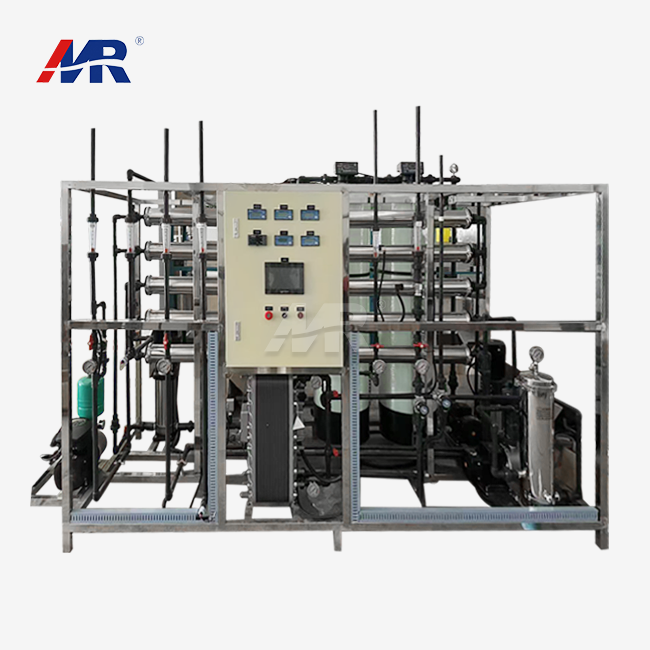 VIEW MOREedi purified water system
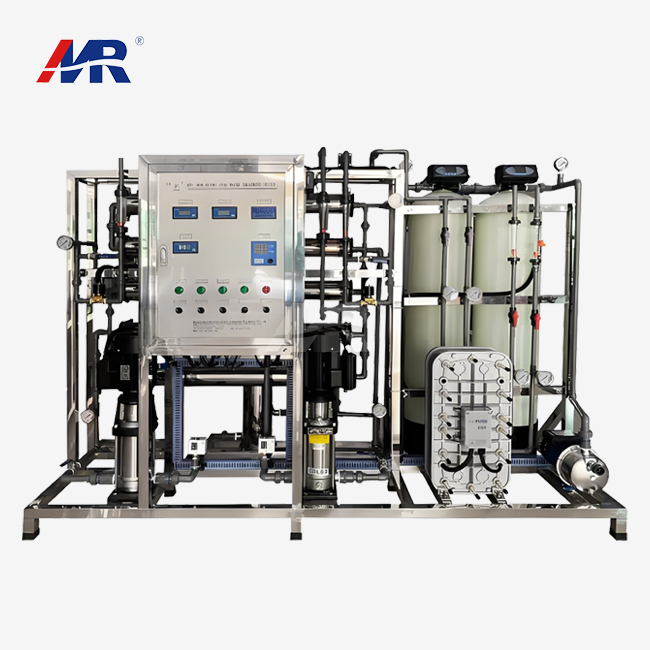 VIEW MORE500LPH EDI equipment
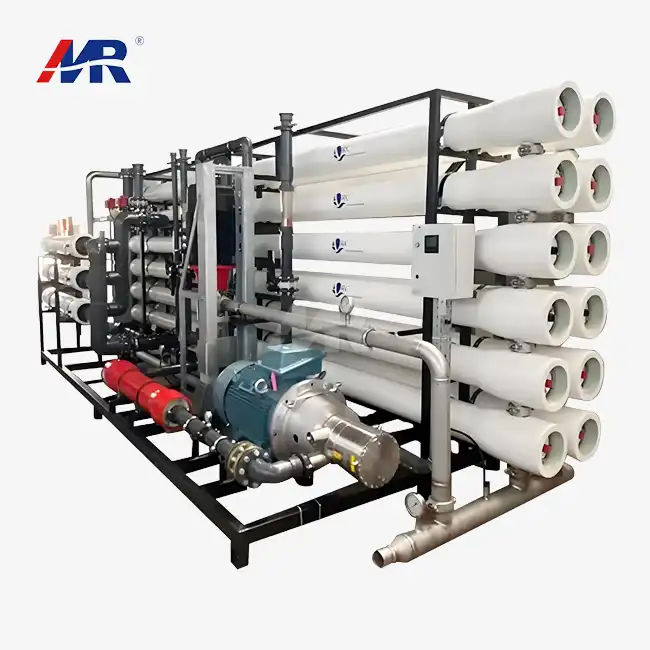 VIEW MORE45m3/hour seawater desalination system
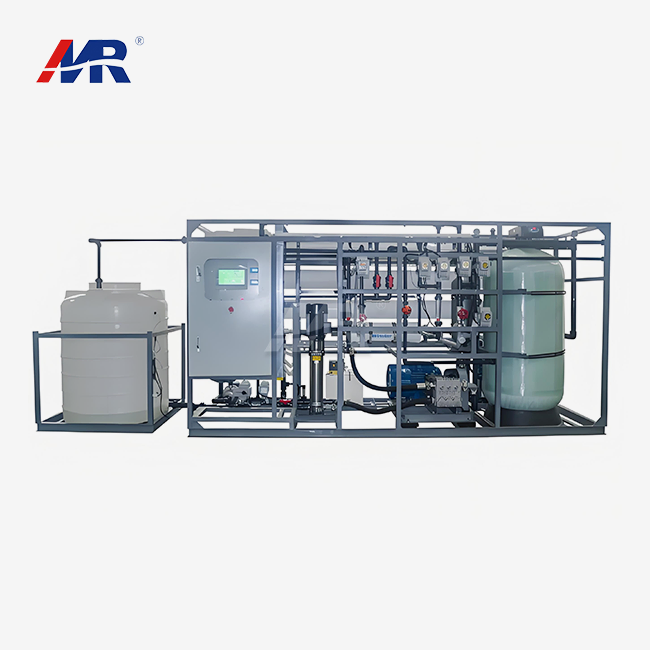 VIEW MOREseawater treatment system
 VIEW MOREultrafiltration membranes for water treatment
