

_1745823981883.webp)

How Softened Water Transformed Homes
Millions of homes and companies in the U.S. have problems with hard water that lead to scale buildup, broken appliances, and higher care costs. When buildings started using reverse osmosis water softener systems, things changed dramatically. Within months, fixtures were cleaner, equipment lasted longer, and huge amounts of money were saved. RO technology goes further than regular filtering because it gets rid of heavy metals, dissolved minerals, and other contaminants that ion exchange systems can't. This makes the water quality safer for both health and infrastructure.
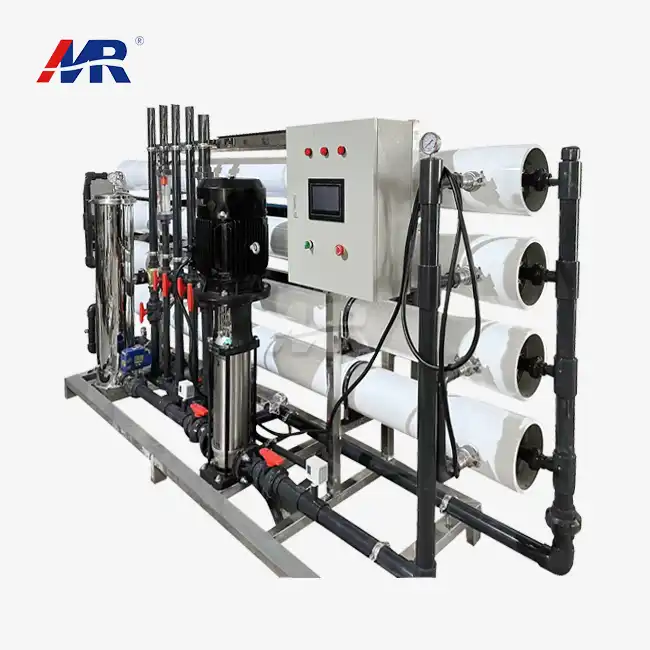
How Reverse Osmosis Water Softeners Work: The Science Behind the Solution
Knowing about RO technology helps you make smart choices about investments in water treatment. The method works by filtering through several steps that get rid of contaminants down to the microscopic level.
Core Components and Their Functions
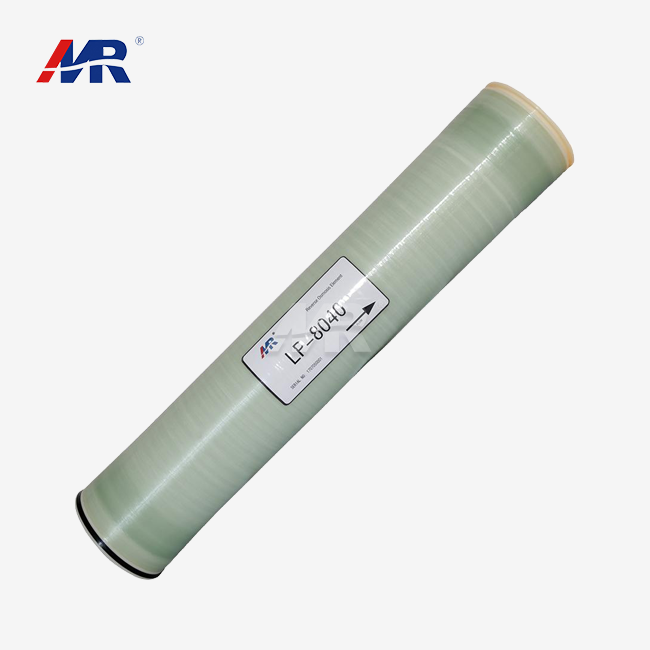
Modern RO systems have a lot of important parts that work together. Sediment pre-filters catch particles bigger than 5 microns, which keeps parts further down the line from wearing out too quickly. Activated carbon filters get rid of chlorine, volatile organic compounds, and chemicals that change the taste of water, which would damage the semi-permeable barrier. The pores in the RO membrane are about 0.0001 microns wide, which is small enough to stop heavy metals like lead and arsenic, dissolved salts, and new pollutants like pharmaceutical leftovers.
For uses that need a steady amount, storage tanks keep the flow rates at the right level. Pressure pumps make sure there is enough force to resist osmotic pressure. Depending on the TDS levels in the source water, they usually work between 60 and 100 psi. Post-filters clean the water before it is delivered, getting rid of any taste or smell that is still there. Backflow poisoning is stopped by check valves, and tank overflow and changes in system pressure are stopped by automatic cutoff mechanisms.
The Filtration Process Explained
When water comes into the system under pressure, it goes through steps of pre-treatment that get rid of particles and chemicals. The ro membrane divides the feed stream into two paths: permeate, which contains clean water, and concentrate, which contains impurities that were rejected. This partially permeable wall works by size exclusion and charge repulsion to stop molecules bigger than water but let pure water pass through. Minerals and toxins that are not wanted are carried away by the concentrate stream. In modern systems, the recovery ratio is usually 1:3 or better, which means that one gallon of trash is recovered for every three gallons of clean water.
The membrane lowers the hardness of crystals by a large amount, but it does this by rejecting them instead of exchanging them with other ions, as most softeners do. When you combine RO systems with regular softeners, you get the best results. The softener stops scale from forming, which would foul the membrane, and the RO gets rid of the sodium that was added during softening, along with other dissolved toxins.
Maintenance Requirements for Longevity
Following maintenance plans is important for keeping the system running smoothly. Depending on the quality of the water source and the amount of use, sediment and carbon filters need to be replaced every 6 to 12 months. In perfect conditions, a membrane can last for two to three years longer, but that time is cut short when pre-treatment doesn't protect against fouling well enough. High amounts of hardness speed up the accumulation of minerals on membrane surfaces, which lowers the rate of rejection and raises the waste ratio.
Monitoring the TDS levels in both the feed water and the product water on a regular basis shows that performance is going down before it affects operations. Readings from the pressure gauge show how full the filter is and how the membrane is doing. Sanitization methods done once a year stop living things from growing in storage tanks and transport lines. Facilities that need to make sure the water quality is very high should sign service contracts that make sure broken parts are fixed quickly and preventative maintenance is done regularly.
Comparing Reverse Osmosis Water Softeners: Selecting the Best Solution for Your Needs
When making a procurement choice, you need to look at a lot of different factors that affect the total cost of ownership and the success of the business. Water cleaning systems are long-term investments where the price you pay at first is only one part of the overall cost. Choosing the Best reverse osmosis water softener for Your Needs by Comparing Them.
Evaluation Criteria for B2B Procurement
Capacity matching makes sure that systems can handle high demand without lowering the quality of the water. Systems that are too small have trouble during times of high use, while systems that are too big waste energy and money. The amount of water that is rejected each day must be taken into account, along with the expected growth. Energy efficiency varies a lot between models. For example, systems with energy recovery devices take back pressure from the concentrate stream, which in big setups cuts costs by 30 to 50 percent.
The refusal rates, chemical tolerance, and working pressure needs are all affected by the membrane material. If you want to get rid of chlorine, you have to remove it from thin-film composite membranes. Cellulose acetate membranes, on the other hand, can handle chlorine that is still there but reject salt less well. Automation features like remote tracking, leak detection, and performance alerts cut down on the amount of work that needs to be done and stop problems that could affect production from happening without being noticed.
Technology Comparison
When adding sodium is not a problem, traditional ion exchange softeners are great at keeping scale from forming. They work with lower pressures, are easier to install, and can handle changing flow rates well. However, they need to be refilled with salt on a daily basis, their resin needs to be replaced every so often, and they make high-salinity waste when they regenerate.
Water filters that use electromagnetic or catalytic processes say they can keep scale from building up without using chemicals or salt. There is still a lot of conflicting evidence about how well these technologies work, and it depends on the chemistry and flow qualities of the water. RO systems remove contaminants in a way that can be measured and checked. This is backed by decades of study and governmental approval.
Combining tools allows you to use the best parts of each one. Pre-softening keeps RO membranes from scaling, and the RO stage gets rid of the extra sodium and any other dissolved impurities, leaving behind water that can be used in the toughest situations.
Leading Brands and Performance Profiles
For industrial settings, Pentair systems are built to last, with stainless steel housings and high-capacity membranes that are made to work all the time. Their guarantee usually covers parts for two years and includes security for the membrane over time. APEC has choices that are good value for money and balance performance with cost. These are popular in small to medium-sized installations where money constraints prevent capital spending. Their customer support system offers dependable technical help for the entire span of an item.
Culligan has a large service network that covers North America. This is helpful for businesses with multiple sites that need to maintain the same standards at all of them. Their systems have smart tracking built in that lets workers know about changes in performance before they become problems. Each maker has a range of different configurations that are best for different types of water and applications. This means that it is hard to make straight comparisons without first analyzing the site conditions and operational needs in great detail.
Procurement and Installation: How to Buy and Implement Your Reverse Osmosis Water Softener
A successful application includes more than just choosing the right tools. It also includes checking out the suppliers, having professionals install it, and setting up ongoing support. Getting and Setting Up: How to Get and Set Up Your Reverse Osmosis Water Softener.
Sourcing Certified Suppliers
Suppliers with a good reputation keep licenses that show they meet business standards. When systems are certified by NSF/ANSI, it means they meet safety and performance claims. When systems are registered with ISO, it means that quality management systems control the manufacturing process. Suppliers should give full scientific details, such as the percentage of toxins that are rejected, the percentage of contaminants that are recovered, and the range of working parameters.
References from similar setups show how reliable the provider is and how good their after-sales service is. Site visits to current sites let you check on the state of the equipment after a long time of use. Suppliers' financial security is important—companies that don't have enough capital may have trouble honoring guarantees or keeping parts in stock, leaving buyers with no way to get their money back when things go wrong.
Investment Considerations
Prices are very different depending on the volume, amount of automation, and quality of the parts. Point-of-use systems for lab use cost between $2,000 and $8,000. Industrial systems that make 1,000 gallons or more every day cost between $15,000 and $100,000 or more, based on how complicated the setup is. Leasing equipment and water-as-a-service models are two ways to finance water treatment that lower the amount of money that needs to be paid up front. This turns water treatment into an operational cost that is easier to budget for and includes upkeep in the monthly fees.
Calculating the total cost of ownership means adding up the prices of replacing filters, figuring out how long membranes last, how much energy is used, and the cost of getting rid of wastewater. Systems that use a lot of energy or have parts that don't last long may end up costing a lot more in the long run, even if they were cheaper to buy.
Installation and Certification
Professional installation by qualified experts makes sure that the product works properly and that the guarantee is valid. If you don't properly connect the pipes, control the pressure, or start up the machine, you could damage parts and lose the manufacturer's warranty. During commissioning, installers should check the quality of the source water, make sure there is enough electricity, and set standard performance measurements.
As-built plans, working guidelines, and repair schedules are just some of the documents that building workers need to keep handy. When employees are trained on standard methods, they are able to handle daily chores and know when professional help is needed. Building relationships with skilled service providers ahead of time can save you a lot of money when you need urgent fixes.
Real-World Impact: Case Studies and Benefits of Switching to Reverse Osmosis Water Softeners
Performance gains that have been recorded show that RO technology is useful in a wide range of situations. Case studies and benefits of switching to reverse osmosis water softeners show how they work in the real world.
Operational Benefits and Cost Savings
After adding RO systems for industrial water, a food processing plant in the Midwest used 65% less water treatment chemicals, which cut its annual running costs by $47,000. As scale-related wear reduced, equipment maintenance plans were pushed back from every three months to every six months. This saved an extra $23,000 in work and replacement parts. The quality of the product got better in a measurable way. Differences in mineral makeup that caused batch-to-batch differences went away, which cut the number of rejections by 40%.
After using RO systems for cleaning, healthcare facilities say that sterilizers last longer and instruments don't rust as much. A network of hospitals in the area estimated the return on investment (ROI) at 18 months based on the fact that the autoclave upkeep would be cut down. The longer-lasting surgery instruments would also be an added benefit. Electronics companies that cleaned circuit boards with RO-treated water saw yield gains of 3–5%. This was because the water got rid of ions that were causing corrosion failures during rapid life tests.
Environmental Sustainability
Recovery rates for modern RO systems are higher than 75%, which means that three gallons of clean water are returned for every gallon of concentrate that is sent out. This is a huge gain over older technology, which lost two gallons for every gallon that was made. Eliminating chemical softening lowers the amount of toxic garbage that is made and the cost of getting rid of it. It also has a smaller effect on the environment.
Variable frequency drives in energy-efficient designs change the pump speed based on demand, which uses less power when flow rates are low. When facilities combine RO systems with green energy sources, they can treat water with almost no carbon emissions. This helps companies meet their sustainability goals and meet public reporting standards for environmental issues.
Scalability and Future Readiness
Modular designs for RO systems allow for growth without having to update the whole system. Adding membrane tanks gradually raises capacity as production needs rise, safeguarding initial investments while avoiding over-specification in the beginning stages. Control systems connect to platforms for automating buildings, which lets you keep an eye on things from afar and record data that helps with planned maintenance and improving performance.
New membrane technologies offer better rejection rates, higher healing rates, and longer service lives. Systems built with standard links can be upgraded as new technologies become available to the public. This keeps them competitive without having to buy new forklifts.
Conclusion
Using advanced RO technology to change the quality of water leads to measurable operating gains and cost savings in both home and business settings. When you switch from standard softening to full RO treatment, you get rid of not only hardness minerals but also contaminants that hurt the quality of the product, the life of the equipment, and your ability to follow the rules. To make implementation work, you need to carefully choose a system that matches the chemistry of the water to its treatment powers, have it professionally installed so that the warranty is valid, and keep up with the upkeep to make sure it keeps working. When businesses treat water quality as a strategic asset, they gain a competitive edge through less downtime, more consistent processes, and better sustainability ratings that appeal to stakeholders who care about the environment.
FAQ: Common Questions About Reverse Osmosis Water Softeners
1. Does RO get rid of all the hardness in the water?
RO filters get rid of 95–99% of dissolved minerals, like calcium and magnesium, which makes the water much less hard. Even though this is a huge improvement, small amounts may still be present based on the state of the membrane and the working conditions. When you combine RO with standard softening, you can get almost full hardness removal for uses that need the bare minimum.
2. How often does upkeep happen?
Under normal conditions, pre-filters need to be changed every 6 to 12 months, carbon filters once a year, and membranes every 2 to 3 years. High-hardness source water or poor pre-treatment speeds up membrane fouling, which means that replacements need to be done more often. Keeping an eye on TDS levels and system pressure can show when performance is going down before it affects operations.
3. Should I pick RO softening or straight-up softness?
Applications that only need to avoid scale and are okay with adding sodium can benefit from traditional softeners' lower costs and easier operation. When you need to get rid of contaminants like heavy metals, nitrates, and dissolved solids, you need RO treatment. Many sites get the best results by using both technologies together. For example, softeners are used to protect RO membranes while full water treatment is achieved.
Partner with Morui for Comprehensive Water Treatment Solutions
When dealing with water problems, you need to know how to choose the right tools, put the system together, and provide long-term help. Morui brings 14 branches, 500 workers, and 20 specialized engineers to every project to make sure that the solutions fit your exact operating needs. Our equipment handling and membrane production center allows for customization that off-the-shelf systems can't. We work with a wide range of businesses, from pharmaceutical companies that need GMP-compliant purified water to seaside towns that need saltwater desalination projects. We can supply reverse osmosis water softeners for large-scale commercial installations or point-of-use systems for labs. Our "turn-key" service includes equipment, installation, commissioning, and ongoing servicing. Contact benson@guangdongmorui.com to talk about how our water treatment knowledge can improve operating efficiency while lowering costs and harming the environment.
References
1. Water Quality Association. (2022). "Industrial Water Treatment Systems: Performance Standards and Best Practices." WQA Technical Publications.
2. American Water Works Association. (2021). "Reverse Osmosis and Nanofiltration: Manual of Water Supply Practices M46." AWWA Press.
3. National Science Foundation International. (2023). "NSF/ANSI Standards 58 & 61: Reverse Osmosis Drinking Water Treatment Systems Certification Requirements."
4. Environmental Protection Agency. (2022). "Drinking Water Treatment Technology Unit Cost Models and Overview." EPA Technical Document Series.
5. International Desalination Association. (2023). "Membrane Technology in Industrial Water Purification: Global Market Analysis and Case Studies."
6. Journal of Water Process Engineering. (2021). "Economic and Environmental Assessment of Reverse Osmosis Systems in Commercial Applications." Volume 43, Research Articles.
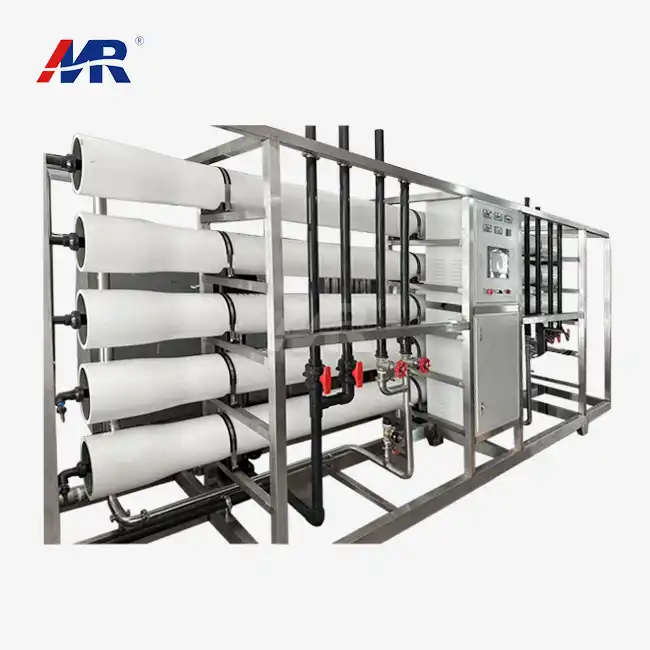 VIEW MORE25m3/hour reverse osmosis equipment
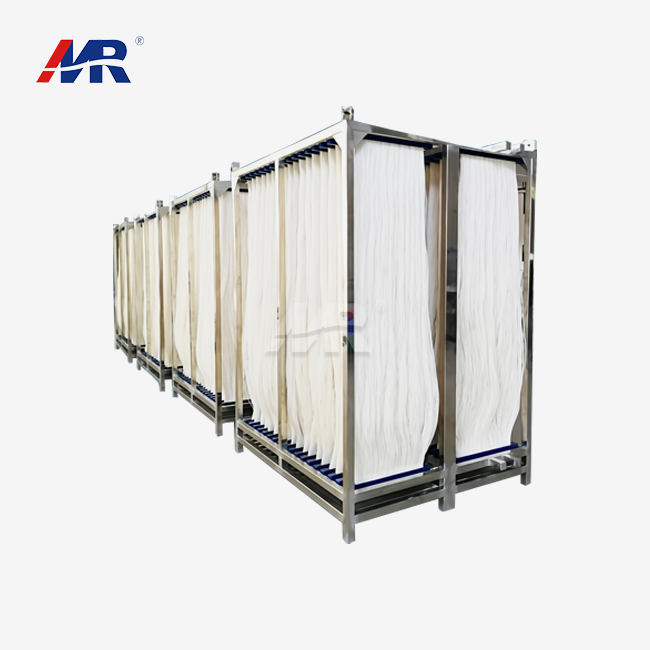 VIEW MOREbioreactor wastewater treatment
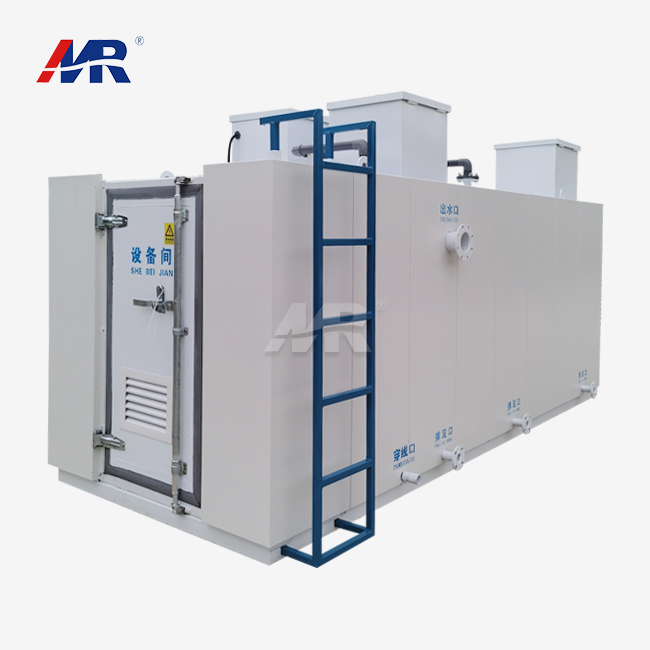 VIEW MOREwastewater treatment plant
 VIEW MORELandfill Leachate Treatment Plant
 VIEW MOREreverse osmosis membranes
 VIEW MOREswro desalination plant
 VIEW MOREcontainer 3m3/hour RO equipment
 VIEW MOREreverse osmosis membrane
