_1745823981883.webp)

How To Remineralize Reverse Osmosis Water
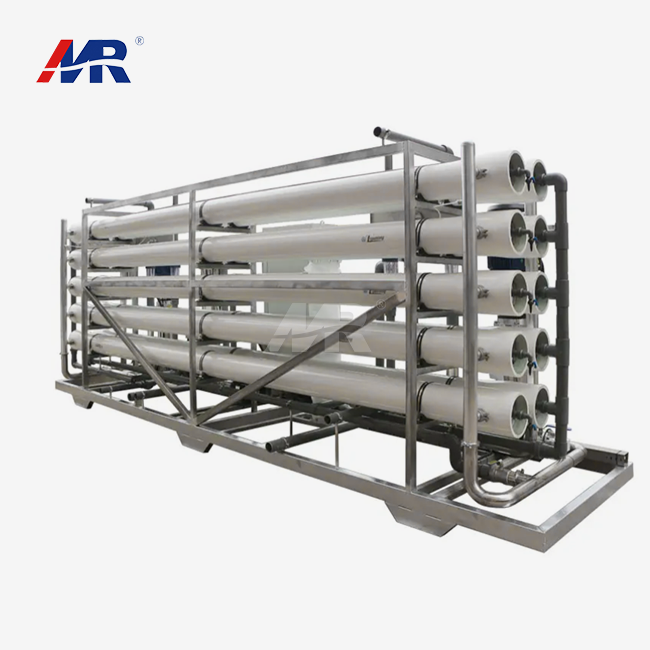
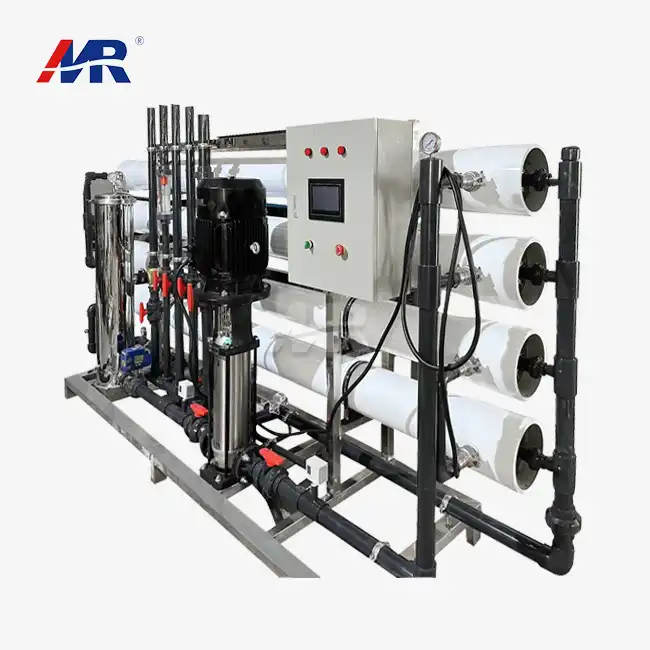
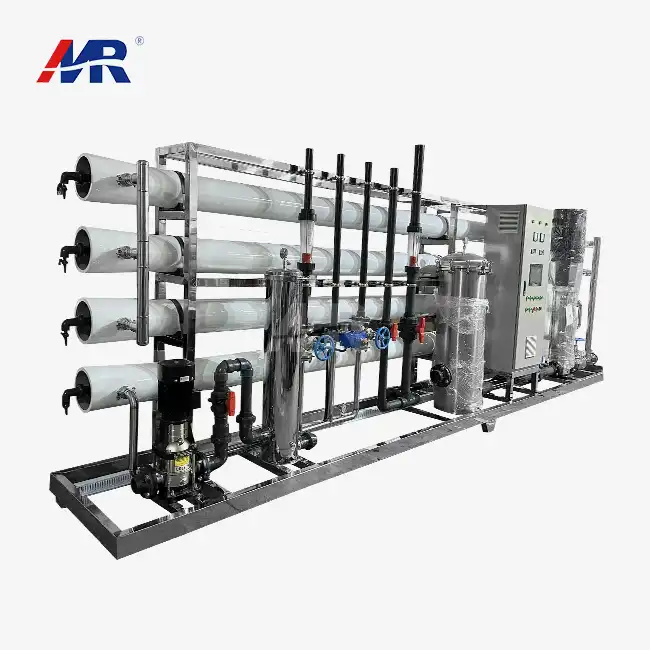
Remineralizing reverse osmosis water means putting good minerals back into clean water that has been taken away by the RO process. A mineral capsule or an alkaline filter is usually added after the RO membrane in an efficient RO system with remineralization. In this step, important minerals like calcium, magnesium, and potassium are added back into the water. This restores the natural pH balance and makes it taste better. The process strikes a balance between purity and health benefits, making sure that the water meets both government standards and customer expectations in a wide range of commercial settings.
Understanding the Need for Remineralization in RO Water Systems
Why Reverse Osmosis Removes Essential Minerals
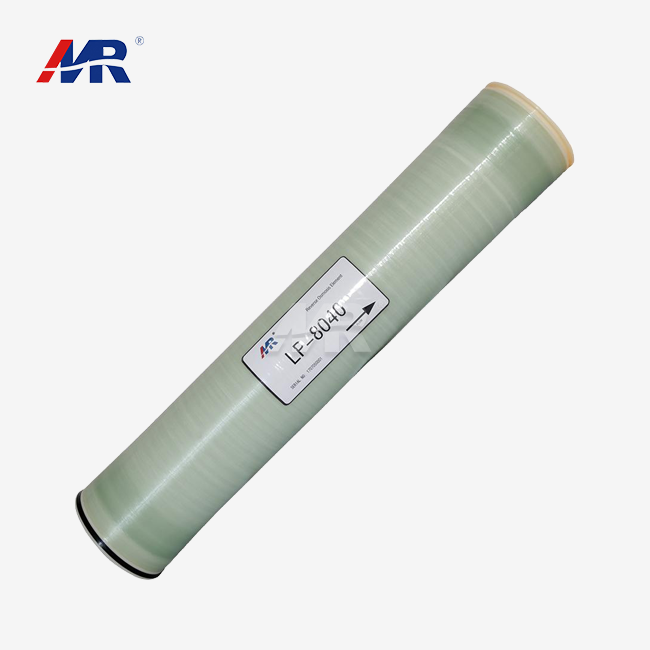
Reverse osmosis works by pushing water through membranes that are only partially permeable. These membranes stop contaminants, dissolving solids, and minerals. This technology is great at getting rid of impurities like heavy metals, chlorine, and bacteria, but it also gets rid of minerals that are good for you, like calcium, magnesium, and potassium. The water that comes out is very clean, but it usually has a flat taste and an acidic pH between 5.0 and 6.5.
When used in factories, demineralized water can cause problems. Pharmaceutical companies need stable pH levels to keep their equipment from rusting, and food and drink companies know that the amount of minerals in a product directly affects how it tastes. People worry about the taste of water that comes from municipal water plants that clean it too much without adding minerals.
Health and Palatability Considerations
According to research from the World Health Organization, drinking demineralized water for a long time could be bad for people's health. Even though there is still a lot of disagreement, studies show that drinking enough water to get enough minerals is good for your heart and bones. Consumer support is driven by more than just health worries. Water that doesn't have minerals in it tastes very different—often called "flat" or "bland"—which can make customers less satisfied with commercial bottled water businesses or office drinking programs.
Comparing Water Treatment Outcomes
Mineral water or alkaline water goods that have not been handled are very different from remineralized RO water. Minerals are filtered out of natural mineral water by geology, and the amounts of minerals change from source to source. Most alkaline water Products raise the pH by adding alkaline chemicals or electrolysis. The final mineral makeup can be precisely controlled by a ro system with remineralization, allowing makers to focus on particular profiles that meet customer preferences or business needs while still providing a baseline that is free of contamination.
The Remineralization Process in RO Water Filters
Core Technologies and Operating Principles
Remineralization systems can be put into different groups based on how they work. The crushed mineral media in mineral cartridges are usually calcite (calcium carbonate) or dolomite (calcium magnesium carbonate). As clean water flows through them, they slowly dissolve. When you touch an alkaline filter, the minerals in the clay balls or tourmaline stones will release ions. Mixed-bed systems use more than one mineral source to make patterns that are more complicated.
Time of touch with water and flow rate have a big effect on how well remineralization works. When flow rates are slower, water and mineral media can stay in contact for longer, which speeds up the dissolving process. Industrial systems combine the need for output with the amount of minerals that are wanted. To do this best, they often use flow valves or multi-stage cartridges. Temperature also has an effect on absorption; minerals usually dissolve more easily in hot water.
Component Selection and Integration
Remineralization steps are built in at certain points in the design of RO systems by manufacturers. The most common setup puts the mineral capsule right after the ro membrane and holding tank. This makes sure that all the water that goes to the distribution points is treated. Different designs include remineralization only on certain exit lines, which makes them useful for situations that need both mineralized and demineralized water.
In industrial settings, the materials used for filter housings are very important. Food-grade polyethylene housings keep things clean, and stainless steel housings work well in places with a lot of heat or pressure. Quick-connect fittings make upkeep easier and cut down on downtime when cartridges need to be replaced, which is useful for businesses that run continuous production plans.
Quality Assurance and Testing Protocols
Systematic testing methods are needed to check the mineral level after remineralization. Total dissolved solids (TDS) meters tell you right away how concentrated minerals are in a solution, but they can't tell the difference between different types of minerals. Using inductively coupled plasma mass spectrometry (ICP-MS) in the lab to measure individual minerals accurately is the only way to make sure that pharmaceutical-grade water or beverage preparation standards are met.
We suggest taking baseline readings when the system is first set up and then testing it regularly based on output levels. For operations with a lot of data, tracking may need to happen once a week, while for apps with less data, it can be done once a month. Traceability is something that inspectors and quality managers want more and more.
Evaluating RO Systems With and Without Remineralization
Performance and Operational Impacts
When systems include remineralization steps, buying teams have to think about more things. The water quality gets better, and the pH level stays between 7.0 and 8.5, which makes it less likely that pipes and equipment in the distribution system will rust. This safety makes infrastructure last longer, which lowers the cost of remineralization by reducing the need for upkeep on parts further downstream.
But remineralization makes things more complicated. To make room for more filter housings, the system's size grows a little, and mineral tubes can cause pressure loss that lowers flow rates by 10 to 15 percent. This is something that engineers have to think about when they size pumps and plan delivery networks. Mineral breakdown doesn't need any outside power, so energy use stays mostly the same.
Cost-Benefit Analysis for Industrial Buyers
Adding the ability to remineralize water usually adds 8–12% to the cost of the basic RO system. Mineral cylinders, housings, and assembly work are all part of this. The main ongoing cost is replacing the cartridge, which should be done every 6 to 18 months based on the amount of water and the mineral levels that are wanted. Cartridge prices range from $50 to $300 per unit, depending on how much space they take up and how complicated the minerals they contain are.
On more than one level, the return on investment is clear. Manufacturers of drinks say that their products are more consistent and that customers are complaining less. Pharmaceutical companies are more likely to follow the rules set by regulators. Fewer corrosion-related fixes are needed at municipal water plants. Within 18 to 24 months of running, these real benefits usually make the extra cost worth it.
Real-World Implementation Examples
To handle complaints about flat-tasting bottled water, a regional beverage bottler in the Southeastern United States installed a RO system with remineralization. In blind taste tests, customer satisfaction scores went up by 34% after calcium and magnesium cartridges were added, which were calibrated to match the profiles of local spring water. The marginal cost of production went up by a small amount, about $0.002 per gallon, but the higher price of "enhanced mineral water" greatly raised the profit margins.
On the other hand, a plant that makes semiconductors runs different RO lines that do and do not remineralize. Their RO system cleans chips with ultrapure water that doesn't have any minerals added to it. This makes the resistance higher than 18 megohm-cm. A secondary line brings remineralized water to break rooms and the restaurant, which makes employees happier without changing the requirements for production water.
How to Choose the Best Remineralization Solution for Your RO System
Critical Decision Factors for Procurement
Analyzing the water source is the first step in choosing the right remineralization method. How aggressively the RO stage strips minerals depends on the TDS, hardness, and pH of the feedwater. This, in turn, determines how much remineralization is needed to meet goal specs. Full water analyses can be done by labs, or makers like Morui can look at samples and suggest the best setups.
Target mineral ratios are very different depending on the application. Calcium and magnesium levels in drinking water should be balanced at 30 to 80 mg/L, but higher concentrations or specific mineral ratios are needed for some industrial uses. Food and drink companies often look at rival goods backwards to find target profiles that match what the market wants.
System compatibility takes into account both how the systems work and how they look. Equipment choices are limited by the amount of room available for installation, the way the wiring is set up, and the pressure levels. The flow rate needs to match the capacity of the remineralization cartridge. Filters that are too small won't be able to keep mineral ratios high at high output, and units that are too big waste space and money.
Technology and Supplier Comparison
Knowing about the different types of filter systems helps buyers find the right ones for their needs. Cartridges made of calcite are a cheap way to add calcium to water and slightly change the pH, so they can be used for most drinking water uses. Dolomite filters add magnesium along with calcium, which makes the mineral patterns in water more like those found in nature. Higher pH levels are preferred in some drink recipes when alkaline ceramic screens are used. Blended media packs mix different minerals to make complicated patterns that match certain types of bottled water or regional tastes.
When choosing a supplier, you should think about the quality of the products, the dependability of the logistics, and the expert help. Manufacturers that have been around for a while offer reliable cartridge performance and paperwork to show that they are following the rules. Different companies offer different types of warranties. Some of the best ones offer performance guarantees and refund promises if the cartridges don't work right. Having new parts on hand keeps production going, which is very important for businesses that don't have backup systems.
Custom Solutions for OEM Clients
Customized remineralization options help original equipment makers who are adding water treatment to bigger systems. Guangdong Morui Environmental Technology is an expert at making mineral capsules that meet unique performance needs. Our Team works with OEM clients to create custom mineral blends, make small filter assemblies that don't take up too much room, and set up private-label supply chains that help global delivery networks.
This joint method goes beyond just supplying parts. We provide technical paperwork to back up your end-user materials, set up tests to confirm performance claims, and keep your inventory levels in line with your output forecasts. The 20 people on our tech team have decades of experience in treating water. They can help you optimize your system and fix problems that come up in the field.
Maintenance and Procurement Tips for RO Systems with Remineralization
Sustaining Filter Performance Through Proper Maintenance
Maintenance for remineralization cartridges is mostly about keeping an eye on performance signs and replacing them when they need to be. TDS testing is the easiest way to keep track of things; falling TDS numbers show that mineral media is being used up. As alkaline screens wear out, they lose their ability to buffer, so pH tracking gives us extra information. Setting standard values when the cartridge is installed lets you look at trends, and when readings drop 15-20% below the original levels, the cartridge needs to be replaced.
When regular maintenance is done, a physical check shows problems with fouling or channeling. There shouldn't be any clear pathways in cartridges where water runs around the mineral media instead of through them so that the flow is even. Discoloration or organic growth is a sign of pollution that needs to be replaced right away. We suggest taking pictures of the state of the cartridges to keep historical records that will help you decide when to replace them in the future.
Cleaning instructions depend on the type of refill. Some makers make cartridges that can be cleaned and whose service life is extended by washing them with citric acid on a regular basis. This gets rid of scale buildup that stops minerals from dissolving. When disposable cartridges run out, they need to be replaced completely. Expired units are usually thrown away as regular solid waste that isn't dangerous. Following local rules for proper dumping saves on environmental compliance.
Troubleshooting Common Operational Issues
Flow rate changes often lead to inconsistent ore output. By adding flow controls, output can be kept stable, and the contact time between water and mineral media can be predicted. Changes in pressure also have an effect on performance, so the pressure needs to be regulated or the controls for the pump upstream need to be adjusted.
Unexpectedly faster cartridge loss points to changes in the nature of the water. Changes in the source water's makeup with the seasons, changes in treatment upstream, or replacing the membrane can change the RO permeate's properties, which means that remineralization needs to be re-calibrated. By comparing feedwater, RO permeate, and end product water in the lab, we can see where changes took place.
Taste complaints, even though the mineral levels are right, could mean that there is biological pollution in the cartridges or the pipes further down the line. Bacteria that live in tubes make bad tastes, even at low levels that aren't harmful to health. These problems can be fixed by following sanitization routines that use hydrogen peroxide or approved antibacterial agents. However, it is better to avoid them in the first place by designing systems correctly and cleaning them regularly.
Strategic Procurement for Long-Term Success
Having good ties with providers lowers the risks in the supply chain that can stop production. Guangdong Morui Environmental Technology keeps a lot of stock in all 14 of our branch sites. This means that new cartridges can be sent quickly anywhere in North America. Our distribution network keeps common configurations in stock and ready to ship right away. On the other hand, our membrane production plant and equipment processing skills make it easy to quickly make products to special requirements.
In complex industrial settings, after-sales help is what sets one provider apart from another. Morui's expert team can help with online troubleshooting by phone or email, and for large accounts, they can also come to your location. We give support staff thorough commissioning documents, training tools, and access to our engineering resources in case something goes wrong. This all-around help lowers the total cost of ownership by reducing downtime and making tools last longer.
Warranty service covers the money you spend on purchases. Our ro system with remineralization goods are backed by performance warranties, and we will replace cartridges if they don't meet the required mineral output within the recommended service life. Traceability is something that regulatory agencies are asking for more and more in medical, pharmaceutical, and food uses. Our quality assurance procedures, which include batch testing and proof of analysis documents, give you that.
Conclusion
Remineralizing reverse osmosis water is a smart improvement that strikes a balance between how pure the water is, how good it tastes, and how healthy it is, which are all important issues in industrial, business, and public settings. Adding mineral pouches after RO membranes returns calcium, magnesium, and potassium, which are good for you. This improves taste and keeps pH stable while keeping the contamination removal that makes RO technology useful. It's helpful for procurement workers to understand remineralization technologies, weigh the pros and cons of system performance, and choose providers who offer both technical know-how and high-quality products. Effective upkeep procedures and effective relationships with suppliers improve return on investment by making sure that systems offer constant water quality that meets legal requirements and meets the needs of end users for the entire time they are in use.
FAQ
1. Does reverse osmosis remove all minerals from water?
About 90–99% of the minerals that are dissolved are removed by reverse osmosis filters, along with other impurities. The exact percentage relies on the type of membrane, the working pressure, and the makeup of the feedwater. This process is very good at cleaning, but it also gets rid of good minerals along with bad ones. This means that they need to be remineralized in places where mineral content is important.
2. What health benefits come from remineralized water?
Remineralized water contains important minerals that help your body get the nutrients it needs every day. Calcium is good for your bones and heart, and magnesium is good for your muscles and nerves. Even though drinking water can't meet all of your mineral needs, it does make a big difference in how much you get. Having the right amount of minerals also makes food taste better, which helps you stay hydrated, which is a major health benefit in and of itself.
3. How often should you change your remineralization filters?
The amount of water, the mineral percentage you want, and the cartridge's size all affect how often it needs to be replaced. Under normal conditions, the service life is usually between 6 and 18 months. Instead of just depending on time intervals, monitoring TDS and pH gives more accurate replacement signs. For high-volume operations, replacements may need to be done every three months, but for private or low-throughput systems, replacements can be done once a year.
Partner with Morui for a Superior RO System with Remineralization Solutions
Guangdong Morui Environmental Technology brings comprehensive water treatment expertise to industrial, commercial, and municipal clients seeking a reliable RO system with remineralization suppliers. Our integrated method brings together the making of tools, the creation of systems, installation services, and ongoing Technical support all under one skilled provider. With more than 500 workers spread out across 14 branch sites, our own factory for making membranes, and the ability to process equipment, we can provide turnkey solutions that are tailored to your specific business needs. Our engineering team works with procurement managers and expert decision-makers to find solutions that meet your goals for water quality, your budget, and your time frame. Morui has the high-quality goods and quick service that will protect your investment, whether you need standard setups or custom solutions for OEM integration. Email our expert sales team at benson@guangdongmorui.com to talk about your unique needs and get thorough proposals with system specs, performance guarantees, and low prices. You can look at our full line of products at moruiwater.com and learn why top manufacturers choose Morui as their favorite remineralization system.
References
1. World Health Organization, "Health Risks from Drinking Demineralised Water," Rolling Revision of Drinking-Water Quality Guidelines, 2004.
2. Kozisek, Frantisek, "Regulations for Calcium, Magnesium or Hardness in Drinking Water," National Institute of Public Health, Czech Republic, 2020.
3. American Water Works Association, "Reverse Osmosis and Nanofiltration Manual of Water Supply Practices," M46, Second Edition, 2007.
4. National Sanitation Foundation International, "NSF/ANSI Standard 58: Reverse Osmosis Drinking Water Treatment Systems," 2021 Edition.
5. Cotruvo, Joseph A., "Desalination Guidelines Development for Drinking Water: Background," World Health Organization Technical Report, 2004.
6. Water Quality Association, "Technical Application Bulletin: Post-RO Mineral Addition and pH Adjustment," Industry Standards Documentation, 2019.