_1745823981883.webp)

Reverse Osmosis for Well Water: Is It the Right Choice?
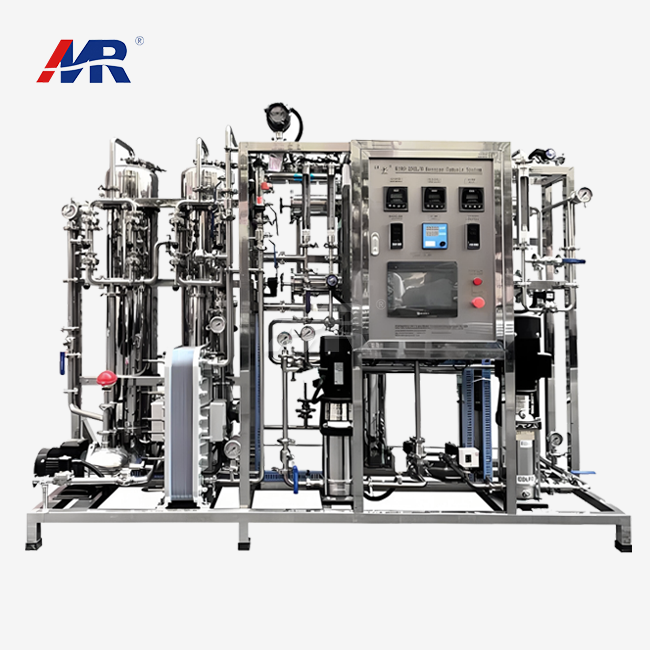
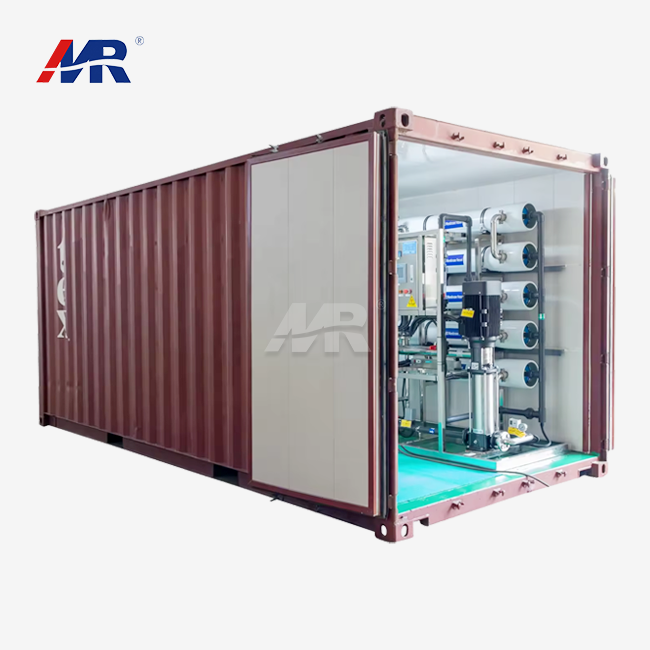
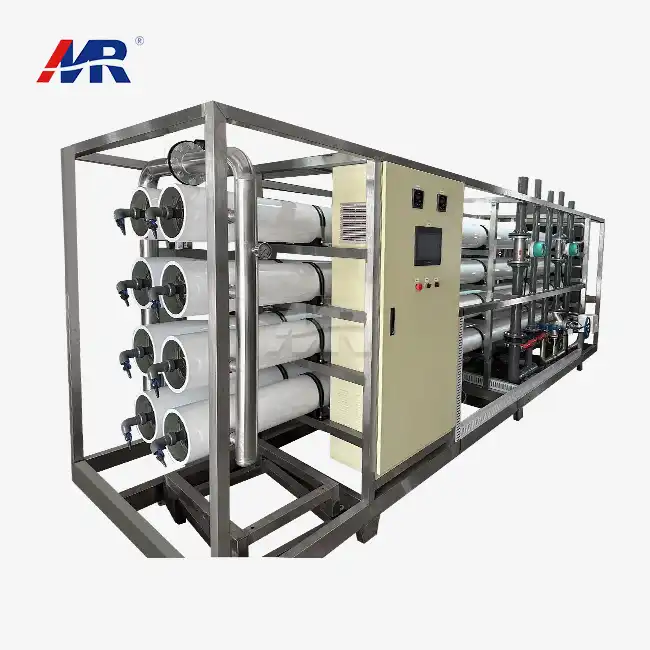
A reverse osmosis system for well water is one of the most important choices that many business and industry sites have to make when they want to treat well water. The answer depends on what's wrong with the water quality, what your business needs, and what your long-term cleaning goals are. Another way to clean water doesn't get rid of heavy metals, dissolving solids, or tiny contaminants, as an RO system does. So, it's great for businesses that need very clean water. But you should carefully check how polluted your well is and make sure you have the right pre-treatment tools to get the best results and get your money's worth.
Understanding Well Water Contamination and the Need for Purification
Well water sources have their own issues when compared to water from cities. Most of the time, they have complicated pollution patterns that put people's health and the way industries work at risk. Purchasing managers can figure out what kind of reverse osmosis system for well water infrastructure they need by learning about these contaminants.
Common Contaminants Found in Well Water
Most of the time, well water is contaminated with more than one thing. Microbes that make people sick, like coliform bacteria, E. coli, and protozoa, are really bad for your health. Heavy metals like lead, arsenic, chromium, and mercury can get into the groundwater from minerals and industries that use water. Nutrients that come from farming waste are very bad for kids and pregnant women. Water with a lot of TDS changes taste, tools don't work as well, and the making process takes longer. More and more pollutants from factories and farms are getting into well water. These include herbicides, pesticides, and volatile organic compounds.
Importance of Professional Water Quality Testing
Any plan to clean the water must start with a correct analysis of the water. Lab tests can find amounts of contaminants, but home test kits are too easy to mess up. Things that should be checked are the number of bacteria, the TDS level, the pH level, the hardness, the amount of heavy metals, the nitrate level, and the presence of organic substances. Testing the water once a year is a good way to see how it changes over time. After storms, droughts, or close industrial action, more tests need to be done. This information helps technical leaders pick the best treatment tools and establish standard tests to check for compliance.
When Purification Becomes Non-Negotiable
When levels of contaminants rise above EPA standards or limits set by the business, cleaning is no longer a choice but a must. Pharmaceutical and lab facilities must follow strict GMP rules that say contaminants must be cleared. Better screening is the only way to do this. Firms that make food and drinks may find it hard to follow the rules if the source water has too many bacteria or dissolved solids. For electronics and chip making, ultrapure water that has been treated in more than one step, like with RO technology, is needed. Check for salt and heavy metals in well water that farmers use to water crops that are sensitive so that the crops don't die and the earth doesn't break down.
How Does a Reverse Osmosis System Work for Well Water?
When buying, teams understand how reverse osmosis system for well water technology works, they can decide if this choice fits with their water treatment goals. A very high level of purity is reached through both mechanical filtering and molecular-level separation.
The Reverse Osmosis Process Explained
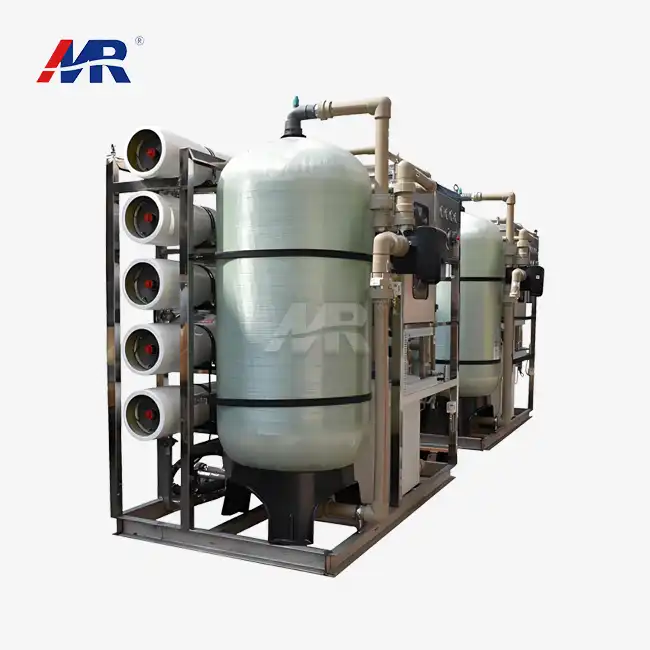
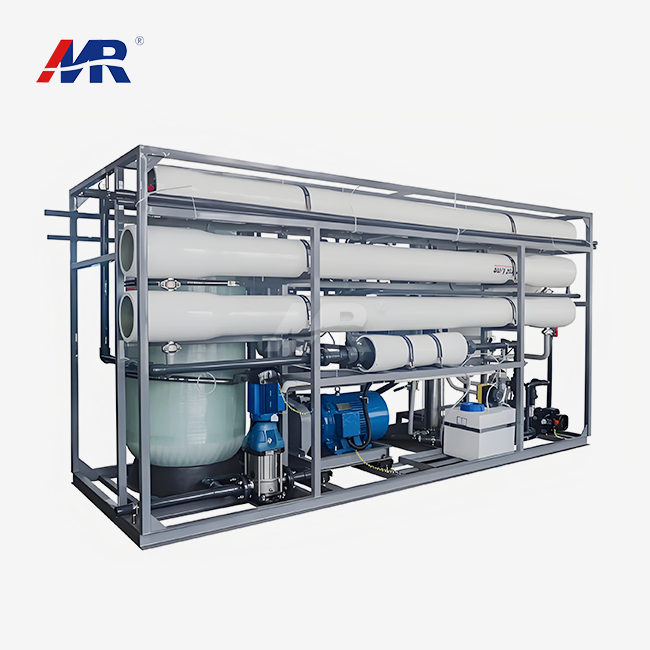
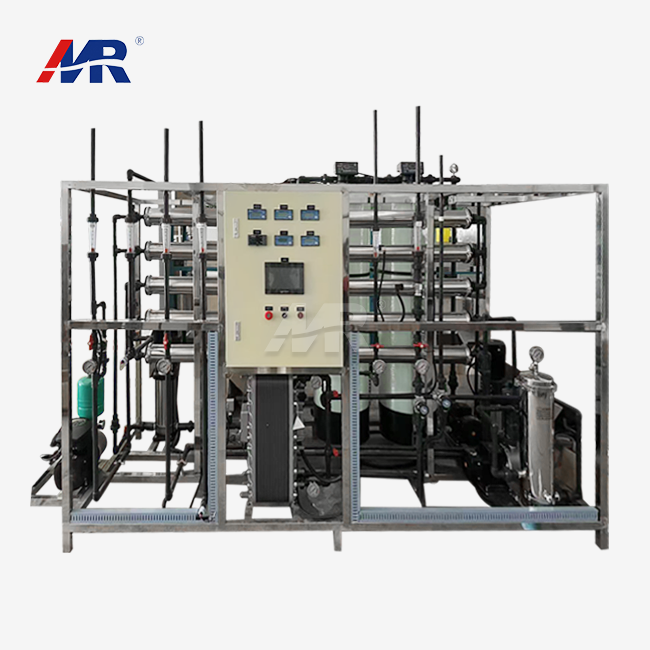
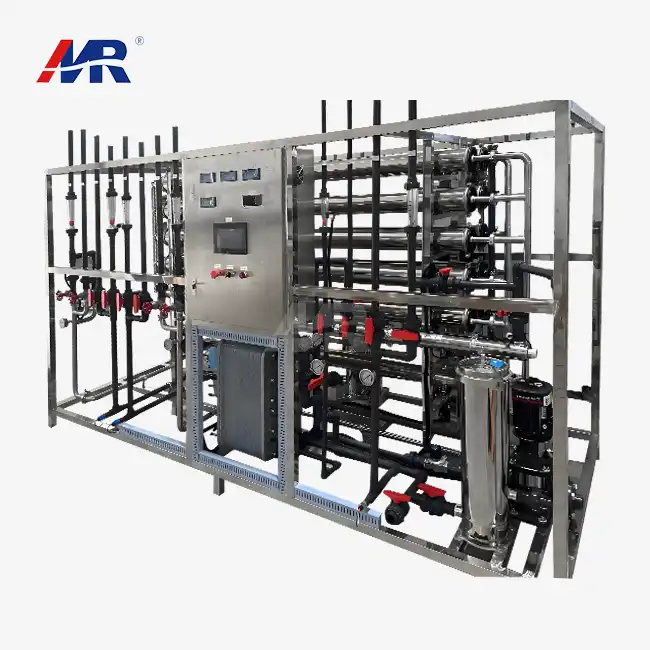
Water can pass through a barrier with holes that are about 0.0001 microns wide when you press on the outside of it. Right here is how reverse osmosis works. This pressure, which is generally between 40 and 100 psi, is higher than the osmotic pressure and makes it possible for molecules to split. Heavy metals, germs, viruses, dissolved solids, and most chemical pollutants are thrown into a trash stream. Water molecules, on the other hand, move through the stream freely. The clear water, called permeate, goes to a holding tank. The toxic brine, on the other hand, runs out through a drain system.
Through the pre-filtration steps, the RO membrane stays safe from damage and buildup. Sediment screens get rid of things that are bigger than five microns, like sand, silt, and rust. That could hurt the barrier are chlorine, flammable organic chemicals, and organic waste. Carbon filters get rid of these things. Sometimes, water softeners are used to lower the amount of calcium and magnesium that builds up on membranes and forms scale.
The water is cleaned one last time before it is used, after the first steps of filtering. Any taste or smell that is still there is taken away by an activated carbon post-filter. UV sanitizing units can be added to places that need to get rid of all germs. The water flow stays steady in storage tanks, and you can use the cleaned water right away, without having to wait for the filter to finish.
Contaminant Removal Capabilities
RO technology is very good at getting rid of a lot of different kinds of pollution. Arsenic, mercury, lead, and chromium are just a few of the heavy metals that are not being used. It takes about the same amount of time to get rid of minerals and dissolved salts that cause TDS to be high. It works to get rid of nitrates and sulfates, which carbon screens can't do. Because of the size of the holes in the barrier, germs and viruses can't get through. This makes a strong shield against germs. Pesticides, herbicides, and drug leftovers are caught in membranes by limiting their size and letting chemicals come into contact with them.
Limitations and Pre-Treatment Requirements
RO systems can handle well water sometimes, even though they work great most of the time. Solids in the water can quickly damage membranes by making them cloudy, so strong sediment pre-filtration is needed. A lot of iron and manganese decompose and turn into solids on the membrane surfaces. In other words, the water must be oxidized and filtered before RO can be used to treat it. The smell of rotten eggs comes from hydrogen sulfide gas, which moves through RO filters and needs special cleaning before it gets to the water. Very hard water makes scale form faster, so the water needs to be cooled so membranes last longer. In order for the system to work in the long term, these pre-treatment conditions must be met. They make the system more difficult and cost more to run.
Maintenance, Costs, and Procurement Considerations
If procurement managers know how much it costs to own and maintain systems, they can make correct budgets and pick ones that will work well for a long time. When trying to figure out the return on investment (ROI) for cleaning industrial water, these things play a big role.
Essential Maintenance Protocols
Changing the filters often keeps the water clean and keeps expensive ro membranes from wearing out too quickly. Every three to six months, sediment pre-filters need to be changed. How often depends on how cloudy the water is. Every six to twelve months, carbon filters need to be changed because they lose their ability to absorb things. If you use them right, RO filters last between two and five years. That being said, they break down more quickly if they are not cleaned properly or if poisons are put on them. Bacteria can't grow in the storage tanks and filter housings if the system is cleaned once a year.
Keeping an eye on how well a system works helps fix issues that need to be fixed so the water quality doesn't get worse. Following the amounts of permeate TDS shows if the barriers are getting clogged or damaged and need to be fixed. If you look at the difference in pressure between the system's filters, you can tell when the cartridges need to be changed. Note that the rate of water output is going down, which means that the membrane is becoming clogged. By checking the flow restrictors often, the right ratios of wastewater to product water are kept. For safety and troubleshooting reasons, buildings should keep detailed service logs that list maintenance tasks and information about how well they were done.
Investment and Operational Costs
Costs for buying the first tech items vary a lot based on the system's size and shape. It can cost anywhere from $2,000 to $8,000 to install systems at points of use in different buildings. Factory-scale systems can cost anywhere from $15,000 to $150,000, depending on how much space they need. Whole-building systems for large factories can cost over $100,000 when you add up the cost of the pre-treatment equipment, booster pumps, storage tanks, and delivery networks.
Procurement Decision Criteria
The reverse osmosis system for well water technical standards must match what the building needs and what's wrong with the water. Production should be able to meet peak demand, and there should still be room for growth. How often certain toxins found in water tests are thrown away depends on the type of membrane and how it is made. The system pressure tells us if the tools we have now is enough to feed the system or if we need to add more pumps to boost the pressure. Using certification standards, like NSF/ANSI 58 for home systems or industry-specific approvals for business uses, makes sure that the gear you buy works as it should.
Case Studies and Real-World Applications
When you look at how reverse osmosis systems for well water technology have been used successfully in different areas, you can see how it can solve specific problems with well water and offer real benefits. Businesses that want to make similar purchases can learn from these Cases.
Manufacturing Sector Implementation
A Michigan company that makes medium-sized auto parts had quality issues that wouldn't go away. Their well water had a lot of iron and TDS, which they found to be the cause. The lab tests showed that the iron levels were 4.2 mg/L and the TDS levels were more than 850 mg/L. These are much higher than what is allowed for their finishing processes. Upstream, the plant put in an industrial RO system that decomposed and filtered iron. It brought the TDS level down to less than 50 mg/L and got rid of any iron that was there. The number of flawed goods dropped by 37% in three months, and test results for covering bonding got a lot better. The cost of keeping equipment each year went down by 22% because there was less scale buildup in the heating elements and process lines.
Agricultural Application Success
A farm in California that used well water to water its crops had problems with the salt level growing, which was bad for the plants' health. There was a dangerous buildup of salt in the soil because of irrigation water that had 1,200 mg/L TDS and high sodium levels. By putting in a farm-sized RO system that could handle 50,000 gallons of water every day, TDS was dropped to a level that sensitive grape types could handle. The $85,000 investment scared the people in charge of the money at first, but after two growing seasons, higher crop yields, and better grape quality for making high-end wine made it worth it. The company can now precisely control the chemistry of the water used to water the plants, which makes the trees healthier and the food better.
Food Service Industry Adoption
A company in the area that bottles water and soft drinks had trouble with well water that wasn't always clean. This made their goods taste different and made it harder to follow the rules. It was hard to keep making things because the TDS of groundwater changed with the seasons, and new crop chemicals were always being found. The water was always clean enough to meet FDA standards thanks to a system that includes pre-filtration, RO technology, and UV cleaning. Getting rid of group rejects made production more efficient and improved the brand's image by making sure that goods were uniform. Now the plant doesn't have to worry that changes in the water source will affect the quality of the goods or their ability to meet rules.
Challenges and Solutions
People often have trouble with applications because the site isn't looked at properly, which makes the systems too small to handle peak demand. To fix this, we need to think about how people use water and make plans for places where there isn't much room for growth. It's also common to not do the pre-treatment steps, which causes the membrane to dirty quickly and cost a lot to fix. It is possible to avoid these expensive fails by studying the water in detail and setting up the right pre-filtration tools. A lot of water is wasted in some places for no reason. It is possible to fix this by setting up permeate recovery systems correctly and making sure they are fully operational. The best performance and return on investment (ROI) come from getting professional help when designing the system and keeping an eye on it on a regular basis while it's running.
Conclusion
It's a high cost to get a reverse osmosis system for well water, so you should think about your short-term and long-term needs as well as any water quality issues. For heavy metals, dissolved solids, and bacterial diseases, RO technology is the best way to get rid of contaminants. Other methods just can't compare. It depends on how well the water is tested, how well the facility's needs are understood, and how much it will cost to own everything. When installed and cared for properly, RO systems provide safe, dependable, high-purity water that helps businesses follow the rules, keep processes safe, and ensure the water is safe. Businesses should work with skilled water treatment professionals to find solutions that fit their needs and the amount of contamination they are dealing with.
FAQ
1. How often should filters be replaced in well water RO systems?
How often you need to change it depends on how much you use the water and how good it is. Most of the time, sediment pre-filters need to be changed every three to six months because well water has more solids in it. After six to twelve months, most carbon filters can't hold as much stuff. If you use RO membranes the right way and treat them right before you use them, they should last between two and five years. Keep an eye on the permeate TDS levels and system pressure to figure out when the best time is to make a change. Facilities shouldn't wait for the water quality to get worse before making repair plans based on what the manufacturer says and real-world performance data. They should do this right away.
2. Can RO systems handle extremely high TDS well water?
A reverse osmosis system for well water effectively treats high TDS well water, though extremely elevated levels above 2,000 mg/L may require specialized membrane selections and system configurations. Standard residential membranes achieve 90-98% rejection rates, producing acceptable water quality even from highly mineralized sources. Commercial and industrial applications with TDS exceeding 3,000 mg/L benefit from multi-stage RO systems or brackish water membranes designed for higher salinity. Pre-treatment becomes increasingly critical as TDS rises to prevent accelerated membrane fouling and maintain cost-effective operation.
3. What is the lifespan of commercial-grade RO systems?
Take good care of industrial RO systems, and they should last 15 to 20 years. However, some parts will need to be changed every so often. Every two to five years, membranes need to be changed. This depends on the type of water and how they are used. With very little care, the pressure tanks and construction parts of the system last the whole time it is in use. Check valves and monitors may need to be changed every five to ten years. About seven to twelve years pass before a booster pump needs to be fixed or changed. Taking care of an investment and changing parts as they wear out will keep it going and protect its long-term value.
Ready to Source Your Reverse Osmosis System for Well Water?
The Guangdong Morui Environmental Technology company's main goal is to offer full water cleaning solutions for business and industry. Our engineering team has a lot of experience designing, providing, and setting up a reverse osmosis system for well water in the food processing, farm, pharmaceutical, and industrial fields. With more than 500 committed professionals, 20 expert engineers, and our own membrane production plant, we can take care of everything, from testing the water to putting it into service. We'll make sure you get good parts because we're authorized to sell well-known brands like Shimge Water Pumps, Runxin Valves, and Createc Instruments. You can get quick help at any of our 14 area branches across the United States, whether you need full installation services. Talk to one of our technical experts about how to treat the water in your building and get a full report by going to moruiwater.com or emailing benson@guangdongmorui.com.
References
1. American Water Works Association. (2021). "Reverse Osmosis and Nanofiltration: Manual of Water Supply Practices M46." AWWA Publishing.
2. National Ground Water Association. (2020). "Private Well Water Quality: Information for Well Owners." NGWA Technical Report Series.
3. United States Environmental Protection Agency. (2022). "Drinking Water Treatment Technology Unit Cost Models and Overview of Technologies." EPA Office of Water Publications.
4. Water Quality Association. (2021). "Point-of-Use Reverse Osmosis Systems: Performance Standards and Testing Protocols." WQA Industry Standards.
5. International Desalination Association. (2020). "Membrane Technology Applications in Industrial Water Treatment." IDA Technical Proceedings Volume 42.
6. National Sanitation Foundation International. (2022). "NSF/ANSI Standard 58: Reverse Osmosis Drinking Water Treatment Systems - Certification Requirements." NSF Standards Publications.