_1745823981883.webp)

Basics of Ultrafiltration: An Industrial Water Filter System Guide
If you want to find solid ways to clean your water with an ultrafiltration machine, you need to know how an ultrafiltration machine works. This informative book talks in detail about how ultrafiltration technology can clean dirty water for use in various industry settings. These systems get rid of bacteria, viruses, suspended solids, and macromolecules through pressure-driven membrane filtering. They do this while using little energy and being easy to use. If you're in charge of a pharmaceutical facility, a food processing plant, or a municipal water treatment operation, knowing these basics will help you make better choices about what to buy and how to treat water.
What Makes Ultrafiltration Different from Other Filtration Methods?
Ultrafiltration is a special kind of water cleaning that works in its own area. Ultrafiltration is very good at finding the middle ground between traditional sand filters that only catch visible particles and reverse osmosis systems that get rid of dissolved salts.
Ultrafiltration is a special kind of water cleaning that works in its own area. Ultrafiltration is very good at finding the middle ground between traditional sand filters that only catch visible particles and reverse osmosis systems that get rid of dissolved salts.
Operating pressure is another thing that makes them different. When compared to reverse osmosis, which needs 15–70 bar, ultrafiltration systems work well at 0.1 to 0.3 MPa, which is about 2–5 bar. This difference in pressure directly saves energy—only 0.1 to 0.3 kWh is needed to process 1 cubic metre of water.
The physical separation mechanism also sets ultrafiltration apart. Rather than relying on chemical coagulation or biological degradation, these systems employ purely mechanical screening. Water molecules and small solutes pass through microscopic membrane pores while larger contaminants remain on the feed side. This approach delivers consistent performance regardless of feed water chemistry variations, providing reliability that chemical treatment methods struggle to match.
How Does an Ultrafiltration Machine Actually Work?
The ultrafiltration process follows a systematic workflow designed to maximize filtration efficiency while protecting membrane integrity. Understanding this operational sequence helps facility managers anticipate maintenance needs and optimize system performance.
Pre-treatment serves as the crucial first stage. Before water contacts the ultrafiltration membrane, preliminary filters remove large debris, excessive suspended solids, and potential membrane-damaging particles. This protective step extends membrane lifespan dramatically—often by several years—making it a cost-effective investment rather than an optional addition.
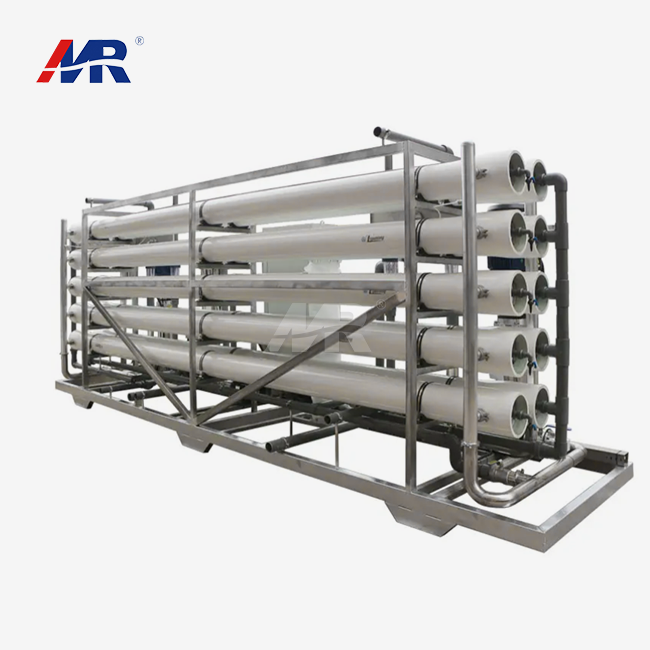
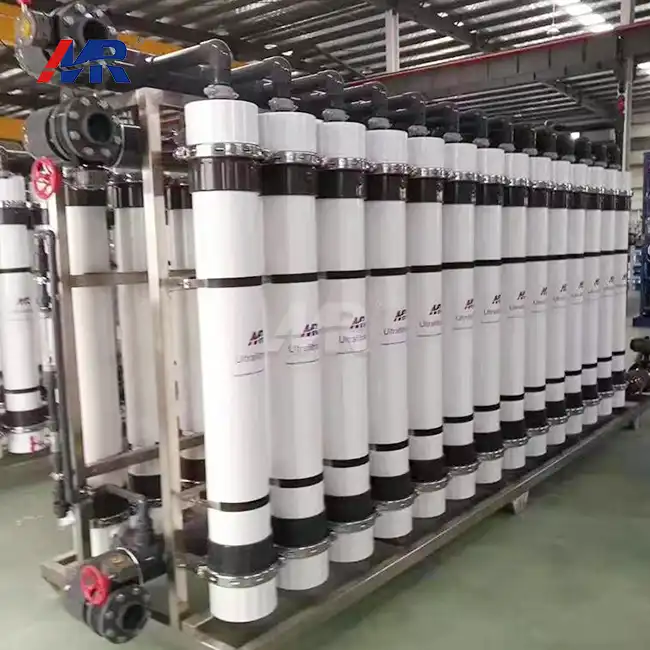
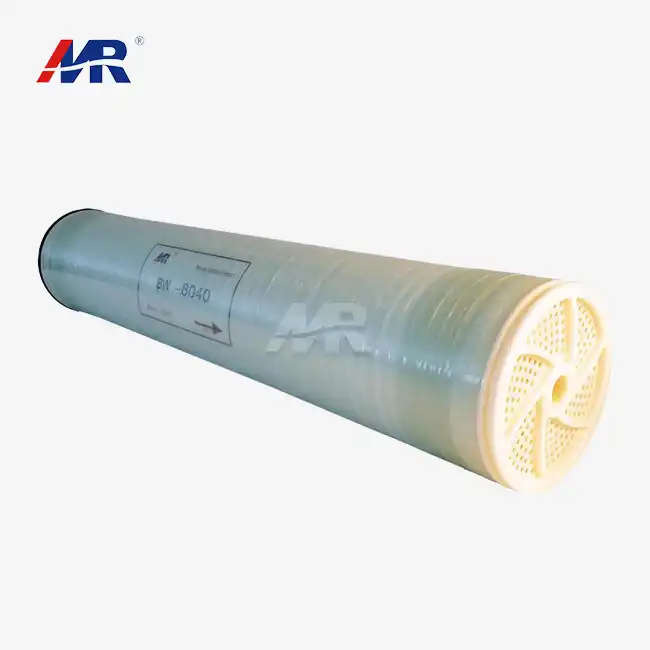
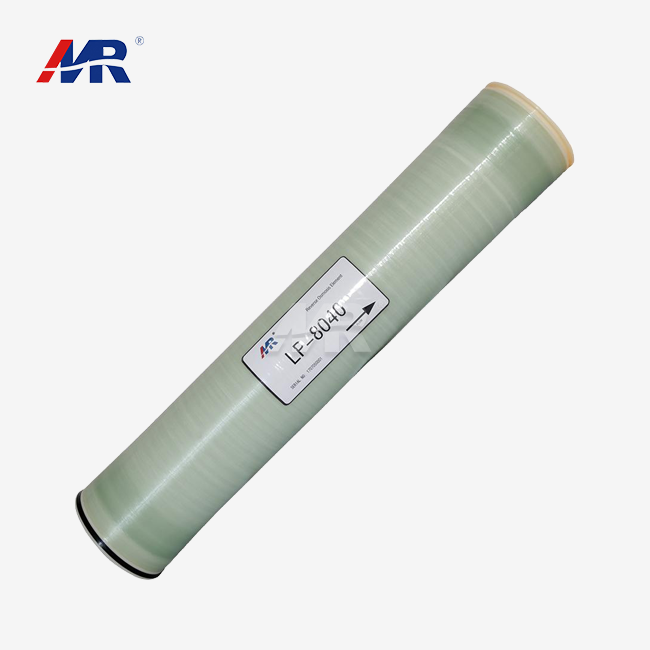
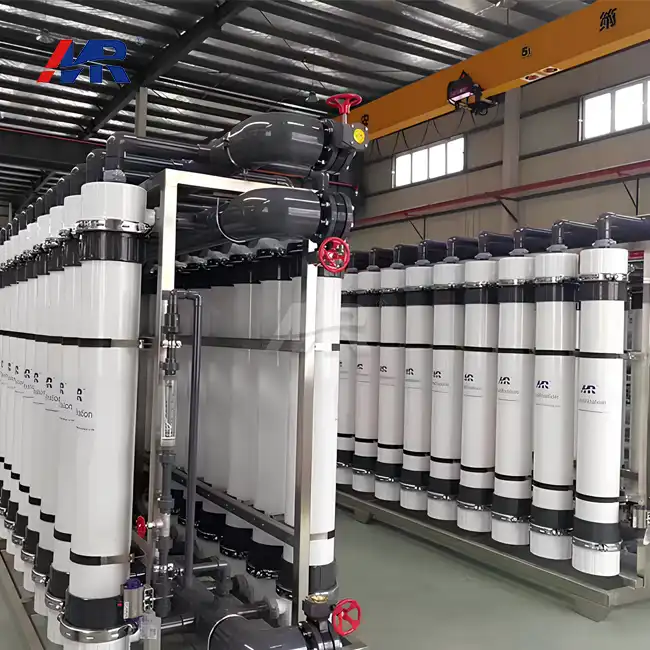
The ultrafiltration process itself occurs when pre-treated water enters the membrane module under controlled pressure. Hollow fiber or spiral-wound membranes provide the filtration surface, with water forced through the semipermeable barrier. The permeate (clean water) passes through and moves to the next treatment stage or directly to the ultrafiltration machine for application. The concentrate (rejected contaminants) accumulates on the membrane surface.
Backwashing represents a critical maintenance procedure performed at regular intervals, typically every 30-60 minutes of operation. During backwashing, clean water flows in the reverse direction, dislodging accumulated particles from the membrane surface. This automated process restores filtration capacity and maintains consistent flow rates without manual intervention.
Chemical cleaning becomes necessary periodically when backwashing alone cannot restore full membrane performance. Using alkaline or acidic cleaning solutions, operators dissolve organic matter, mineral scales, and stubborn foulants. Most industrial installations schedule chemical cleaning monthly or quarterly, depending on feed water quality.
Post-treatment may include disinfection, pH adjustment, or additional filtration stages based on specific application requirements. Pharmaceutical facilities often add ion exchange or reverse osmosis downstream, while municipal drinking water plants might only require chlorine disinfection before distribution.
Core Applications Across Industrial Sectors
The versatility of ultrafiltration technology addresses water treatment challenges across diverse industries, each with distinct requirements and quality standards.
Electronics and semiconductor manufacturing demand ultrapure water for chip cleaning and precision component washing. Ultrafiltration serves as the critical pre-treatment before reverse osmosis and electrodeionization (EDI) systems, reducing particulate load and preventing expensive downstream membrane fouling. A single contamination incident in semiconductor fabrication can destroy millions of dollars in production, making reliable filtration non-negotiable.
Electroplating and chemical processing facilities use ultrafiltration for wastewater treatment and resource recovery. The technology separates valuable metal ions from rinse water, enabling recycling of both water and recoverable materials. This dual benefit reduces disposal costs while improving environmental compliance.
Dairy processors rely heavily on ultrafiltration for whey protein concentration and lactose separation. A single ultrafiltration plant can concentrate whey 10-30 times the original feed volume, transforming a low-value byproduct into premium protein ingredients. The process operates at ambient temperature, preserving protein functionality that heat-based concentration would destroy.
Beverage manufacturers use ultrafiltration to clarify juices, wine, and beer without affecting flavor profiles. The membrane removes yeast, bacteria, and haze-forming proteins while retaining the volatile compounds that define product character. This cold-sterilization approach delivers microbiological stability without pasteurization's thermal impact.
Bottled water production increasingly incorporates ultrafiltration as consumer expectations for purity intensify. The filtration efficiency of ≥99.9% provides marketing advantages alongside genuine safety improvements, particularly in regions where source water quality fluctuates seasonally.
Key Technical Parameters Decision-Makers Should Evaluate
Selecting an appropriate ultrafiltration machine system requires understanding critical performance specifications and how they align with your operational requirements.
Systems range from compact units processing 50 m³/h, suitable for small manufacturing facilities, to large installations handling 1,000+ m³/h for municipal applications. Accurately calculating your peak demand—not just average consumption—prevents undersizing that causes production bottlenecks. Include provisions for future capacity expansion when evaluating options.
While ultrafiltration generally spans 0.01-0.1 micron pore sizes, selecting the optimal specification depends on target contaminants. Pharmaceutical applications requiring virus removal benefit from tighter 0.01-0.02 micron membranes, despite slightly higher operating costs. Industrial wastewater treatment may perform adequately with 0.05-0.1 micron membranes at improved flux rates.
Lower operating pressure reduces energy consumption and mechanical stress on system components. Compare specific energy consumption (kWh/m³) across different models when the total cost of ownership matters more than the initial capital expense. Well-designed systems achieve permeate production at pressures near the lower boundary of the 0.1-0.3 MPa range.
Manufacturers claiming ≥99.9% filtration efficiency should provide independent laboratory verification using standardized challenge testing. Request turbidity reduction data, bacteria log-reduction values, and virus removal efficiency specific to your feed water characteristics rather than accepting generic specifications.
Hollow fiber modules offer high packing density and effective backwashing, making them popular for municipal applications. Spiral-wound configurations provide easier inspection and cleaning, preferred in food processing where sanitary design matters. Understanding these trade-offs guides appropriate selection for your specific circumstances.
Advantages That Drive ROI and Operational Excellence
The benefits of ultrafiltration technology extend beyond simple contaminant removal, creating tangible value across operational, financial, and strategic dimensions.
Ultrafiltration's low operating pressure delivers significant energy savings compared to reverse osmosis—often 60-80% less electricity for similar flow rates. This advantage compounds over multi-decade equipment lifespans, particularly as energy costs escalate. Facilities with substantial water treatment needs can see payback periods under three years purely from energy savings.
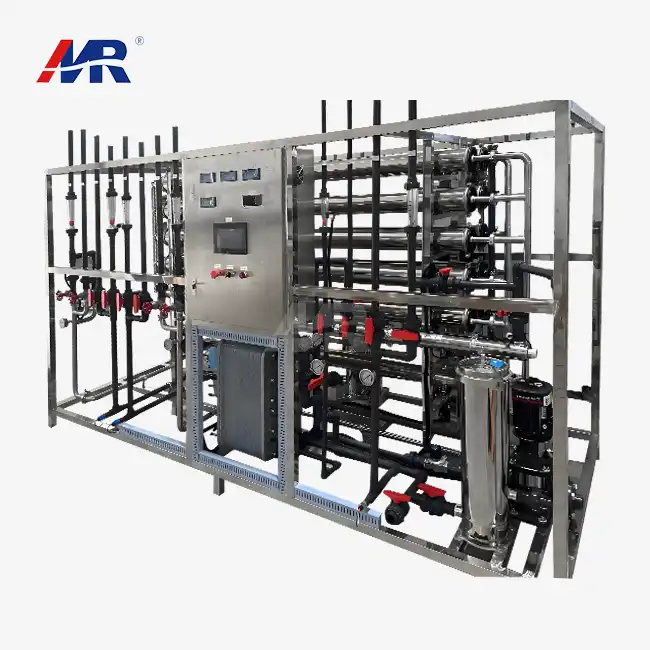
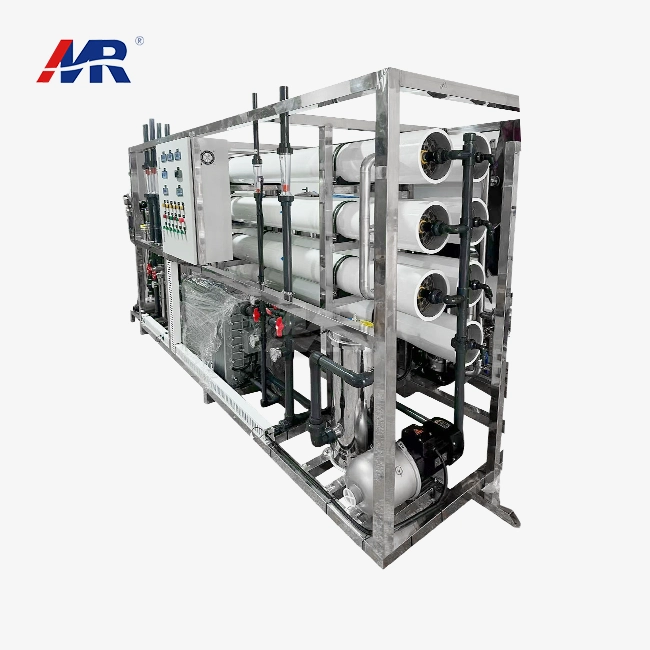
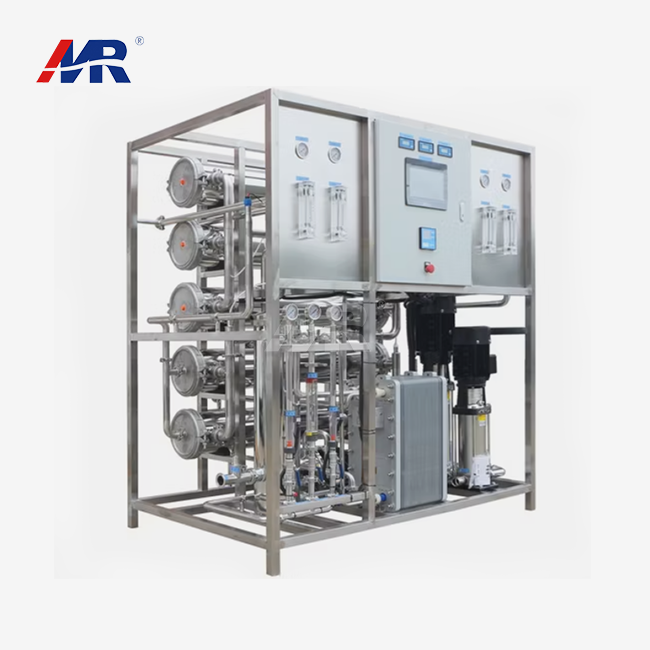
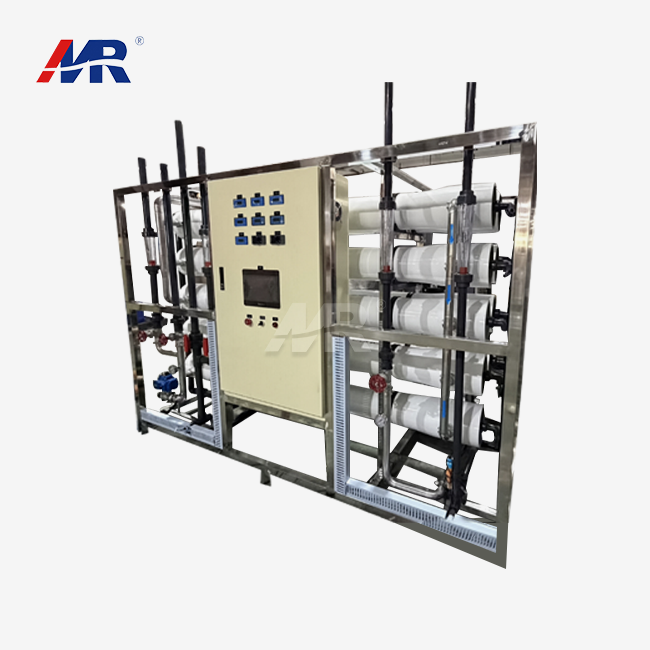
Pre-engineered skid-mounted systems cut down on the time it takes to install and simplify complicated civil work. With ultrafiltration, a filtration unit that would need 200 square meters for normal clarification, and a sand filter only needs 30 to 50 square meters. This clever use of space is very helpful for businesses in areas where real estate is expensive or that don't have room to grow.
By adding parallel membrane modules instead of rebuilding whole treatment trains, the modular design makes it possible to add more capacity. This scalability lets businesses that are growing match their capital spending to their real demand, so they don't waste money on building too much capacity.
Ultrafiltration keeps the quality of the permeate stable even when the feed water turbidity goes up, while media filters lose some of their effectiveness between backwash rounds. This dependability gets rid of the changes in quality that can cause problems later on in the process or lead to the rejection of the final product. When water quality stays the same, there is less waste, and more crops are grown.
A lot of coagulants, flocculants, pH enhancers, and disinfectants are needed for traditional water treatment. Ultrafiltration gets rid of or greatly reduces the need for most chemicals, which lowers the costs of buying them, the space they take up, and the safety risks for the operators. Less chemical discharge is better for the environment, and business sustainability metrics are becoming more and more important to stakeholders.
Ultrafiltration membranes usually last between 5 and 7 years if they are properly kept, and some installations last longer than 10 years before they need to be replaced. Automated backwashing and improved cleaning procedures keep performance from dropping too much. The long service life spreads out the cost of capital over a longer period of time, making the financial metrics more appealing to CFOs who are looking at investment choices.
Maintenance Practices That Maximize System Performance
To keep working at its best for as long as it's supposed to, even the most high-tech ultrafiltration machine needs regular repair. Structured maintenance routines keep small problems from getting worse and turning into expensive failures.
Routine monitoring establishes performance baselines and detects early warning signs of membrane fouling. Track transmembrane pressure, permeate flow rate, and feed water quality daily. Gradual pressure increases or flow decreases signal developing fouling requiring intervention before severe productivity impacts occur.
Backwash optimisation finds a balance between how well the ultrafiltration machine cleans and how much water and energy it uses. Too much backwashing loses resources without giving them enough benefits. Too few cycles allow fouling to happen that can't be fixed. Most systems work better with automated controllers that start backwashing based on transmembrane pressure levels instead of set times.
How you clean your membrane with chemicals should depend on what the manufacturer says is best for it and the kind of water you use. Alkaline cleaners are good at getting rid of dead cells and organic waste. An acidic cleaner can get rid of mineral scales and metal oxides. Changing the chemicals you use to clean can get rid of many types of foulants.
Testing the stability of the membrane shows that there are no fibre breaks or seal failures that have harmed the separation process. Particle challenge or pressure decay testing can find flaws before they lead to quality problems or damage to equipment further down the line.
Most of the time, pre-treatment optimisation leads to better performance gains than membrane-focused treatments. Making sure that multimedia filters, cartridge filters, and other equipment further up the line work right lowers the amount of dirt that gets to the ultrafiltration membranes. This way of protecting membranes makes them last a lot longer.
Making the Right Selection for Your Specific Application
Choosing an ultrafiltration system involves balancing technical requirements, budget constraints, and strategic objectives while avoiding common selection pitfalls.
A full analysis of the water finds all the harmful substances, changes that happen with the seasons, and the worst-case situations. Testing only when conditions are good leads to systems that are too small or don't meet the requirements. In your study, you should look at turbidity, total suspended solids, chemical oxygen demand, bacteria counts, and possible membrane foulants.
Industrial filter systems only cost 20 to 30 percent of what they cost to buy at first. The main factors that affect long-term finances are energy use, membrane replacement, chemical use, labour costs, and disposal costs. Smart buyers look at the total cost of ownership over 10 years instead of just focusing on minimising capital spending.
Think about how ultrafiltration fits into your whole system for treating water. Does the current pre-treatment need to be improved? Will processes further down the line benefit from better quality feed water? Can the facilities of the utility companies handle more demand for electricity or compressed air? Costly changes made after installation can be avoided with holistic planning.
Quality of the equipment is important, but the success of a project often depends on how well the seller can support it. Check out the technical knowledge, installation services, commissioning support, operator training, availability of spare parts, and ability to respond to emergencies. Turnkey vendors who take care of everything from planning to commissioning make projects simpler and less risky to carry out.
Make sure that the proposed systems meet the rules and standards of the business. Pharmaceutical sites must follow FDA and GMP rules. Food makers need to be certified by 3-A Sanitary Standards. EPA drinking water rules must be followed by municipal companies. No matter how well the equipment works properly, it is dangerous to use if it doesn't follow the rules.
Conclusion
Ultrafiltration is a tried-and-true, effective way to clean industrial water in many fields, such as manufacturing, municipal, medicinal, food processing, and more. Knowing the basic working ideas, technical details, and specific factors that apply to a given application helps you choose equipment that works well and gives you a good return on your investment. Ultrafiltration is becoming a more popular option to traditional treatment methods because it uses little energy, is small, produces consistent quality results, and is easy to maintain. Facilities can use water treatment options that meet today's needs and can be expanded for future growth by working with experienced providers who offer full support and proven expertise.
Partner with Morui for Advanced Ultrafiltration Solutions
Guangdong Morui Environmental Technology delivers comprehensive ultrafiltration machine solutions backed by over 14 branches, 500 dedicated employees, and 20 specialized engineers. As an established manufacturer and trusted supplier, we provide everything from initial consultation through complete installation, commissioning, an ultrafiltration machine, and ongoing support. Our in-house membrane production facility ensures quality control, while our equipment processing capabilities enable customization for unique industrial requirements. Reach out to our technical team at benson@guangdongmorui.com to discuss how our ultrafiltration systems can solve your specific water treatment challenges with proven technology and responsive partnership.
References
1. Membrane Technology and Applications, Third Edition. Baker, Richard W. John Wiley & Sons, Ltd., 2012.
2. Water Treatment Membrane Processes. Mallevialle, Joel, et al. American Water Works Association Research Foundation and Lyonnaise des Eaux, McGraw-Hill, 1996.
3. Ultrafiltration Handbook. Cheryan, Munir. CRC Press, Taylor & Francis Group, 1998.
4. Membrane Filtration: A Problem-Solving Approach with MATLAB. Sablani, Shyam S., et al. Cambridge University Press, 2009.
5. Principles of Water Treatment. Howe, Kerry J., et al. John Wiley & Sons, Inc., 2012.
6. Advanced Membrane Technology and Applications. Li, Norman N., et al. John Wiley & Sons, Inc., 2008.