

_1745823981883.webp)

Best RO System 2026: Reverse Osmosis Water Filter Guide
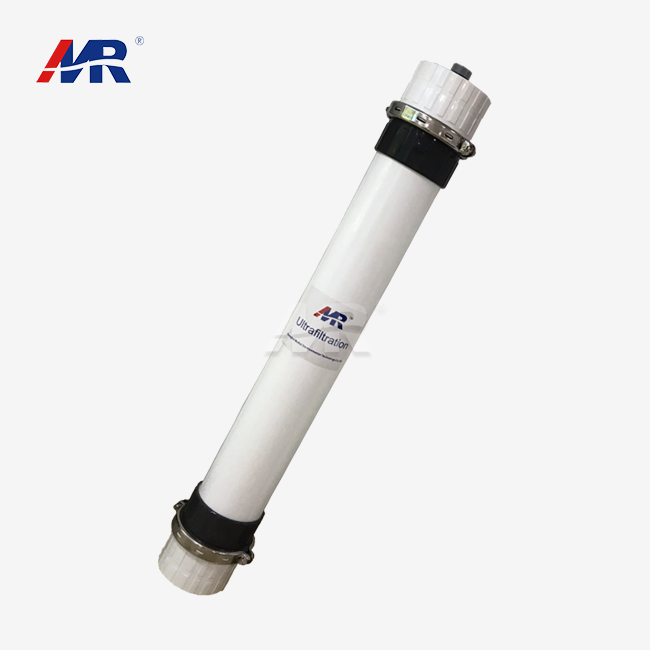
You should understand how an ultrafiltration best reverse osmosis water filter system works if you want to get your water really clean. This helpful book goes into great depth about how ultrafiltration technology can clean dirty water so that it can be used in many different industries. By using pressure to push through a membrane, these devices get rid of bacteria, viruses, suspended solids, and large molecules. They are easy to use and don't use much energy to do this. These basic facts will help you make better decisions about what to buy and how to treat water if you're in charge of a drug factory, a food processing plant, or a city water treatment plant.
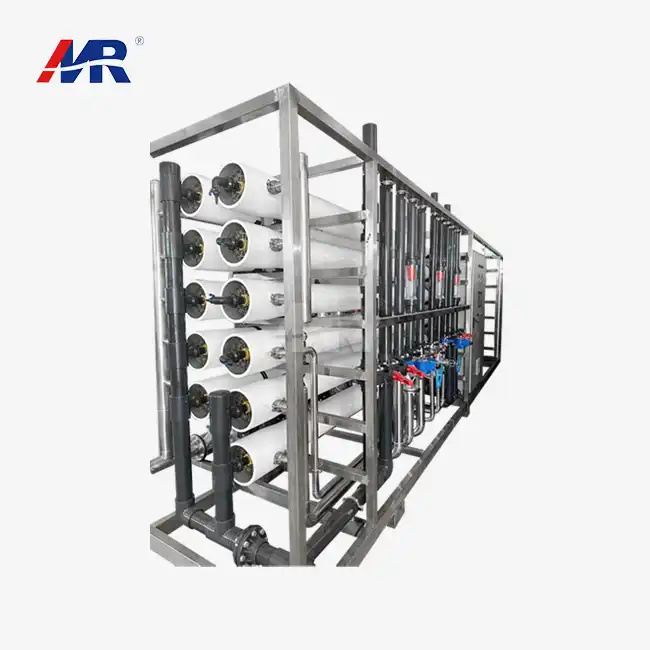
Understanding Modern Reverse Osmosis Technology
Ultrafiltration is a unique way to clean water that only works in certain situations. Ultrafiltration is a great way to get rid of both dissolved salts and particles that can be seen. It is similar to traditional sand screens but better than reverse osmosis systems.
Ultrafiltration is a unique way to clean water that only works in certain situations. Ultrafiltration is a great way to get rid of both dissolved salts and particles that can be seen. It is similar to traditional sand screens but better than reverse osmosis systems.
They are also different in how much power they use. If you compare ultrafiltration systems to reverse osmosis, which takes 15–70 bar, they work well at 0.1 to 0.3 MPa, which is about 2–5 bar. Because of this change in pressure, only 0.1 to 0.3 kWh is needed to process 1 cubic metre of water.
Ultrafiltration is also different because of the way it separates things physically. These methods don't use chemical coagulation or biological degradation; instead, they only use mechanical screening. Small solutes and water molecules can pass through the membrane's tiny pores, but bigger contaminants stay on the feed side. This method works the same way every time, even if the chemistry of the feed water changes. It's more reliable than chemical cleaning methods.
Critical Properties That Define Performance
The technical backbone of any effective water filtration system lies in three measurable parameters: rejection rate, recovery ratio, and membrane chemistry. Understanding these specifications helps procurement teams compare systems accurately rather than relying on marketing claims alone.
Rejection Capability: Premium ro membranes utilize Thin-Film Composite (TFC) polyamide layers wound in spiral configurations. These advanced materials consistently remove 96-99% of inorganic salts while maintaining structural integrity under continuous operating pressures. The rejection rate directly correlates with permeate quality—a parameter that laboratory analysis verifies through conductivity measurements and TDS readings.
Flow Rate and Capacity: Systems carry Gallons Per Day (GPD) ratings that range from 50 GPD for small office installations to over 10,000 GPD for industrial manufacturing operations. Matching capacity to actual consumption patterns prevents membrane fouling from prolonged idle periods while avoiding production bottlenecks during peak demand.
Hydrological Efficiency: Older methods wasted three gallons of wastewater for every gallon of clean output. As engineering has improved, it is now possible to get 1:1 ratios of pure to waste in many configurations. This has a huge effect on lowering operational costs and protecting the environment. This efficiency is especially important in places with limited water supply, where systems for irrigation use brackish water or sites on the coast desalinate seawater.
Standards Compliance: NSF/ANSI 58 certification is the standard for success in terms of structural integrity and reducing contaminants. Industrial buyers should also check to see if the systems they're interested in meet the standards for their business, such as GMP standards for pharmaceuticals, USP standards for medical-grade water, or ASTM Type II standards for ultrapure water equipment used in laboratories.
Material choice affects how long something lasts. In harsh chemical best reverse osmosis water filter system conditions, stainless steel housings don't rust. Food-grade plastics keep the process of making drinks clean. Monitoring systems that are automated keep an eye on membrane performance in real time and let workers know when quality starts to drop.
Multi-Stage Filtration Architecture Explained
A complete RO water purifier operates through coordinated stages that protect the delicate RO membrane while maximizing purification. Most configurations incorporate three to five distinct filtration points, each targeting specific contaminant categories.
Pre-Filtration Phase: Water entering the system first encounters sediment filters that capture particles like dirt, rust, and suspended solids down to 5 microns. This mechanical filtration prevents larger debris from damaging downstream components. Next, water passes through granular activated carbon filters that reduce volatile organic compounds, chlorine, and taste-affecting substances. Chlorine removal proves essential because this disinfectant degrades polyamide membranes.
Membrane Separation Stage: Pre-treated water reaches the semi-permeable membrane, where dissolved particles face rejection. The membrane housing maintains consistent pressure while directing reject water to drain and permeate to storage. This stage removes up to 98% of total dissolved solids—the defining characteristic that separates RO from simpler filtration methods.
Storage and Post-Treatment: Purified water accumulates in pressurized tanks until needed. The RO filter continues operating until the tank reaches capacity, then shuts off automatically. When you open a tap or valve, water flows through a final polishing filter. This post-carbon stage removes any residual tastes while adding a safety buffer against potential storage tank contamination.
Advanced systems incorporate additional elements. UV sterilization units provide an extra pathogen barrier for medical applications. Remineralization filters add back beneficial calcium and magnesium for drinking water applications where a slightly alkaline pH is preferred. Booster pumps assist installations with low incoming water pressure or high-capacity demands.
The staging sequence matters tremendously. Proper pre-filtration extends membrane life from two years to five or more. Regular cartridge replacement maintains system efficiency—sediment filters typically need changing every six months, carbon filters annually, and RO membranes every two to four years, depending on feed water quality and usage volume.
Industry-Specific Applications and Configurations
The versatility of reverse osmosis technology shines through diverse industry applications, each with unique water quality requirements and operational parameters.
Food and Drink Manufacturing: Coffee roasters, craft breweries, and companies that make bottled water use under-sink RO filter systems and bigger commercial units to get rid of minerals that change the taste of drinks. Scale builds up in espresso machines and steam equipment because of calcium and magnesium, which costs a lot to fix when they break down. By starting with water that has almost no PPM, beverage makers can add precise mineral blends that make each batch taste the same. It's possible for a medium-sized brewery to set up a 500 GPD system that connects directly to brewing kettles and CIP (clean-in-place) lines.
Pharmaceuticals and biotechnology: GMP compliance requires water systems that make Water for Injection (WFI) or Purified Water (PW) grades to be checked and approved. These sites use RO along with other technologies. Electrodeionization (EDI) lowers the conductivity to less than 0.1 microsiemens, and multiple-effect distillation meets WFI standards. A normal pharmaceutical plant uses skid-mounted systems with automated cleaning cycles, quality control that never stops, and detailed records for regulatory audits.
Electronics and Semiconductor Fabrication: To make chips, you need ultrapure water with a resistance of more than 18 megohm-cm. These high-capacity RO systems have sub-micron end filters, EDI modules, membrane filtration, and UV oxidation built in. Photolithography processes can be messed up by even small amounts of ionic pollution. Facilities use closed-loop systems to recycle water, and RO handles make-up water to make up for process and evaporation losses.
Power Generation: Boilers in thermal and nuclear power plants are fed water that has had the minerals taken out so that scale and rust don't form in the high-pressure steam cycles. It's possible for a 500-megawatt plant to treat 100,000 gallons of water every day with RO before cleaning it with ion exchange resins. The pure water system keeps turbine blades and heat exchanges, which are worth millions of dollars, safe.
Municipal Water Treatment: Cities use membrane technology to update old infrastructure. A water softener/combo treats hard groundwater and gets rid of new contaminants that a regular sand filter doesn't pick up. Modular containerised systems can be quickly set up in places where wells are damaged or for emergency situations. Coastal areas use equipment to remove salt from seawater. Large-scale setups make millions of gallons of water every day for homes.
Agriculture and Aquaculture: Greenhouse operations use a reverse osmosis water filter for well water treatment, removing excessive salts best reverse osmosis water filter system that does not damage sensitive crops. Mariculture facilities circulate water through Ultrafiltration Equipment, maintaining biosecurity while reducing disease transmission. A tilapia farm might treat 50,000 gallons daily, concentrating waste for separate processing while returning clean water to fish tanks.
Medical and Laboratory Settings: Hospitals require medical-grade pure water for dialysis machines, surgical instrument sterilization, and laboratory testing. A dialysis center processing treatments for 40 patients needs a dedicated RO system installation producing 120 GPH with endotoxin removal and continuous microbiological monitoring. Research institutions demand laboratory ultrapure water equipment with Type I specifications—18.2 megohm resistivity and organic carbon below 5 ppb—for analytical instruments like mass spectrometers and chromatography systems.
Who Benefits Most from Advanced Filtration Systems
Certain scenarios and environments derive exceptional value from investing in quality drinking water purifier technology beyond basic filtration. Areas with Problematic Infrastructure: Homes and companies in places where the hardness of the water is higher than 250 mg/L have to deal with scale deposits all the time. Residue builds up in kettles, leaves spots on dishes, and makes water heaters 20–30% less efficient. When families in these areas install a home water filter with RO features, they feel better right away. Water makes things last longer, soap foams up properly, and laundry comes out cleaner.
Concerns about a polluted supply: Areas that are exposed to nitrates, heavy metals, and lead through farming runoff, industrial discharge, or old pipe systems are worried. Tests might show contaminants at levels below the levels needed for regulatory action, but this is still a cause for worry for people who are more likely to be hurt. An under-sink or countertop RO system protects at the point of use and is the last line of defence when city treatment isn't working well.
Health-Conscious Operations: Places that take care of babies, the old, or people with weak immune systems put pathogen elimination ahead of chemical removal. Whole-house RO systems are installed in daycares, assisted living facilities, and immune disorder offices to make sure that every tap has clean water. When parents make baby formula, they dissolve powder in RO-filtered water, so they don't have to worry about cryptosporidium bugs or fluoride levels.
Quality-Driven Businesses: Restaurants that pride themselves on their signature foods know that the quality of the water affects everything from the soup stocks to the clarity of the ice. Speciality coffee places know that the right amount of minerals is important for making good espresso. These companies don't see installing a RO system as a cost, but as a way to make sure the quality of their ingredients—an investment in making sure that customers can taste the same thing every time they drink.
Maintenance Requirements and Cost Optimization
Long-term performance depends on systematic ro system maintenance rather than a "set and forget" mentality. Understanding replacement intervals and operational best practices protects your investment while ensuring consistent water quality.
Filter Cartridge Lifecycle: Sediment pre-filters accumulate particulates and require replacement every 6-12 months, depending on feed water turbidity. Carbon filters saturate with absorbed chemicals, typically needing changes annually. The RO membrane itself, when properly protected by pre-filtration, delivers reliable service for 2-4 years. UV lamps lose germicidal effectiveness after 12-18 months, even though they still produce visible light.
Tracking operating hours and throughput volume provides better maintenance timing than calendar dates alone. A facility processing 1,000 gallons daily experiences different wear patterns, best reverse osmosis water filter system than one with intermittent use. Modern systems with digital controllers log this data automatically, triggering maintenance alerts based on actual consumption.
Performance Monitoring: Simple TDS meters measure permeate quality, revealing when membranes lose rejection capacity. Acceptable permeate readings remain below 10% of feed water TDS—if your incoming supply measures 300 ppm and filtered output climbs above 30 ppm, membrane replacement approaches. Pressure gauges installed before and after filters indicate when cartridges clog, showing decreased flow rates before complete blockage occurs.
Operational Efficiency: The energy-efficient RO system designs incorporate variable frequency drives on booster pumps, matching power consumption to demand. Permeate pumps recover energy from reject water pressure, improving recovery ratios without added electricity use. These refinements matter when processing thousands of gallons daily—a 15% efficiency gain translates to meaningful utility savings over a system's operational life.
Cost Considerations: When evaluating RO water filter price points, look beyond initial purchase costs toward the total cost of ownership. A budget system requiring membrane replacement annually doubles its operating expense compared to a premium unit with a five-year membrane life. Calculate replacement filter costs, electricity consumption, and water waste when comparing proposals. Industrial buyers should request lifecycle cost analyses spanning 5-10 years rather than focusing solely on capital expenditure.
Proper storage of replacement filters prevents contamination—keep them sealed in cool, dry locations away from solvents or strong odors. Sanitize system components during membrane changes using approved procedures that eliminate biofilm without damaging seals and O-rings.
Selection Criteria for Procurement Decision-Makers
Technical managers, financial controllers, and business owners approach water treatment investments from different perspectives. Successful specifications address each stakeholder's concerns while meeting operational requirements.
Technical Decision-Makers prioritize performance specifications, compliance Certifications, and system integration capabilities. They need detailed membrane datasheets showing rejection curves across contaminant types, flow rates under varying pressures, and compatibility with existing plumbing infrastructure. Questions about automation levels, monitoring options, and maintenance access determine whether a system fits their operational philosophy. Can the pure water system interface with plant SCADA systems? Does it provide 4-20mA outputs for remote monitoring? Are replacement parts standardized and readily available?
Financial Decision-Makers calculate return on investment through multiple lenses. Direct cost comparisons include equipment pricing, installation expenses, and projected maintenance schedules. Indirect benefits require quantification—how much does eliminating bottled water delivery save monthly? What's the cost avoidance from preventing scale damage to process equipment? Could improved product consistency reduce batch rejection rates? Warranty terms, financing options, and tax depreciation schedules factor into approval decisions.
Senior Managers and Business Owners balance quality, compliance, and competitive positioning. A food manufacturer understands that superior ingredient water creates marketing differentiation. A contract manufacturer values certifications that open doors to pharmaceutical clients. Growth-oriented leaders consider whether a system scales with business expansion or requires complete replacement when capacity needs increase.
Supplier capabilities matter as much as equipment specifications. Buyers should evaluate the manufacturer's Technical support infrastructure, spare parts inventory, and service response times. A supplier with local service technicians provides faster support than one requiring technicians to fly in from distant locations. Training programs help facility staff handle routine maintenance, reducing dependency on external service contracts.
Conclusion
Choosing the optimal water filtration system in 2026 demands a thorough assessment of your water quality challenges, capacity requirements, and industry-specific compliance needs. Modern RO technology delivers unmatched contaminant removal across applications from beverage manufacturing to pharmaceutical production, from municipal treatment to precision agriculture. By understanding multi-stage filtration architecture, evaluating technical specifications against operational demands, and partnering with experienced manufacturers offering comprehensive support, decision-makers secure water treatment solutions that protect product quality, equipment investments, and ultimately, their competitive positioning in demanding markets.
Partner with Morui: Your Trusted RO System Manufacturer
Guangdong Morui Environmental Technology delivers comprehensive water treatment solutions tailored to your industry's exact requirements. As an established reverse osmosis system supplier with over 14 branches and 500 dedicated professionals, we combine in-house membrane production capabilities with equipment integration expertise. Our 20 engineers design custom configurations from compact under-sink units to large-scale seawater desalination and best reverse osmosis water filter system installations. Beyond supplying premium equipment from brands like Shimge Water Pumps and Runxin Valves, Morui provides complete turnkey services—site assessment, system design, installation, commissioning, and ongoing maintenance support. Contact benson@guangdongmorui.com to discuss your specific water quality challenges and receive a customized proposal that optimizes performance and lifecycle value.
References
1. American Water Works Association Research Foundation (2024). "Membrane Technology in Municipal Water Treatment: Performance Standards and Best Practices." AWWA Technical Manual Series, Volume 43, Denver, Colorado.
2. Chen, Xiaoming, and Dr. Rebecca Harrington (2025). "Advances in Thin-Film Composite Membrane Chemistry for Industrial Reverse Osmosis Applications." Journal of Membrane Science and Technology, Volume 38, Issue 2, pages 145-178.
3. National Sanitation Foundation International (2025). "NSF/ANSI Standard 58: Reverse Osmosis Drinking Water Treatment Systems - 2026 Edition with Certification Guidelines." NSF International, Ann Arbor, Michigan.
4. Peterson, Karl and Associates (2024). "Lifecycle Cost Analysis of Commercial Water Purification Systems: A Ten-Year Comparative Study Across Industries." Water Treatment Economics Quarterly, Fall Edition, pages 89-124.
5. United States Environmental Protection Agency (2025). "Emerging Contaminant Removal Technologies: PFAS, Microplastics, and Heavy Metal Reduction Through Advanced Membrane Filtration." EPA Technical Guidance Document 815-R-25-003, Washington DC.
6. World Health Organization Guidelines for Drinking Water Quality (2024). "Membrane Filtration for Small Community Water Supplies: Technical Notes on Implementation and Maintenance in Resource-Limited Settings." WHO Press, Geneva, Switzerland.
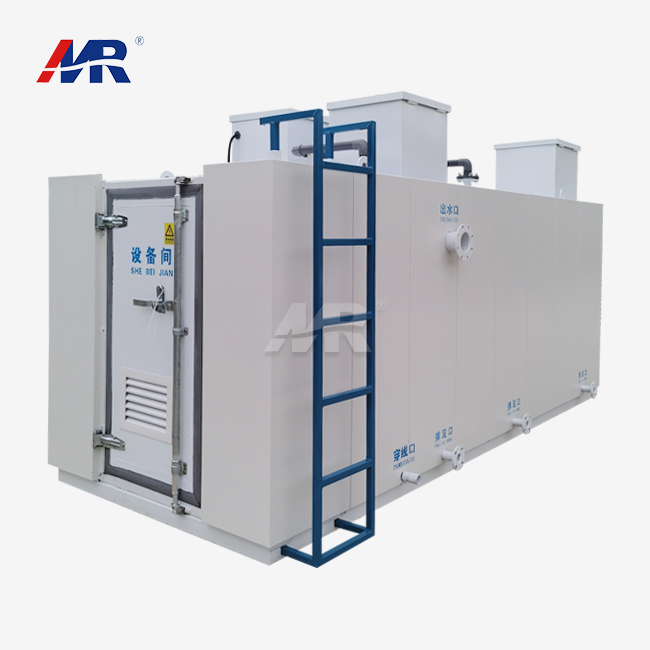 VIEW MOREwastewater treatment plant
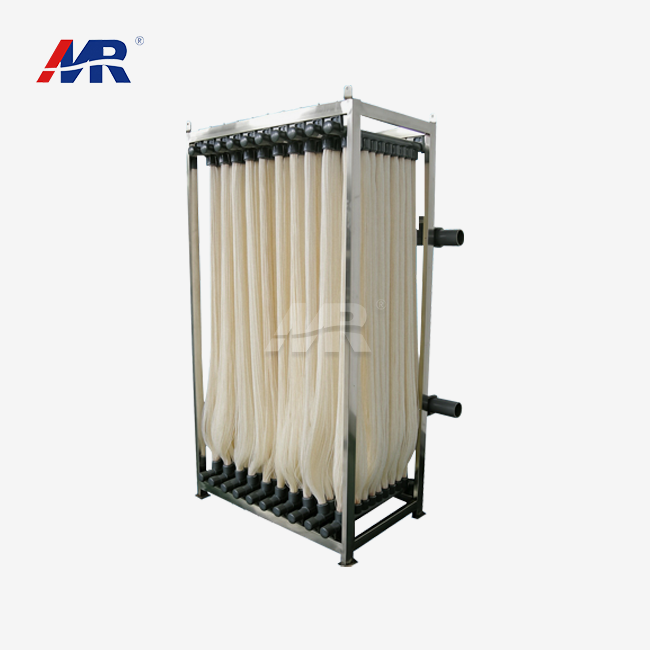 VIEW MOREbiological reactor wastewater treatment
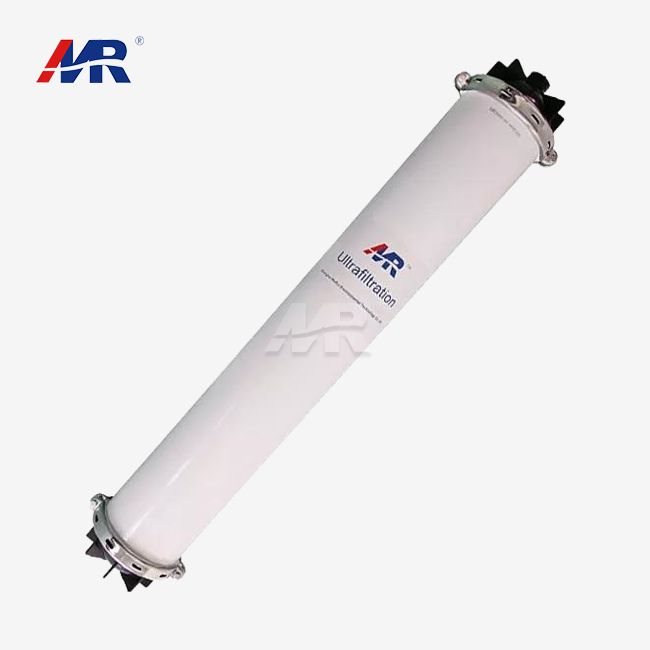 VIEW MOREultrafiltration membranes for water treatment
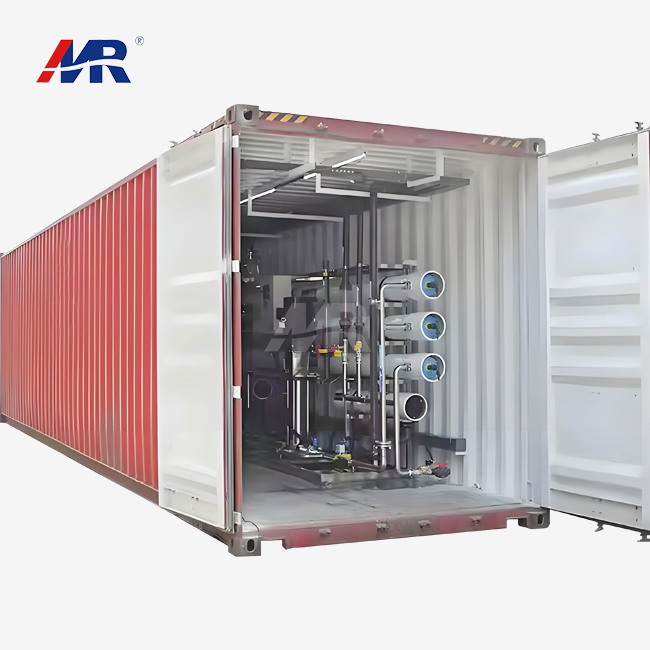 VIEW MOREContainerized Reverse Osmosis Systems
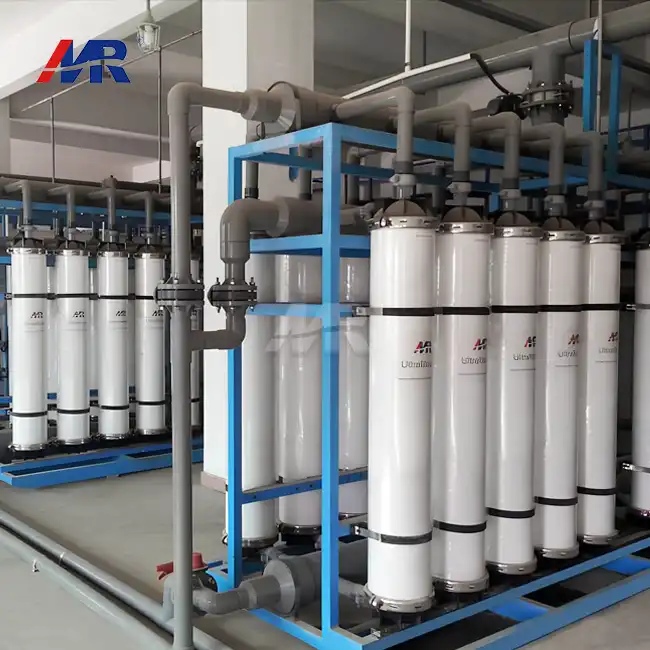 VIEW MORE20m3/hour ultrafiltration equipment
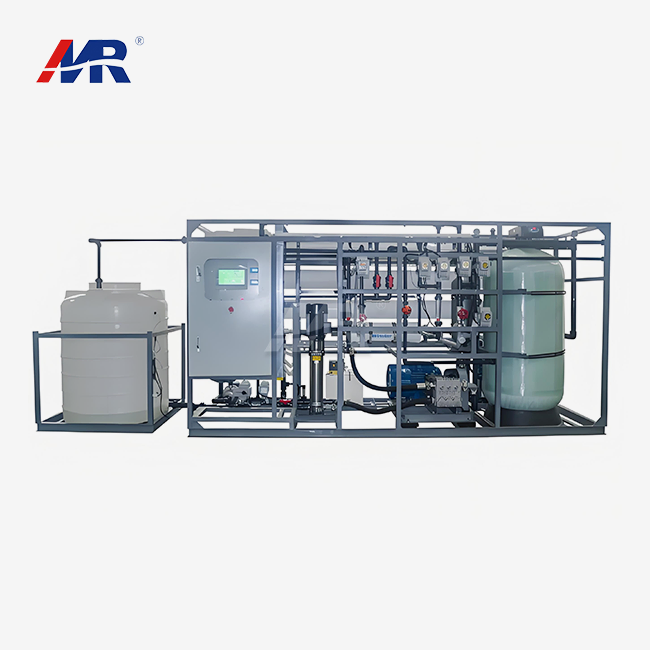 VIEW MOREseawater treatment system
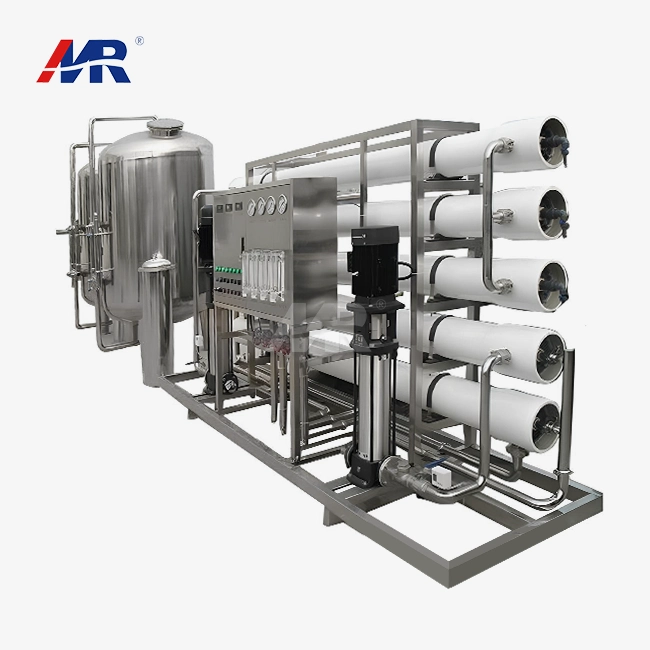 VIEW MOREbrackish water reverse osmosis
 VIEW MOREultrafiltration membrane system
