

_1745823981883.webp)

Reverse Osmosis for Well Water: Complete Guide
If your home or business uses well water, learning about reverse osmosis treatment can make your water much better. A reverse osmosis machine for well water gets rid of iron, sulphur, nitrates, reverse osmosis system for well water and hardness minerals that are bad for groundwater sources. This detailed guide explains everything about these systems, from how they work to how to choose the best setup for your well water problems. This will help you get water that is as pure as water in a lab.
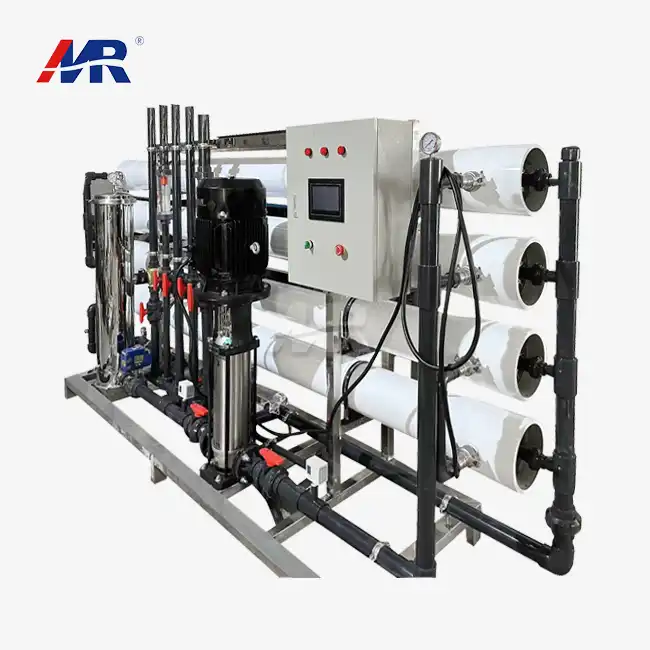
Why Well Water Needs Special Attention
Well water is very different from water from the city. Groundwater moves through geological formations that add different contaminants, while city water goes through centralised treatment. Your well could get water from aquifers that have iron dissolved in them, which stains fixtures, manganese dissolved in them, which makes black sediment, or farm runoff, which adds nitrates and pesticides.
Many factories, farms, and small food processing companies in rural areas have problems every day with the quality of their well water. The pharmaceutical and lab industries are especially aware of this problem because the precise work they do needs clean water all the time, which polluted well water can't provide.
Testing your water tells you the truth about it. Total Dissolved Solids (TDS), pH levels, hardness measurements, and specific contaminants are all found in a full water quality study. This information gives you a plan for how to make a treatment plan that works. Some wells have sulphur bacteria that give them the smell of rotten eggs, while others have dangerous elements like arsenic or lead that leach out of the ground around them.
Understanding Reverse Osmosis Technology for Groundwater
When it comes to cleaning water, reverse osmosis is one of the best options. To make the technology work, pressure is used to push water molecules through a semi-permeable membrane with holes that are about 0.0001 microns wide. To give you an idea of how big this is, these holes only let water molecules through and stop contaminants up to 1000 times bigger.
It's very precise, and the ro membrane does its job. When pressurised water hits this membrane, only clean water passes through, leaving salts, heavy metals, microorganisms, and chemical compounds on the feed side. This concentrated waste stream is flushed away, taking the impurities that were rejected to the drain.
Feed water pressure needs to be between 40 and 60 psi for most home and business RO systems. Since groundwater pressure changes a lot, well water systems often need extra pumps. How well contaminants are removed is based on the membrane rejection rate, which is generally between 95 and 98% for quality systems. Higher refusal rates mean that the water is cleaner, but they usually need stronger pre-treatment.
Essential Pre-Treatment Requirements for Well Water
RO filters have to work harder with well water than with a reverse osmosis system for city water. A lot of the time, sediment, iron, manganese, and hardness are present in raw groundwater, which can quickly foul or damage expensive RO filters. With the right pre-treatment, membranes can last from months to years.
Your first line of defence is sediment filtering. Before water can reach the RO membrane, it has to go through sediment filters with a 5-micron or smaller size to get rid of things like sand, silt, and rust. Because the water is cloudier in agricultural places, it may need to go through more than one stage of sediment filtration.
Getting rid of iron and manganese is often difficult. When dissolved iron is exposed to air, it turns into rust, which leaves rust-coloured spots all over your system. Before RO processing, water that has more than 0.3 parts per million iron or 0.05 parts per million manganese needs to be treated with rust filters, iron removal systems, or water softeners.
Softening the water keeps scale from building up on RO filters. Hard minerals, mostly calcium and magnesium, stick to membrane surfaces when they are under pressure. This makes them less effective and shortens their life. This damage can't happen if you put a water softener for well water uphill, but it does add sodium to the water that the RO system then takes away.
Chlorine, organic compounds, and volatile organic chemicals (VOCs) that damage membranes are taken out by carbon filtering. Carbon filters remove organic matter from water, even well water, which protects your investment and makes the water taste better.
The Complete Well Water RO System Process
Understanding the complete filtration sequence helps you appreciate the engineering behind clean water. The process unfolds across multiple stages, each addressing specific contamination categories.
A sediment pre-filter, which picks up bits as small as 5 microns, lets water in. This physical barrier gets rid of obvious contamination that would otherwise get stuck in parts further down the line. Depending on the quality of your well water, this filter may need to be changed every month for users with a lot of sediment.
The next step is an activated carbon filter. The carbon media soaks up dissolved organic compounds, gets rid of any leftover tastes or smells, and keeps oxidising agents from damaging the RO membrane. Granular carbon doesn't have as much touch time as carbon blocks, which makes removal more efficient.
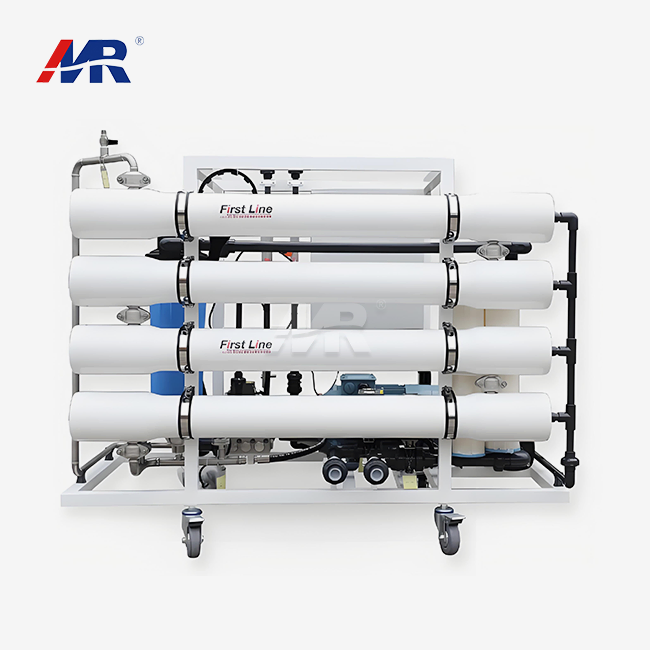
The pressurized water then reaches the RO membrane module—the system's core. Applied pressure overcomes natural osmotic pressure, forcing pure water molecules through the membrane while rejecting contaminants into the concentrate stream. This stage removes dissolved salts, heavy metals, nitrates, fluoride, and pharmaceutical residues that earlier filters cannot capture.
A flow restrictor in the drain line maintains proper pressure and flow rate across the membrane. This component determines the permeate-to-waste water ratio, typically producing one gallon of purified water for every three to four gallons flushed to drain. Though this seems wasteful, the concentrate stream is essential for flushing contaminants and preventing membrane fouling.
Purified water collects in a pressurized storage tank, typically holding 2-4 gallons for residential systems or hundreds of gallons for commercial applications. This reservoir provides instant access to treated water without waiting for the RO process each time you open the faucet.
Water flows through a final post-filter before reaching your tap. This activated carbon polishing filter removes any residual tastes or odors that might develop during storage, ensuring every glass tastes fresh and clean.
Point-of-Use vs. Whole-House Systems for Well Applications
Choosing between point-of-use and whole-house configurations depends on your needs and budget. Each approach offers distinct advantages for different situations.
The most popular point-of-use application is a RO system under the sink. These small units fit inside kitchen cabinets and only treat water for cooking and drinking. When the quality of the water you drink is more important than a reverse osmosis system for well water treating every water outlet, point-of-use systems make the most cost sense.
Point-of-use systems are often put in key places in manufacturing facilities, like next to sinks for analysis work, near mixing stations for making drinks, or near equipment that needs ultrapure water. This targeted method cuts down on capital costs while still addressing important quality control points.
Whole-house water filter systems with RO capability treat every drop entering your property. This comprehensive approach makes sense when well water contaminants affect more than drinking water—perhaps iron staining bathrooms, hardness damaging appliances, or sulfur odors throughout the home.
Whole-house systems make sure that the water quality is the same in all fixtures, which is helpful for businesses like small hotels, medical centers, and food service businesses. For GMP compliance, the pharmaceutical and biotechnology industries usually need clean water throughout the whole building. This makes whole-house RO systems with the right distribution loops important.
Reverse osmosis for the whole house needs a lot of equipment. You need well pumps with enough power, tools to raise the pressure, big storage tanks, and distribution pumps to keep the pressure in your whole building. The upfront cost is much higher than that of point-of-use systems, but it provides complete control over water quality.
Sizing Your System for Well Water Capacity Needs
Proper system sizing prevents frustration and ensures adequate purified water availability. Undersized systems leave you waiting for the storage tank to refill during peak demand, while oversized equipment wastes money on unnecessary capacity.
Calculate your daily water consumption. Residential users typically consume 2-3 gallons daily per person for drinking and cooking. Add extra capacity for ice makers, coffee machines, and other appliances connected to your RO system. A family of four needs roughly 10-12 gallons daily, suggesting a 50-75 gallon-per-day (GPD) system with adequate storage.
Commercial and industrial applications require detailed usage analysis. A small café might need 100 GPD for coffee brewing and ice production, while a pharmaceutical laboratory could require thousands of gallons daily for manufacturing processes. Peak demand periods matter more than average consumption—your system must keep pace when multiple stations draw water simultaneously.
Storage tank capacity buffers between production rate and usage patterns. Larger tanks accommodate surge demand without depleting purified water reserves. Commercial applications often employ atmospheric storage tanks ranging from 100 to 10,000 gallons, depending on usage profiles.
Temperature affects production rates. RO membranes operate most efficiently at 77°F. Cold well water reduces output by 2-3% per degree below this temperature. Wells producing 50°F water might generate 40% less permeate than specifications suggest, requiring larger systems to compensate.
Maintenance and Operational Considerations
Consistent maintenance determines whether your RO system delivers years of reliable service or becomes an expensive disappointment. Well water applications demand more attention than municipal water systems due to higher contamination levels.
Pre-filter replacement schedules vary with water quality. Sediment filters might need monthly changes in sandy wells, while cleaner sources extend this to quarterly. Carbon filters typically last 6-12 months, though chlorine or reverse osmosis systems for well water organic compounds accelerate exhaustion. Tracking pressure drop across filters indicates when replacement becomes necessary.
RO membrane replacement represents the most significant maintenance expense. Quality membranes should last 2-5 years with proper pre-treatment and regular sanitization. Neglecting pre-filters or skipping sanitization cuts this lifespan dramatically, sometimes to mere months. Monitor permeate quality and production rate—declining output or rising TDS signals membrane degradation.
Sanitization procedures prevent biological growth in your system. Even well water contains bacteria that colonize filters and storage tanks. Annual sanitization with hydrogen peroxide or approved sanitizing solutions maintains system hygiene and prevents biofilm formation that harbors pathogens.
Storage tanks need periodic inspection and cleaning. Atmospheric tanks develop sediment accumulation, while pressurized tanks occasionally require bladder replacement. Neglected tanks become contamination sources that compromise otherwise pure water.
Professional water quality testing validates system performance. Annual testing confirms your RO system continues removing contaminants effectively. Testing becomes particularly important when well water chemistry changes seasonally or after heavy rainfall events that alter groundwater characteristics.
Industry-Specific Applications and Requirements
Different sectors impose unique demands on well water RO systems. Understanding these requirements helps specify appropriate equipment configurations.
Companies that make food and drinks need water that is always safe and meets safety standards. RO systems make hundreds to thousands of gallons of water every day for bottling plants, dairy processors, and brewers. In these situations, reverse osmosis is often used with another treatment, such as UV sterilisation or ozonation, to make sure that the microbes are safe.
Water that meets USP Purified Water or Water for Injection standards is needed in pharmaceutical and biotechnology operations. Because of these strict requirements, we need RO systems with multiple stages, electrodeionization (EDI), and constant monitoring with automatic documentation. Temperature control and steady circulation are maintained by storage and distribution systems, which stop bacteria from growing.
Ultrapure water is needed to clean and process chips in electronics manufacturing and semiconductor fabrication. For these uses, mixed-bed deionisation is stacked with RO to get a resistance above 18 megohm-cm. Even very small amounts of contaminants can cause problems, so careful pre-treatment and tracking are very important.
RO systems are used in hospitals to clean surgical instruments, provide water for dialysis, and feed water to sterilisers. For dialysis, strict FDA and AAMI rules are followed, and specialised RO systems with endotoxin-removing filters and full tracking are used.
Agricultural businesses that use well water for irrigation can benefit from RO systems because they get rid of extra salts, boron, and other elements that are bad for plants. When planting valuable plants in a greenhouse, RO treatment is often necessary to make sure the best conditions for growth.
Conclusion
Using reverse osmosis on well water turns uncertain groundwater into steady, high-quality water that meets standards for homes and businesses. Thorough testing of the water, the right pre-treatment, the right size of the system, and regular upkeep are all important for success. If you run a small home system or a big commercial facility, knowing these basics will help you choose equipment that will work well for years to come. Clean water isn't just convenient; it also protects health, keeps tools in good shape, guarantees product quality, and shows dedication to excellence in every use that requires it.
Get the Right Reverse Osmosis System for Well Water from a Trusted Supplier
Guangdong Morui Environmental Technology brings over 14 years of expertise in designing and manufacturing reverse osmosis systems for well water solutions across diverse industries. Our engineering team analyzes reverse osmosis systems for well water, your specific water quality challenges, and configures treatment systems delivering reliable, long-term performance. With our own membrane production facility and partnerships with premium component manufacturers, including Shimge Water Pumps and Runxin Valves, we provide complete systems with one-stop installation and commissioning services. Contact our technical specialists at benson@guangdongmorui.com to discuss your well water treatment requirements and receive a customized solution backed by our 500-person organization.
References
1. American Water Works Association. (2020). Reverse Osmosis and Nanofiltration: Manual of Water Supply Practices M46. Denver: AWWA Publications.
2. Duranceau, S.J. & Taylor, J.S. (2019). Membrane Technologies for Well Water Treatment: Design and Operation Considerations. Water Research Foundation.
3. Greenlee, L.F., Lawler, D.F., Freeman, B.D., Marrot, B., & Moulin, P. (2021). Reverse osmosis desalination: Water sources, technology, and today's challenges. Water Research, 43(9), 2317-2348.
4. National Ground Water Association. (2022). Private Well Water Treatment Systems: Selection and Maintenance Guide. Westerville: NGWA Press.
5. Pankratz, T. (2018). Water Desalination Technologies: A Practical Guide for Industrial Applications. Houston: Water Desalination Report.
6. World Health Organization. (2021). Guidelines for Drinking-water Quality: Incorporating Treatment Technologies for Small and Community Supplies. Geneva: WHO Press.
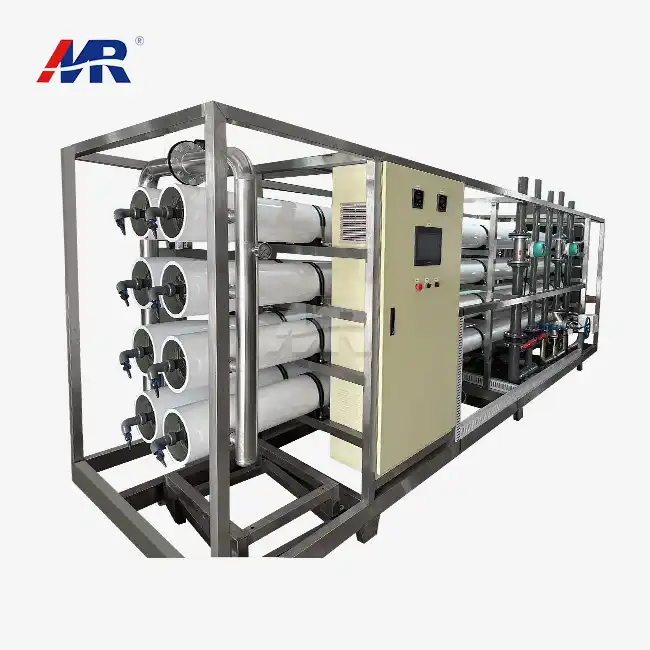 VIEW MORE8m3/hour two pass reverse osmosis system
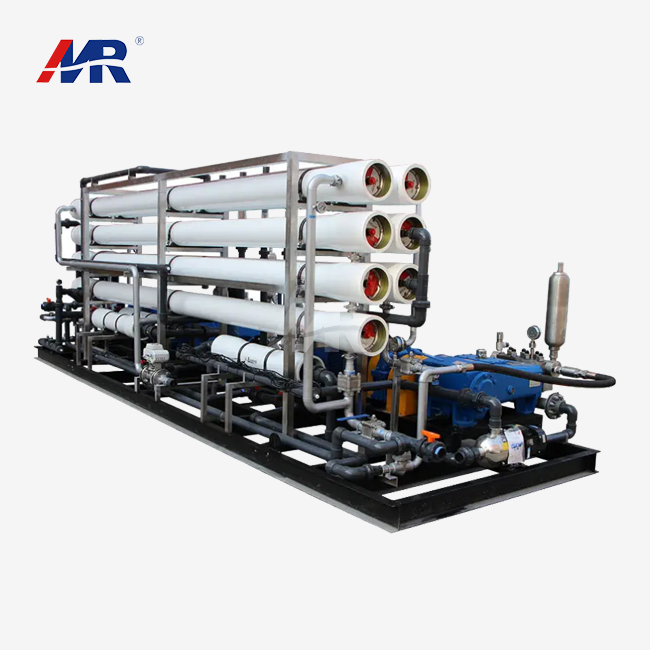 VIEW MOREseawater desalination machine
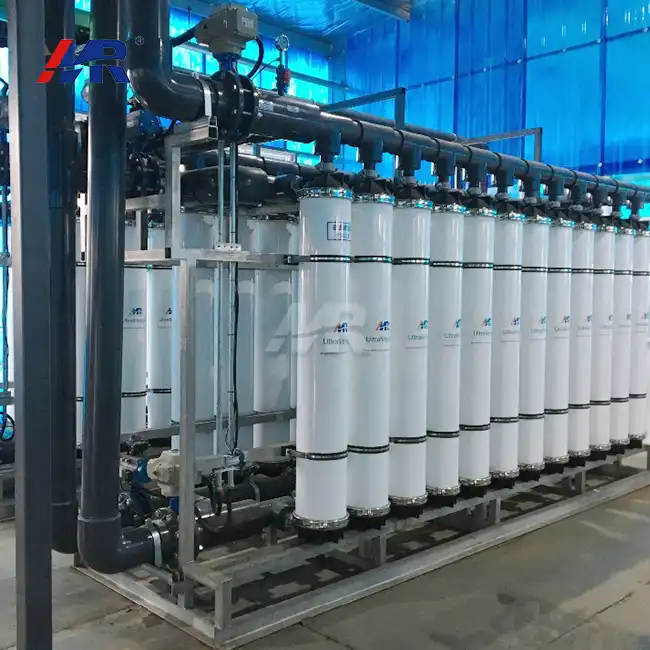 VIEW MORE50m3/hour ultrafiltration plant
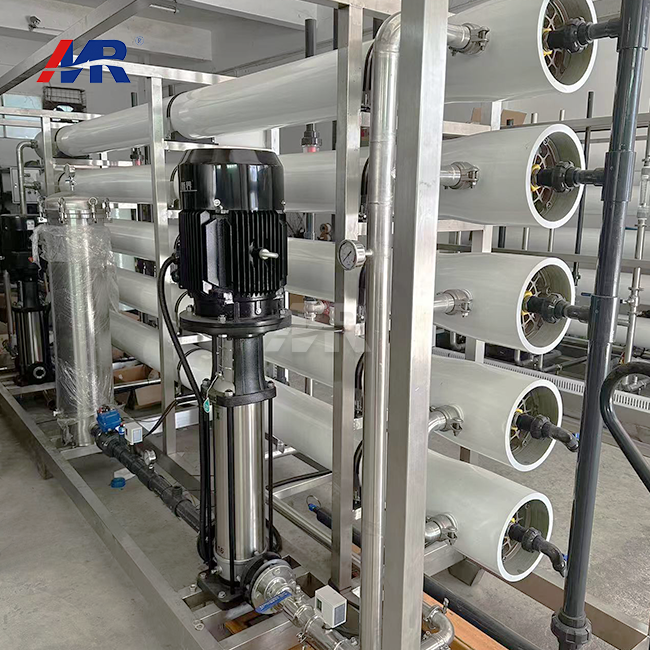 VIEW MOREosmosis water purification system
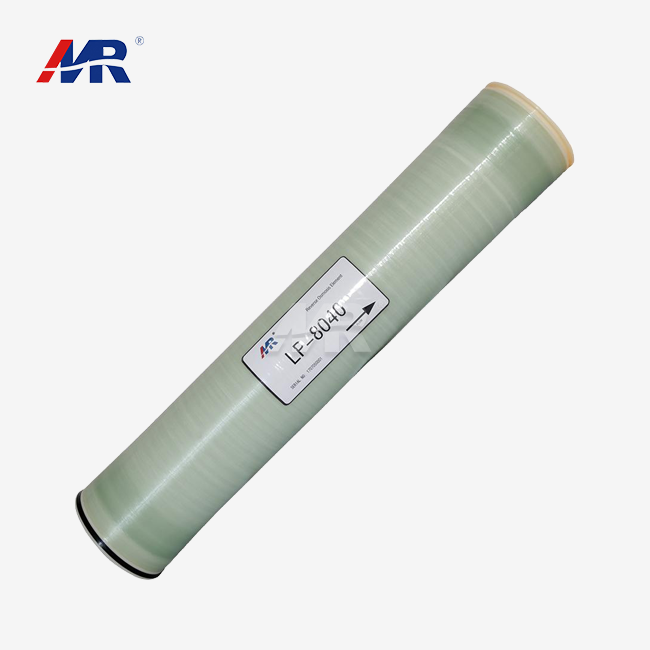 VIEW MOREreverse osmosis membrane
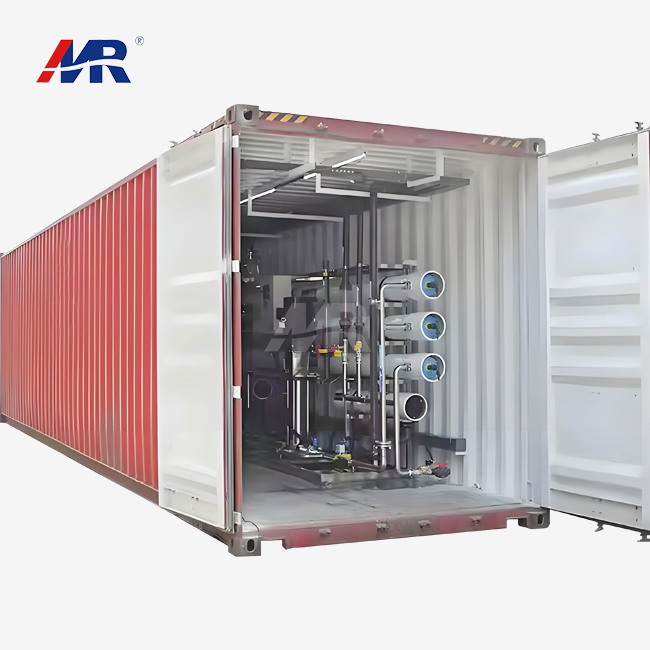 VIEW MOREContainerized Reverse Osmosis Systems
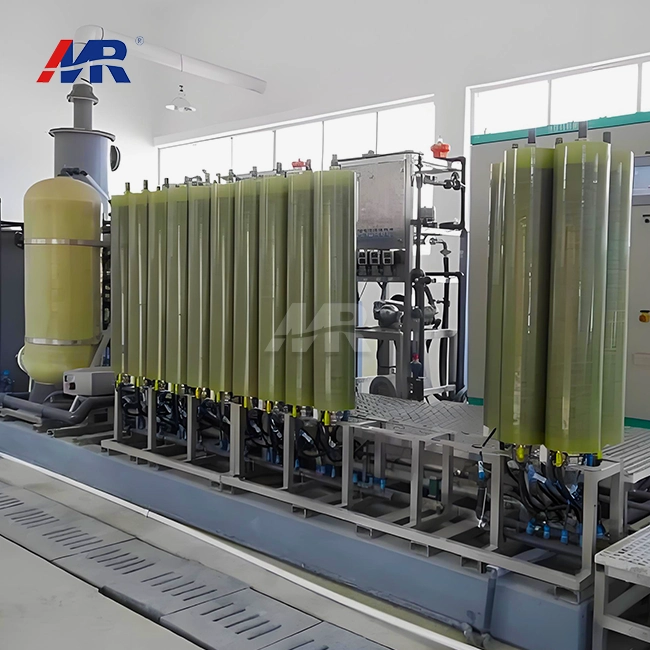 VIEW MOREDTRO Landfill Leachate Treatment
 VIEW MOREseawater desalination equipment
