

_1745823981883.webp)

Designing an MBR for High-Strength Industrial Wastewater Loads
When facilities face aggressive industrial effluents laden with toxic compounds and fluctuating organic loads, conventional biological treatment often falls short. A membrane/bioreactor-wastewater-treatment">membrane bioreactor for wastewater treatment offers a robust alternative, merging activated sludge processes with advanced membrane filtration to consistently produce high-quality effluent. Designing such systems for high-strength wastewater demands careful attention to biomass management, membrane selection, and operational flexibility. This technical guide helps procurement managers, plant engineers, and facility owners navigate the critical design parameters that ensure reliable performance in demanding industrial environments.
Understanding High-Strength Industrial Wastewater Challenges
There are some problems that make industrial wastewater from making drugs, preparing food, making chemicals, and electroplating processes different from city streams. Chemical Oxygen Demand (COD) levels in these effluents often go above 5,000 mg/L. They also have heavy metals, fats, oils, and complex manufactured organics that stop microbes from growing. Variable loads make these problems even worse; times of high flow can be too much for the treatment system to handle, leading to the loss of biomass and non-compliance with regulations.
In these situations, traditional activated sludge systems don't work very well. They can't keep up enough biomass ratios during toxic shock loads, which makes the process unstable and causes frequent interruptions in operations. Heavy metals like nickel and chromium from electroplating lines can kill nitrifying bacteria, and phenolic chemicals from petroleum plants don't break down in nature. Figuring out these specific contaminant profiles is the first step in building treatment infrastructure that can handle harsh incoming chemicals while still following the rules.
Identifying Contaminant Characteristics
Pollutants from different industries have different signatures. The wastewater from pharmaceutical plants may contain antibiotic residues and a lot of nitrogen. On the other hand, the colored chemicals released by cloth dyeing processes have difficult aromatic structures. Accurately characterizing an influent through a wide range of analytical tests shows not only normal amounts but also trends of change throughout the day and throughout the year. This information helps set goals for membrane flux, aeration capacity, and reactor size.
Regulatory Drivers and Discharge Limits
In the United States, stricter rules about discharge are getting stricter. These rules include limits on Total Suspended Solids (TSS), Biochemical Oxygen Demand (BOD), and nutrients. It is now required by many indirect discharge permits that industrial facilities use near-potable quality effluent that can be reused as water or treated further downstream with reverse osmosis. To meet these standards, treatment methods must be able to regularly produce permeate with low turbidity and no pathogens.
Core Principles of Designing an MBR for High-Strength Industrial Wastewater
Biological treatment and membrane separation work together to create a process that reduces organic load and removes physical contaminants. This is the first step in designing an effective system. The biological reactor needs to keep a wide community of microbes that can break down complex organics, and the membrane barrier makes sure that all the bacteria and floating solids stay in the reactor.
Membrane Selection and Configuration
Which microfiltration (pore sizes 0.1–0.4 microns) or ultrafiltration (pore sizes 0.01-0.1 microns) filters to use depends on the quality goals for the waste and how likely it is to get clogged. Ultrafiltration membranes are great for pharmaceutical and biotechnology applications that need to strictly control pathogens because they are very good at blocking viruses and large molecules. Polyvinylidene fluoride (PVDF) and polyethersulfone (PES) are two types of membrane materials that are very good at resisting chemical damage from harsh cleaners and hydrophobic substances.
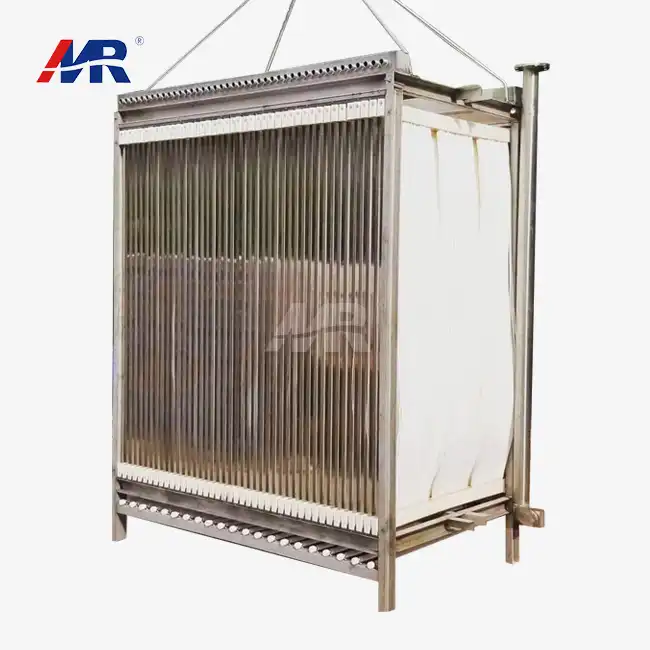
For industrial uses, submerged membrane configurations—in which modules are submerged directly in the bioreactor—have become the most popular choice. Compared to outdoor crossflow systems, this design makes upkeep easier and uses less energy. Plate-and-frame, hollow fiber, and tubular membrane geometries all have their own benefits. Hollow fiber modules have a high packing density, with surface areas of up to 1,200 m²/m³. This reduces the size of the reactor's footprint, which is important for places that don't have a lot of land.
Biomass Management and Microbial Community Optimization
When Mixed Liquor Suspended Solids (MLSS) levels are high, between 8,000 and 12,000 mg/L, membrane bioreactor for wastewater treatment systems can handle high rates of organic loading while keeping their small sizes. This is very different from how most systems work, which use 2,000 to 3,000 mg/L MLSS. A higher biomass density protects against toxic shock loads and helps slow-growing specialized bacteria like nitrifiers that are needed to break down ammonia.
One of the best things about membrane technology is that it separates Hydraulic Retention Time (HRT) from Solids Retention Time (SRT). SRT can last anywhere from 20 to 40 days, which gives slow-growing microorganisms time to multiply and break down chemicals that are hard to break down. HRT can last as little as 4 to 6 hours to keep the reactor volume as small as possible. This operating freedom is very helpful when dealing with petrochemical wastewater that contains aromatic hydrocarbons or pharmaceutical wastewater that has complex nitrogen-containing structures.
Oxygen Transfer and Aeration Efficiency
For oxygen metabolism and membrane washing to happen, it is important to keep the Dissolved Oxygen (DO) levels high throughout the bioreactor. Fine bubble diffusion systems with a high Oxygen Transfer Efficiency (OTE) move oxygen around while creating turbulence that stops the membrane surface from sticking down. Using SCADA systems to monitor both aeration controls and DO in real time helps get the most out of energy use, which makes up about 40 to 50 percent of membrane systems' total operating costs.
Advantages of MBR over Conventional Systems for Industrial Wastewater
Comparing performance measures shows why membrane bioreactors are now the most popular choice for treating wastewater from factories. The quality of the effluent always meets strict standards, with TSS levels below 5 mg/L and turbidity levels below 1 NTU. These are quality levels that can't be reached with systems that use clarifiers. This almost-potable result often gets rid of the need for extra cleaning steps, which makes treatment trains more efficient.
You can't say enough good things about the smaller physical size. A membrane system that treats 500 cubic meters of wastewater per day usually takes up 30–40% less room than a conventional plant of the same size. This is a very important factor for facilities that work in industrial areas with limited space. This compactness comes from higher volumetric loading rates, which are made possible by higher biomass concentrations and the removal of secondary clarifiers.
Resistance to shock loads and changing input conditions gives this system working steadiness that other systems can't match. When there is a chemical spill and COD briefly rises by 200%, the thick biomass and membrane barrier keep the effluent quality high and prevent permit violations from happening. This resilience is especially helpful for textile makers and food processors that deal with batch discharge patterns. In addition to being able to handle shock loads, membrane systems are also very good at adapting to changes in production schedules and seasonal changes in flow rates without affecting their treatment performance.
Energy issues need to be carefully looked at. When compared to traditional systems, membrane aeration and permeate pumping use more energy. However, this extra cost is often offset by using fewer chemicals, leaving less of an impact, and not having to maintain the clarifier. Total cost of ownership analysis over a 15-year lifecycle often favors membrane technology, especially when non-compliance penalties and the chance to make money from reusing water are taken into account.
These benefits have been proven by operations in the real world. After switching from activated sludge to membrane technology, a pharmaceutical facility in New Jersey that treated wastewater from making antibiotics cut the COD in the water it released from 450 mg/L to less than 100 mg/L. In Arkansas, a chicken processing company was able to recover 85% of its water for use in non-product contact uses. This saved the city more than $180,000 a year on water purchases.
Maintenance and Troubleshooting of MBR Systems in Industrial Applications
For long-term success of a membrane bioreactor for wastewater treatment, you need preventative maintenance plans that deal with membrane fouling, which is the main operational issue. When organic matter, inorganic precipitates, and bacterial biofilms build up on the sides of membranes, they foul. This raises the Transmembrane Pressure (TMP) and lowers the flow of permeate. By keeping an eye on TMP trends, flux rates, and DO profiles all the time, problems can be found early and fixed before they get worse.
Implementing Effective Cleaning Protocols
Every 15 to 30 minutes, backwashing for routine upkeep uses permeate or clean water to loosen foulants that are only loosely attached. Sodium hypochlorite (200–500 ppm) maintenance cleans get rid of biological fouling, and citric acid treatments (2–3%) get rid of artificial scale. When TMP levels go above the design limits, recovery cleans are done with stronger chemicals and longer contact times. Setting cleaning schedules based on real working data instead of making them up on the spot saves the most money on chemicals and time.
Monitoring the health of the biomass is another way to make sure that the biological treatment stays stable. Microscopy shows the structure of flocs and the variety of microbes present, while respirometry tests measure metabolic activity. By finding early signs of toxins, like deflocculation, foaming, or strange settling patterns, operators can fix the problem before the quality of the treatment goes downhill.
Strategic Lifecycle Management
If you use membrane modules correctly, they should last between 5 and 7 years, but in harsh industrial settings, they may only last 3 to 5 years. Planning when to replace parts and making sure there are enough spare membranes on hand keeps downtime during module changes to a minimum. Working with suppliers that offer fast delivery and Technical support lowers the operational risks that come with problems that don't come up as planned.
Procurement Guide and Selecting the Right MBR System Supplier
When picking a membrane bioreactor provider, you need to look at their technical skills, financial security, and support systems for after the sale. The full cost of the system must be taken into account in the capital spending analysis. This includes the cost of pretreatment equipment, biological reactors, membrane modules, blowers, pumps, sensors, and installation. When you ask for specific budgetary quotes with itemized parts, it's easier to compare true costs between different providers.
Superior suppliers are different from commodity equipment providers because they can customize technical aspects of their Products. Different sites have very different types of industrial wastewater, so custom designs are needed to account for different contaminant profiles, flow patterns, and release limits. Implementation risks are lower when suppliers show they have experience with similar applications and offer pilot testing to confirm design parameters.
Certifications and safety paperwork make sure that the equipment is of good quality and that the seller can be trusted. The ISO 9001 quality management certification shows that the manufacturing process is organized, and the NSF/ANSI 61 certification proves that the material is safe for use in drinking water. Looking at client references and case study documentation can help you figure out how well a vendor does their job, how responsive they are, and how good their long-term partnerships are.
Turnkey solutions that include engineering design, buying equipment, supervising installation, and training operators make it easier to complete a project. Integrated project delivery makes it easier for various companies to work together and makes it clear who is responsible for what. Full commissioning services make sure that systems work as planned before they are handed over, which protects the value of the investment and speeds up the time it takes to get the money back.
Conclusion
To make strong, reliable infrastructure with membrane bioreactor for wastewater treatment systems for high-strength industrial wastewater, you need to balance biological treatment principles with the best ways to use membrane technology. Success depends on carefully analyzing the influent, choosing the right membrane, managing the biomass in the best way possible, and planning ahead for maintenance. Membrane technology is the best way to treat wastewater in challenging industrial settings because it has better effluent quality, a smaller size, better shock load protection, and the ability to reuse water. Project success and long-term operating greatness are guaranteed by carefully choosing suppliers based on their technical knowledge, ability to customize, and full range of support services.
Frequently Asked Questions About Industrial MBR Systems
1. How do membrane bioreactors handle toxic contaminants in industrial wastewater?
Membrane bioreactors handle harmful substances in several ways. High levels of biomass dilute toxic compounds, making them less concentrated in the environment where microorganisms live. Extended SRT lets microbial communities adapt to certain toxins, with strains of bacteria that are resistant becoming the most common. Before biological treatment, steps like equalization pans smooth out concentration spikes, and adding activated carbon removes chemicals that are especially hard to get rid of.
2. What are key indicators for monitoring membrane fouling?
The main sign of fouling is a rise in transmembrane pressure, and the alarm level is usually set at 20% above normal values. A drop in permeate flux at constant pressure is another sign that fouling is getting worse. By keeping an eye on how often maintenance backwashing and chemical cleaning cycles happen, you can see trends in the fouling rate. Changes in the viscosity of the sludge, rises in soluble microbial products, and shifts in the concentrations of extracellular polymeric substances observed in a lab are all examples of secondary markers.
3. Can existing wastewater treatment plants be retrofitted with MBR technology?
It is technically possible and becoming more common to add membrane systems to existing plants. After minor changes are made to allow for submerged membrane modules, existing aeration basins can be used as bioreactors again. Using existing infrastructure saves money on capital costs compared to building from scratch. A thorough inspection of the structure makes sure that the basins can hold the weight of the membrane and handle changes in the way water is loaded. To support automated operation, electrical and computer system changes are often done at the same time as membrane integration.
Partner with Morui for Your Industrial Wastewater Treatment Solutions
To deal with problems related to high-strength industrial wastewater, you need a reliable membrane bioreactor for wastewater treatment supplier who can offer both technical know-how and full project support. Morui, which is part of Guangdong Morui Environmental Technology Co., Ltd., has a track record of meeting the needs of demanding industrial applications in the food processing, chemical production, pharmaceutical manufacturing, and electroplating sectors. A group of twenty engineers at our company creates unique systems that are made to fit your specific input and output needs.
In addition to supplying equipment, we offer complete turnkey solutions that include analyzing the site, creating detailed engineering designs, fabricating equipment, overseeing installation, and teaching operators how to use it. Our integrated method gets rid of problems with teamwork and makes sure that the project runs smoothly. We keep our goods available and can respond quickly to technical issues thanks to our more than 14 offices, which employ more than 500 people, and our own membrane production facilities. We also sell high-quality parts from brands like Shimge Water Pumps, Runxin Valves, and Createc Instruments. This makes sure that the system works well by using good extra parts. Contact Our Team at benson@guangdongmorui.com to talk about your wastewater treatment problems.
References
1. Judd, S., & Judd, C. (2022). The MBR Book: Principles and Applications of Membrane Bioreactors for Water and Wastewater Treatment. 3rd edition. Elsevier, Oxford, UK.
2. Krzeminski, P., Leverette, L., Malamis, S., & Katsou, E. (2017). Membrane bioreactors: A review on recent developments in energy reduction, fouling control, novel configurations, LCA and market prospects. Journal of Membrane Science, 527, 207-227.
3. Le-Clech, P. (2010). Membrane bioreactors and their uses in wastewater treatments. Applied Microbiology and Biotechnology, 88(6), 1253-1260.
4. Meng, F., Zhang, S., Oh, Y., Zhou, Z., Shin, H., & Chae, S. (2017). Fouling in membrane bioreactors: An updated review. Water Research, 114, 151-180.
5. Liao, B., Kraemer, J., & Bagley, D. (2006). Anaerobic membrane bioreactors: Applications and research directions. Critical Reviews in Environmental Science and Technology, 36(6), 489-530.
6. Lin, H., Peng, W., Zhang, M., Chen, J., Hong, H., & Zhang, Y. (2013). A review on anaerobic membrane bioreactors: Applications, membrane fouling and future perspectives. Desalination, 314, 169-188.
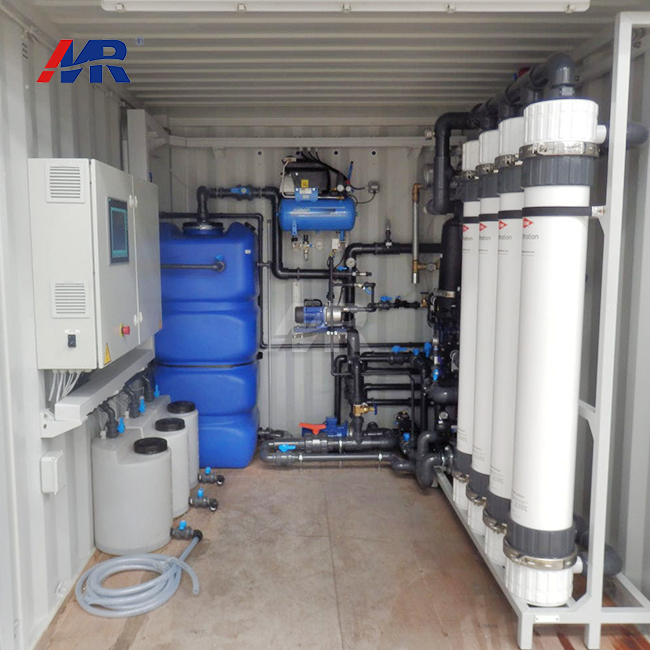 VIEW MOREcontainerized ultrafiltration equipment
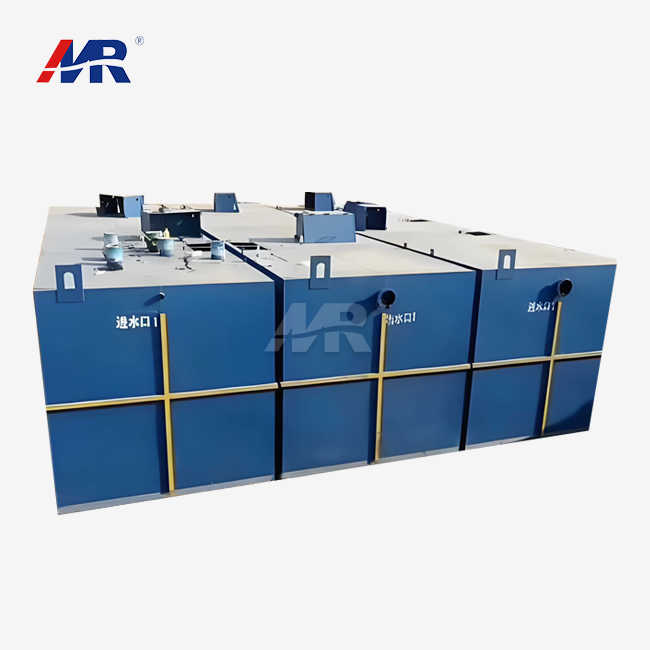 VIEW MOREcommercial sewage treatment plant
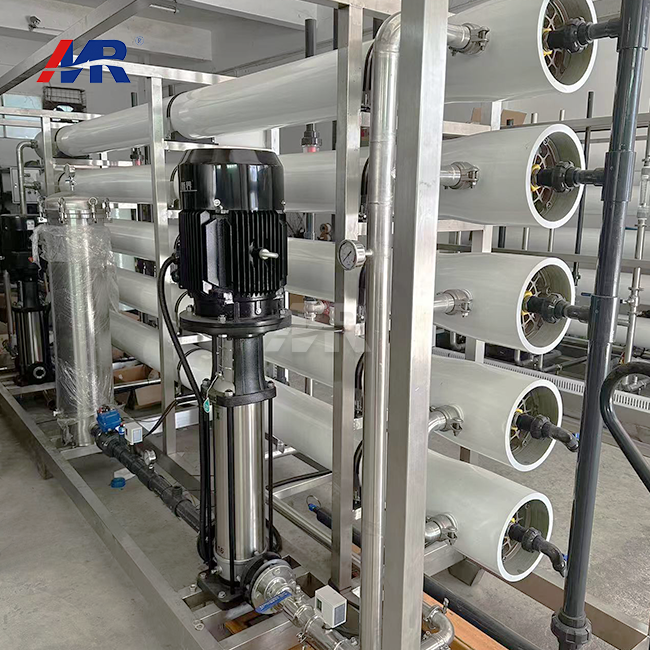 VIEW MOREosmosis water purification system
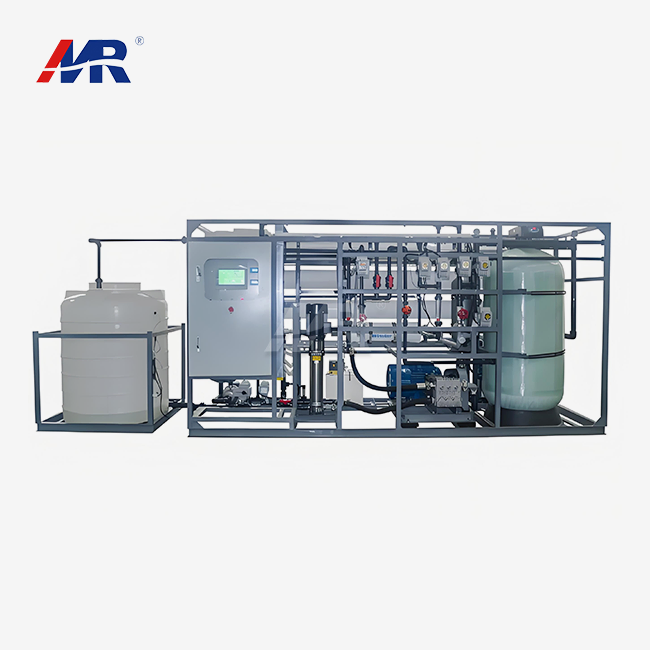 VIEW MOREseawater treatment system
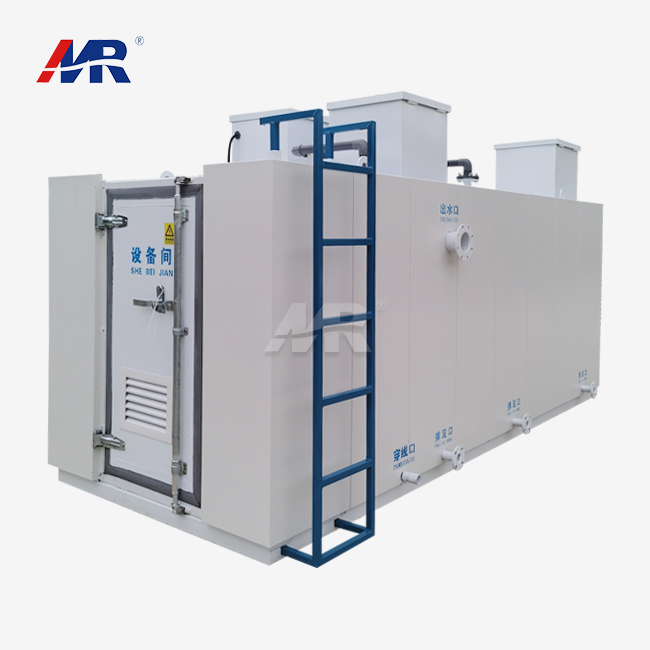 VIEW MOREwastewater treatment plant
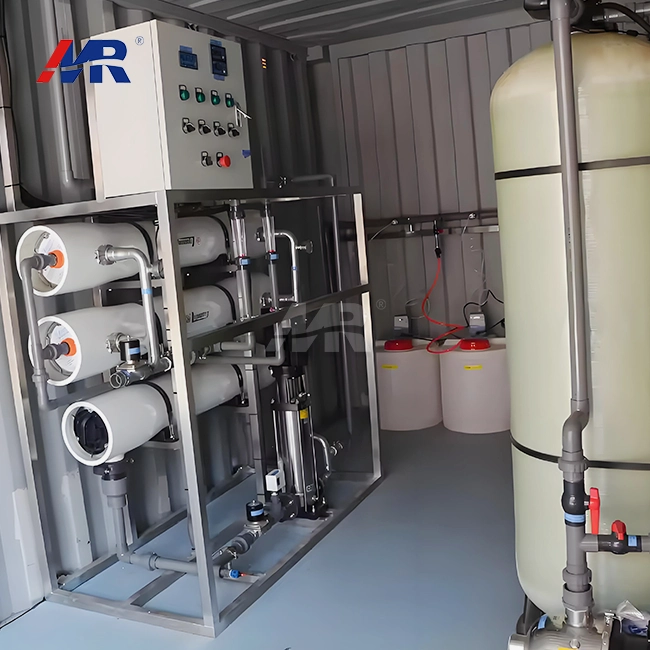 VIEW MOREcontainerized reverse osmosis system
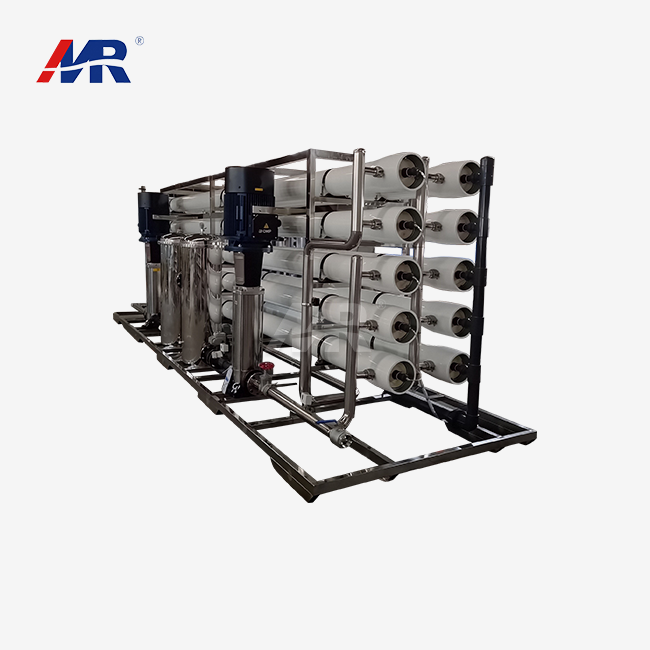 VIEW MORE2 stage reverse osmosis system
 VIEW MORE8m3/hour two pass reverse osmosis system
