_1745823981883.webp)

Stainless Steel Reverse Osmosis System Sizing for Commercial Use
To choose the right stainless steel reverse osmosis system for your business, you need to carefully consider how much water you need, the quality you need, and the limits of your operations. A properly sized system strikes a balance between initial capital investment and long-term efficiency. This will ensure that your facility always has clean water without using too much energy or breaking down equipment too soon. Knowing how feed water characteristics, production capacity, and system configuration are connected helps procurement professionals choose equipment that fits both current needs and expected growth, so they don't waste money by undersizing or oversizing.
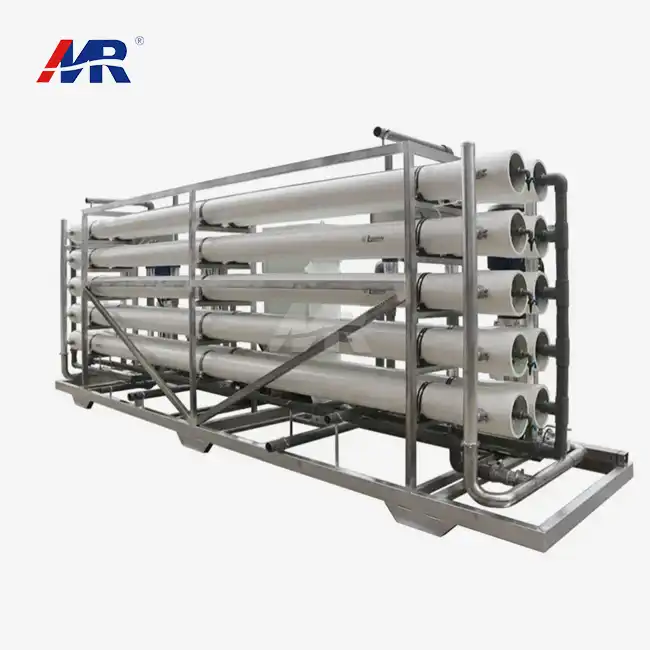
Understanding Stainless Steel Reverse Osmosis Systems
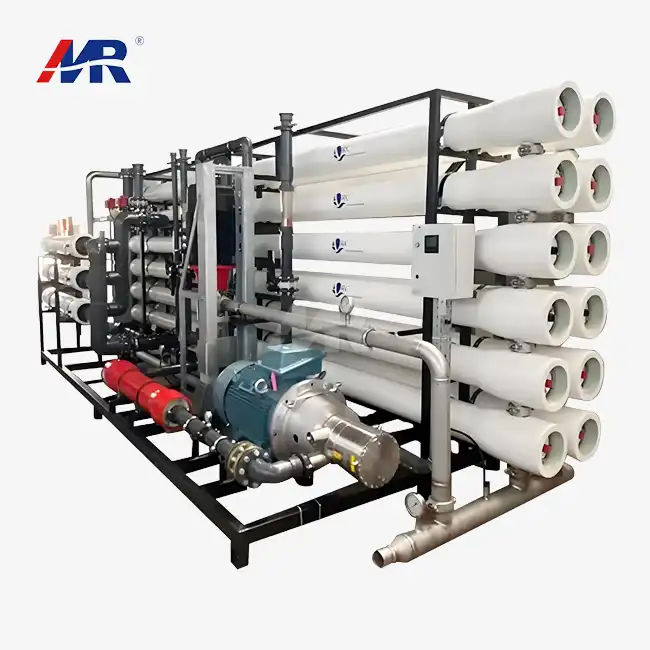
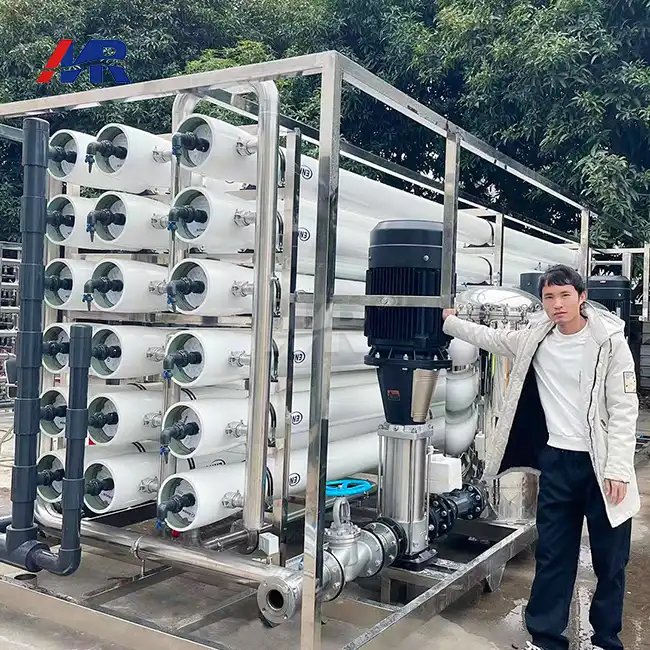
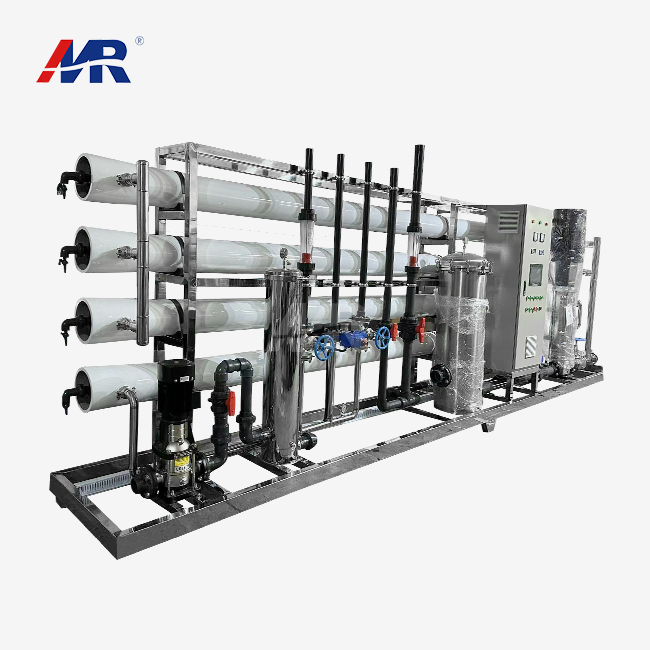
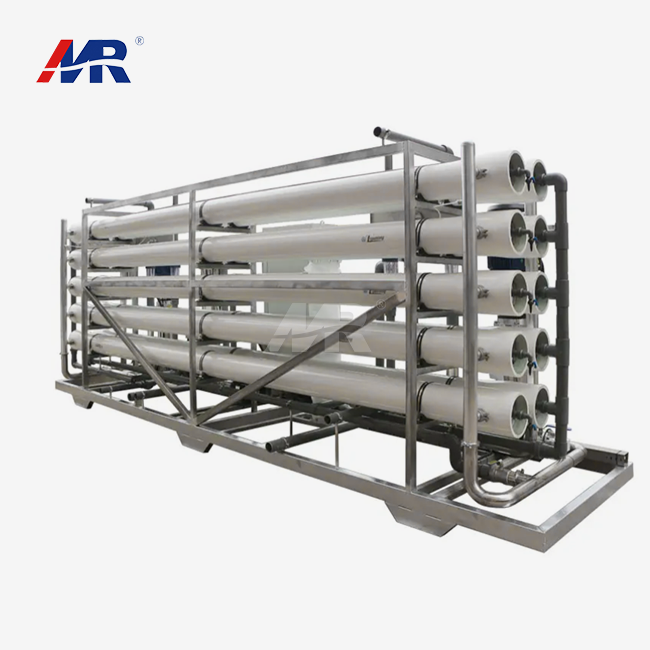
A stainless steel reverse osmosis system is a high-performance way to clean water. It uses semi-permeable membranes inside pressure tanks and structural frames made mostly of high-quality stainless steel, usually SUS304 or SUS316L. In contrast to regular plastic or fiberglass-reinforced polymer units, these systems are designed to last a very long time and keep the cleanliness that is necessary in sensitive industrial settings.
Core Components and Material Advantages
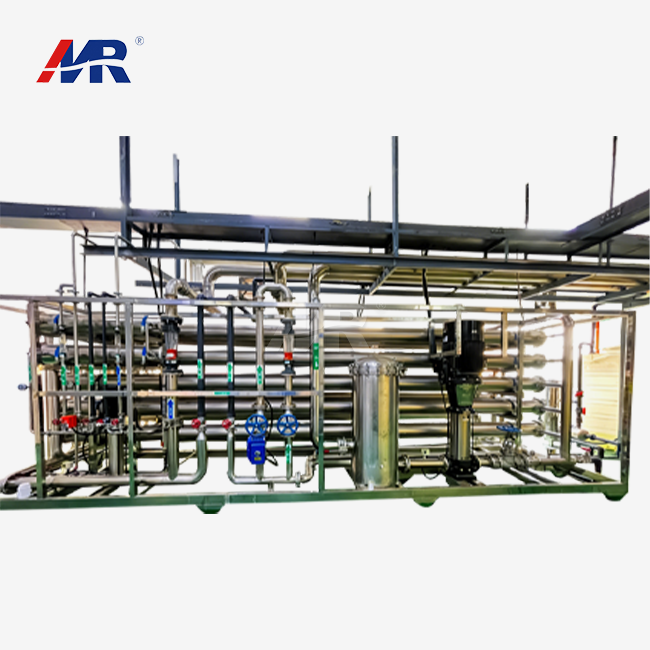
The construction includes pre-filtration stages, high-pressure pumps, membrane housings, and controls. Each section is connected by sanitary stainless steel tubing. Plastic-based alternatives crack under prolonged high-pressure cycles, but this design eliminates that risk. Stainless steel's inert surface prevents secondary contamination from leaching. In pharmaceutical and food-grade applications, even a small amount of contamination might cause regulatory problems. Stainless steel's structural stiffness allows designs over 1,000 PSI for coastal desalination projects.
The Reverse Osmosis Filtration Process
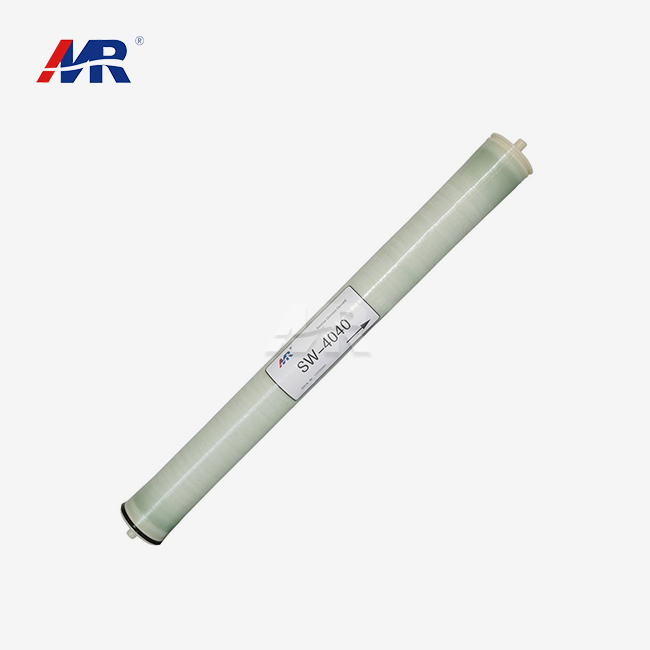
To preserve membranes, sediment and carbon pre-treatment clean water. Semi-permeable filters restrict the pressurized supply stream's dissolved sediments, microorganisms, and organic compounds. The permeate water has less than 10 ppm total dissolved solids. Based on recovery rate optimization, rejected concentrate streams are returned or discharged. Stainless steel maintains working temperatures and pressures, thus the membrane's performance continues regardless of the environment.
Comparing Material Performance
Data from pharmaceutical installations demonstrates that stainless steel systems retain their structure after thousands of Clean-in-Place cycles, but fibreglass units lose glue after 500. Smooth, non-porous stainless steel (roughness values below 0.4 micrometres) prevents bacteria from clinging to plastic housings, which is detrimental to them. Stainless steel's UV resistance and fire safety ratings are vital for outdoor installations and places with tight safety rules. With regular maintenance, it can last 15–20 years because of its chemical stability and mechanical robustness.
Critical Factors to Consider When Sizing Stainless Steel RO Systems for Commercial Use
To get an accurate stainless steel reverse osmosis system size, you need to do a full study of the water quality and a demand forecast, combining technical specs with real-world operational conditions. When you underestimate capacity, you end up with production delays and membrane stress. When you overestimate capacity, you waste money on capital and use more energy when demand is low.
Assessing Feed Water Characteristics
The type of membrane used and the amount of pre-treatment needed are directly affected by the total dissolved solids, hardness, chlorine content, and organic oxygen demand. When the TDS of the feedwater is more than 2,000 ppm, seawater-grade membranes and higher pressure capabilities are usually needed. This makes the system bigger and uses more energy. Municipal water sources don't need as much pre-treatment as surface water or salty wells, which changes the cost of capital and the amount of space needed. Agricultural runoff or industrial flow patterns cause changing contaminant loads that affect how much space is planned for systems. So, seasonal change data should be included in lab analyses.
Calculating Daily and Peak Water Demands
Whether sizing parameters are set by continuous operation or batch processing depends on the production schedule. A beverage bottling line that works 16 hours a day and sees the most customers in the morning shifts needs to use different capacity estimates than an experimental lab that only does tests sometimes. We suggest making a map of hourly consumption patterns over typical production weeks to find the highest demand scenarios that can happen at the same time. Recovery rate assumptions—usually 50–75% for brackish water and 35–50% for seawater—must be used in these calculations because rejected concentrate is lost feed water that needs to be thrown away or treated.
Aligning System Output with Growth Projections
Conservative sizing includes a 20–30% capacity buffer to allow for business growth without having to replace equipment right away. Electronics companies that want to add a cleanroom or drug companies that want to expand their product lines should look for modular systems that allow for staged capacity increases. This method strikes a balance between current budget constraints and planned future capital expenditures, so there are no interruptions to operations during retrofit installations.
Maintenance Considerations and Lifecycle Costs
Membrane replacement cycles, cleaning chemical use, and energy costs make up most of a system's operational costs over its lifetime. When compared to fixed-speed pumps, high-efficiency pumps with variable frequency drives use 25–40% less electricity. This makes the higher initial investment worth it because the lower operating costs make it worth it. For systems that go over 50 gallons per minute, procurement rules should require energy recovery devices that take pressure energy from concentrate streams to balance out pump loads.
Comparing Stainless Steel RO System Sizes and Types for Different Commercial Applications
The needs for commercial water treatment are very different, ranging from small lab units that only make 50 litres of water a day to huge desalination plants that make millions of gallons. Choosing the right stainless steel reverse osmosis system involves knowing the specific needs of an application to help choose the right equipment for the job.
Commercial Versus Residential System Distinctions
Residential systems usually use less than 100 gallons per day and don't need much monitoring. On the other hand, commercial installations need to run all the time, have automated controls, and need quality monitoring in real time. There are backup control systems, multiple membrane banks, and dual pumps in industrial units to make sure that production doesn't stop during maintenance or when a part fails. The pharmaceutical business needs to be able to sanitise with hot water, which means they need special gaskets and membrane materials that can handle temperatures up to 85 to 90°C during sanitisation processes.
Industry-Specific Configuration Examples
Food processing plants that make canned drinks usually ask for systems that can make 500 to 2,000 gallons per hour and have multiple polishing steps that get the conductivity below 1 microsiemens. To make semiconductors, ultrapure water systems are needed that combine electrodeionization and reverse osmosis to lower the amounts of silica and boron to parts per trillion. Power plants use huge skid-mounted systems that make more than 50,000 gallons of boiler feedwater every hour. Specialised resin beds get rid of small minerals that cause turbine scaling. For each use, the membrane chemistry, pressure, and post-treatment needs are different, which changes the size and complexity of the whole system.
Portable Versus Stationary System Selection
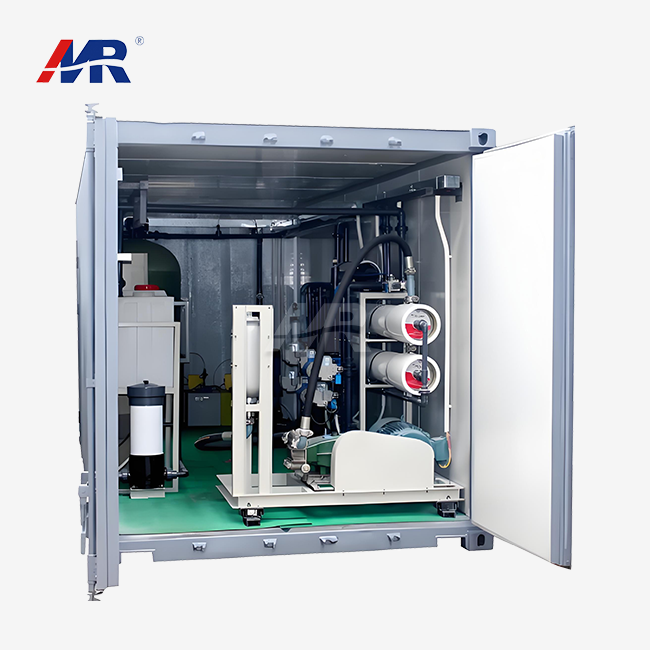
Mobile units on trailers are used for disaster relief, temporary construction sites, and military deployments where there isn't enough infrastructure. The small size of these devices means they are easier to move around, but they are less efficient and need to be serviced more often. Stationary installations make the best use of space by allowing vertical stacking, built-in storage, and permanent plumbing connections. The choice depends on how long the facility will be open. Facilities that plan to be open for at least five years will always benefit from fixed setups that use less energy and cost less per gallon.
Customization for OEM and Distribution Partners
Manufacturers like Morui work with equipment integrators to create configurations that are best for a certain application. They do this by changing standard platforms to fit the needs of each industry. Customisation includes more than just changing the capacity. It also includes special automation methods, different building materials for environments that are corrosive, and connecting to current building management systems. This method, based on partnerships, makes sure that the delivered system takes into account practical details that standard catalogue goods can't.
Procurement and Installation Considerations for Commercial Stainless Steel RO Systems
Technical specifications are only one part of a successful stainless steel reverse osmosis system deployment. The quality of installation and choice of supplier also have a big impact on long-term satisfaction and performance.
Selecting Trusted Suppliers and Manufacturers
When looking at possible suppliers, you need to look at their manufacturing Certifications, quality control procedures, and support infrastructure for after the installation. Systematic quality management is shown by ISO 9001 certification, and technical rigour is shown by ASME Section VIII compliance for pressure tanks. Positive Material Identification testing checks the composition of the alloy, proving that it is actually 304 or 316L grade and not a lower grade. References from installations in the same or a similar industry show how well the product works and how quickly it can be used when it's needed.
Warranty Coverage and After-Sales Service
Full warranties should cover promises for the performance of membranes, the structural stability of pressure vessels, and the mechanical parts of pumps for set periods of time. Total cost of ownership is greatly affected by the choice between parts-only coverage and full repair plans. When suppliers have regional service centers with factory-trained technicians, there is less downtime while problems are being fixed. However, when suppliers are far away, emergency travel costs are higher and equipment is down for longer periods of time. During procurement negotiations, it's important to be clear about the availability of parts, especially for specialised parts like high-pressure seals or control boards.
Installation Best Practices and Site Requirements
A professional installation starts with a careful site assessment that looks at things like electrical capacity, drainage options, and the general conditions of the environment. The floor must be able to hold the weight of the equipment and the water inventory. This is especially important for buildings with more than one floor or mezzanine installations. Ventilation is needed to keep pump motors from getting too hot, and the draining capacity handles large amounts of wastewater without risk of backflow. Integration with current systems includes balancing the pressure with the building's water systems, connecting to chemical stores for cleaning cycles, and connecting to the internet for tracking systems that are far away.
Cost-Benefit Analysis Framework
When judging proposals, you have to compare the total cost of installation to the expected operating costs over the service life. A high-end system that costs 30% more up front might save 40% on energy costs and need half as much maintenance as a low-end system. The cost of making a thousand gallons of water makes it easy to compare different plans that have different sizes and levels of efficiency. A full financial model should include different ways to pay for the equipment, tax breaks for buying equipment that saves water, and the chance of making money from selling reclaimed water.
Troubleshooting and Maintenance Tips for Stainless Steel Reverse Osmosis Systems
Systematic monitoring and preventive maintenance programs for stainless steel reverse osmosis systems that deal with common failure modes before they affect production are needed to make sure that equipment is always working and membranes last as long as possible.
Identifying Common Operational Challenges
Membrane fouling shows up as less permeate flow or higher feed pressure. This is usually because the pre-treatment wasn't done well enough, letting suspended solids or biological growth build up on the membrane surfaces. Chemical cleaning with acidic solutions is needed to get rid of scaling from calcium carbonate or silica precipitation. Biological fouling, on the other hand, can be removed with alkaline cleaners and sanitisers. A sudden drop in the quality of the permeate often means that the membrane has been damaged by pressure spikes or chemicals that don't mix, so the membrane bank needs to be inspected right away.
Preventive Maintenance Strategies
Setting baseline performance metrics during commissioning lets you use trend analysis to find slow degradation before major problems happen. The feed pressure, permeate flow, conductivity, and recovery rate should be checked once a week. Using the manufacturer's recommended formulas and steps, chemical cleaning once a month stops fouling that can't be fixed. Checking high-pressure seals, pump bearings, and valve actuators every three months finds wear patterns that mean parts need to be replaced during planned maintenance windows instead of during emergency shutdowns.
Routine Maintenance Checklist
Every day, an operator checks to make sure that the readings on the pressure gauges stay within normal limits, that the automated controllers work properly, and that there are no leaks or strange noises. Testing the quality of the permeate with accurate meters, checking the pre-filter filters for loading, and looking through the data logs for oddities are all things that need to be done every week. Every month, tasks like calibrating sensors, testing the vibration of high-pressure pumps, and keeping track of how much chemical is used are done. Every year, full checks are needed to test the performance of the membrane, look inside the pressure tank, and make sure that the software for the control system is up to date.
Recognizing When Capacity Expansion Becomes Necessary
When production goes up, and systems are consistently used above 85% of their rated capacity, they need to be expanded because running systems close to their maximum ratings for a long time speeds up wear and tear and shortens the life of the membrane. Recovery rates that are going down despite regular maintenance could mean that membranes are getting close to needing to be replaced or that changes in the nature of the feed water mean that the process needs to be changed. Facilities that often have to wait for water to become available should look into whether adding more capacity or extra storage tanks would be a more cost-effective solution.
Conclusion
To correctly size a commercial water purification system, you have to balance the current production needs with the expected growth in the future, while also taking into account changes in the quality of the feed water and operational limitations. The long-lasting and clean features of a stainless steel reverse osmosis system make it a good choice for harsh industrial settings. The higher initial cost is justified by lower maintenance costs and longer service life. A good buying process combines technical requirements with the supplier's abilities to make sure that both the performance of the equipment and its ongoing assistance meet the needs of the operation. Facilities get reliable, cost-effective water treatment that helps them meet their core production goals by following systematic evaluation procedures and proactive service protocols.
FAQ
Q1: Why is stainless steel preferred over fiberglass for industrial RO applications?
Stainless steel is better at resisting UV light, fire safety, and maintaining its shape under high pressure, which is needed for processes like desalination of seawater and industrial processes. The material stays the same size even when the temperature changes, and it doesn't break down when cleaned with chemicals. Fibreglass, on the other hand, loses its resin after being exposed to cleaning chemicals and temperature changes many times.
Q2: How do I choose between 304 and 316L stainless steel grades?
Grade 304 works well in most freshwater situations where the chloride level is less than 200 parts per million (ppm) and the environment is moderately corrosive. The 316L type is needed in places with a lot of chloride, like the coast, factories that process seawater, or places that use strong cleaning chemicals, because the molybdenum in it makes it more resistant to pitting and crevice corrosion.
Q3: Can these systems handle hot water sanitization protocols?
Systems with heat-resistant membranes and high-temperature seals can handle thermal sanitisation up to 90°C, which is needed for systems that are used in medicinal and food-grade Products. Standard membranes break down above 45°C, so sanitisation standards must be clearly stated in the specs during purchase to make sure that compatible parts are chosen for the whole system.
Q4: What maintenance intervals apply to commercial stainless steel systems?
Maintenance programs that work include checking the permeate quality every week, cleaning with chemicals every month, mechanical inspections every three months, and full inspections once a year. Actual intervals depend on the quality of the feed water, the number of hours the system is running, and the chemistry of the membrane. Cleaning cycles are guided in real time by automatic tracking systems.
Partner with Morui for Precision-Engineered Water Treatment Solutions
Our network of specialised facilities and more than 500 dedicated professionals at Guangdong Morui Environmental Technology has helped treat water for more than 14 years. As a well-known company that makes stainless steel reverse osmosis systems, we offer not only membrane production but also equipment fabrication and full installation services. Our engineering team customises solutions for pharmaceutical, food processing, semiconductor, and industrial uses, recommending the right system size based on your exact production needs and water quality needs. We have ties with some of the best component makers in the business, like Shimge Water Pumps, Runxin Valves, and Createc Instruments. This way, you can be sure that your system will have tested and effective parts. Email our technical experts at benson@guangdongmorui.com to talk about your exact capacity needs and get detailed sizing estimates that are based on how your facility works and how much it is expected to grow.
References
1. American Water Works Association. (2021). Reverse Osmosis and Nanofiltration: Manual of Water Supply Practices M46. Denver: AWWA Publications.
2. Crittenden, J.C., Trussell, R.R., Hand, D.W., Howe, K.J., & Tchobanoglous, G. (2012). MWH's Water Treatment: Principles and Design (3rd ed.). Hoboken: John Wiley & Sons.
3. Greenlee, L.F., Lawler, D.F., Freeman, B.D., Marrot, B., & Moulin, P. (2009). Reverse osmosis desalination: Water sources, technology, and today's challenges. Water Research, 43(9), 2317-2348.
4. National Research Council. (2008). Desalination: A National Perspective. Washington, DC: The National Academies Press.
5. Wilf, M., & Bartels, C. (2005). Optimization of seawater RO systems design. Desalination, 173(1), 1-12.
6. World Health Organization. (2017). Guidelines for Drinking-water Quality: Fourth Edition Incorporating the First Addendum. Geneva: WHO Press.