_1745823981883.webp)

Reverse Osmosis Desalination Plants vs Thermal: Energy Compared
When weighing desalination technologies, energy consumption emerges as the decisive factor between membrane-based and heat-driven systems. Reverse osmosis desalination plants consume between 3 and 4 kWh per cubic meter of freshwater produced, utilizing pressure-driven membrane filtration to achieve salt rejection rates exceeding 99.7%. Thermal methods like Multi-Stage Flash or Multiple-Effect Distillation require significantly higher thermal energy inputs—often equivalent to 12-25 kWh/m³ when accounting for heat energy conversion—making RO the more energy-efficient and cost-effective solution for most industrial and municipal applications facing water scarcity challenges.
Introduction
In places where freshwater is scarce, like coastal areas and dry climates, desalination technologies have become a necessary infrastructure for businesses and cities. Energy costs directly affect a business's ability to stay in business, which has effects on both the environment and its long-term profits. This in-depth comparison looks at membrane-based and thermal desalination methods, looking at how much energy they need, how they work, and how much they cost. We help people in charge of buying things—from technical directors to factory owners—make decisions based on facts that are in line with their budgets, their goals for energy efficiency, and their commitments to sustainability. We do this in a wide range of industries, such as manufacturing, pharmaceuticals, food processing, and municipal water utilities.
Overview of Reverse Osmosis and Thermal Desalination Technologies
Knowing the main differences between these technologies helps you understand how they use energy and what they can be used for in real life.
How Membrane Filtration Works in RO Systems
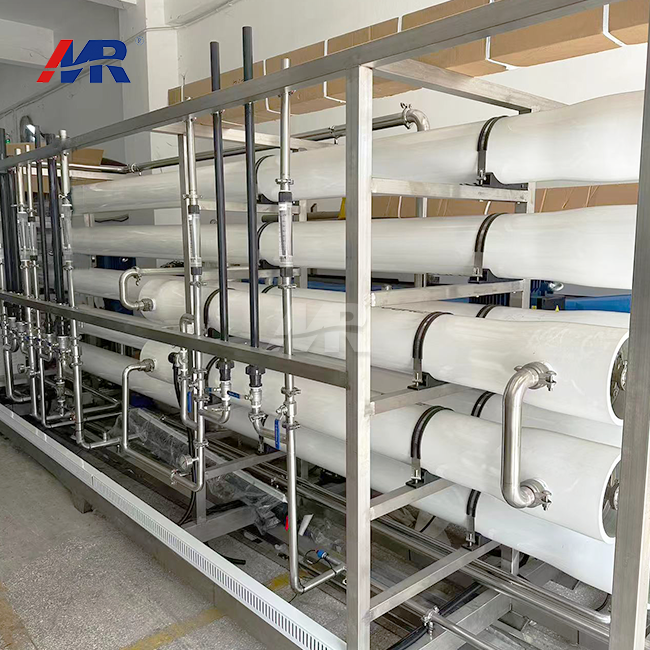
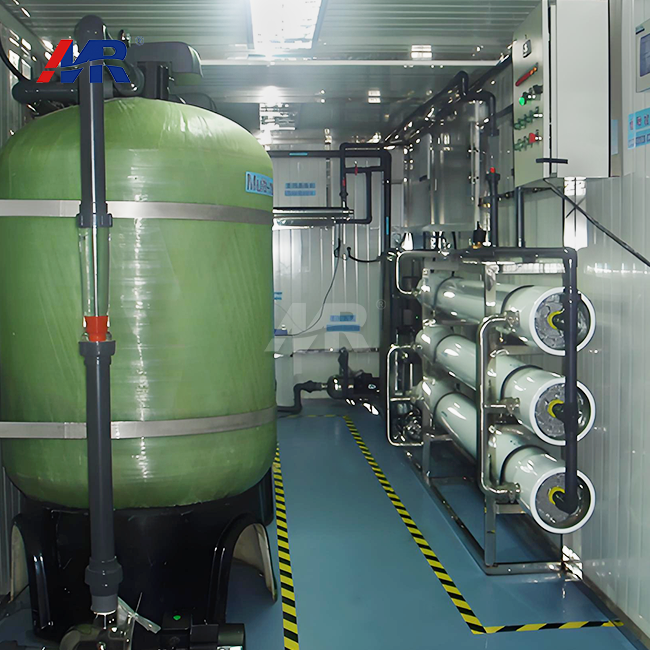
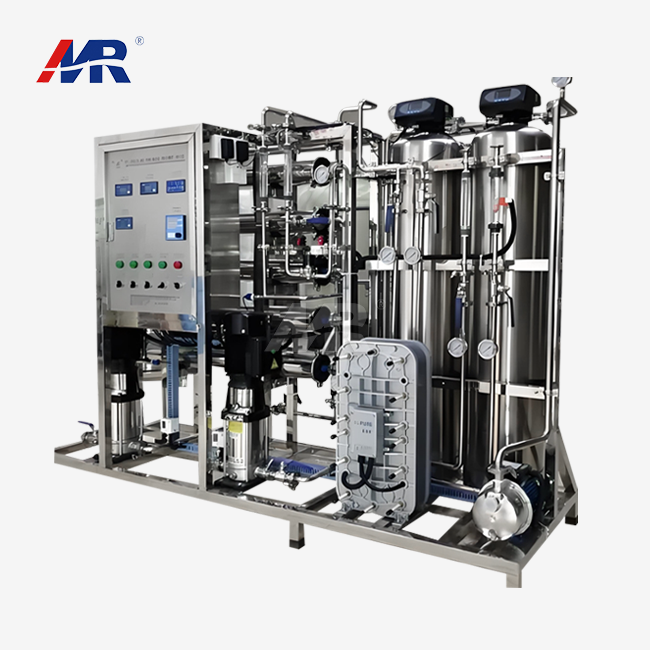
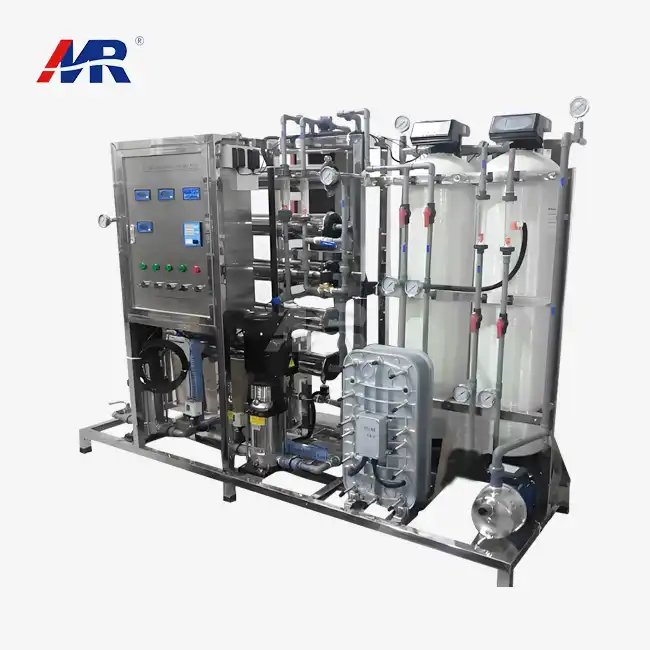
High-pressure membrane systems pump seawater or brackish water through semipermeable membranes at 55–80 bar. Contemporary membranes are thin-film hybrids that allow water molecules but not dissolved salts, minerals, or pathogens. Energy-recovery systems recover up to 98% of hydraulic energy in the concentrated brine stream from electric high-pressure pumps. Automatic controllers and variable frequency drives adjust operating parameters depending on feedwater quality, temperature, and production demands in advanced systems. Under all situations, this maximizes energy consumption.
Thermal Desalination Process Mechanics
Salts and other contaminants are removed via thermal desalination. The vapor condenses into pure water. Seawater is heated under low pressure in multi-stage flash distillation to boil fast and recover heat. Same as Multiple-Effect Distillation, except steam warms seawater in chambers at lower pressures. Compressing water vapor boosts its temperature. Heat is used to evaporate feedwater. These technologies need a lot of thermal energy from fossil fuels, power plant waste heat, or specific boilers compared to electrically driven membrane systems, such as reverse osmosis desalination plants. This alters energy prices.
Energy Consumption Comparison: Reverse Osmosis vs Thermal Desalination
When comparing these two systems for use in factories or cities, the most important difference is how much energy they need.
Electrical Energy Demands of Membrane Systems
Modern seawater RO systems with energy recovery equipment utilize 3-4 kWh/m³ of energy. However, feedwater temperature, salt, and shape may affect this. Pressure exchangers that absorb brine stream waste energy, high-efficiency membranes that minimize hydraulic resistance, and clever control systems that maintain operational pressures help Guangdong Morui's high-tech systems operate so well. Using brackish water requires less energy, often 0.5 to 2 kWh/m³, due to lower operating pressures. Facilities may utilize solar or wind power to reduce their carbon footprints and take advantage of cheaper electricity rates in various areas since RO consumes electricity.
Thermal Energy Requirements for Heat-Based Methods
Multi-Stage Flash and Effect: A distillation plant generates 12-25 kWh/m³ of freshwater by converting heat inputs into electrical energy. Fuel prices depend on the plant's energy expenses. Large-scale systems (over 50,000 m³/day) need significant infrastructure expenditures, although economies of scale compensate. Mechanical Vapour Compression requires 7-12 kWh/m³ less energy than membrane options, but still significantly more. Thermal plants benefit from surplus heat from adjacent manufacturers or power plants, lowering their energy costs. Thermal plants may co-locate with some enterprises, although there are restrictions.
Efficiency Analysis Across Different Scales
Membrane systems are energy-efficient for small to medium production capacity (1,000 to 10,000 m³/day) in companies, resorts, and smaller towns. Their flexible design helps them match capacity without losing efficiency, unlike steam plants, which lose performance as they shrink. Municipal projects above 100,000 m³/day choose RO technology for its lower energy use. Where thermal energy is inexpensive, thermal plants can compete. In most Cases, membrane systems consume 60–75% less primary energy than thermal alternatives, according to lifetime energy evaluations. They are cheaper to operate and emit fewer greenhouse gases.
Environmental and Operational Impacts of Both Technologies
In addition to pure energy metrics, practical features and effects on the environment have a big impact on the choice of technology and its long-term success.
Carbon Emissions and Climate Impact
Membrane desalination reduces carbon dioxide per cubic meter of water generated by using less energy. RO plants using grid power may reduce carbon footprints to less than 1 kg CO₂/m³ in green energy-rich areas. This contrasts with fossil fuel thermal plants, which emit 3 to 5 kg CO₂/m³. This environmental advantage becomes more relevant when a company adopts carbon pricing, sustainability reporting, and emission reduction obligations. Low-carbon water sources are becoming increasingly important for pharmaceutical, semiconductor, and food processors to fulfill investor and regulator environmental, social, and governance demands.
Brine Management and Marine Ecosystem Considerations
Both technologies produce concentrated brine that must be discarded properly. Thermal plants emit warmer effluent that may harm marine habitats near wastewater discharge. Most membrane systems return brine at room temperature, reducing thermal pollution. Modern RO plants contain diffusers that mix water fast, minimizing local salinity impacts on benthic populations. Some high-tech locations feature zero liquid discharge systems that crystallize brine to extract minerals, eliminating liquid waste. Environmental considerations affect permit processing, rule enforcement costs, and community support. These considerations must be considered alongside technical and financial indicators by procurement teams.
Maintenance Requirements and Operational Complexity
Reverse osmosis desalination plants (RO systems) struggle most with membrane fouling. They require periodic chemical cleaning to correct flux rates and maintain salt rejection. With proper pretreatment to remove suspended particles, biological pollutants, and scaling chemicals, membranes may endure 5–7 years. In high temperatures, heat exchange surfaces may scale and corrode, and thermal plants include many mechanical parts. This complicates maintenance. They need larger professional teams and more spare parts for maintenance than membrane systems. RO systems are more adaptable since they can start up and shut down faster, vary capacity, and be automated. This is particularly useful for industrial enterprises that need to modify their water use.
Cost Implications Related to Energy Consumption
A business's ability to stay in business depends on more than just the cost of its initial equipment. It also has to be able to pay for its long-term energy costs.
Capital Investment Differences
When they are small to medium-sized, membrane distillation plants have lower capital costs per cubic metre of fixed capacity. A 5,000 m³/day RO plant might need between $5 and $8 million in capital, but a similar thermal plant would need between $12 and 18 million because it needs a lot more heat exchange infrastructure, is bigger, and has more complicated building requirements. At Guangdong Morui, our turnkey solutions include full system design, equipment supply, installation supervision, and commissioning support. These services make the project execution process easier and keep up-front costs low. Membrane systems have a small footprint—often 40–60% smaller than thermal equivalents—which lowers the cost of building infrastructure. This is especially helpful in industrial sites with limited space or coastal areas with high land values.
Operating Cost Analysis Over Plant Lifetime
For desalination plants, energy costs make up 40 to 55 percent of their total operating costs. This means that efficiency is the most important factor in lifecycle economics. At an industrial electricity rate of $0.08/kWh, a RO plant using 3.5 kWh/m³ would pay about $0.28/m³ for energy. This is much less than the $1.20–2.00/m³ that thermal alternatives using natural gas or fuel oil would cost at normal commercial rates. Over the course of 5 years, replacing the membrane costs about $0.10 to $0.15/m³, and acid cleaning and preparation cost another $0.08 to $0.12/m³. Thermal plants have to pay more for maintenance workers, chemicals that stop scaling, and new parts, which can add up to 50–75% more than membrane system maintenance. RO technology can save you 45 to 60 percent on running costs over the course of a normal 20 to 25-year plant lifetime. This can completely change how you calculate your return on investment.
Financing Strategies and Procurement Models
Using different types of financing, procurement managers can get the best numbers out of a project. Leasing agreements for equipment spread out the costs of capital over time while keeping the balance sheet's capacity. This is especially appealing for small and medium-sized businesses. With build-own-operate-transfer models, specialised water service providers take on the capital burden and operational risk. Off-take agreements guarantee a steady supply of water at predictable costs. Energy performance contracting lets facilities pay for investments in desalination by guaranteeing energy savings, so they don't have to pay anything up front. Because of these flexible business arrangements, advanced membrane technology is available to businesses of all sizes, from global companies installing large-scale municipal systems to smaller manufacturers who need ultra-pure process water for specific production needs.
Decision-Making for B2B Procurement: Choosing the Right Technology
To choose the best desalination method, you need to make sure that the technology fits your specific operational needs and business priorities.
When Membrane Systems Deliver Maximum Value
RO technology works best in most industrial and municipal settings where moderate to high-salinity feedwater needs to be treated and the cost of electricity is reasonable. Automated membrane systems give pharmaceutical companies precise control and consistent output quality when they make purified water that meets GMP standards. Electronics companies that need very pure water to make semiconductors combine RO with electrodeionization to meet specifications for resistivity levels above 18 megohm-cm. Food and drink processors like how small the installations are and how well they fit into their existing production facilities. They also like how the capacity can be increased in modular steps, which fits with how the business grows. Compared to thermal options, petrochemical facilities that clean oilfield reinjection water or wastewater from refineries are more flexible the operations and require less upkeep they need.
Scenarios Favoring Thermal Approaches
Thermal desalination is mostly still competitive when there is a lot of cheap thermal energy available from nearby industrial processes and when very large amounts of continuous production, more than 100,000 m³/day, are needed in places where the cost of electricity is very high. Power plants that produce a lot of leftover heat can add thermal desalination at low marginal energy costs, which makes the plant more profitable overall. Some places in the Middle East that get free natural gas prefer heating methods, even though they use more energy. But these aren't normal cases that most industrial and municipal buyers face when they're shopping for energy in competitive markets. Instead, they're specific to certain uses.
Critical Evaluation Criteria for Procurement Teams
Technical decision-makers should focus on specific energy consumption that has been tested by a third party, membrane longevity data from similar water quality conditions, and how well the pretreatment system stops fouling. Financial decision-makers need to model the total cost of ownership, which includes possible changes in energy prices, maintenance reserves, and the costs of getting rid of an asset at the end of its useful life. The owners and senior managers of factories should check the Technical support that suppliers offer, the availability of spare parts, the infrastructure for remote monitoring, and the training programs that make sure operational staff can keep the systems running at their best. We at Guangdong Morui Environmental Technology help with this evaluation process by doing full site assessments, detailed energy consumption modelling, and reference installations that show how well our Products work in a wide range of industrial settings, from providing medical-grade water for hospitals to irrigation systems for crops in areas with limited water.
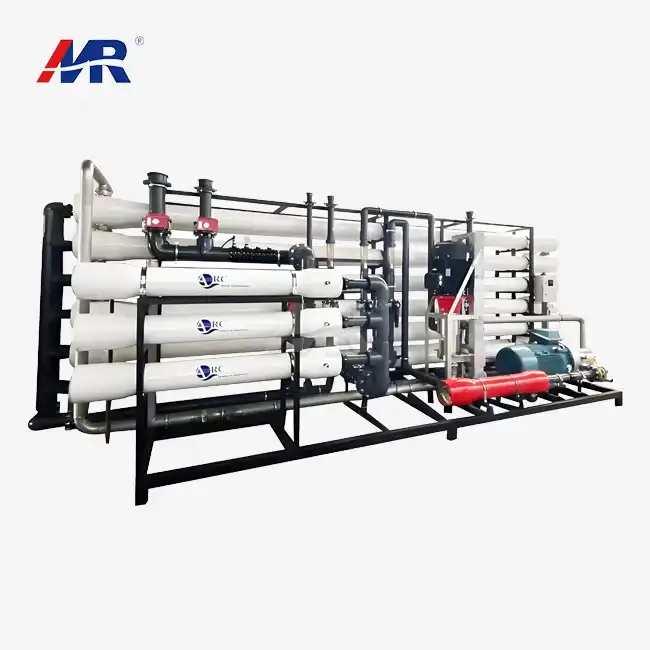
Our reverse osmosis desalination plants' manufacturing capabilities include our own membrane production facilities, which ensure quality control and the reliability of the supply chain. We also have a network of 14 branches in key industrial regions that can help you quickly. We design systems that can handle between 1,000 and 100,000 m³/day and have recovery rates of up to 50%. These systems include energy recovery devices that keep operating costs low while keeping salt rejection levels above 99.7%. When you combine automated operation with remote monitoring, you can keep an eye on multiple installations from one place. This cuts down on the need for staff while improving performance consistency. Materials that don't rust, like super duplex stainless steel, make things last longer in harsh marine settings. This protects financial investments over decades of continued use.
Conclusion
The main difference between membrane-based and thermal desalination methods is how much energy they use. Typically, RO systems use 60–75% less energy than thermal systems. This advantage in efficiency directly leads to lower operating costs, lower carbon emissions, and better long-term financial returns for plants. Membrane systems are practical for factories and cities that need to produce fresh water in a reliable and cost-effective way because they are easy to use, have small footprints, can be expanded modularly, and are simple to maintain. Thermal technologies are still useful in some situations where cheap heat is easy to come by, but most of the time, it's better to buy advanced RO solutions that work well and last a long time.
FAQ
Q1: Which technology offers better energy efficiency for industrial applications?
As a result, membrane-based systems that use 3–4 kWh/m³ are much more energy efficient than thermal methods that need 12–25 kWh/m³ equivalent energy input. This makes RO the best choice for most industrial situations, such as making drugs, electronics, and food.
Q2: How do operating costs compare over a 20-year plant lifetime?
Over twenty years, RO plants usually have 45–60% lower total operating costs because they use less energy, need less maintenance, and don't need as many staff. This is true even though they do have to replace their membranes more often than thermal systems do.
Q3: Can existing thermal plants be retrofitted with membrane technology?
It is possible for RO systems to be used in combination with thermal capacity in hybrid designs. This allows for gradual changes that protect current investments while gaining energy efficiency, though full conversions are usually more expensive than building new membrane facilities specifically for that purpose.
Q4: What factors most influence membrane system energy consumption?
Specific energy consumption is based on several factors, including the saltiness of the feedwater, the temperature, how well the pretreatment stops fouling, how well the energy recovery device works, and how permeable the membrane is. It is important to optimise all of these factors in order to get the lowest operational costs.
Partner with Morui for Advanced Desalination Solutions
Guangdong Morui Environmental Technology offers complete reverse osmosis desalination plants that are designed to use as little energy as possible and work reliably in both commercial and public settings. Our all-in-one approach includes our own membrane technology, automated control systems, and full support services backed by more than 500 technical professionals and 20 specialised engineers. We make complete systems with capacities ranging from 1,000 to 100,000 m³/day. These systems include energy recovery devices, materials that don't rust, and remote monitoring features that keep operating costs low and water quality high. We have been a seller of reverse osmosis desalination plants for a long time and have installed them in the power generation, pharmaceutical manufacturing, food processing, and municipal sectors. We can make solutions that fit your specific water quality needs and working limits. Get in touch with our technical team at benson@guangdongmorui.com to talk about your project needs and get a detailed energy consumption analysis that shows how advanced membrane technology can help your business and make you money.
References
1. National Research Council. "Desalination: A National Perspective." National Academies Press, Washington D.C., 2008.
2. Semiat, R. "Energy Issues in Desalination Processes." Environmental Science & Technology, Volume 42, Issue 22, 2008, pp. 8193-8201.
3. Greenlee, L.F., Lawler, D.F., Freeman, B.D., Marrot, B., and Moulin, P. "Reverse Osmosis Desalination: Water Sources, Technology, and Today's Challenges." Water Research, Volume 43, Issue 9, 2009, pp. 2317-2348.
4. Ghaffour, N., Missimer, T.M., and Amy, G.L. "Technical Review and Evaluation of the Economics of Water Desalination: Current and Future Challenges for Better Water Supply Sustainability." Desalination, Volume 309, 2013, pp. 197-207.
5. Miller, J.E. "Review of Water Resources and Desalination Technologies." Sandia National Laboratories Report SAND-2003-0800, Albuquerque, New Mexico, 2003.
6. Elimelech, M. and Phillip, W.A. "The Future of Seawater Desalination: Energy, Technology, and the Environment." Science, Volume 333, Issue 6043, 2011, pp. 712-717.