

_1745823981883.webp)

What is the Ideal ultrafiltration size for Water Treatment?
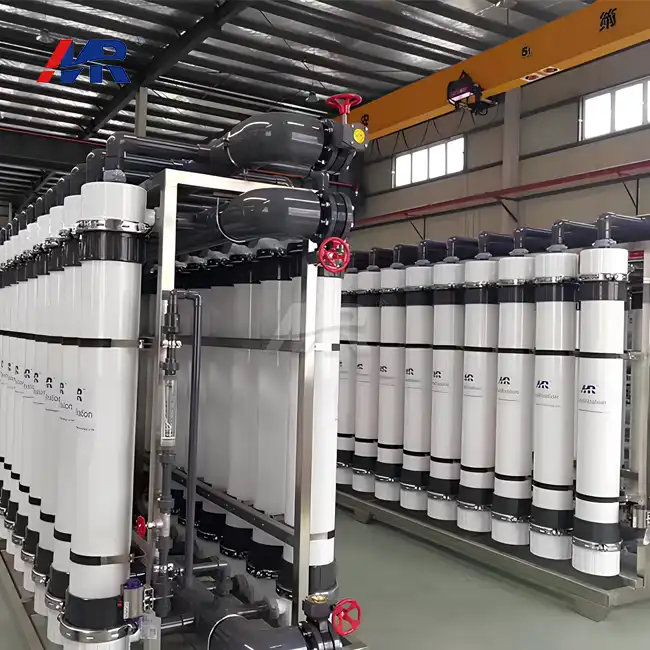
To get the best results from treating water in industrial, public, and business settings, it is important to choose the right ultrafiltration size. These are the best ultrafiltration sizes: pore diameters should be between 0.01 and 0.1 micrometers, and molecular weights should be between 10,000 and 100,000 Daltons. This exact range gets rid of bacteria, viruses, colloids, and macromolecules efficiently while keeping flux rates and operating efficiency at a good level. It is very important to make sure that the ultrafiltration size fits your water quality parameters, contaminant profile, and output needs. This will ensure the best retention efficiency, reduce membrane fouling, and lower long-term running costs.
Understanding Ultrafiltration Size: Basics and Key Dimensions
Defining Ultrafiltration Size and Measurement Standards
Ultrafiltration size describes the exact pore diameter distribution and molecular weight cut-off features of membranes that are used to treat water. The size of a pore is measured in nanometers or micrometers, and MWCO is given in Daltons. This is the molecular weight at which the membrane can hold 90% of a certain solute. This two-measurement method lets engineers describe the performance of membranes from both a physical and a functional point of view, allowing for exact specifications in a wide range of industrial settings.
Typical Pore Size Ranges and Removal Capabilities
Standard ultrafiltration membranes have pores that are 10 to 1,000 Angstroms in size, which is 0.001 to 0.1 micrometers. This puts them in the middle of microfiltration and nanofiltration in terms of membrane separation range. Smaller membranes (10–50 Angstroms) can successfully remove viruses and big organic molecules, which makes them good for making water that is safe for pharmaceutical use. In public water treatment, mid-range sizes (50–200 Angstroms) work best for getting rid of germs and lowering turbidity. Larger pore sizes (200–1,000 Angstroms) effectively separate colloids and suspended solids while keeping high flow rates for use in industrial wastewater.
Comparison with Other Membrane Filtration Technologies
Figuring out where ultrafiltration fits in the bigger picture of membrane technology helps make it easier to see what it can be used for. Microfiltration membranes have bigger pores (0.1 to 10 micrometers) and mostly get rid of germs and floating solids. They let viruses and dissolved organics pass through, though. Nanofiltration membranes have holes that are 0.001 micrometers or 1 nanometer in size and can only filter out some liquid salts and small organic molecules. Ultrafiltration is in the middle. It gets rid of more pathogens than microfiltration but needs less energy and pressure to work than nanofiltration or reverse osmosis systems.
How Ultrafiltration Size Impacts Water Treatment Efficiency
Influence on Flux Rates and Productivity
There isn't a straight line between membrane pore size and water flow. It depends on many things, such as transmembrane pressure, feed water viscosity, and temperature. Larger pores usually let more fluid move through them at the same working conditions, which means that more water is produced per unit surface of the membrane. But this benefit needs to be weighed against the chance of not getting rid of enough contaminants. A membrane with a MWCO of 100 kDa might have 50–100% more flow than a membrane with a MWCO of 10 kDa, but it can't get rid of viruses as well. Because of this trade-off between output and separation efficiency, ultrafiltration size needs to be carefully matched to the needs of the application.
Effect on Membrane Fouling and Operational Costs
Membrane fouling is one of the biggest problems with ultrafiltration systems because it affects how often the membrane needs to be cleaned, how much chemical it uses, and how long it lasts. The choice of pore size has a big effect on how fouling works and how bad it is. Surface fouling can happen on membranes with very tight pores (10–30 kDa MWCO) because particles can stick to the surface, but internal pore blocking is less likely to happen. On the other hand, membranes with holes that are 100 kDa or bigger let smaller particles into the pore structure. This makes internal fouling more difficult to remove by backwashing. If you choose the right ultrafiltration size, you can cut down on cleaning-in-place regularity by 30–40% and increase membrane life by two to three years in tough situations.
Application-Specific Performance Considerations
Different industries need ultrafiltration systems to work in different ways, so choosing the right size depends a lot on the application. When dairy is processed, membranes with a MWCO of 10 to 30 kDa let certain proteins pass through while still letting lactose and minerals pass through. Pharmaceutical companies need 10 kDa membranes to make sure that all endotoxins are removed and that the water quality always meets US Pharmacopeia standards. As a preparation for reverse osmosis systems, municipal water companies usually use 100–150 kDa membranes. These membranes focus on removing turbidity and pathogens rather than separating dissolved organic matter. Understanding these performance standards helps the decision process lead to the best results.
Choosing the Ideal Ultrafiltration Membrane Size for Your Water Treatment Project
Assessing Feed Water Characteristics and Treatment Objectives
The selection process starts with a full study of the quality of the source water and the requirements for the permeate that are wanted. Some important factors are turbidity, total suspended solids, microbial content, dissolved organic carbon, and the presence of certain contaminants that need to be looked out for. A company that makes drinks and works with city water that has a modest level of turbidity and microbial risk might choose a 50 kDa membrane, but a drug company that works with well water that has a lot of bacteria would need a tighter 10–20 kDa standard. During this step of evaluation, the scientific limits of membrane selection are set.
Core Selection Metrics and Decision Framework
Ultrafiltration size is determined by pore width, molecular weight cut-off, and design flow rate. MWCO shows molecular separation power, flux rate affects system area and capital expenditures, and pore size controls particle removal. Consider these elements in sequence. Find the smallest contaminant to eliminate first. The maximum hole size is specified here. Next, ensure that the membrane you choose can achieve the specified flow rates under predicted operating circumstances, like temperature and feed water quality. This strategy prevents membranes from being too large (tight and inefficient) or too tiny (not removing enough).
Industry-Specific Application Guidelines
Following the standards and running a profitable company requires choosing fabric that meets industry criteria. Suggestions for major industrial groups: Pharmaceutical and research firms require 10–30 kDa membranes to create CGMP-compliant water. These tight restrictions exclude germs, endotoxins, and virus particles, enabling clean manufacturing and injectable medication production. Food and drink producers utilise 30–100 kDa membranes, depending on the application. Dairy processes concentrate proteins using tighter membranes, whereas juice clarity and wine stabilisation utilise looser specifications to maximise output.
Ultrafiltration (30–50 kDa) with reverse osmosis and electrodeionization is needed to make electronics and semiconductors. The ultrafiltration section removes colloidal silica and germs and prevents particles from clogging downstream stages.100–150 kDa ultrafiltration is increasingly employed in municipal water treatment facilities as a standalone treatment and reverse osmosis preparation. This size range complies with pathogen removal laws while maintaining low flow rates for large-scale production profits. Years of practice and regulatory changes informed these sector-specific approaches. These are excellent system design starting points.
Available Ultrafiltration Membrane Sizes from Leading Brands and Suppliers
Global Manufacturer Offerings and Specifications
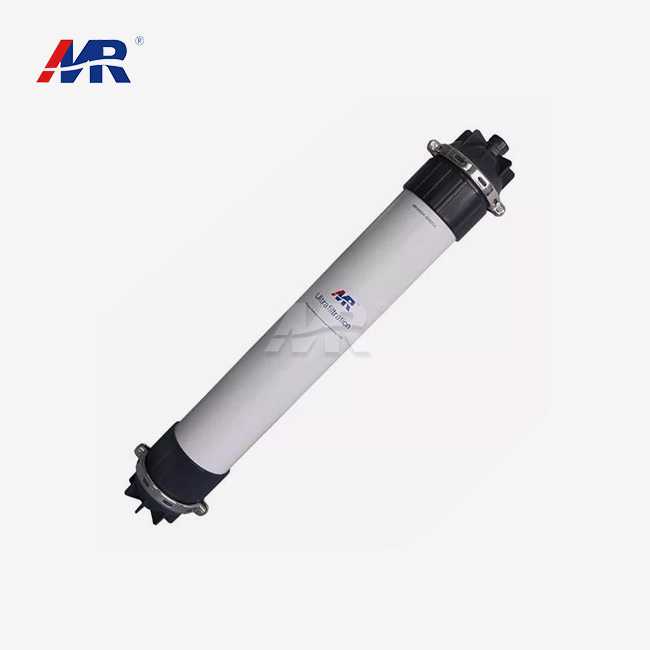
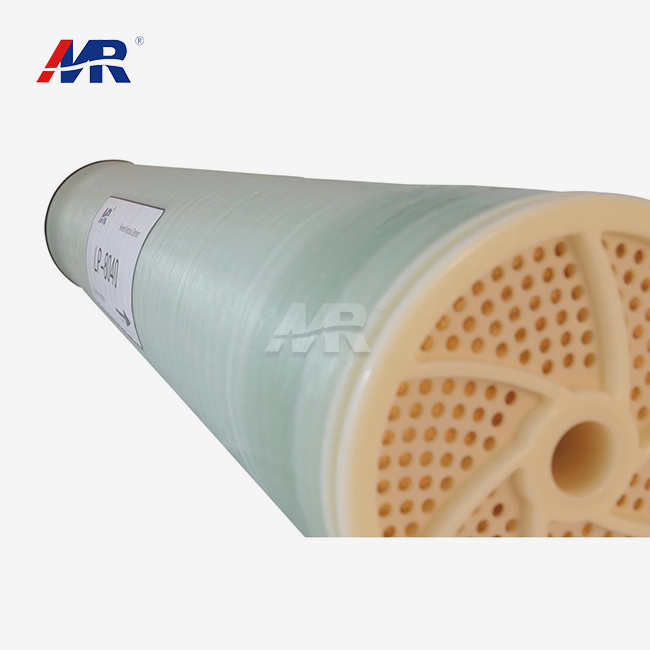
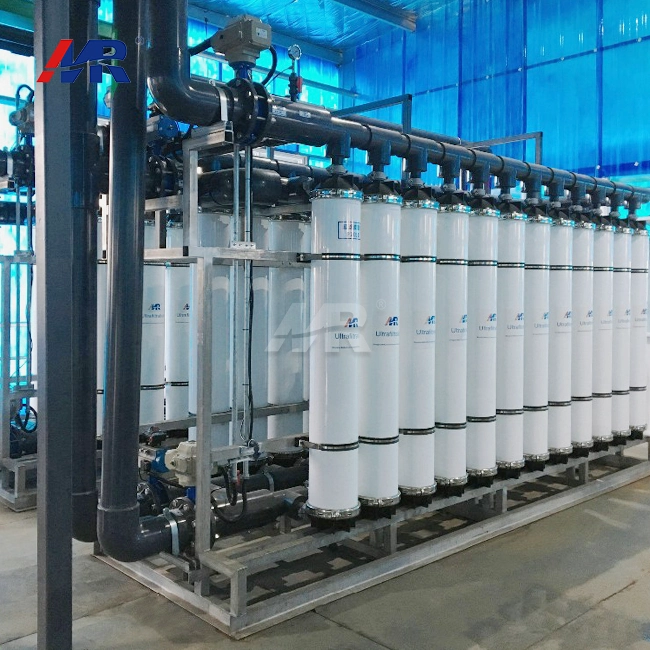
There are a number of well-known companies that make ultrafiltration membranes in a range of sizes and designs. Knowing their product lines helps you make smart decisions about what to buy. Big companies like DuPont, Toray, and Hydranautics offer membranes with weights between 10 kDa and 150 kDa. These membranes come in both hollow fiber and spiral-wound styles. Each maker uses their own special polymer materials and ways of making membranes, which change how well they work in ways other than the stated hole size. If you buy polyvinylidene fluoride membranes from one company, they might not be as resistant to fouling as polyethersulfone membranes from a different company with the same MWCO.
Procurement Considerations and Lead Times
Getting membranes needs to be carefully planned to fit into project schedules and budgets. Standard stock sizes usually ship in four to eight weeks, but special specs can take twelve to sixteen weeks to make. Orders in bulk often get better prices, with savings running from 15% to 30% based on the amount and the supplier's relationship. Managers in charge of buying things should ask for a lot of detailed information, like data on how well the product works, charts showing which chemicals are compatible, and suggested cleaning methods. By working with reliable ultrafiltration size suppliers, you can get expert help for the whole lifecycle of the system.
Quality Standards and Performance Validation
Membrane providers with a good reputation follow international quality standards, such as ISO 9001 manufacturing processes and certificates that are specific to the application. Membranes must meet NSF/ANSI Standard 61 for drinking water system components in order to be used with drinkable water. Materials used in pharmaceutical applications must meet the biocompatibility standards of USP Class VI. We suggest getting confirmation data from a third party that shows bacterial and viral log decrease values, especially for important uses where getting rid of pathogens is very important. This paperwork backs up regulatory applications and guarantees consistent performance.
Best Practices and Technical Tips for Optimizing Ultrafiltration Size in Water Treatment
Pre-treatment Strategies to Maximize Membrane Performance
If you do the right pre-treatment, the membrane will last longer and keep its design flow rates throughout the whole working cycle. The goal of preparing feed water should be to get rid of large particles by using cartridge filters and adjusting chemicals to get the best pH and lowest growth potential. Adding coagulation or biological treatment before ultrafiltration greatly lowers membrane fouling in situations with a lot of organic material. Using enzyme pre-treatment at a textile wastewater treatment plant cut down on cleaning times by 60% while keeping the quality of the permeate the same. These upstream changes usually pay off faster than choosing membrane specs that are too tight.
Operating Parameter Optimization
Transmembrane pressure, crossflow velocity, and temperature affect membrane efficiency dynamically. High pressures accelerate fouling by forcing the fouling layer closer to the membrane surface. To balance production and long-term functioning, maintain transmembrane pressure at 70–80% of the manufacturer's highest recommendations. Temperature greatly affects viscosity and diffusion. Average flux improvement is 20–25% with a 10°C increase. High temperatures increase biological development hazards; strict observation and perhaps more regular cleaning are required. These basic characteristics guide ultrafiltration size recommendations for water treatment.
Cleaning Protocols and Maintenance Scheduling
Performance-based proactive cleaning regimens prevent irreparable membrane degradation. To identify fouling early, monitor average permeate flow and transmembrane pressure for the selected ultrafiltration size. Backwash every 30–60 minutes to remove surface deposits. Chemical cleaning-in-place should occur when standardised flow reduces 10-15% or transmembrane pressure increases similarly. Cleaning chemicals must match the fouling. Alkaline cleaners remove biofilms and organic waste, whereas acidic ones dissolve inorganic scales. A pharmaceutical plant increased membrane life from three to five years while maintaining permeate quality by rotating between alkaline and acid cleaning methods and optimizing ultrafiltration size selection.
Conclusion
To determine the correct ultrafiltration size for water treatment, consider technological, practical, and budgetary issues. Particle removal, speed, and fouling depend on pore size and molecular weight cut-off. This option is crucial for system performance. Industry-specific demands aid range selection. 10–30 kDa membranes are tight for pharmaceuticals, yet 100–150 kDa membranes are open for city cleaning. Successful implementation requires more than picking the appropriate solution initially. It comprises proper pre-treatment, optimal operating conditions, and preventive maintenance. Engineers and procurement experts may safely pick ultrafiltration systems with appropriate lifetime economics by carefully examining input water parameters, treatment objectives, and operational restrictions.
FAQ
1. What MWCO is needed to remove viruses effectively?
It's necessary to have membranes with molecular weight cut-off numbers of 100 kDa or higher and pores that are smaller than 0.02 micrometers in order to get rid of viruses. The width of most viruses that cause disease is between 20 and 300 nanometers. A 30 kDa membrane gives you a safety window for getting rid of all viruses, with log decrease values of 4-6 in tested systems.
2. What's the difference between molecular weight cut-off and actual hole size?
The molecular weight cut-off is a functional performance measure that shows the molecular weight at which 90% retention happens. The absolute pore size, on the other hand, is the biggest pore's physical diameter. MWCO is application-specific because it changes based on the form and charge of the molecules. Absolute scores are a safer way to predict how well someone will do.
3. Can I use custom-sized membranes for specialized applications?
Leading makers can make custom membranes for different industries, but there are usually minimum order amounts. Custom sizing is used when normal goods can't meet the needs for specific molecular separation and flow rates at the same time. Depending on how complicated the project is, it can take anywhere from six to twelve months to complete.
Partner with Morui for Expert Ultrafiltration Solutions
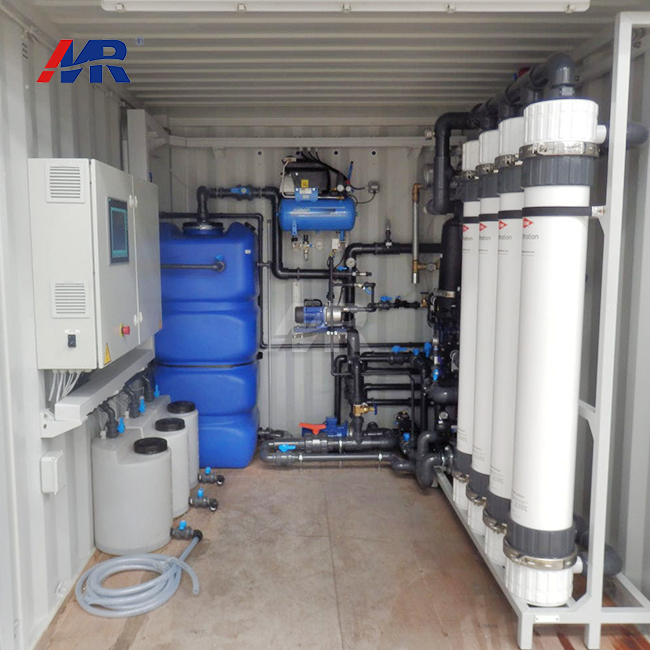
Guangdong Morui Environmental Technology is an expert at customizing complete water treatment systems to meet your exact needs. One of their services is optimizing ultrafiltration size for a wide range of commercial uses. Our Team of twenty experienced engineers works with clients from the first water quality inspection to system installation to make sure they choose the best membrane for their needs. We offer a wide range of ultrafiltration membrane sizes, from 10 kDa to 150 kDa, in both hollow fiber and spiral-wound configurations. This is because we are authorized suppliers of top global membrane brands and also make our own filtration components in our own dedicated production facilities. Our "turnkey" service includes supplying the equipment, setting it up, and providing ongoing expert support across fourteen regional offices that work with clients in the pharmaceutical, food and beverage, municipal, and industrial sectors. Get in touch with our technical team at benson@guangdongmorui.com to talk about your project needs and get personalized advice from a reliable ultrafiltration size source who wants you to succeed.
References
1. Baker, R.W. (2012). "Membrane Technology and Applications," Third Edition. John Wiley & Sons, Chichester, United Kingdom.
2. American Water Works Association (2021). "Microfiltration and Ultrafiltration Membranes for Drinking Water," Manual of Water Supply Practices M53. Denver, Colorado.
3. Singh, R. (2015). "Membrane Technology and Engineering for Water Purification: Application, Systems Design and Operation," Second Edition. Butterworth-Heinemann, Oxford.
4. Judd, S. & Judd, C. (2011). "The MBR Book: Principles and Applications of Membrane Bioreactors for Water and Wastewater Treatment," Second Edition. Elsevier, Oxford.
5. Cui, Z.F. & Muralidhara, H.S. (2010). "Membrane Technology: A Practical Guide to Membrane Technology and Applications in Food and Bioprocessing." Butterworth-Heinemann, Oxford.
6. World Health Organization (2017). "Potable Reuse: Guidance for Producing Safe Drinking-Water." WHO Press, Geneva, Switzerland.
 VIEW MOREultra filter membrane
 VIEW MOREmembrane used for reverse osmosis
 VIEW MOREcontainerized ultrafiltration equipment
 VIEW MOREElectrodeionization system
 VIEW MOREreverse osmosis membrane
 VIEW MOREreverse osmosis membranes
 VIEW MORE25m3/hour seawater desalination plant
 VIEW MOREultrafiltration equipment
