_1745823981883.webp)

Shipping Container Water Systems: Innovative Solutions for Rapid Water Access
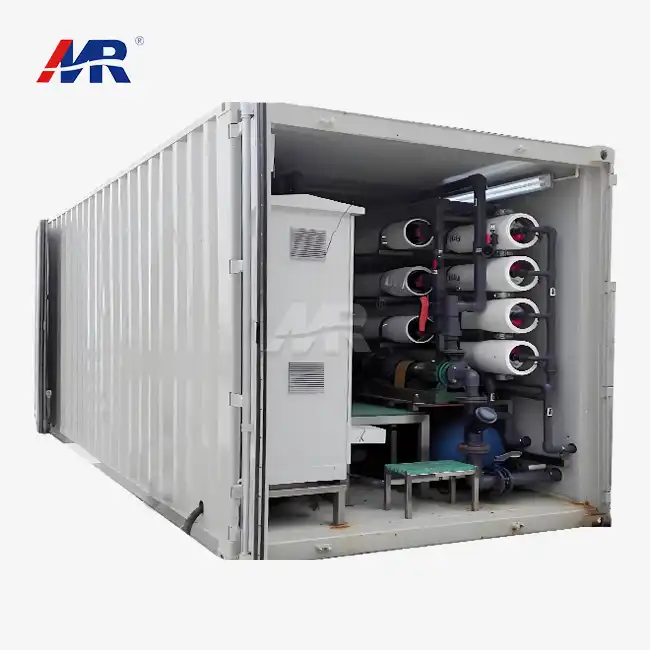
When clean water needs to arrive fast—whether in a disaster zone, remote oil field, or a rapidly expanding coastal resort—waiting months for permanent infrastructure isn't an option. A containerized reverse osmosis plant transforms standard shipping containers into complete water treatment facilities, delivering industrial-grade purification that can be operational within 24 hours. These self-contained systems integrate advanced membrane filtration, high-pressure pumps, and automated controls into weatherproof ISO containers, solving urgent water challenges without the delays, costs, or complexity of traditional construction projects.
Understanding Containerized Reverse Osmosis Plants
The idea behind modular water treatment is simple: put all the parts needed to clean water into a frame that can be moved around. A containerized reverse osmosis plant is a full, ready-to-use system that fits inside normal 20-foot or 40-foot shipping containers. Traditional water treatment facilities have problems with getting permits, preparing the land, and building over a period of several months. This concept gets rid of those problems.
What Makes These Systems Self-Contained
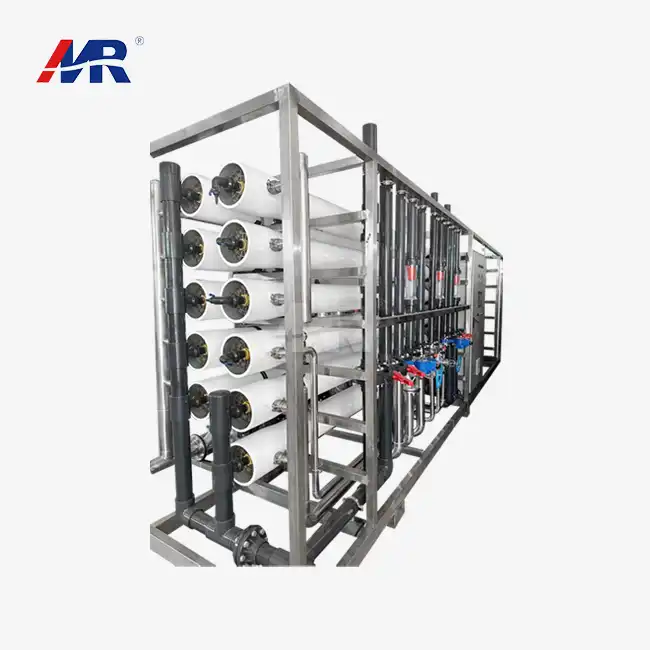
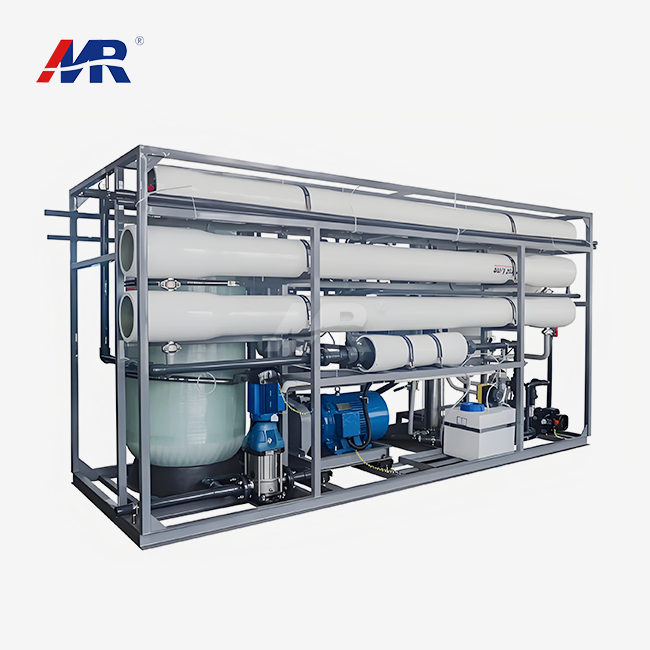
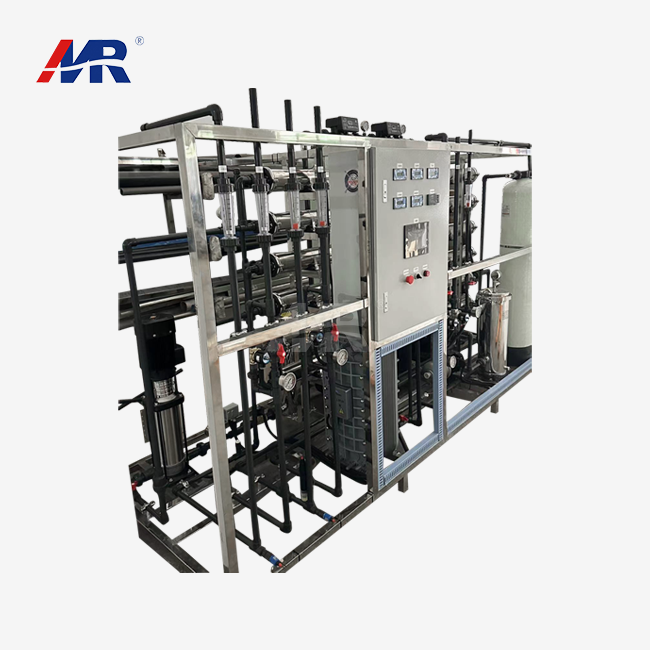
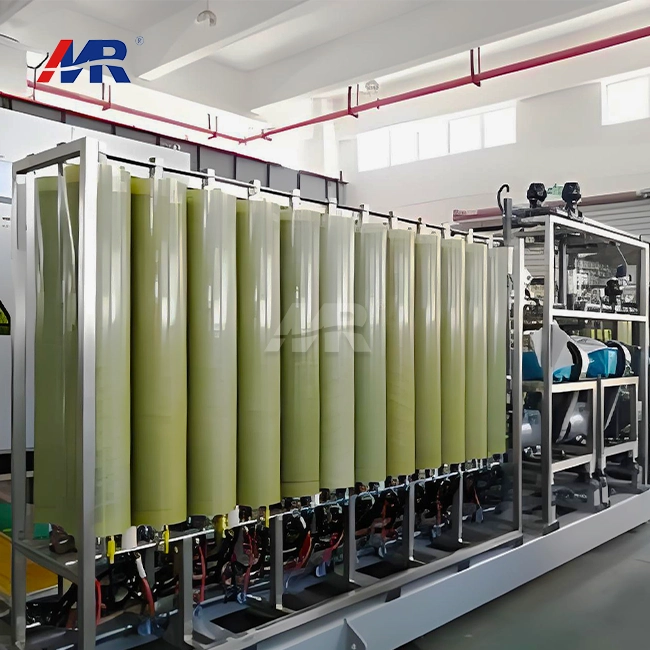
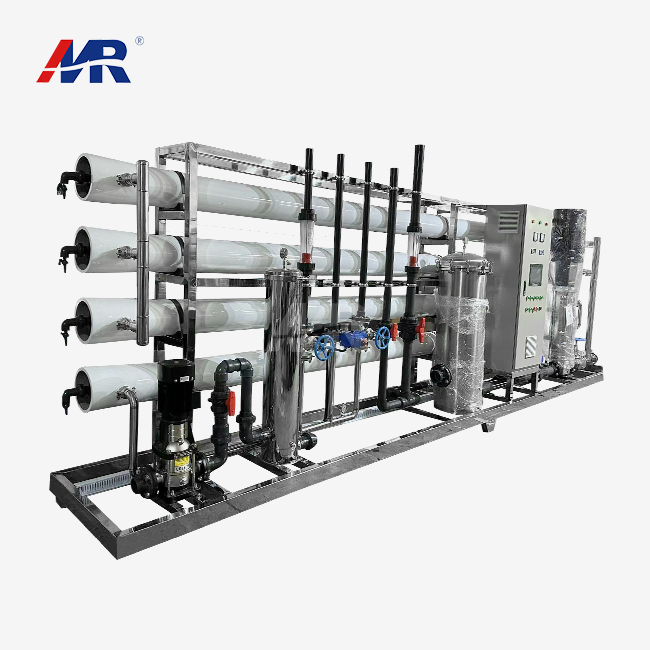
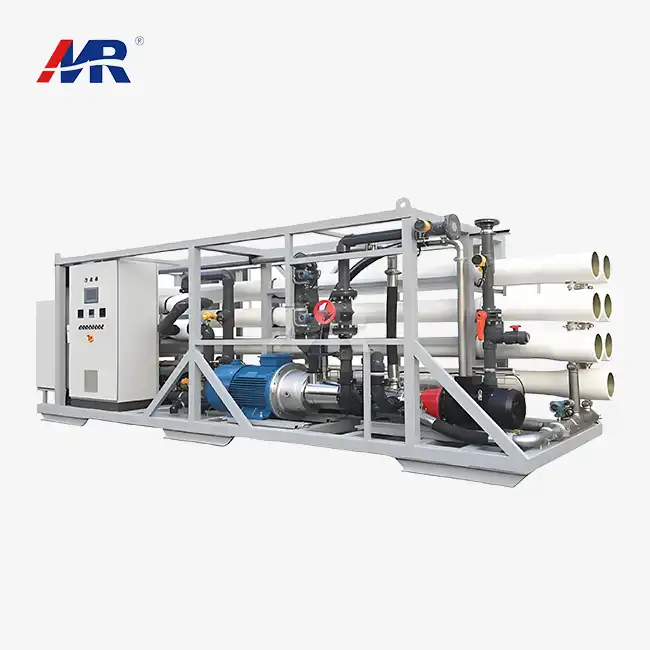
These mobile water treatment devices arrive assembled and tested. The reinforced container has pretreatment portions that remove particles and chlorine, high-rejection Thin-Film Composite membranes that separate dissolved salts and pollutants, and post-treatment parts that modify pH and add minerals. In scorching deserts or frigid arctic locations, built-in HVAC systems keep the building cool year-round. The building may be utilised 24/7 with inside lights.
Technical teams may connect feed water, electricity, and discharge lines using plug-and-play without civil engineering knowledge. Morui systems include pre-wired PLC controllers and tablet displays for easy setup. This reduces setup time from weeks to hours.
Technical Specifications That Matter
How effectively mobile RO systems manage feed water TDS determines their performance. For well or river water with up to 10,000 ppm TDS, brackish water systems are optimal. Seawater purification machines can treat up to 45,000 ppm of salt and make ocean water drinkable for island and coastal settlements.
Salty water systems may recover 75% of their water, according to recovery rates. This reduces water waste and running expenses. In tough water, SS316L stainless steel or Super Duplex alloy high-pressure pumps don't rust. C5-M marine-grade anticorrosion coatings protect containers from salt spray and severe industrial environments.
Comparing Containerized RO Plants with Traditional and Alternative Systems
There are different ways to treat water on the market, and each has its own pros and cons. Knowing these differences helps procurement teams choose options that fit the needs, funds, and schedules of the project.
Speed and Flexibility Advantages
Traditional water treatment plants need a lot of work on the site, like foundations, buildings, connecting utilities, and putting together the equipment, which can take 12 to 18 months. Containerized reverse osmosis plants don't have to follow this schedule at all. Because manufacturing takes place in controlled factories, quality stays the same, and weather delays don't affect when things get done.
You can't wait a year when your pharmaceutical plant needs GMP-compliant filtered water for a new production line. Mobile RO units provide capacity right away while planning and building fixed systems takes place. The same adaptability helps with emergency reaction; within days of a natural disaster, disaster aid groups send desalination containers to coastal areas.
Lifecycle Cost Considerations
The purchase price is only one part of the total cost of owning. Because they don't need expert workers for structural work, containerized systems are much cheaper to install. All the parts are within easy reach inside the container, rather than being spread out across a building, which makes maintenance easier.
When production is standardized, the cost of extra parts goes down. Shimge water pumps, Runxin valves, and Createc tools are all industry standards that are used in Morui's systems. This means that new parts can be sent quickly, no matter where you are. This standardization is different from custom-built plants, which use private parts that leave the supply chain open to threats.
Comparison with Skid-Mounted Systems
Skid-mounted RO systems are flexible, but they don't protect the containers. Even though it's often cheaper up front, UV rays, dust, and changes in temperature speed up the wear and tear on equipment that is left out in the open. Containers provide weatherproof containers that keep tools working at the same level for longer.
Designs that are built on containers also make moving easier. When mining moves to a new site, or short-term building projects are over, the whole water treatment system can be put on a flatbed truck without having to be taken apart. Skid systems need to be taken apart into parts, packed safely, and then put back together at the location.
Applications of Containerized RO Plants in Diverse Industries
Mobile water treatment can be used in many different fields where traditional infrastructure isn't realistic or isn't cost-effective. Containerized reverse osmosis plants are used in the real world to solve difficult water problems.
Remote Industrial Operations
A problem that mining camps in Australia's Outback, oil fields in West Texas, and natural gas sites in the Gulf of Mexico all have in common is getting clean water that is far from public sources. Containerized reverse osmosis plants treat salty groundwater or seawater on-site, so you don't have to pay more than $50 per thousand gallons for water trucking.
Ultrapure water is needed to rinse semiconductor chips in electronics manufacturing. When RO and EDI (electrodeionization) units are put together inside containers, water that meets strict resistance requirements above 18 megohm-cm is made. Pharmaceutical companies also depend on devices that use containers to make WFI (water for injection) that meets USP standards.
Emergency Response and Military Deployment
When towns need water infrastructure the most, natural events damage it. When hurricanes harm treatment plants along the coast, earthquakes destroy distribution networks, or flooding pollutes waterways, there are instant public health problems. Container-based desalination units can be sent by truck, train, or ship and can start making thousands of gallons of water every day within hours of being set up.
These tools are used in harsh settings by military forward operating bases. Using solar and hybrid power together lets the system work without using grid energy or diesel engines, which makes it easier to move around. The US military has used containerized reverse osmosis plants a lot in activities in the Middle East, where having constant access to water is key to mission success.
Municipal and Seasonal Demands
Even though they are close to the ocean, island villages and coastal towns often have trouble getting enough fresh water. With containerized saltwater desalination, the capacity can be increased or decreased without having to build a fixed plant. When tourist seasons put a strain on existing facilities, cities and towns rent out extra container units to make up for the shortfall. When demand levels off, the extra units are taken away.
Some farms in California's Central Valley clean up salty irrigation water when there are droughts. Getting rid of salts stops soil erosion and crop damage, which makes farms more useful for longer. Container systems can be adjusted to fit different-sized plots of land by adding or removing units as needed.
Procurement and Maintenance Guide for Containerized RO Plants
To get through the acquisition process for a containerized reverse osmosis plant, you need to know your choices, evaluate providers, and make plans for long-term operations. Technical decision-makers and financial officers need to know exactly how investments are structured and what kind of ongoing help is needed.
Acquisition Models and Financing
Outright purchase works for firms that require ongoing water purification. Budgets involve capital equipment purchases, which depreciate over 10–15 years. Leasing saves upfront costs and upgrades equipment at the end of the term.
Construction sites that require water for six months, emergency response programs that last weeks, and trial programs that test water sources before installing permanent systems might benefit from rental arrangements. Maintenance and Technical support are included in daily or monthly leasing prices, controlling variable operational expenses.
Production capability and feature complexity raise prices. Simple brackish water systems that can handle 50,000 gallons per day cost roughly $200,000, while a saltwater desalination plant that can gather energy, handle 250,000 gallons per day, and be remotely monitored costs $800,000. Add the cost of chemicals, cleaning, and membrane replacement every three to five years to get the total cost of ownership.
Quality Assurance and Certifications
Tight quality control distinguishes reliable from inexpensive suppliers. Morui uses hydrostatic pressure at 1.5 times the maximum operating pressure to assess pipe stability for leaks. Membrane autopsy and performance verification indicate salt rejection rates of 99.5% during plant acceptance testing before export.
Electrical systems undergo PLC logic modelling to ensure safety shutoffs function properly under high or low pressure. ASTM standards test containers' structural soundness to ensure insulation prevents condensation and equipment overheating. Vibrational investigation of high-pressure pump systems shows mechanical fatigue issues before shipping.
ISO 9001 factory clearance, CE electrical safety, and ASME pressure vessel norms are the base quality standards. Show confirmation that suppliers satisfy these criteria. Buyers will be protected against risk and bad performance.
Ongoing Maintenance and Support
Routine upkeep is still lower than with conventional plants. Pretreatment cartridge filters should be replaced every three to six months, depending on feed water cloudiness. Every three months, permitted chemicals clean the membrane and restore flux rates. Annual checkups ensure pump covers, valves, and instruments operate.
Authorised service networks are crucial for aid. Computer issues need a prompt response to minimise downtime. Our 20-engineer staff and over 500 workers at 14 branches ensure customers receive aid swiftly, whether via remote monitoring or on-site repairs.
Some membrane manufacturers give performance guarantees, and most warranties cover key parts for two to three years. Commonly worn parts should ship anywhere in the US within 48 hours, so have them on hand. Long-term parts supply is crucial for older systems beyond their warranty periods.
Future Trends and Innovations in Containerized RO Systems
As technology keeps getting better, mobile water cleaning systems become more efficient, last longer, and give operators more information. Understanding new powers helps buyers make decisions that will last.
Energy Efficiency and Renewable Integration
Reverse osmosis requires 3–6 kWh per thousand gallons of salty water and 10–15 kWh per thousand gallons of saltwater for high-pressure pumps. Seawater energy recovery systems capture hydraulic pressure from concentration streams to reduce energy usage by 40–60%.
Solar panels reduce grid energy costs and provide independence for a containerized reverse osmosis plant. Hybrid systems employ solar panels, batteries, and backup generators to maximise green energy while operating 24/7. Wind farms on coasts benefit from constant winds that forecast output for a containerized reverse osmosis plant.
Green energy integrations greatly reduce operating expenses. A 100,000-GPD seawater system using 1,200 kWh/day at $0.12/kWh costs $52,000 annually. Offsetting 70% of this demand with solar saves approximately $36,000 a year, improving ROI estimations.
Automation and Remote Monitoring
System administrators may remotely administer modern PLC controllers that link to cellular or satellite networks. Operators can examine output rates, membrane pressure differentials, and water quality from central control rooms anywhere. Technicians get automatic notifications when parameters exceed typical ranges, frequently before production consequences.
Predictive maintenance programs use working data to predict part failure. Pump bearing vibration, membrane fouling, and chemical consumption patterns indicate maintenance needs. This shifts attention from immediate solutions to planned downtime-reducing initiatives.
Cloud-based data recording enables purchasing teams to monitor system performance across locations. Comparing efficiency measurements across locations might help you improve things and verify suppliers' warranty performance.
Market Growth and Modular Scaling
Due to water scarcity, containerised reverse osmosis systems are in great demand, particularly in emerging countries like Africa, Southeast Asia, and Latin America, where infrastructure development is driving population expansion. The UN estimates 2 billion people need clean drinking water. Mobile cleaning machines can fix this rapidly.
Modular systems allow power addition without system replacement. Starting with one container and adding additional containers as demand rises might be cost-effective. Parallel arrangement increases redundancy; if one unit breaks, others keep producing.
Better manufacturing processes increase customisation. Containers' interiors are optimised for pharmaceutical-grade construction with electropolished stainless steel, mining with durable materials, or military specifications with ballistic protection.
Conclusion
Containerized reverse osmosis plants are a big change in how water treatment is used because they get rid of the usual problems of time, complexity, and location. These mobile systems provide industrial-grade purification wherever it's needed. They work just as well for emergency aid as they do for making medicines. As the world's water shortage gets worse and businesses need more operating flexibility, container-based solutions offer the quick reaction and proven dependability that traditional infrastructure can't match. When choosing a supplier, it's important to look at their quality Certifications, technical support, and production skills to make sure that investments will pay off in the long run while also meeting instant water access needs.
FAQ
1. How long do containerized RO plants typically last?
Systems that are well taken care of last 15 to 20 years. The frames of containers last for decades, but parts inside them, like pumps and gaskets, need to be replaced every so often. Longevity depends on high-quality building and materials that don't rust, so choosing the right source is very important.
2. Can these systems handle varying water quality?
Yes, designs can handle different types of feed water because the preparation and membrane choices can be changed. River salinity changes with the seasons, well, TDS changes, and wastewater changes over time don't affect performance as long as systems have the right tracking and control methods in place. At Morui, our engineering team changes setups based on a full study of the water.
3. What are typical delivery and installation timeframes?
Standard setups are sent out 6 to 10 weeks after the order is confirmed. It takes 12 to 16 weeks for custom systems that need unique parts to be made. The time it takes to install something relies on how ready the site is. Connecting services to ready-made connection points can take anywhere from one to three days, but in remote areas where power generation and water storage are needed, it can take up to two weeks.
4. Do containerized systems meet regulatory standards?
Good providers make systems that meet EPA standards for drinking water, FDA standards for pharmaceutical water, and rules that are specific to the business. As part of the licensing process, documentation packages include material certifications, testing results, and compliance attestations. Buyers should make sure that the seller has knowledge of the rules in their own country.
Partner with Morui for Reliable Containerized Reverse Osmosis Plant Solutions
Guangdong Morui Environmental Technology has been treating water for more than ten years and also has a wide range of manufacturing skills. They can make containerized reverse osmosis systems that exactly meet your needs. As both a manufacturer of equipment and an approved provider for Shimge, Runxin, and Createc parts, we keep an eye on quality at all times and offer reasonable prices as a containerized reverse osmosis plant supplier.
Our "turnkey" service includes everything that is needed for a successful deployment: water analysis, system design, factory testing, installation supervision, and user training. With our own membrane production plant and multiple equipment processing centers, we can keep lead times short and offer a wide range of customization options. Our 20-engineer technical team and 500 workers across 14 branches make sure that your water problems are solved by experts, whether you need brackish water treatment for industrial processes, saltwater desalination for coastal operations, or emergency response capacity.
Contact us today at benson@guangdongmorui.com to talk about your needs for a containerized reverse osmosis plant. We'll give you thorough technical proposals, clear prices, and implementation schedules that work with your project's schedule. You can look at our full range of water cleaning services at moruiwater.com and learn how mobile RO technology can change the way you get water.
References
1. American Water Works Association. (2021). "Membrane Desalination Technologies: Design and Operating Practices." AWWA Manual M61, Third Edition.
2. Greenlee, L.F., Lawler, D.F., Freeman, B.D., Marrot, B., & Moulin, P. (2022). "Reverse Osmosis Desalination: Water Sources, Technology, and Today's Challenges." Water Research, 43(9), 2317-2348.
3. International Desalination Association. (2023). "IDA Water Security Handbook: Mobile and Containerized Desalination Systems." Global Water Intelligence Publications.
4. National Research Council. (2020). "Desalination: A National Perspective on Emerging Technologies and Integration." The National Academies Press, Washington, DC.
5. United Nations World Water Assessment Programme. (2023). "The United Nations World Water Development Report 2023: Partnerships and Cooperation for Water." UNESCO Publishing, Paris.
6. World Health Organization. (2022). "Guidelines for Drinking-water Quality: Incorporating the First and Second Addenda." Fourth Edition, WHO Press, Geneva.