

_1745823981883.webp)

High-Capacity Cost of Reverse Osmosis System Analysis Guide
In order to figure out how much a RO system costs for high-capacity operations, you have to look at more than just the buying price. Depending on the amount of water that needs to be processed, industrial-scale reverse osmosis installations can cost anywhere from $50,000 to $500,000. Other costs include installation, membrane replacements, energy use, and ongoing upkeep. This in-depth study helps technical and financial leaders make accurate budgeting plans for power plants, pharmaceutical plants, electronics factories, and local water facilities that need reliable infrastructure for purification.
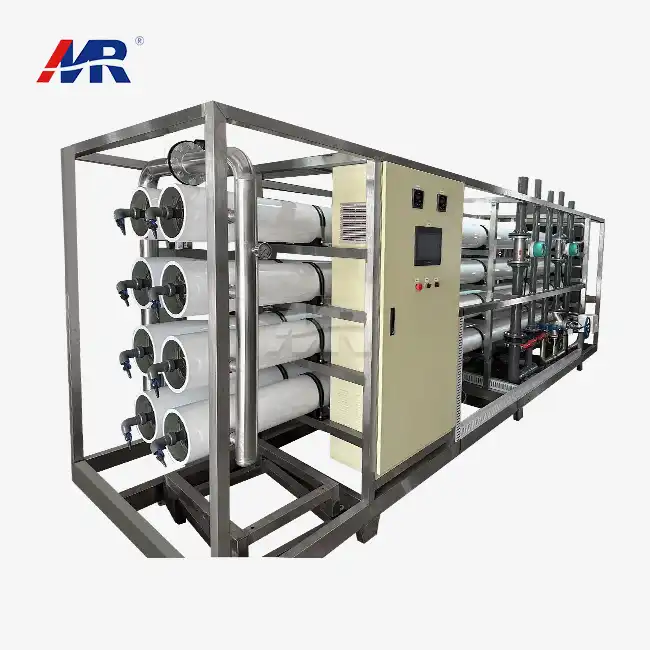
Breaking Down Initial Investment Components
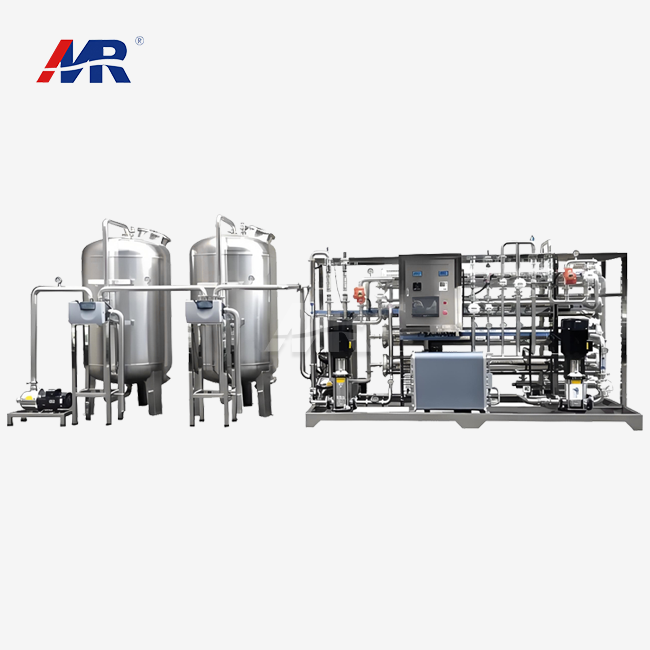
When figuring out how much a reverse osmosis system for high-volume use costs, the technology is only one part of the equation. Pre-treatment devices, such as multimedia filters, carbon filters, and water softeners, raise the cost of basic equipment by 20 to 35 percent. These parts keep expensive RO filters from breaking down too soon.
It costs a lot of money to buy high-pressure pumps that are made for business RO systems. Industrial-grade pumps that can regularly produce 150 to 400 PSI are needed in places that process 10,000 gallons of water per hour or more. Housings made of stainless steel, automated control panels, and tracking sensors all add to the initial cost.
Installation costs change a lot depending on the conditions of the site. Pharmaceutical companies that need GMP-compliant installations have to follow tighter rules for documentation and validation. Electronics factories that need ultrapure water often include EDI polishing tools, which makes things more complicated. Municipal water plants can save money by treating more water, but they have to deal with infrastructure problems when they try to fix up old treatment chains.
Calculating Long-Term Operational Expenses
Smart buyers look at the RO system cost over a 5–10 year period. Using a lot of energy costs a lot of money and makes up 45 to 60 percent of recurring costs in most commercial settings. To cover these costs, power plants and petrochemical plants often arrange different utility rates.
How much a RO filter costs depends on the quality of the feed water and how much is recovered. When used for irrigation in agriculture, brackish water can recover 75–85% of its weight, and membranes last for 3–5 years. Because of the harsher working conditions, membranes in seawater desalination systems on offshore sites need to be replaced every two to three years. It usually costs between $8,000 and $15,000 to replace the membrane in a 50,000 GPD machine.
Scaling and biological fouling can't happen with chemical treatment systems. Antiscalants, cleaners, and chemicals that kill germs cost an extra $0.02 to $0.08 per gallon that is cleaned. Food and drink makers use chemicals that are safe for food, while wastewater treatment plants use cheaper chemicals made for industry.
The cost of labour relies on how well technology works. Fully automatic systems that can be monitored from afar require less staff. Hospitals and scientific study facilities that need medical-grade pure water often hire dedicated technicians, which costs an extra $40,000 to $80,000 a year.
Industry-Specific Cost Considerations
Electronics and chip makers are under a lot of financial stress. To make chips, you need ultrapure water with a resistance higher than 18 megohm-cm. For plants that make 500 to 1,000 GPM, the cost of a RO filter system, EDI polishing, and UV sterilisation can easily reach $250,000 to $800,000. But even tiny contaminants ruin millions of goods, which is why high-end investments are necessary.
Compliance is more important to pharmaceutical and biotechnology businesses than cutting costs. USP-grade water systems have parts that can be cleaned, proof of validation, and double tracking. A medium-sized drug factory usually spends between $150,000 and $400,000 on RO infrastructure that meets standards. Extra costs for proof can reach $30,000 to $60,000.
Municipal water plants have to balance the need to protect public health with limited funds. People who want better water quality can get changes like ultrafiltration and reverse osmosis. Small cities and towns that treat 1-2 million gallons of wastewater every day spend between $800,000 and $2 million on new treatment plants. Larger coastal towns that want to desalinate seawater will have to pay more than $50 million for the projects.
The chemical and electroplating businesses see water treatment less as a cost and more as a way to make money. Getting valuable metals out of wastewater or reusing process water cuts down on the need to buy raw materials. Installing a deionised water system that can handle 20,000 GPD might cost $120,000, but it will save you $30,000 to $50,000 a year in resources.
Hidden Costs That Impact Total Investment
When making budgets, many businesses don't include enough for the cost of maintaining RO systems. Preventive maintenance contracts usually cost 8–12% of the starting cost of the equipment every year. As part of these deals, there will be regular inspections, tests of performance, and faster service responses. Facilities that are far away, like offshore platforms or agricultural activities in the desert, have to pay more for service.
Getting rid of wastewater is another RO system cost that is often ignored. 15–25% of the feed water is turned away by reverse osmosis systems as concentrated brine. Municipalities have to follow strict rules about discharges that need extra care. A plant that makes drinks might spend $15,000 to $40,000 a year on handling the disposal of concentrates.
Each business has its own set of rules for compliance testing. Hospitals that test the water quality for dialysis patients every month spend $3,000 to $8,000 a year on lab services. Pharmaceutical companies have to follow even stricter testing rules, and some of them spend more than $20,000 a year on compliance paperwork.
Facility costs are partially affected by the amount of space needed. Large systems, which include pre-treatment and holding tanks, take up 200 to 500 square feet of space. When figuring out the real cost of an RO system, factories in pricey cities have to take into account the floor space that is already being used.
Strategies for Cost Optimization
When replacing multiple systems across multiple buildings, buying managers with a lot of experience use volume purchasing. Regional manufacturing chains work out blanket buy agreements that cut the cost of each unit by 15 to 25 percent. Standardising on certain kinds of membranes and component brands makes managing inventory easier.
Energy recovery devices make high-pressure uses much more cost-effective. Pressure exchangers or turbochargers are used in seawater treatment projects to cut energy use by 40 to 60%. Buying recovery equipment for $80,000 to $200,000 pays for itself in 18 to 36 months by lowering your energy bills.
Hybrid methods to treatment can sometimes be more cost-effective. When municipal water plants use a mix of ultrafiltration and limited RO capacity, they can get the water quality they want at lower costs than when they only use RO. Mariculture uses a mix of treated and untreated seawater to get the right acidity while keeping the cost of running the RO system as low as possible.
IoT sensors used in predictive repair programs keep big problems from happening. By keeping an eye on differential pressure, permeate quality, and flow rates, you can spot performance decline weeks before the equipment breaks down. When you avoid emergency repairs and unexpected downtime, you save 20 to 40 percent compared to reactive maintenance.
Comparing What Suppliers Can Do and What They Offer as Value
When choosing a partner, smart buyers look at more than just the price of the RO system. Integrated suppliers who give services like equipment delivery, installation, and commissioning make it easier to complete a project. Single-source responsibility speeds up deployment times and makes coordination easier.
Manufacturers who have facilities for making membranes can keep a closer eye on quality and have more stock on hand. Companies that run processing factories with a lot of different equipment make solutions that work best for each purpose. This manufacturing freedom is helpful for power plants that need special materials or pharmaceutical plants that need help with validation.
In times of crisis, the level of technical help is important. Suppliers with large engineering teams (20 or more experts) can help with troubleshooting and process optimisation more quickly. Support around the clock is necessary for food processing plants and public water facilities that serve big populations to keep running.
Brand partnerships show that a seller is trustworthy. Authorised wholesalers who work with well-known pump, valve, and instrument makers show that the industry accepts them. These partnerships make sure that real replacement parts are available and that warranties cover the whole lifecycle of the equipment.
Financial Planning and ROI Calculations
Strong economic reasons are needed for CFOs and other financial decision-makers. A simple payback study that compares the costs of buying bottled water or hauling water to the costs of installing a system is enough to show that the system works. A rural mine that spends $80,000 a year on water trucks needs a RO system that costs $200,000 and pays for itself in 2.5 years.
More complex analyses take into account the RO system cost, the value of money over time, and the benefits of operating flexibility. Pharmaceutical businesses that use reliable ultrapure water supplies to cut down on production delays figure out net present values that are more than $500,000 over the life of the equipment. Electronics companies that want to escape even one contamination event should spend more on redundant systems.
Total cost of ownership models that look at 10 to 15 years show how the economy really changes. When you compare RO system cost estimate situations with different levels of quality, you can see when high-end equipment is the best value. Energy-efficient plans that cost 15% more up front usually save 25–35% over the life of the building by using less energy.
Risk mitigation value is hard to measure, but it affects choices about what to buy. Hospitals that use dialysis water can't have equipment break down. Buying extra capacity and premium service deals is like insurance for your business that is worth a lot more than the extra costs.
Conclusion
Analyzing high-capacity reverse osmosis system investments demands a comprehensive evaluation of capital expenses, operational costs, industry requirements, and supplier capabilities. Smart decision-makers balance initial RO system price against lifecycle value, considering energy efficiency, maintenance requirements, and compliance needs specific to their pharmaceutical, electronics, municipal, or industrial applications. Partnering with experienced suppliers offering integrated equipment, engineering support, and proven component brands transforms complex water treatment challenges into strategic operational advantages that deliver measurable returns.
Partner with Morui for Comprehensive RO System Cost Solutions
Guangdong Morui Environmental Technology delivers transparent RO system cost analysis backed by 14 branches and 500 dedicated professionals. Our in-house membrane production ensures competitive pricing while 20+ engineers optimize installations across pharmaceutical, electronics, municipal, and industrial applications. Contact Our Team at benson@guangdongmorui.com for detailed proposals that address your specific capacity requirements, water quality objectives, and budget parameters from a trusted reverse osmosis system cost manufacturer.
References
1. American Water Works Association, "Reverse Osmosis and Nanofiltration: Manual of Water Supply Practices M46," Second Edition, 2018.
2. Byrne, W., "Reverse Osmosis: A Practical Guide for Industrial Users," Tall Oaks Publishing, 2017.
3. National Research Council, "Desalination: A National Perspective," The National Academies Press, 2019.
4. Wilf, M., "The Guidebook to Membrane Desalination Technology," Balaban Desalination Publications, 2017.
5. International Desalination Association, "Water Desalination Processes and Associated Cost Review," Industry White Paper, 2020.
6. Crittenden, J.C., "MWH's Water Treatment: Principles and Design," Third Edition, John Wiley & Sons, 2018.
 VIEW MORELandfill Leachate Treatment System
 VIEW MOREMBR membrane
 VIEW MOREDTRO Landfill Leachate Treatment
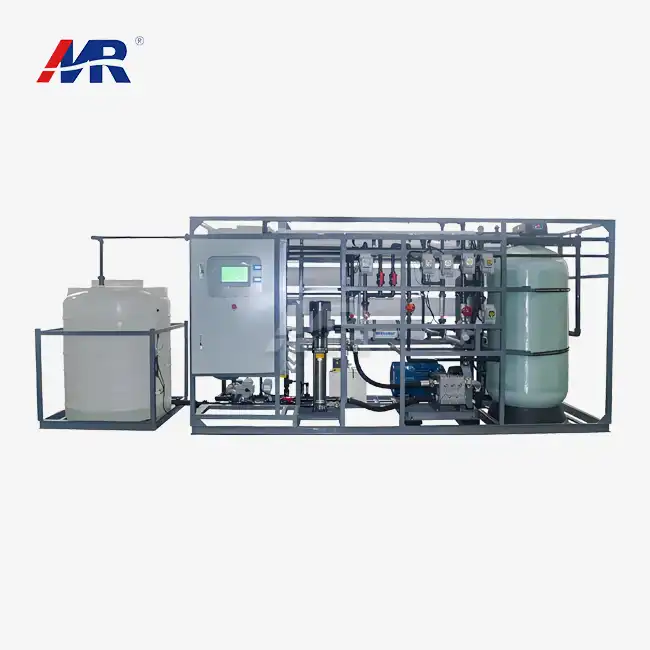 VIEW MORE5m3/hour seawater desalination equipment
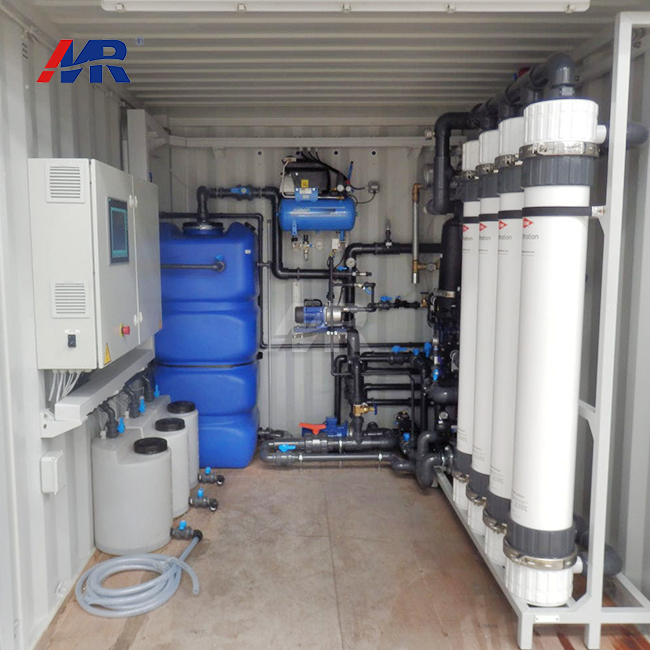 VIEW MOREcontainerized ultrafiltration equipment
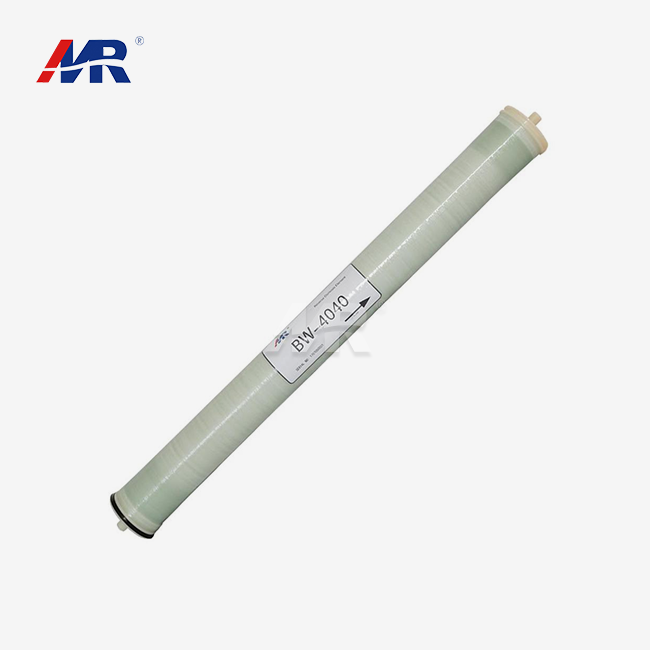 VIEW MOREindustrial ro membrane
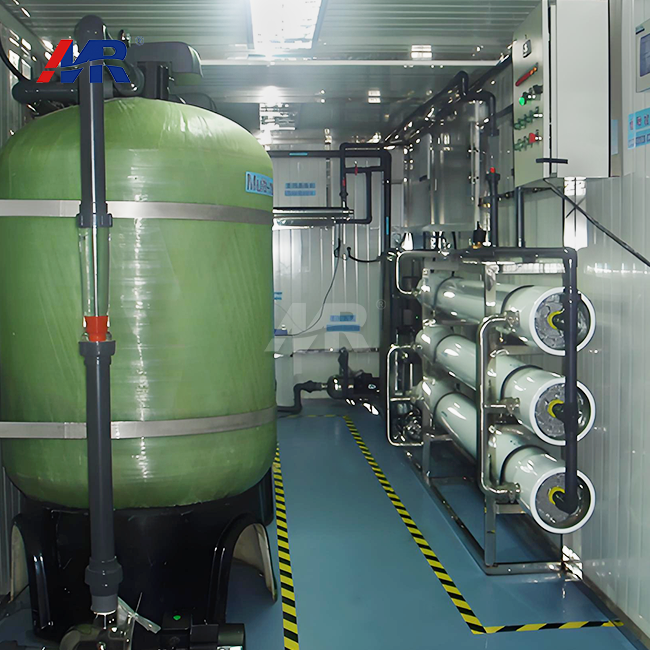 VIEW MOREContainerized Mobile Water Treatment Systems
 VIEW MORE2000LPH EDI system
