_1745823981883.webp)

Commercial Cost of Reverse Osmosis System Optimization Tips
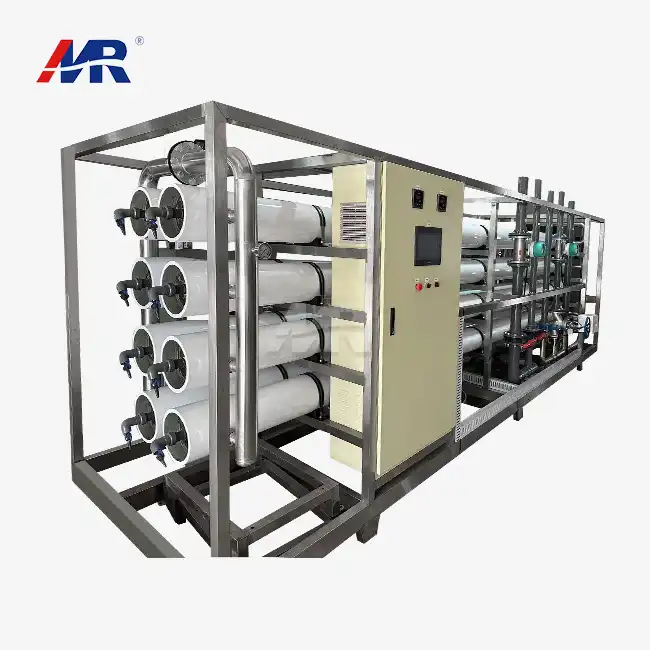
Understanding how much a reverse osmosis water system costs is more than just looking at the price of the tools. Total Cost of Ownership (TCO) is what this metric is all about. It includes both Capital Expenditure (CAPEX), which includes things like membranes, high-pressure pumps, and pre-filtration parts, and Operational Expenditure (OPEX), which includes things like energy use, chemical treatments, and replacing membranes every so often. Procurement experts have to find a balance between upfront investment and long-term operational efficiency. To get the best return on investment and make sure that water quality stays the same across all industrial uses, they need to do a full cost analysis.
Introduction
Reverse osmosis units are now necessary for treating water in many business and industrial settings. RO technology has financial effects that go far beyond the purchase order. This is true whether your business processes pharmaceutical-grade water, food and drinks, or runs a public water plant. A lot of businesses have come to us with the same problem: how to lower the cost of water cleaning in the reverse osmosis water system without lowering the quality or dependability.
Pricing for RO systems is often hard to understand for both expert decision-makers and chief financial officers. It's common for businesses to underestimate lifecycle costs because they only look at the beginning prices of the equipment and don't think about how much energy it uses, how often it needs to be maintained, or how often the membrane needs to be replaced. This narrow view can cause costs to go up and operations to be interrupted, which hurts production schedules and profits.
Understanding the whole financial picture is the first step to strategic cost optimization. This is what we've learned from working with a wide range of industries, from chip manufacturing that needs ultrapure water to seaside desalination projects. This thorough guide breaks down the business cost structure of RO systems, points out the secret cost drivers, and gives you practical ways to lower TCO while still meeting the performance standards needed by your industry's regulations.
Understanding Commercial Reverse Osmosis System Costs
Capital Investment Components
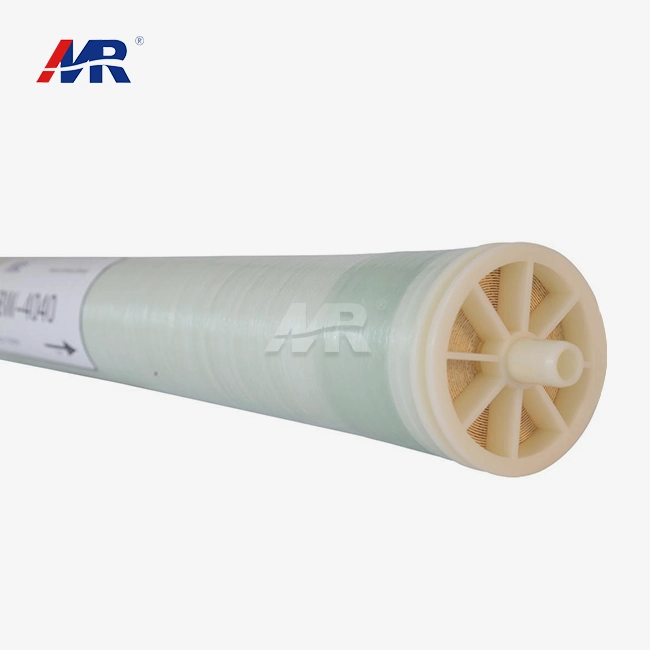
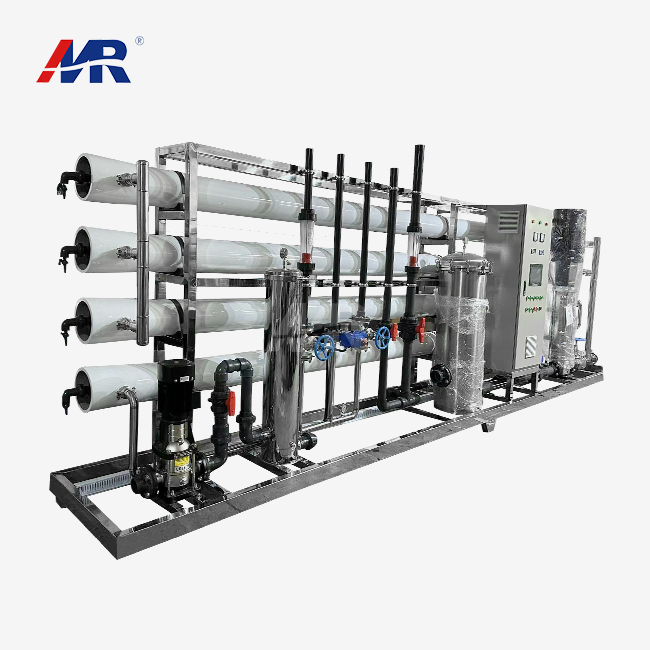
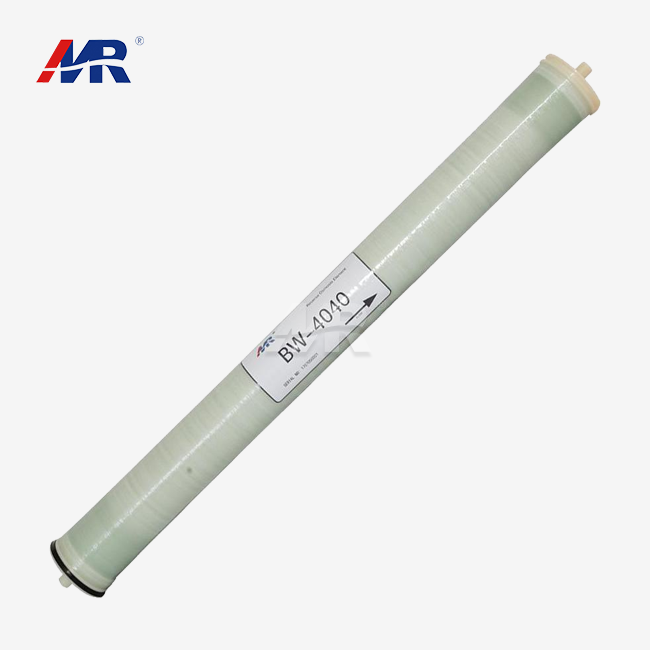
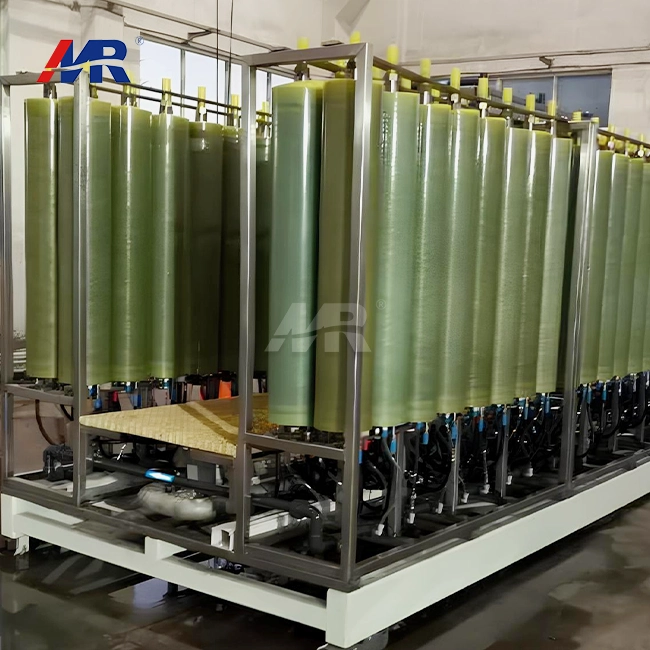
The starting cost of a commercial reverse osmosis water system changes a lot depending on how much capacity is needed and what the system is being used for. High-pressure pumps that can produce 150 to 400 psi account for a big chunk of equipment costs. Models that use less energy cost more up front, but they save money in the long run. Semi-permeable membranes designed for business use usually make up 25 to 35 percent of the cost of hardware. Prices are affected by rejection rates higher than 97% and special finishes that prevent fouling.
It's harder to figure out CAPEX when you use pre-treatment systems like grit filters, activated carbon housings, and anti-scalant pumping equipment. Facilities that deal with difficult feed water, like brackish sources or industrial wastewater, need more pre-treatment equipment, which means they have to pay 30–50% more up front than local water treatment users.
Operational Expense Drivers
Energy use is the main cost of doing business, and high-pressure pumps use a lot of electricity when they're running all the time. Recovery rates directly affect both how much energy is used and how much water is wasted. Systems that recover 75% of their energy use are much more profitable than systems that recover 50% of their water use. The amounts of chemicals needed to clean membranes (Clean-In-Place methods), dose anti-scalants, and change the pH of solutions are fixed costs that rise with the amount of product made.
How often the membrane needs to be replaced depends on the quality of the feed water and how well it is maintained. Systems that process water from cities may go three to five years without replacing the membrane, but in tough industrial settings, they need to be replaced every 18 to 24 months. This variation leads to big changes in long-term cost estimates for RO, which must be taken into account when buying something.
Comparison and Decision-Making: Cost Optimization Strategies
Technology Selection Considerations
To compare the reverse osmosis water system cost to other methods of cleaning, you need to know what the unique needs of the application are. Although UV purification systems are less expensive and use less energy, they can't get rid of dissolved solids, so they can't be used in situations where demineralized water is needed. Ultrafiltration is better than RO at getting rid of particles and pathogens, but it needs higher working pressures. It also can't get rid of ions, which are needed for making electronics or getting boiler feed water ready.
The choice between RO systems with multiple stages and mixed systems that combine RO with electrodeionization (EDI) affects both the cost of the original investment and the cost of running the system. Even though it costs more, combining RO and EDI is better for places that need very clean water with a resistivity higher than 15 MΩ-cm because it cuts down on the costs of chemical regeneration that come with standard ion exchange systems.
System Design Impact on Costs
Tankless RO systems take up less space and don't need to be maintained because they don't store water, but they need pumps and filters that can handle more flow at once. This way of designing works well for applications that will be used in a regular way and have a limited area. On the other hand, tanked designs offer extra space that absorbs changes in demand, lowering the most intense stress on equipment and possibly increasing the membrane's lifetime by making operation more stable.
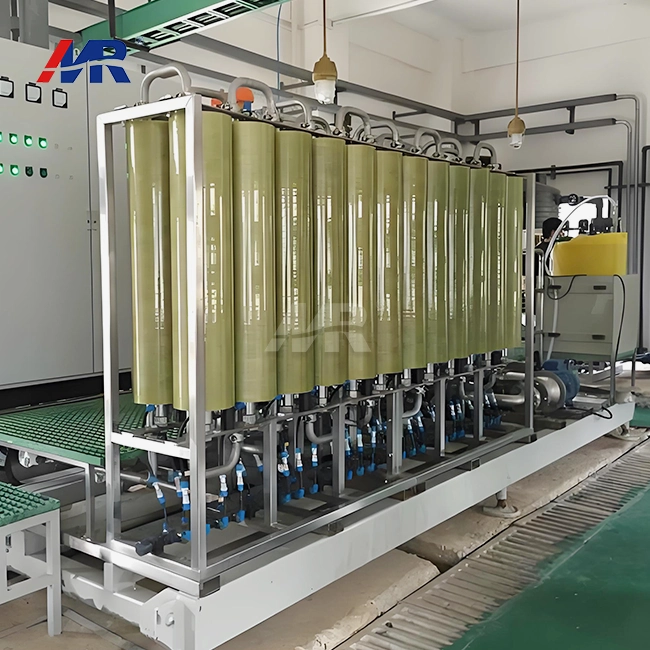
By letting you scale up or down and being flexible with upkeep, modular system design saves you money. Facilities that expect their production to grow should have designs that let them add more membrane tanks to increase their capacity instead of replacing the whole system. This method keeps operations going during expansion times while wasting as little cash as possible.
Cost Breakdown & Optimization Principles for Commercial RO Systems
Installation Cost Reduction
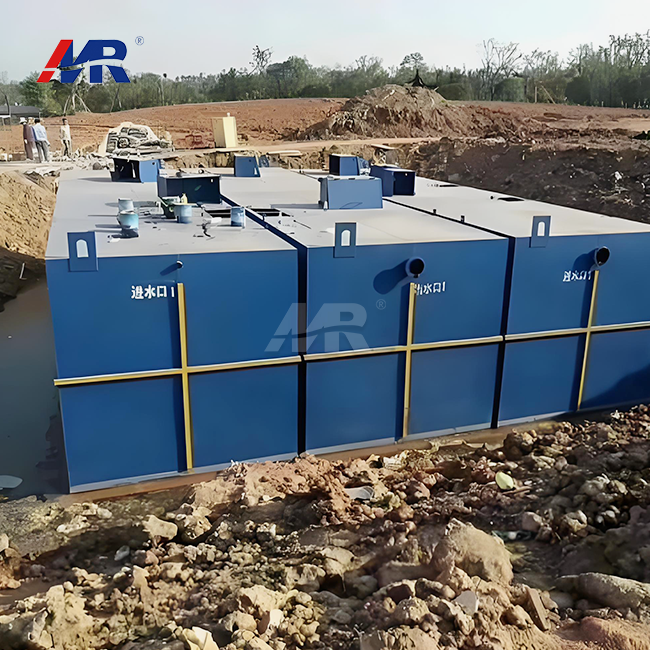
By choosing a spot that is easy to get to for utilities and has enough room for maintenance tasks, you can cut down on installation costs. When facilities are built with separate water treatment rooms that can accommodate new equipment in the future, they don't have to pay for expensive upgrades when they need to increase their capacity. Because they are close to electricity distribution panels and drain infrastructure, construction costs are lower for both labor and materials. Shorter connection runs also make the reverse osmosis water system more cost-effective.
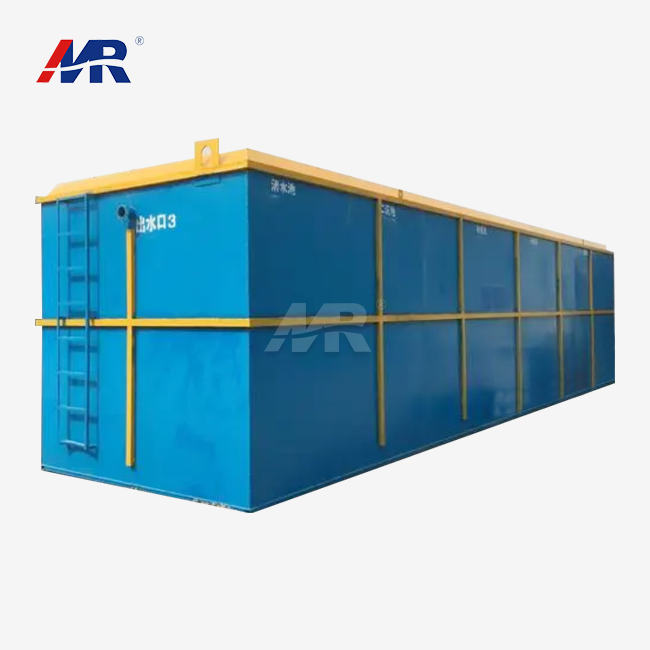
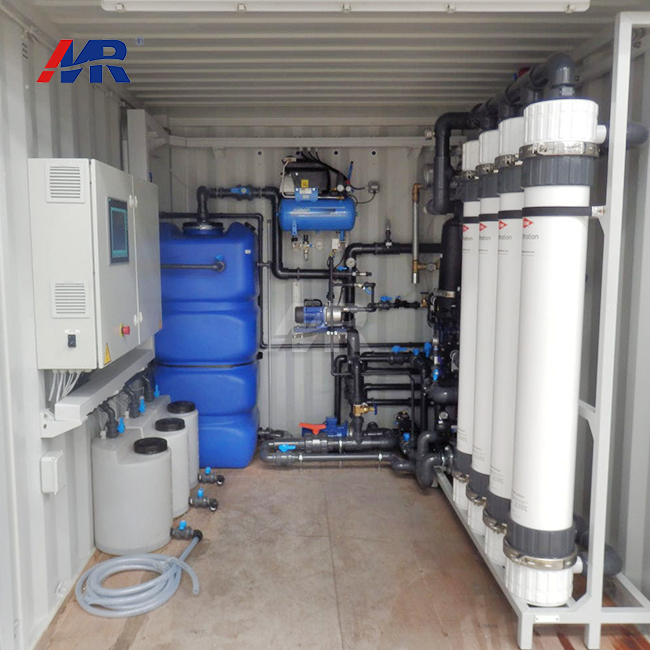
When compared to building each part separately, modular skid-mounted systems come already put together and tested at the factory. This cuts down on the time needed for installation by 50–70%. This method also makes quality control better, since plant assembly areas are better than busy industrial sites for testing for leaks, integrating electrical systems, and programming control systems.
Operational Cost Management Strategies
High-pressure pumps with variable frequency drives (VFDs) use the least amount of energy possible because they fit the pump speed to real demand instead of slowing it down to full speed. Facilities that use VFD technology say they use 20 to 35 percent less energy, based on how much the load changes. Energy recovery devices that take pressure from concentrate streams and move it to feed water lower the need for electricity even more in systems that process 10,000 gallons or more per day.
Water recovery optimization finds a balance between how long the membrane lasts and how well it uses water. Increasing recovery rates above what is recommended speeds up scaling and fouling, which means that the membrane needs to be cleaned more often and for shorter periods of time. On the other hand, conservative recovery options lose large amounts of water, which costs money to get rid of. The best economic performance comes from properly calibrating the recovery system based on a study of the feed water and real-time tracking.
Procurement Insights: Buying and Financing Commercial RO Systems
Pricing Transparency and Regional Variations
Full quotes should include the prices of the equipment, installation services, activities for commissioning, training for operators, and guarantee coverage. Price changes in different areas are caused by things like local labor costs, transportation costs, and how competitive the market is. When it comes to money, coastal facilities that use saltwater desalination systems have to think about things differently than inland industrial plants that treat city water. The choices of tools and materials can change the reverse osmosis water system cost by 40–80%.
Businesses that run more than one location or coordinate procurement across multiple company portfolios can take advantage of bulk purchasing possibilities. When you make a volume promise, you can often get 15–25% off tools and build relationships with chosen suppliers that make service faster and spare parts easier to find across the whole company.
Supplier Qualification Process
When evaluating possible suppliers, you need to look at their professional skills, project knowledge, and financial security. Vertical integration is shown by manufacturers who run membrane production sites. This can make it easier for parts to work together and protect the supply chain. Our company, Guangdong Morui Environmental Technology, uses an integrated method. We do this by having our own building for making membranes, several plants for processing equipment, and smart agreements with companies like Shimge Water Pumps, Runxin Valves, and Createc Instruments.
Reference projects in your business can tell you a lot about how well a supplier does in similar working situations. Site visits to current sites show how the equipment is doing after years of use, what repairs need to be done, and how satisfied the customers are, which quotes and sales presentations can't show.
Case Studies and Real-World Examples of Cost Optimization
Manufacturing Sector Implementation
Through thorough system optimization, a pharmaceutical company that made GMP-grade purified water cut its yearly running reverse osmosis water system cost by $127,000. The building got rid of old machines and replaced them with high-recovery membranes and variable frequency drives. They also put in place predictive repair procedures. Even though output increased by 15%, energy use dropped by 28%, and membrane replacement times went from 24 months to 42 months, thanks to better pre-treatment and better automatic cleaning.
The project's payback time of 2.8 years showed that proactive system changes are more cost-effective than small repairs. Unplanned downtime dropped by 76%, which got rid of production delays that were causing problems with regulatory compliance and customer service.
Municipal Water Treatment Upgrade
A regional water authority that provides water to 85,000 people put in place modular RO growth to deal with yearly demand spikes and make the system more resistant to drought. The phased method made it possible to add capacity without stopping current operations, and standard membrane modules made it easier to keep track of supplies across many treatment plants. Putting energy recovery devices on concentrate streams cut the cost of power by $43,000 a year, which covered 35% of the costs of financing the growth project.
During a control system failure that put the water supply at risk, the utility's choice to work with providers that could provide local service was very important for managing the cost of the reverse osmosis water system. Service interruptions that could have affected thousands of users could have been avoided if technicians had responded within four hours and spare parts had been readily available. This shows that seller ties are valuable for more than just pricing equipment.
Lessons from Implementation Challenges
Common mistakes include not estimating how much work needs to be done to prepare the spot, not teaching operators well enough, and not setting aside enough money for commissioning activities. To meet budget goals, facilities cut back on training, which leads to poor system management, early component breakdowns, and less-than-ideal performance, which raises operating costs. Operator education programs that teach the basics of system operation, regular upkeep, and troubleshooting pay off by making devices last longer and reducing the number of service calls.
Another common mistake is not thinking about future capacity needs when the original purchase is happening. When production rates rise, systems that were made for current demand and don't have room for growth need expensive upgrades or are replaced too soon. Scalability is made possible by modular designs that allow for 25–50% potential growth through the addition of more membrane banks.
Conclusion
To lower the reverse osmosis water system costs of a business, you need to look at the whole picture, including the original investment, how well the system works, and how much upkeep it will need over time. When buying something, basing decisions only on how much it costs ignores the high costs that come up over its lifetime. To keep the total cost of ownership (TCO) as low as possible while still meeting application needs for stable water quality, strategic cost optimization balances high-quality parts, energy-efficient designs, and preventative maintenance programs. Our experience in the pharmaceutical, food processing, technology, and local sectors shows that making choices based on a thorough cost analysis leads to better outcomes than reactive buying strategies that aim to minimize the original price.
FAQ
1. What factors most significantly influence the reverse osmosis system price over its operational lifetime?
Usually, 40 to 55 percent of running costs come from energy use. This makes pump efficiency and recovery rate improvement very important cost drivers. The second most important thing is replacing the membranes every 18 months to 5 years or more, based on the quality of the feed water and how well they are maintained. How well the pre-treatment works directly affects the lifetime of the membrane by controlling the rate of fouling. When systems go down, it costs a lot in secondary costs because of lost output. This is especially true in industries that use continuous processes, where problems with water quality stop production of the reverse osmosis water system cost.
2. How can we reduce reverse osmosis cost without compromising water quality standards?
Using variable frequency drives and energy recovery devices to optimize energy use cuts electricity costs by 20 to 35 percent without changing the quality of the permeate. Predictive maintenance schedule keeps expensive failures from happening and avoids service calls that aren't needed, which lowers maintenance costs by 30–45%. By analyzing the feed water correctly, the right-sized pre-treatment systems can be built to protect the membranes in a way that doesn't cost too much. Through supplier relationships that offer performance-based service agreements, repair costs that are hard to predict are turned into fixed costs that are easier to handle. Expert technical help also ensures consistent quality.
3. What differentiates the cost of reverse osmosis water filters across various commercial applications?
Specifications for membranes, building materials, and the level of technology depend on the application. Because they need to be compliant with regulations and have special parts, pharmaceutical water treatment systems cost 50–80% more than industrial water treatment systems of the same size. Costs are higher for seawater filtration systems than for brackish water systems because they use materials that don't rust and can handle high pressures. For making electronics, making ultrapure water requires extra electrodeionization steps and a lot of tracking equipment, which increases the cost by 60 to 100 percent compared to normal demineralization uses.
Partner with Morui for Cost-Optimized Water Treatment Solutions
Guangdong Morui Environmental Technology has unmatched knowledge when it comes to designing, installing, and supporting business RO systems throughout their entire lifetime. We have 20 committed engineers, our own production process for membranes, strategic relationships with Shimge Water Pumps and Runxin Valves, and other combined capabilities that allow thorough reverse osmosis water system cost optimization for your particular application. We offer complete solutions, from the initial advice to ongoing upkeep. Our 14 regional branches and 500 technical pros support installations all over the world. Email Our Team at benson@guangdongmorui.com to talk about your water treatment needs and get a thorough cost analysis that compares different equipment choices, financing options, and expected equipment lifecycles. We offer clear pricing and performance promises that protect your investment while making sure legal compliance and operational dependability. We are a trusted provider that works with the pharmaceutical, food processing, electronics, and municipal sectors. You can look at all of our Products and set up a meeting with our tech team at moruiwater.com.
References
1. Membrane Technology and Applications, Third Edition. Baker, R.W. (2012). Wiley Publishing.
2. Industrial Water Treatment Process Technology. Amjad, Z. & Demadis, K.D. (2018). CRC Press.
3. Reverse Osmosis: Design, Processes, and Applications for Engineers. Wilf, M. (2014). Scrivener Publishing.
4. Fundamentals of Water Treatment Unit Processes: Physical, Chemical, and Biological. Hendricks, D.W. (2016). CRC Press.
5. Economic and Environmental Assessment of Desalination Technologies. Water Reuse Foundation (2019). WRF-17-06 Report.
6. Best Practices for Energy Efficiency in Industrial Water Systems. Department of Energy, Advanced Manufacturing Office (2021). DOE/EE-2089 Technical Guidance.