

_1745823981883.webp)

Can the cost of a reverse osmosis system Be Reduced Long-Term?
Yes, the long-term reverse osmosis cost can be significantly cut by making smart choices about what to buy, how to plan repairs, and how to use less energy. Capital Expenditure (CAPEX) and Operational Expenditure (OPEX) may seem like big costs at first, but companies that know the Total Cost of Ownership (TCO)—which includes things like energy use, membrane replacement cycles, and chemical pretreatment—can save a lot of money over the life of the system while still meeting the high standards for water purity needed in pharmaceutical, manufacturing, and municipal settings. Reverse Osmosis systems are an important part of many B2B water cleaning uses in many different areas. It's important to know how to handle both one-time and ongoing costs if your facility needs ultrapure water for making semiconductors, GMP-compliant water for making medicines, or large-scale saltwater treatment for coastal cities. This guide looks at specific cost factors, contrasts RO technology with other methods of purification, and gives useful advice on how to permanently lower costs while keeping high levels of business excellence. Through our 14 branches, we've helped hundreds of facilities with these financial issues by helping buying managers, expert decision-makers, and CEOs make good decisions.
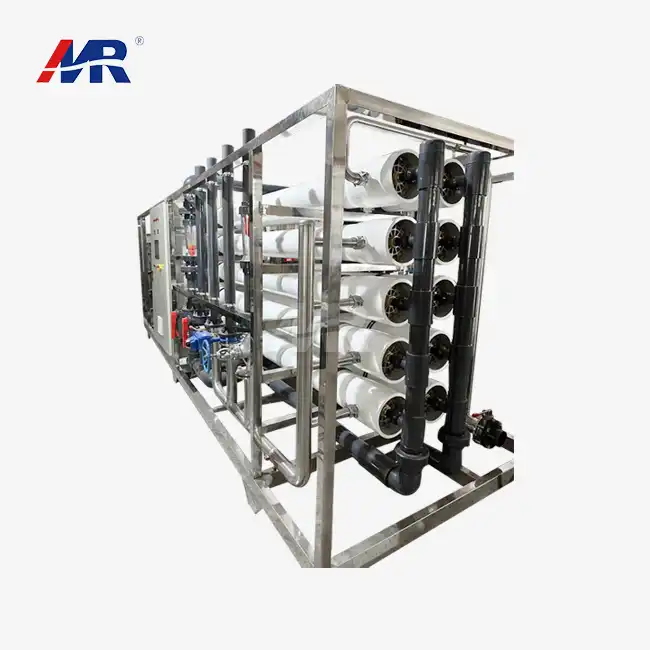
Understanding the Cost Components of Reverse Osmosis Systems
Initial Purchase Price Variables
The initial reverse osmosis cost changes a lot depending on its size, design, and the quality of its parts. Small units for lab use might cost around $3,000. Industrial-grade systems that can handle 50,000 gallons per day can cost more than $275,000. Prices are affected by salt rejection rates ranging from 95% to 99.8%. Thin-Film Composite (TFC) membranes with higher performance cost more but last longer. Stainless steel 316L housings survive rust better than basic materials, so they don't need to be replaced as often and have a lower total cost of ownership (TCO), even though they cost more at first.
Businesses often don't think about how the design of a system affects the economy in the long run. Variable Frequency Drives (VFDs) and Energy Recovery Devices (ERDs) cost 15–25% more up front, but in high-volume settings, they can cut energy use by up to 60%. When procurement professionals look at prices, they should ask for specific information on permeate flux (in gallons per square foot per day) and system recovery rates. These numbers have a direct effect on how efficiently the system works and how much it costs to lose water.
Installation and Professional Setup Expenses
Depending on how complicated the job is, installation costs can be anywhere from 10 to 20 percent of the price of the tools themselves. A simple under-sink unit for a home might only cost $300 to $500 to install by a professional. On the other hand, industrial systems that need special pipes, electrical changes, and integration with existing infrastructure can cost $50,000 or more. Labor costs vary by place. In coastal big areas, the average rate is $85 to 125 an hour, while in smaller markets, it's $50 to $75.
Professional installation by licensed workers adds value that can be measured beyond the initial setup and helps manage reverse osmosis cost. The right pre-filtration design keeps the membrane from getting clogged up too soon, and the right fitting of the pressure vessel makes sure that the flow is evenly distributed across the membrane elements. We've seen that during the first three years of operation, 30–40% fewer emergency service calls are made to sites that paid for expert setup. During the initial installation process, it is also possible to add energy tracking systems and automated controls that help with predictive maintenance. This cuts down on unplanned downtime costs, which can reach thousands of dollars per hour in places where drugs or drinks are made.
Operational and Maintenance Expenditure Breakdown
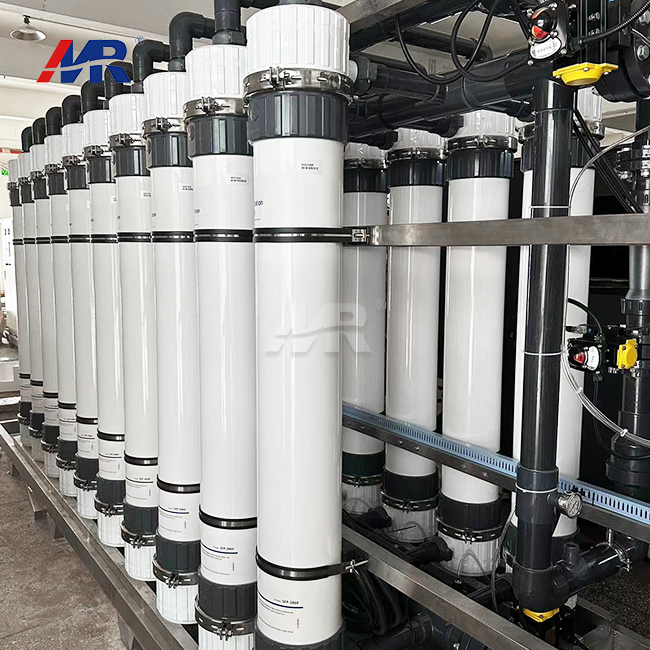
The biggest part of long-term RO system prices is the money spent on running the system. The most expensive ongoing cost is replacing the membrane. Industrial Reverse Osmosis membranes usually last three to five years under ideal conditions, but they need to be replaced sooner if the quality of the feed water drops or chemical cleaning methods aren't good enough. Each 8-inch membrane element costs between $600 and $1,200. Depending on the volume needed, big systems can hold anywhere from 20 to 200 elements.
Patterns of energy use have a big effect on OPEX estimates. High-pressure pumps that work at 150 to 1,200 PSI use a lot of electricity, which amounts to $0.30 to $0.80 per thousand gallons made in most commercial settings. These numbers are directly affected by the properties of the feed water. For example, desalinating brackish water needs a lot less pressure than desalinating seawater, which saves 40–50% energy. Chemical prices for scale inhibitors, cleaning agents, and pH adjustment usually add an extra $0.05-0.15 per thousand gallons. In controlled businesses, garbage disposal fees can add an extra $0.10-0.25 per thousand gallons, based on the environmental rules in the area.
Comparing Reverse Osmosis Costs Against Alternative Water Purification Methods
Carbon Filtration and Water Softener Economics
Activated carbon filter systems have much lower initial costs, usually between $500 and $5,000 for business use, and they use very little energy because they don't need pumps and work on line pressure. The cost of replacing a carbon filter cell stays low at $50 to $300 every six to twelve months. However, carbon filtration can't remove as many contaminants as RO technology can (95–99.8%), so it's not good enough for uses that need pharmaceutical-grade or ultrapure water.
Ion exchange, not membrane separation, is how water softeners deal with hardness. Commercial units cost $1,500 to $8,000, and they need salt every month for about $5 to $15. Softeners are good at keeping scale from building up in boilers and cooling towers, but they don't get rid of dissolved solids, organics, or microorganisms. This means they aren't very useful in industries like food and drink production, pharmaceutical manufacturing, and electronics fabrication, where clean water is important for product quality and following rules.
Distillation and UV Treatment Alternatives
Through vaporization and condensation, distillation makes water that is very clean and can be used in medical and lab settings that need safe water. Commercial distillers range in price from $3,000 to $15,000, but they use a huge amount of energy—about 50 to 70 kWh per thousand gallons—compared to 3 to 7 kWh per thousand gallons for RO systems that recover energy. This 10-fold difference in energy means that operating costs are $3.50 to $5.00 per thousand gallons, while they are only $0.30 to $0.80 for improved RO systems. This means that distillation is not a good option for high-volume uses.
Ultraviolet decontamination kills bacteria quickly and cheaply, but it doesn't get rid of dissolved solids, heavy metals, or chemical pollutants. Instead of being used as separate cleaning methods, UV systems work best as finishing steps after RO treatment. Combining RO and UV configurations provides complete treatment at an affordable reverse osmosis cost. UV adds only $0.02 to 0.05 per thousand gallons to running costs while ensuring microbiological safety, meeting FDA standards for pharmaceutical water systems.
Bottled Water Procurement Cost Analysis
Facilities that use bottled water for production have to deal with rising costs that are much higher than the economics of RO treatment. Delivering bottled water to businesses usually costs between $3.50 and $7.00 per gallon, based on the amount and cleanliness requirements. A small factory that needs 500 gallons of water every day spends $175,000 to $350,000 a year on bottled water, but a RO system of the right size would only cost $15,000 to $25,000 a year to run after the original investment in the equipment. The return on investment figure strongly suggests that places that consistently use more than 100 gallons of water per day should have their water treated on-site.
Environmental concerns are becoming more and more important in purchasing decisions. For example, drinking water creates a lot of plastic trash that needs to be thrown away. On-site treatment options that get rid of single-use containers and lower the carbon footprints of shipping logistics are preferred by corporate environmental efforts and government pressure.
Strategies to Reduce Reverse Osmosis System Costs Over the Long Term
Right-Sizing System Capacity and Configuration
A common mistake in buying is over-specification, which drives up the long-term reverse osmosis cost without needing to. By doing a thorough study of water usage, you can avoid buying too much capacity that doesn't work well at low loads. When operating at 80 to 95% of their rated capacity, RO systems work at their best. This is when membrane performance, energy efficiency, and component life are all at their best. If a building needs 10,000 gallons of water every day, it should ask for a system that can handle 12,000 to 13,000 gallons instead of 20,000 gallons. This way, the energy loss and faster wear that come with equipment that is too big will be avoided.
When businesses need to grow, modular system designs give them the freedom to add more membrane tanks to increase capacity instead of replacing the whole system. This method lowers the original cost while keeping the ability to make improvements as production levels rise. We suggest that during the design phase, procurement teams work closely with technical experts to make sure that the system setup matches current needs and reasonable growth forecasts, rather than worst-case situations that might never happen.
Professional Installation and Commissioning Benefits
Cutting corners on installation by hiring untrained workers will cost you a lot in the long run. Technicians who have been properly taught know important things like where to put the pressure vessel for the best flow distribution, how to set up the pre-filtration so that the membrane lasts as long as possible, and how to program the control system so that cleaning processes can be done automatically. These things have a direct effect on how well operations run and how often upkeep needs to be done.
Comprehensive approval includes checking the water quality in a number of different operating situations, making sure the control system works, and giving facility staff training in how to spot early signs of membrane fouling or equipment failure. The time and money spent on careful commissioning—usually 5 to 8 percent of the cost of the equipment—pays off in longer membrane life, less chemical use, and fewer emergency service calls that mess up production plans.
Proactive Maintenance and Predictive Analytics
When you do routine maintenance, you avoid major problems that cost a lot to fix and cause you to lose money from sales. When compared to reactive maintenance methods, cleaning membranes according to the manufacturer's instructions increases element life by 30 to 50 percent. Automatic tracking systems keep an eye on the average permeate flow, the rate at which salt is rejected, and the difference in pressure between the membrane stages. This lets them know when performance is going down before water quality problems happen.
Buying new filters and membranes in bulk cuts the cost per unit by 15–25% and makes sure that important extra parts are always available. Subscription-based repair contracts from equipment makers or specialized service providers can help you plan your budget better and usually give you priority service when your equipment breaks down. We've set up maintenance deals for clients in the pharmaceutical, food processing, and power generation industries that lower TCO through better service gaps and bigger discounts on supplies.
Case Studies: Cost-Effective Reverse Osmosis Deployments in B2B Settings
Manufacturing Facility Water Treatment Optimization
A medium-sized electroplating business in the southeast of the United States had to deal with rising water costs and strict rules that said wastewater had to be treated before it could be disposed of, which increased reverse osmosis cost concerns. Their old system used both carbon filters and batch chemical treatment. It cost about $8,500 a month in chemicals, disposal fees, and labor, and it didn't always meet the new permit standards.
We created a combined RO system with the right pretreatment and concentrate recycling. This cut the need for freshwater by 65% and got rid of most of the chemical treatment needs. With the $185,000 system investment that included construction, the monthly savings of $6,200 in water sales, disposal fees, and chemical costs were realized. The 30-month payback time made this project a good fit for their capital budget planning. Other benefits included a guarantee of permit compliance and less environmental risk exposure.
Beverage Production Facility Water Quality Enhancement
A regional company that makes drinks and has various production lines needed water that was always of high quality and met strict standards for taste, smell, and microbiology. Getting bottled water used to cost $4,200 a week for 8,000 gallons of process water. Changes in the water quality between deliveries sometimes led to batch rejects, which added to the cost of trash.
Setting up a 12,000-gallon-per-day RO system with UV polishing and automatic tracking made sure that the water quality was always the same and the prices were always known. The $78,000 investment in tools got rid of the need to buy bottled water and trash bags, which saved the company more than $205,000 a year. The system had automatic sanitization cycles and permeate storage with recirculation to keep the food fresh, which met FDA standards for beverage production. Within five months, the ROI was reached, making this one of the most convincing business Cases we've worked on for a food and drink client.
Pharmaceutical Manufacturing GMP Compliance
As part of a contract manufacturing agreement, a pharmaceutical company needed ultrapure water that met USP standards for making injections and cleaning equipment. Their old distillation system used too much energy and needed to be serviced often. The total monthly costs for energy, labor, and new parts were about $18,500.
We designed a multi-stage RO system with electrodeionization (EDI) to get a steady 18-megohm water quality without using chemicals to clean the water. The $340,000 spent on new cleaning equipment cut monthly costs to $6,800 by using much less energy and getting rid of the need for renewal chemicals. Furthermore, the automated system with constant online tracking cut down on the need for validation tests and offered a wealth of information to support FDA compliance during regulatory inspections. The 22-month payback estimate didn't include hard-to-measure benefits that the pharmaceutical manufacturer's management thought were just as valuable, such as lower regulatory risk and more flexible production.
Conclusion
Strategic control of the reverse osmosis cost saves a lot of money in the long run in industrial, pharmaceutical, municipal, and farming settings. Knowing the different parts of TCO, like choosing the right equipment, having it professionally installed, keeping it in good shape, and making the best use of energy, helps procurement managers and expert decision-makers make smart decisions that balance initial costs with long-term savings. The case studies show that RO systems that are properly set up and kept regularly work better and cost less than other ways of purifying water and hiring someone else to get water for you. By seeing water treatment as a strategic asset instead of a necessary expense, businesses can gain a long-term competitive edge through lower costs, better product quality, and reliable compliance with regulations.
FAQ
1. What is the average lifespan of RO membranes and their replacement costs?
In ideal working conditions, industrial ro membranes usually work well for three to five years, as long as they are properly pretreated and cleaned regularly. Each 8-inch membrane element costs between $600 and $1,200, based on the maker and performance requirements. The quality of the feed water has a big effect on how long the membrane lasts. Facilities that treat city water sources usually get 5–7 years out of their membranes, while facilities that deal with tough brackish water or industrial process streams may need to change them every 2–3 years. Using automatic chemical Cleaning-in-Place (CIP) systems increases the service life of membranes by stopping fouling that can't be fixed. This lowers the yearly replacement costs by a large amount.
2. How does feed water quality affect long-term operational expenses?
The features of the feed water are the single most important factor that affects the running reverse osmosis cost. When there are a lot of total dissolved solids (TDS), the working pressure has to be raised, which means that more energy is used. Heavy biological fouling or scaling means that chemicals need to be used to clean the membrane often, and the membrane needs to be replaced too soon. Doing a full study of the feed water during the design of the system lets you choose the best preparation methods, such as the right multimedia filtration, water softening, or chemical dosing, to protect your membrane investments and keep operations running as smoothly as possible. Robust preparation usually adds 15 to 20 percent to the total cost of the system, but it can cut the number of times the membrane needs to be replaced by 40 to 60 percent, giving a strong return on investment.
3. What financing options exist for large-scale RO system purchases?
Instead of buying everything directly, you can finance equipment, lease it, or sign a performance-based contract. A lot of manufacturers work with commercial lenders that offer equipment loans with terms ranging from 36 to 84 months and low interest rates. This way, the manufacturers can keep their cash capital for other business needs. Performance-based contracts let service providers own and run treatment equipment in exchange for per-gallon fees. This reduces financial risk and ensures professional system management, which is especially appealing for smaller businesses that don't have their own water treatment experts.
Partner with Morui for Optimized Water Treatment Solutions
Businesses that want to get the most out of their reverse osmosis cost without sacrificing water quality or operating dependability can work with Guangdong Morui Environmental Technology Co., Ltd. to treat all kinds of water. Twenty specialized engineers on Our Team work directly with building owners, technical decision-makers, and procurement managers to create systems that are perfectly matched to your needs and budget. As a well-known supplier with our own membrane production plant and several equipment processing companies, we can offer reasonable prices without lowering the quality of our parts or our support after the sale.
Our all-in-one method includes a thorough study of the water quality, a custom-made system design, skilled installation and commissioning, and full maintenance plans that keep equipment running longer and lower costs. We work with top brands like Shimge Water Pumps, Runxin Valves, and Createc Instruments, so you can get access to tried-and-true technologies backed by parts that are always available and expert support. We know the different needs of clients in different industries and regions because we have 14 branches and 500 committed team members who work with clients in manufacturing, pharmaceuticals, cities, and agriculture.
You can email our technical team at benson@guangdongmorui.com to set up a full water treatment audit and get a thorough TCO analysis that compares different options for your location. We'll work together to find ways to cut running costs right away and improve performance over the long term. We'll also be committed to providing fast support for as long as your system is in use.
References
1. United States Environmental Protection Agency. (2020). "Drinking Water Treatment Technologies for Household Use: Reverse Osmosis." EPA Publications on Water Treatment Standards and Performance Evaluation.
2. American Water Works Association. (2019). "Reverse Osmosis and Nanofiltration: Manual of Water Supply Practices M46." Denver, Colorado: AWWA Publications.
3. Bergman, R.A., and Clancy, J.L. (2018). "Economic Analysis of Membrane Treatment Systems for Municipal Water Applications." Journal of Water Resources Planning and Management, Volume 144, Issue 8.
4. National Research Council, Water Science and Technology Board. (2021). "Desalination: A National Perspective on Water Reuse Technologies and Cost Structures." Washington, DC: The National Academies Press.
5. International Desalination Association. (2022). "Industrial Reverse Osmosis: Total Cost of Ownership Analysis and Operational Optimization Strategies." IDA Technical Conference Proceedings, Dubai, UAE.
6. Wilf, M., and Bartels, C. (2019). "Optimization of Seawater RO Systems Design: Energy Consumption and Membrane Replacement Economics." Desalination Journal, Volume 173, Pages 1-12.
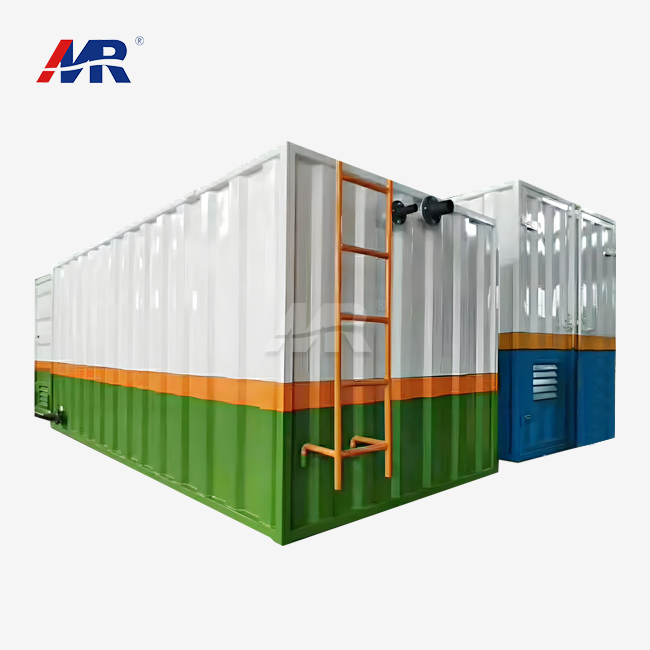 VIEW MOREindustrial sewage treatment plant
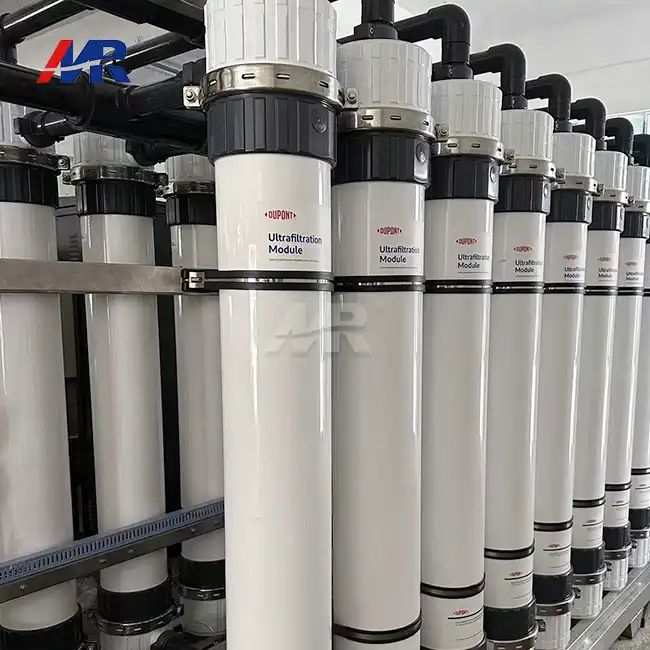 VIEW MORE100T/H ultrafiltration equipment
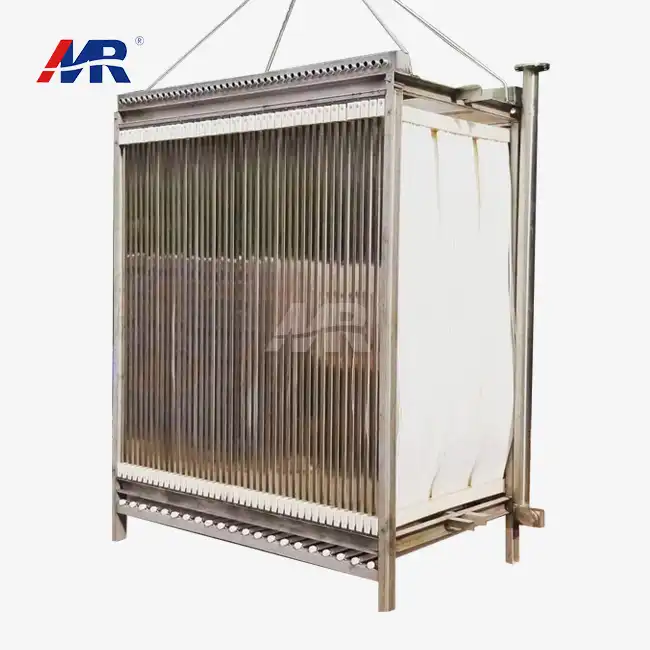 VIEW MOREmembrane bioreactor
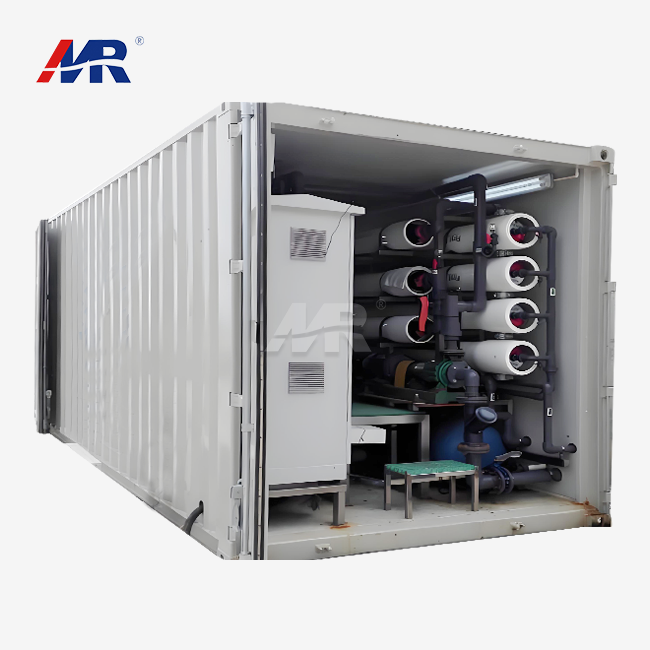 VIEW MOREcontainer seawater desalination equipment
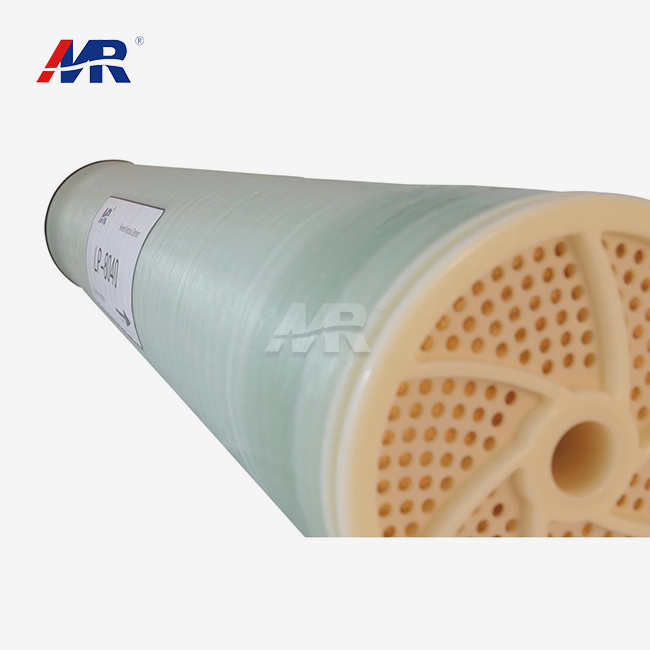 VIEW MOREmembrane used for reverse osmosis
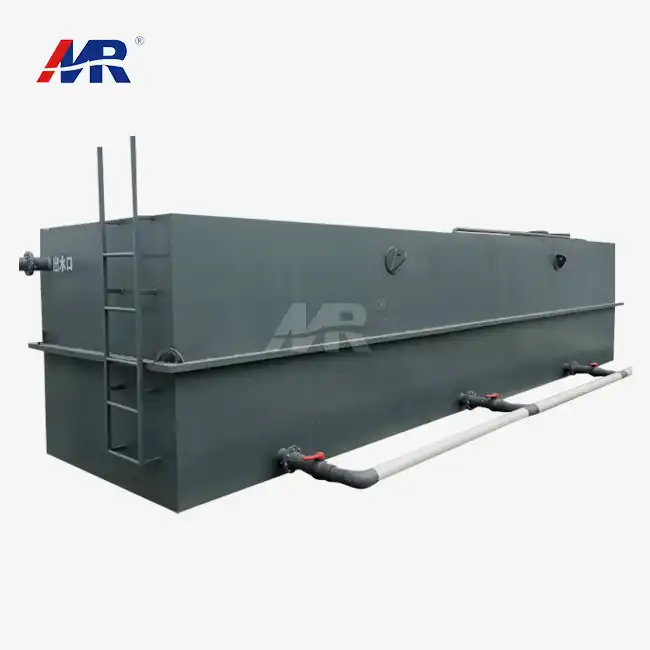 VIEW MOREportable wastewater treatment plant
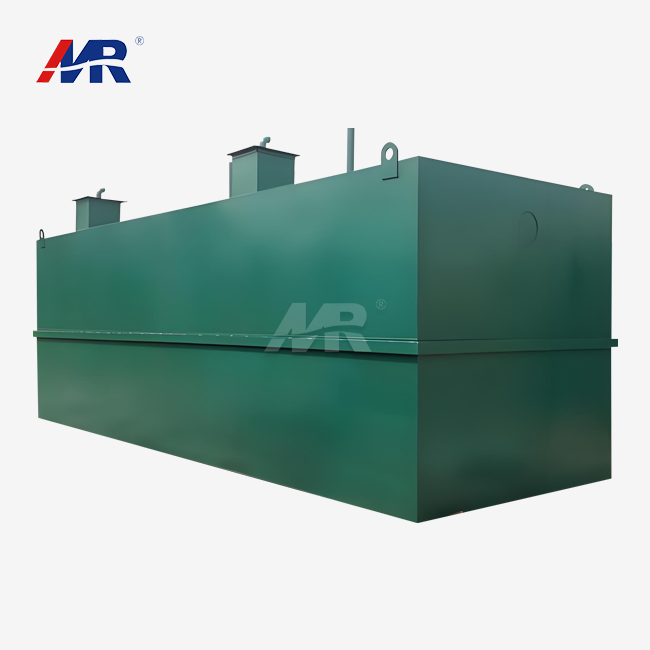 VIEW MOREwaste water treatment system
 VIEW MOREwater ultrafiltration system
