

_1745823981883.webp)

Scalable electrodeionization module for OEM Water Systems
When OEM water system designers have to meet rising demands for producing ultrapure water without having to deal with chemicals, scalable electrodeionization module solutions become the answer. An electrodeionization module uses ion exchange resins and DC electrical fields to remove ionic impurities all the time, so there's no need for dangerous acid and alkali renewal. In the fields of pharmaceuticals, semiconductor manufacturing, and power generation, this technology solves important problems by providing regular high-purity water and lowering business downtime and environmental impact. Scalability lets manufacturers easily change their capacity as their production needs change. This makes EDI a smart investment for manufacturers who want to keep up with the times.
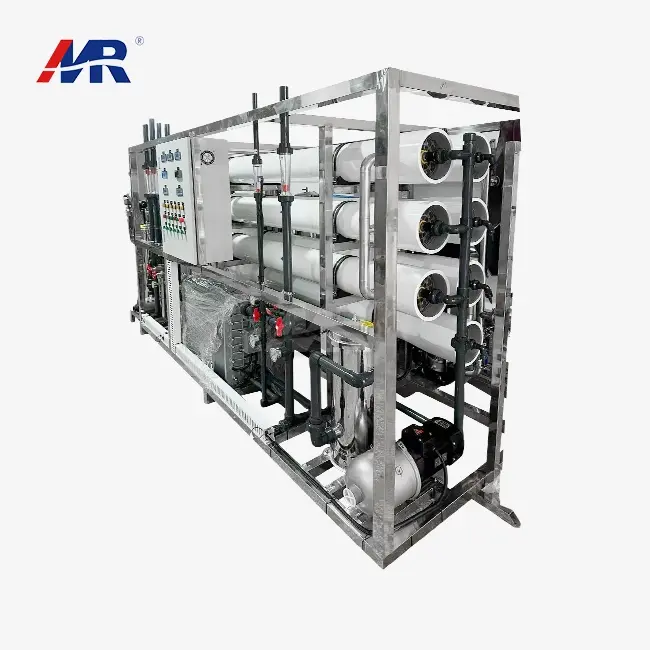
Understanding Electrodeionization Modules: Principles and Applications
Core Electrochemical Principles Behind EDI Technology
The electrodeionization module works by using ion exchange media and electric potential together in a way that makes them work better. Feed water moves back and forth between sections of ion exchange resin that are divided by membranes that swap cations and anions. When direct current is used, ions with a positive charge move toward the cathode and ions with a negative charge move toward the anode. At the same time, the electrical field breaks apart water molecules into hydrogen and hydroxide ions, which keep the resin beads growing. Traditional deionization systems have downtime and chemical waste that this electrolytic renewal gets rid of.
This creates a constant polishing stage that can get a final water resistivity of more than 18.2 MΩ·cm and usually gets rid of more than 95% of silica and boron. Unlike batch processes, this continuous operation keeps the quality of the output fixed even during long production cycles. This is important for settings where precision manufacturing is done because changes in water quality can lower product yields.
Critical Industrial Applications Demanding Scalable EDI Solutions
Pharmaceutical companies use electrodeionization modules to make Purified Water and Water for Injection that meet the strict standards set by the USP and the European Pharmacopoeia. High-temperature sanitizable types can handle repeated rounds of hot water sanitization at 80–85°C, which kills microbes without damaging the membrane. In ultrapure water systems, where even small amounts of ionic pollution can cause wafer flaws that cost millions of dollars in missed production, the electrodeionization module is used as the last step in the polishing process.
Facilities that make electricity use these modules to treat high-pressure burner feed water. Keeping silica and sodium levels very low stops turbine rust. For plating baths and rinse steps, uniform deionized water quality is helpful for electroplating processes. This improves the quality of the finish and lets water be recycled. Scalability is not a nice-to-have feature; it's a basic need because different applications need different processing rates.
Environmental and Operational Benefits of Modular EDI Systems
The electrodeionization module still uses a lot less energy per cubic meter of cleaned water than distillation methods, usually between 0.5 and 1.2 kWh/m³, based on the quality of the feed water and the goal resistivity. Compared to regular mixed-bed deionization systems, the small size takes up 60–80% less room, which frees up important floor space in crowded facilities. Chemical-free operation gets rid of the problems that come with storing, moving, and getting rid of regenerant acids and bases. This lowers both operating risk and the work that needs to be done to meet environmental standards.
Water recovery rates of 85% to 95% lower the amount of concentrated trash that needs to be dumped, which helps with environmental efforts and lowers the cost of treating wastewater. These operational benefits directly lead to lower total cost of ownership over the lifetime of the equipment. This is an important factor for financial decision-makers to consider when weighing long-term operational savings against capital investments.
Comparing Electrodeionization to Alternative Water Purification Technologies
Performance Metrics Across Competing Treatment Methods
Reverse osmosis is a good way to get rid of dissolved solids, but it only rejects 90–98% of monovalent ions, so for ultrapure uses, a second process is needed. Traditional mixed-bed ion exchange produces high-quality water, but it needs to be regenerated offline every so often with dangerous chemicals, which interrupts production and makes it hard to get rid of trash. Distillation makes very pure water, but it uses a lot of energy and costs a lot of money to build and purchase tools and facilities.
These holes can be filled by an electrodeionization module, which combines the high removal rate of ion exchange with the ability of membrane processes to work continuously. Product water quality is about the same as that of newly regenerated mixed beds, but there is no pause for regeneration. This benefit of ongoing operation is especially useful in production settings where water demand changes during shifts, since electrodeionization modules keep the quality of output constant without having to be adjusted.
Total Lifecycle Cost Analysis for Procurement Teams
When you compare the cost of cash to the cost of running the business, electrodeionization modules show strong economic benefits. Getting rid of the need to buy chemicals, build storage facilities, and get rid of toxic trash quickly lowers ongoing costs. Since there are no renewal processes to watch or chemicals to handle, a lot less maintenance work is needed. When making resistivities above 10 MΩ·cm, the amount of energy used per unit of product water is usually less than that of other methods.
With the right preparation, equipment can last for 5–10 years, while in traditional ion exchange systems, the resin needs to be replaced every few years because of fouling or chemical breakdown. These lifecycle factors often show that higher original capital costs are recouped within 18 to 36 months through practical savings. This makes the electrodeionization module a good choice for businesses that need to save money on purchases.
Scalability Considerations for OEM System Integration
Adding parallel stacks instead of changing whole systems is how modular design architecture lets capacity grow. This incremental scalability fits the use of capital to the growth of real production, so companies don't have to spend too much on extra capacity. Standard mounting measurements and connection ports make it easier to integrate into OEM systems that are already in use. This saves time and money on engineering development.
When OEM makers make skid-mounted systems for client sites that don't have a lot of room, footprint economy becomes very important. A 500-liter-per-hour electrodeionization module takes up about the same amount of floor space as a single office desk. This means that customers with limited installation spaces can get systems that are small and easy to set up. This edge in space is often the deciding factor when rival technologies can't meet the layout needs of a certain spot.
How to Choose the Best Scalable Electrodeionization Module for Your OEM Water System
Assessing Feed Water Characteristics and Pretreatment Requirements
As feed water, most electrodeionization module systems need reverse osmosis extract with a conductivity of less than 40 μS/cm. To keep the calcium carbonate from scaling in the concentrate tanks, the hardness must stay below 1.0 ppm. High levels of carbon dioxide make the electrical load higher. Ideally, membrane contactors should be used to lower the levels below 5 ppm before the electrodeionization module step. Total Organic Carbon amounts above 0.5 ppm can damage ion exchange resins, so the right cleaning needs to be done upstream.
Silica is especially hard to work with because high amounts of colloidal forms can form on membranes. Not only should the total dissolved solids be recorded in the feed water, but also the specific ionic makeup, which should include chlorides, sulfates, and silicates. This full description lets you choose the right module, guess the working voltage needed, and focus on the disposal needs. The main reason modules fail early is still poor preparation, which makes this review step very important.
Key Technical Specifications Matching System Demands
Depending on the size of the cell and the quality of the water, the operating voltage is usually between 150 and 600 volts DC. Power usage specs should be compared to the electrical equipment that is already in place at installation areas. The flow rate capacity needs to be able to handle both normal demand and high production times, with enough safety gaps to keep things from getting too full.
The product water quality standards should make it clear what the goal resistivity is and what the highest amounts of silica, total organic carbon, and microbial contamination are that are allowed. For some uses, you need extra Certifications, like FDA approval for materials that come into contact with pharmaceutical-grade water or special testing protocols that prove performance in hot water sanitization conditions. To make sure that pumping systems are the right size, technical data sheets should show how much pressure drops across the whole range of working flows.
Supplier Evaluation Beyond Product Specifications
Having a good brand image in your business can help you lower your risks. When talking about application engineering, it's helpful to have suppliers who have installed their Products in medicine, electronics, or power generation settings. Different makers offer very different warranty terms. Three to five years of full coverage for both membranes and resin shows that the company is confident in the product's reliability.
How quickly operational problems can be fixed depends on the system for after-sales help. We've seen that providers with local service centers and new parts that are easy to get reduce the risk of downtime more than those who need to ship parts from other countries. Base-level certifications, like ISO 9001 for quality control in manufacturing and CE marking for electricity safety, are important. For food and pharmaceutical uses, however, industry-specific certifications, like 3A Sanitary Standards, are more important.
Installation, Operation, and Maintenance Best Practices for Scalable EDI Modules
Site Preparation and System Integration Guidelines
To safely run DC power systems, installation places need to have enough electricity and the right kind of grounding. The temperature outside should stay between 5°C and 35°C for the best resin performance and membrane stability. Feed water supply lines need to have the right flow control and pressure management to keep the inlet pressure between 25 and 60 psi, based on the module's requirements.
Vibration-isolated supports are needed for physical placement because too much mechanical stress can damage internal seals. The concentrate and product water release lines need to be the right size to avoid back-pressure that could damage the membrane. To keep interference from happening, electrical connections need to be made by trained technicians who know how to work with DC power systems and must be properly separated from other electrical equipment in the building.
Operational Monitoring for Peak Performance
Keeping an eye on the stack voltage can help you spot fouling or scaling problems early on, since rising voltage at steady flow means that electrical resistance is rising inside the module. The water conductivity or resistance of the product should be constantly checked, and if the quality goes below what is required, the machine should shut down automatically. Checking the concentration flow rate makes sure that the right amount of ions is being removed and stops concentration polarization, which can damage membranes.
The difference in pressure across the module shows any issues with flow distribution or the buildup of particles. Keeping track of these factors over time in operating logs lets you look at trends that can tell you when repairs need to be done before they affect production. Many modern controllers combine these tracking features with automated warnings and the ability to link from afar to allow for proactive management of repair.
Preventative Maintenance Schedules Extending Equipment Life
Depending on the quality of the feed water, cleaning cycles happen every three to six months on average. These cycles use approved cleaning solutions that get rid of organic gunk and mineral scaling without hurting the resins or membranes. Concentrate circuit cleaning keeps salt from building up in places with low flow. Electrical contact checking makes sure that power is delivered reliably and without any resistance that could heat up certain areas.
During yearly maintenance shutdowns, resin and membrane inspections can find physical damage or decline early on. Replacement of worn-out parts on timetables set by the maker keeps production from being interrupted by sudden breakdowns. Keeping thorough records of maintenance is necessary for guaranteeing claims and gives useful information for improving pretreatment systems or changing working settings.
Future Trends and Innovations in Electrodeionization Module Technology
Materials Innovation: Enhancing Durability and Efficiency
Newer membrane formulations make them more selective while lowering their electrical resistance. This lowers their running costs and makes them last longer. New ion exchange resin chemicals are less likely to get clogged up by organic molecules and are more stable when they are being cleaned. These changes to the materials make it possible for higher flow rates per unit volume. This means that fewer modules are needed for the same amount of capacity, which makes system design easier.
Combining the electrodeionization module with other membrane technologies in hybrid setups makes treatment trains that work better with difficult water mixtures. Adding extra polishing steps or membrane contactors for demanding semiconductor applications or removing CO2 before EDI shows how modular methods let you make solutions that fit your needs without having to completely remake core technologies.
Automation and Smart Monitoring Technologies
Connecting things to the internet lets you check on their performance from afar and send them maintenance alerts based on machine learning algorithms that look at operational trends. Automatic chemical cleaning processes that are set off by performance limits cut down on manual work and stop fouling from getting worse over time. When water treatment is connected to building management systems, it can change based on production plans, using less energy when demand is low.
Operators can find the best working settings and fix problems without having to try things out on real production equipment by using digital twins that simulate how modules work in different situations. These smart systems make day-to-day tasks easier for people who don't have a lot of specialized knowledge, while still being able to do deep diagnostics when engineers are needed.
Sustainability Drivers Accelerating EDI Adoption
Electrodeionization module technology that doesn't use chemicals is becoming more and more appealing from a legal point of view as rules target industry chemical use and wastewater release. Companies that want to be environmentally friendly choose which water treatment technologies to use by looking at how much energy, chemicals, and trash they produce. EDI clearly has more benefits than these methods. The circular economy encourages recycling, and technologies like electrodeionization that allow high-recovery operation with little concentrate waste are favored.
As the lack of water gets worse in industrial areas around the world, technologies that increase recovery rates while keeping quality will no longer be nice to have; they will be necessary to stay competitive. Electrodeionization modules, which are good at both protecting the environment and running efficiently, can handle these pressures that commercial water users are facing at the same time.
Conclusion
Scalable electrodeionization modules are an advanced technology that is still changing and growing to meet the needs of many different industrial uses. The modular scalability, chemical-free operation, and steady high-quality output all work well together to meet both current operating needs and future environmental needs. When the right care is taken with pre-treating the feed water, choosing the right modules, and following the rules for preventative maintenance, these systems work well and last a long time. As pressure mounts on factory companies to lower their effect on the environment while still meeting strict quality standards, electrodeionization module technology has been shown to be a useful way to balance these sometimes conflicting goals.
FAQ
1. What feed water quality does an EDI module require?
The usual feed is reverse osmosis effluent with a conductivity of less than 40 μS/cm. Calcium carbonate must keep the hardness below 1.0 ppm, and carbon dioxide should try to stay below 5 ppm to keep the electricity load as low as possible. A thorough study of the water helps find specific contaminants that need to be removed before cleaning.
2. How long do EDI modules typically last in operation?
High-quality electrodeionization modules that have been properly treated will give you 5 to 10 years of steady service. The actual lifespan depends a lot on how consistent the feed water quality is and how well upkeep plans are followed. It's possible that pharmaceutical-grade units made for hot water sanitization will last longer than industrial models.
3. Can EDI remove dissolved gases like carbon dioxide?
Electrodeionization can get rid of dissolved CO2, but when there are high amounts, the power and energy used go up. When the feed water has a lot of carbon dioxide in it, we suggest using a membrane contactor to remove the gas. This makes the whole system more efficient and lowers the cost of running it.
4. What causes sudden voltage increases during operation?
Rising stack voltage usually means that there is scaling in the concentrate cells or resin fouling, which are both generally caused by not pretreating well enough. Finding the root reasons is easier when you look into the quality of the feed water and the flow rates of the concentrate right away. Taking quick corrective action can keep membrane or resin damage from becoming permanent.
Partner with Morui for Your Electrodeionization Module Needs
OEM system designers looking for reliable electrodeionization module providers can get help from Guangdong Morui Environmental Technology, which has been treating water for more than 14 years. Our engineering team of twenty experts offers full application support, from analyzing feed water to setting up systems and teaching operators. We keep our prices low while keeping quality under control at every stage of production, thanks to our own membrane production center and various equipment processing plants.
Our combined service method includes providing equipment, overseeing installation, and helping with commissioning. This makes sure that it fits perfectly with your OEM platforms. We sell well-known brands like Shimge Water Pumps and Runxin Valves, so you can get everything you need for your system from a single, reliable source. You can email our technical team at benson@guangdongmorui.com to talk about your specific application needs and get thorough plans that are made to fit your capacity, water quality, and site limitations.
References
1. American Society for Testing and Materials. (2021). ASTM D5127-13: Standard Guide for Ultra-Pure Water Used in the Electronics and Semiconductor Industries. West Conshohocken: ASTM International.
2. Ganzi, G.C., Wood, J.H., and Griffin, R.J. (2018). Electrodeionization: Theory and Practice in Continuous Electrodeionization. Water Treatment Technology Journal, 42(3), 112-128.
3. Alvarado, L. and Chen, A. (2019). Electrodeionization: Principles, Strategies and Applications. Electrochimica Acta, 132, 583-597.
4. United States Pharmacopeial Convention. (2020). USP 43-NF 38: Water for Pharmaceutical Purposes. Rockville: United States Pharmacopeia.
5. Semiconductor Equipment and Materials International. (2019). SEMI F63-0309: Guide for Ultrapure Water Used in Semiconductor Processing. Milpitas: SEMI International Standards.
6. Lipnizki, F. and Trägårdh, G. (2017). Modeling of Temperature and Concentration Effects on Permeability in Membrane Separations. Journal of Membrane Science, 280(1-2), 325-338.
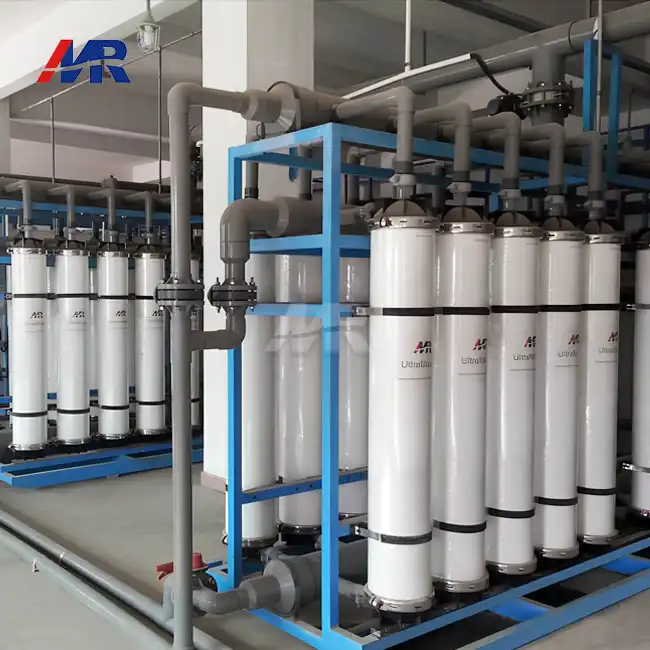 VIEW MORE200m3/hour ultrafiltration equipment
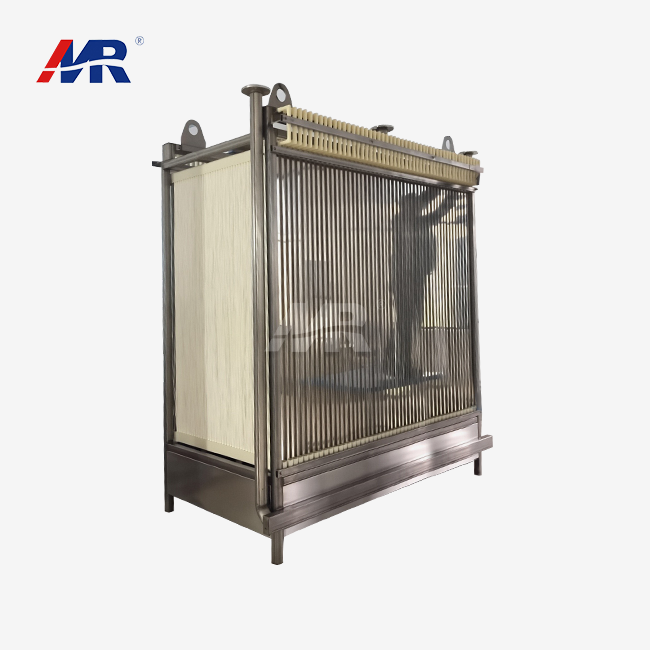 VIEW MOREsubmerged membrane bioreactor
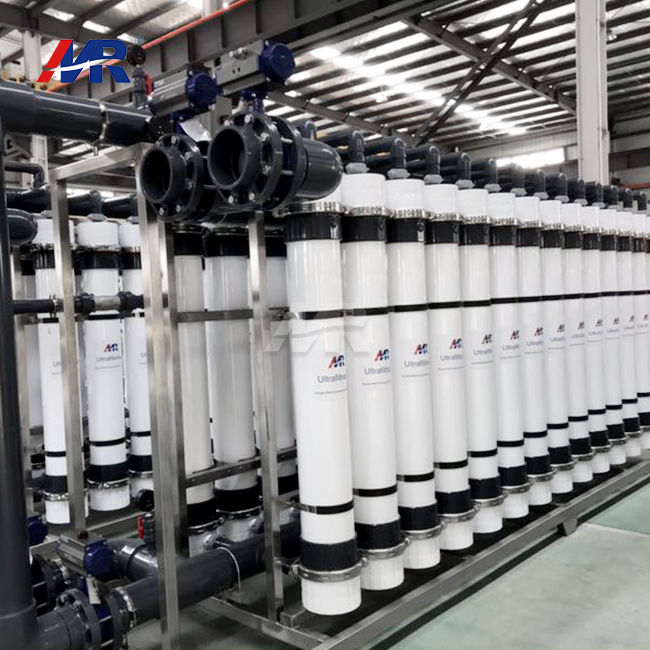 VIEW MOREultrafiltration machine
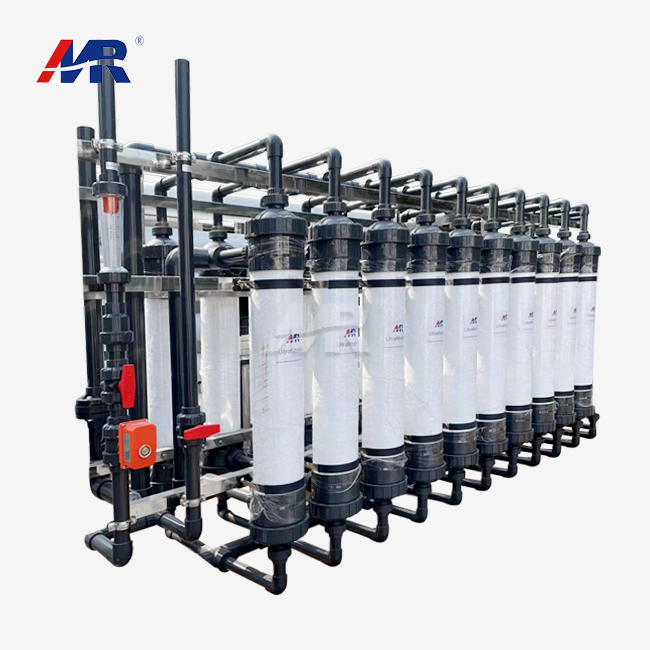 VIEW MOREultrafiltration drinking water system
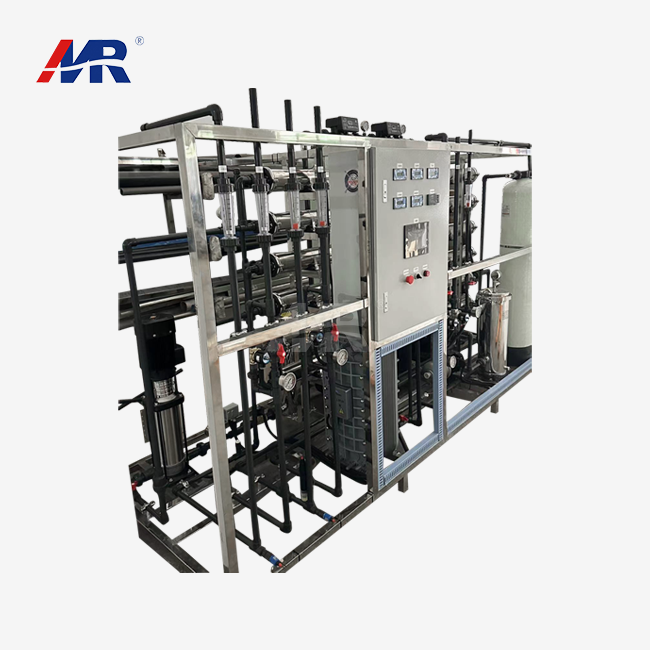 VIEW MOREedi water treatment system
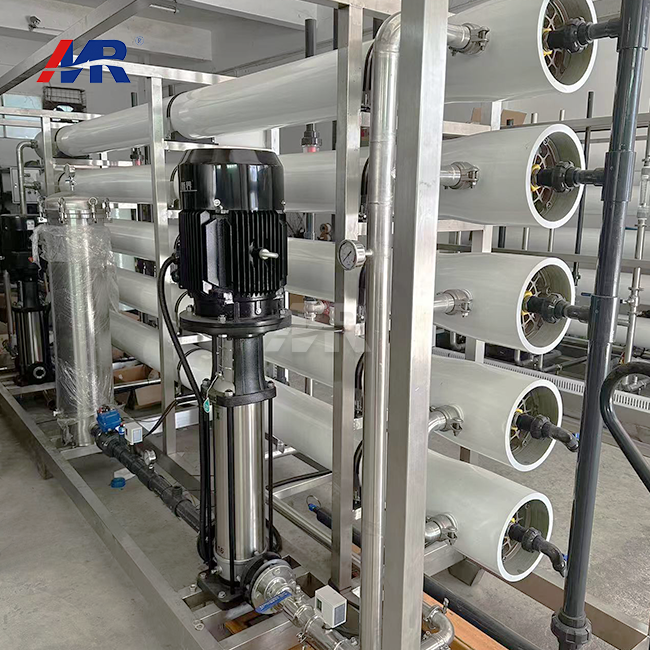 VIEW MOREosmosis water purification system
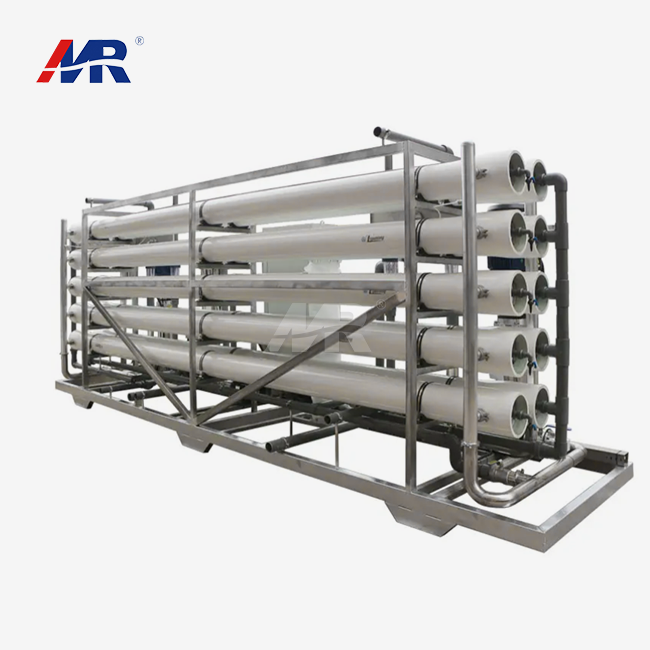 VIEW MOREbrackish water reverse osmosis systems
 VIEW MORE100m3/hour reverse osmosis system
