

_1745823981883.webp)

Landfill Leachate Treatment System Installation Guide: Best Practices and Tips
A landfill leachate treatment system must be properly built and implemented by a technical expert to handle the nasty, problematic liquid produced when rubbish breaks down. Successful landfill leachate treatment removes organic molecules, heavy metals, and ammonia using biological, chemical, and membrane-based methods like DTRO. This purifies water for reuse or replanting. This handbook helps procurement managers, engineers, and building owners with installation, technology selection, pricing, and supplier evaluation. This ensures your site follows the regulations, works effectively, and lasts.
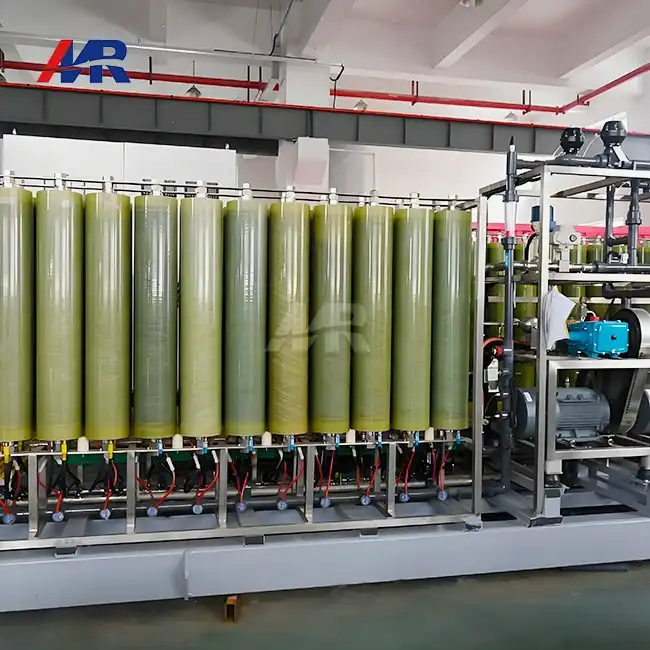
Understanding Landfill Leachate and Its Treatment Challenges
Discover trash discharge and its cleanup challenges. Rainwater seeping through rubbish in a landfill breaks down and transfers heavy metals, non-biodegradable compounds, and recyclable organics. Depending on the dump's age, waste kind, season, and temperature, the liquid fluctuates a lot. Initial leachate from most landfills is rich in BOD and volatile fatty acids. As landfills age, they create ammonia-rich, BOD-poor waste that is hard for living organisms to break down.
Why Leachate Characteristics Matter for System Design
This is why groundwater quality matters for system design. Your leachate profile will determine the landfill leachate treatment technology you use and how successfully. Strong organic compounds support aerobic and anaerobic biological activities. Nitrification-denitrification or sophisticated physical procedures can assist ammonia-rich streams. Lead, cadmium, and mercury must be eliminated before membrane restoration. Ion exchange or chemical precipitation can achieve this. Engineers can utilize COD, BOD, ammonia nitrogen, total dissolved solids, and heavy metal ratios to design treatment trains.
Regulatory Compliance Drives Technology Investment
People must follow guidelines to invest in IT. Local, state, and government wastewater discharge regulations are tightening worldwide. Facilities must follow Clean Water Act NPDES licensing standards. Businesses that break the law might lose money, shut down, and damage their reputation. This may hinder their long-term success. Choose proven, legal cleaning procedures from the start. Save groundwater and public water sources and avoid legal issues.
Key Landfill Leachate Treatment Methods and Technologies
Several methods can achieve landfill leachate treatment. Modern leachate management remediation methods depend on contaminants and leachate discharge. The best wastewater treatment technologies include chemical conditioning, physical separation, and bacterial degradation to fulfill tight criteria.
Biological Treatment Options
Alternative biological treatments. Aerobic microorganisms devour organic waste. This reduces BOD and COD in young wastewater. Sequence batch reactors (SBR), moving bed biofilm reactors (MBBR), and activated sludge reactors manage different flow rates. Biogas may be utilized to generate energy from organic substances. This method works with strong leachate. Biological approaches seldom achieve release requirements alone; they must be upgraded later.
Membrane Filtration Technologies
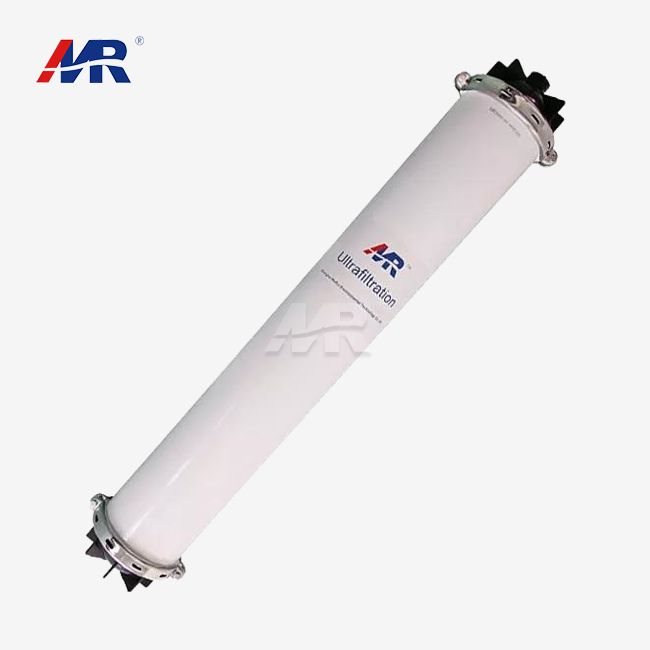
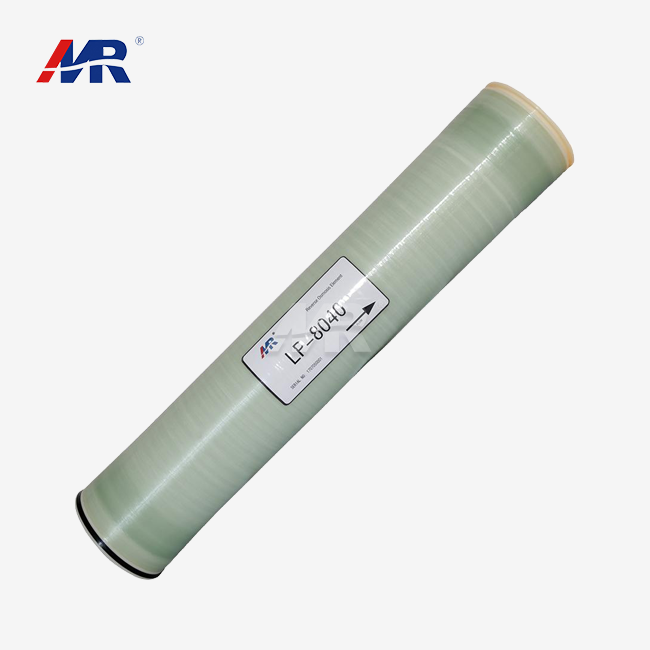
Different membrane-filtering methods. Modern leachate treatment uses membrane-based separation to remove contaminants and maintain effluent quality. Ultrafiltration (UF) removes water-borne bacteria, proteins, and solids first. This protects downstream tools. Reverse osmosis (RO) and DTRO employ high pressure to drive water molecules through semi-permeable membranes to remove salts, organics, and other dissolved contaminants.
DTRO disk-tube technology can concentrate fouling-laden feeds 6–8 times, making it helpful for leachate. It's compact and quick to set up. It prolongs membrane life by creating turbulent flow patterns that prevent sticking. A concentrated refuse stream is treated or dried. After degassing and pH correction, the permeate fulfills tight discharge regulations.
Best Practices for Installing a Landfill Leachate Treatment System
Systems must be installed with organized planning, skilled performance, and thorough proof for decades of reliability. By following proven landfill leachate treatment approaches, you may avoid difficulties that typically arise with rapid initiatives.
Comprehensive Site Assessment and Planning
Complete site study and plan. Complete location analysis is the first stage in finding the optimal strategy. To calculate daily and seasonal leachate production, use water balance estimations that account for rainfall, evaporation, and waste type. Sample leachate at different times of year to observe how it varies and how your equipment needs to be adjusted. To determine where you can place items and what linkages you require, check your space, services, and infrastructure.
Each area's cleaning laws for landfill leachate treatment specify tools and system size. Some effluent from landfill leachate treatment can be routed straight to adjacent treatment plants if prepared properly. It must be treated on-site somewhere to fulfill surface water quality regulations for landfill leachate treatment. If you anticipate these demands for landfill leachate treatment, you won't have to adjust your plans and pay extra.
Commissioning and Performance Validation
Work begins, and quality is checked. Commissioning systems ensure that tools are safe, workers understand them, and the design works. Flushing systems, checking valves, calibrating instruments, and checking automatic processes without load are part of the procedure. Change biological planting, chemical dosing rates, and membrane working pressures while monitoring runoff quality. Add wastewater gently.
The system satisfies release criteria regardless of leachate conditions, according to performance reviews. Long practice runs that span weeks gather data on dependability, performance, and basic rules. Long-term building managers utilize running instructions, care plans, and troubleshooting manuals.
Cost and ROI Analysis for Landfill Leachate Treatment Systems
Analysis of landfill leachate treatment system costs and profits. Money issues are crucial when choosing a tool and approving a project. Thus, financial investment benefits and risks, and continuing expenses must be carefully considered.
Capital Investment Components
Capital investment components. Capital investment is mostly in robust equipment, including tanks, pumps, fans, membrane systems, chemical dosing systems, and control systems. A medium-sized DTRO-based leachate treatment system that processes 50,000 to 100,000 gallons per day costs $800,000 to $2,000,000. The actual amount depends on treatment complexity and technology utilization. Installation labor, construction work, piping, and power equipment represent 30%–50% of tool costs.
They design, get approvals, and manage the project to ensure the construction is lawful. These services account for 10–15% of capital investment. Ten to twenty percent of the budget is left aside for unanticipated site, project scope, or supplier chain issues. This is because complicated projects might have issues.
Operating Expenses and Efficiency Optimization
Reducing expenses and improving efficiency. Chemicals, labor, maintenance, electricity, new membranes and goods, and concentrate removal are ongoing expenditures. Depending on the leachate strength and recovery speed, membrane systems use $0.50 to $1.50 per 1,000 gallons of treated water. This cost fluctuates the most. Chemicals that clean, modify pH, and coagulate cost $0.20–$0.80 per 1,000 liters.
Prices for DTRO modules range from $20,000 to $60,000. The membranes should be replaced every 3–7 years, depending on module preparation and use. Properly prepared and cleaned membranes last longer and cost less. Automatic control systems that pick the appropriate pressure, flow rates, and cleaning procedures reduce work and improve performance.
Choosing the Right Landfill Leachate Treatment Supplier and System
Choose the Best Company and Method for handling landfill leachate treatment. As crucial as choosing the proper tool for a project is choosing the correct source. Consider the provider's professionalism, service guarantees, and financial stability.
Evaluating Supplier Credentials and Experience
Making sure vendors are qualified and experienced. Consider whether possible partners have worked with leachate removal systems of similar size and complexity. Review case studies, reference plans, and client reviews to ensure good work and long-term support. People who research, produce, and service their own Products may offer many options and timely assistance throughout an item's existence.
Even the hardest wastewater treatment jobs are handled by Guangdong Morui Environmental Technology Co., Ltd. Morui can make tools, put them up, and turn them on. Over 14 locations, 500 people, and 20 competent developers work for it. We control quality and supply using our membrane plant. Using leading component manufacturers like Createc Instruments, Shimge Water Pumps, and Runxin Valves, we provide tested and compatible solutions. Because we have worked with wastewater from industries, local usage, and specialist procedures like desalinating saltwater, we can provide robust leachate solutions that are applicable in various scenarios.
Service and Support Considerations
Help and Service Thoughts for Landfill Leachate Treatment. Companies provide worker training, setup assistance, installation control, and preventative maintenance in their entire service packages for landfill leachate treatment. A guarantee that covers equipment defects for 12–24 months and membrane stability for 3–5 years for landfill leachate treatment helps protect your money when starting significant projects. Rapid problem resolution is possible via expert hotlines, remote testing, and field service networks for landfill leachate treatment.
Extra pieces affect how long activities last. Thus, suppliers with lots of stock and low wait periods are ideal partners. Common parts for all tools simplify maintenance and reduce stock. Giving suppliers written performance pledges shows you trust them. So everyone has an incentive to achieve.
Procurement Process Best Practices
Best purchasing methods. Structured procurement, starting with RFP documentation, simplifies discussing needs and comparing suppliers without prejudice. In request papers, discuss pollutants, treatment goals, site restrictions, guidelines, and expected performance. Request thorough technical blueprints, cost breakdowns, project schedules, and references for a complete evaluation.
Pilot experiments at similar locations or with mobile treatment units can reveal how well the technique performs. This reduces the risk of large-scale investment. Discuss a defined scope, modification orders, goal-based payment conditions, the commitment, and reasonable approaches to resolve issues. It's simpler to address problems and improve things throughout the project and beyond when you develop connections with your providers.
Conclusion
That stated, a landfill leachate treatment system is expensive, but it protects the environment, ensures compliance, and lasts. To succeed, you must understand leachate, choose the proper technology (such as DTro membrane systems), put them up effectively, and collaborate with qualified people. Full planning, meticulous site inspection, and stringent quality control prevent costly mistakes and ensure long-term work. A financial analysis that compares cash expenses to savings and risk can help people make good decisions. Strong partners like Morui, which plans, makes, and serves, will help the project go successfully. Properly built up systems preserve water resources, prolong facility life, and care for the environment. These matters in today's political and social climate.
FAQ
1. What factors determine the best treatment method for my landfill leachate?
How does the finest landfill leachate treatment depend on? The kind of leachate (BOD/COD ratio, ammonia content, heavy metals), the volume of discharge, site area, and operational tools determine the cleaning procedure. Young sites with lots of organic waste should be organically cleaned and membrane-polished. Mature areas with mostly ammonia waste require physicochemical approaches or sophisticated membrane systems like DTRO. In order to employ technology that works for you and within the law, explain the problem in detail and chat with experienced service providers.
2. How long does a typical installation take from planning to operation?
How long do updates take to plan and run? How difficult the system is to install and how ready the region is determine installation times. It takes two to four months to plan and build, three to six months to produce the equipment, and two to four months to install. One to two months are needed for commissioning and performance confirmation. From project start to finish, most systems require 8–16 months. Hard-to-install items may take longer than expected due to building work or permission concerns. Early provider involvement and an experienced project manager can help things go well.
3. What maintenance practices ensure long-term system efficiency?
How do you maintain the system for long-term performance? Regularly repaired tech works better and lasts longer. Every day, they must modify chemical dosages and monitor waste flow, pressure, and cleaning. Weekly filter cleaning and fan maintenance are required. Monthly chemical cleaning stops irreparable fouling on the membrane. Material replacement, tool calibration, and mechanical equipment repair must be done annually. Preventive maintenance, personnel training, and spare parts may keep treatment running well for decades.
Partner with Morui for Reliable Landfill Leachate Treatment Solutions
Find dependable landfill leachate treatment methods with Morui. To address leachate concerns, you need expertise, proven technology, and dedicated service. For dependable landfill leachate treatment, Morui accomplishes all of these. Our consistent technique uses contemporary DTRO membrane systems, biological treatment platforms, and automation technologies to create site-specific solutions. Since we create membranes and instruments, we can maintain quality while reducing costs and wait times. Our 20 tech-savvy engineers design systems, manage installations, and improve operations. That way, your money lasts for years.
The Morui "one-stop service model" handles planning, procurement, construction, and finishing in one spot, thus one person does everything. Special-purpose treatment systems have been supplied to commercial rubbish dumps, local landfills, and other locations worldwide. We partner with leading component producers to ensure our hardware is robust, easy to maintain, and has excellent support networks. Contact us at benson@guangdongmorui.com to discuss your leachate treatment needs and see how Morui's proven technologies may help you comply, save money, and become green. Moruiwater.com offers free quotes and information on all our services.
References
1. Renou, S., Givaudan, J. G., Poulain, S., Dirassouyan, F., & Moulin, P. (2008). Landfill leachate treatment: Review and opportunity. Journal of Hazardous Materials, 150(3), 468-493.
2. Kulikowska, D., & Klimiuk, E. (2008). The effect of landfill age on municipal leachate composition. Bioresource Technology, 99(13), 5981-5985.
3. Deng, Y., & Englehardt, J. D. (2007). Electrochemical oxidation for landfill leachate treatment. Waste Management, 27(3), 380-388.
4. Amor, C., De Torres-Socías, E., Peres, J. A., Maldonado, M. I., Oller, I., Malato, S., & Lucas, M. S. (2015). Mature landfill leachate treatment by coagulation/flocculation combined with Fenton and solar photo-Fenton processes. Journal of Hazardous Materials, 286, 261-268.
5. Zheng, M. H., Bao, S. D., Wu, Y. N., & Chen, G. (2019). Disk tube reverse osmosis (DTRO) technology for landfill leachate treatment: Operational performance and membrane fouling analysis. Environmental Science and Pollution Research, 26(17), 17253-17262.
6. Trebouet, D., Schlumpf, J. P., Jaouen, P., & Quemeneur, F. (2001). Stabilized landfill leachate treatment by combined physicochemical-nanofiltration processes. Water Research, 35(12), 2935-2942.
 VIEW MOREultrafiltration membranes for water treatment
 VIEW MORE2m3/hour seawater desalination equipment
 VIEW MOREreverse osmosis membrane
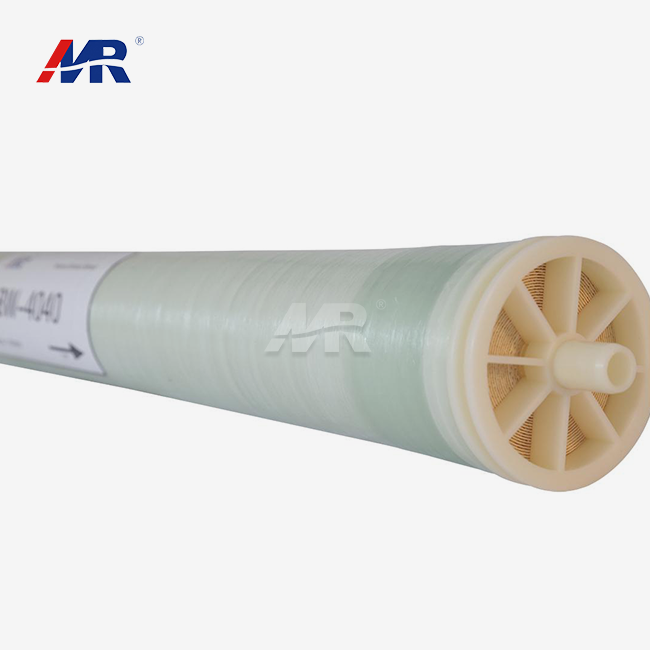 VIEW MOREindustrial reverse osmosis membrane
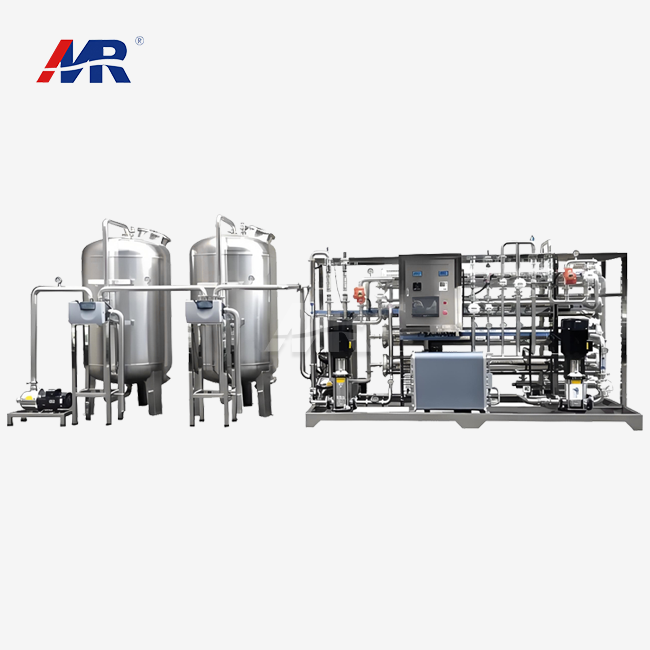 VIEW MORE2000LPH EDI system
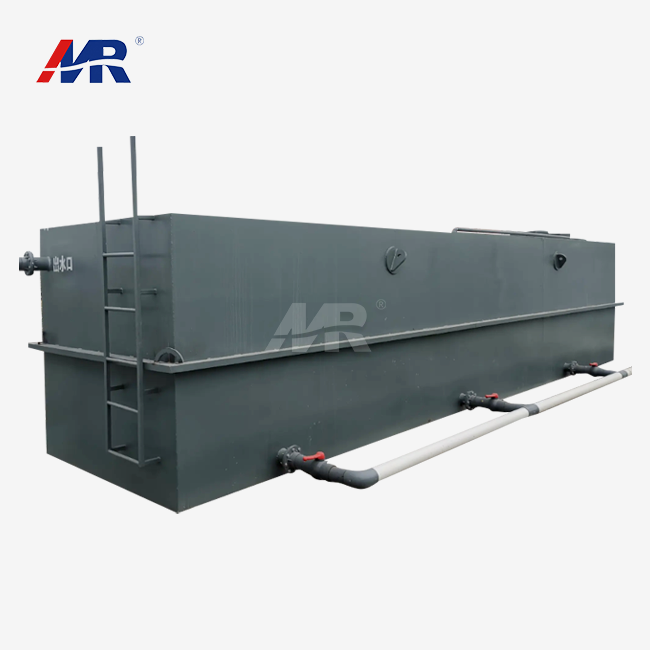 VIEW MOREdomestic wastewater treatment plant
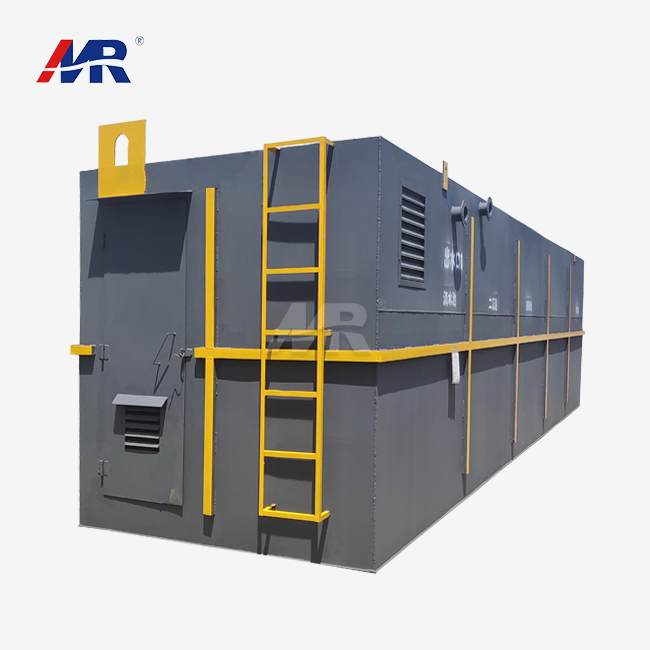 VIEW MOREhome wastewater treatment plant
 VIEW MORELandfill Leachate Treatment Plant
