

_1745823981883.webp)

Effective Methods for Monitoring and Maintaining Landfill Leachate Systems
Waste runoff systems must be regularly examined and maintained to avoid groundwater contamination and comply with standards. Leachate management includes the use of real-time tracking systems, the use of modern treatment technologies as DTRO membrane systems, and the establishment of frequent repair programs to address operational issues before they worsen. Leachate management protects local ecosystems, reduces cleaning costs, and indicates civic and business waste sites care about the environment.
Understanding Landfill Leachate and Its Management
Waste management organizations face one of the most severe environmental issues: landfill leachate. Rain, snow, and groundwater dissolve organic and inorganic compounds in decomposing waste. This filthy liquid results.
Composition and Environmental Risks
Leachate contains lead, mercury, dissolved organic matter, floating solids, ammonia nitrogen, and xenobiotic organic compounds. The composition varies depending on the age of the waste, how the landfill is formed, the goods dropped, and the annual rainfall. Younger landfill leachate has higher biological and chemical oxygen demand. Older landfill leachate has more ammonia and less biodegradability.
Regulatory Framework and Compliance Requirements
Global environmental security authorities have severe wastewater treatment requirements. American groundwater protection involves extensive monitoring and maximum pollutant levels under the Resource Conservation and Recovery Act. Facilities must take frequent samples, analyze them in a lab, and retain detailed records of treatment efficacy to prove compliance.
Key Methods for Effective Monitoring of Landfill Leachate Systems
Continuous surveillance allows personnel to notice performance changes before they influence treatment efficiency or regulatory compliance, enabling responsive leachate management.
Establishing Optimal Sampling Protocols
How often samples are obtained depends on facility size, leachate production, and regulatory regulations. Sample once a week during peak generation at high-volume locations. Smaller firms should sample every two weeks or a month. Sample collection locations should include raw leachate holding tanks, intermediate treatment stages, and final discharge sites to trace leachate removal along the treatment train. Proper sampling involves using the necessary instruments, collecting samples at regular intervals, and storing them according to analytical technique instructions.
Implementing Real-Time Monitoring Technologies
Automated sensor networks continuously communicate data, revealing practical patterns that grab sampling cannot. Modern pH meters, conductivity probes, turbidity sensors, and dissolved oxygen monitors relay data to central control systems. Flow meters measure leachate production and treatment speed. It aids hydraulic load management and capacity planning. Online ammonia testers and COD monitors allow sophisticated facilities to make process modifications immediately when influent characteristics change.
Proven Techniques for Maintaining and Optimizing Leachate Treatment Systems
Systematic repair maintains equipment dependable and treatment performing well in various operational conditions during its lifetime.
Preventive Maintenance Schedules
Structured repair plans prevent minor issues from becoming costly system failures. Membrane cleaning is essential for reverse osmosis and ultrafiltration facilities. Organic fouling, mineral scaling, and biological growth make membranes less permeable and increase working pressures. Regular chemical cleaning removes them. Pump maintenance involves lubricating bearings, inspecting seals, and changing the impeller at specific periods based on the manufacturer and your experience.
Advanced Treatment Technologies
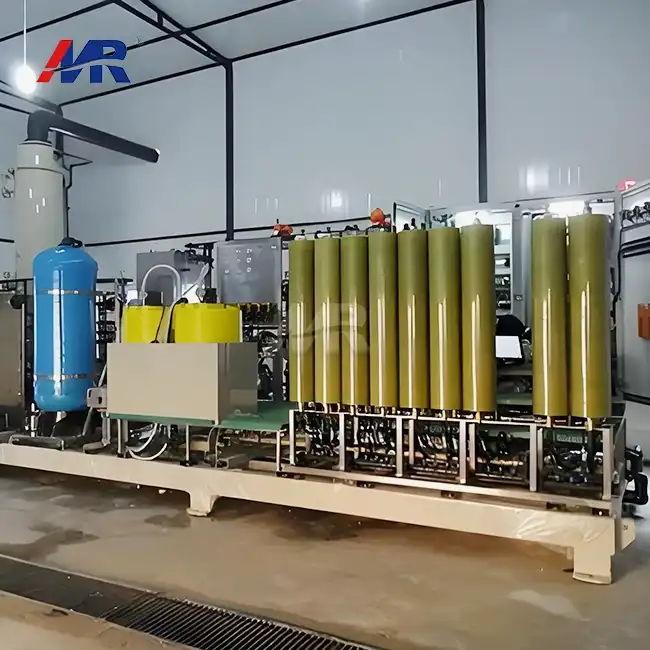
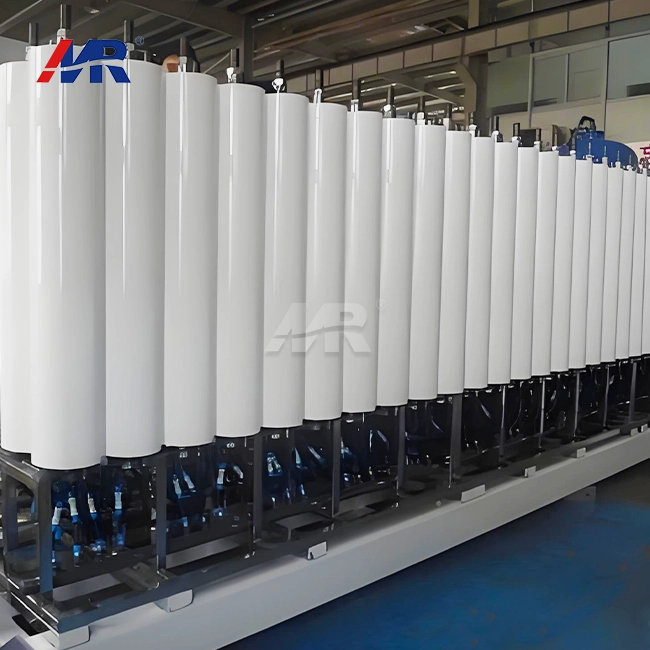
Disk Tube Reverse Osmosis technology has transformed waste treatment for places that seek to remove as many pollutants as possible with minimal effect on leachate management. DTRO devices employ high pressure to drive water molecules past barriers and concentrate dissolved pollutants for leachate management. The method concentrates six to eight times, reducing the volume that has to be treated or discarded and recovering high-quality permeate that may be reused in leachate management. Preparation stages, including basket, sand, and cartridge filtering, prevent membrane clogging in these systems for leachate management. Already handled, the leachate enters the high-pressure pump and is separated in the DTro membrane stack for leachate management. After treatment, the permeate is degassed and pH corrected, while the concentrate is returned to the holding tanks for processing or disposal in leachate management. Two-stage DTROs create effluent that fulfills tight discharge regulations in leachate management, allowing for greater rejection rates.
Comparing Leading Leachate Treatment Solutions for Today's Businesses
The choice of technology affects substantial investment costs, operating complexity, long-term maintenance costs, and treatment results.
Biological versus Membrane Filtration Approaches
Biological therapy employs environmental microorganisms to nitrify ammonia and break down organic contaminants. Sequencing batch reactors, moving bed biofilm reactors, and membrane bioreactors are inexpensive ways to create biodegradable wastewater streams. These systems must manage liquid oxygen, nutrients, and biomass to maintain bacteria populations.
Ultrafiltration, nanofiltration, microfiltration, and reverse osmosis separate contaminants by molecule size, not biological activity. Biological processes are less dependable than membrane systems at handling changing input characteristics. They remove hard-to-biodegrade substances better and take up less space, making them perfect for small spaces. Pump energy expenditures, membrane replacement expenses, and managerial chores are drawbacks.
Evaluating System Scalability and Flexibility
Future expansion of modular cleaning systems does not need equipment rebuilding. Plant-assembled containerized treatment units with controls are sent. This makes them quick to set up and permits capacity expansions by adding modules simultaneously. This strategy is ideal for slow-developing sites or those unsure about their leachate production. Custom-engineered systems require longer implementation durations and more upfront engineering expenses for optimum results.
Procurement Tips: Choosing and Partnering with Reliable Leachate Treatment Suppliers
The correct supplier for leachate management influences whether treatment investments perform as intended during their service life. This means analyzing partnerships for leachate management is as crucial as technology.
Essential Supplier Evaluation Criteria
Quality standards like ISO 9001 demonstrate a company's commitment to production and process management. Trash management providers with environmental management Certifications follow environmental principles. See if vendors have dealt with comparable facilities, leachate, and legal circumstances in their project portfolios. Performance claims should include pollutant removal rates, system uptime, and warranty-backed compliance assurance clauses.
Technical Support and Service Capabilities
Excellent equipment providers provide comprehensive after-sales support. Check operations staff and repair technician training programs to ensure they can transmit information and manage the system independently. Check for spare components and how long they will take to arrive, especially membranes, filters, and chemical dosage supplies, which are consumed quickly. Remote tracking and diagnostics help address business issues with minimal downtime.
Building Long-Term Partnerships
Successful supplier relationships go beyond installing equipment once. They collaborate to improve treatment outcomes. Service level agreements specify performance, response time, and escalation procedures. Regular performance assessments allow staff to discuss methods to improve, new technology, and changing legislation. Suppliers who care about their clients' success will offer system upgrades, process enhancements, and maintenance improvements to extend tool life and minimize TCO.
Conclusion
Good landfill leachate management requires tracking, maintenance, and the correct technology for the area. Continuous tracking using autonomous devices and coordinated data analysis allows individuals to take proactive measures to keep treatments running successfully and in compliance. Modern technologies like DTRO membrane systems remove impurities more efficiently, lowering ownership costs. Strategic supplier connections provide technical expertise, reliable service, and flexible solutions that can adapt to your facility's demands. Procurement specialists put their firms up for long-term environmental responsibility and financial success by considering all these aspects.
FAQ
1. How frequently should leachate monitoring occur to ensure compliance?
Leachate characteristics, facility capacity, and regulations determine monitoring frequency. Laboratory samples are taken weekly to monthly at most sites. They monitor pH, conductivity, and flow rates with equipment. Runoff-prone or difficult-to-clean sites may necessitate more frequent inspections. Innovative facilities go above regulatory minimums to identify performance trends early.
2. What are the most common operational challenges in leachate treatment?
Membrane fouling from organic molecules, mineral precipitation, and biological growth has the greatest impact on filtration. Process control is tougher when input quality fluctuates due to frequent precipitation and waste composition. Logistics and expenses might make off-site disposal of concentrated trash difficult. When planned, frequent membrane cleaning, pump repair, and sensor calibration solve these issues.
3. Can innovative technologies improve traditional leachate treatment approaches?
Ozone treatment and UV photocatalysis make it simpler to remove organic compounds that living organisms can't break down. Electrochemical treatments can target particular impurities or clean tiny areas. Combining biological prep and membrane polishing improves wastewater quality and cost by maximizing their strengths and reducing their weaknesses.
Partner with Morui for Comprehensive Leachate Management Solutions
Guangdong Morui Environmental Technology supplies ready-to-use leachate treatment systems for local and commercial waste management facilities. Our DTRO membrane systems may raise concentrations by more than six times, reducing waste while producing high-quality wastewater that fulfills discharge criteria. Complete solutions from design to installation, commissioning, and Technical support. Over 500 dedicated specialists, 20 specialized engineers, and membrane production capabilities. We collaborate with leading component manufacturers like Shimge pumps and Runxin valves to ensure system performance and longevity. Whether you run a regional landfill or manage rubbish streams in different locations, Morui provides equipment and service packages that may be customized. Contact us at benson@guangdongmorui.com to discuss your leachate management issues and learn how our expertise as a specialist supplier may improve treatment results and lower long-term expenses.
References
1. Kjeldsen, P., Barlaz, M. A., Rooker, A. P., Baun, A., Ledin, A., & Christensen, T. H. (2002). Present and long-term composition of MSW landfill leachate: A review. Critical Reviews in Environmental Science and Technology, 32(4), 297-336.
2. Renou, S., Givaudan, J. G., Poulain, S., Dirassouyan, F., & Moulin, P. (2008). Landfill leachate treatment: Review and opportunity. Journal of Hazardous Materials, 150(3), 468-493.
3. Abbas, A. A., Jingsong, G., Ping, L. Z., Ya, P. Y., & Al-Rekabi, W. S. (2009). Review of landfill leachate treatments. Journal of Applied Sciences Research, 5(5), 534-545.
4. Wiszniowski, J., Robert, D., Surmacz-Gorska, J., Miksch, K., & Weber, J. V. (2006). Landfill leachate treatment methods: A review. Environmental Chemistry Letters, 4(1), 51-61.
5. Zhao, R., Gupta, A., Novak, J. T., Goldsmith, C. D., & Driskill, N. (2013). Characterization and treatment of organic constituents in landfill leachates that influence the UV disinfection in the publicly owned treatment works (POTWs). Journal of Hazardous Materials, 258-259, 1-9.
6. Kurniawan, T. A., Lo, W. H., & Chan, G. Y. (2006). Physico-chemical treatments for the removal of recalcitrant contaminants from landfill leachate. Journal of Hazardous Materials, 129(1-3), 80-100.
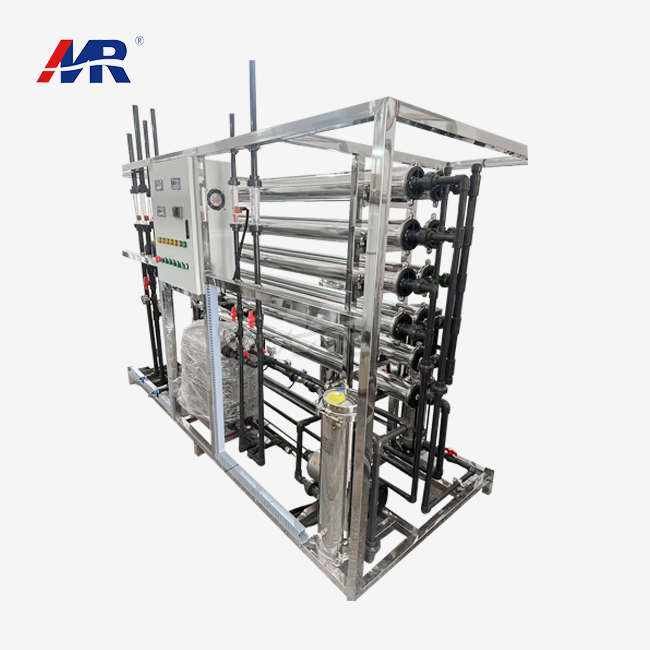 VIEW MOREedi system in water treatment
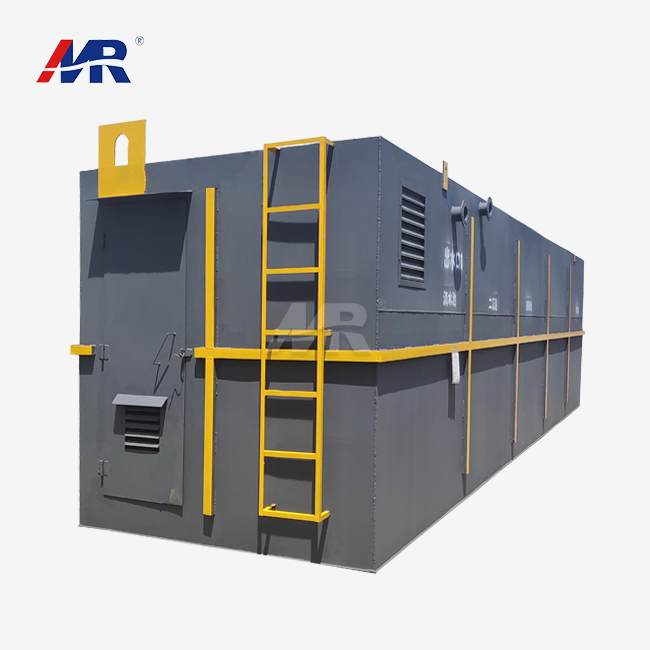 VIEW MOREhome wastewater treatment plant
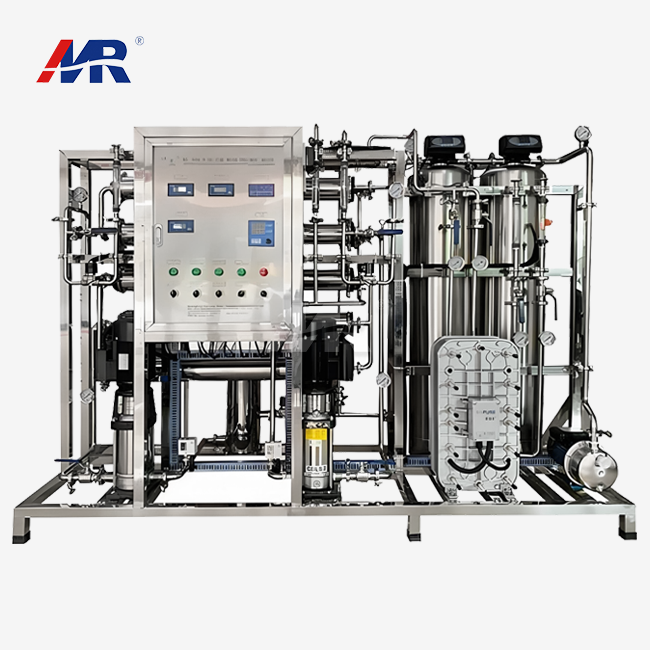 VIEW MOREElectrodeionization system
 VIEW MOREsubmerged membrane bioreactor
 VIEW MOREultrafiltration water treatment system
 VIEW MORE30m3/hour ultrafiltration equipment
 VIEW MOREindustrial sewage treatment plant
 VIEW MORELandfill Leachate Treatment System
