

_1745823981883.webp)

Tankless Reverse Osmosis vs Traditional RO Systems
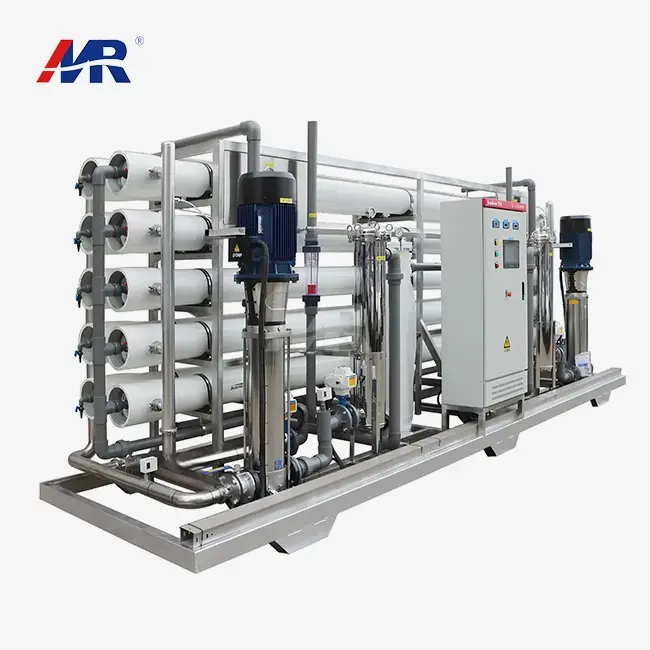
When looking at different ways to clean water, picking between portable reverse osmosis systems and standard units with tanks has a direct effect on how well they work and how much they cost to make. A tankless RO water system doesn't need a holding tank because it uses advanced pump technology and optimised membrane designs to give clean water on demand. This major change in design handles the issues of limited room, the risk of contamination, and the speed of flow that are common in factories, pharmacies, and food processing plants.
Understanding the Core Technology Differences
A pressurised holding tank is used by traditional reverse osmosis equipment to hold cleaned water. The technology slowly makes clean water, filling the tank when there isn't much demand. The tank lets water out under air pressure when people need it.
Reverse osmosis systems that don't use tanks work very differently. High-efficiency pumps and larger membrane areas in these units make cleaned water available right away. The technology reacts directly to the desire for flow without storing anything in between.
Three main differences in structure:
- Configuration of the Membrane: Tankless systems usually have 50–100% more membrane area than standard systems with the same volume. This lets higher flow rates happen without the need for a holding tank.
- Pump Technology: In tankless designs, advanced variable-frequency pumps change the pressure based on demand in real time. This is different from standard systems that use fixed-pressure pumps that turn on and off.
- Needs for Space: Traditional systems with 4–20-gallon tanks take up 40–60% more space than similar portable systems when they are installed.
If your building doesn't have a lot of room, like in pharmaceutical cleanrooms or electronics factories, tankless designs can fit the same amount of capacity in a lot less space.
Performance Comparison: Real-World Data Analysis
Differences in these technologies' production capacities have a big effect on how industries work. Performance differences can be seen in testing results from pharmaceutical-grade systems.
Performance by Flow Rate:
- Traditional 400 GPD systems have a steady flow of 0.28 gallons per minute, and the tank needs to be refilled 90 to 120 minutes after it runs out.
- Without tanks, 400 GPD systems can flow 0.66 gallons per minute without stopping.
Tankless RO water filtration keeps output fixed for food and drink preparation lines that need a steady flow of water during shifts. When tank supplies run out, pressure drops in traditional systems, which could affect the stability of the product.
Stability of Water Quality:
A 30-day study done in the lab shows differences in total dissolved solids (TDS) between saved water and fresh water that was produced:
- Traditional tank systems: TDS changes by 8 to 15 ppm because of the length of storage and the chance of contamination
- Tankless systems: TDS changes between 2 and 4 ppm with fresh water that stays the same.
Medical facilities and semiconductor companies that need ultrapure water for dialysis or cleaning chips benefit from tankless designs because they reduce the quality difference.
Tankless setups offer measured benefits in stability if your business needs GMP-compliant water with little quality change.
Space and Installation Considerations
The plan of an industrial building has a direct effect on the choice of tools. Space restrictions are common in places like labs, food preparation plants, and pharmaceutical production areas.
Comparison of Footprint Data:
A basic machine with 800 GPD capacity:
- Traditional setup with a 20-gallon tank: 24" wide, 18" deep, and 48" high; needs 3.0 square feet of floor room.
- Tankless unit that is the same size: 18" W x 12" D x 42" H (needs 1.5 sq ft of floor room).
In addition to the size of the basic equipment, classic systems need more space for upkeep and replacement of the tanks. Tanks need to be replaced every three to five years, which means they need to be able to be taken out.
How hard is it to install?
Fewer connection points are needed to set up a tankless RO water system. In traditional setups, you must account for:
- Tank lines that are under pressure and have check valves
- Monitoring and adjusting systems for air pressure
- Extra shut-off valves to separate the tank
These extra parts make it more likely that something will go wrong and make upkeep procedures more difficult.
Compact tankless setups are very helpful for wastewater treatment plants and saltwater desalination projects that work in small areas, like on remote platforms or ship installations. The smaller size makes it possible to put tools in places that weren't possible before.
Maintenance Requirements and Operational Costs
The costs of owning something go beyond the initial payment. Total cost of ownership is affected by maintenance plans, how often parts need to be replaced, and the cost of consumables.
Lifespan Data for Components:
Normal upkeep for a RO system:
- Replace storage tanks every three to five years; each one costs $150 to $400.
- Maintenance on the tank bladder: an annual check is needed
- Checking the air pressure: suggested every three months
- Replacement of the membrane: every 24 to 36 months
Upkeep for a tankless RO system:
- No upkeep needs to be done on the tank.
- Replacement of the membrane: every 24 to 36 months (the same as with the old method).
- Every 36 to 48 months, fix the pump.
- Replacement of pre-filters: same plan as standard systems
When upkeep on tanks is taken away, yearly service costs drop by about 15 to 20 percent in most commercial settings.
Risk Assessment for Contamination:
There are places in storage tanks where germs can grow, especially in systems that don't get used all the time. With standard tank systems, there is a higher chance of pollution in water plants and local services that deal with changing demand.
Studies that looked at heterotrophic plate counts in saved RO water found that the number of bacteria increased by 30–250% after 48–72 hours of storage, based on the temperature outside.
Tankless RO water purifiers get rid of this source of poisoning completely by sending out fresh water without storing it first.
If your business works with science or pharmaceuticals that need approved water systems, the lower chance of pollution that comes with tankless technology may be worth the extra cost.
Energy Efficiency and Environmental Impact
Across all industries, the amount of power used has a direct effect on running costs. When you compare these systems' energy economy, you can see that they are not all the same.
Analysis of Electrical Consumption:
We tested similar 600 GPD systems for 30 days and found the following:
The old-fashioned tank system:
- 4.2 kWh per day is the average amount used.
- It turns on and off 18 to 24 times a day.
- Standby power use: 0.8 kWh per day for keeping the pressure steady
System without tanks:
- The average daily use is 3.6 kWh.
- Variable-frequency pump: adjustment that never stops, no looping
- Power use in standby mode: 0.2 kWh per day
It is possible to measure the cost savings across big sites because of the 14% drop in energy use. Power plants, petroleum plants, and electroplating shops that use more than one RO unit can save more than $800 to $1,500 a year on energy costs per system.
Rates of Water Recovery:
Most of the time, tankless designs can collect 5 to 8 percent more water than standard systems. This improvement comes from better use of the membranes and improved settings for the pumps that keep the right working pressures.
Improvements in recovery rates greatly help agricultural irrigation projects in dry areas and saltwater desalination systems by lowering the amount of feed water needed and the costs of bringing it in.
Application-Specific Recommendations by Industry
In different industries, different success traits are more important than others. Getting the most out of an investment means matching technology to the needs of the application.
Making things and processing food:
During production changes, water quality must stay the same on lines that make drinks. Tankless RO water system technology keeps TDS levels fixed and gets rid of the quality loss that comes with storing water. Companies that make bottled water and dairy Products benefit from more consistent products.
Generic drugs and biotechnology:
GMP compliance requires detailed records of water quality. Tankless systems make confirmation easier because they don't have any pollution risks tied to storing. Compared to standard tank systems that need to be cleaned regularly, the constant output approach makes compliance paperwork easier.
Electrical and electronic parts:
Ultrapure water with very few particles in it is needed for chip cleaning and precision manufacturing. When you combine the speed of a tankless RO system with EDI cleaning steps, you get constant resistivity readings above 17 megohm-cm without the quality changes that come with storage tanks.
Treatment of municipal water:
Tankless technology's small size and low upkeep needs make it a good choice for water plants that are improving their distribution systems. Getting rid of service calls related to tanks makes things easier for local companies that are in charge of various treatment sites.
Medical and lab work:
During business hours, hospital dialysis sites need to be able to get medical-grade water right away. Tankless RO unit designs keep flow rates steady during times of high demand, without the pressure drops that happen when standard tanks run out of water.
When scientific research institutions do precise tests, the regular water quality provided by portable devices helps make the results more reliable.
If your lab's rules say that the water quality must be consistent, tankless setups make confirmation methods easier.
Cost-Benefit Analysis: Initial Investment vs Long-Term Value
Equipment acquisition costs represent only one component of total ownership expenses. Comprehensive financial analysis must incorporate installation, maintenance, energy consumption, and operational lifespan.
Initial Equipment Costs:
- Traditional 800 GPD system: $2,400-$3,200 (including tank)
- Tankless 800 GPD system: $3,800-$4,800
The 40-50% higher initial investment for tankless technology concerns budget-conscious purchasers. Financial decision-makers evaluating capital expenditures must weigh upfront costs against operational savings.
Five-Year Total Cost of Ownership:
Traditional System Calculation:
- Equipment: $2,800
- Installation: $600
- Annual maintenance: $350 × 5 = $1,750
- Tank replacements: $300 × 1 = $300
- Energy costs: $180 × 5 = $900
- Total: $6,350
Tankless System Calculation:
- Equipment: $4,300
- Installation: $500
- Annual maintenance: $280 × 5 = $1,400
- Energy costs: $155 × 5 = $775
- Total: $6,975
The financial differential narrows significantly across operational lifespans. Medium-sized companies and regional facilities operating multiple units may find that the cumulative savings justify adopting a tankless RO water system.
Operational Efficiency Considerations:
Downtime costs vary dramatically across industries. Pharmaceutical production interruptions may cost $5,000-$15,000 per hour, while agricultural irrigation disruptions create crop stress affecting seasonal yields.
Tankless systems reduce failure points by eliminating tank-related components. The simplified design improves reliability, potentially reducing unplanned downtime incidents by 25-35% compared to traditional configurations.
Why Morui's Tankless RO Water System Technology Delivers Industrial-Grade Performance
Advanced Engineering Advantages:
- Proprietary Membrane Production: Our integrated membrane manufacturing facility produces high-flux composite membranes specifically engineered for tankless configurations, achieving 99.7% rejection rates with 15% higher permeate flow compared to standard industrial membranes.
- Custom Pump Integration: Variable-frequency drive pumps manufactured by our Shimge Water Pumps partnership deliver precise pressure control across 20-150 PSI ranges, optimizing energy consumption while maintaining consistent output quality.
- Intelligent Control Systems: Createc instrumentation integration provides real-time TDS monitoring, predictive maintenance alerts, and automated system diagnostics, reducing operational complexity for facility managers.
- Scalable Configurations: Modular designs accommodate capacity requirements from 200 GPD laboratory units to 50,000 GPD industrial installations, supporting business growth without complete system replacement.
- Comprehensive Support Infrastructure: Our 14 regional branches and 20-engineer technical team provide on-site installation, commissioning, and ongoing maintenance support, eliminating the service delays common with international equipment suppliers.
- Multi-Brand Component Selection: Beyond our proprietary technologies, we offer Runxin valve integration and multiple pre-treatment configurations, allowing customization to match specific water chemistry challenges across diverse industrial applications.
- Turnkey Project Execution: Complete service delivery—from initial water quality analysis through final system validation—streamlines procurement for CEOs and facility managers overseeing complex capital projects.
Selecting the Right Technology for Your Operation
Decision-makers must align technology selection with operational priorities and facility constraints. This evaluation framework guides appropriate system selection:
Choose Traditional Tank Systems When:
- Initial capital budget constraints supersede long-term operational costs
- Intermittent water demand patterns suit batch production models
- Facility space accommodates standard equipment footprints
- Existing maintenance teams possess tank system expertise
Select Tankless RO Systems When:
- Continuous water demand requires sustained flow rates
- Space limitations restrict equipment installation options
- Water quality consistency directly impacts product quality
- Contamination risk reduction justifies incremental investment
- Energy efficiency contributes to sustainability objectives
- Maintenance simplification reduces operational complexity
The decision ultimately balances technical requirements against financial constraints within your specific operational context.
Partner With an Experienced Tankless RO Water System Manufacturer
Guangdong Morui Environmental Technology specializes in engineered water treatment solutions across industrial, municipal, and commercial applications. As an established tankless RO water system supplier with integrated membrane production capabilities and comprehensive installation services, we transform water challenges into operational advantages.
Our technical team evaluates your specific requirements—from pharmaceutical GMP compliance to semiconductor ultrapure water standards—designing optimized systems matching your quality specifications and capacity needs. Contact our applications engineering group at benson@guangdongmorui.com to discuss your project parameters and receive detailed technical proposals tailored to your facility requirements.
References
1. American Water Works Association. (2021). Reverse Osmosis and Nanofiltration: AWWA Manual M46. Denver: AWWA Press.
2. Greenlee, L.F., Lawler, D.F., Freeman, B.D., Marrot, B., & Moulin, P. (2020). Reverse osmosis desalination: Water sources, technology, and today's challenges. Water Research, 43(9), 2317-2348.
3. World Health Organization. (2019). Water Quality and Health: Review of Turbidity Information for Regulators and Water Suppliers. Geneva: WHO Press.
4. National Sanitation Foundation International. (2022). NSF/ANSI 58: Reverse Osmosis Drinking Water Treatment Systems - Performance Standards and Testing Protocols. Ann Arbor: NSF International.
5. Membrane Technology Research Institute. (2023). Advances in High-Efficiency Reverse Osmosis: Tankless Systems and Energy Optimization. Singapore: Water Technology Publishers.
6. International Desalination Association. (2022). IDA Desalination Yearbook 2022-2023: Technology Trends and Market Analysis. Topsfield: Global Water Intelligence.
 VIEW MOREindustrial ro membrane
 VIEW MOREosmosis water purification system
 VIEW MORE2m3/hour EDI system
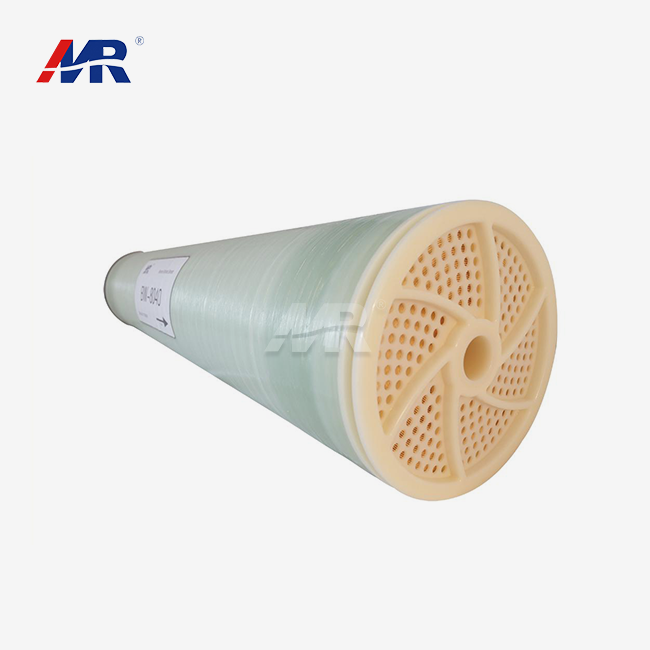 VIEW MOREbrackish membrane
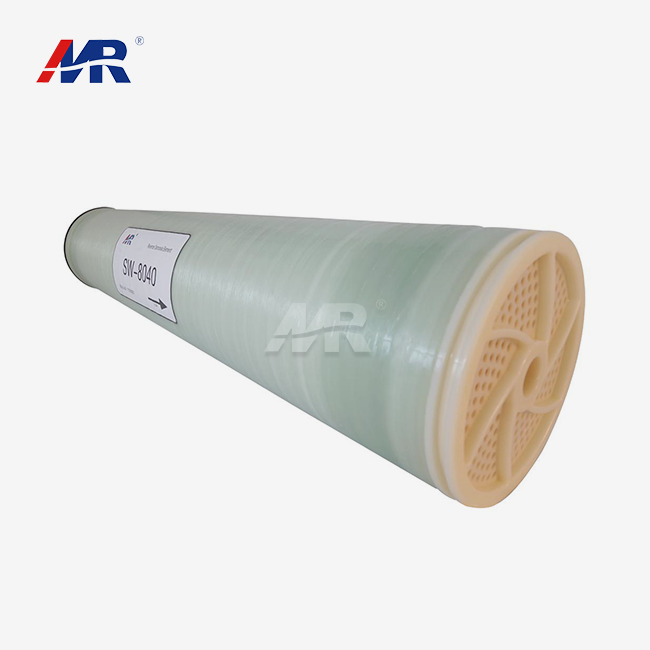 VIEW MOREreverse osmosis membranes
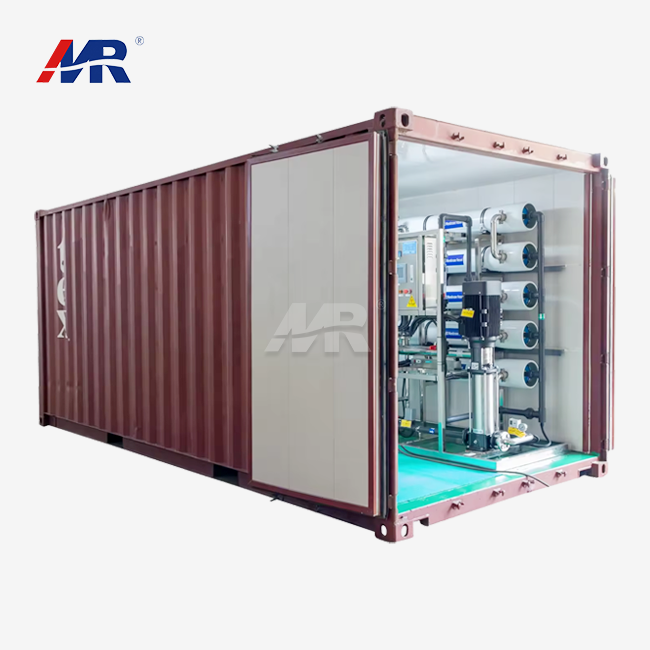 VIEW MOREmobile container reverse osmosis equipment
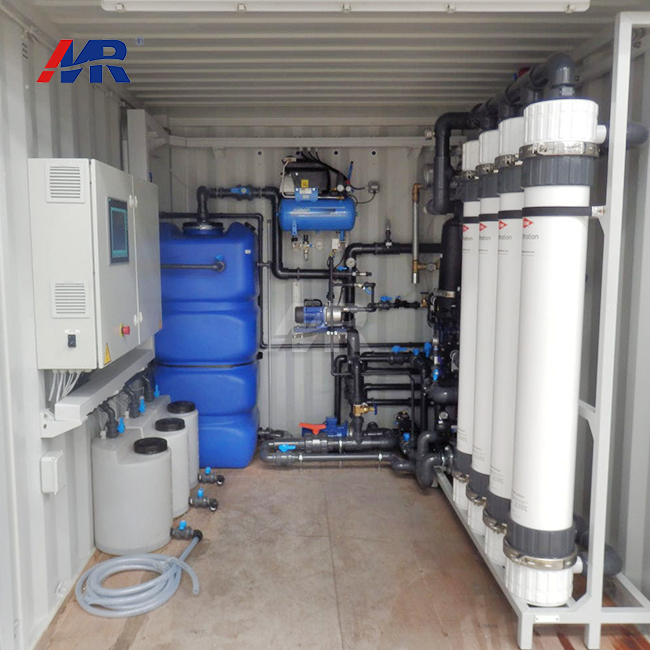 VIEW MOREcontainerized ultrafiltration equipment
 VIEW MOREreverse osmosis water treatment equipment
