

_1745823981883.webp)

What does GPD mean in a Reverse Osmosis System? Full Guide
GPD stands for "Gallons Per Day," which is how much water a reverse osmosis machine can make in a day. This number tells you how much clean water your machine can make in 24 hours if everything works perfectly. A 100 gpd reverse osmosis system, which is popular in homes and small businesses, makes about 100 gallons of clean water every day. This is enough for most homes or small offices to use for drinking, cooking, and basic cleaning.
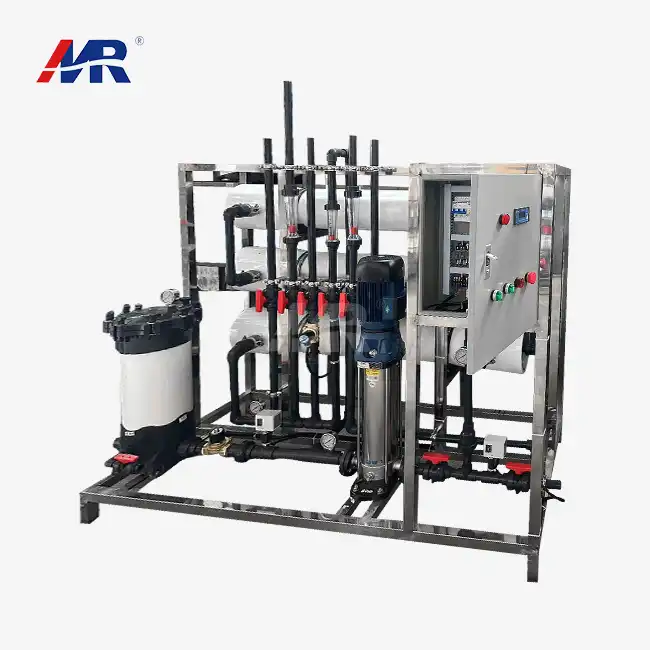
Why GPD Matters When Selecting Your Water Filtration System
Knowing GPD helps you match the power of your machine to how much you actually use. When technical decision-makers look at water purification units, they often forget to include this important feature, which causes problems during times of high demand.
A 100 GPD home RO system doesn't give you fast water at high flow rates. Throughout the day, the system handles water and stores it in a water holding tank. To keep output from being held up, facilities managers in food preparation plants or pharmaceutical labs need to do accurate GPD estimates. Systems that are too small put stress on processes, while systems that are too big waste money and time on maintenance.
The GPD grade has a direct effect on how you plan your infrastructure. For factories that need to test the water quality on a regular basis, they need to think about both daily usage and backup capacity. If a RO system is small and doesn't have enough GPD, businesses have to either cut back on output or add more units, which are both expensive changes.
How the Reverse Osmosis System Process Determines GPD Performance
The real output of your system is affected by the multi-stage filtering design. The pre-filter cartridge lets water in while getting rid of sediment and chemicals that could hurt the reverse osmosis membrane. This first step shields the delicate membrane and keeps the water flow rate at its best.
High-pressure pumps force water molecules through membrane holes that are 0.0001 microns wide. The reverse osmosis membrane divides the clean liquid from the toxins that are concentrated. This step tells you how well your TDS reduction is working, which is very important for industries like electronics and pharmaceuticals that need very pure water.
The garbage ratio shows how well the system works. In traditional methods, three to four gallons of brine are released for every gallon of clean water. This number is better in more advanced systems because they use staged processes, which lower running costs. Technology for recovering garbage from power plants and industrial plants is good for the earth and saves money on dumping costs.
Before it's sent out, post-filter steps polish the water. The mineral filter brings back good things, and carbon blocks get rid of any leftover tastes. An automatic shut-off button keeps the storage tank from getting too full, which keeps your investment from wearing out too quickly.
Calculating Your Actual GPD Requirements Across Different Applications
For industrial uses, accurate capacity planning is needed. In thermal power plants, treating boiler feed water requires a steady supply—breaks in that supply cause expensive downtime. To find the spare capacity, engineers should first figure out the peak consumption during times of high load, and then add 20 to 30 per cent. A 100 GPD reverse osmosis system may serve as a backup or for smaller auxiliary processes in these settings.
Medical-grade water for dialysis centres has to follow tighter rules. Because surgeries can't wait for tanks to be refilled, hospitals need systems with better GPD scores. A water pressure pump makes sure that the delivery pressure stays the same, which is important in emergency situations.
It can be hard to get agricultural irrigation projects to work in dry areas. To treat salty freshwater for food production, you need to know how natural changes affect demand. When plants are dormant, they might only need 100 GPD, but during the growing season, they might need 300 GPD. This is where flexible systems come in handy.
The health of the animals in mariculture practices depends on the state of the water. For recirculating aquaculture systems to handle large amounts of organic matter, they need a high GPD capacity and good pre-treatment. The parts of a drinking water filter have to deal with different quality inputs without affecting the output.
Manufacturing semiconductors is the most difficult task. To make chips, you need ultrapure water with a resistance higher than 18 megohm-cm. These facilities use both RO and electrodeionization, and they figure out GPD based on when wafers are made and how often the rinse cycles happen.
Technical Specifications That Affect Your System's Real-World GPD
Temperature has a big effect on how well membranes work. The normal 100 GPD grade is based on feed water that is 77°F (25°C). Viscosity goes up when water is cold, which slows permeate flow by 1% to 3% for every degree below normal. Seasonal changes must be taken into account by pharmaceutical plants in cooler areas.
The efficiency of your under-sink water filter depends on the water flow that goes into it. Most home systems need between 40 and 60 PSI. When there isn't enough pressure, the water pressure pump has to work harder, which uses more energy and shortens the life of the parts. Booster pumps are often needed in industrial settings to keep things running at their best.
The quality of the source water has a huge impact on the real result. High TDS levels or too much hardness make membranes less effective. If you use well water with 1500 PPM dissolved solids, a system that is rated for 100 GPD with city water might only be able to make 70 GPD. Pre-treatment is now necessary. Depending on the contaminants, this could be water softeners, iron filters, or activated carbon.
Long-term success is based on the age of the membrane and its history of care. When you buy new membranes, they work at their maximum capacity, but over time, fouling lowers their output. Setting up an organised repair kit schedule stops capacity losses that come as a surprise. Food and drink makers should keep track of membrane performance measures to figure out how often they need to be replaced.
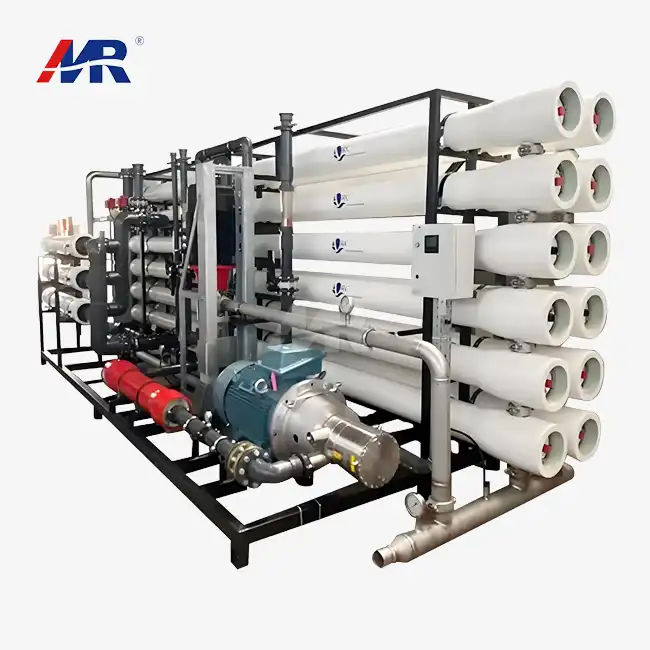
The GPD scales linearly with the number of membrane parts in industrial devices. In a tabletop RO system, there might only be one membrane, but in industrial setups, there are many parts in pressure tanks. A project to desalinate seawater might use more than 30 membranes per train, which would allow thousands of GPD to be processed at the same time.
Comparing 100 GPD Systems with Other Capacity Options
Entry-level systems with 50 GPD are good for small homes or labs that don't use a lot of power. Research schools that only do tests once in a while, and don't need to incur bigger expenses. These small machines cost less at first, but they might be annoying to use for a long time.
The 100 GPD reverse osmosis system is the most popular in the household and light business markets. This capacity is perfect for small restaurants, dentist offices, and tiny hotels. It is the main option in the business because it strikes a good mix between price, efficiency, and operating cost.
Larger businesses use medium-sized commercial setups that can handle 300 to 500 GPD. This size range is used by factories that make bottled water or by drug companies that make filtered water for preparation processes. For dependability, these systems often have parts that work with each other twice.
Industrial-scale systems that are made to run all the time have flow rates of more than 1000 GPD. These strong designs are needed for industrial sites that treat process water or municipal water plants that are improving infrastructure. It gets harder to make engineering plans when there are multiple trains, automatic tracking, and remote troubleshooting.
Installation Considerations That Maximise Your GPD Efficiency
The most popular arrangement in homes is point-of-use systems under kitchen sinks. Storage tanks are usually only 2 to 4 gallons because they don't have a lot of room. Users need to know that the tank can hold extra water in case of an emergency, and that the system keeps refilling at its rated GPD.
Point-of-entry systems that treat water from the whole house have their own problems to solve. The required flow rate is higher than what a normal RO can provide without a huge amount of storage space. These few sites need pumps with a lot of power, big tank farms, and UV cleaning after storage.
Larger water storage tanks can be installed without affecting the look of the inside by placing them remotely in basements or utility rooms. This works well in commercial kitchens because it keeps the eating areas clear while putting equipment near water that is already there.
Performance is affected by how well it works with current systems. For your reverse osmosis system to work with refrigerator ice makers, there needs to be enough flow and pressure. When systems aren't big enough, they make cloudy ice or slow serving, which are both upsetting results that can be avoided with good capacity planning.
Maintenance Practices That Preserve Your System's Rated GPD
The best water flow rate is maintained by replacing the filter on a regular basis. Sediment pre-filters get clogged first and need to be replaced every three months in public water systems. If your well water has a lot of particles in it, you might need to change it every month. If this simple job isn't done, contaminants will be sent through barriers that weren't meant to handle them.
Cleaning the membrane increases its useful life and keeps its capacity. Chemical cleaning gets rid of bacterial growth, mineral scaling, and organic fouling. Pharmaceutical companies usually use approved disinfectants to clean membranes every three to six months. The process takes systems offline for a short time, but it successfully restores lost GPD.
Bacteria can't grow in clean water because storage tanks are kept clean. Every year, or more often in warm places, empty and clean the tanks. During this repair, the automatic shut-off valve should be checked to make sure it works properly.
Leaks can be found before they do any damage by using pressure tests. Small leaks lose water and lower system pressure, which has a direct effect on how well the GPD works. Industrial users should set up inspection schedules that check all connections, housings, and tubes every three months.
Testing the water quality makes sure that your system meets the requirements. TDS readings taken once a month prove the stability of the membrane. Sudden membrane failure or seal problems can compromise your 100 GPD reverse osmosis system. Based on the needs of the application, hospitals and labs may test for more than one thing, such as conductivity, bacteria numbers, and endotoxins.
Industry-Specific GPD Requirements and Solutions
Food and drink companies are under a lot of different governmental stresses. Mineral profiles must be uniform for taste standardisation in beverage processes. For example, a brewery might need 500 GPD and exact remineralisation to make sure that all of their production runs keep their unique flavour. The unit that cleans the water is added to the recipe.
When making electronics, you need to be completely pure. A single particle can ruin a whole lot of wafers worth thousands of dollars. These facilities make unique treatment trains by combining RO with ion exchange and ultrafiltration. When figuring out GPD, you have to account for redundancy, since output never stops for machine repair.
Pharmaceutical companies have to make sure that their water systems meet GMP standards. Documentation needs to include more than just GPD grades. It also needs to include temperature logs, pressure charts, and microbial tests. Because it's so complicated, it needs engineering partners with a lot of experience who know both about water science and following the rules.
Power plants try to keep scaling in high-pressure boilers to a minimum. Even very small amounts of minerals can break tubes and cause costly outages. For these businesses, they need high-recovery RO systems that get the most GPD while keeping trash dumping costs as low as possible.
Cost-effectiveness is important for agricultural uses. Farmers who clean irrigation water compare GPD to the amount of energy they use. Solar-powered systems are becoming more popular in remote areas, but they can't always work, which makes planning for capacity harder. Customised membrane selection is needed for crops that are sensitive to certain ions.
Conclusion
GPD ratings provide essential guidance when selecting reverse osmosis systems, but understanding how temperature, pressure, and water quality affect real-world performance prevents costly mismatches. Whether you're specifying a compact residential unit or designing a multi-stage industrial installation, accurate capacity planning ensures reliable operation. Match your system's GPD to actual consumption patterns, implement proper maintenance protocols, and work with experienced suppliers who understand your industry's unique requirements. The right water purification solution balances initial investment, operating costs, and long-term reliability—delivering the pure water your operations demand.
Looking for a Reliable 100 GPD Reverse Osmosis System Manufacturer?
Morui delivers industrial-grade water treatment solutions backed by engineering expertise across manufacturing, pharmaceutical, and municipal sectors. With 14 branches, 500 dedicated employees, and 20 specialised engineers, we provide complete systems from membrane production through installation and commissioning. Our partnerships with Shimge Water Pumps, Runxin Valves, and Createc Instruments ensure you receive proven components. Whether you need a 100 GPD reverse osmosis system or larger-scale solutions, we can design and implement the right setup for your needs. Contact benson@guangdongmorui.com to discuss your specific GPD requirements and receive customised recommendations.
References
1. American Water Works Association. (2020). Reverse Osmosis and Nanofiltration: Manual of Water Supply Practices M46. Denver: AWWA Publishing.
2. Greenlee, L.F., Lawler, D.F., Freeman, B.D., Marrot, B., & Moulin, P. (2009). Reverse osmosis desalination: Water sources, technology, and today's challenges. Water Research, 43(9), 2317-2348.
3. National Sanitation Foundation International. (2019). NSF/ANSI Standard 58: Reverse Osmosis Drinking Water Treatment Systems. Ann Arbour: NSF International.
4. Qasim, M., Badrelzaman, M., Darwish, N.N., Darwish, N.A., & Hilal, N. (2019). Reverse osmosis desalination: A state-of-the-art review. Desalination, 459, 59-104.
5. U.S. Environmental Protection Agency. (2021). Point-of-Use or Point-of-Entry Treatment Options for Small Drinking Water Systems. Washington: EPA Office of Water.
6. World Health Organisation. (2017). Guidelines for Drinking-water Quality: Fourth Edition Incorporating the First Addendum. Geneva: WHO Press.
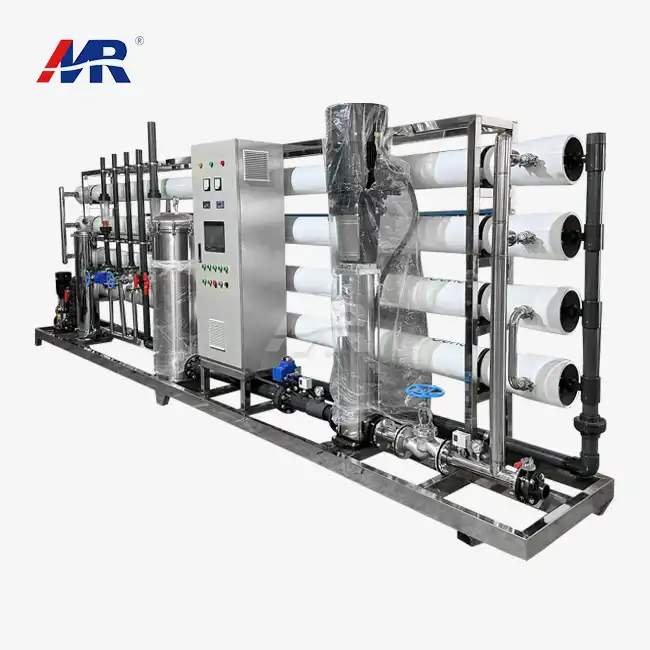 VIEW MORE500m3/day reverse osmosis RO plant
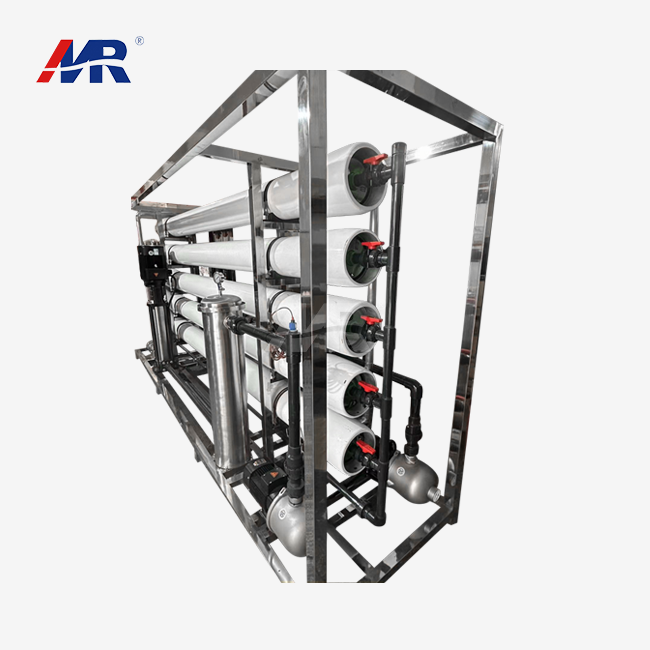 VIEW MOREreverse osmosis water treatment equipment
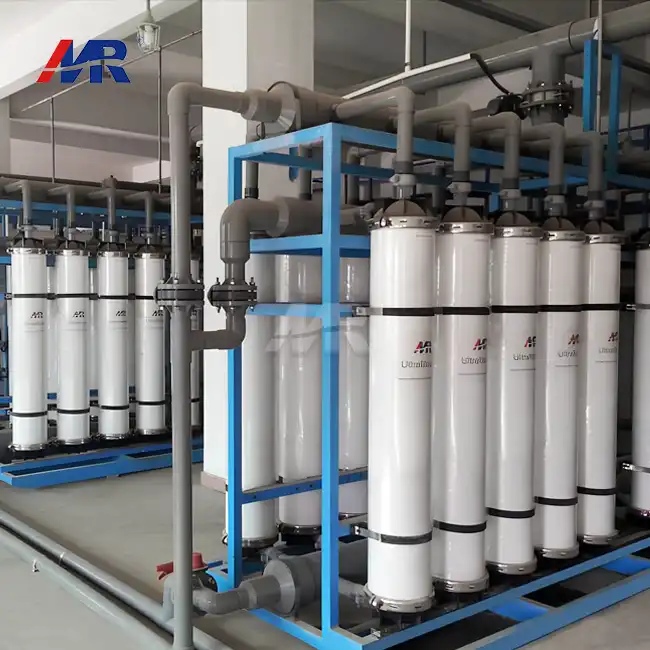 VIEW MORE20m3/hour ultrafiltration equipment
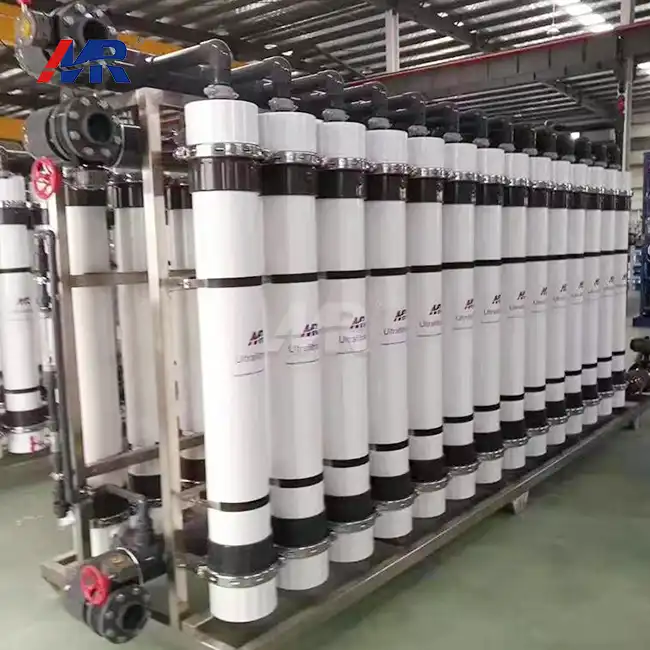 VIEW MORE70m3/hour ultrafiltration plant
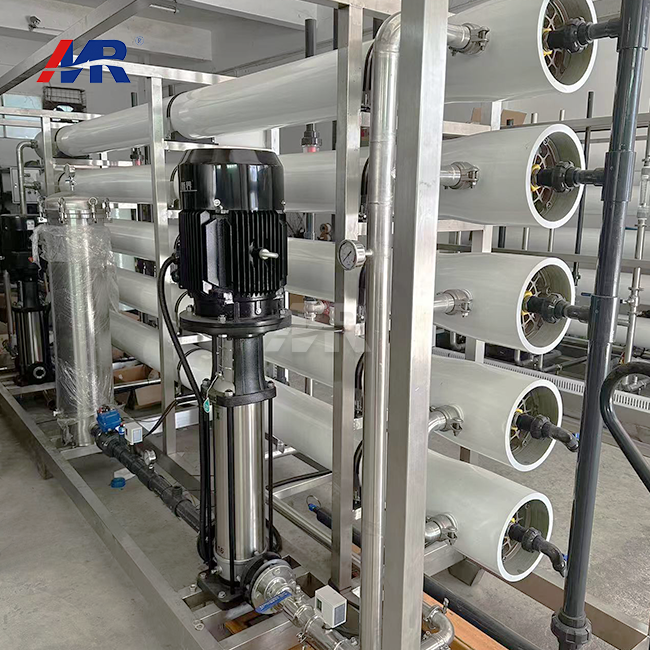 VIEW MOREosmosis water purification system
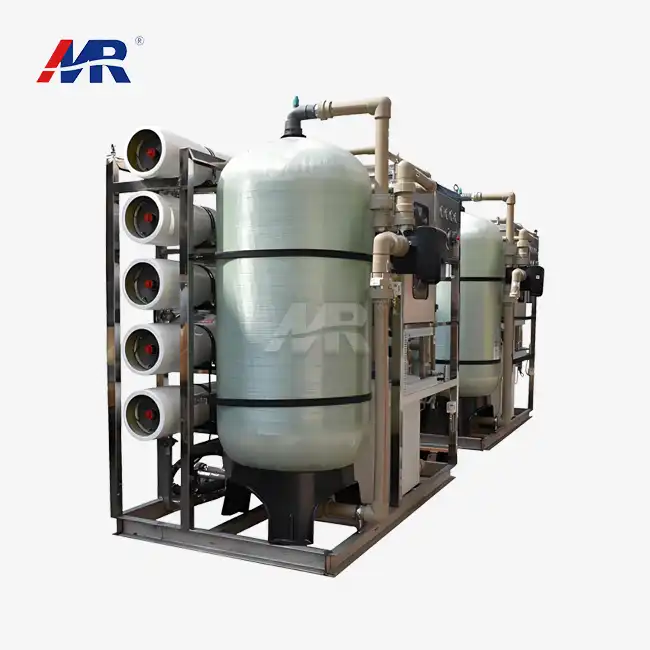 VIEW MORE8m3/hour seawater desalination equipment
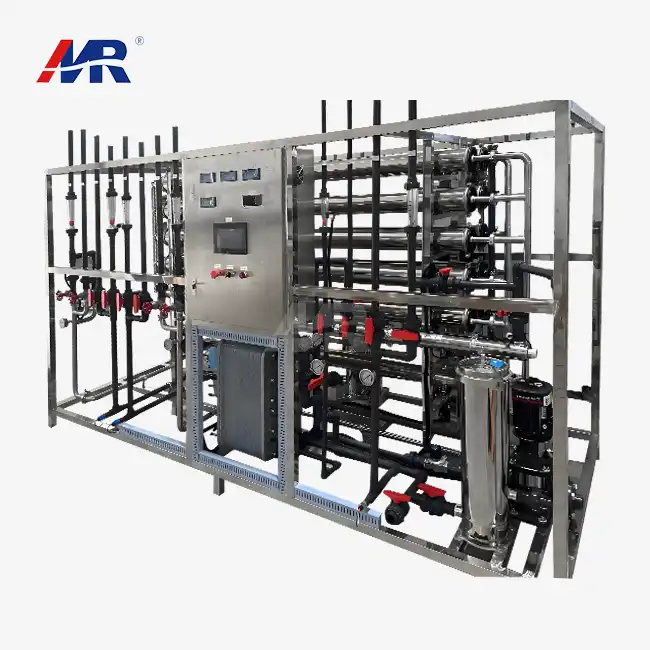 VIEW MORE2000 liters/hour EDI system
 VIEW MORE45m3/hour seawater desalination system
