_1745823981883.webp)

What is a UF filter?
When I first started working with water treatment systems, I kept seeing the term "UF filter" used in scientific descriptions from different fields. It seemed like everyone—from plant managers at drug factories to engineers at drinks companies—used this technology, but not many could explain why it was important. Understanding ultrafiltration isn't just knowing what it does; it's also knowing the real problems it solves for businesses every day. I've learned this after years of putting filtration systems in place in dozens of different industries.
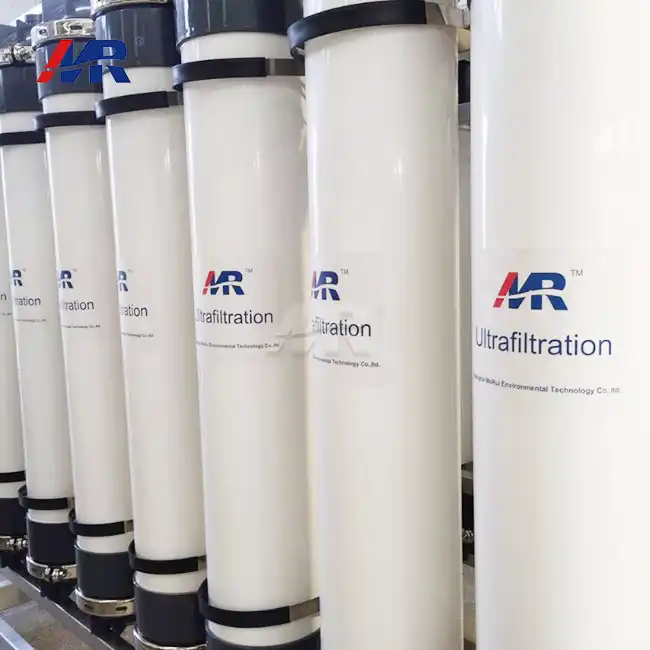
What is a UF Filter?
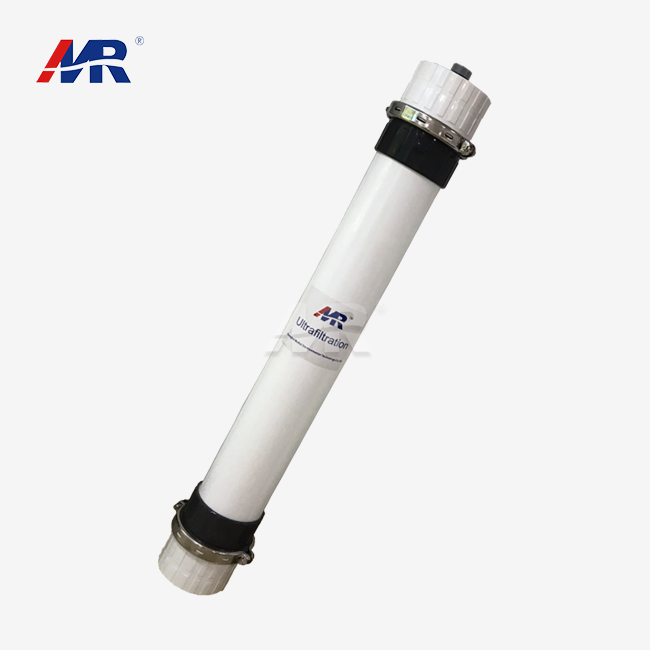
A UF filter, which stands for "ultrafiltration filter," is a membrane separation system that works under pressure to get rid of particles as small as 0.001 microns. You can think of it as a very fine mesh that lets water and minerals that have been dissolved through but stops viruses, bacteria, colloids, big organic molecules, and floating objects. Traditional media filters catch particles in layers of sand or carbon. Ultrafiltration, on the other hand, uses membranes with tiny holes to make a physical barrier against contamination.
It's simple how the technology works: use hydraulic pressure to push water through hollow-fibre or flat-sheet barriers. When the filter is backwashed, the rejected toxins (called retentate) are flushed away, and clean water (called permeate) runs through. This simple but effective system has changed the way water is cleaned in dozens of industries, including food preparation, industrial, and city treatment.
The Critical Problems UF Filters Solve for Industrial Operations
I've seen production lines shut down because the water quality wasn't stable. I've seen businesses lose hundreds of thousands of dollars on new reverse osmosis filters that were dirty. These things happen more often than you might think, and they all have the same cause: not enough pre-treatment and control of pollution.
Three mission-critical problems that keep operations managers up at night can be solved with ultrafiltration. The first is controlling pathogens. Most germs are killed by chlorination, but parasites that are resistant to chlorine, such as Cryptosporidium and Giardia, can survive chemical treatment. A UF filter creates a physical barrier that reduces these germs by a log 4 to log 6 level, which means it gets rid of 99.99% to 99.9999% of them without using chemicals.
The second problem is keeping tools further downstream safe. Reverse osmosis systems are pricey and easily clog. ro membranes break down quickly when there are turbidity spikes or when colloidal particles get into the feed water. By keeping the Silt Density Index below 3, UF filters protect RO systems, making membranes last 30 to 50 per cent longer and avoiding expensive replacements in an emergency.
The third problem is the standard of the Products in businesses that are sensitive. Companies that make medicines need water that meets the standards of Good Manufacturing Practice. To make semiconductors, you need ultrapure water that doesn't have any particles that could damage tiny circuits. Producing drinks must make sure that the taste and safety are always the same. Even very small amounts of pollution can lead to noncompliance, product recalls, and damage to a company's image in these settings. Ultrafiltration gives these fields the dependability they need.
How UF Filtration Systems Actually Work in Real-World Applications
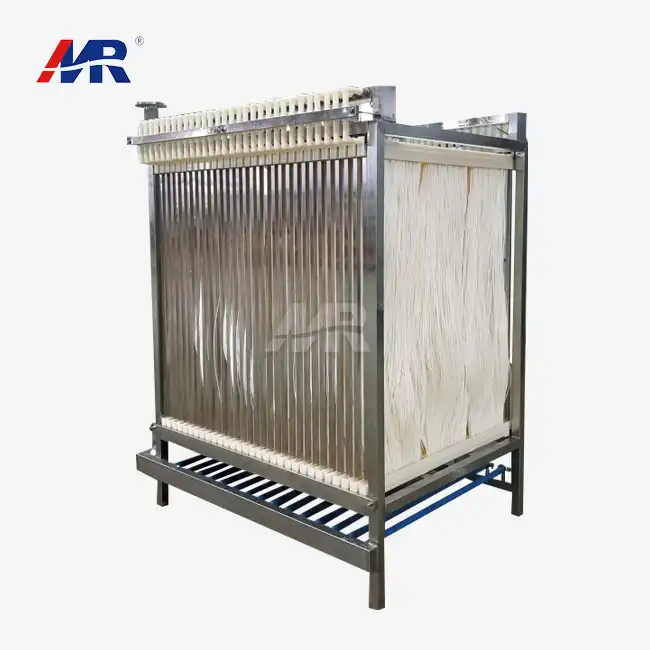
Ultrafiltration may sound complicated, but the process is actually very easy to understand once you break it down. Most industrial UF systems use hollow-fibre membranes, which are groups of very small tubes that have billions of tiny holes in their sides. Under pressure (10–100 psi), water flows into these fibres. Clean water leaks through the membrane walls, but contaminants stay inside the fibres.
Any ultrafiltration machine turns water into something else. The barrier material inside these cartridges is usually made of polyethersulfone, polyvinylidene fluoride, or modified cellulose. Chemical resistance, temperature tolerance, and fouling traits are all affected by the filter media that is used. PVDF membranes can handle harsh chemical cleaning and are often used in sewer applications. When biocompatibility is important, like when preparing food, cellulose screens work well.
When I first created these methods, I was surprised by how important backwashing is. UF systems occasionally reverse the flow to clean particles off the membrane surface. This is different from standard filters that only flow in one way until they get clogged. In most setups, this cleaning is done automatically every 30 to 60 minutes, so the performance stays the same without any help from a person.
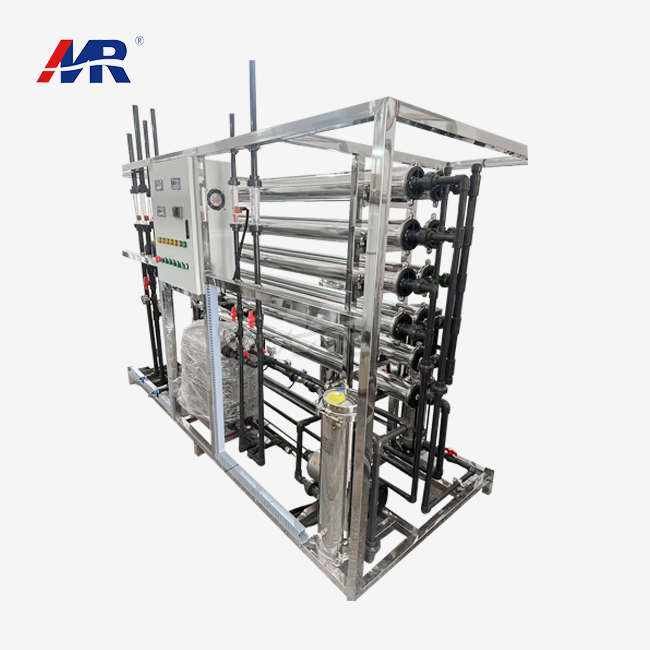
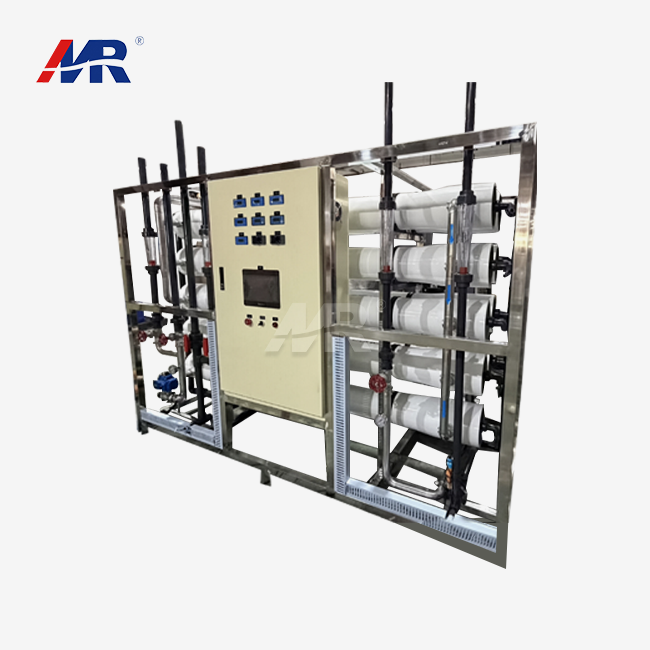
Controlling contamination isn't just about the barrier. The body of the filter must keep the pressure stable and stop the escape. To keep big things from hurting the membranes, the filtration system needs to do its job of pre-filtering correctly. Flow meters, pressure gauges, and sediment monitors let you keep an eye on things in real time. When you look at UF filters for your business, you're not just buying a filter tube; you're buying a whole system for cleaning fluids.
Key Advantages That Make UF Filters Industry Standards
After putting ultrafiltration systems in a lot of different buildings, I've found five benefits that always bring measured business value. These aren't just technical details; they directly affect how much money is saved and how reliably the product is made.
The main benefit is that the water quality stays the same, no matter how the source changes. The grade of municipal water changes with the seasons. When it rains, groundwater viscosity goes up. Algal blooms happen in surface water sources. uf membranes are better at keeping particles out because they use physical pore size instead of adsorption or depth filtration, which can't handle these changes as well as traditional media filtration.
Facilities that care about the environment and running costs, like facilities that use few chemicals. Sand screens need to be chlorinated all the time and cleaned with chemicals every so often. For renewal, ion exchange systems need acids and bases. Ultrafiltration mostly uses mechanical pressure and doesn't add many chemicals—every few months, caustic or acidic cleaning is enough.
People don't realise how important the small impact is at first. I've put UF systems in places where floor space costs a lot of money per square foot. A 100-gallon-per-minute UF skid takes up about 100 square feet of space, while a similar sand filter system needs 400–500 square feet of space plus room for servicing.
Automated operations cut down on labour costs and mistakes made by people. Once they are set up, UF systems don't need much attention. Backwash processes happen on their own. Monitoring performance finds issues before they become major problems. One pharmaceutical client cut the number of people working on their water treatment from three workers per shift to one boss who was in charge of several systems.
Modular scaling lets capacity grow slowly. You don't have to build whole new treatment trains when production needs go up; instead, you just add more membrane units. This gives investors peace of mind and makes preparing easier.
Practical Limitations and Considerations You Should Know
Being honest about your limits builds trust, so let me talk about the limits of ultrafiltration technology. Not every way to treat water is right, and UF filters have limits that you need to know about before you specify them.
Ultrafiltration doesn't get rid of salts or metals that have been dissolved. The membrane holes let molecules that are less than 0.001 microns go through without any problems. That includes chloride, sodium, calcium, and most minerals that have been dissolved. In the following steps, reverse osmosis or ion exchange must be used if your water has high total dissolved solids (above 500 ppm) or heavy metal contamination. A lot of systems that work well use UF as a pre-treatment to keep the more limited processes safe.
Fouling of the membranes is still an ongoing upkeep issue. Even when backwashing is done, organic matter and scaling chemicals build up on the membrane surfaces over time. This makes the pressure drop higher and the flow lower. Every one to three months, most setups need to be backwashed with chemically enhanced water that contains caustic solutions (for organic fouling) or acidic cleaners (for mineral scaling). Facilities that have feed water that is especially hard to deal with may need to be cleaned once a month.
It costs more up front than a regular media filter. A full UF system costs 1.5 to 3 times as much as a similar sand or mixed filter. Lifecycle cost analysis, on the other hand, generally favours UF when you look at things like better water return rates, longer membrane life, less chemical use, and a smaller footprint. In business settings, the payback time is usually between 18 and 36 months.
Temperature sensitivity changes how well and how long a barrier works. Most UF membranes work best when the temperature is between 50°F and 95°F. Higher temperatures make membrane breakdown happen faster and cancel guarantees. Lower temperatures make water less fluid, which slows the flow of permeate. If the water source has high temperatures, the system design needs to take yearly changes into account.
UF Filters Compared to Alternative Filtration Technologies
Knowing where ultrafiltration fits in the range of water treatment options can help you make smart purchases. Microfiltration, reverse osmosis, and standard media filtration are three options that I often talk about with clients.
Microfiltration (MF) has pores that are 0.1 to 1.0 microns, while ultrafiltration (UF) pores are 0.001-0.1 microns. MF gets rid of germs and solids in suspension well, but viruses can still get through. If you need to get rid of viruses for an application, like making medicines or systems that make drinking water, UF is the better choice than MF. But MF works at lower pressures and has higher flow rates, so it can be used in situations where killing germs is enough.
On the other end of the range is reverse osmosis, which has membrane holes that are about 0.0001 microns wide. RO is necessary for purification and making ultrapure water because it gets rid of dissolved salts. The trade-off is that the working pressure is much higher (150–1200 psi vs. 10–100 psi for UF), more energy is used, and less water is recovered. Most of the time, the best setup includes UF as a pre-treatment to keep RO membranes from getting clogged.
Particles are caught by sand and multimedia filters that use depth filtration and adsorption. They are cheaper to buy and can handle bad feed water. But they need to be backwashed often, which wastes a lot of water, don't always get rid of particles as the media ages, and need to be replaced completely every 3 to 5 years. UF filters are more reliable than media filters for places that need to have steady, tested performance, especially in controlled industries.
Industries and Applications Where UF Filters Excel
Because ultrafiltration can be used in a lot of different places, I've put these systems in places like city water plants and cleanrooms for semiconductors. There are some uses of the technology that really show off its best features.
The purification of seawater is one of the most difficult tasks. Coastal facilities that clean saltwater for use in cities or factories have to deal with a lot of fouling from marine organisms, algae, and organic matter. Before the water goes into high-pressure reverse osmosis units, these contaminants are removed by ultrafiltration pre-treatment. This stops biofouling disasters that would shut down desalination operations within weeks.
For pharmaceutical and biotechnology production, water that meets US Pharmacopoeia guidelines is needed. UF filters are a safe way to get rid of pathogens without adding chemical contaminants from chlorination. Clean-in-place features let you disinfect frequently with hot water or steam, keeping the cleanliness needed for making injectable drugs and running bioreactors.
UF is used in the food and beverage processing industry to clean the water and concentrate the products. Ultrafiltration is used by dairy producers to separate useful protein from lactose and minerals in whey protein. Manufacturers of drinks clean industrial water to get rid of microorganisms while keeping minerals that are good for the taste.
A huge amount of ultrapure water is needed to rinse wafers and dilute chemicals in the electronics industry. Even very small bits can mess up the process of making semiconductors. In multiple-stage purification trains that include reverse osmosis, electrodeionization, and final ultrafiltration cleaning, UF filters are very important as barriers.
To follow tougher rules about Cryptosporidium and Giardia, more and more municipal drinking water companies are using UF technology. UF offers continuous log reduction regardless of changes in source water quality, while traditional treatment needs multiple chemical addition spots and user control.
Conclusion
Ultrafiltration technology has changed from a specialised answer to a normal way for many businesses around the world to treat water. The UF filter's constant, reliable disease removal and particulate control solves basic problems that hurt the quality of products, damage expensive equipment, and make it harder to follow the rules. There isn't a single technology that can treat all water problems, but ultrafiltration fills a very important gap—it works better than regular filtration and faster than reverse osmosis in many situations. As rules about water quality get stricter and businesses expect higher and higher cleanliness standards, ultrafiltration will keep growing into new markets and uses.
Frequently Asked Questions
1. Can ultrafiltration remove viruses from water?
Yes, UF filters effectively remove viruses. The membrane pore size (0.001-0.1 microns) physically blocks most viruses, which typically range from 0.02-0.3 microns in diameter. Properly designed systems achieve log 4 or greater virus reduction, exceeding requirements for most drinking water and pharmaceutical applications. Membrane integrity testing verifies this performance during routine maintenance.
2. How often do UF membranes need replacement?
Membrane lifespan varies based on feed water quality, operating conditions, and maintenance practices. Most industrial installations see 5-7 years of service life. Facilities with aggressive feed water or inadequate pre-treatment may require replacement after 3-4 years. Conversely, well-maintained systems treating relatively clean water sometimes operate 8-10 years before membrane replacement becomes necessary. Regular monitoring of normalised permeability tracks membrane health.
3. What causes the pressure drop to increase in UF systems?
Three primary factors drive the increasing pressure drop. Membrane fouling from accumulated organic matter, scaling from mineral precipitation, and biological growth all restrict water flow through membrane pores. Irreversible fouling caused by inadequate chemical cleaning eventually necessitates membrane replacement. Preventive measures include optimising backwash frequency, adjusting chemical cleaning protocols, and improving pre-treatment when source water quality degrades.
4. Do UF systems require constant operator attention?
Modern UF systems operate with extensive automation requiring minimal supervision. Programmable logic controllers manage backwash cycles, chemical cleaning sequences, and alarm responses. Operators typically check systems once per shift, reviewing performance data and confirming that automated sequences execute properly. Remote monitoring capabilities alert staff to developing problems before they cause failures. Small installations sometimes run entirely unattended except for weekly inspections.
Partner with Morui for Reliable UF Filter Solutions
Selecting the right ultrafiltration supplier determines whether your system becomes a reliable asset or an ongoing maintenance headache. At Guangdong Morui Environmental Technology, we've built our reputation on delivering complete water treatment solutions backed by genuine engineering expertise. With more than 14 branches, 500 dedicated employees, and 20 specialised engineers, we bring manufacturing scale combined with personalised service that large corporations often lack.
Our vertically integrated approach gives you distinct advantages. We manufacture membranes in our own production facilities, controlling quality at the source rather than relying solely on third-party suppliers. Multiple equipment processing factories allow us to customise UF filter systems precisely matching your specifications. We also represent premium component brands, including Shimge Water Pumps, Runxin Valves, and Createc Instruments, ensuring every element of your system meets rigorous performance standards.
Whether you need a turnkey ultrafiltration system for pharmaceutical production, a robust pre-treatment solution protecting reverse osmosis equipment, or a custom configuration for specialised industrial applications, Our Team provides end-to-end support—from initial design through installation, commissioning, and ongoing technical assistance. Contact us at benson@guangdongmorui.com to discuss your water treatment challenges with experienced professionals who understand the practical realities of industrial filtration.
References
1. American Water Works Association (AWWA). Microfiltration and Ultrafiltration Membranes for Drinking Water. Manual M53, AWWA Publishing, 2020.
2. Baker, Richard W. Membrane Technology and Applications. Third Edition, John Wiley & Sons, 2012.
3. Crittenden, John C., et al. MWH's Water Treatment: Principles and Design. Third Edition, John Wiley & Sons, 2012.
4. Mulder, Marcel. Basic Principles of Membrane Technology. Second Edition, Kluwer Academic Publishers, 1996.
5. Singh, Rajindar. Membrane Technology and Engineering for Water Purification: Application, Systems Design and Operation. Second Edition, Butterworth-Heinemann, 2015.
6. United States Environmental Protection Agency (EPA). Membrane Filtration Guidance Manual. EPA 815-R-06-009, Office of Water, 2005.