

_1745823981883.webp)

The Role Of Sea Water Desalination Plants In Water Scarcity
Many people around the world are in danger because they don't have enough water. Businesses are affected, and people in the area have to rethink how they get stable sources of fresh water. Seawater desalination is seen by many as the only way to solve this pressing problem because it makes large amounts of ocean water safe to drink. Desalination plants use modern heating and membrane methods to make sure they always have clean, good water, even when the seasons or weather change. More and more, businesses, cities, farms, and important infrastructure in coastal and desert areas rely on these services. As traditional sources of freshwater run out, hiring workers and decision-makers need to know how seawater desalination technology can be used to find long-lasting, scalable water solutions.
Understanding Water Scarcity and the Role of Seawater Desalination
Defining the Global Water Crisis
More than two billion people around the world are having trouble getting enough water because of climate change, population growth, and new industries. Rivers, lakes, and pools are running out of water because demand is growing faster than the rate at which they can be replenished naturally. For production processes, industries that make things, like the pharmaceutical, food and beverage, and tech industries, need water quality that doesn't change. Businesses have to follow strict rules and can't work well if freshwater sources get dirty or aren't enough.
How Desalination Addresses Supply Bottlenecks
Instead of getting water from the ground or rain, seawater desalination uses salty sources that are almost endless. Facilities along the coast turn saltwater into freshwater. They come in all shapes and sizes, from small movable units that make a few hundred gallons of water a day to huge plants that make millions of cubic meters. This technology is especially useful in places where natural disasters or droughts last for a long time. It makes sure that people always have clean water, no matter what the weather is like.
Differentiation from Traditional Water Sources
If you pump groundwater, you could empty aquifers and cause land to sink. Getting rid of surface water depends on how healthy the river is and how much water it runs each year. Because seawater desalination doesn't change with these things, the source amount stays the same all year. Controlling the chemistry and cleanliness levels of water is very easy with desalination systems. This is helpful for businesses that need very pure water, like those that make drugs or semiconductors.
The Seawater Desalination Process: Technologies and Operational Steps
Reverse Osmosis Technology
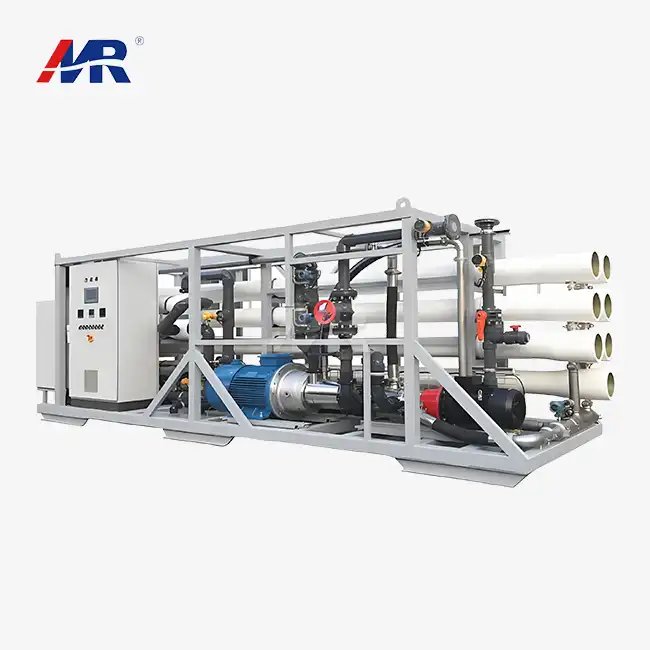
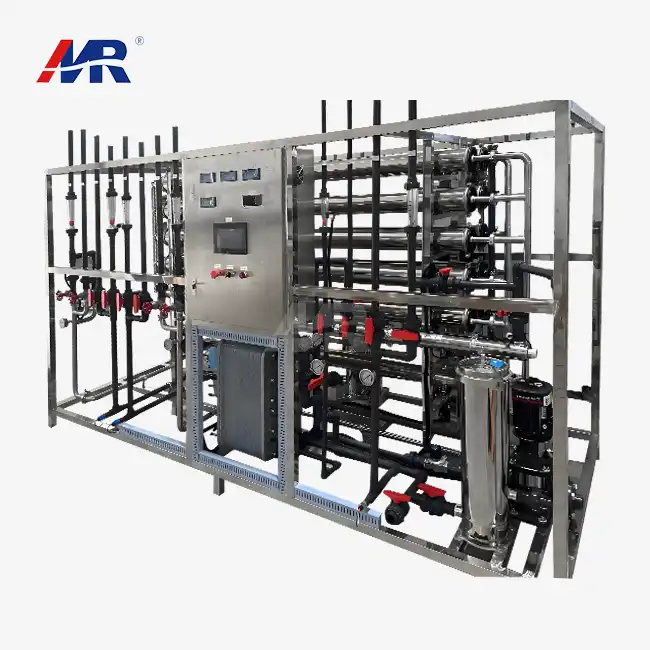
They mostly use reverse osmosis these days because it works well and can be used in different ways. Pumps with a lot of pressure move the saltwater through walls that only let water molecules through, but not dissolved salts. More than 99% of the dissolved solids are removed by this method. This leaves water that can be used for gardening, drinking, or industry. RO systems are useful for many tasks, from small boats in the ocean to water departments that serve seaside towns.
Thermal Desalination Methods
Heat seawater to make steam, which then falls back to water as clean water. This process is called multi-stage flash distillation and multi-effect distillation. The best places for these heating processes are those that can get heat from power plants or factories. They can turn garbage into liquid that can be used. Some commercial uses and feeds that are very salty may not be able to be handled by RO, but thermal methods can. They use a lot more energy than membrane technology, though.
Critical Process Stages
The entry tool pulls water in through wells or screens that are designed to keep marine life safe. Pretreatment gets rid of solids, organic matter, and algae that are stuck in filtering media like Natzeo filters. This keeps membranes further down the line from getting clogged. High-pressure pumps raise the feed pressure high enough to avoid osmotic forces. This lets water pass through ro membranes that are kept in pressure tanks. There are gadgets that take energy from the concentrated stream and use it to power the system with up to 60% less power. After the water has been treated, the pH levels are changed, disinfectants are added, and nutrients that are good for the water are added back in. Diffusers are used in brine drainage systems to make sure that the concentrated saltwater is diluted enough so that it doesn't hurt the environment.
Energy and Environmental Considerations
The most expensive part of running a business is still the energy it uses. These days, it's normally between 3 and 5 kilowatt-hours per cubic meter for RO plants. Picking the right technology can change costs and the world in a big way. Green energy sources or current energy recovery systems help plants release less carbon into the air and use less power. With good brine management, which includes planning and keeping track of releases, you can avoid localized increases in salt that could be bad for marine environments.
Comparative Analysis: Choosing the Right Seawater Desalination Technology for Your Needs
RO Versus Thermal Methods
Heat-based choices use more energy, take up more room, and are harder to keep up than reverse osmosis devices. RO works well in most business and city settings, especially when the cost of energy is high. There is still a market for thermal processes even when there is a lot of waste heat or when the feed water is very hot or salty. You should think about how much energy costs in your area, the infrastructure that is available, and your specific water quality goals when making your choice.
Desalination Versus Alternative Sources
Seawater desalination is better in many ways than building new freshwater sources or moving water over long distances. When you live near the ocean, you save money on shipping costs and water loss during transport. Desalination plants always make high-quality water, while pools can lose water to evaporation and contamination. Some industries that need solid supply lines are those that make electricity, chemicals, and food. Since this is possible to guess, operations will be steady, and risks will be lower.
Identifying Cost-Effective Solutions
Designs that use less energy and have smart control systems, variable frequency drives, and better membrane grids have lower lifecycle costs. The total cost of ownership should be looked at by buying teams instead of just the cost of the initial cash. Plants that are designed to grow in groups can handle it without having to go back and change the whole system. You can be sure that you will have access to expert help and new parts for as long as the building is being used if you choose sellers with a track record of success.
Procurement Considerations for Seawater Desalination Plants and Equipment
Essential System Components
There are a lot of parts that work together to make seawater desalination plants work well. Buy teams need to pay attention to these important things:
- Membrane elements are what RO systems depend on to do their job. How long these elements last and how well they stop fouling, figure out how much they cost to run. The best performance and longer life are guaranteed when membranes are chosen that are compatible with the chemistry of the feed water. Different industrial uses may call for different membranes that are made to have high rejection rates or flow capacities.
- High-pressure pumps have to keep the pressure fixed when they work in salty, acidic places. For long-term prices, this part is very important because it shows how much energy the pump uses and how well it works. When you work with well-known brands, you know you'll get good tools and service help.
- Chemical dosing systems accurately deliver antiscalants, coagulants, and disinfectants to control scaling, biofouling, and rust. Automatic dosing keeps the water clean and cuts down on chemical waste and the need for people to do the work.
- Control and monitoring systems track and control plant performance in real time. This lets repairs be planned ahead of time, and issues be fixed quickly. Tech today makes processes more effective and cuts down on the need for staff.
These parts that are linked to each other keep the water flow steady. When you buy good equipment from a reputable seller, you reduce the amount of maintenance and downtime that your facility will need over its lifetime.
Budgeting for Capital and Operating Expenses
Setting up seawater desalination costs a lot of money. Capital costs for large businesses are usually between 10 and 15 million dollars, but this can change based on their size, location, and the technology they use. The initial investment includes more than just the cost of the core equipment. It includes getting the spot ready, making structures for intake and release, and wiring the infrastructure. Energy costs make up about 40 to 50 percent of running costs, and membranes should be changed every three to seven years. You can make smart choices and get accurate ROI predictions when you plan your lifecycle costs well.
Supplier Selection Criteria
When looking at possible providers, you should check how knowledgeable they are about technology, how well they can make things, and how willing they are to help you after the job is done. When a business makes its own membranes and has different working lines for different kinds of equipment, it can be sure that the quality is maintained. You can handle hard setups if you have access to experienced tech teams with 20 or more skilled pros. Working with companies like Shimge Water Pumps, Runxin Valves, and Createc Instruments shows a care about quality. It is easier to handle projects when you offer a wide range of services, such as giving equipment, setting it up, and ongoing maintenance.
Maintenance Best Practices
Preventive maintenance keeps things moving easily and makes tools last longer. Regularly cleaning the membrane gets rid of the foulants that build up, which makes the flow rates and salt rejection better. Keeping an eye on things like energy use, air flow, and changes in air quality can help you find problems before they get too bad. If you build relationships with providers who can get you parts quickly and give you expert advice, you can cut down on damage when it does happen. When you teach operational staff how to use systems properly and fix easy problems, you don't have to rely on outside service providers as much.
Future Outlook: Innovations and Sustainability in Seawater Desalination
Renewable Energy Integration
Seawater desalination powered by the sun is becoming more common as a way to cut down on carbon emissions and water runoff. With photovoltaic panels and battery storage, it is possible to run a business without connecting to the power source in remote coastal areas or island towns. Hybrid systems that use both standard power and green energy are becoming more popular in places like the Middle East. Case studies from the United Arab Emirates show that desalination plants can cut their carbon footprint by 30 to 50 percent when they use both green and standard energy sources. Countries like Saudi Arabia, Kuwait, and Oman are building more green energy and desalination facilities to make sure they have enough water in the long run.
Advancing Membrane Technology
More research is being done to make membranes that can reject salt better, let more fluid through, and protect against fouling better. Nanocomposite materials and forms that are like living things could make things last longer and use less energy. This new way of making water costs less and is better for the earth, so seawater desalination is becoming more competitive with other ways to get water. With the help of predictive maintenance algorithms, better chemical doses, and real-time changes to performance, automation and AI make plant operations better. Smart sensors check the membrane's condition, which lets proactive cleaning plans keep things running smoothly.
Supporting Global Water Security
Water problems in Africa and Asia that are still growing are a lot like the ones in the Middle East. Seawater desalination will be used in more places than just the coast as more people move to towns and weather patterns change. People in the middle of the country will be able to get water through integrated water networks. The government sees seawater desalination as an important piece of infrastructure that helps the economy grow, keeps people healthy, and makes businesses stronger. Sharing technology and learning new skills is encouraged by international programs so that more people can learn about seawater desalination. Design methods and part specs standardization reduce costs through economies of scale.
Conclusion
There isn't enough water, so we need to use tried-and-true technologies that can give us steady, high-quality amounts without using traditional water sources. Making freshwater from a lot of salty ocean water is what this work is all about. Businesses, towns, and fields can use this freshwater. Modern RO and heat systems are very flexible and can be used for many things, from giving towns water to managing certain industrial processes. New membrane technologies and green energy are making seawater desalination more and more useful in many places around the world because they lower costs and protect the environment. People who work in buying should think about how stable, scalable, and long-lasting seawater desalination is when they look at plans for water security.
FAQ
1. What are the typical operational costs for desalination plants?
For most plants, the cost of running them is between $0.50 and $1.50 per cubic meter of water they make. This depends on the size of the plant, its technology, and the price of energy. Energy costs usually make up 40 to 50 percent of all costs and are a big part of operating budgets. The membrane needs to be changed every three to seven years. Chemicals, work, and care all make the costs go up. Places that use energy recovery devices and pump systems that work well will have lower costs at the lower end of this range.
2. How environmentally sustainable is desalination compared to other methods?
Diverter systems at modern desalination plants release brine in a safe way that doesn't harm the environment. This keeps the salt level safe. Using too much energy is bad for the earth, but switching to more green energy can help lower carbon loads a lot. When properly designed and run with the most up-to-date best practices and environmental tracking methods, seawater desalination plants are better for the environment than transporting water over long distances or using up aquifers.
3. What maintenance requirements do desalination systems need?
Cleaning the membrane often—every three to six months, depending on the feed water quality—keeps it in good shape and stops it from getting clogged. There is a good way to find problems early on: keep an eye on pressure differences, feed quality, and flow rates. Instruments, pumps, and valves are checked once a year to make sure they work right. You can cut down on unplanned downtime by making repair plans ahead of time and having extra parts on hand.
Partner with Morui for Comprehensive Seawater Desalination Solutions
With its proven seawater desalination skills and wide range of combined services, Guangdong Morui Environmental Technology is ready to help you reach your water security goals. Our business has more than 14 locations and more than 500 dedicated employees, including 20 skilled experts who focus on water treatment uses. We have our own place to make membranes and a number of other places to work with tools, keeping an eye on quality all the way through the supply chain. We sell parts made by reputable companies like Shimge Water Pumps, Runxin Valves, and Createc Instruments. If your company needs Seawater Desalination Equipment for certain uses, city supply, or industrial processes, Morui can help with everything, from planning the project to installing it and providing ongoing support. Get in touch with us at benson@guangdongmorui.com to talk about your needs. You can look at all of our tools at moruiwater.com.
References
1. Elimelech, M., & Phillip, W. A. (2011). The Future of Seawater Desalination: Energy, Technology, and the Environment. Science, 333(6043), 712-717.
2. Ghaffour, N., Missimer, T. M., & Amy, G. L. (2013). Technical Review and Evaluation of the Economics of Water Desalination: Current and Future Challenges for Better Water Supply Sustainability. Desalination, 309, 197-207.
3. Jones, E., Qadir, M., van Vliet, M. T. H., Smakhtin, V., & Kang, S. (2019). The State of Desalination and Brine Production: A Global Outlook. Science of The Total Environment, 657, 1343-1356.
4. Lattemann, S., & Höpner, T. (2008). Environmental Impact and Impact Assessment of Seawater Desalination. Desalination, 220(1-3), 1-15.
5. Pankratz, T. (2017). Water Desalination Report: Global Desalination Situation. Water Desalination Report, Houston, Texas.
6. Shahzad, M. W., Burhan, M., Ang, L., & Ng, K. C. (2017). Energy-Water-Environment Nexus Underpinning Future Desalination Sustainability. Desalination, 413, 52-64.
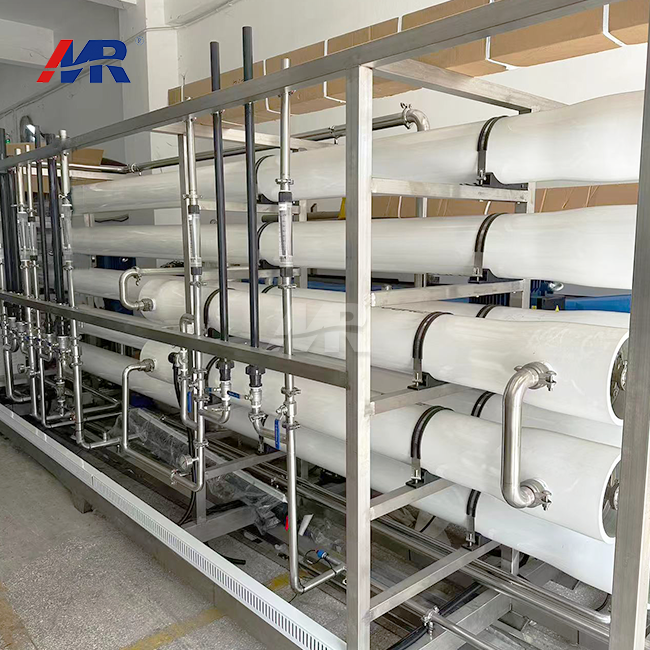 VIEW MOREosmosis drinking water system
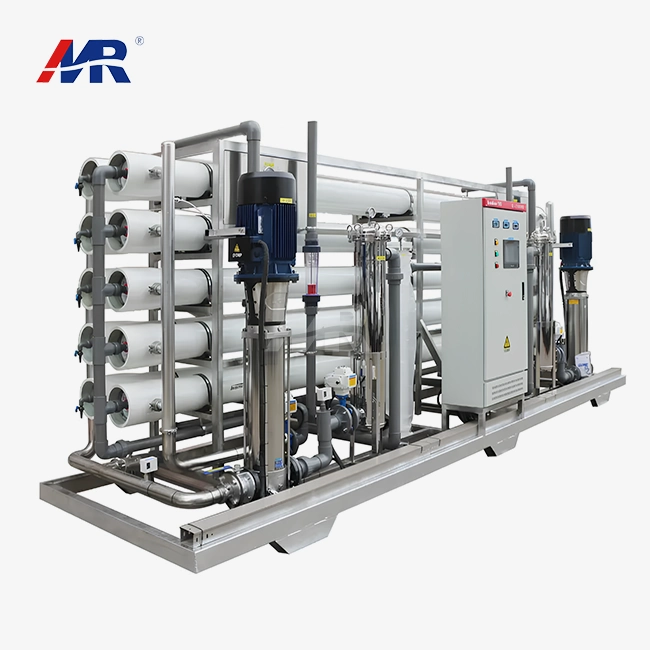 VIEW MOREreverse osmosis water purification plant
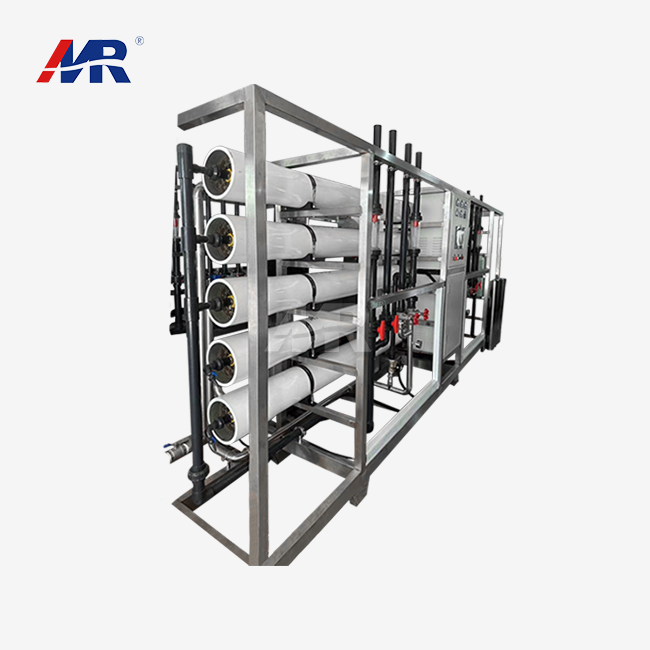 VIEW MOREhighest rated reverse osmosis system
 VIEW MORELandfill Leachate Treatment Plant
 VIEW MOREswro desalination plant
 VIEW MORE12m3/hour seawater desalination equipment
 VIEW MOREbiological reactor wastewater treatment
 VIEW MORE2000 liters/hour EDI system
