

_1745823981883.webp)

An Overview of Reverse Osmosis Desalination System
Industries and cities that are having trouble getting enough water can use reverse osmosis desalination plants to solve their problems. Using pressure-driven membrane technology, these systems separate dissolved salts and other impurities from brackish or seawater. The result is high-purity water that can be used for drinking, manufacturing, and certain industrial processes. As the need for water rises around the world in fields like agriculture and medicine production, reverse osmosis technology is the most efficient and flexible way to meet those needs. This summary helps business owners, procurement managers, and technical experts understand how RO systems work, how to evaluate performance factors, how to find options in the market, and how to make smart buying choices that are in line with budget and operational goals.
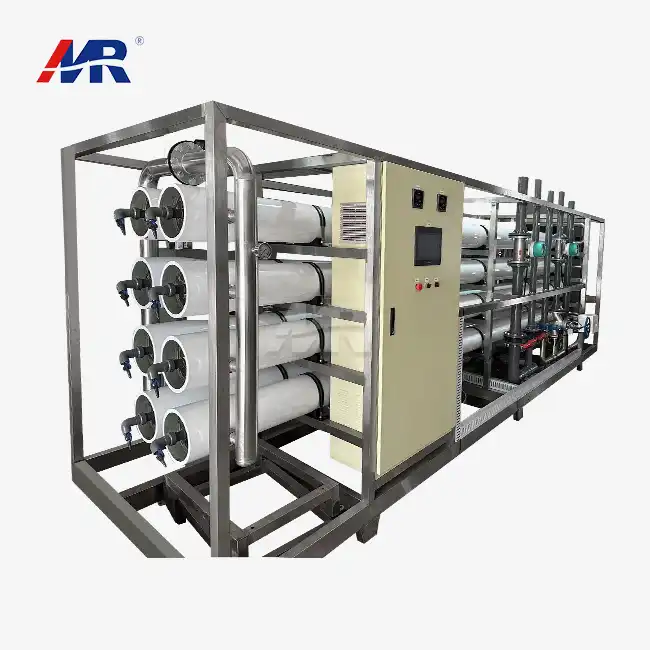
Understanding Reverse Osmosis Desalination Systems
Using hydraulic pressure to push feed water through semi-permeable membranes that stop salt molecules, minerals, and other impurities but let clean water molecules pass through is how reverse osmosis desalination plants work. The natural osmotic flow is turned around by this pressure-driven process, which makes two streams: pure permeate water and concentrated brine output.
Core Components and Process Flow
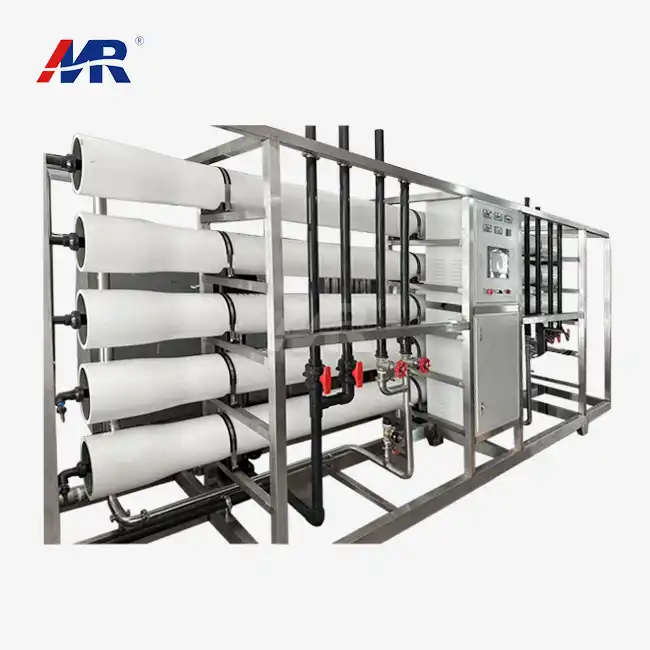
A normal reverse osmosis desalination plant has several stages that work in order and are all linked to each other. Multi-media pre-filters clean the feed water by getting rid of dissolved solids, sediments, and organic matter. This keeps the membranes further down the line safe. Then, high-pressure pumps raise the water pressure to get past the osmotic resistance. These pumps usually work between 150 and 1200 psi, but this depends on how salty the feed is. At the system's core are spiral-wound or hollow-fiber membrane units, which separate things at the molecular level. Before distribution, steps after cleaning change the pH levels and add important minerals.
Primary Advantages of RO Technology
It is possible for reverse osmosis systems to regularly reject more than 99.5% of salt, which makes them ideal for sensitive tasks like making medicines and electronics. The technology is incredibly flexible, and it can be used in everything from small 100 LPH business units to huge municipal sites that process millions of gallons of water every day. Modern RO plants have energy recovery devices that take pressure from brine streams. This lowers the cost of operation by up to 60% compared to older thermal desalination methods. Modular construction lets you gradually add more space to meet the needs of your growing business without having to rethink the whole system.
Maintenance Considerations and Operational Challenges
Regular cleaning of membranes stops fouling caused by bacterial growth, mineral scaling, and particulate buildup, which makes the system less effective over time. Operators keep an eye on average permeate flow and conductivity trends to plan cleaning tasks that need to be done before performance problems get too bad. Changes in the quality of the feed water need flexible pre-treatment methods, especially when dealing with sources of changeable salt. Depending on the feed and operating conditions, membrane replacement cycles usually last between three and seven years. This is a big part of lifetime costs that buying teams have to include when figuring out the total cost of ownership.
Comparing RO with Alternative Technologies
Thermal desalination methods, such as multi-stage flash distillation, work best when there is a lot of leftover heat from manufacturing or power plants. However, they use a lot more energy when they are used on their own. Ultrafiltration membranes get rid of germs, viruses, and suspended particles well, but they can't get rid of dissolved salts. This means that they are better used as a supplement to other treatments rather than as a replacement for them. For brackish water with a modest amount of salt, electrodialysis reverse osmosis works well, but it is no longer cost-effective for uses where RO is more important, like seawater. Knowing these differences helps expert decision-makers choose the right solutions for the water quality needs and resources that are available.
Key Design and Performance Factors for RO Desalination Plants
The best design for reverse osmosis desalination plants carefully chooses which parts to use and how to arrange them so that the long-term operating efficiency is balanced against the cost of the initial investment.
System Architecture and Component Selection
Choosing the right membrane chemistry between cellulose acetate and thin-film hybrid materials has an effect on how well they reject chlorine, the pH range they work in, and how much chlorine they can handle. Polyamide thin-film membranes are used most often in industrial settings because they are better at removing salt and last longer, but they need to be dechlorinated first. The number of membrane elements grouped in series and parallel is determined by the array arrangement. This has a direct effect on recovery rates and patterns of energy use. Skid-mounted designs make installation and testing easier. This is especially helpful for offshore sites and other remote areas with few expert resources.
Pre-Treatment Requirements for Membrane Protection
The design of the pre-treatment system is based on the analysis of the feed water. This analysis finds the suspended solids, hardness, organic content, and oxidants that could damage the membrane. Multimedia filtration gets rid of particles as small as 20 microns, and cartridge filters polish the sound even more, down to 5 microns, before RO contact. Chemical dosing systems add antiscalants to keep minerals from settling and keep the pH in the right ranges for membrane performance. Using an activated carbon filter or sodium bisulfite injection to get rid of chlorine and oxidants saves polyamide membranes from oxidative damage that cannot be fixed.
Critical Performance Metrics
The recovery rate shows what percentage of feed water is turned into product water. For seawater uses, the recovery rate is usually between 47% and 75%, and for brackish water treatment, it's usually between 75% and 85%. The salt rejection percentage shows how well the membrane blocks dissolved ions, which is directly related to the cleanliness of the permeate water. Specific energy usage measures how much power is needed per unit of product water. Modern seawater systems can reach 2.5 to 4 kWh/m³ by incorporating energy recovery. By keeping an eye on these factors, operators can spot performance drift before it gets so bad that it causes costly mistakes.
Troubleshooting Common Inefficiencies
If the normalized permeate flow goes down, it means that the membrane is getting clogged and needs to be cleaned. If salt passage goes up, it means that the membrane is breaking down or the seal is failing. When the pressure drop across membrane elements rises, it means that particles are building up because the pre-treatment wasn't done well enough. Biological waste shows up as an increase in the organic content of something and reacts to cleaning methods that use oxidizing pesticides. Keeping detailed running logs helps find small patterns that allow for proactive repair instead of reactive disaster management.
Market Overview and Comparative Analysis of RO Desalination Plants
The global market for water treatment equipment and reverse osmosis desalination plants includes well-known membrane makers, system designers, and producers of specialized parts that serve a wide range of industries.
Leading Membrane Technology Providers
DOW Water & Process Solutions has FILMTEC membranes that are made to work well with seawater, brackish water, and ultrapure water because they don't get clogged up easily. Toray Industries makes membrane elements that are perfect for making pharmaceutical-grade water that meets USP standards. Low-energy materials made by Hydranautics lower the costs of running large-scale public projects. LG Chem works on making new hybrid membranes that improve permeability without lowering rejection rates. These companies offer expert support to help system builders choose the best membrane configurations for the properties of the feed water.
Cost Structure Analysis
Capital spending includes buying equipment, building infrastructure, installing electricity, and starting up services. It usually ranges from $1,000 to $3,000 per cubic meter of daily capacity, but this depends on the size of the project and the conditions of the site. Running costs for seawater desalination include replacing membranes, using chemicals, and paying people to do upkeep. Energy costs make up 40 to 60 percent of running costs. The total lifetime costs over 20-year project horizons show that improvements in energy efficiency that cost little up front save a lot over time. Instead of just looking at the original price, procurement teams need to use net present value calculations to judge offers.
Technology Configuration Options
Single-pass systems only go through one membrane stage, so they can handle low-salinity sources and uses that can handle a mild rejection rate. Two-pass designs let the first-stage percolate through extra membranes, making it possible to get ultra-high purity for making semiconductors and medicines. In hybrid systems, RO and electrodeionization units work together to get rid of residual ions down to a few parts per billion (ppb) amounts. Understanding the purity needs of a specific application keeps you from over-specificating, which raises costs without providing practical value.
Procurement Guide for Reverse Osmosis Desalination Plants
Strategic buying methods for reverse osmosis desalination plants lower the total cost of ownership of a system while also making sure that it works well and that the seller is responsible.
Evaluating Decision Criteria
Capacity needs must take into account times of high demand, expected business growth, and the need for backup systems to keep production going during repair periods. Because energy economy has a direct effect on daily budgets, specific energy usage is a key decision factor along with capital cost. When installing in cities or at sea, where space is limited, small high-flux membrane designs that get the most capacity per square meter are preferred. Automation level affects the amount of work that needs to be done and how consistently things run, which is especially important for places that don't have a lot of expert staff.
Purchase Versus Leasing Considerations
Buying equipment outright gives you ownership benefits and saves long-term financing costs. This is best for businesses with adequate capital funds and established upkeep capabilities. Operating rentals keep money for core business investments and bundle maintenance services, which makes them appealing to startups and companies that want to keep their balance sheets as flexible as possible. Build-operate-transfer contracts put technical risk on expert workers during the first few years of operation, before the assets are transferred. To find the best ways to buy things, financial analysis needs to take into account things like tax effects, discount rates, and lost opportunities.
Customization and After-Sales Support
Design, manufacturing, installation, and testing are all handled by a single source with turnkey solutions. This makes project management easier and makes it clear who is responsible for what. Customization takes into account things that are unique to each place, like limited space, the type of power source, and changes in the feed water that need flexible control strategies. Operational continuity is protected by service agreements that cover everything from preventative maintenance to emergency reaction, membrane cleaning, and performance promises. Long-term support risks can be reduced by checking the technical skills of vendors, the availability of extra parts, and their service presence in the area.
Managing Procurement Workflows
By asking for detailed technical proposals with full specs, you can use standard criteria to compare different sellers in an objective way. When you buy in bulk for deployments at multiple sites, you can get big savings and standard setups that make keeping track of spare parts easier. When delivery schedules are coordinated with building stages, storage costs and weather exposure risks are avoided. Setting up escrow payment terms that are tied to commissioning goals and performance testing saves buyers in case the work doesn't meet expectations.
Future Trends and Innovations in Reverse Osmosis Desalination
As technology improves, reverse osmosis desalination plants can do more while leaving less of an impact on the world and costing less to run.
Energy Efficiency Breakthroughs
Because they are more permeable, next-generation low-pressure membranes cut the need for pumps by 20–30% without affecting their rejection performance. Variable frequency drives make sure that the pump works best by adapting to changes in real-time demand instead of over-designing for a set speed. Modern energy recovery devices are able to move 95–98% of the pressure from brine streams back into feed pumps. All of these new ideas lower the specific energy needed to desalinate seawater below 2 kWh/m³, which is getting close to thermodynamic minimums.
Renewable Energy Integration
Photovoltaic panels connect directly to high-pressure pumps in solar-powered RO systems, which can be used in places that aren't connected to the power grid and help reduce carbon emissions in environmentally-friendly projects. Integration of wind energy offers cost-effective power in coastal areas with reliable wind resources. Hybrid renewable designs with battery storage allow for 24-hour running, even when production trends change. These methods make sure that the equipment for treating water is in line with companies' environmental goals and renewable portfolio standards.
Smart Monitoring and Predictive Maintenance
Connected to the internet, monitors constantly check the water quality, flow, conductivity, and pressure in different parts of the system. Machine learning systems look at past performance data to find trends that don't make sense, which could mean that something is about to fail. A predictive maintenance schedule that is based on the real state of the equipment instead of set times cuts down on needless repairs and breaks. Remote tracking screens let corporate management and vendor support teams see what's going on in the field, so they can give proactive expert advice.
Modular and Containerized Systems
Prefabricated containerized reverse osmosis desalination plants come fully built, tested, and ready to use. This cuts the time it takes to build them on-site from months to weeks. Modular capacity increase lets you make small investments to keep up with rising demand without having to do huge projects all at once. Mobile units are used for crisis aid, emergency response, and temporary building sites where they need to be set up quickly. Businesses can respond to changing market conditions and government rules without having to hold on to capital investments.
Conclusion
In many corporate and municipal settings, reverse osmosis desalination plants provide reliable, high-purity water options. Procurement experts can make smart investment choices that balance performance, cost, and sustainability when they understand system basics, design parameters, market trends, and new technologies. RO will likely be the most popular way to desalinate water for a long time to come because it has a history of success and is always getting better. In water-limited areas, businesses that carefully look at vendor skills, lifetime economics, and application-specific needs will get the best results that support long-term operating excellence and business growth.
FAQ
1. How often do RO membranes require replacement?
The membrane's three- to seven-year service life depends on feed water quality, pre-treatment efficiency, and maintenance. Systems that process substantially fouled or variable-quality sources may need to be replaced. However, well-maintained systems with consistent, pre-treated feed water extend membrane life. Performance monitoring that records standardised flux decrease helps identify when to replace the item, preventing it from being utilised beyond its economic usable life and costing more to clean.
2. What routine maintenance does an RO system need?
Pressure, flow rates, and permeate conductivity are monitored daily for performance changes. Weekly checks determine whether pre-filter pressure differentials require replacement. Monthly membrane cleaning with acidic or alkaline solutions removes foulants before they harm membrane surfaces. Full servicing includes cartridge filter replacement, high-pressure pump seal inspection, and instrument calibration annually. Tools last longer and operate better when repaired properly.
3. How does RO compare to thermal desalination in cost and energy?
Modern reverse osmosis desalination plants use only 2.5 to 4 kWh/m³ to desalinate seawater, which is a lot less than heating methods that need 7 to 15 kWh/m³. Capital costs make RO a better choice for most uses, except in places where there is a lot of waste heat that can be used to lower the cost of thermal process energy. RO's flexible scalability makes small to medium-sized sites cost-effective, but thermal plants only get economies of scale when they can handle more than 50,000 m³/day. RO has clear benefits in most buying situations because it is more flexible in how it runs and easier to maintain.
Partner with Morui for Reliable Reverse Osmosis Desalination Plants
Guangdong Morui Environmental Technology Co., Ltd. has a lot of experience treating water for projects like desalinating seawater, providing process water to factories, and supplying water to cities. Our streamlined method combines our own special membrane-making skills with access to top-quality parts made by companies like Shimge Water Pumps and Runxin Valves. This lets us make reverse osmosis desalination plants that are perfect for your needs. We offer full turnkey solutions from the initial planning phase through installation and commissioning. We have over 500 workers, 20 specialized engineers, and 14 area offices. As a maker and provider with a lot of experience, Morui can offer you reasonable prices, quick rollout times, and helpful after-sales support to make sure that your water treatment investment keeps giving you value. Contact Our Team at benson@guangdongmorui.com to discuss your project requirements and receive customized technical proposals backed by proven performance across pharmaceutical, food and beverage, power generation, and municipal sectors.
References
1. Greenlee, L. F., Lawler, D. F., Freeman, B. D., Marrot, B., & Moulin, P. (2009). Reverse osmosis desalination: Water sources, technology, and today's challenges. Water Research, 43(9), 2317-2348.
2. Ghaffour, N., Missimer, T. M., & Amy, G. L. (2013). Technical review and evaluation of the economics of water desalination: Current and future challenges for better water supply sustainability. Desalination, 309, 197-207.
3. Elimelech, M., & Phillip, W. A. (2011). The future of seawater desalination: Energy, technology, and the environment. Science, 333(6043), 712-717.
4. Fritzmann, C., Löwenberg, J., Wintgens, T., & Melin, T. (2007). State-of-the-art of reverse osmosis desalination. Desalination, 216(1-3), 1-76.
5. Lattemann, S., & Höpner, T. (2008). Environmental impact and impact assessment of seawater desalination. Desalination, 220(1-3), 1-15.
6. Shatat, M., Worall, M., & Riffat, S. (2013). Opportunities for solar water desalination worldwide: Review. Sustainable Cities and Society, 9, 67-80.
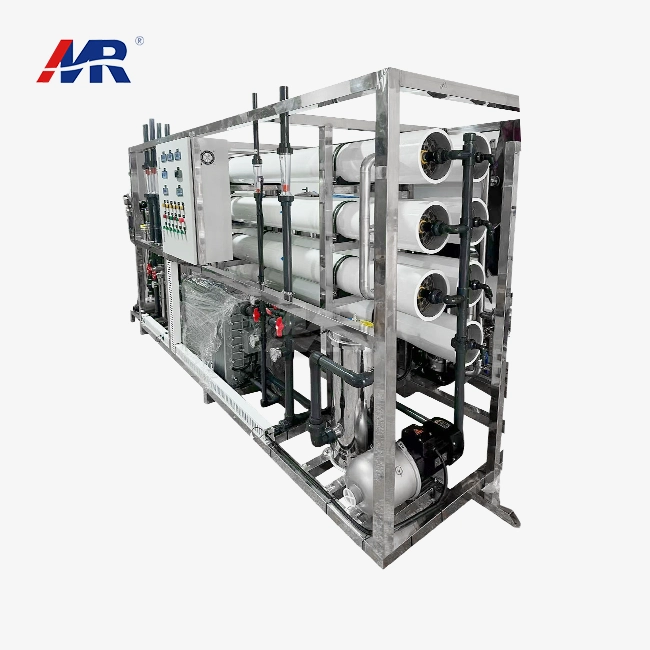 VIEW MOREedi water treatment
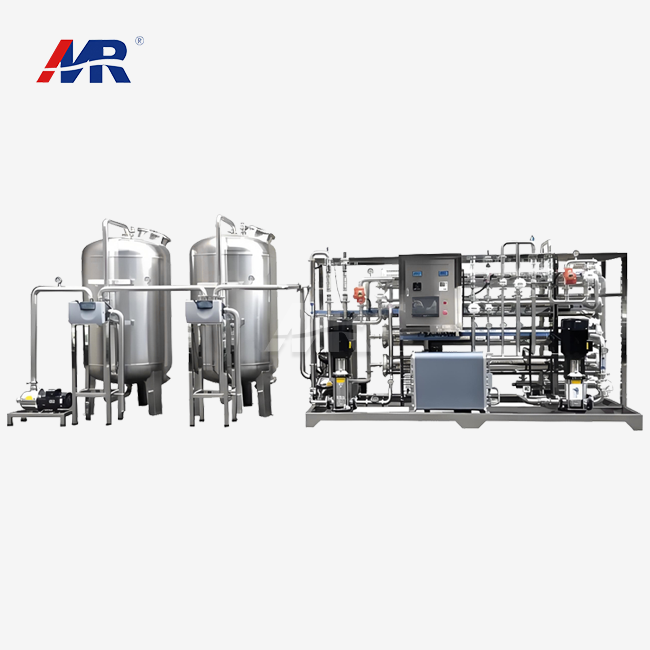 VIEW MORE2000LPH EDI system
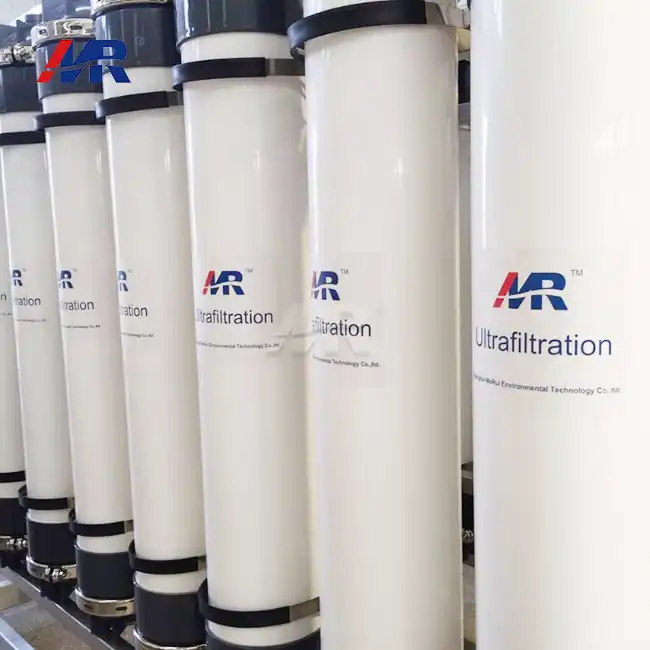 VIEW MORE90T/H ultrafiltration equipment
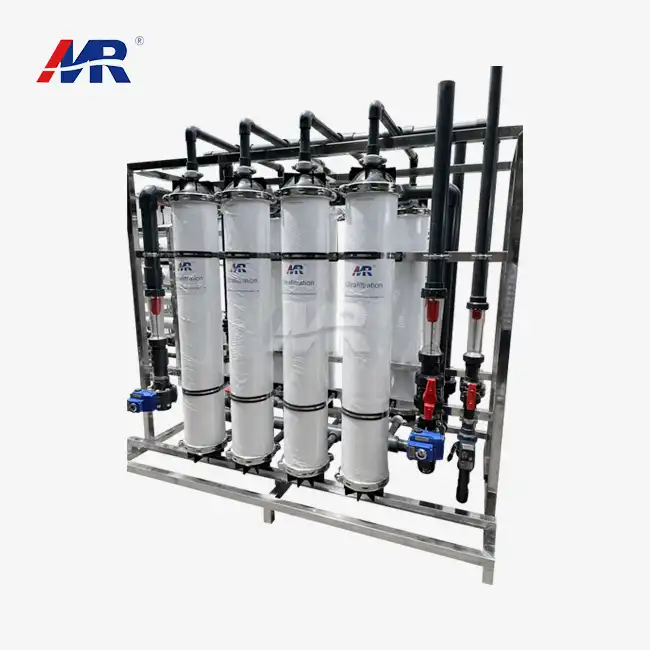 VIEW MORE15T/H ultrafiltration system
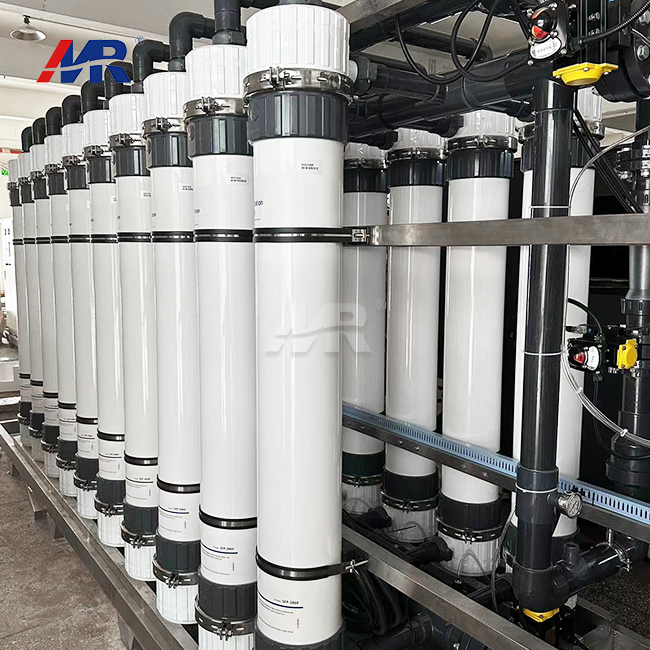 VIEW MOREwater ultrafiltration system
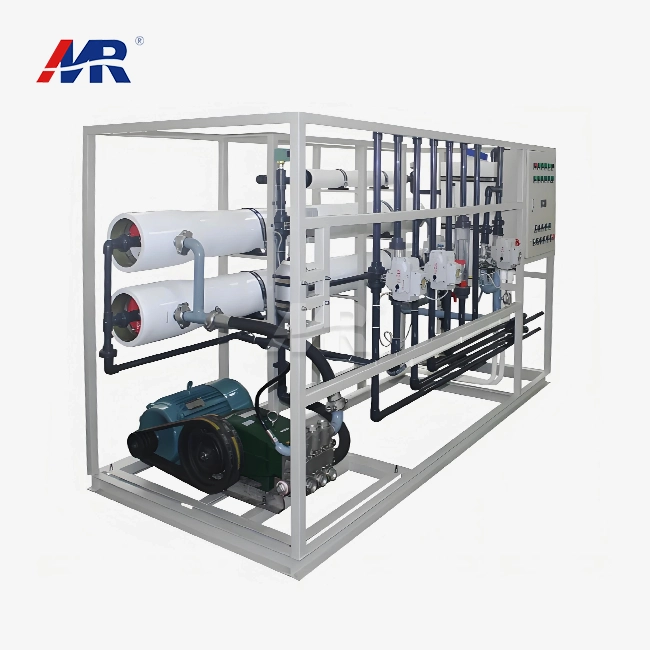 VIEW MOREseawater desalination pre-treatment
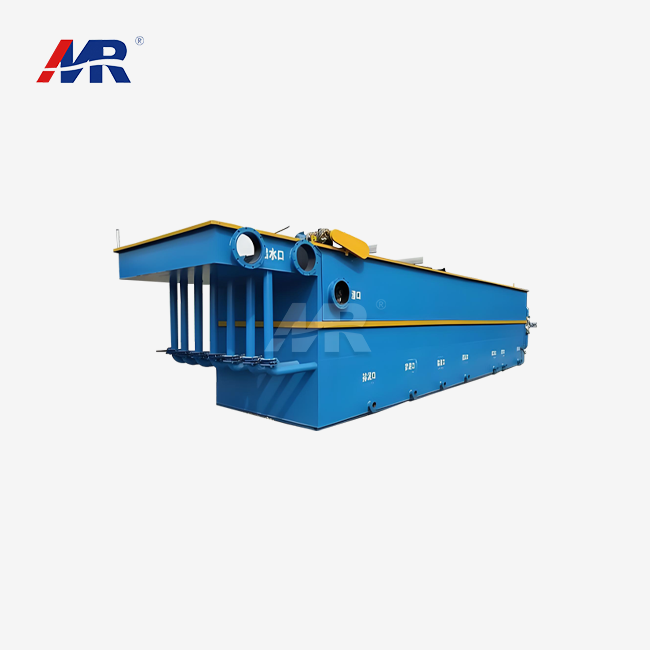 VIEW MOREadvanced wastewater treatment system
 VIEW MORE25m3/hour reverse osmosis equipment
