

_1745823981883.webp)

Understanding EPA Regulations: Ensuring Compliance with Your Leachate Management System
To get around the EPA's complicated rules, you need more than a basic understanding of them. You need to make sure that environmental law and practical structures are strategically aligned. A leachate management system collects and cleans up polluted liquid that seeps through dump leachate management systems and industrial waste sites. It does this while also following the rules and protecting the environment. Systems that are properly designed keep groundwater from getting contaminated and meet strict federal and state requirements. For environmental engineers, building managers, and buying teams, making sure that regulations are followed keeps your business from getting fined and shows that the company is responsible.
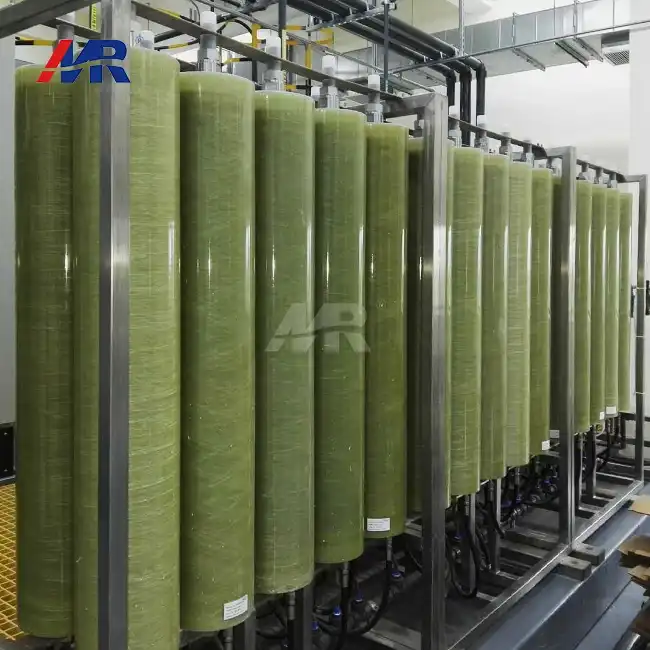
Overview of EPA Regulations Governing Leachate Management Systems
Most of the rules that govern how a leachate management system is treated come from two main laws: the Resource Conservation and Recovery Act (RCRA) and the Clean Water Act. The Environmental Protection Agency can use these frameworks to set performance standards, permit requirements, and monitoring methods that have a direct effect on how treatment facilities build, run, and manage their infrastructure.
RCRA Requirements for Solid Waste Facilities
RCRA Subtitle D controls local solid waste dumps and requires complete systems for collecting and disposing of leachate. Facilities must show that they handle wastewater so that it doesn't get into groundwater or open water. Operators have to keep a lot of records, like quarterly and yearly reports that show how much trash they receive, how it is treated, and how it is thrown away. When it comes to toxic waste sites, Subtitle C rules put even stricter limits on the nature of leachate and the ways that it can be disposed of.
Clean Water Act Discharge Standards
The Clean Water Act says that any site that releases cleaned leachate into waterways that people can use needs to get a permit from the National Pollutant Discharge Elimination System (NPDES). The permit limits say how much of certain pollutants, like biochemical oxygen demand, total dissolved solids, ammonia, leachate management system and heavy metals can be present at most. Monitoring can happen anywhere from once a day to three times a year, based on the type of pollutant and the amount of release. Facilities that choose off-site treatment or recirculation routes may have to deal with different legal processes, but they still need to keep records of how they handled and disposed of waste properly.
Components and Design Guidelines to Ensure EPA Compliance
To meet regulatory requirements, you must first carefully create a leachate management system that combines tried-and-true technical principles with EPA-required features. Modern leachate treatment infrastructure is made up of many linked subsystems that collect, move, clean, and keep an eye on contaminated liquids throughout their whole lifetime.
Impermeable Liner Systems and Collection Networks
Compliance with regulations starts below the ground, with hybrid liner systems that use geomembranes and layers of compacted dirt. These barriers stop the leachate from moving into the land and groundwater nearby. A drainage layer sits on top of the cushion and makes it easier for liquid to move to the collection pipes. High-density polythene lines with holes in them carry leachate to central sump pumps, which then send the liquids to treatment units. Pipe networks need to be able to handle high flows during rainstorms while still having enough slope for water to drain naturally.
Treatment Technology Selection and Configuration
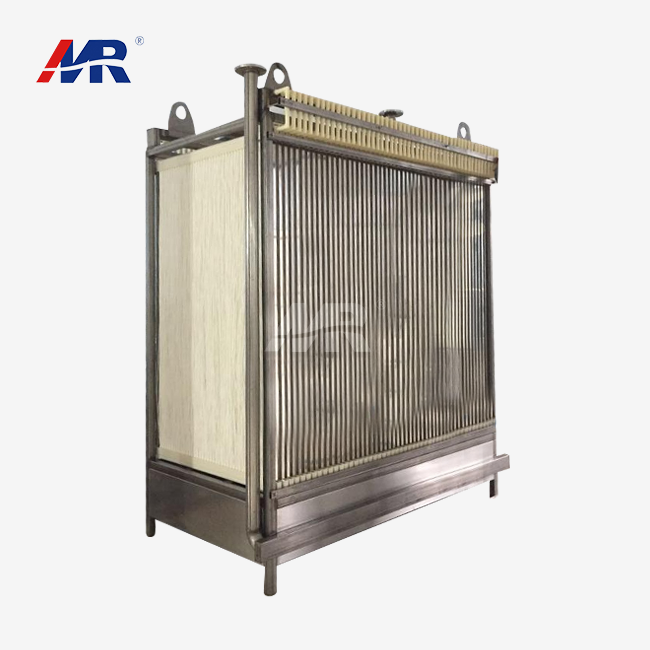
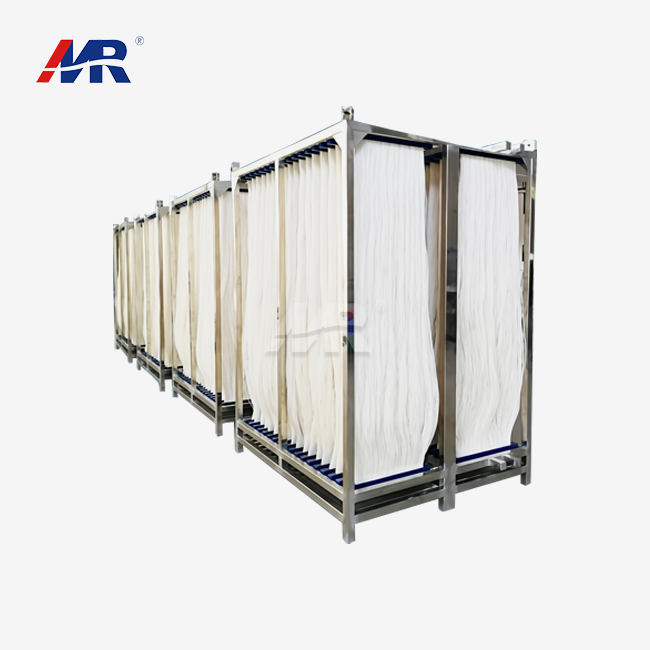
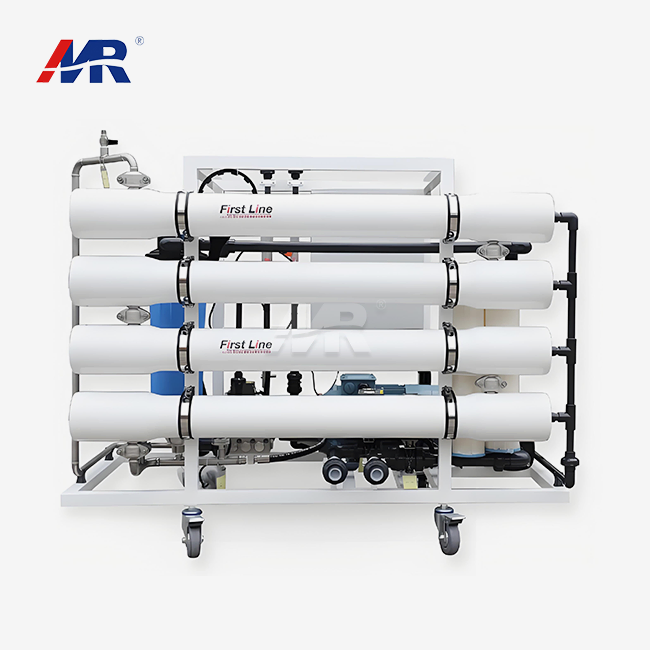
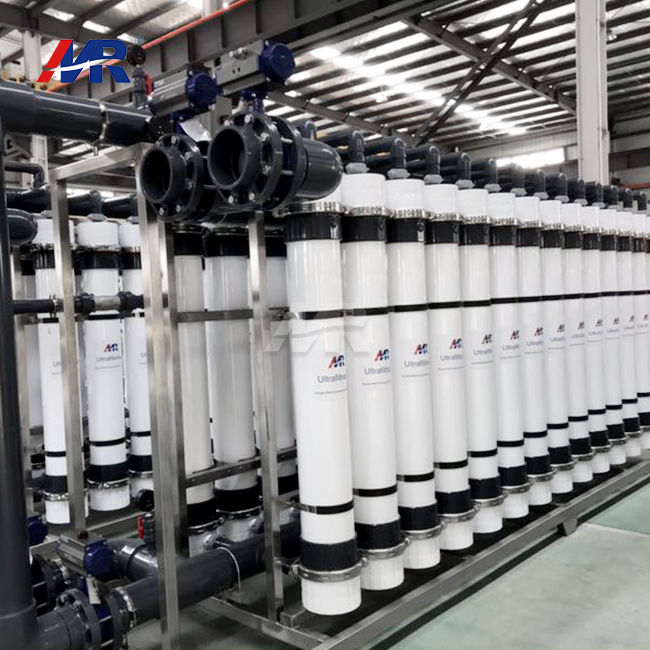
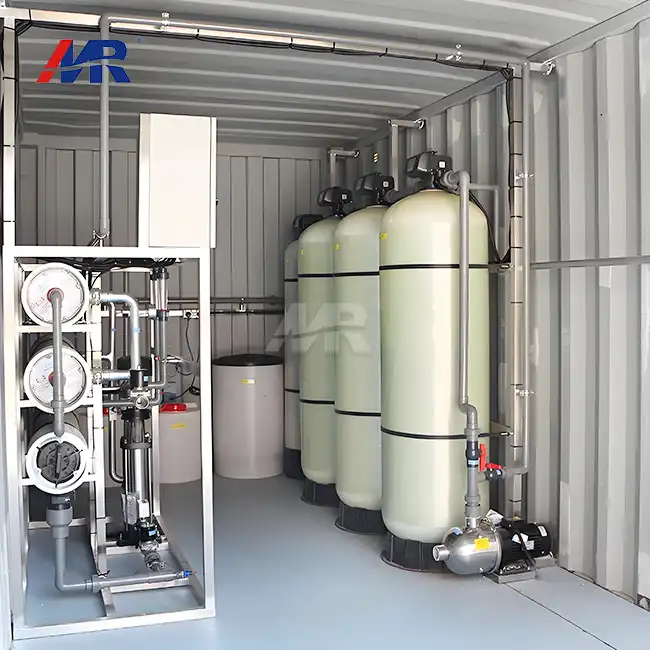
Different treatment methods are used depending on the type of leachate, the discharge standards, and the limitations of the place. Biological treatment in aerobic or anaerobic tanks is a good way to lower nitrogen and organic loads. Membrane technologies, like ultrafiltration and reverse osmosis, get rid of heavy metals, liquid solids, and organics that are hard for living systems to break down. At Morui, we combine membrane solutions, such as our own membrane goods made in-house, with tried-and-true biological processes to meet discharge standards in a wide range of situations. Electrochemical oxidation and activated carbon adsorption are steps that are used to clean off contaminants that are especially tough.
Practical Steps to Maintain Compliance with EPA Regulations
Setting up equipment that is compliant is only the beginning of a long-term connection with regulators regarding your leachate management system. To keep things in line, you need to follow strict operational procedures, do regular upkeep, and keep detailed records that can stand up to close review by regulators during inspections and audits.
Routine Maintenance and Inspection Protocols
Setting up schedules for preventative repair saves the legal standing and reliability of the system. Seals, impellers, and motor bearings in pump systems need to be checked every three months to make sure they don't break down and stop treatment. Membrane units need to be cleaned on a regular basis using chemicals that are made to remove specific types of fouling. Video inspections of collection pipes should be done once a year to look for clogs, root intrusion, the leachate management system or damage to the structure. Using electrical leak location surveys for liner integrity checks finds holes in the liner before they get into the groundwater and pollute it.
Calibration and Performance Verification
Over time, monitoring tools may move, which could lead to wrong data that doesn't reflect the real situation. Calibration of pH metres, conductivity probes, and flow metres against approved norms once a month keeps the accuracy of measurements. Every year, results from online analysers are compared to lab analysis of split samples by a third party. This testing in parallel meets regulatory needs and makes sure that practical choices are based on reliable data.
Navigating Costs and Procurement Strategies for Compliance-Grade Systems
When planning the finances for a leachate management system, it's important to think about both the initial capital investment and the long-term operating costs that will last for decades. Strategic procurement compares the initial prices to the overall value of an object over its entire useful life, while also making sure that it meets all applicable regulations.
Capital Investment Components
The initial costs include engineering planning, buying tools, building the infrastructure, and starting up the system. Liner systems and collection structures require a lot of work on the ground and a lot of materials. The price of treatment equipment changes a lot depending on how complicated the technology is and how much it can hold. A basic aerobic biological system for a small building could cost between $200,000 and $500,000. For large-scale operations, modern membrane systems can cost over a million dollars. Total installed costs are affected by things that are unique to each site, like the soil's state, the depth of the groundwater, and the availability of utilities.
Operational and Maintenance Expenses
Costs that keep coming up include electricity, chemical solutions, replacing membranes, getting rid of sludge, lab tests, the leachate management system and staff time. Some technologies, like oxygen treatment and reverse osmosis, use a lot of electricity, so it's important to find ways to make them more efficient. Depending on the quality of the water and how well the prep works, membranes are usually replaced every three to seven years. Annual maintenance arrangements with equipment sellers help you plan your budget and get access to expert support. Many companies find that thorough service agreements keep them in line with regulations and cut down on the costs of unexpected failures.
Supplier Evaluation Criteria
When you do effective buying, you look at more than just prices; you also look at the total value delivered. Certifications like ISO 9001 for quality management and ISO 14001 for environmental management show that a company takes a planned approach to quality and caring for the environment. Technical skills, such as in-house planning, pilot testing facilities, and custom manufacturing, make it possible to make solutions that fit the needs of each place. Service reaction times and shipping prices for replacement parts are affected by where you live. References from similar applications show how well and reliably something works in the real world.
Contract Considerations for Compliance Assurance
Regulatory compliance support, such as help with applying for permits, starting services, operator training, and paperwork templates, should be clearly spelt out in purchase agreements. Performance promises that set goals for sewage quality protect buyers from systems that don't work as expected. Maintenance contracts that spell out reaction times, covered parts, and labour rates keep disagreements from happening during the operational stages. Support for governmental audits shows that the seller wants to build long-term partnerships instead of just doing business. When we make contracts at Morui, we do so with the understanding that your success in meeting compliance standards shows how committed we are to providing not only tools but also complete solutions that meet business, operational, and governmental needs.
Conclusion
To keep EPA compliance with the treatment of infrastructure within a leachate management system, you need to combine legal knowledge, tried-and-true technologies, and disciplined operating practices into management systems that work well together. Understanding how RCRA and the Clean Water Act set up the rules for regulations is important for making design decisions and buying things. Choosing the right treatment methods based on the conditions at the site and the standards for discharge improves both compliance and dependability and lifetime costs. Regular upkeep, checking, and record-keeping keep the legal standing and safeguard groundwater supplies and public health. Partnering with experienced providers who offer full engineering, high-quality tools, and ongoing Technical support turns compliance from a burden into a competitive benefit that shows environmental responsibility and business excellence.
FAQ
1. What are the most common EPA compliance challenges with leachate systems?
Facilities often have trouble with runoff quality that changes too much and goes beyond what was intended, especially after heavy rain or as the waste changes over time. Compliance risks can also be caused by poor upkeep that causes equipment to break down and inaccurate tracking instruments. Operations can get fined for not having enough documentation during checks, even if their real environmental performance is still good enough for a leachate management system.
2. How often should leachate systems undergo inspections?
Visual checks of important parts like pumps and alarms every day find problems fast when they are clear. Weekly checks should keep track of how well the collection system is working and how stable the cleaning process is. Pump state, pipe soundness, and liner systems are checked every three months. Comprehensive inspections by experienced engineers once a year meet most permit requirements and find problems early on, before they become too big to fix or cause regulatory violations that cost a lot of money.
3. Can older leachate systems be retrofitted for current EPA standards?
Targeted changes can be made to many current installations to make them better instead of replacing them all. Adding membrane cleaning to biological systems gets rid of contaminants that the original designs weren't able to. Adding automatic tracking and control systems to old systems makes operations more reliable and improves documentation. Adding more liners and making the collection device bigger can handle more flow. A site-specific study figures out the most cost-effective way to improve, taking into account both government rules and budget limitations.
Partner with Morui for Proven Leachate Management System Solutions
EPA compliance requires more than just providing standard tools. It also requires a deep understanding of regulations, new engineering ideas, and long-term operating partnerships with a leachate management system provider. Morui has more than 500 committed professionals, including 20 specialised engineers, who work with clients in the wastewater treatment for industries, infrastructure for cities, and environmental cleanup. Our vertically integrated skills, such as making membranes in our own plant and working with top component suppliers, give procurement managers and facility owners the trust they need. We offer complete solutions that include system design, equipment delivery, installation, testing, and ongoing expert support that is tailored to your particular regulatory needs. Whether we're improving old infrastructure or starting from scratch, Our Team uses decades of experience to make sure that your relationship with your provider goes beyond transactions and turns into a strategic asset that protects environmental compliance and business continuity. Email our team at benson@guangdongmorui.com to talk about how our custom solutions can help you with your specific problems.
References
1. U.S. Environmental Protection Agency. (2021). Municipal Solid Waste Landfills: Volume 1 – EPA's Background Document for 40 CFR Part 258. Office of Resource Conservation and Recovery.
2. Tchobanoglous, G., Burton, F.L., & Stensel, H.D. (2019). Wastewater Engineering: Treatment and Resource Recovery (5th ed.). McGraw-Hill Education.
3. Renou, S., Givaudan, J.G., Phoulain, S., Dirassouyan, F., & Moulin, P. (2008). Landfill Leachate Treatment: Review and Opportunity. Journal of Hazardous Materials, 150(3), 468-493.
4. American Society of Civil Engineers. (2020). Design and Construction of Urban Stormwater Management Systems. ASCE Manual of Practice No. 77.
5. Qasim, S.R. & Chiang, W. (2018). Sanitary Landfill Leachate: Generation, Control and Treatment. CRC Press.
National Research Council. (2019). Assessment of Technologies for Managing Municipal Solid Waste Landfill Leachate. National Academies Press.
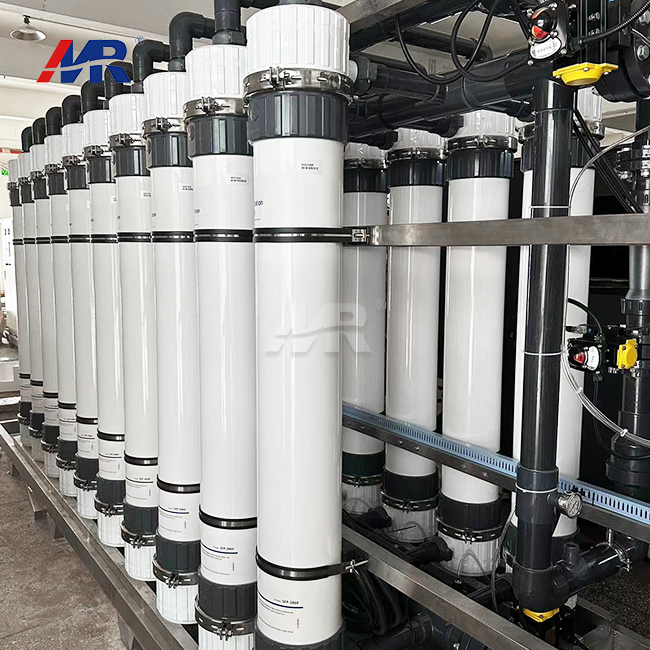 VIEW MOREwater ultrafiltration system
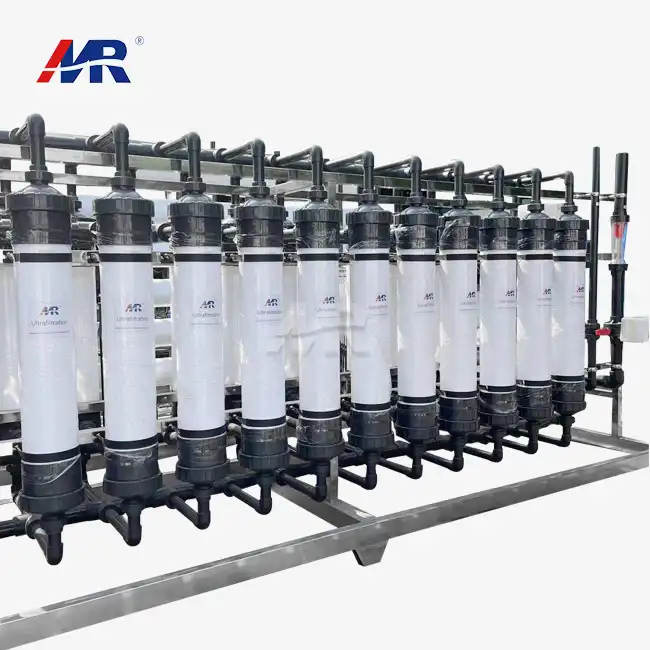 VIEW MORE30m3/hour ultrafiltration equipment
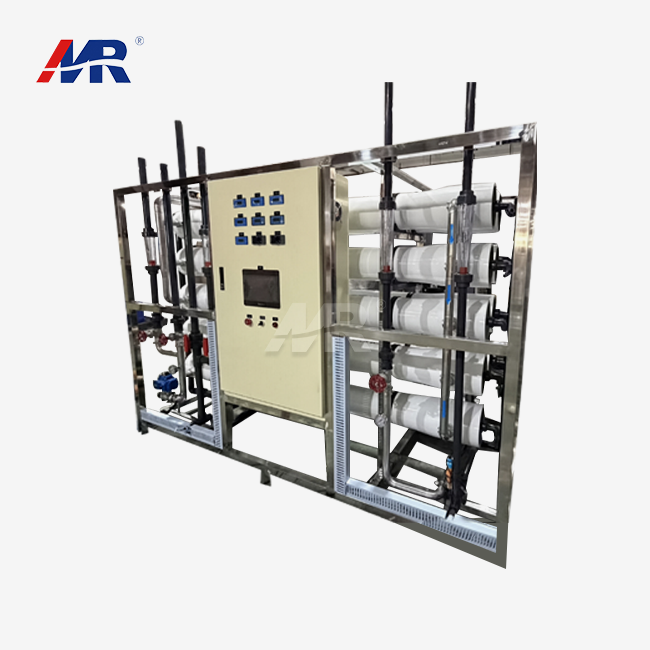 VIEW MORE8 stage reverse osmosis system
 VIEW MOREmembrane bioreactor mbr
 VIEW MOREbioreactor wastewater treatment
 VIEW MOREseawater desalination system
 VIEW MOREultrafiltration machine
 VIEW MOREcontainer type 3m3/hour RO equipment
