

_1745823981883.webp)

Innovations in Leachate Filtration Technology: What’s New in Environmental Solutions?
New developments in wastewater filter technology focus on advanced membrane systems, smart automation, and long-lasting treatment methods that remove contaminants more effectively while lowering costs. These days, leachate management systems include membrane bioreactors, nanofiltration, and tracking powered by AI to deal with the leachate's more complicated makeup. These improvements make it possible for facilities to follow strict environmental rules while also treating waste more efficiently and using less energy than before.
Understanding Modern Leachate Filtration Technologies
The Evolution of Leachate Treatment Systems
Leachate treatment has come a long way since the days of simple biological treatment and drainage ponds. Modern methods for treating leachate from landfills have several steps that are each built to deal with a different type of contamination. Leachate is collected by collection systems that use sewage networks, and environmental movement is stopped by containment walls. The next step, filtering, uses physical, chemical, and biological processes to get rid of any pollutants. This is done before the final disposal or reuse. Traditional methods, such as activated sludge treatment and chemical precipitation, are still used, but they have problems with dealing with varying waste makeup and high ammonia levels. These restrictions become more of a problem as dumps age, and the leachate gets tougher, having dissolved organic matter that is hard to treat normally.
Core Components of Integrated Systems
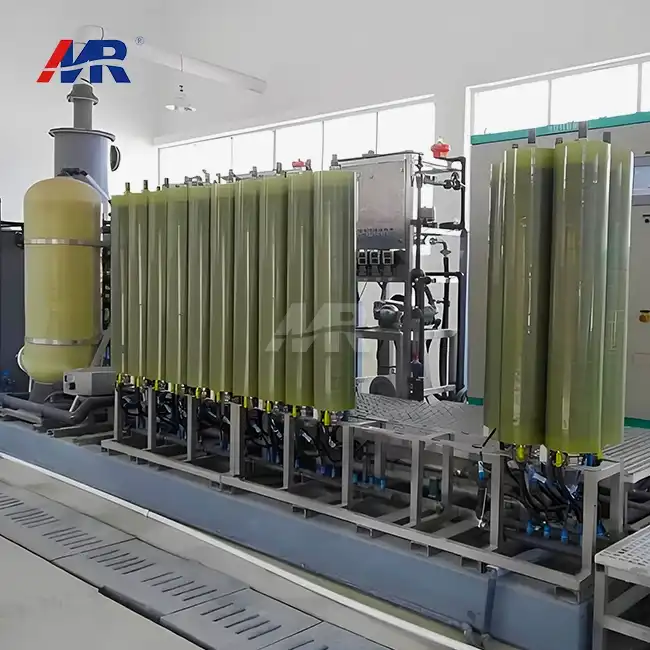
Many important parts of a complete leachate management system work together to do their job. During pre-treatment, big bits are taken out, and the pH levels are changed to protect equipment further down the line. Biological processes are often used in primary treatment to lower the amount of organic matter and nitrogen present. The effluent is then cleaned up with advanced filters to meet standards for release. Modern systems are built around membrane technologies, which separate contaminants accurately at the molecular level. Reverse osmosis systems get rid of dissolved salts and small organic molecules, while ultrafiltration membranes get rid of solids that are floating in the water and bacteria. These membrane processes work well with biological treatment, making mixed systems that leachate management systems get rid of waste as efficiently as possible while using as few chemicals as possible.
Latest Innovations Transforming Leachate Filtration
Advanced Membrane Systems Driving Performance Gains
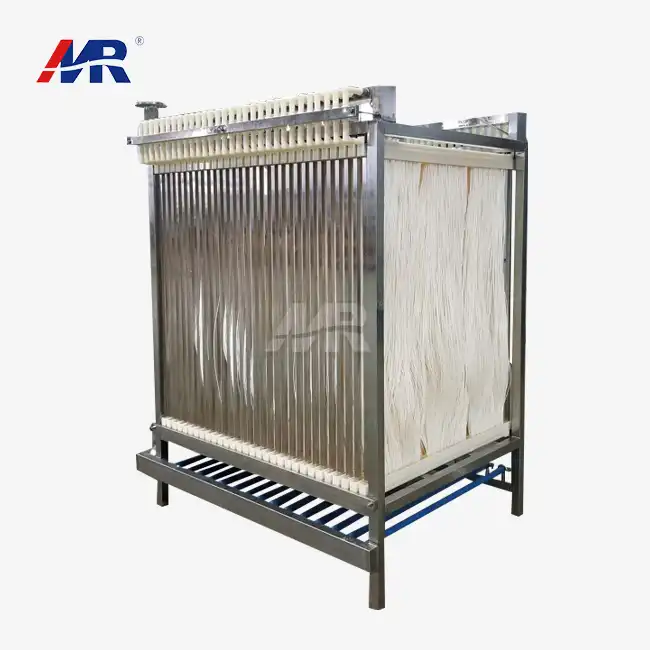
By mixing active sludge processes with microfiltration or ultrafiltration membranes, membrane bioreactor technology has changed the way biological treatment is done. This combination gets rid of the need for extra clarifiers and makes the effluent of very good quality. MBR systems take up less room than regular plants and are better at handling changing loads, which makes them perfect for places that are limited on space or that are growing. Nanofiltration is a new technology that fills the gap between ultrafiltration and reverse osmosis. It is possible for monovalent salts to pass through NF membranes while divalent ions and small organic molecules are blocked. This selection cuts down on energy use compared to full RO treatment, but it still gets rid of contaminants very well in many situations. Recent improvements in membrane materials have made them more resistant to fouling and tolerant of chemicals. This has made them last longer and require less upkeep.
Sustainable Adsorption Materials
Biochar, which is made from farm and wood waste, is becoming more popular as an environmentally friendly way to treat leachate. Heavy metals, organic pollution, and colour can be successfully removed from leachate by this material, which also stores carbon. Biochar's porous structure gives it a lot of surface area for contaminants to stick to, and the fact that it is made from leftover materials supports the ideas of the cycle economy. Engineered resins and ion exchange materials can now very selectively target certain types of contaminants. Chelating resins can pick up heavy metals even in small amounts, and special media can get rid of new contaminants like PFAS chemicals that regular systems miss. These materials can be made again through simple washing processes, which lowers the cost of replacement parts over the life of the system.
Implementation and Design Principles for Next-Generation Filtration Systems
Regulatory Alignment and Compliance Strategies
To build a system that works well, you must first fully understand the appropriate leachate management systems discharge standards and permit requirements. Federal rules set the basic standards for water safety, but state and local governments often set stricter limits based on the conditions of the water they receive. When you design systems with compliance margins above the minimum standards, you give yourself more operating freedom and lower the risk of breaking the rules as they change. Environmental effect studies may be needed for big changes or new installations, especially at public buildings. These studies look at how the effects might affect environments and people nearby, which helps with planning ways to lessen the damage. When you involve regulatory bodies early on in the planning process, you can find out what they need and avoid having to make expensive changes during the permitting process.
System Redundancy and Maintenance Accessibility
Important equipment redundancy makes sure that operations keep going even when there are repairs or unexpected breakdowns. One stream can be separated for servicing while the others keep up with the flow thanks to parallel treatment lines. With backup pumps, extra membrane modules, and redundant monitoring, there aren't any single points of failure that could lead to discharge violations or leaks into the environment. Designs that are easy to maintain cut down on downtime and labour costs. Regular checks and repairs are easier to do when there is enough entry room around the equipment. Quick-connect fittings make it easy to change parts quickly without taking the whole thing apart. These practical factors have a big effect on long-term working happiness and should be taken into account when choosing technology, along with performance requirements.
Procurement Considerations and How to Choose the Right Supplier
Evaluating Manufacturers and Technology Providers
Leading equipment providers set themselves apart by having clear records of their work and years of experience in the field. We suggest that you ask for case studies from similar apps that show real-world working data instead of just theoretical predictions. Going to see systems that are already there can teach you a lot about how they work and what care they need that the sales literature might not fully explain. Technical qualifications and quality control systems show that a company is dedicated to doing a great job. ISO 9001 certification shows that quality methods are organised, and product Certifications show that the product meets industry standards. Strong technical skills allow for customisation to fit the needs of each site, rather than pushing facilities into standard designs that might not be the best for performance.
After-Sales Support and Service Networks
When technology breaks down or needs to be optimised, full after-sales help is very important. Manufacturers with leachate management systems and local service networks can react more quickly to service calls and keep items in stock close by, which cuts down on downtime. Training programmes help facility staff run and keep systems well, so they don't have to call in outside experts to do simple jobs. Long-term supply of parts makes sure that systems can be used for as long as they are supposed to. We've seen sites have trouble with equipment that is left behind when makers stop making certain Products or leave a market. Checking a supplier's financial health and dedication to the market can help you avoid these problems. Longer warranties and service contracts offer extra safety and make it easier to plan for repair costs.
Turnkey Solutions Versus Component Procurement
With turnkey project delivery, one company is in charge of planning, supplying tools, setting up, and starting up the project. This method makes project management easier and makes it clear who is responsible for keeping promises of performance. The integrator makes it easier for the facility owner to handle paperwork by coordinating between equipment providers, building workers, and government agencies. Other ways to buy things include buying the big parts separately and having internal resources or general companies handle the installation. This method might be less expensive if the building has good technical skills and project management resources available. But it makes things more complicated and can make guarantee claims harder when more than one provider claims blame for problems with integration. Guangdong Morui Environmental Technology has 14 offices and more than 500 workers, including 20 specialised engineers, who work together to provide complete solutions for treating leachate. Our integrated method combines our own membrane technology from our factories with complete installation services that make sure the system starts up without any problems. This vertical merger lets us keep an eye on quality throughout the whole project, and direct manufacturing lets us offer low prices.
Conclusion
Leachate filter technology has come a long way, giving site managers treatment options that are more effective than ever and better ways to run their businesses. Performance levels that seemed impossible just a few years ago are now possible thanks to membrane systems, smart technology, and long-lasting treatment methods. These new ideas make it possible to follow stricter environmental rules while also cutting costs and leaving smaller marks on the environment. To choose the right technology, you need to carefully look at the conditions at the place, the rules that apply, and how the technology will work in the long run. The most advanced equipment is only useful when it is properly connected to complete treatment systems that are made for real-life situations. Partnering with experienced sellers who offer ongoing help makes sure that systems work efficiently for as long as they are used. Because of the risks to the environment, we need to keep improving how we handle waste leachate. Facilities can protect water resources and run in a way that is good for the environment and the economy by using tried-and-true innovations and working with skilled technology providers.
FAQ
1. What distinguishes a complete leachate management system from standalone filtration equipment?
A leachate management system includes the whole treatment process, such as the infrastructure for collecting leachate, the space for storing it, the different steps of treatment, the tracking equipment, and the controls for the discharge. Completely separate cleaning equipment is a part of this bigger system. For management to work well, these parts need to be coordinated so that they can deal with changing flows and makeup while still following the rules. When facilities are thinking about changes, they should check to see if the current infrastructure can handle the new filter technology or if it needs improvements to its pumping, storage, or pre-treatment capabilities.
2. How frequently do membrane-based filtration systems require maintenance?
Maintenance times depend on the type of waste, the type of membrane, and how well the pre-treatment worked. Every few weeks to months, ultrafiltration membranes need to be cleaned using chemical cleaning processes and automatic backwashing. In places with a lot of fouling, reverse osmosis systems may need to be checked more often. If you do the right pre-treatment, the membrane will last a lot longer and need less upkeep. Facilities should plan to change their membranes every three to seven years, based on how they are used and how well they are maintained.
3. Can smaller landfills justify advanced filtration technology investments?
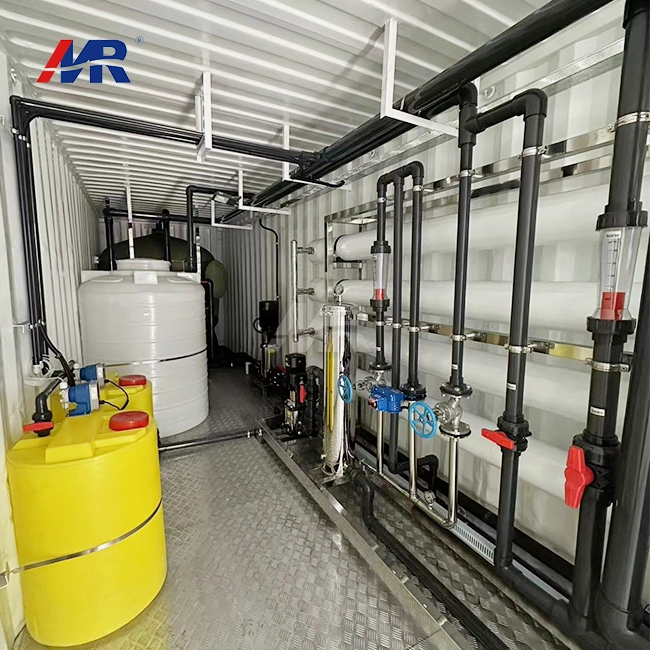
Smaller sites that used to rely on moving leachate or simple treatment methods can now use advanced technology thanks to modular and containerised treatment systems. While still providing better performance, these small options have lower initial costs than standard large-scale plants. Long-term hauling costs are often more expensive than treatment on-site. This is especially true as dumping costs rise and rules for hauling get stricter. Scalable designs let small sites start out with the right amount of space and add on gradually as their needs grow.
Partner With Morui for Advanced Leachate Management System Solutions
Guangdong Morui Environmental Technology is an expert at creating and providing complete leachate management system solutions that are specific to the needs of your location. As a well-known company that makes leachate management systems, we keep quality and prices under control throughout the whole manufacturing process. We have our own workshop for making membranes and other facilities for processing different types of equipment. Our technical team of twenty engineers has a lot of experience treating water in a wide range of settings, from garbage dumps to industrial waste facilities.
We offer full turnkey services that include evaluating the site, designing the system, making the equipment, installing it, commissioning it, and providing ongoing expert support. Leading component names, such as Shimge water pumps, Runxin valves, and Createc instruments, are in our product line. This guarantees performance and dependability. Whether you need to improve current infrastructure or build new treatment capacity, our solutions find a balance between following the rules, being cost-effective, and being able to run the business efficiently.
Contact Our Team at benson@guangdongmorui.com to talk about your leachate treatment problems and find out how our tried-and-true technology and all-around service approach can help you get results that you can see. We'll carefully look at your needs and come up with unique solutions based on our many years of project experience in a wide range of areas.
References
1. Renou, S., Givaudan, J.G., Poulain, S., Dirassouyan, F., & Moulin, P. (2008). Landfill leachate treatment: Review and opportunity. Journal of Hazardous Materials, 150(3), 468-493.
2. Wiszniowski, J., Robert, D., Surmacz-Gorska, J., Miksch, K., & Weber, J.V. (2006). Landfill leachate treatment methods: A review. Environmental Chemistry Letters, 4(1), 51-61.
3. Kurniawan, T.A., Lo, W., & Chan, G.Y.S. (2006). Physico-chemical treatments for the removal of recalcitrant contaminants from landfill leachate. Journal of Hazardous Materials, 129(1-3), 80-100.
4. Kjeldsen, P., Barlaz, M.A., Rooker, A.P., Baun, A., Ledin, A., & Christensen, T.H. (2002). Present and long-term composition of MSW landfill leachate: A review. Critical Reviews in Environmental Science and Technology, 32(4), 297-336.
5. Zhao, R., Gupta, A., Novak, J.T., Goldsmith, C.D., & Driskill, N. (2013). Characterization and treatment of organic constituents in landfill leachates that influence the UV disinfection in the publicly owned treatment works. Journal of Hazardous Materials, 258-259, 1-9.
6. Singh, S.K., & Tang, W.Z. (2013). Statistical analysis of optimum Fenton oxidation conditions for landfill leachate treatment. Waste Management, 33(1), 81-88.
 VIEW MOREMBR membrane
 VIEW MORE25m3/hour seawater desalination plant
 VIEW MORE20m3/hour seawater desalination equipment
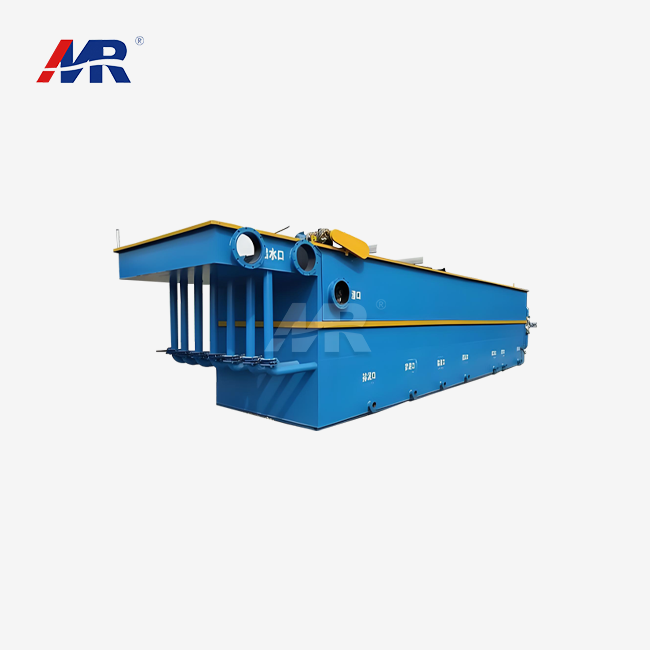 VIEW MOREadvanced wastewater treatment system
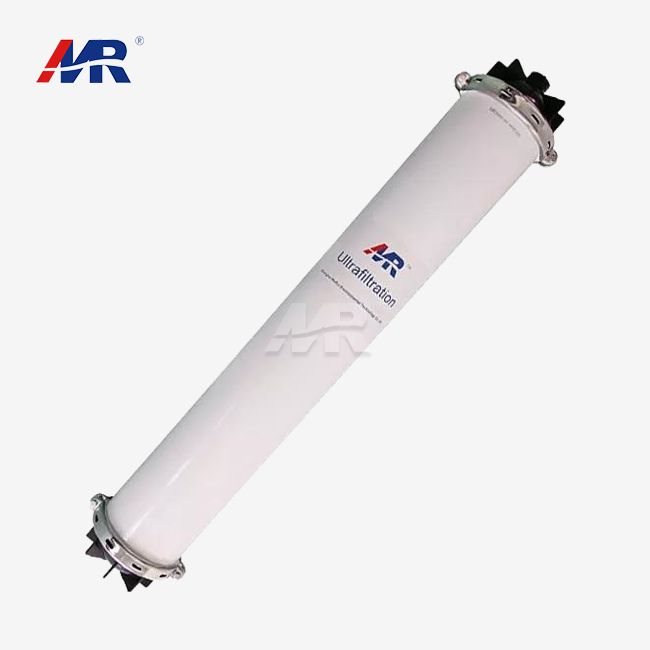 VIEW MOREultrafiltration membranes for water treatment
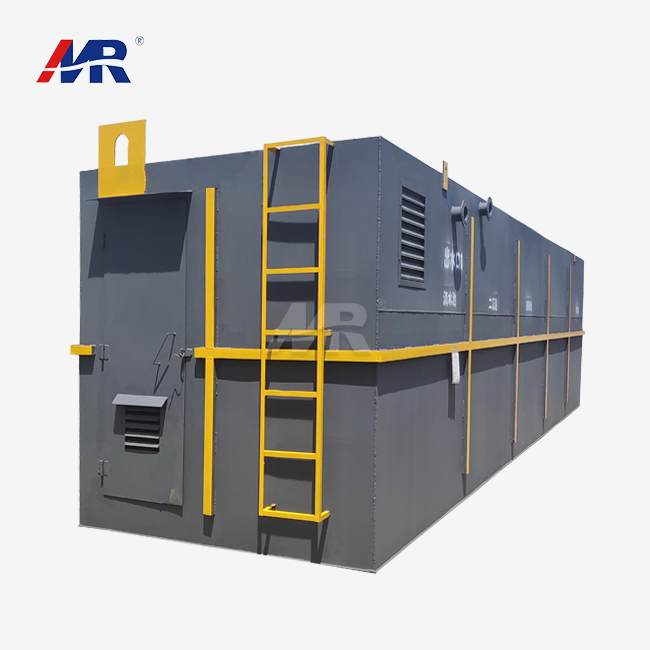 VIEW MOREhome wastewater treatment plant
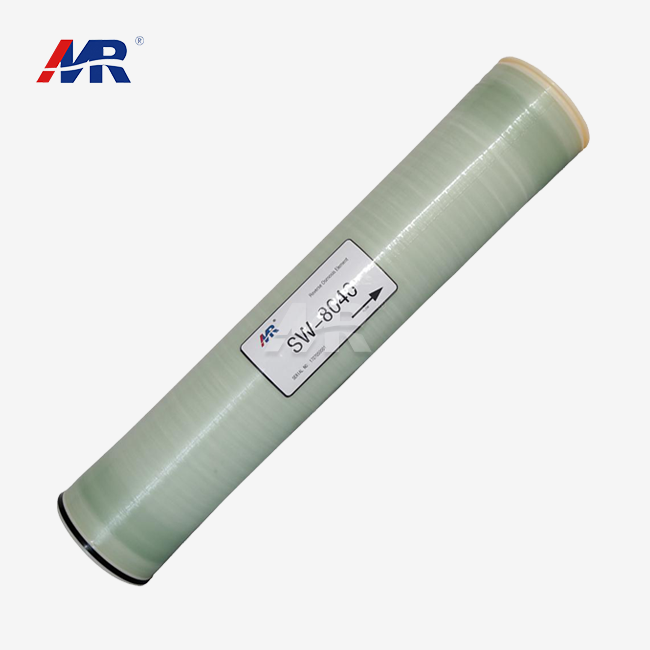 VIEW MORE8040 seawater reverse osmosis membrane
 VIEW MOREcontainerized desalination plant
