

_1745823981883.webp)

The Best Reverse Osmosis Systems of 2026
To choose the best reverse osmosis system, you need to know what kind of water treatment you need, how big your business is, and what quality standards you have. In 2026, industrial and business RO technology has changed a lot. It now has smart tracking features, more efficient membranes, and ways to save energy. Whether you're in charge of a pharmaceutical production line, a water plant, or a food processing centre, the right system will combine how well it cleans with how cheap it is to run. This guide looks at tried-and-true RO options that can be used in a variety of industrial settings. It helps people make decisions about what tools to buy so that they can meet both legal requirements and business goals.
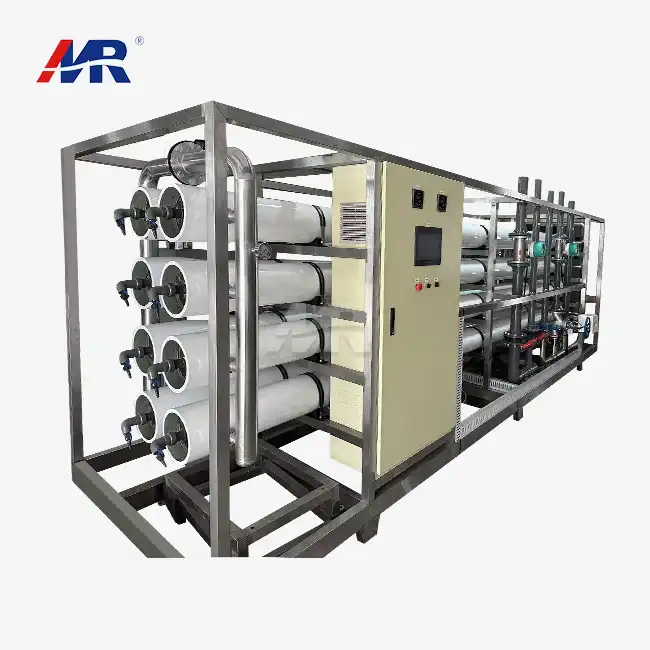
Understanding Reverse Osmosis Systems: How They Work and Their Benefits
Learn about reverse osmosis systems, including how they work and what they can do for you.
The Core Filtration Process Explained
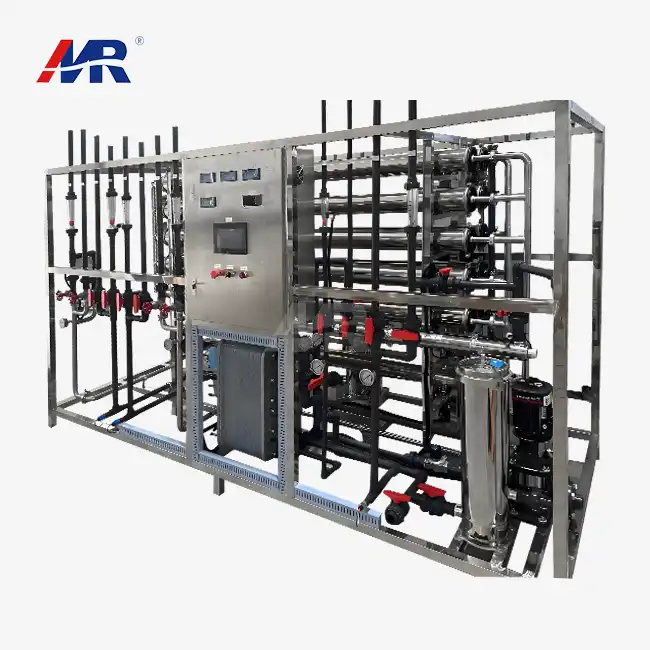
A semi-permeable screen removes contaminants at the molecular level, which is how reverse osmosis cleans water. When feedwater goes into the pre-treatment stage, sediment filters catch things like dirt and sand, and carbon filters get rid of chlorine and toxic chemical compounds that could hurt parts further down the line. This preparation step keeps the ro membrane from getting clogged up too quickly and increases its useful life. When water hits the membrane barrier after being pre-filtered, it is under a lot of pressure. These membranes have holes that are about 0.0001 microns wide. These pores are small enough to stop microorganisms, heavy metals like lead, and dissolved salts while still letting water molecules pass through. The clean water, called permeate, builds up in a holding tank, while brine flushes away the concentrated contaminants. Most systems make 3–4 gallons of trash for every gallon of clean water, but newer designs make these recycling rates much better.
Key Advantages for Industrial Applications
When RO installations are done correctly, they have real benefits for industrial sites. In the pharmaceutical industry, where GMP standards require exact control over dissolved solids, the cleanliness of the water has a direct effect on the quality of the Products. For cleaning semiconductors, electronics makers need ultrapure water with a conductivity below 0.1 µS/cm. This can only be done by the best reverse osmosis system, combining RO with electrodeionization. RO is used by food and drink companies to get rid of minerals that change the taste of their products, making sure that the quality of each batch is the same. Modern systems not only improve quality, but they also lower operating costs by using energy-efficient pump designs and the best membrane setups. Buying pre-purified water is much more expensive than using a RO unit that is well-maintained and working at 75% recovery rate. Depending on the quality of the feedwater and the number of hours the machine is used, maintenance plans usually call for changing the filter every six months and the membrane every two to three years. These regular service times help you make accurate budgets and reduce the chance of unexpected downtime. Another important benefit is that it is good for the environment. By cleaning and reusing wastewater or brackish sources on-site, businesses can use less freshwater and dump less wastewater.
Top Reverse Osmosis Systems of 2026: Detailed Comparison and Ratings
Evaluation Framework for Procurement Decisions
When expert decision-makers compare RO equipment, they should look at a number of important factors. Industrial membranes usually have a filtration rate between 95 and 99%, which is shown by the amount of salt that is rejected. The water recovery rate shows how much of the feedwater is turned into product water and how much is wasted. Depending on the quality of the source water, industrial systems can achieve 50–75% recovery. Different types of installations have very different needs. Compact skid-mounted units work well in places with limited floor space, while flexible designs let capacity grow as production increases. Long-term satisfaction is often based on the level of after-sales service. Systems that come with full warranties that cover membranes for 2–5 years and motor parts for 1–3 years protect your money. It's very important to have access to local services; technical help response times of less than 24 hours keep output from stopping for long periods of time. Training programmes that teach facility staff basic fixing and regular maintenance make the facility less reliant on outside experts.
Leading Industrial Solutions and Their Strengths
APEC systems have a good reputation when it comes to treating water for cities because they have strong pre-filtration steps that can handle different quality source water. Their commercial-grade units have pressure gauges at different stages, which let workers keep an eye on how well the membrane is working and guess when it will need to be serviced. The company's technical documents have thorough water chemistry standards that help engineers make the system work best in their area. When it comes to pharmacy and lab settings, where following the rules is very important, Culligan equipment really shines. In line with FDA and USP rules, their designs include clean connections, validation procedures, and tracking of water quality. Culligan's national service network helps with installation and ongoing support, which is helpful for places that don't have experts in water treatment.iSpring's products are aimed at medium-sized production companies that want to clean their products cheaply without sacrificing efficiency. Their systems have high-efficiency screens and easy-to-follow upkeep steps, which make changing filters easier for people with less experience. Due to optimised pump sizing that fits normal working pressures, energy use stays competitive.
Maintenance and Lifecycle Management of Reverse Osmosis Systems
Preventive Maintenance Checklist
Small problems can't turn into expensive fails if they are checked on a regular basis. Every week, you should check the pressure readings at the best reverse osmosis system at each stage of filtering. Sudden drops in pressure mean that the pre-filters are clogged and need to be replaced. Handheld TDS metres are used to check the water quality once a month to make sure the membrane is still working. Gradual increases in permeate conductivity show that leaks or fouling are starting to happen. Visual checks of housing seals, connections, and tubes every three months find wear before leaks happen. When to change filters depends on the characteristics of the feedwater and the amount of output. When used with city water, sediment pre-filters usually last between 6 and 9 months. However, when used with well water that is very cloudy, they may need to be changed every three months. Under average chlorine contact, carbon filters keep working for 6 to 12 months. The membrane can last between 2 and 5 years if it is properly covered by pre-filtration and used according to its design. Writing down when and how much to replace something builds up past data that helps with planning purchases.
Troubleshooting Common Performance Issues
The permeate flow is generally going down because the membrane is getting clogged or there isn't enough feed pressure. Mineral scale can be removed by cleaning with citric acid or commercial formulas. This brings back flux rates to 90 to 95% of their natural levels. If cleaning doesn't make things work better, the membrane needs to be replaced. Figuring out the cost per gallon of water produced helps you decide when to replace it and when to keep using it, even though it's less efficient. If the penetrated TDS goes up, it means that the membrane is being damaged by chlorine, oxidation, or mechanical stress. Small increases might be okay based on the application, but going over the limits specified needs a membrane check. Some facilities keep extra membrane units on hand so that they don't have to be replaced when they need to be. Too much garbage output means that flow restrictors or check valves aren't working right. These parts control the amount of permeate and brine flow; when they break, water is wasted, and running costs go up. Changing these fairly cheap parts often fixes the problem without having to change the membrane.
How to Choose the Right Reverse Osmosis System for Your Business Needs
Industry-Specific Requirements Assessment
For making medicines, you need systems that have been checked to the best reverse osmosis system, and make sure they follow GMP guidelines. These systems must have records of what materials are used in each part and how they should be cleaned. Continuous conductivity tracking and data logging for regulatory audits are often built into these systems. Membrane materials must not break down when cleaned with hot water or allowed chemicals. Food and beverage businesses put a high value on neutralising tastes and consistently getting rid of minerals that change the taste of products. Systems that clean water for canned drinks need to be NSF-certified and test for microbes on a regular basis. Flow rates need to be 1.5 to 2 times the normal usage to handle running the filling line at the same time during peak production.
Balancing Performance Specifications and Budget Constraints
For making electronics, you need water with a conductivity of less than 1 µS/cm. You can get this water by using RO and then mixed-bed deionisation. Getting rid of silica becomes very important because even small amounts can damage the surfaces of semiconductors. At process tools spread out in cleanrooms, point-of-use cleaning systems keep things clean. For power production, boiler feedwater that meets ASME guidelines for dissolved solids and silica is most important. For big systems that can make 10,000 to 100,000 gallons per hour, the pre-treatment, various membrane arrays, and degasification steps need to be carefully planned and built. Reliability is more important than starting cost because unexpected outages cause a lot of lost income.
Procurement Strategy and Supplier Selection
Direct ties with manufacturers give you access to Technical support during the planning and start-up of your system. Engineers are taught the best ways to run operations and how to fix problems, which builds internal skill. Manufacturers, on the other hand, may have longer wait times and fewer local service options. Authorised wholesalers know a lot about the products they sell and keep spare parts in stock in the area so technicians can easily get to them. This plan works well for places that need quick responses and like packaged service contracts. The best value can be found by comparing the guarantee terms, reaction time promises, and yearly upkeep prices of different suppliers. When companies with multiple locations or water treatment providers negotiate bulk purchases, they can save a lot of money. When you commit to buying a lot of tools, new membranes, and filter cartridges, you can get better prices. Long-term relationships with providers make it possible for all sites to use the same equipment. This makes it easier to train operators and keep track of spare parts.
Conclusion
Long-term success and happiness depend on picking equipment that fits your operational needs, water quality goals, and budget. Industrial and business buyers can save time and money by comparing different systems based on certain factors, such as membrane technology, energy economy, upkeep needs, and provider support. In 2026, the RO market will have a wide range of choices, from small point-of-use units to large-scale industrial setups. Each type of RO system is best for a certain use. Procurement teams can make smart choices when they know how membrane processes work, what repair methods guarantee dependability, and which new ideas offer real benefits. Spending time on a full evaluation and comparison of suppliers leads to systems that meet production goals while keeping costs low over their entire service life.
FAQ
1. What factors most significantly impact RO system lifespan?
The quality of the feedwater has the most significant effect on how long equipment lasts. High amounts of chlorine, hardness minerals, iron, or dissolved solids make membrane breakdown and fouling to happen faster. When these contaminants are removed completely during pre-treatment, the membrane's life is increased from two years to five years or more. Operating pressure is also important. Running membranes close to their highest rated pressure makes permeate flow higher but shortens their life. Regular care, like changing the filter on time and cleaning it every so often, stops damage that can't be fixed.
2. How do I determine the appropriate system capacity for my facility?
Find the highest demand for water from all processes at the same time to figure out the daily peak usage. Add a 20–30% capacity gap to account for the fact that membrane flux will decrease over time and output will rise in the future. Think about whether ongoing production needs redundant systems or if operations can handle short breaks for repair. The right size is chosen by talking to water treatment experts who look at factors that are unique to the spot.
3. Can existing RO systems be upgraded with new technology?
Many systems let you add parts that make them work better without having to update the whole system. When you switch to high-efficiency membranes, recovery rates and permeate quality go up. Adding smart tracking devices to older equipment makes it possible to do preventative repair. When the quality of the source water gets worse, pre-treatment improvements like improved carbon filters keep the membranes safe. Service providers with a lot of experience figure out if a change is possible by looking at the current system design and the client's goals.
Partner with Morui for Your Industrial Water Treatment Solutions
Guangdong Morui Environmental Technology delivers comprehensive reverse osmosis solutions designed specifically for demanding industrial applications. Our engineering team brings over 20 years of combined expertise in customising systems for pharmaceutical production, food processing, electronics manufacturing, and municipal water treatment. We manufacture advanced membranes at our dedicated production facility, ensuring quality control throughout the supply chain. Whether you need compact seawater desalination units for offshore operations or large-scale ultrapure water systems for semiconductor fabrication, Morui offers equipment matched to your exact specifications.
Our turnkey approach includes site assessment, system design, installation, commissioning, and operator training, eliminating coordination challenges across multiple vendors. With 14 regional branches and 500 technical professionals, we provide responsive support nationwide. Factory-direct pricing on the best reverse osmosis system manufacturers eliminates distributor markups while maintaining premium quality standards. Contact our industrial water treatment specialists at benson@guangdongmorui.com to discuss your project requirements and receive a detailed technical proposal within 48 hours.
References
1. American Membrane Technology Association. (2025). Industrial Reverse Osmosis Systems: Design and Performance Standards. AMTA Publications.
2. Zhang, L., & Kumar, R. (2025). "Advances in Commercial RO Membrane Technology for Industrial Applications." Journal of Water Treatment Engineering, 48(3), 234-251.
3. National Water Quality Council. (2024). Best Practices for Commercial Reverse Osmosis System Maintenance. NWQC Technical Report Series.
4. Thompson, M. (2026). Industrial Water Purification: Technologies and Applications for 2026. Springer Water Science Publishers.
5. International Desalination Association. (2025). "Energy Recovery Systems in Modern RO Installations." IDA Technical Proceedings, Annual Conference Edition, 112-128.
6. Chen, H., Rodriguez, P., & Singh, A. (2025). Sustainable Water Treatment Solutions for Manufacturing Industries. Academic Press Environmental Engineering Series.
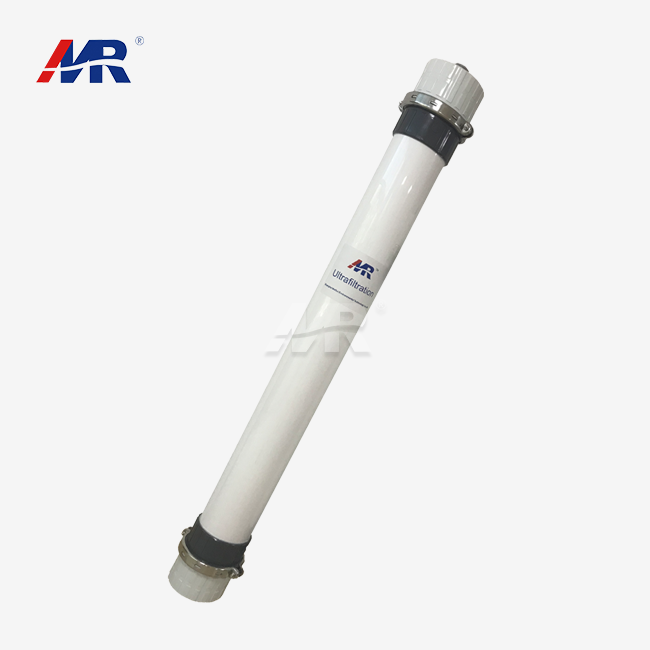 VIEW MOREultrafiltration membrane for wastewater treatment
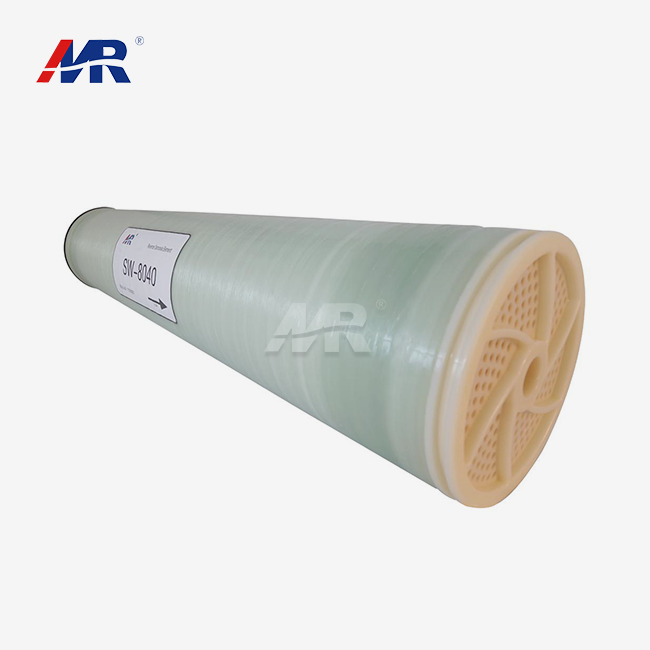 VIEW MOREreverse osmosis membranes
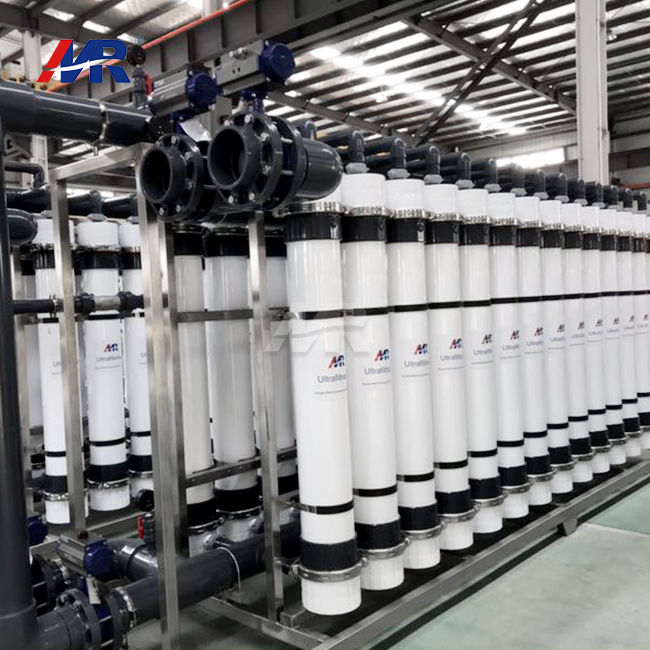 VIEW MOREultrafiltration machine
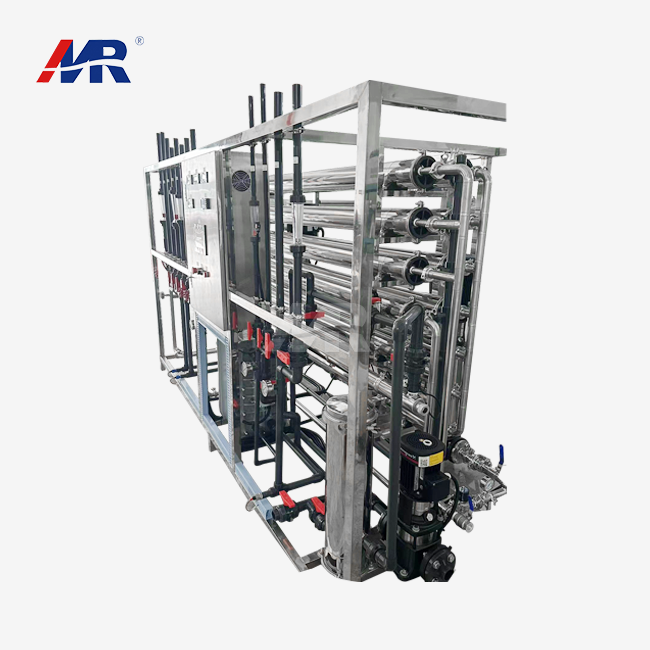 VIEW MOREedi water plant
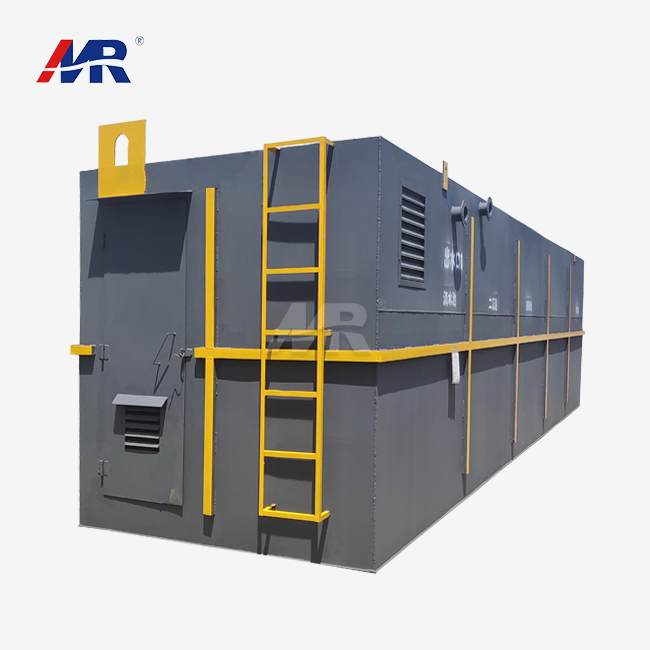 VIEW MOREhome wastewater treatment plant
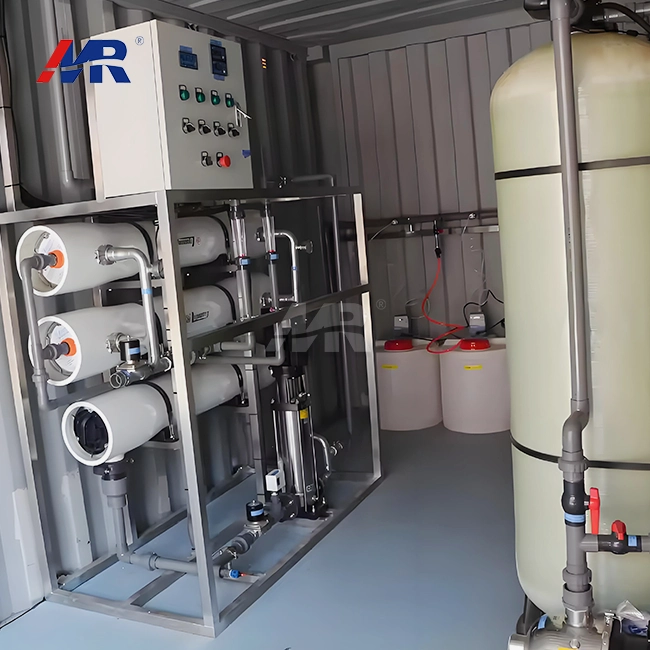 VIEW MOREcontainerized reverse osmosis system
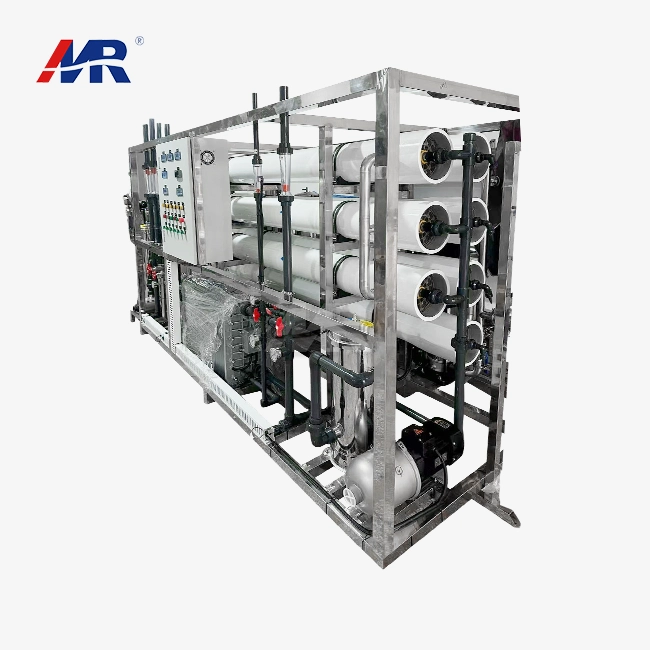 VIEW MOREedi module water treatment
 VIEW MORE2000 liters/hour EDI system
