_1745823981883.webp)

Small but powerful: mini desalination plants
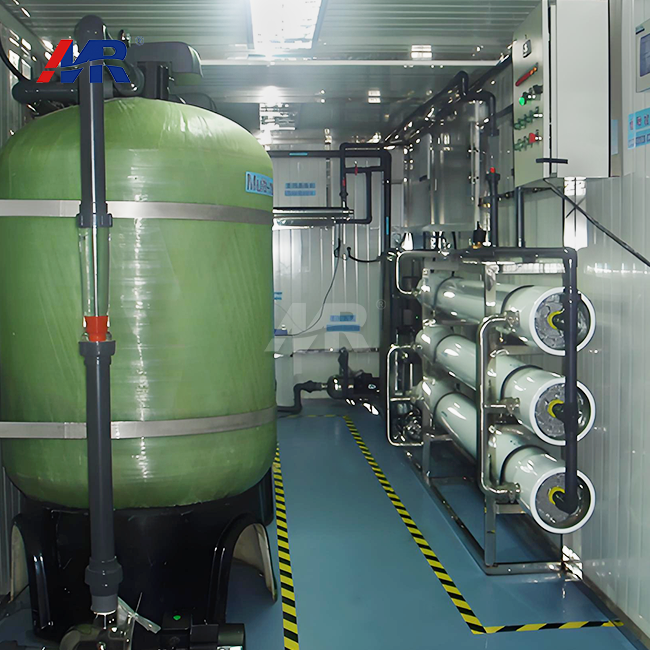
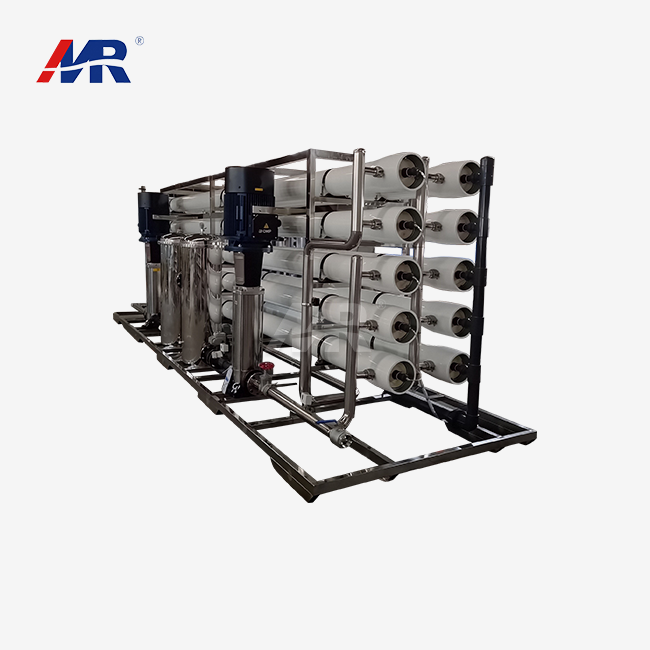
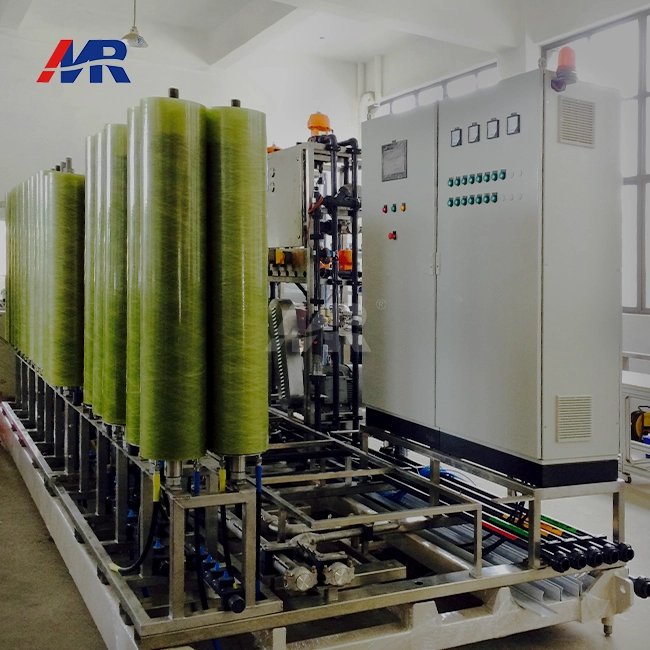
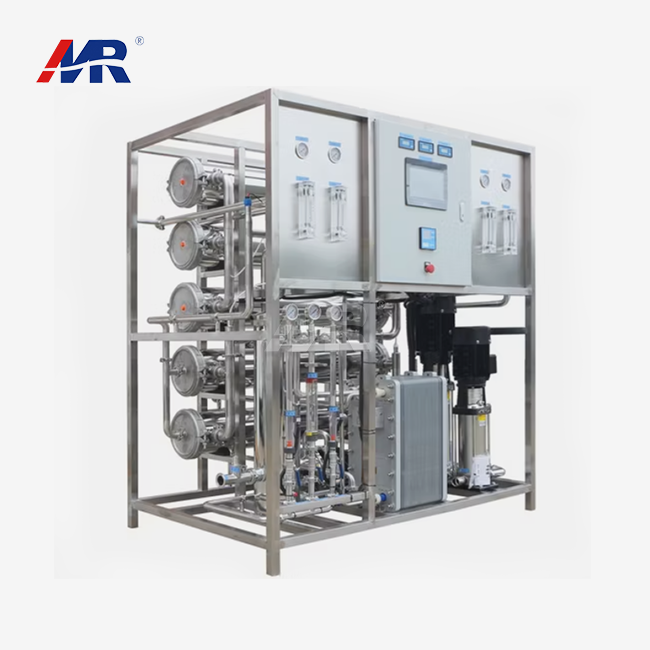
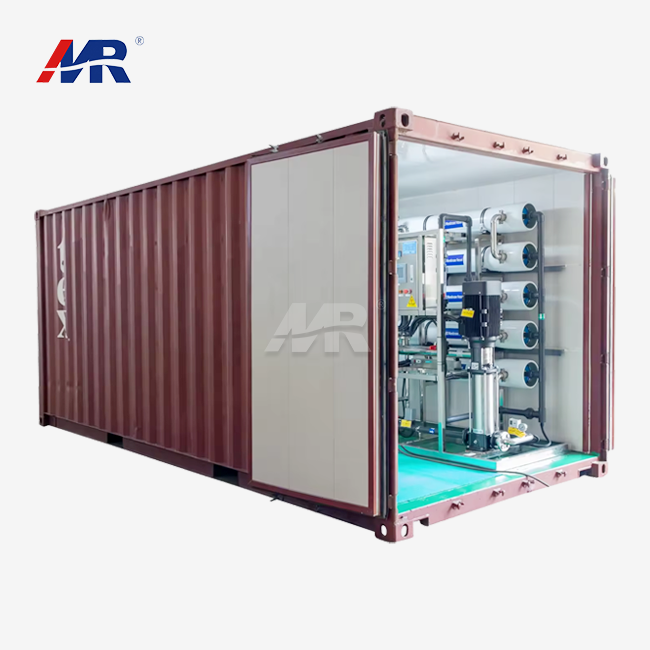
When the lack of freshwater affects business in all fields, small water treatment options are a must. Mini desalination plants are a big step forward in the way water is cleaned. They can get industrial-grade freshwater from a saltwater portable desalination machine or brackish sources without the huge infrastructure needs of larger plants. These systems use tried-and-true methods like reverse osmosis and membrane filtration and come in portable or containerised forms. A portable desalination machine gives companies more freedom than ever before, whether they're running a factory on the coast, helping out with medicinal operations in rural areas, or making sure that ships have clean water to drink. These units can be quickly and easily set up and can be expanded to meet instant water needs while still being cost-effective and operationally efficient.
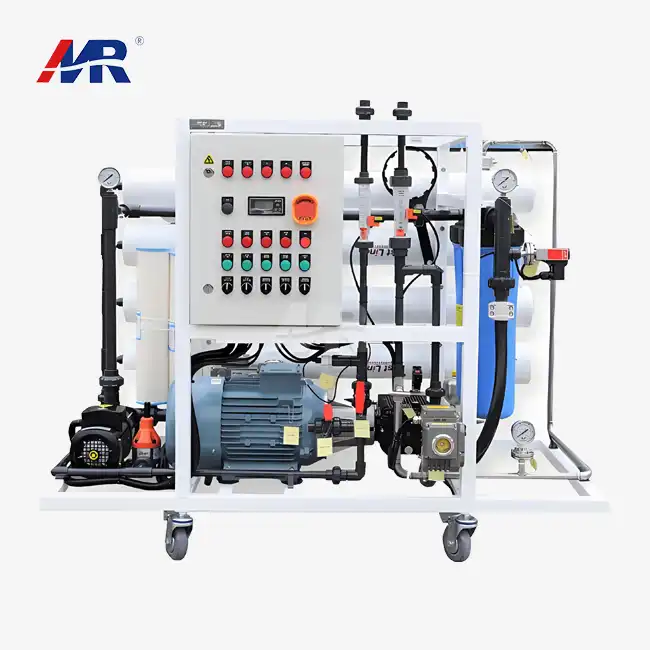
Understanding Mini and Portable Desalination: Technology and Benefits
Core Technologies Driving Compact Water Treatment
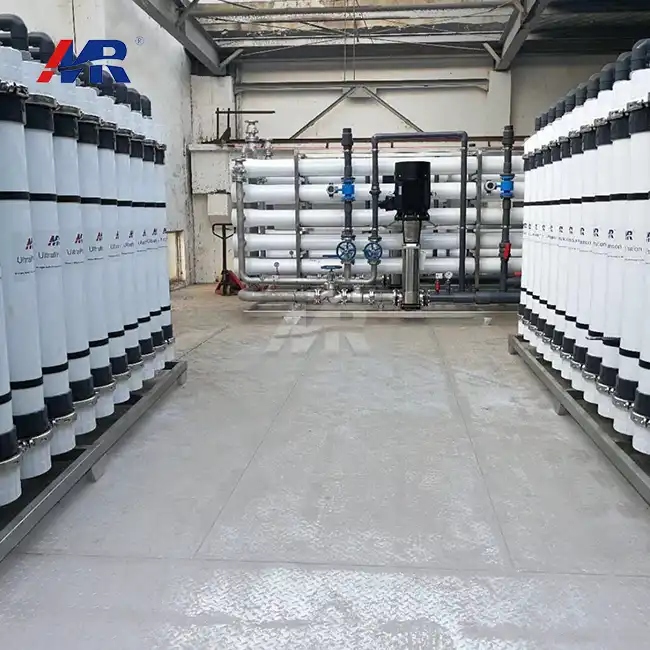
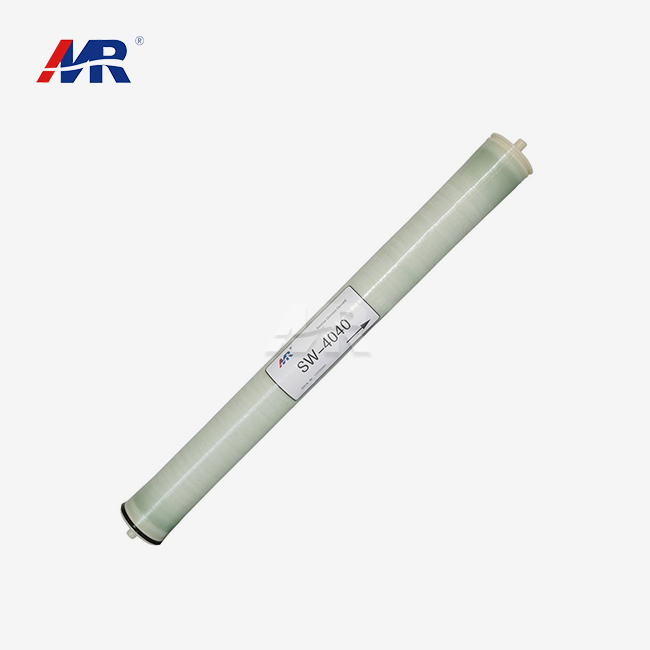
Modern small desalination systems use a number of high-tech cleaning methods to turn salty water into freshwater that can be used. Reverse osmosis is still the most common method. It uses semi-permeable filters and high pressure to separate contaminants from dissolved salts. Most dissolved solids are rejected at rates higher than 98% by this process, which makes water that can be used in medicine manufacturing, electronics creation, and food processing. Solar thermal desalination and membrane distillation are methods that can be used with RO systems when energy is limited. Solar-powered units use clean, green energy to keep costs low. This is especially helpful for aquaculture facilities in rural areas or farming irrigation projects in dry areas. Membrane distillation works at lower pressures than RO, so it can handle high-salinity feedwater in industrial areas near the coast or on platforms far out at sea.
Key Advantages for Industrial Buyers
Mini distillation plants have small footprints, which means they require less cash and can finish projects faster. Containerised systems can be used within weeks of being delivered, while big buildings take years to build. This fast rollout feature is very important for pharmaceutical startups that need pure water systems that meet GMP standards or for disaster relief situations where quick access to freshwater is needed to keep operations going. Recent improvements in membrane technology that make it more energy efficient cut operating costs by a large amount. Modern systems use less than 3 kWh of energy per cubic metre of freshwater they make, which is a lot less than traditional steam desalination. These gains in efficiency are very important for ongoing operations that use a lot of ultrapure water, like dialysis centres in hospitals or factories that make semiconductors. Environmental safety is becoming a bigger factor in purchasing choices. Mini systems make smaller amounts of trash and allow for decentralised water production, which lowers the amount of pollution caused by transporting bottled water or building long-distance pipelines.
Comparing Mini Desalination Plants with Traditional Systems
Infrastructure and Capital Requirements
Traditional large-scale desalination portable desalination machine plants need a lot of money up front—for municipal-scale projects, this amount of money can easily go over tens of millions of dollars. For these plants to work, they need a lot of civil engineering, as well as specialised power substations and complicated infrastructure for input and release. Adoption is limited to government agencies and international companies with large cash reserves because of the cost. This is not true for mini and compact computers. Businesses can match their investments directly to demand thanks to modular designs that can hold anywhere from 10 to 500 cubic metres per day. A medium-sized beverage processing plant can set up a containerised RO system for a lot less money than connecting to a municipal source, and they can still have better control over the water quality factors. The ability to grow in stages means that units can be added as production rises, rather than committing to infrastructure that is too big from the start.
Operational Flexibility and Responsiveness
Most conventional desalination plants are set up to produce a steady amount of water for population centres, so they are not very flexible. This stubbornness leaves people open to attack when demand changes or there is an emergency. Fixed infrastructure can't be changed quickly when natural disasters cut off water supplies to cities or when suddenly high production levels happen in factories. Portable desalination machines are more flexible than set systems when it comes to how they work. Maritime workers count on small units to make sure they have access to fresh water on long trips, so they don't have to stop at land to resupply. Clients in the energy sector use mobile systems to support temporary building sites for projects like installing power plants or pipes. When the projects are finished, the equipment is moved to new sites. Because of this, water infrastructure goes from being a fixed liability to an operating asset that can be used in different ways.
Purchasing Guide: Selecting the Best Mini or Portable Desalination Machine
Defining Your Water Treatment Requirements
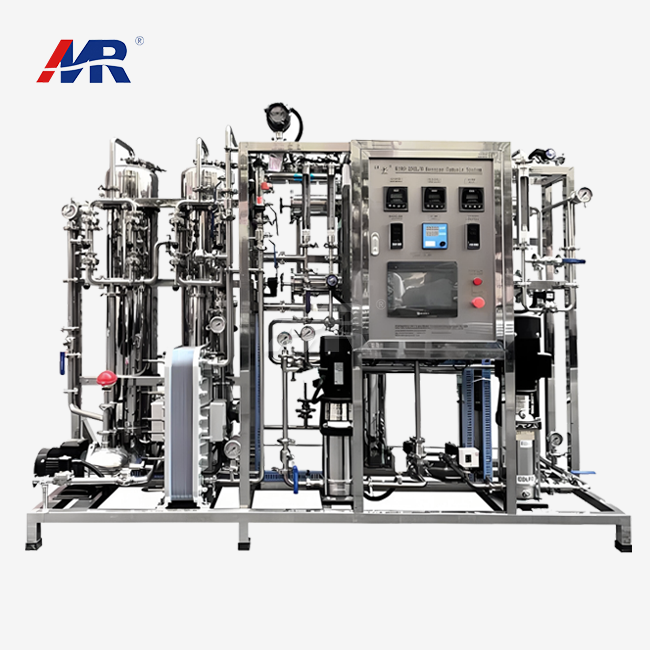
To choose the right tools, you must first be very clear about how much production you need. Find out how much freshwater is used each day at its peak for all purposes, including process water for industry, drinking water for staff, and cleaning and sanitation needs. Include predictions for growth over the next five years so that capacity doesn't run out too soon. When making injectable drugs, a pharmaceutical company has to do more than just figure out the amount. They also have to think about the pharmacopeial water quality guidelines, which say what the conductivity and bioburden levels should be. The features of the feedwater have a big impact on how the system is designed. When treating brackish groundwater versus seawater osmosis, the membranes and pre-treatment setups need to be different. The best tools to use depend on the total quantity of dissolved solids, the temperature range, and any possible fouling agents, such as biological matter or suspended solids. Before hiring suppliers, get a full water analysis from possible source sites. This information will help you accurately size the system and promise its performance.
Critical Procurement Criteria
Desalination capacity needs to match practical demand trends, a portable desalination machine and be able to handle times of high usage. Systems that are too small slow down output, while systems that are too big waste money and time. Check to see if continuous operation or batch output works better for your process. This will affect how much storage you need and the automation features of the system. Filtration performance standards have a direct effect on the quality of the water that is produced and on processes that happen afterwards. Electronics companies that need very pure water to make chips need EDI polishing steps that are built in, while farming irrigation can handle higher leftover salt. Check the rejection rates of the membrane, the quality ranges for permeates, and the consistency across all working situations. Check for third-party approvals that are important to your business, such as NSF guidelines for drinking water, FDA compliance for pharmaceutical uses, or specific industry codes. Long-term practical costs are based on how much energy is used.
Maintaining and Optimising Portable Desalination Machines
Routine Maintenance Protocols
The most important part of maintaining any dehydration device is taking care of the membranes. Set up regular cleaning plans based on the quality of the feedwater and the hours of operation. These schedules should be followed every month to three months. Chemical cleaning gets rid of scale, bacterial fouling, and particulate deposits that slow down the flow of permeate and raise the working pressure. To avoid damage that can't be fixed, use cleaning Products that are safe for membrane materials and follow the manufacturer's instructions to the letter. Just as much care needs to be put into pre-treatment devices. Multimedia filters, cartridge filters, and antiscalant dosage tools keep expensive ro membranes from getting clogged up too quickly. Every day, check the difference in pressure between the steps of the filter and replace any parts that show readings that are too high. Every week, check the chemical feed pump's function and the solution amounts. If scaling inhibition isn't good enough, the membrane will break down quickly and need to be replaced, which is expensive. Water quality testing provides early warning of performance degradation. During regular activities, you should check the total dissolved solids, pH, and permeate conductivity at least once a week.
Troubleshooting Common Performance Issues
When the flow of permeate drops, it usually means that the membrane is fouling, scaling, or fouling even though it is being maintained regularly. Look at changes in differential pressure over different membrane stages to find trouble spots. If pressure rises evenly across all parts, it's likely that particulate fouling happened because of poor pre-treatment. Pressure jumps in certain areas could be caused by mineral precipitation or organic growth. Change how often you clean or how often you use chemicals as needed. If the permeate salt goes up while the flow rates stay the same, it means that the membrane is breaking down or the O-ring seal is failing. Do security tests to find parts that have been hacked. Changes in temperature have a big effect on how well membranes work—the flow of filtrate drops by about 3% for every degree Celsius that the temperature of the feedwater drops. When judging the success of a system, you should take yearly changes into account. Control system flaws show up as behaviour that isn't stable or failure to keep setpoints. Every three months, check the calibration of the sensors because drift in conductivity probes or pressure detectors can cause fake alarms or bad system reactions.
Future Trends and Innovations in Mini Desalination Technology
Advanced Materials and Membrane Science
The next wave of membrane materials should work much better than the polyamide thin-film composites that are currently used. Graphene oxide membranes are very good at rejecting salt and letting more fluid through, which could cut energy use by another 30 to 40 per cent. Biomimetic membranes that use aquaporin proteins, which are based on biological water transport processes, can achieve selectivity that has never been seen before while still keeping high throughput. Within the next three to five years, these new ideas will move from being tested in the lab to being sold in stores. Energy recovery methods are still getting better than the pressure exchangers we have now. New designs use the heat from the concentrate streams to heat the feedwater first, which makes the whole system work better. Closed-cycle pressure exchangers keep energy losses to a minimum, and portable desalination machines require less upkeep than mechanical systems with parts that wear out. These improvements are especially helpful for business uses that need to keep making a lot of things.
Market Growth and Application Expansion
The need for small desalination systems grows around the world, especially in developing countries that are industrialising quickly and running out of water. South-east Asian industrial hubs are choosing mini systems for workplace water supplies more and more to avoid relying on unreliable city infrastructure. Coastal African countries use mobile units to protect themselves from disasters and give people in rural areas access to water. The market for a portable desalination machine is expected to grow at a rate of more than 12% per year until 2030. This is because of the need to adapt to climate change and the desire for decentralised infrastructure. There are more commercial uses than just maritime and emergency reaction jobs. Data centres are looking into using rainwater for cooling and desalination on-site to reduce the amount of liquid they need to use. Desalination and fertiliser dosing are combined in vertical farming operations to make hydroponic systems that can be fully managed. These new uses open up chances for companies that sell tools to offer customised solutions that go beyond standard catalogue items.
Regulatory Evolution and Sustainability Standards
Environmental laws are having a bigger impact on the choices of purification technologies. Concentrate discharge limits in marine ecosystems that are easily damaged favour systems that have better recovery rates or no liquid discharge at all. Putting a price on carbon makes green energy sources more competitive in the market. Managers in charge of buying things should keep an eye on changing rules, like the changes to California's Ocean Plan and the EU's water framework guidelines, which could require certain technologies or performance levels. Sustainability approvals are becoming more important to businesses when they buy things. Third-party environmental product statements or lifecycle studies on equipment provide proof for companies to report on their sustainability. Multinational companies that are under pressure from stakeholders to be good environmental stewards are investing in reusable parts and take-back programmes that work with the ideas of the circular economy.
Conclusion
Mini desalination plants can completely change the way businesses deal with water security issues. These small systems use tried-and-true methods of purification and offer operating freedom that isn't possible with standard infrastructure. When procurement professionals look at investments in water treatment, they should give more weight to providers that offer combined solutions, which include everything from designing the system from the ground up to ongoing support for optimisation. As energy efficiency goes up, equipment costs go down, and the number of uses for movable desalination technology grows, it becomes an important part of secure industrial water management. Companies that use these systems today have a competitive edge because they lower operational risks, improve their environmental credentials, and can better adapt to changing business needs.
FAQ
1. How do portable desalination units compare in effectiveness to traditional plants?
When properly specified and kept, portable units can produce water quality that is similar to that of big facilities. The amounts of water they produce are very different. Traditional plants make millions of gallons of water every day for the city supply, while movable systems meet the needs of thousands to tens of thousands of commercial sites every day. Effectiveness depends on how well the system's ability matches the needs of the application, not on how big one thing is compared to another.
2. What maintenance schedules do mini desalination systems require?
Maintenance usually includes eye checks once a week, filter changes every month, and membrane cleaning every three months. The exact times depend on the quality of the feedwater and the level of operation. Heavyly fouling sources need to be cleaned more often, while clean brackish water lets maintenance processes go longer. Set up baseline performance measures during commissioning to find changes that mean help is needed.
3. Can these machines treat both seawater and brackish water?
With some setup changes, most devices can handle both types of water. When it comes to pre-treatment, seawater needs stronger chemicals and higher working pressures than brackish water. Some specialised units are better at working with high-salinity or low-salinity water. Make sure you clearly describe the characteristics of the feedwater during the buying process to make sure you get the right tools.
Partner with Morui for Reliable Portable Desalination Machine Solutions
If you need help treating water, Guangdong Morui Environmental Technology has a wide range of portable desalination machine systems that are built to last in the business world. As part of our 500-person team, we make tools, make our own membranes, a portable desalination machine and offer full installation services. These are all done by more than 20 skilled engineers. We make sure that the standard of your system is always high because we are both the manufacturer and an authorised seller for high-end component brands like Shimge pumps and Runxin valves. Our expert team can make solutions that are exactly what you need, whether you need ultrapure water for making electronics, pharmaceutical-grade purified water, or mobile saltwater desalination for marine uses. Get in touch with benson@guangdongmorui.com right away to talk about your project needs and get specific technical ideas backed by our years of experience treating industrial water.
References
1. Jones, E., Qadir, M., van Vliet, M.T.H., Smakhtin, V., and Kang, S. (2019). "The State of Desalination and Brine Production: A Global Outlook." Science of the Total Environment, 657, 1343-1356.
2. Greenlee, L.F., Lawler, D.F., Freeman, B.D., Marrot, B., and Moulin, P. (2009). "Reverse Osmosis Desalination: Water Sources, Technology, and Today's Challenges." Water Research, 43(9), 2317-2348.
3. Elimelech, M. and Phillip, W.A. (2011). "The Future of Seawater Desalination: Energy, Technology, and the Environment." Science, 333(6043), 712-717.
4. Amy, G., Ghaffour, N., Li, Z., Francis, L., Linares, R.V., Missimer, T., and Lattemann, S. (2017). "Membrane-Based Seawater Desalination: Present and Future Prospects." Desalination, 401, 16-21.
5. Kurihara, M. and Takeuchi, H. (2018). "SWRO-PRO System in 'Megaton Water System' for Energy Reduction and Low Environmental Impact." Water, 10(1), 48.
6. Voutchkov, N. (2018). Energy Use for Membrane Seawater Desalination – Current Status and Trends. Desalination, 431, 2-14.