

_1745823981883.webp)

Why Is Leachate Treatment Important for Landfill Management? Environmental and Economic Benefits
Leachate treatment is an important part of running an ethical landfill because it protects the earth and makes money at the same time. This dirty liquid is made when rainwater seeps through trash that is breaking down. It contains heavy metals, organic compounds, and ammonia that are dissolved and pose a threat to ecosystems and groundwater sources. Modern treatment systems, especially advanced membrane technologies like DTRO, turn this dangerous waste into a release that can be handled. This protects public health and keeps landfills running longer. As rules around the world get stricter, spending money on effective leachate treatment will protect your facility from fines that keep going up and make your business look like a responsible partner in waste management.
Introduction
Landfill leachate, the dirty liquid that forms when trash breaks down and rainwater seeps in, causes big problems for the environment and the people who work in the landfill. There is more and more pressure on municipal landfill owners and garbage management companies to deal with this complicated mix before it moves into the earth or aquifers nearby. Effective leachate treatment is necessary to lower the chance of pollution, follow the rules, and support long-term landfill management.The important environmental and economic benefits of using strong treatment methods are discussed in this piece. We look at useful technology choices, like biological systems and advanced membrane filters, and talk about how people who have to make decisions can compare solutions based on the types of contaminants present, the budgets they have to work with, and the limitations of the site. Whether you are in charge of an established city landfill or a commercial garbage disposal facility, knowing these basic treatment principles will help you make better purchasing decisions and protect your long-term investment.
Understanding Leachate and Its Impact
Leachate is a complicated mixture that is made when water slowly moves through layers of trash. Its makeup changes based on the age of the dump and the type of trash that is put there. The leachate treatment from new dumps is usually high in biological oxygen demand and volatile fatty acids. The fluids from older sites are higher in refractory organics and ammonia nitrogen. Because of this, treatment plans need to be open.
Environmental Risks of Untreated Leachate
Leachate that isn't handled can pollute groundwater and soil, harm ecosystems, and put people in danger. It can also cause serious environmental damage. Organic matter that dissolves in water lowers the oxygen level, making "dead zones" where marine life can't live. Heavy metals build up in soil and in living things by way of food chains. Toxic ammonia hurts fish numbers and messes up the natural nitrogen processes in rivers and streams.
Regulatory and Financial Consequences
Europe and North America have strict rules about releasing leachate. Leachate treatment is understandable given the big risks involved. Under the Clean Water Act, the U.S. Environmental Protection Agency applies strict limits on discharge. Additionally, each state sets its own standards through National Pollutant Discharge Elimination System permits. For businesses, leachate that isn't treated can lead to big fines, pricey cleanups, and damage to the image of waste owners and cities. This creates long-term financial problems that show how important it is to treat leachate quickly and correctly. Contamination events lead to legal fines that can reach hundreds of thousands of dollars, as well as expensive cleanups that take money away from making operations better.
Core Leachate Treatment Methods and Their Roles
Biological, chemical, and physical ways are all used to treat leachate, and each one is best for a certain type of contamination and situation. The best method (or combination of methods) to use for leachate treatment will rely on the type of leachate, the amount of room you have, your budget, and the standards for discharge.
Biological Treatment Processes
Biological methods, like aerobic and anaerobic processes or man-made marshes, use natural biodegradation to solve problems and usually don't cost much. When air pumps or spinning media bring oxygen into aerobic bacteria tanks, which are like those used in Sewage Treatment Plants, the bacteria break down organic pollutants. These methods are great at lowering the biochemical oxygen demand and volatile organic molecules in waste that is less than a year old. Anaerobic processes are good at dealing with strong waste because they make biogas, which can help lower energy costs. Built marshes are low-maintenance options for places with enough land. They use natural interactions between plants and microbes to polish wastewater that has already been cleaned.
Advanced Physical and Chemical Technologies
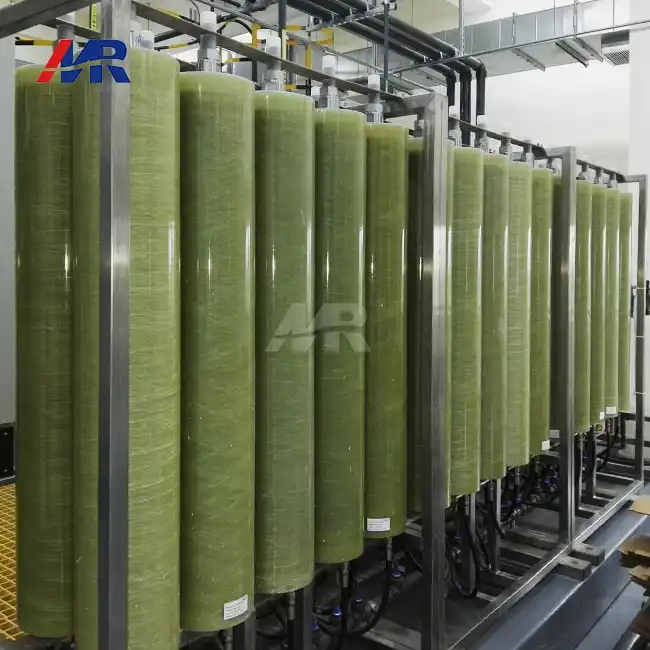
More and more, modern landfills use complex technologies like activated carbon adsorption and membrane filtration. They also often combine more than one way into treatment trains to make them work better and be more flexible. In leachate treatment, Disk Tube Reverse Osmosis (DTRO) technology is a big step forward. It uses small membrane shapes to focus toxins while getting clean water back. With DTRO waste leachate treatment, the concentration increases by 6 to 8 times, which greatly reduces the amount that needs to be thrown away and greatly lowers the cost of evaporation. Heavy metals are removed by chemical precipitation, and organic compounds that are hard for living things to break down are removed by improved oxidation processes.
Environmental and Economic Benefits of Effective Leachate Treatment
Using effective leachate treatment lowers environmental risks by keeping waterways clean and cutting down on greenhouse gas emissions, which helps reach global goals for sustainability and the circular economy. The benefits go beyond following the rules; they also create real practical value.
Protecting Water Resources and Ecosystems
Toxic chemicals can't get into groundwater sources that give drinking water to nearby towns if leachate is properly handled. Protecting surface water keeps aquatic areas healthy, which protects wildlife and the quality of water for leisure. Advanced systems stop eutrophication, the over-nutrition that leads to algae blooms and low oxygen levels in lakes and rivers, by collecting and cleaning Leachate treatment ammonia before it is released.
Financial Returns Through Compliance and Efficiency
In terms of money, following the rules for wastewater lowers fines and cleanup costs while increasing the landfill's useful life. Treatment infrastructure is an investment that pays off by preventing fines, lowering liability insurance costs, and extending the duration of release permits. Membrane concentration technologies greatly reduce the amount of waste that needs to be thrown away, which directly leads to lower costs for hauling and evaporation. DTRO treatment equipment has made huge steps forward in handling concentrated water, with concentration ratios steadily hitting 6–8 times. This greatly lowers the processing pressure on membrane systems and greatly lowers the cost of equipment, energy use, and chemical use.
Challenges in Leachate Treatment and How to Overcome Them
Even though technology has improved, handling landfill leachate treatment is still hard because it has a complex mix of pollutants, an amount that changes, and a makeup that changes. Seasonal changes in rainfall cause big changes in flow, and as landfills age, they keep changing the profiles of contaminants. These changes make treatment systems less stable and require careful planning methods.
Managing Composition Variability
Some operational difficulties are keeping the cleaning process efficient and keeping the plant running when the leachate's properties change. Biological systems that are easily hurt by harmful shocks need to be able to cushion and even out their responses. To keep membrane systems from getting clogged up with suspended solids and minerals that have dissolved in water, they need strong pre-treatment. To get around these problems, treatment systems need to be designed in a way that fits the wants and budgets of each client. For example, tools can be leased or bought outright.
Engineering and Compliance Expertise
It is very important to have engineers who know how to combine technologies and make sure they follow the rules in many places. Knowing the rules that apply in a certain area helps businesses follow the rules and come up with solutions that meet strict environmental standards. Treatment system companies with a lot of experience offer full design-and-build services that take into account local permit rules, weather, and the limitations of the spot. This knowledge is very helpful for organising launching, training for operators, and ongoing Technical support—along with other things that go beyond equipment specs that decide the long-term success of a system.
How to Choose the Right Leachate Treatment Solution for Your Landfill
To choose the best leachate treatment option, you need to look at a number of important performance measures, such as how well it removes contaminants, how much it costs, how easily it can be expanded, and how easy it is to maintain. Legal requirements, Leachate treatment, and efforts to be more environmentally friendly also play a big role in choosing technologies.
Assessing Your Operational Requirements
To start, you should get a full lab test of your leachate to find out what it is made of. This test should include measuring its organic strength, ammonia concentration, heavy metals, and total dissolved solids. To find the most important treatment goals, compare these factors to your discharge limits. Check the available area, how easy it is to get to utilities, and the technical skills of the staff. Think about how big the dump is expected to get and how much leachate will increase as a result, to make sure the system has enough space and room to grow.
Evaluating Technology and Supplier Options
Leading sellers offer a range of treatment choices, each with its own unique benefits that are designed to meet the needs of the B2B industry. DTRO systems work very well with difficult runoff that has a lot of dissolved solids, and they can reach concentration factors that keep dumping costs as low as possible. Biological cleaning is still a cheap way to get rid of biodegradable organic matter in younger leachate. When making a strategic purchase, you should think about things like the ability to customise, the ability to integrate systems, the availability of a wide range of services and support, and the different ways you can pay for them, like lease or turnkey contracts, which will ensure long-term business success and cost control.
Partnering with Experienced Providers
For leachate treatment projects to go well, the seller needs to have experience with similar projects. Ask for case studies that show how well the product worked in similar leachate situations. Check out the infrastructure for after-sales support, such as the supply of spare parts, emergency reaction plans, and programmes for training operators. Check that the suggested equipment meets international quality standards and has the right approvals for electrical parts and pressure vessels. Clear pricing for tools, installation, commissioning, and ongoing supplies helps keep costs down throughout the lifetime of a project.
Conclusion
Leachate treatment is an important part of modern waste management that protects the environment and makes money at the same time. New technologies, such as DTro membrane systems, have changed how waste is treated. They can now reach concentration ratios that lower the cost of disposal while still passing strict standards for release. As environmental regulations get stricter and shareholder standards rise, investing in strong treatment infrastructure will protect your business from fines and damage to its image. Implementing effective leachate treatment goes beyond just following the rules. It also makes your facility look like a good environmental partner and saves money on costs by recovering resources and extending the life of the site.
FAQ
1. What factors influence the choice of leachate treatment methods?
The main thing to think about is the leachate treatment properties, especially its organic strength, ammonia content, heavy metals, and total dissolved solids. The necessary removal efficiencies are set by the discharge requirements, and the actual size choices are limited by the available area. Capital costs, ongoing operating costs like energy and chemicals, and repair needs are all things that need to be thought about when making a budget. Technology choice is also affected by things like the temperature, how reliable the power is, and the technical knowledge of the staff. How much cleaning is needed and how the system can be expanded are based on how old the landfill is and how long it is expected to be in use.
2. How do biological and chemical treatments compare in terms of cost and efficiency?
Biological solutions usually have lower running costs because they use less energy and chemicals and get rid of biodegradable organics more effectively. Because these systems need longer holding times and bigger areas, they can be used in places where there is land available. Chemical and membrane treatments can get rid of chemicals that won't go away and raise the limits on what can be discharged, but they require more money to be spent up front and on a regular basis. Many facilities that are good at what they do use a mix of methods, like biological treatment to get rid of organic matter first and then membrane cleaning to make sure they follow the rules for release.
3. What are the main environmental regulations affecting leachate treatment compliance?
The Clean Water Act rules that US sites have to follow are enforced by National Pollutant Discharge Elimination System permits. These permits set limits on things like biological oxygen demand, ammonia, heavy metals, and total suspended solids that can be discharged. When it comes to getting water sensitivity, state environmental agencies often set higher standards. Facilities in the European Union follow the rules set by the Urban Wastewater Treatment Directive and the Water Framework Directive. Regulations are always getting stricter, especially when it comes to new contaminants and nutrient releases. This makes cleaning systems that can be changed more useful.
Partner with Morui for Advanced Leachate Treatment Solutions
Guangdong Morui Environmental Technology is an expert at designing and manufacturing complete leachate treatment devices for use in municipal and commercial landfills. Our DTRO membrane equipment achieves concentration ratios that are the best in the business. This means that you can get rid of a lot less waste and save a lot of money on operations. We offer full turnkey services, from the initial design to installation, commissioning, and ongoing technical support. We have more than 500 committed pros, 20 experienced engineers, and our own membrane production plant. Our combined method blends biological pre-treatment that has been shown to work with advanced membrane separation that is tailored to the leachate features and discharge needs of your site. We make equipment and are authorised dealers for names that work well with ours. This means that you can buy equipment from us, lease it, or sign a build-operate-transfer contract. Email our expert team at benson@guangdongmorui.com to talk about the problems you're having with leachate treatment. We will look at your present management strategy for free and suggest cost-effective ways to make it better so that you stay in line with the rules and improve your business economics.
References
1. enou, S., Givaudan, J. G., Poulain, S., Dirassouyan, F., & Moulin, P. (2008). Landfill leachate treatment: Review and opportunity. Journal of Hazardous Materials, 150(3), 468-493.
2. Kjeldsen, P., Barlaz, M. A., Rooker, A. P., Baun, A., Ledin, A., & Christensen, T. H. (2002). Present and long-term composition of MSW landfill leachate: A review. Critical Reviews in Environmental Science and Technology, 32(4), 297-336.
3. Kurniawan, T. A., Lo, W. H., & Chan, G. Y. (2006). Physico-chemical treatments for removal of recalcitrant contaminants from landfill leachate. Journal of Hazardous Materials, 129(1-3), 80-100.
4. Wiszniowski, J., Robert, D., Surmacz-Gorska, J., Miksch, K., & Weber, J. V. (2006). Landfill leachate treatment methods: A review. Environmental Chemistry Letters, 4(1), 51-61.
5. Amor, C., De Torres-Socías, E., Peres, J. A., Maldonado, M. I., Oller, I., Malato, S., & Lucas, M. S. (2015). Mature landfill leachate treatment by coagulation/flocculation combined with Fenton and solar photo-Fenton processes. Journal of Hazardous Materials, 286, 261-268.
6. Abbas, A. A., Jingsong, G., Ping, L. Z., Ya, P. Y., & Al-Rekabi, W. S. (2009). Review on landfill leachate treatments. American Journal of Applied Sciences, 6(4), 672-684.
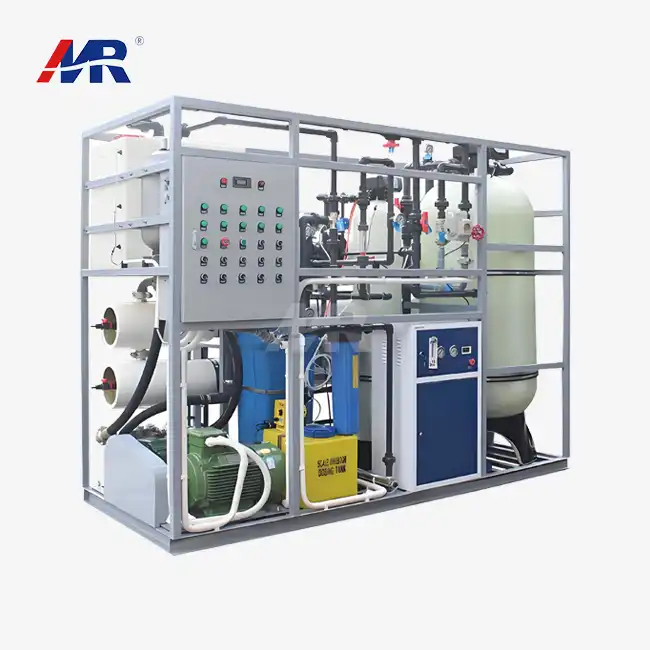 VIEW MORE2T/H seawater desalination plant
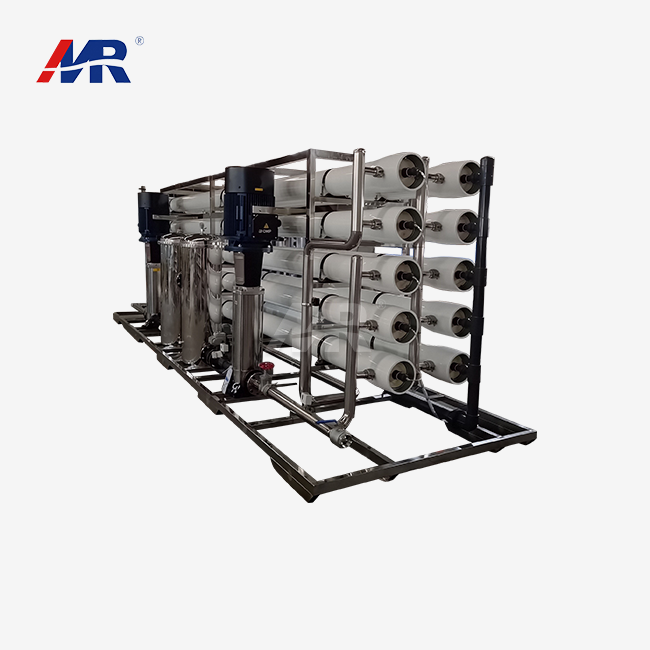 VIEW MORE2 stage reverse osmosis system
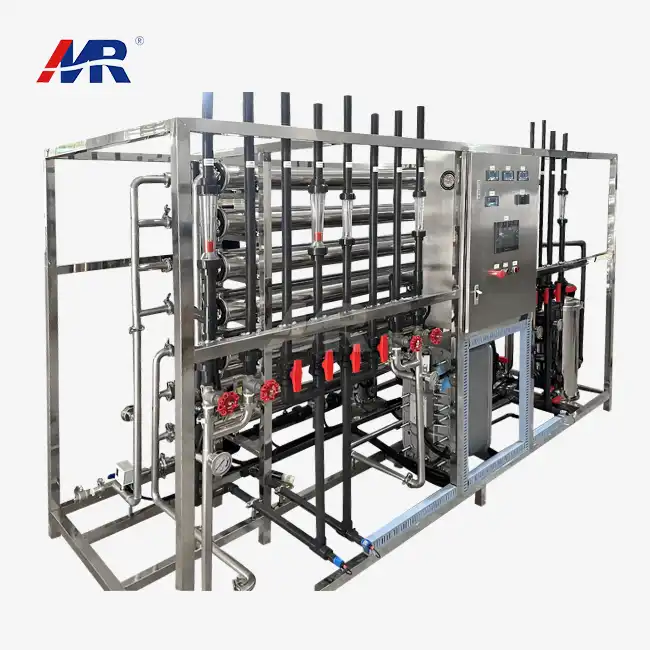 VIEW MORE2m3/hour EDI system
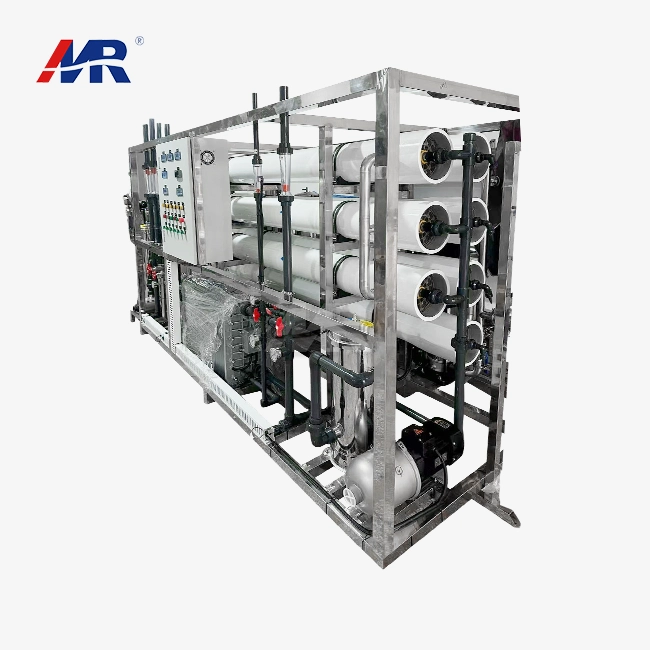 VIEW MOREedi module water treatment
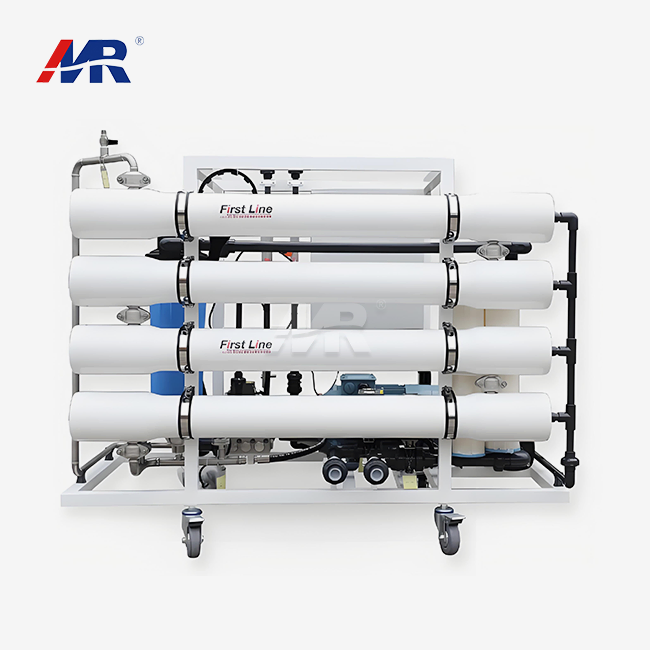 VIEW MOREseawater desalination equipment
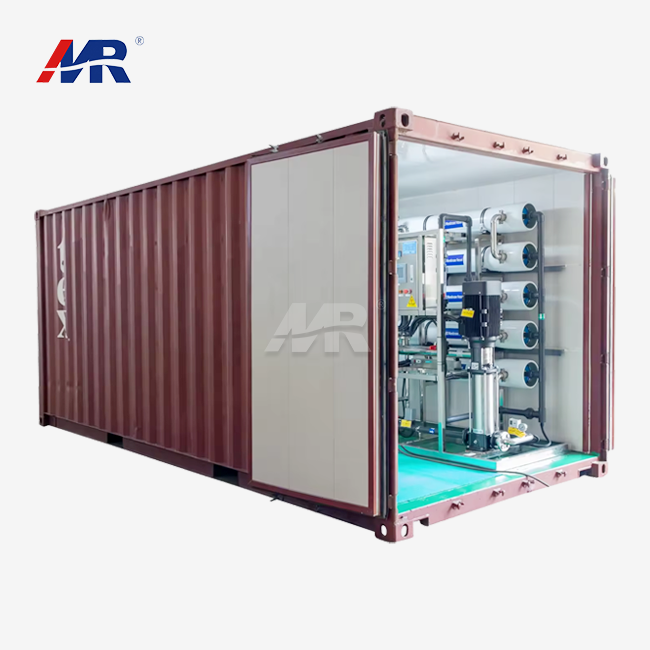 VIEW MOREmobile container reverse osmosis equipment
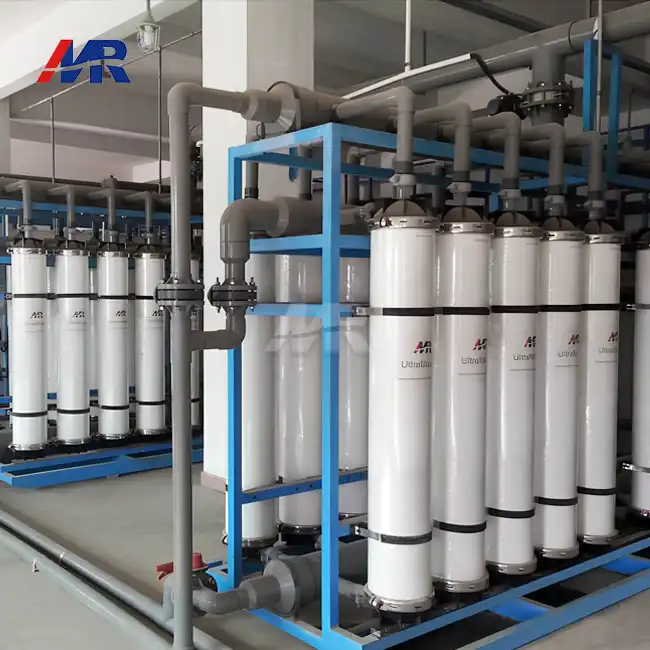 VIEW MORE200m3/hour ultrafiltration equipment
 VIEW MOREedi purified water system
