_1745823981883.webp)

Cost-Effective Landfill Leachate Treatment Solutions for Municipal Waste
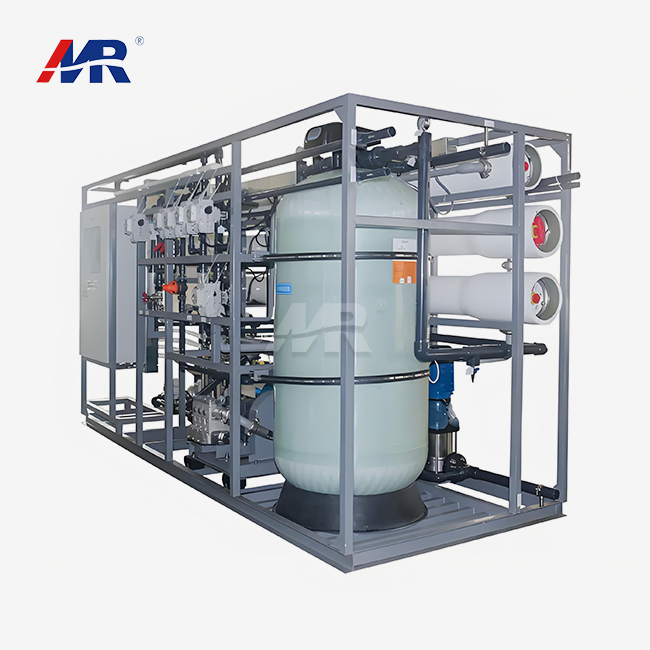
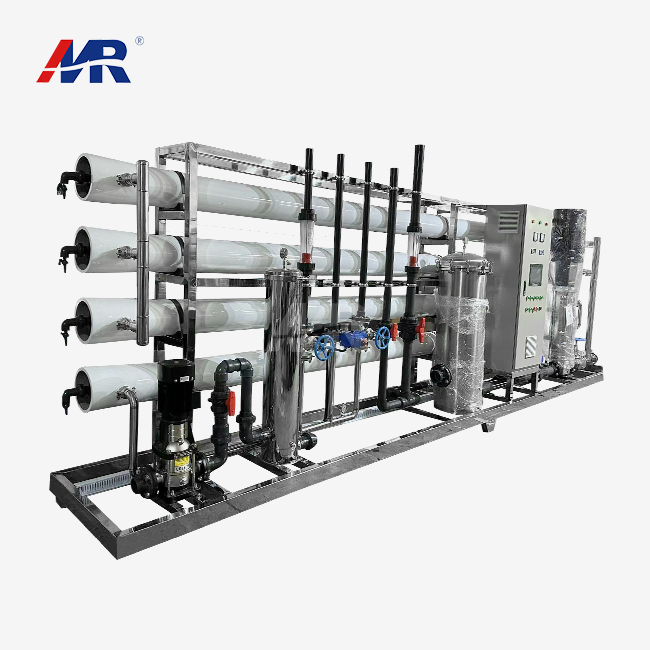
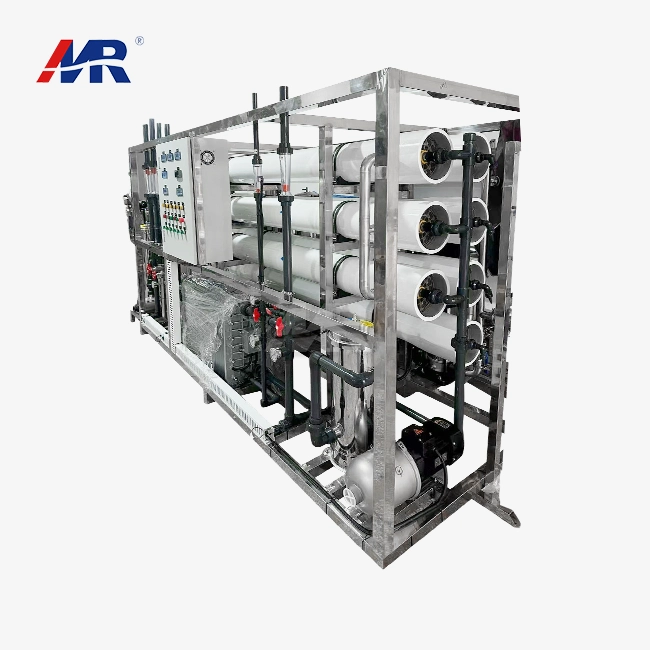
Municipalities all over the United States are still having a hard time dealing with landfill leachate treatment, the polluted liquid that comes out of dumps. To treat leachate from landfills, you need special methods that balance following the rules with staying within your budget. With today's cleaning technologies, cities and towns can handle this complicated garbage in a useful way. Using advanced membrane systems, especially DTRO configurations with biological pre-treatment, has been very successful at lowering pollution levels while keeping costs low. These unified methods help local trash managers deal with the two challenges they face every day: protecting the environment and keeping the city's finances in order.
Introduction
Leachate is a very dirty liquid that is made when water moves through urban solid waste. It has heavy metals, organic compounds, ammonia nitrogen, and toxins that stay in the environment for a long time. This dangerous mix could harm underground sources, surface water quality, and ecosystems nearby if it is not cleaned up. More and more pressure is being put on municipal trash officials to set up treatment systems that meet EPA discharge standards without breaking the bank. We've seen how hard it is for procurement managers and building engineers to figure out how to use the different treatment tools that are out there. The problem goes beyond technical performance and includes prices over the whole system's life, how reliable it is, and how it can grow. Decision-makers in cities need realistic advice on how to choose treatment options that get measured results while also working within the city's budget and resources. This in-depth look at tried-and-true treatment methods, selection criteria, and application strategies is specifically made for city landfills of different sizes.
Understanding Landfill Leachate and Its Treatment Challenges
Learn about landfill leachate treatment and the problems that come with treating it.
Composition and Variability
The makeup of leachate changes a lot over the span of a landfill. Leachate from new dumps has a high metabolic oxygen demand, a lot of volatile fatty acids, and organic matter that breaks down. As dumps get older, the type of waste changes. There is less biological oxygen demand (BOD), but there are higher levels of ammonia and chemicals that are hard to treat with normal methods. This variety calls for landfill leachate treatment methods that are flexible enough to adapt to different types of influent.
Regulatory Pressures
Environmental agencies at the federal and state levels have strict rules about how much COD, ammonia nitrogen, total nitrogen, phosphorus, and heavy metals can be released into the environment. Municipal buildings must consistently follow the rules by being inspected and reporting on a frequent basis. Not following the rules can lead to big fines and even limits on how things can be done. Because of this, modern treatment systems need to have solid performance gaps above the bare minimum required by law.
Site-Specific Constraints
Municipal waste sites often have to choose which technologies to use based on limited space, problems with accessing utilities, and budgetary limits. Treatment systems have to fit into the space they're given while using as little energy and chemicals as possible. Biological treatment is less effective when temperatures change with the seasons, especially in northern states. This means that systems need to be designed so that they work well in all kinds of weather.
Overview of Cost-Effective Landfill Leachate Treatment Technologies
To choose the best technology mix, you need to look at the features of the influent, the amount of flow that is needed, and the total cost of ownership. Many successful city sites use both biological pre-treatment and membrane polishing. This way, biological systems can be used to save money while membrane filtration makes sure that the wastewater meets regulations for release.
Biological Treatment Systems
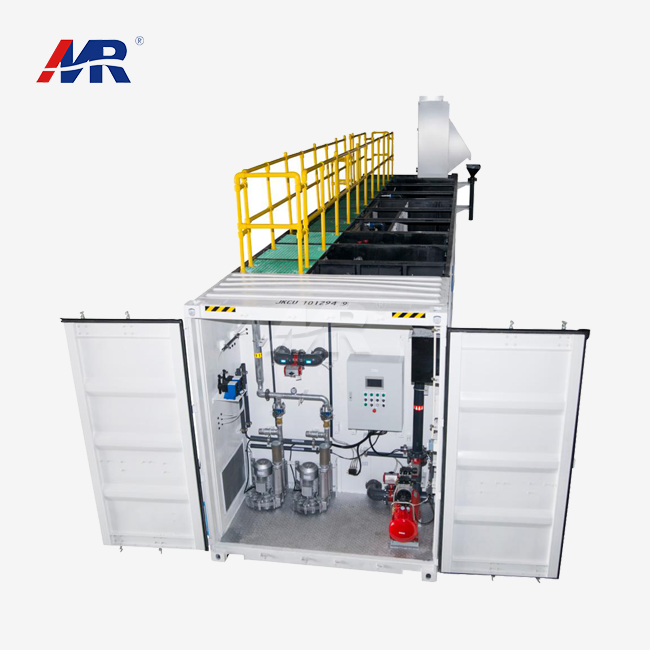
Microorganisms are used by biological processes to break down organic matter and convert ammonia through nitrification and denitrification paths. Both sequencing batch reactors and membrane bioreactors can be set up in small spaces that are good for public spaces. These systems are great at treating young leachate that has a lot of organic matter in it, but older leachate may need extra treatment. The smallest amount of chemicals used means that operating costs are still pretty low. However, biological systems need careful process tracking and occasional biomass management.
Advanced Oxidation Processes
Chemical oxidation with ozone, hydrogen peroxide, or Fenton chemicals breaks down organic molecules that are hard for living things to break down. AOP systems are good at dealing with mature waste, removing colour and stubbornly lowering COD. AOP is often used as a finishing step after biological cleaning in municipal buildings. Chemical prices can affect running budgets, but the focused application keeps reagent use in check compared to treating raw leachate only by oxidation.
Criteria for Selecting the Best Treatment Solution for Municipal Landfills
Municipal engineers have to compare different treatment methods to landfill leachate treatment to certain performance standards that are in line with their release permits. Some important factors are how well the COD is reduced, how well the ammonia is removed, how well the total dissolved solids are handled, and how well the minor contaminants are removed. Systems should work the same way even when the seasons change and the makeup of the waste changes. When you look at data from pilot studies and full-scale sources, you can be sure that the treatment results you expect will happen.
Technical Performance Requirements
Municipal engineers have to compare different landfill leachate treatment methods to certain performance standards that are in line with their release permits. Key parameters include COD reduction, ammonia removal, and handling of total dissolved solids.
Economic Considerations
A total cost study looks at all of a business's costs, including its initial investment, ongoing running costs, and upkeep needs. A big part of operating costs is the amount of energy used, especially for membrane systems that need high-pressure pumps. Using chemicals to change the pH, coagulate, or oxidise adds to ongoing costs. Operational budgets take into account the amount of work that needs to be done to keep an eye on systems, clean them, and do preventative maintenance. It's better for cities and towns to look at the total cost of ownership over the life of a technology choice instead of just the original purchase price.
Space and Infrastructure Needs
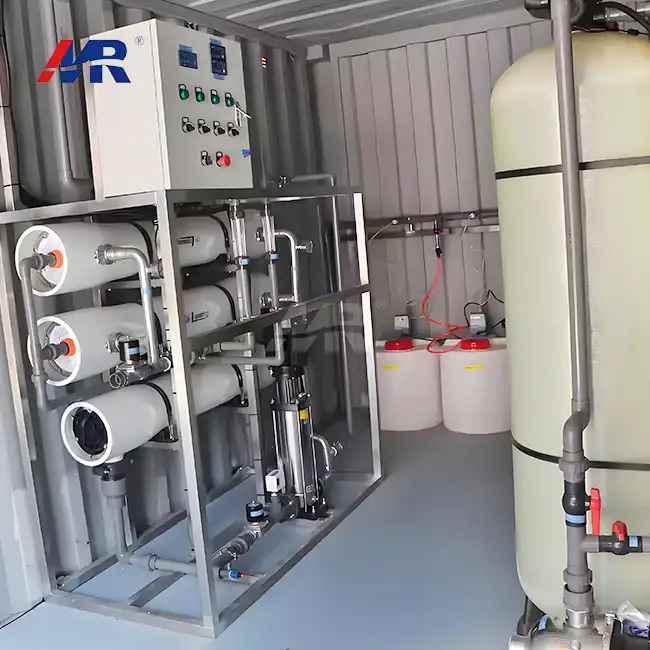
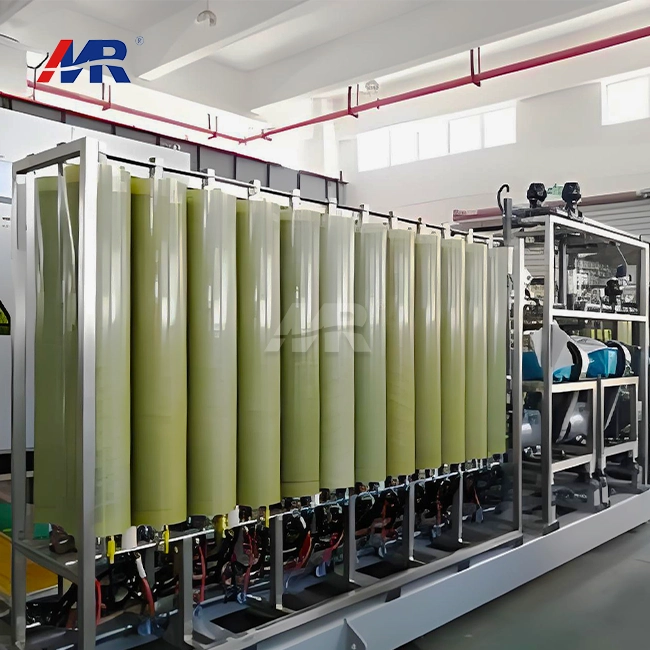
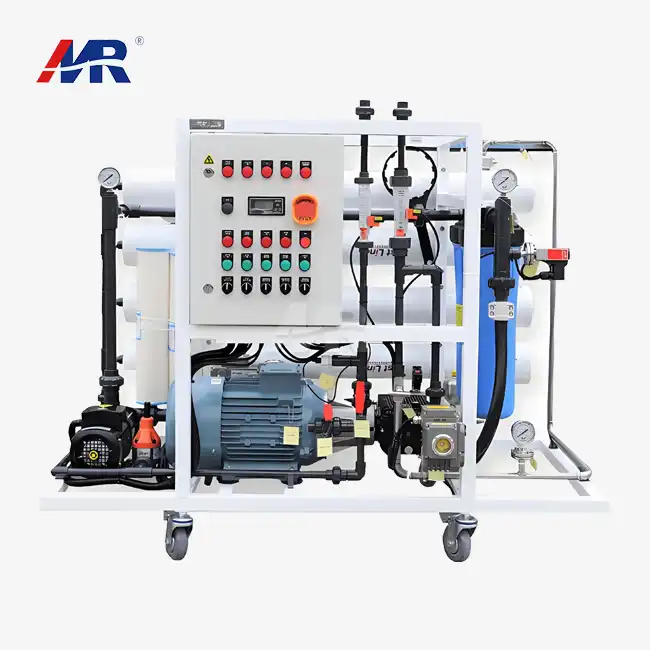
At many municipal landfill sites, the choice of method is limited by the amount of space that is available. Traditional biological treatment trains with many tanks take up more space than compact treatment technologies like DTRO systems. Access to utilities like electricity, potable water, and chemical storage also affects practicality. If a dump is far away, it may cost more to build the infrastructure that makes low-energy cleaning methods more appealing.
Case Studies of Cost-Effective Landfill Leachate Treatment Systems
These examples from real life show how carefully choosing the right technologies and putting them together can help the environment and the economy. Municipal leaders should give more weight to suppliers with a history of success, full pilot testing, and ongoing expert help for as long as the system is in use.
Integrated Biological-Membrane Systems
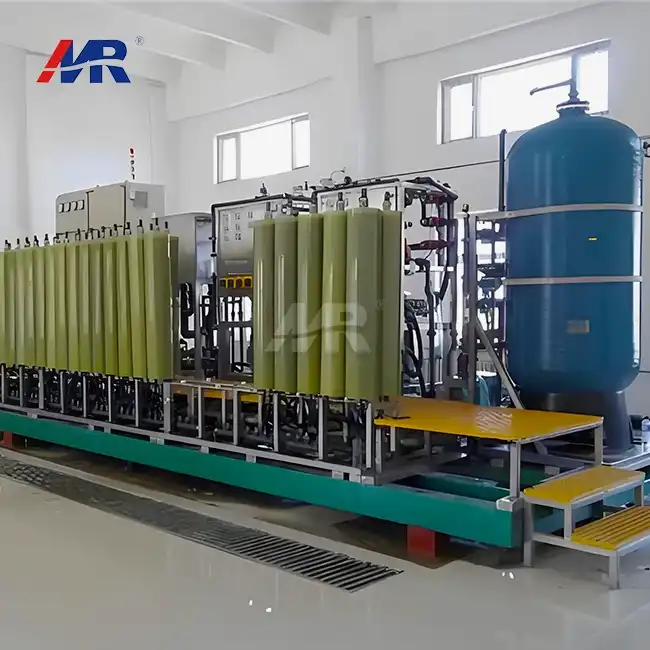
Impressive results have been reported by municipal sites that use combination treatment trains for landfill leachate treatment. A medium-sized dump that serves a nearby city used a sequencing batch reactor for biological treatment, followed by DTro membrane cleaning. The biological stage cut down on organic loads by about 70%, which made the membrane treatment further down much easier. The DTRO system gathered the leftover contaminants and made permeate that met standards for direct release. Based on operational data, the combined method cut total treatment costs by 40% compared to membrane treatment done separately, while still meeting all regulatory requirements.
Customized Treatment Solutions
A coastal city that is in charge of an old dump worked with experienced treatment providers to come up with a solution that would work at that site and deal with the unique properties of grown leachate. Chemical precipitation was used to get rid of metals, advanced oxidation was used to get rid of colour and stubborn organics, and nanofiltration was used for the finishing cleaning. This customised method matched the level of treatment to the real profiles of the contaminants instead of planning too much for the worst-case situations. The facility met the quality standards for release while keeping operating costs below what was planned. During the first few years of operation, regular optimisation based on tracking of water quality made things even more efficient.
Procurement Guide: Sourcing and Investing in Treatment Equipment
A lot of important things should be used by municipal buying teams to evaluate equipment landfill leachate treatment makers for landfill leachate treatment. Reference projects at similar municipal places give useful information about efficiency and customer happiness.
Evaluating Potential Suppliers
Technical Certifications and tests by a third party back up the boasts of speed and the quality of the tools. The fact that the company can make things itself, like membranes and parts, shows that it has vertical integration, which helps keep supply lines running smoothly. Companies like Guangdong Morui Environmental Technology can do a lot of different things, such as making equipment, integrating systems, and installing them. Established manufacturers can help with complicated city projects from the beginning of the planning process to ongoing optimisation. They have more than 500 workers, including 20 specialised engineers. Quality control and supply security are important for long-term system stability, and in-house membrane production sites make sure of both.
Financing Approaches
Most of the time, municipal governments choose between direct purchases and leases based on available cash and accounting choices. When you buy tools outright, you own it and don't have to make regular lease payments, which is helpful when you have access to cash. Leasing costs are spread out over several budget cycles, and upkeep may be covered, which lowers operating risk. Some cities are looking into public-private partnership models where long-term service contracts let private companies pay for and run treatment centres. Grants and low-interest loan programmes run by state and federal environmental agencies can help a lot with the cost of cash. To get the most out of their money, procurement managers should look into all the available funding options while the project is still being planned.
Conclusion
Effectively managing landfill runoff is important for the environment and hard for the people in charge of garbage collection in cities. Modern tools for treatment offer useful answers that strike a balance between following the rules and being thrifty. Biological systems are a cheap way to get rid of organic matter, while modern membrane configurations like DTRO separate contaminants better and take up less space. When multiple technologies are used together in integrated treatment trains, the best performance and cost results are often achieved. Technical evaluations, lifetime cost analyses, and partnerships with skilled equipment providers are all good for municipal decision-makers. By choosing and putting in place the right landfill leachate treatment method, cities and towns can make sure that discharge rules are always followed, while also keeping long-term costs low and saving the environment for the people who live there.
FAQ
1. What lifespan can municipalities expect from leachate treatment systems?
If you take care of your well-designed cleaning devices, they should work well for 15 to 25 years. Depending on the quality of the feed water and how often they are cleaned, membrane parts usually need to be replaced every three to five years. Tanks and ventilation tools used in biological treatment usually last 20 years or more. Regular preventative maintenance and replacing parts when they break down on time make the whole system last longer. Working with providers that offer full-service support helps cities and towns get the most out of their equipment by extending its life through careful maintenance and optimisation.
2. How do biological and membrane treatment costs compare?
Biological treatment systems usually have lower start-up costs, but they need to be carefully managed and may have trouble with leachate that has been there for a while. Membrane systems require a bigger initial investment, but they work reliably and take up little space. The cost of doing business depends on the price of energy and the amount of chemicals needed. Landfill leachate treatment strategies often use biological stages to lower organic loads first to find the best economic balance. This is followed by membrane cleaning for final compliance.
3. Can treatment systems be customised for specific municipal needs?
Expert service providers often change treatment plans based on the type of leachate, the amount of water that needs to be released, the limitations of the place, and the client's budget. Turnkey systems include several cleaning steps that are best for certain uses. Pilot testing makes sure that ideas work before they are used on a large scale. Modular setups let you change the volume as needed for operations. This gives cities the freedom to make sure that their investments are based on real needs and not on general answers.
Partner with Morui for Reliable Landfill Leachate Treatment Solutions
Municipal trash managers who want tried-and-true systems backed by full engineering support should get in touch with well-known landfill leachate treatment providers. Advanced DTRO membrane systems, biological pre-treatment, and chemical preparation are all part of the options that Morui Environmental Technology offers. Our manufacturing skills include making our own membranes and building tools in a number of different processing sites. We help local projects with planning, installation, testing, and long-term operation. We have 14 branch sites and a lot of professional resources. Our agreements with well-known names of equipment, like Shimge pumps and Runxin valves, make sure that the system works well and that parts are easy to find. Our "turnkey" method helps municipalities because we build the system, provide the equipment, oversee installation, and train operators. Contact our technical team at benson@guangdongmorui.com to talk about your building needs or visit moruiwater.com.
References
1. Renou, S., Givaudan, J.G., Poulain, S., Dirassouyan, F., and Moulin, P. (2008). "Landfill Leachate Treatment: Review and Opportunity." Journal of Hazardous Materials, 150(3), 468-493.
2. Kurniawan, T.A., Lo, W., and Chan, G.Y.S. (2006). "Physico-Chemical Treatments for Removal of Recalcitrant Contaminants from Landfill Leachate." Journal of Environmental Management, 129(4), 80-100.
3. Wiszniowski, J., Robert, D., Surmacz-Gorska, J., Miksch, K., and Weber, J.V. (2006). "Landfill Leachate Treatment Methods: A Review." Environmental Chemistry Letters, 4(1), 51-61.
4. Amor, C., De Torres-Socías, E., Peres, J.A., Maldonado, M.I., Oller, I., Malato, S. y Lucas, M.S. (2015). "Mature Landfill Leachate Treatment by Coagulation/Flocculation Combined with Fenton and Solar Photo-Fenton Processes." Journal of Hazardous Materials, 286, 261-268.
5. Calabrò, P.S., Gentili, E., Meoni, C., Orsi, S. and Komilis, D. (2018). "Effect of the Recirculation of a Reverse Osmosis Concentrate on Leachate Generation: A Case Study in an Italian Landfill." Waste Management, 76, 643-651.
6. United States Environmental Protection Agency (2021). "Municipal Solid Waste Landfills: Technical Guidance for RCRA/CERCLA Final Covers." EPA Office of Solid Waste Publication, Washington, D.C.