

_1745823981883.webp)

Maintenance Tips for Landfill Leachate Collection Systems to Ensure Long-Term Efficiency
Keeping a leachate collection system in landfill in good shape requires constant attention leachate collection system in landfill and careful planning to avoid harming the environment and having the system break down at a high cost. These systems catch polluted water that seeps through trash and protect groundwater and wildlife nearby. Regular repair keeps pumps, pipes, and tracking gear working well, reducing downtime and increasing the equipment's useful life. At our company, Morui, we've witnessed how proactive maintenance plans cut down on emergency fixes by almost 60% while still meeting all the rules. Knowing the important steps for repair helps building managers keep systems working well over time and avoid contamination risks.
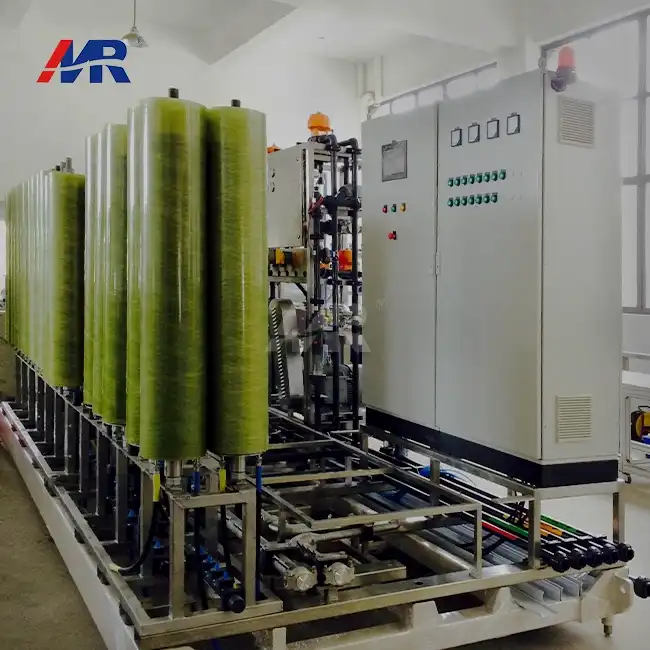
Understanding the Core Components of Landfill Leachate Collection Systems
Primary System Elements and Their Functions
Leachate management systems are made up of parts that are all linked to each other and work together to safely hold and move contaminated fluids. The base is made up of pipes that collect leachate from the drainage layers and send it to central holding tanks. Most of the time, these lines have holes in them that let liquids in while filtering out solid trash. The leachate is then moved to treatment plants or holding tanks by submersible pumps. Flow rates, liquid amounts, and system pressure can all be seen in real time on monitoring tools. Smart sensors placed in key locations let workers know when something is wrong before it gets worse. Holding tanks are temporary places to store things and act as buffers during times when a lot of waste is being made. Each part has its own job to do, but because they all depend on each other, a problem in one area can quickly affect how well the whole thing works.
Common Failure Points and Early Warning Signs
The most common upkeep problem is a clogged pipe, which can be caused by sediment buildup, biofilm growth, or trash getting inside. These things get in the way of flow and build up pressure, which can damage pipes or cause leachate to pool in the waste mass. Leachate is acidic, and the pumps have to work all the time, so they wear out naturally over time. Bearings wear out, impellers erode, and seals leak, which makes pumps less effective or causes them to stop working completely. Fouling, in which liquid deposits cover sensing surfaces and give false readings, makes sensors less accurate. This gives workers the wrong idea about how the system really is working, which delays actions that need to be taken. Procurement managers and building engineers can prioritise checks and stock up on important replacement parts when they know about these common weaknesses. Morui puts a lot of thought into how to make systems that eachate collection systems in landfills have easily available parts that make troubleshooting easier and cut down on servicing time.
Routine Inspection and Maintenance Procedures
Establishing Effective Inspection Intervals
The main part of preventive maintenance programmes is regular checks. Visual checks done once a week find clear problems like leaks, strange smells, or sinking surfaces near collection spots. Functional testing of the pump once a month compares discharge rates to standard performance measures to make sure it works. Comprehensive inspections are done every three months to check the stability of pipes using video camera equipment that shows what's inside without digging. Professional checks of structural parts, electrical systems, and cleaning tools should be part of yearly system reviews. This tiered method strikes a balance between thoroughness and resource efficiency. It finds problems early on, when they are still easy and cheap to fix. When inspection results are written down, they become historical records that show trends of wear and tear and help set replacement plans.
Cleaning and Flushing Techniques
To avoid blockages, you need to clean in a way that is practical and fits the conditions of the place. High-pressure water jets are used in mechanical cleaning to remove bacteria and sediment from inside pipes. Regular upkeep can be done with this method without adding chemicals to the waste stream. How often you need to clean depends on the type of waste and leachate. Places that deal with organic waste usually need to be cleaned more often. When mechanical ways don't work, chemical treatments with biodegradable dispersants can get rid of stubborn blocks. These mixtures break down organic buildups and stop the growth of microbes that make pipe sizes smaller. Testing at the site decides the right chemicals to use and how much to give. To keep environmental effects and operating costs as low as possible, we suggest starting with mechanical methods and saving chemical methods for problems that won't go away.
Best Practices for Ensuring System Longevity and Efficiency
Developing Tailored Maintenance Schedules
Generic care models don't usually take into account how each waste site is different. The best upkeep schedule is affected by the type of waste, the temperature, and the design of the system. In wet places, there is more leachate and biofilm growth happens faster, so cleaning plans need to be stricter. Facilities that take in industrial trash may come across acidic chemicals that break down materials more quickly. The first step in making personalised maintenance schedules is to record the system's standard performance during startup. This sets the normal working parameters that will be used to compare future data to. Schedule changes should be based on changes in the seasons. For example, many sites increase the number of inspections they do during the wet seasons, when waste production is highest. Reviewing the plan regularly makes sure that each collection system in landfills maintenance is in line with how the system actually works, not just with random dates.
Integrating Automated Monitoring Systems
With today's monitoring technology, repair can now be proactive instead of reactive. Monitoring flow rates, liquid levels, and pump performance all the time finds problems right away, sending out alerts before small problems turn into big ones. Data logging creates performance records that show trends of gradual decline that can't be seen during regular checks. Automation cuts down on the need for workers while speeding up response times. Instead of having to wait for planned inspections to find problems, repair teams are immediately notified when something is wrong. This makes it possible for tailored actions to deal with specific problems without stopping normal operations. At Morui, we use monitoring software from partnered companies like Createc Instruments. This gives our customers solid data collection tools that work with their current infrastructure without any problems.
Addressing Environmental and Regulatory Compliance Through Maintenance
Environmental Impacts of System Failures
Leachate has high levels of nutrients, heavy metals, and organic compounds that are very bad for the health of the land and groundwater. When systems fail and leachate leaks out without being managed, it can pollute aquifers that people use for drinking water, which can affect people living far away from the dump. Soil pollution lasts for decades, making land unfit for farming or building on. Surface water effects happen when leachate gets into streams or rivers and kills fish or changes the environment. The cost of fixing environmental damage is usually many times higher than the cost of preventing it. Maintenance is like protection against these terrible events; it protects both the organisation's image and its natural resources.
Regulatory Framework and Compliance Protocols
Under Subtitle D rules, the US Environmental Protection Agency sets basic guidelines for how landfill leachate should be managed. Environmental agencies at the state level often add extra rules that are based on local situations and goals. These rules require methods to find leaks, frequent inspections, and quick action when releases are found. During checks and permission renewals, compliance paperwork shows that rules were followed. Maintaining records is an important part of being responsible, and they show that facility owners protect the environment by taking regular care of collection equipment. Enforcement actions against facilities with strong maintenance programmes are less common, and those facilities keep better relationships with regulatory bodies. Adding compliance requirements to regular repair processes makes sure that legal requirements are always taken care of and not just ignored. Checklists for inspections should include specific regulatory requirements, and maintenance logs should keep separate records of actions related to compliance so that they are easy to find during audits.
Advanced Technologies and Solutions to Optimise Maintenance
Smart Monitoring Solutions and IoT Integration
Internet-connected devices let anyone with network access keep an eye on a system from afar. Facility eachate collection system in landfillmanagers get real-time information on their phones, so they can check on the state of the system without having to go to the site. This is especially helpful for businesses with multiple locations, where having centralised control makes things run more smoothly. Cloud-based data keeping keeps old files safe, so they don't get lost if equipment breaks down or a disaster strikes the site. Advanced analytics systems can spot small changes in performance that happen before something goes wrong and suggest ways to stop problems before they happen. These technologies lower the cost of upkeep and increase the stability of systems by stepping in early.
Maintenance Strategies for Different Collection Systems
Gravity drainage is used in passive collection systems. These systems need less mechanical upkeep, but you need to pay more attention to the integrity of the pipes and the drainage slopes. As trash settles and packs down, these systems need to be checked on a regular basis to make sure they are maintaining the slopes properly. Active systems with pumps need to be serviced more often, but they give you more control over how the leachate is managed. Hybrid techniques use both methods, using pumps when needed and gravity collection when the terrain allows it. Maintenance plans need to take into account the unique needs of each type of system in a building. Knowing these differences helps you make the best use of your resources and avoid using the wrong upkeep methods.
Innovative Products and Professional Service Support
Improvements in material science have led to pipe materials that are better at resisting chemicals and lasting longer under normal use. High-density polythene and new composites can last a lot longer in settings with acid leachate than older materials. As one of the names we sell at Morui, Shimge Water Pumps has models that are designed to work with leachate. These models are made to be resistant to rust and have better seal designs. Valve technology has also come a long way. For example, Runxin Valves offers automated control solutions that make systems faster and require less human work. Professional fitting makes sure that these high-tech parts work as they should and fit in with current systems correctly. Our Team has worked on more than 500 projects over the past 20 years and is backed by 20 specialised engineers who know how waste control systems work. We offer local help through 14 branches that serve a wide range of areas. Our manufacturing skills are complete, and we even have our own facility for making membranes.
Conclusion
The leachate collection system in a landfill needs regular checks, strategic cleaning, and systematic attention to the integrity of its parts in order to be kept in good shape. Knowing where systems are weak lets site managers put in place defences that keep costly breakdowns and environmental problems from happening. Traditional upkeep methods are improved by new tracking technologies that help find problems early and make decisions based on data. Regulatory compliance depends on upkeep actions that are written down and show care for the environment. Working with service and equipment providers with a lot of experience ensures that you can get reliable parts and expert technical help. When you put these parts together, you get leachate control systems that are strong, protect the environment, and keep costs low for decades.
FAQ
1. How often should leachate collection pipes be inspected?
Visual checks should be done once a week, and full video camera checks of the inside of pipes should be done every three months. Sites that handle a lot of garbage or waste that is acidic may need full inspections every month. Change the frequency based on how well the system is working and how often it has failed in the past.
2. What causes most pump failures in leachate systems?
About 70% of pump failures are caused by seal degradation from exposure to acidic leachate and bearing wear from constant operation. Ingestion of debris and poor voltage supply are the major causes of the leftover problems. Testing the pump and replacing the seals as part of regular maintenance keeps breakdowns from happening out of the blue.
3. Can automated monitoring replace manual inspections?
Instead of replacing human checks, automated systems add to them. Sensors quickly find problems with the way things work, but eye checks show damage, leaks, and weather conditions that sensors can't see. When you use both methods together, you get full system control.
4. How do weather patterns affect maintenance schedules?
Leachate production goes up during wet seasons, so pumps and pipes need to be serviced and cleaned more often. In northern areas where it gets cold, insulation and heating systems may need to be checked. During droughts, when waste flow is low, it's possible to do a lot of upkeep work.
Partner with a Trusted Leachate Collection System Supplier
To keep your landfill's leachate collection system running at its best, you need both high-quality tools and reliable expert assistance. Guangdong Morui Environmental Technology specialises in comprehensive water treatment solutions, delivering an integrated system backed by our extensive manufacturing capabilities and engineering expertise. Because we work with top brands like Shimge Water Pumps and Runxin Valves, you can be sure that the parts you get are tried and true and made for tough leachate settings. We offer full help from the initial design of the system through installation, commissioning, eachate collection system in landfill and continued upkeep. We offer responsive local service backed by deep technical knowledge, thanks to our 14 branch sites and more than 500 workers. Get in touch with our team at benson@guangdongmorui.com to talk about your leachate management needs and find out how our custom solutions improve system efficiency while lowering long-term running costs.
References
1. Tchobanoglous, G., & Kreith, F. (2002). Handbook of Solid Waste Management. McGraw-Hill Professional.
2. Qasim, S. R., & Chiang, W. (1994). Sanitary Landfill Leachate: Generation, Control and Treatment. CRC Press.
3. Rowe, R. K., Quigley, R. M., & Booker, J. R. (1995). Clayey Barrier Systems for Waste Disposal Facilities. E & FN Spon.
4. Christensen, T. H., Cossu, R., & Stegmann, R. (2011). Landfilling of Waste: Leachate. E & FN Spon.
5. United States Environmental Protection Agency. (2018). Municipal Solid Waste Landfills Volume 1: Summary of Requirements. EPA-530-R-18-002.
6. Koerner, R. M., & Soong, T. Y. (2000). Leachate in Landfills: The Stability Issues. Geotextiles and Geomembranes Journal, 18(5), 293-309.
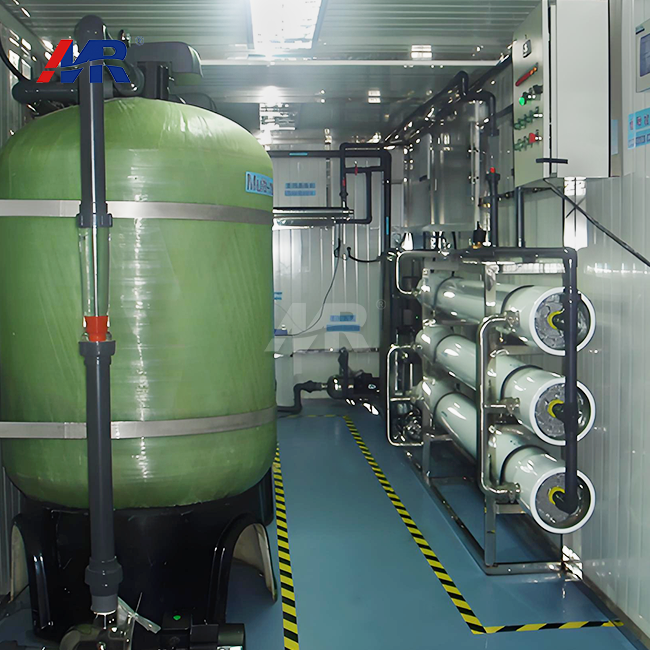 VIEW MOREContainerized Mobile Water Treatment Systems
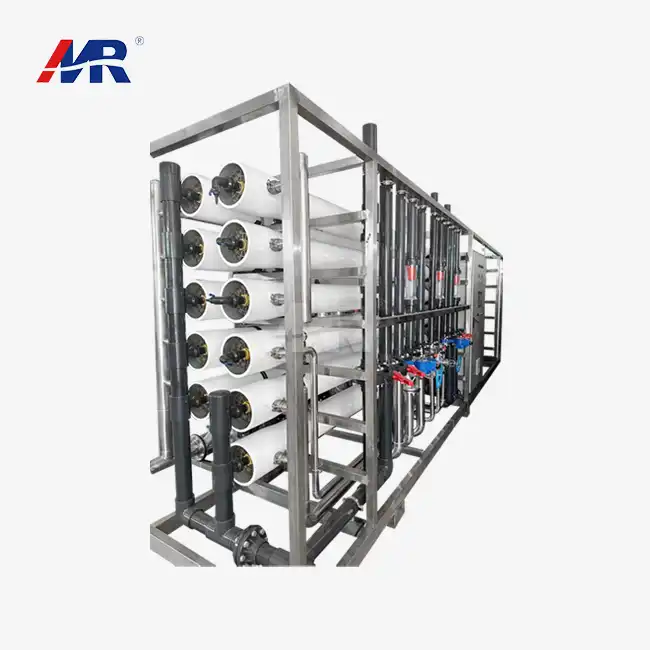 VIEW MORE60m3/hour reverse osmosis plant
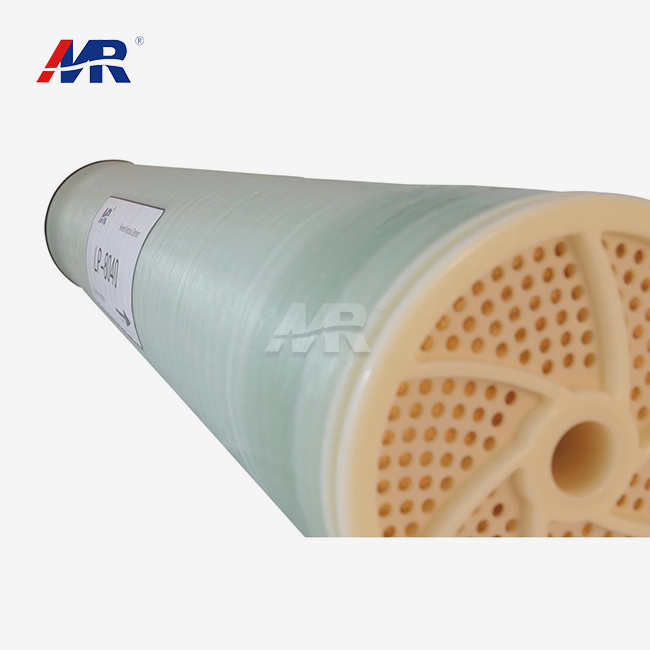 VIEW MOREmembrane used for reverse osmosis
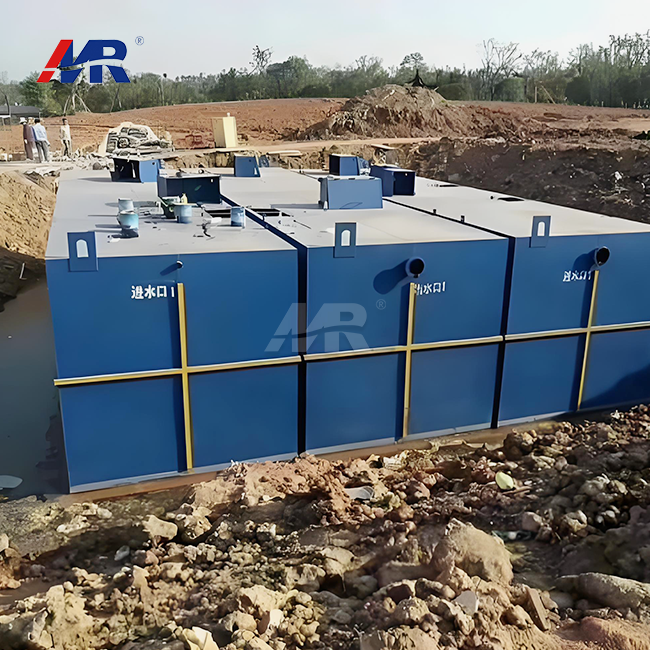 VIEW MOREwastewater treatment plant units
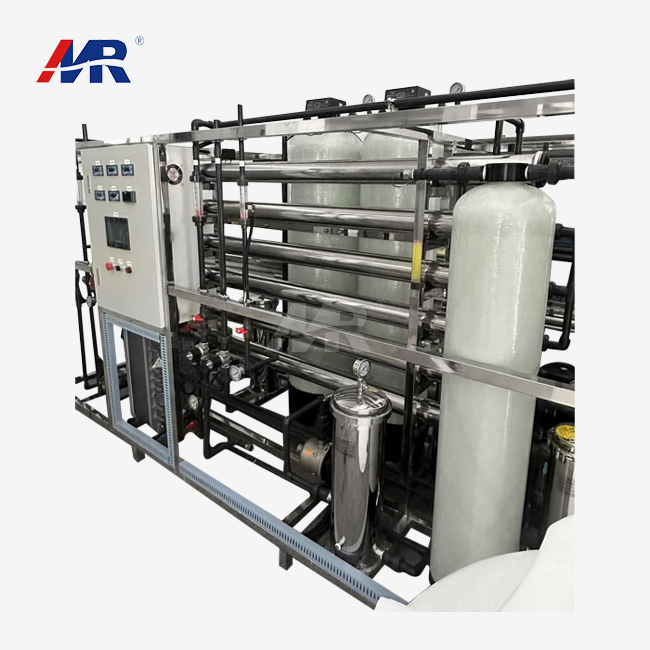 VIEW MOREelectrodeionization edi system
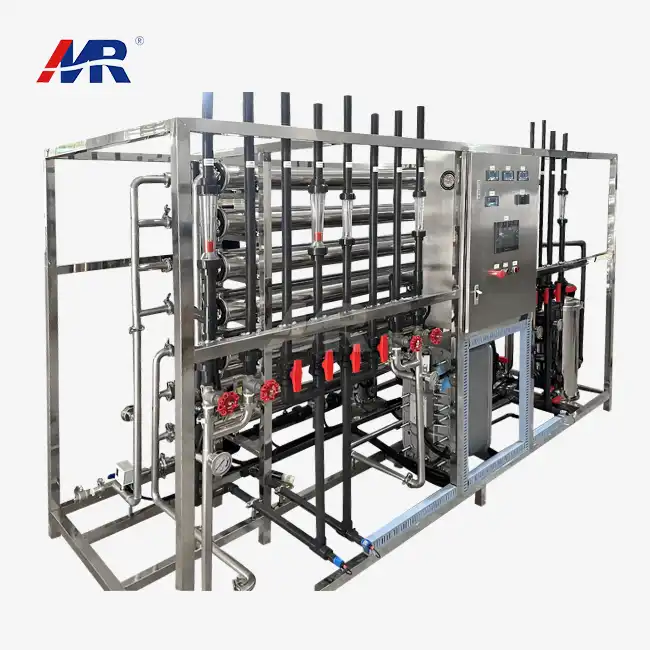 VIEW MORE2m3/hour EDI system
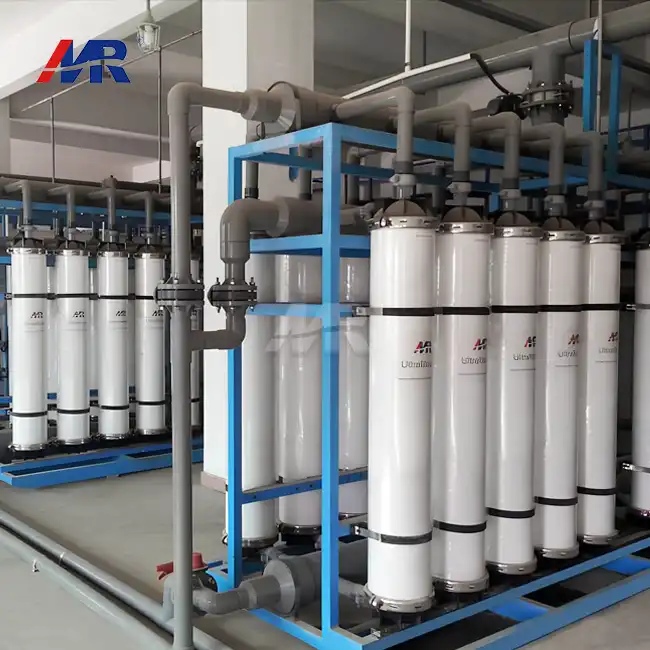 VIEW MORE20m3/hour ultrafiltration equipment
 VIEW MOREDTRO membrane
