

_1745823981883.webp)

Mobile Desalination Machines for Clean Water Access
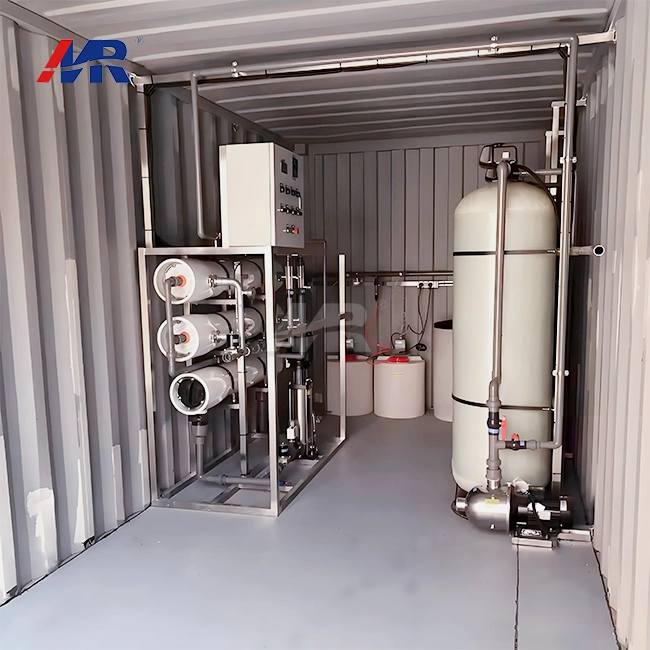
Access to clean water is still a big problem in many places and businesses around the world. An effective answer is a portable desalination machine, which can turn salty or brackish water into drinkable portable desalination machine water wherever it's required. These small systems use tried-and-true methods like reverse osmosis to get rid of salts and other impurities in the water. They provide clean water without the need for set sites and their associated infrastructure. Mobile purification technology gives businesses the ability to get clean water whenever they need it, whether they are working at sea or responding to a disaster.
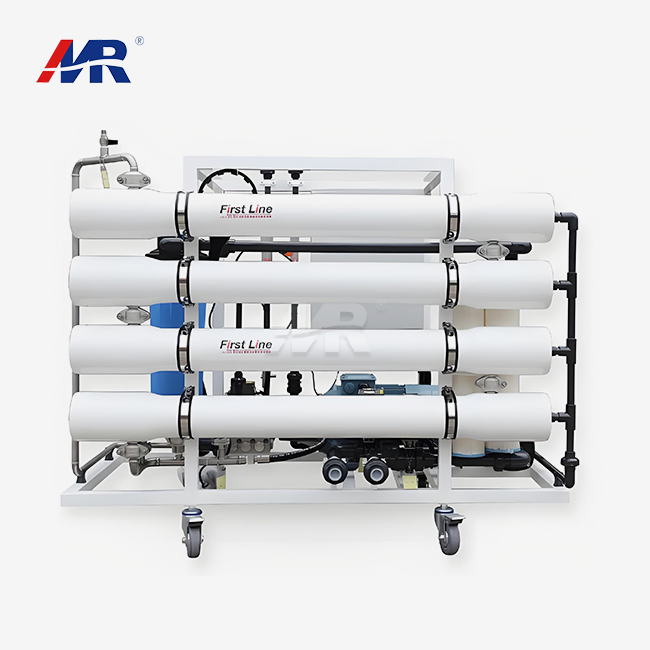
Understanding Portable Desalination Machines and Their Technology
What Makes Desalination Machines Portable
When it comes to purification equipment, portability means more than just being able to move it around. These systems have small shapes and strong engineering so they work the same way even when conditions change. Fixed plants need to be set up permanently and require a lot of building work. Portable units, on the other hand, come ready to be used. Because they are made up of separate modules, expert teams can quickly set them up without needing any special equipment. Because of their lightweight, easy-to-transport dimensions and weatherproof housings, these tools can be moved quickly and easily from coastal facilities to rural industrial sites. This adaptability is very helpful when project schedules change, or water needs appear in places you didn't expect them to.
Core Desalination Technologies Explained
The technology used to clean the water is what makes any distillation system work. Most people still use reverse osmosis, which uses semi-permeable filters to forcefully separate dissolved salts from water molecules. Before getting to the RO membranes, the feed water goes through steps of pre-filtration that get rid of solids that are suspended in the water. High-pressure pumps move the process along, pushing clean water through while concentrated brine leaves on its own. Ultrafiltration and microfiltration are two types of membrane filtration that work with RO to remove certain types of contaminants. Some specialised units use solar distillation, which is especially useful for situations where energy freedom is important that are not connected to the grid. Energy recovery devices use up to 30 per cent less power than older versions because they take pressure from brine streams.
Benefits and Business Applications of Mobile Desalination Systems
Strategic Advantages for B2B Operations
One main benefit stands out: operational mobility. Businesses that deal with portable desalination machine seasonal changes in demand, or work that is based on projects like having tools that can be moved around as needed. Capital spending structures are very different. For example, movable solutions need less initial investment than permanent infrastructure and pay for themselves more quickly. Having your own water source makes you less vulnerable to city shortages or quality problems, which lowers your risk. Closed-loop systems that treat and reuse water streams make environmental compliance easier to handle by reducing the damage caused by release. These systems can also be used as a temporary fix while a building is being expanded, giving it more space until the permanent systems are ready.
Real-World Industry Applications
Compact filtration technology is very important to the maritime industry. Commercial ships, offshore platforms, and research ships all meet their operating and crew comfort needs by making their own water. These sites get rid of the need to resupply rural areas with fresh water, which cuts down on transportation costs by a large amount. Disaster aid groups send mobile units to areas hit by natural disasters where the infrastructure isn't working. In just a few days after a storm, earthquake, or flood, these devices help people get drinking water again and help with recovery efforts. In places where there isn't a lot of water, factories use movable desalination to make up for the lack of water during busy times. On-demand ultrapure water is helpful for companies that make drinks, medicines, and electronics without having to add more fixed treatment capacity.
Comparing Portable Desalination Machines: Making the Right Choice
Portable Systems Versus Traditional Infrastructure
People who make decisions often compare mobile units to portable desalination machine fixed installations. When reliable high-volume output is important, traditional set plants offer better economies of scale. Their improved designs lead to lower production costs per gallon in situations where they are always running. But these benefits become much less appealing when you think about how long it takes to build, how much it costs to prepare the spot, and how long it takes to get permits. Portable tools are great for situations where you need to be flexible, set up quickly, or temporarily. Because they are mobile, they can keep cash for core business tasks instead of putting it into long-term assets. The level of difficulty in maintenance is also different. Standardised parts can be easily found through established supply lines in movable units, but custom-engineered fixed plants may need parts that aren't readily available and take longer to get.
Key Selection Criteria for Procurement
Several important things affect choices about procurement. Actual demand must match production capacity, taking into account peak needs instead of normal usage. Because energy efficiency has a direct effect on running costs, it's important to be able to compare different rates of energy consumption. Power source compatibility affects how flexible a placement can be; units that can accept more than one input are more flexible. Longevity in harsh locations, especially coastal areas with salt air, depends on the quality of the build and the materials used. Levels of automation affect the number of workers needed; advanced systems with online tracking cut down on the need for on-site workers. Investments are protected against the risk of failure by warranty terms and the ability to connect to the service network. Total ownership worth is higher for suppliers who offer full installation help, training programmes, and spare parts available.
Evaluating Leading Equipment Options
There are a lot of different makers that make movable desalination systems. Some brands focus on making ultra-compact units for military use, putting an emphasis on making them as tough and light as possible. Others make systems for business use that are more powerful and have more advanced control. Instead of marketing claims, look at certified test results when judging individual models. Objective performance baselines are set by having independent proof of salt refusal rates, recovery ratios, and energy use. Referrals from customers who have used similar Products before can tell you a lot about how reliable and quick a seller is. Lifecycle costs, which include the initial purchase price, replacement plans for consumables, energy costs, and upkeep labour, should be included in price comparisons. These costs show how much it really costs to own an item over its entire lifetime.
Procurement Strategies for Mobile Desalination Machines
Sourcing from Reliable Suppliers
Before evaluating a supplier, it's important to make sure they have the right technical knowledge and production skills. Established businesses with tech teams and quality standards show that they are dedicated to making the best products. At Guangdong Morui Environmental Technology, our combined method brings together decades of experience treating water along with facilities for making membranes and other equipment. This vertical integration keeps an eye on quality all the way through the supply chain and lets you make changes to fit the needs of any application. Our network of 14 stores and team of 20 specialised workers help clients with everything from buying to installing to providing ongoing service. We also work with well-known part sources like Shimge Water Pumps, Runxin Valves, and Createc Instruments to make sure that our portable desalination machine uses tried-and-true technologies.
Purchase Models and Investment Structures
Companies that want to adopt something for a long time or permanently integrate it into their processes should buy it outright. In this way, you have more power over the tools and don't have to pay rent fees every month. Rental or lease agreements are good for short-term projects, seasonal demand, or try-out times before making a long-term commitment. Some suppliers offer rent-to-own arrangements where rental payments are applied towards a future buy. When you buy things in bulk through bulk procurement programmes, you can save money when you supply more than one place or facility. Customisation services make sure that equipment fits the way things are used instead of making sacrifices, like meeting water quality goals or working with systems that are already in place.
Managing Logistics and Service Support
Documentation, customs clearance, and transport logistics all need to be carefully coordinated when sending goods across international borders. Suppliers with a lot of experience take care of these issues and make sure that equipment comes on time and in good condition. Installation services range from simple help with getting things up and running to a full package setup that includes wiring, plumbing, and training for operators. The warranty should cover both parts and labour, and there should be clear language about when to call for service and where to find it. Ongoing Technical support through online tracking, help with troubleshooting, and regular maintenance programmes keep equipment purchases safe and running at their best for as long as they are used.
Conclusion
Mobile purification technology solves real problems that businesses all over the world have with getting access to water. The mix of tried-and-true purification methods, movable designs, and adaptable deployment models meets a wide range of operating needs, from emergency response situations at sea to those that happen on land. Implementation will go well if the right portable desalination machine is chosen based on capacity needs, energy economy, and the supplier's skills. The best way to get the most out of an investment is to use strategic buying methods that take into account total ownership costs, customisation options, and full service support. When these systems are properly kept and optimised, they provide reliable access to clean water, which improves operating stability and business continuity. As the world's water shortage gets worse, portable desalination equipment is not only a technical answer, but also a strategic tool that helps all industries grow in a way that lasts.
FAQ
1. Can portable desalination units support large-scale operations?
Different types of portable desalination machines have very different ranges of capacities. Smaller units, which are good for ships or small buildings, can make several hundred litres of water an hour. Larger systems that are attached to trailers produce 50 to 100 cubic metres of waste every day, which is enough to meet the needs of large businesses or communities. When demand is higher than a single unit's capacity, multiple units can be set up simultaneously, which provides both number scalability and practical redundancy.
2. What lifespan should I expect from mobile desalination equipment?
If you take care of good tools, they should last between 10 and 15 years of useful work. The membranes are the main part that wears out and need to be replaced every three to five years, based on the conditions of the feed water and how hard the system is used. Based on how many hours they've been used, mechanical parts like pumps and valves need to be rebuilt or replaced on a regular basis. Full guarantee programmes from trustworthy sellers keep things from breaking down too soon during the first few months of use.
3. How do these processes work in the hard conditions of the ocean?
Marine-grade portable desalination machines are made with materials and coatings that don't rust and are guarded against salt air and water. Stainless steel housings, sealed electrical parts, and control screens that can handle the weather make sure that the equipment works reliably even in harsh circumstances. In sea environments, regular upkeep is especially important to deal with salt buildup and slow down the breakdown of parts.
Contact Morui for Your Portable Desalination Machine Supplier Needs
Guangdong Morui Environmental Technology has the best portable desalination machine options in the business and is ready to help you get clean water. Because we can both make things and sell them, we have a lot of skills that let us create unique systems that exactly meet your needs and your budget. With more than 500 dedicated workers, 20 specialised engineers, our own facilities for making membranes, and various facilities for making other equipment, we offer technical excellence backed by integrated solutions. Our track record in treating industrial wastewater, desalinating seawater, and making ultrapure water shows that we can help a wide range of industries. Contact Our Team at benson@guangdongmorui.com to talk about your unique application needs, get full technical specs, or set up a demonstration of our tools. We offer reasonable prices for large orders, full installation and commissioning services, and quick, helpful support after the sale to protect your investment as long as it works.
References
1. National Research Council. "Desalination: A National Perspective." National Academies Press, 2008.
2. Voutchkov, Nikolay. "Desalination Engineering: Planning and Design." McGraw-Hill Professional, 2013.
3. International Desalination Association. "IDA Desalination Yearbook 2021-2022." Global Water Intelligence, 2021.
4. World Health Organization. "Safe Drinking-water from Desalination." WHO Press, 2011.
5. American Water Works Association. "Reverse Osmosis and Nanofiltration: Manual of Water Supply Practices M46." AWWA, 2007.
6. Greenlee, Lauren F., et al. "Reverse Osmosis Desalination: Water Sources, Technology, and Today's Challenges." Water Research, Volume 43, Issue 9, 2009.
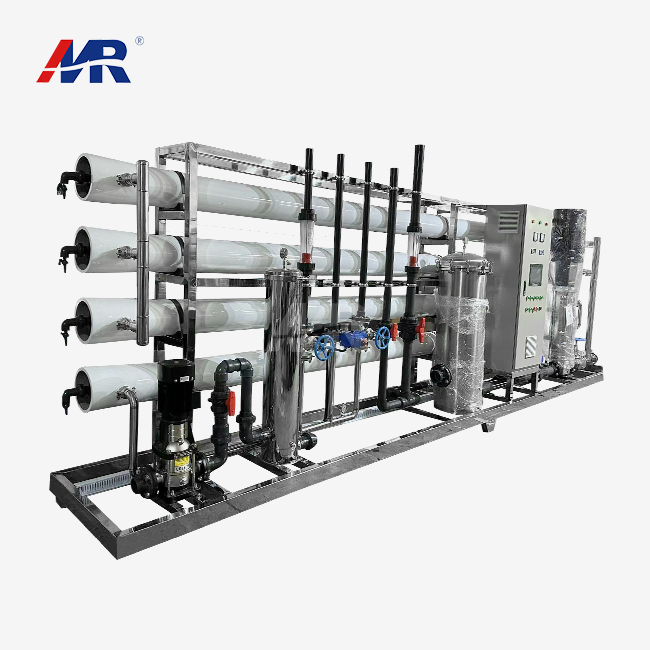 VIEW MOREreverse osmosis plant
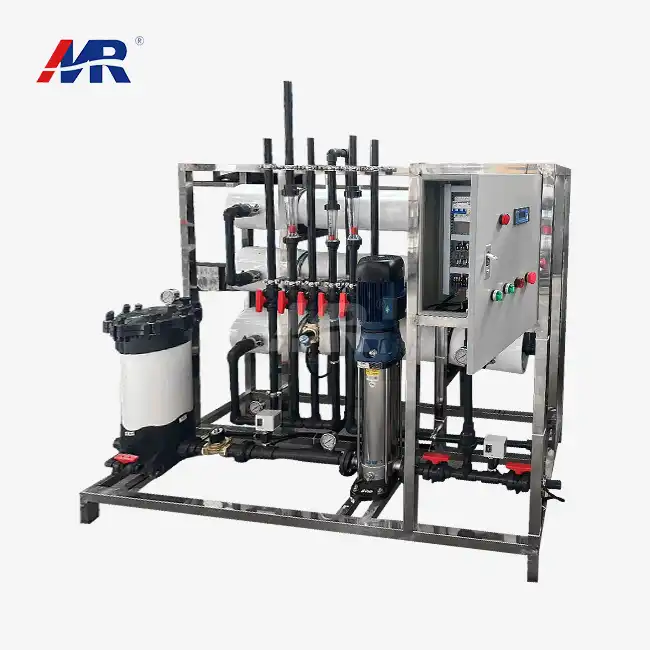 VIEW MORE3T/H reverse osmosis equipment
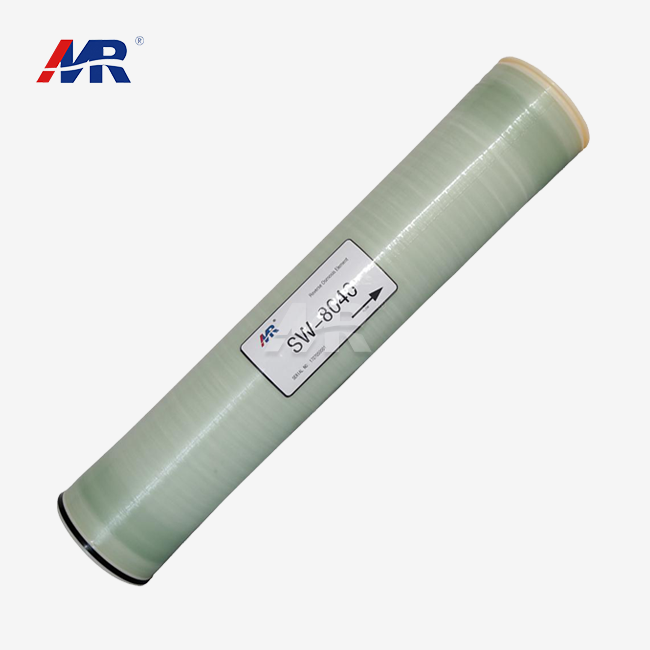 VIEW MORE8040 seawater reverse osmosis membrane
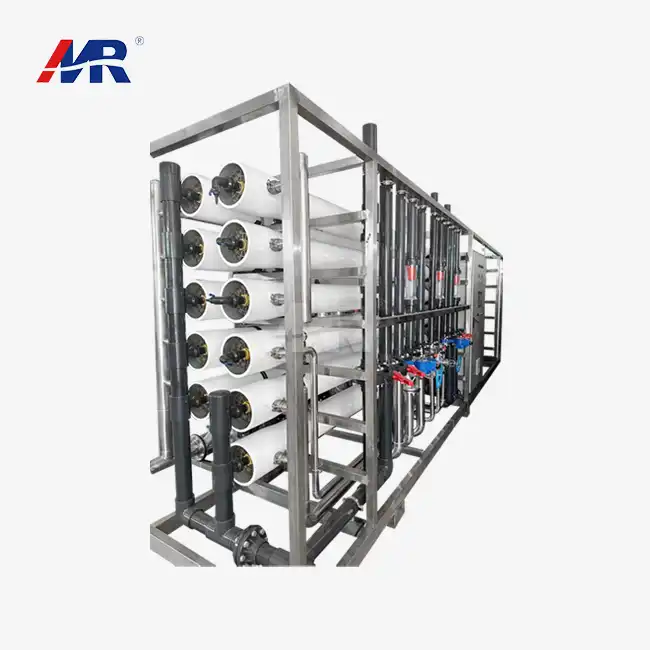 VIEW MORE60m3/hour reverse osmosis plant
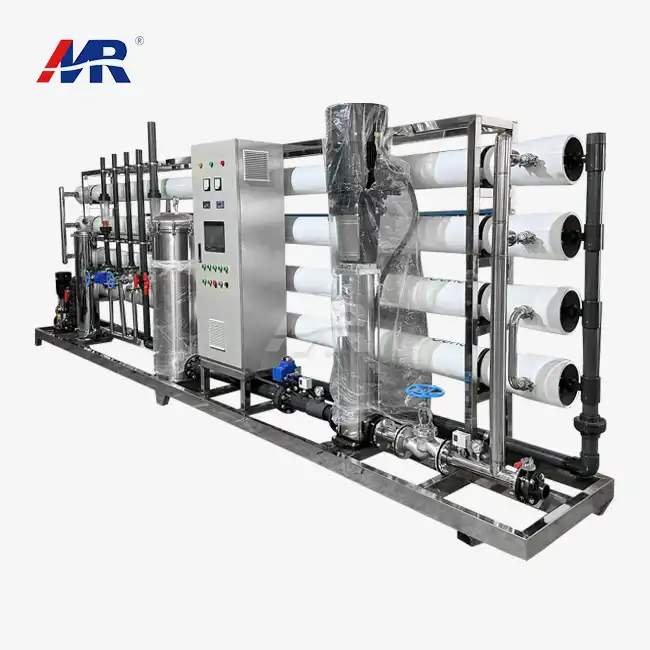 VIEW MORE500m3/day reverse osmosis RO plant
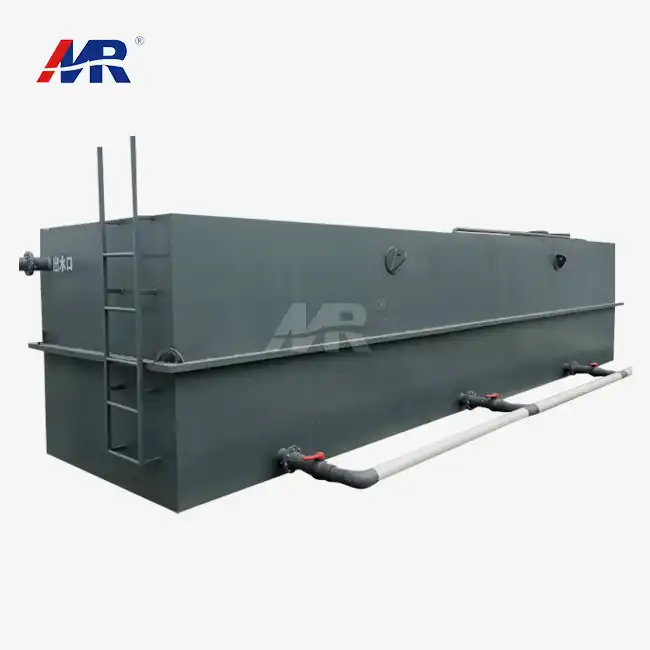 VIEW MOREportable wastewater treatment plant
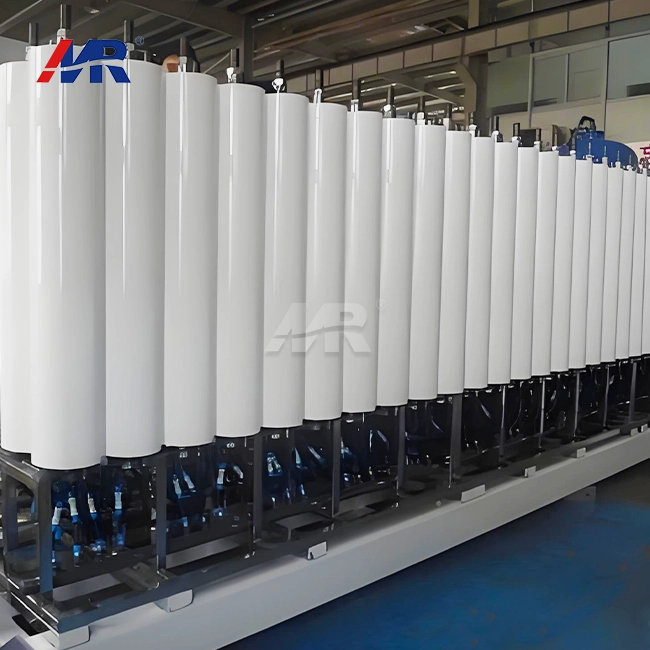 VIEW MORELandfill Leachate Treatment System
 VIEW MOREcontainerized water treatment systems
