

_1745823981883.webp)

Portable Desalination Equipment: 5 Reasons Why You Need lt
Access to clean water is still a big problem for many businesses around the world. Having reliable water purification systems can make or break your operations, whether you're in charge of remote platforms, farming projects in dry areas, a portable desalination machine, or emergency response operations. Wherever you need them, portable desalination machines can turn salty or brackish water into drinkable or process-grade water. These small, portable systems give people freedom from relying on city infrastructure, lower the costs of transporting drinking water, and offer quick answers during emergencies. As global water shortages get worse and standards for industrial water quality get stricter, buying portable desalination technology isn't just a good idea; it's becoming necessary for businesses that want to stay open.
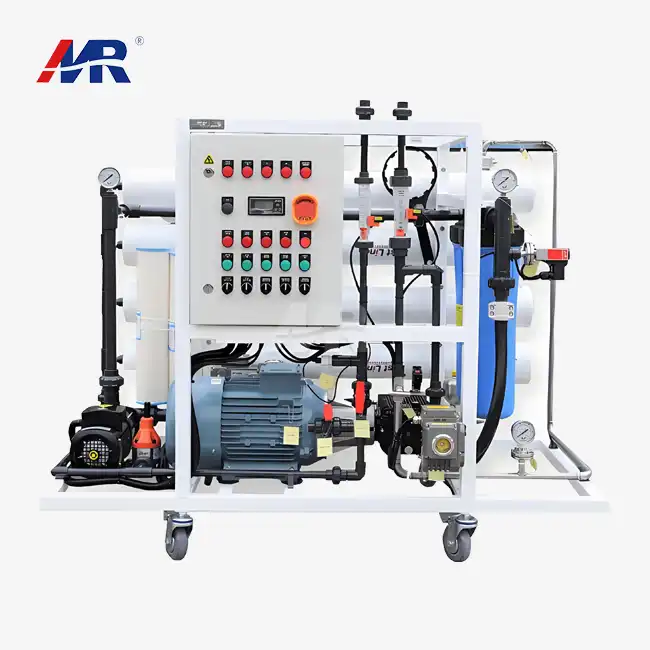
Versatility and Wide Range of Applications
Adaptability Across Demanding Environments
Industrial operations in rural areas have unique problems getting water that can't be fixed with existing infrastructure. Portable desalination machines can work on their own on building sites, mining camps, and remote drilling platforms where it's not possible or practical to connect to water networks. These systems can handle different types of source water, from salty ocean to brackish groundwater, and always give the same result, no matter what the weather is like.
Emergency Response and Disaster Relief
For instant help after natural disasters that damage city water systems, portable desalination machines are available. These units are sent out by emergency management and relief groups to provide clean drinking water within hours of arriving. Because they can be set up quickly and work on their own, these systems are very useful when normal water treatment facilities can't be used because of things like storms, earthquakes, or infrastructure problems.
Superior Efficiency and Advanced Technology
Cutting-Edge Reverse Osmosis Systems
These days, portable desalination machines use modern reverse osmosis portable desalination machine membrane technology to get rid of more than 99% of salt. Under pressure, these devices push saltwater through semi-permeable membranes, separating dissolved salts and other impurities from molecules of clean water. The process produces water that meets or beats EPA standards for drinking water and meets industry standards for uses in medicinal, food processing, and electronics manufacturing.
Energy-Efficient Design Innovations
Manufacturers now include energy recovery devices that take hydraulic pressure from concentrate streams and put it back into the system as usable energy. Compared to older generation tools, this new technology cuts power use by 30 to 50 percent. Solar-powered models can work without being connected to the power grid because they use sunlight to make electricity for desalination instead of fossil fuels. These improvements cut operating costs by a large amount and help reach sustainability goals.
Cost-Effectiveness and Procurement Advantages
Favorable Total Cost of Ownership
Looking at long-term costs shows that portable desalination machines are often less expensive than other ways to get water. It takes a lot of money over time to buy and carry bottled water to remote locations. These ongoing costs can be eliminated in 18 to 24 months by a single portable desalination machine that produces 500 gallons of water every day. After that, it can handle any amount of water that is needed. New technologies that make us use less energy also help businesses make more money, especially those that are in places where power or motor fuel is expensive.
Flexible Acquisition Models
Businesses can choose to buy, lease, or rent, depending on their business needs and available cash. Rental deals are good for short-term projects because they avoid having to make big expenses up front. Medium-sized businesses often like lease-to-own plans because they spread costs out over several fiscal years. Large businesses and the government usually buy everything outright, which saves them the most money in the long run. This gives businesses of all kinds the freedom to use purification technology that works best for them.
Streamlined Procurement and Integration
Reputable makers keep their global supply lines running smoothly so that portable desalination machine Products get to project sites on time all over the world. Standardised sizes make it possible to ship things in standard shipping crates, which makes operations easier and cuts down on freight costs. Systems that come already set up are ready to connect to power sources and delivery networks. This cuts down on the time and complexity of installation. Full commissioning support makes sure that the integration with the current water control system goes smoothly.
Environmental Impact and Sustainability
Reduced Carbon Footprint
Portable desalination machine technology helps companies reach their environmental goals in a measurable way. Solar-powered systems don't need gasoline generators, so they don't release any carbon dioxide when they're working. Even units that are driven by the grid are better for the environment than moving bottled water over long distances. According to a study by the Water Research Foundation, over five years of operation, portable desalination cut greenhouse gas emissions by 40% compared to trucked water sources.
Responsible Brine Management
More advanced portable systems use technologies that lower the amount of trash that needs to be thrown away. Some types can recover up to 75% of the water they use, which means that they only make one gallon of concentrate for every three gallons of freshwater they use. Sophisticated brine management procedures safely spread out concentrate or make treatment easier so it can be used again. This takes into account environmental concerns and meets legal needs in areas that are sensitive to the environment.
Alignment With ESG Commitments
Environmental, social, and governance models for businesses are calling for more and more measurable sustainability changes. Adopting portable desalination machines is a good way to be a good water provider, especially in places where water is scarce. Companies that use these methods report less wasteful transportation of water, less energy use, and less plastic bottle trash. These measurable benefits make sustainability reporting stronger, improve a company's brand among stakeholders who care about the environment, and put companies in a good situation for ESG-focused investor review.
Trusted Brands and Reliable Suppliers You Can Rely On
Manufacturer Expertise and Track Record
To find the right partner, you need to look at producers based on their track records in similar portable desalination machine businesses. Companies that have a lot of case studies show how their equipment works in real-life situations that are similar to your working needs. Look for makers that offer engineering support during the creation of specifications. This will help make sure that the systems they suggest fit your exact needs for water quality, production volume, and site limitations.
Customization Capabilities
Standard portable units work well for many tasks, but for more specialised tasks, custom solutions are often needed. Leading suppliers offer customisation choices to deal with specific issues like wide temperature ranges, strange source water chemistry, or integrating with current treatment systems. With more than 500 workers, including 20 specialised engineers, Guangdong Morui Environmental Technology is a great example of this ability because it offers full planning services and has its own facilities for making membranes and other equipment.
Comprehensive Support Services
Reliable customer service after the sale is what sets great providers apart from average ones. Technical help should include training for operators, preventative repair plans, quick access to extra parts, and quick troubleshooting when problems happen. When companies have more than one office, they can provide localised help for deployments that happen all over the world. This infrastructure cuts down on machine downtime and increases the system's lifespan, protecting your investment and keeping water flow steady.
Client Testimonials and Proof of Performance
People who want to buy something should look at projects that have already been done in similar fields and situations. Realistic goals are set by detailed case studies that show how water quality improved, running costs were cut, and return on investment times were shortened. Client reviews that talk about how quickly the supplier responded to problems and how reliable the equipment was over time show that the supplier is committed beyond the initial sale.
Conclusion
Portable desalination machines solve important problems with getting water in a wide range of settings and businesses. Their ability to move around, use cutting-edge technology, be cost-effective, and be good for the environment makes them more and more important for businesses that want to be operationally independent and sustainable. These systems provide stable freshwater wherever it's needed, whether they're helping with marine operations, making remote industrial projects possible, or helping with emergency response. When you work with experienced makers, you can get access to tested technology, full help, and solutions that are made to fit your needs.
FAQ
1. What water quality can portable desalination systems achieve?
With total dissolved solids below 500 ppm, modern compact units always make water that meets EPA Primary Drinking Water Standards. Through combined reverse osmosis and electrodeionization stages, advanced systems made for semiconductor or pharmaceutical uses can achieve resistivity levels above 15 megohm-cm. The quality of the output depends on how the system is set up, and makers can change the specs to meet your operational and legal needs.
2. How much maintenance do these systems require?
Under normal conditions, pre-filters should be replaced every three to six months, and reverse osmosis membranes should be replaced every two to three years as part of routine maintenance. Every day, pressure gauges and water quality metres need to be checked, which can be done in less than 15 minutes. Automated systems let workers know when factors start to move away from what was planned. A lot of makers offer repair plans that cover everything, from regular service to help in an emergency.
3. Can portable desalination equipment handle varying source water conditions?
Quality portable desalination machines can handle changing amounts of pollution and salt by using variable working pressures and multiple stages of pre-treatment. Units made to be flexible can handle both ocean water with a salinity of 35,000 ppm and brackish water with a salinity of 1,000 to 10,000 ppm. Pre-treatment units get rid of organic and chemical contaminants, suspended solids, and other things that could hurt membranes or lower the quality of the product, no matter how different the sources are.
Partner With Morui for Your Portable Desalination Machine Needs
Guangdong Morui Environmental Technology can help you with even the most difficult portable desalination machine water cleaning tasks. As a well-known company that makes portable desalination machines, we offer full solutions, from the initial inspection to installation, testing, and ongoing support. Our 14 offices in different areas make sure that you get prompt help wherever you work. We promise the quality of our parts and the dependability of our systems because we make membranes in-house and work with top companies like Shimge Water Pumps and Runxin Valves. The engineers on Our Team make sure that the systems they build are exactly what you need, whether you need small units for use at sea or large systems for industry. Get in touch with us at benson@guangdongmorui.com to talk about how our portable desalination solutions can help you be more independent in your work and make sure you always have water.
References
1,。 Greenlee, L.F., Lawler, D.F., Freeman, B.D., Marrot, B., & Moulin, P. (2009). "Reverse Osmosis Desalination: Water Sources, Technology, and Today's Challenges." Water Research, Vol. 43, Issue 9.
2. Lattemann, S. & Höpner, T. (2008). "Environmental Impact and Impact Assessment of Seawater Desalination." Desalination, Vol. 220, Issues 1-3.
3. Elimelech, M. & Phillip, W.A. (2011). "The Future of Seawater Desalination: Energy, Technology, and the Environment." Science, Vol. 333, Issue 6043.
4. Water Research Foundation. (2019). "Life Cycle Assessment of Portable Water Treatment Technologies." Project Report 4668.
5. Ghaffour, N., Missimer, T.M., & Amy, G.L. (2013). "Technical Review and Evaluation of the Economics of Water Desalination: Current and Future Challenges for Better Water Supply Sustainability." Desalination, Vol. 309.
6. American Water Works Association. (2021). "Desalination Equipment and Systems: Performance Standards and Operational Guidelines." AWWA Manual M61, Third Edition.
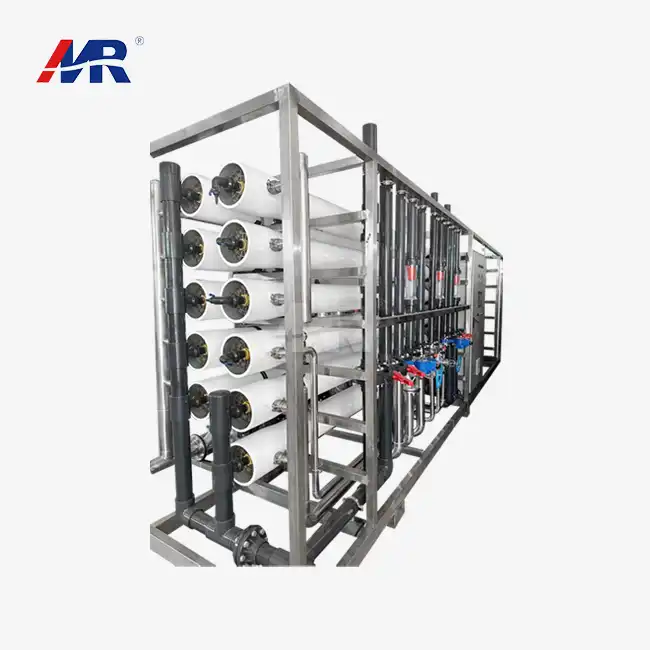 VIEW MORE60m3/hour reverse osmosis plant
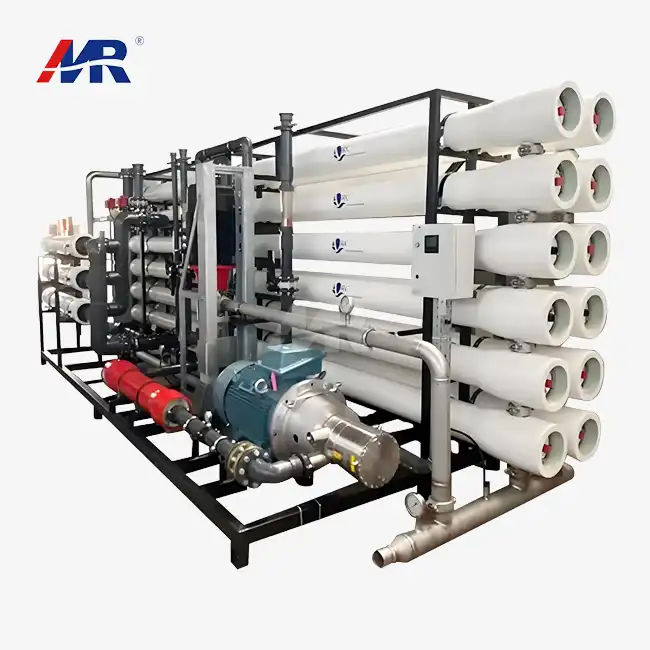 VIEW MORE45m3/hour seawater desalination system
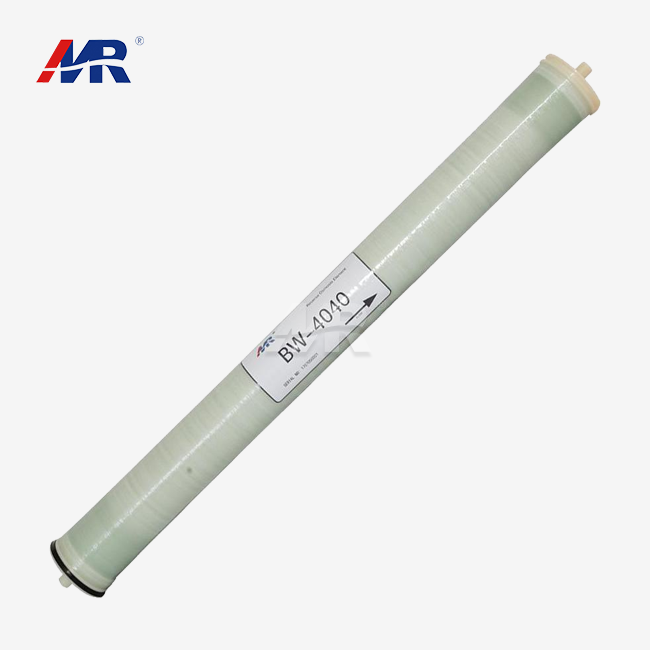 VIEW MORE4040 reverse osmosis membrane
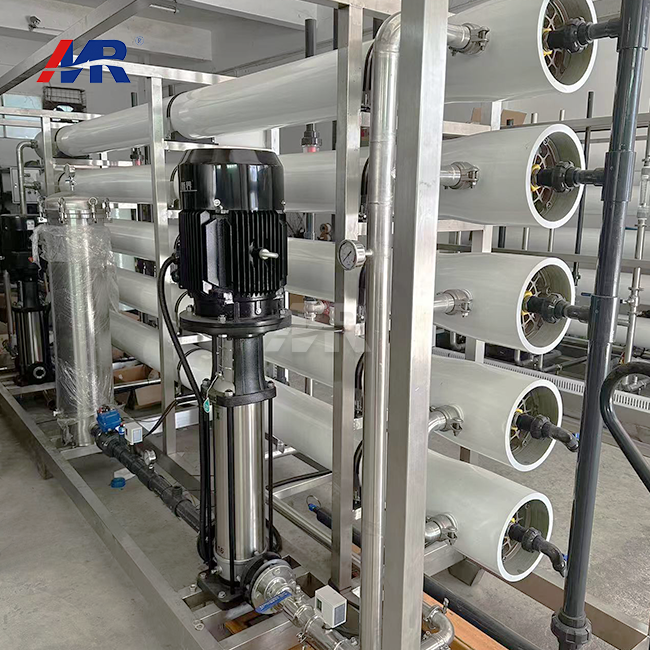 VIEW MOREosmosis water purification system
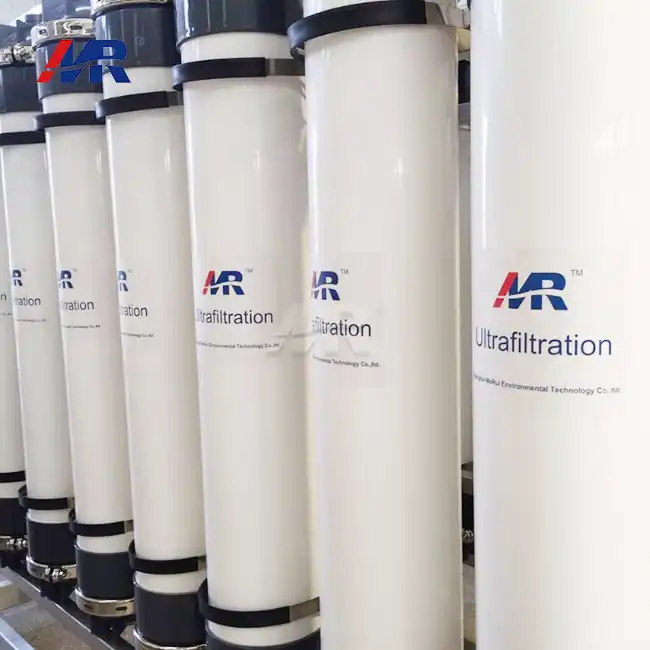 VIEW MORE90T/H ultrafiltration equipment
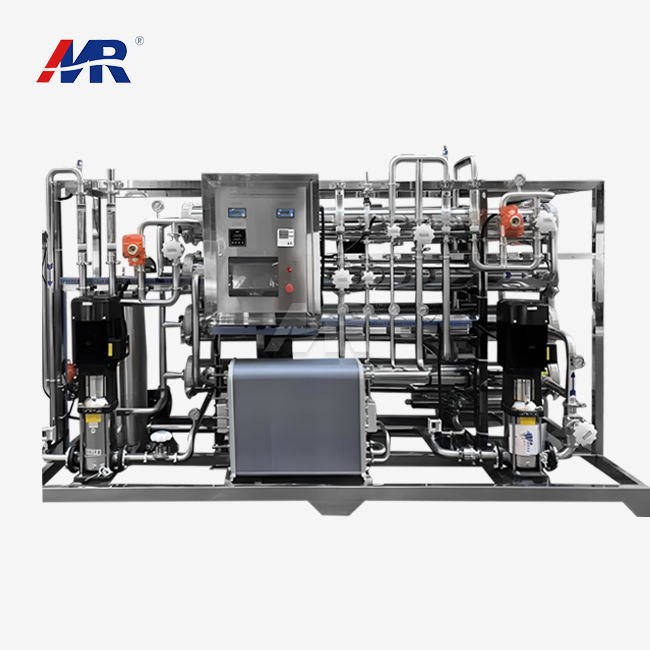 VIEW MOREelectro deionizer system
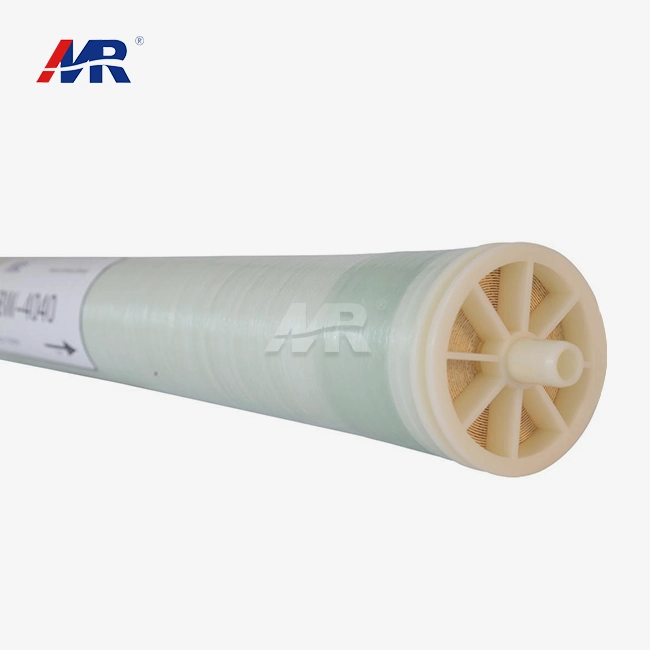 VIEW MOREro membrane
 VIEW MORE5m3/hour seawater desalination equipment
