

_1745823981883.webp)

How Much Do Reverse Osmosis Systems Cost? (2026 Guide)
Reverse osmosis systems are very important in many fields because they clean water to very high standards, so it can be used in industry, pharmaceutical production, food preparation, and city services. When purchasing managers, experts, reverse osmosis price, and business owners look at investments in water treatment, it's important to know how much everything will cost. Depending on the size of the system, the type of membrane used, and the needs of the business, the reverse osmosis price environment changes greatly. This 2026 guide looks at pricing structures, compares system options, and gives strategy advice to help people make choices about solutions that match performance with their budgets. This resource gives you useful information to help you make smart purchasing decisions, whether you're setting up a seawater desalination plant, improving a beverage production line, or putting together a facility to make semiconductors. When it comes to business or industrial reverse osmosis systems, the prices run from a few thousand dollars for small units to hundreds of thousands of dollars for big municipal installations. Figuring out what causes these changes in costs can help you decide what level of spending is best for your business. Prices for small business systems for labs or restaurants are usually between $3,000 and $12,000. Prices for medium-sized industrial units for factories are usually between $15,000 and $75,000,000. Large-scale projects, like making pharmaceutical-grade water or recycling plants, may need investments of more than $150,000. These numbers show how much the equipment costs, but the total cost also includes a lot of money for installation, pre-treatment infrastructure, and ongoing upkeep.
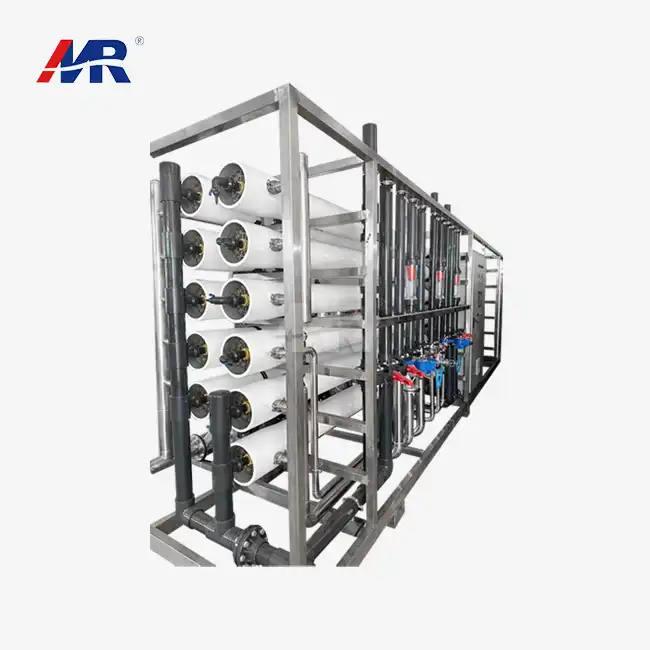
Understanding Reverse Osmosis System Costs: Key Factors Explained
System Type and Capacity Determine Base Investment
The main thing that determines the cost of a reverse osmosis system is how big it is and how much it can produce each day. Small countertop or under-sink types made for light business use handle 50 to 100 gallons of water every day and are the least expensive option. Mid-range systems that can handle 500 to 2,000 gallons per day work well for medical offices, small factories, and food service businesses. High-volume systems that make 10,000 gallons or more of water every day serve water treatment plants, power plants that need boiler feed water, and companies that bottle drinks. Costs go up by the same amount for each rise in capacity because membrane housings have to get bigger, pumps have to be stronger, and pre-treatment needs to grow.
Membrane Technology and Configuration Impact Pricing
There are two main types of membranes used in business, and each one affects the overall cost. If you want to get rid of a lot of contaminants, like dissolved salts, heavy metals, and organic molecules, thin-film composite membranes are the best choice for pharmaceutical and electronics manufacturing. These membranes are more expensive than options made of cellulose acetate, but they work better and last longer. For uses where ultra-high purity isn't necessary, cellulose acetate membranes are a cheaper choice that can handle chlorine exposure better. Configuring the system is also important. Single-stage reverse osmosis price setups are good for basic cleaning, while multi-stage setups with extra polishing screens are better but cost more.
Pre-Treatment Requirements Add Significant Costs
The quality of the water going into the RO system has a big effect on the total investment. To keep expensive membranes from getting damaged or fouled, feed water that has a lot of grit, a lot of chlorine, or too much hardness needs to be treated first. Carbon filters get rid of chlorine and volatile chemical compounds, silt filters get rid of particles, and water softeners get rid of minerals that cause scale. Depending on the problems with the water going in, a full pre-treatment system can cost an extra $2,000 to $25,000. The costs of pre-treatment are usually higher for operations that get their water from wells, surface sources, or industrial process streams than for operations that get their water from local sources.
Installation Complexity and Labor Requirements
Professional installation costs a lot of money and depends on the size of the system and the conditions of the spot. For small business units, mounting, water connections, and electricity hookups could take 8–15 hours of skilled work, which would cost $1,500–$4,000. Industrial-scale systems need a lot of work to get their infrastructure ready. This includes making mounting platforms stronger, setting up specialized electrical circuits, changing drain lines, and connecting them to other process equipment that is already in place. These complicated setups can take weeks and cost at least $15,000 to $50,000. Facilities that don't have enough room, water, or electricity have to pay more to get the spot ready.
Comparing Reverse Osmosis System Prices: Which Model Fits Your Budget?
Small Commercial Systems for Limited Applications
Commercial reverse osmosis systems that are easy to use are good for labs, medical offices, eateries, and small factories that only need to purify a small amount of water. Every day, these units handle between 50 and 200 gallons, and they use single-membrane designs with basic pre-filtration. The tools for these systems cost between $2,500 and $8,000. The cost of installation is an extra $1,200 to $3,000. Reliable units in this category are made by brands like APEC and iSpring. They have thin-film composite membranes and small sizes that make them good for places with limited space. It is possible to use these devices for businesses that need regular water quality but don't need a lot of it.
Medium-Capacity Industrial Units for Growing Operations
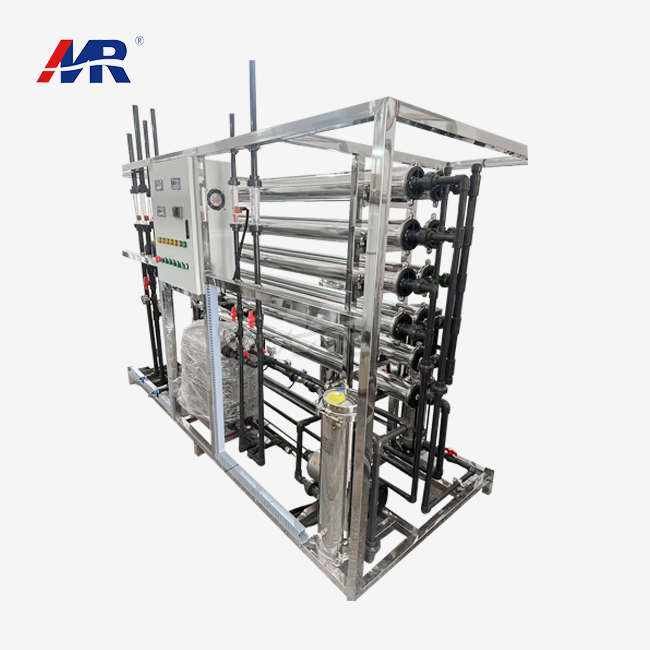
Medium-capacity systems that can make 500 to 3,000 gallons of water per day are often chosen by manufacturing plants, food makers, and regional service providers. There are many membrane vessels, complex pre-treatment trains, and automatic monitoring systems in these sites. Prices for equipment range from about $12,000 to $45,000, and installation costs can be anywhere from $5,000 to $18,000, based on how complicated the connection is. At this level, systems often have features like automatic flush cycles, conductivity monitors, reverse osmosis price, and remote diagnostics that make them more reliable and lower the need for human supervision. Home Master and other companies like it make strong systems that can work in tough business settings.
Large-Scale Industrial and Municipal Systems
For high-volume uses like making medicines, making electricity, desalinating seawater, and treating public water, you need complex reverse osmosis plants that can handle more than 10,000 gallons of water per day. These sites have many treatment steps, a lot of infrastructure for pre-treatment, automated control systems, and spare parts that make sure they always work. The cost of equipment starts at about $75,000 and usually goes over $500,000 for large desalination or ultrapure water plants. The size of the system determines how hard it is to install. Commissioning can take weeks or months and costs anywhere from $30,000 to $200,000 or more. These systems use cutting-edge technologies, like energy recovery devices and membrane bioreactors, to make them more efficient and lower their running costs over the course of their 15–25 year lifespan.
Specialized Systems for Unique Industry Requirements
Some businesses need reverse osmosis setups that are very specific and cost a lot. To make semiconductors, you need ultrapure water systems that combine RO with electrodeionization units to get resistance levels higher than 18 megohms. Pharmaceutical companies need systems that have been tested to GMP standards, come with a lot of paperwork, and are made from materials that meet USP standards. Offshore platforms and marine boats are small, corrosion-resistant machines made to work in tough conditions. Because they use better materials, have more treatment steps, and have stricter validation processes, these specialized systems usually cost 30 to 60 percent more than regular market units. On the other hand, they provide the exact water quality needed for important tasks where regular systems fail.
Making Smart Procurement Decisions: Buying and Installation Strategies
Evaluating Supplier Credentials and Capabilities
Choosing the right equipment provider has a big effect on both short-term prices and long-term customer happiness. Manufacturers that have been around for a while and have a track record in your business can help you choose and create a system. We work with a lot of different businesses and have seen that the knowledge of the provider is directly linked to the success of the project. Ask for specific examples from factories that have dealt with similar production and use Cases. Check to see if possible providers offer full expert help, keep enough replacement parts on hand, and provide responsive warranty service. Companies that make their own membranes usually have better prices and faster access to new parts than companies that buy them from other companies.
Leveraging Volume Discounts and Bundled Pricing
People who work in procurement who are in charge of reverse osmosis price multiple sites or who are planning phased expansions should talk to suppliers about volume price deals. Suppliers usually give discounts of 10 to 25 percent when you buy several of the same system or sign a long-term deal to get new parts. Buying things all at once, with prices that cover delivery, setup, training for operators, and longer guarantees, is often a better deal in the long run than buying things separately. Some suppliers offer financing or leasing choices that let you spread out costs over a number of years and keep your cash for other purchases. You can save even more by timing your purchases to match the end of a manufacturer's fiscal year or a promotional period.
Understanding Total Project Costs Beyond Equipment
When you make a good budget, you take into account costs that go beyond the reverse osmosis system itself. Preparing the site, which can include things like upgrading the electricity, making changes to the plumbing, and strengthening the structure, can add 15–30% to the project costs. Different places have different rules about what you need to do to get a permit. Some places charge fees or require certain building standards. Operator training makes sure that employees can properly keep an eye on systems and do regular upkeep. Full training usually costs $1,000 to $3,000. Having a stockpile of spare parts, especially replacement membranes and important pump parts, keeps output from stopping, which costs a lot and adds another 5 to 10 percent to the cost of the equipment. These things should be included in budgets for purchases so that application costs aren't a surprise.
Warranty Coverage and Service Agreement Considerations
Well-structured service agreements and warranties that cover everything protect you against sudden breakdowns and high repair costs. Standard maker warranties usually cover problems for one year. However, warranties that cover problems for three to five years cost eight to fifteen percent of the price of the tools and are worth it because they give you peace of mind. Service agreements that include regular maintenance, emergency fixes, and new parts all in one fixed-annual fee help you plan your running costs and make sure that a professional is overseeing everything. Check service reaction times and technician availability, especially for businesses where problems with water quality lead to big drops in production. Regional providers that can offer local service often do better than makers that are far away, even if the equipment costs more.
Conclusion
The costs of a reverse osmosis system depend on a lot of factors that go far beyond the price of the technology itself. To successfully acquire something, you need to carefully consider the capacity needs, membrane technology, pre-treatment requirements, fitting difficulty, and ongoing operating costs. Systems that cost anywhere from $3,000 for small business units to $500,000 for large-scale industrial systems are used for different things and have different features that are needed for those tasks. Smart buyers look at the total cost of ownership over the projected lifetimes of the equipment. They know that good systems pay for themselves many times over by producing cleaner water, following the rules, reducing waste, and reducing the need for outside water sources. Strategic source selection, volume talks, and careful project planning all help to get the most out of investments and keep costs from coming up out of the blue. As standards for water quality rise across many industries, reverse osmosis technology remains the best and most cost-effective way to clean water for businesses.
FAQ
1. What affects reverse osmosis system pricing the most?
System capacity is the main factor that affects costs, and the amount of work that is done each day is directly related to the amount of money that is spent on tools. A tank that makes 100 gallons of water every day costs a lot less than one that makes 5,000 gallons. Prices are also affected by membrane technology, the need for pre-treatment, and the amount of automation. Operations that deal with difficult feed water need a lot of pre-treatment, which raises the total investment by 25 to 40 percent.
2. How much should I budget for installation expenses?
Installation costs range from 20% to 50% of the price of the equipment, based on how complicated the system is and how the place is set up. Labor costs for small business systems can range from $1,500 to $4,000. On the other hand, industrial installs cost between $15,000 and $50,000 for full integration, which includes electrical work, plumbing changes, and testing. Facilities that don't have the right equipment have to pay more to get ready.
3. What are typical membrane replacement costs and intervals?
Most industrial thin-film composite membranes need to be replaced every two to five years, based on the quality of the feed water and the number of hours they are used. Each membrane costs between $400 and $1,200, and replacing the whole house costs between $800 and $3,000. With the right pre-treatment and regular upkeep, membranes last longer, which lowers the cost and frequency of replacement over time.
Partner with Morui for Competitive Reverse Osmosis Solutions
Guangdong Morui Environmental Technology has a lot of experience with business and industrial water treatment projects. They build systems that are perfect for tough uses in the pharmaceutical, food processing, manufacturing, and local sectors. Our all-in-one method includes providing equipment, installing it professionally, and fully commissioning it. We have over 500 skilled professionals and 20 expert engineers to back this up. We control quality and keep reverse osmosis price levels low by having our own membrane production plant and strategic partnerships with top component makers like Shimge Water Pumps and Runxin Valves. This makes it hard for big suppliers to compete with us. Whether you need a small system for the lab or a large-scale desalination plant, Our Team creates solutions that are designed to meet your unique production needs and water quality issues. Get in touch with our technical experts at benson@guangdongmorui.com to talk about the details of your project and get a full quote that fits your budget and practical needs.
References
1. Water Quality Association. (2025). Commercial and Industrial Reverse Osmosis Systems: Buyer's Guide and Cost Analysis. WQA Technical Publications.
2. American Membrane Technology Association. (2025). Membrane Technology Performance Standards and Lifecycle Cost Assessment. AMTA Industry Report Series.
3. International Desalination Association. (2026). Global Pricing Trends in Reverse Osmosis and Water Treatment Equipment. IDA Market Analysis Review.
4. National Science Foundation International. (2025). Certified Water Treatment Systems: Performance Specifications and Commercial Applications. NSF Standards Documentation.
5. Industrial Water & Wastes Digest. (2025). Cost-Benefit Analysis of Reverse Osmosis in Manufacturing Applications. Technical White Paper Series.
6. United States Environmental Protection Agency. (2025). Water Treatment Technology Cost Estimates for Compliance Planning. EPA Water Infrastructure Guidance Documents.
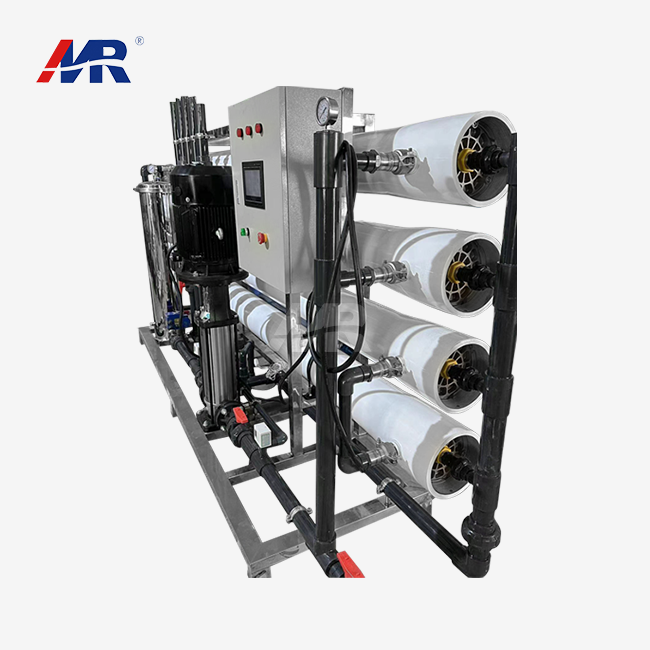 VIEW MOREunder counter reverse osmosis water system
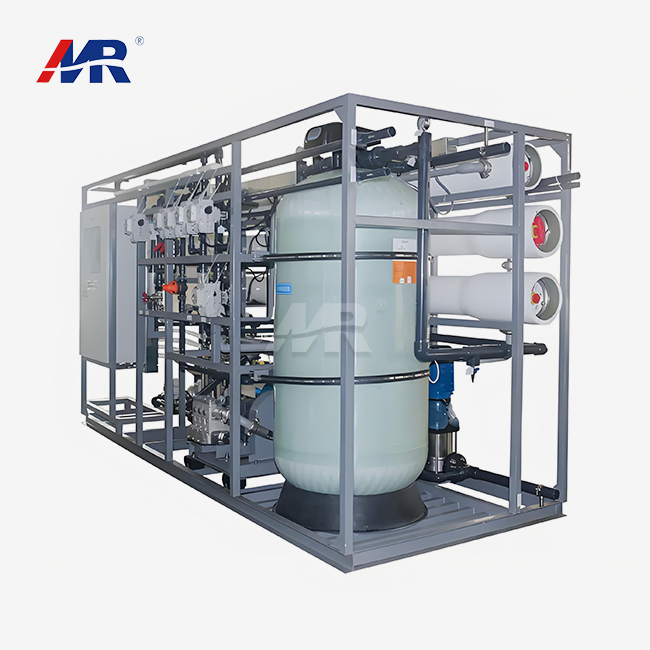 VIEW MOREswro desalination plant
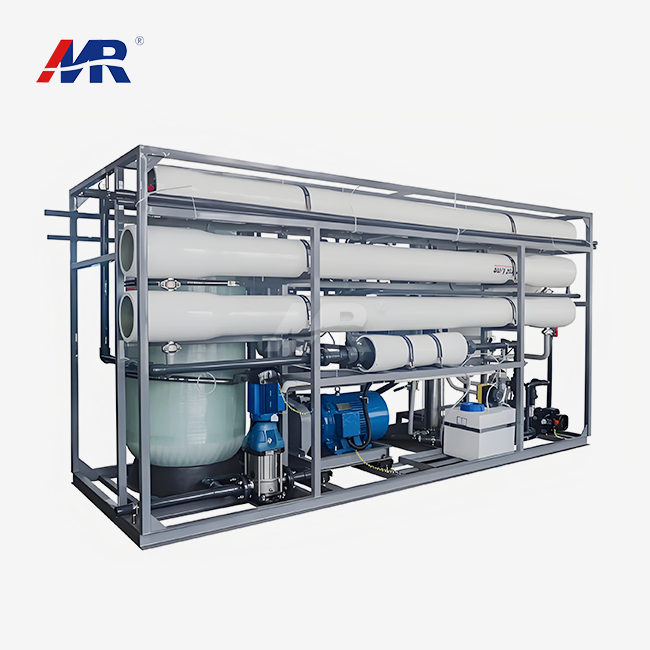 VIEW MOREseawater treatment plant
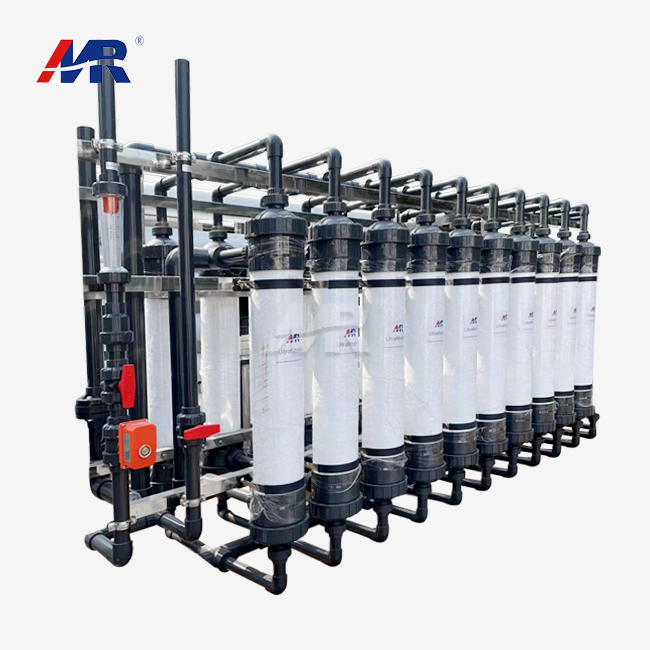 VIEW MOREultrafiltration drinking water system
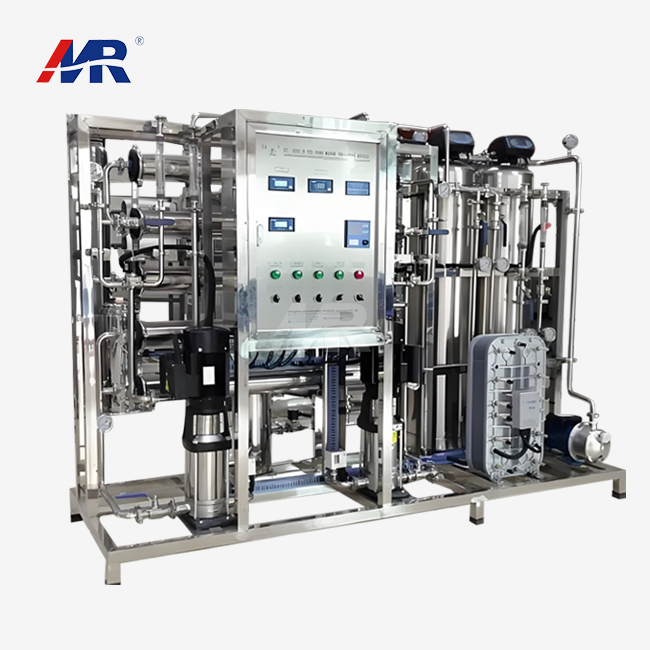 VIEW MORE1000LPH EDI system
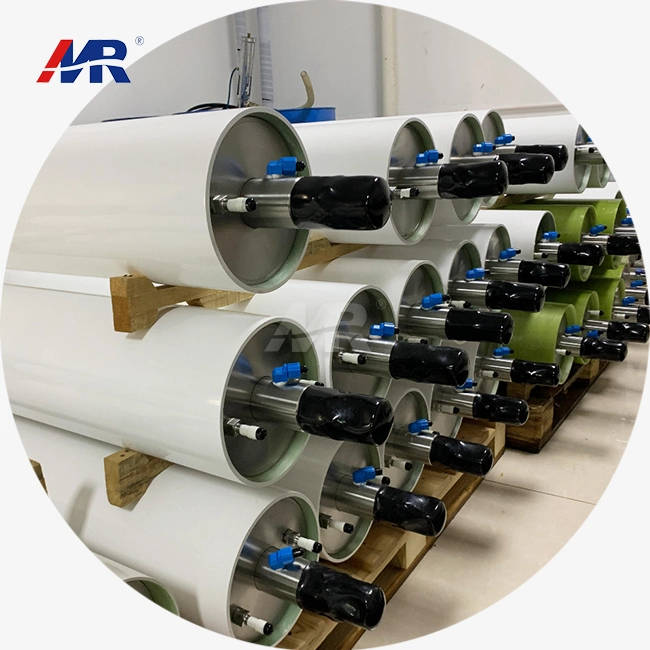 VIEW MORELandfill Leachate Treatment Plant
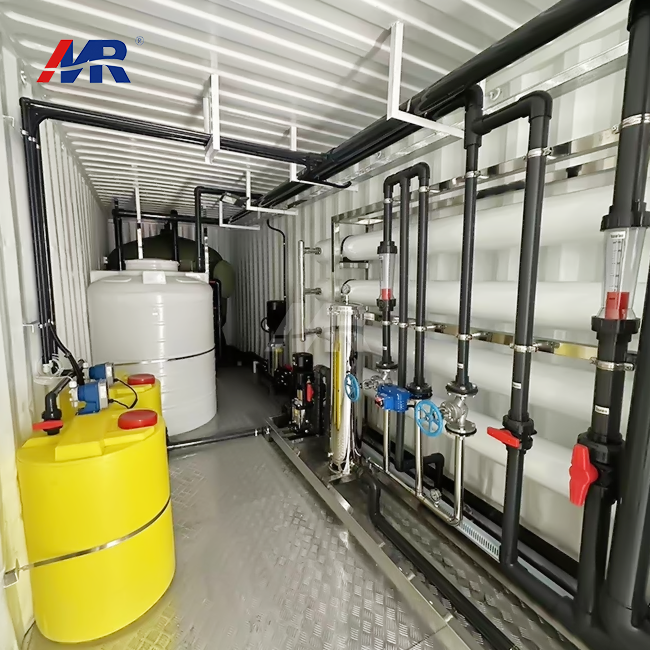 VIEW MOREcontainer reverse osmosis equipment
 VIEW MOREedi system in water treatment
