_1745823981883.webp)

Why Softening and Reverse Osmosis Go Together
When industrial sites have problems with hard water, using both water softening and reverse osmosis together is better for safety and performance than using just one option. Adding a reverse osmosis water softener solves reverse osmosis water softener both the instant problem of scale and the long-term problem of membrane protection. Minerals in hard water, like calcium and magnesium, weaken the ro membrane, which speeds up fouling and shortens the life of the system. By softening the feed water first, these chemicals that make water hard are removed before they reach the fragile RO membranes. This extends the life of the equipment and keeps the quality of the permeate uniform. This synergy guards financial investments and makes sure that water purification works reliably in a wide range of demanding situations, from making medicines to making electricity.
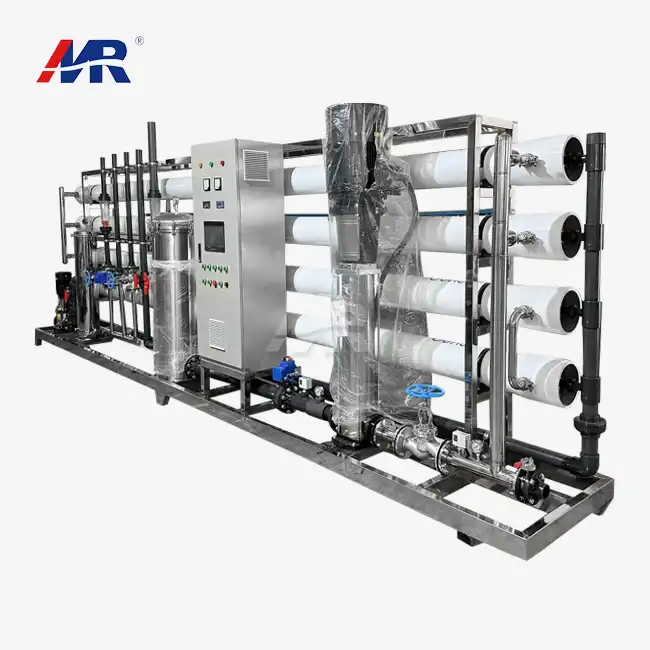
Understanding the Role of Water Softening and Reverse Osmosis
What Is Water Hardness and Why Does It Matter?
Water is considered hard if it has a lot of dissolved minerals, mostly calcium carbonate and magnesium sulfate. These chemicals get into water systems when limestone, chalk, and dolomite formations come into contact with water. Hardness levels in industrial settings can be anywhere from 60 mg/L (moderately soft) to over 300 mg/L (extremely hard), based on the geology of the area and the features of the source water. Hard water causes real problems in the workplace. Scale builds up inside boilers, cooling towers, and process equipment, which lowers the efficiency of heat movement by 20 to 40 percent within a few months of use. When hardness rocks get in the way of preparation chemistry, pharmaceutical companies run the risk of batch contamination. When calcium deposits etch semiconductor chips during cleaning processes, it lowers the yield at places that make electronics.
How Ion Exchange Softening Works
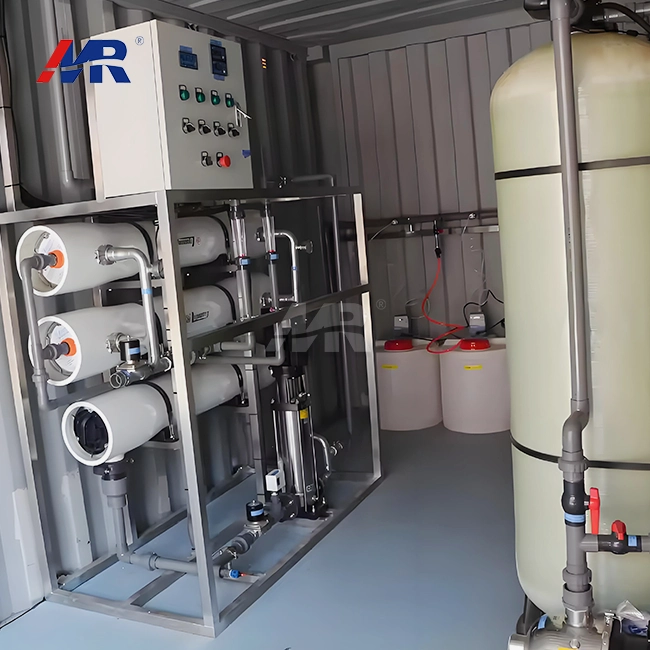
Ion exchange technology is used in traditional relaxation. Specialized resin beads take in minerals that make things hard and give off sodium ions instead. A plastic bed is inside a pressure tank, and feed water flows through it. Calcium and magnesium ions stick to resin sites that are negatively charged, while sodium ions move into the stream of cleaned water. Backwashing with intense sodium chloride brine during regeneration returns the resin's ability to hold water. This turns the exchange process around, removing hardness minerals that reverse osmosis water softeners have built up on the resin beads and sending them to the drain. When softeners are kept in good shape, they get rid of 95 to 98% of the hardness in water, leaving less than 1 grain per gallon (17 mg/L) of overall hardness.
The Mechanics of Reverse Osmosis Membrane Filtration
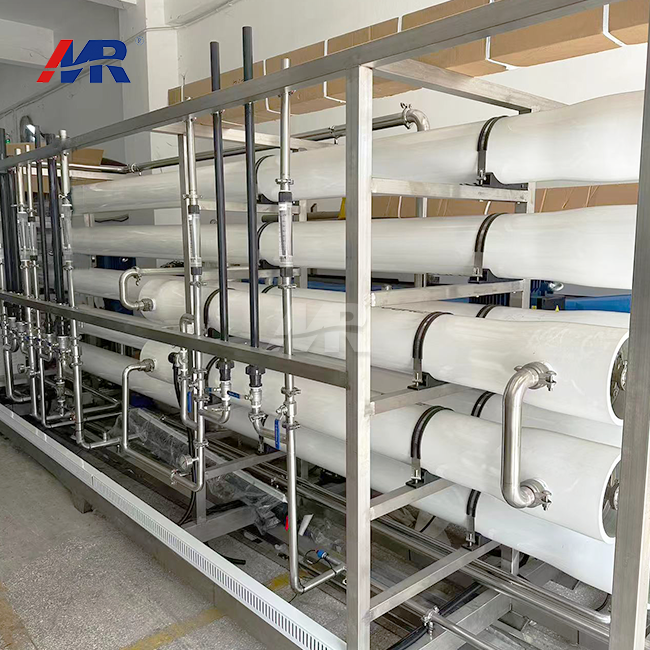
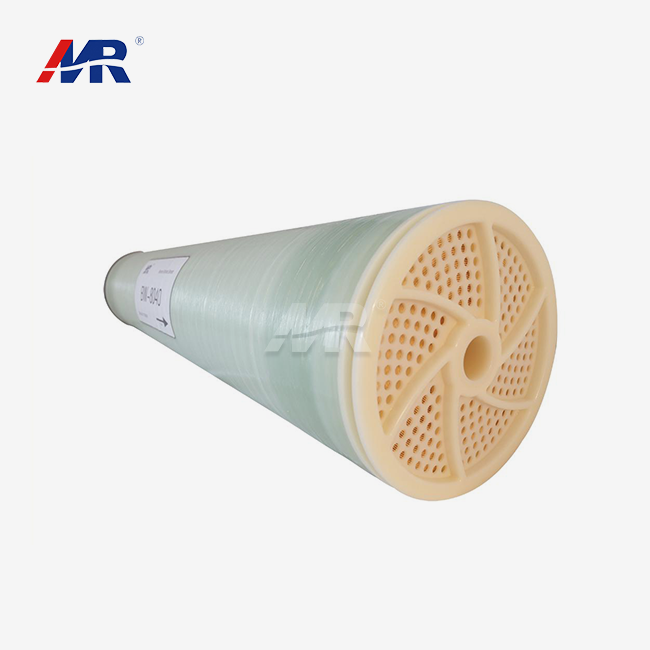
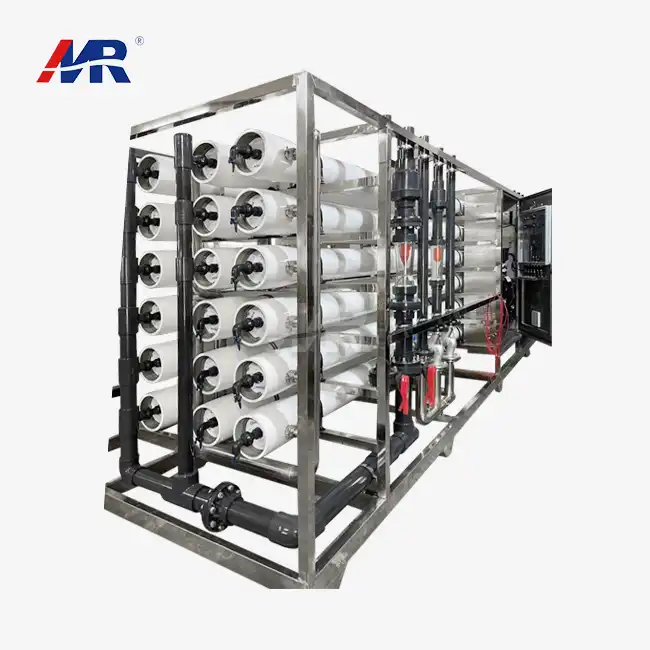
In reverse osmosis, semi-permeable membranes are used. These membranes have pores that are about 0.0001 microns wide, which is 500 times smaller than bacteria. When pressure is applied (usually 150 to 400 psi for industrial systems), it pushes water molecules through these tiny holes while keeping dissolved solids, chemical compounds, and bacteria out. Selective permeability is a property of membrane materials, most often thin-film composite polyamide. Ionic chemicals, floating particles, and molecules bigger than 200 Daltons can't get through, but water molecules can. Total dissolved solids are rejected at rates of 95–99% by this physical separation, leaving behind permeate water with a conductivity below 10 microsiemens/cm.
When Combined Systems Become Necessary
Combined softening and RO treatment is very helpful for facilities that process feed water with a hardness level above 120 mg/L. As a buffer, the softener gets rid of the roughness before it reaches the membrane surfaces. Under normal industry settings, this pretreatment method increases the life of a RO membrane from two to three years to five to seven years. Integrated treatment is the best way to get ultrapure water and keep scale from building up in places that need both, like boiler feedwater preparation, medicinal water systems, and food processing. The softener gets rid of hardness, and RO gets rid of leftover sodium, dissolved organics, endotoxins, and small contaminants that softening can't get rid of.
Practical Guidance: Installation, Maintenance, and Common Challenges
Installation Best Practices for Minimal Downtime
To properly integrate a system, the water must first be accurately analyzed to find out its hardness, TDS, pH, iron, manganese, and organic content. This information decides the size of the filter, the type of material to use, and the RO membrane type. Softeners should be big enough to work for 8 to 12 hours between regenerations during times of high flow, and dual-tank alternate setups should be used to make sure there is always soft water. To keep things from getting contaminated, piping lines need to be carefully thought out. Backflow control must be built into hard water escape lines. Drain lines from softener renewal, and RO concentrate need to be able to handle enough flow. Softener drains need about 10 to 15 gallons per minute of discharge, and RO concentrate flows can reach 25 to 40 percent of the feed flow rates. Control systems should work with RO to combine softener renewal processes. By setting softeners to renew during times of low demand (like evenings and weekends), production doesn't have to stop. Interlocking controls stop the RO feed while the membranes are being regenerated, a reverse osmosis water softener, which keeps the membranes from breaking through the hardness.
Maintenance Roadmap for Reliable Operation
Regular repair keeps the system running well and makes parts last longer. Water softeners need to have the salt levels in the brine tank checked once a month, the stability of the resin bed checked every three months, and the control valves serviced once a year. Most resin beds last between 10 and 15 years before they need to be replaced, with performance slowly getting worse in the last few years. RO systems need to be checked on more often. Prefilters need to be checked every month and replaced every three months. Monitoring permeate flow, quality, and differential pressure as part of membrane performance tracking finds fouling patterns before they affect production. When standardized permeate flow drops 10%, or salt rejection drops 5% from baseline values, chemical cleaning is needed.
Softener Maintenance Schedule
Regularly checking the salt level every month keeps the glue from running out, which would cause hardness to break through and hurt RO membranes further downstream. As long as the salt level stays above 50% of the tank's volume, the brine percentage will be right. By measuring the resin every three months, fouling from iron, biological matter, or physical breakdown can be found. Every year, old seals are replaced in valve rebuilds. This stops bypassing, which lowers the easing efficiency.
RO System Maintenance Tasks
Performance standards are set by checking the filtrate conductivity, flow rate, and feed pressure once a week. Readings of the prefilter's difference pressure every month show when to load and replace it. Filter performance adjustment estimates done every three months, taking into account changes in temperature and pressure, show small fouling patterns. Inspections of the membrane every six months find any physical damage or bacterial growth that needs specific cleaning methods.
Making the Right Procurement Decisions for Your Business
Critical Selection Criteria for Industrial Applications
Initial system size is based on how much space is needed. Figure out the top hourly flow rates, the daily volume needs, and any plans for future growth. Softeners that are sized at 70 to 80% of their peak capacity work most efficiently and regenerate most often. RO systems should be made so that they can work nonstop at full capacity every day, with backup trains for important tasks. The standards for rejection efficiency must match the needs of the end use. Standard filters for salt water can reject 96–98% of TDS, which is good enough for most commercial uses. Pharmaceutical and electronics industries use high-rejection membranes that can reject 99.2% to 99.6% of molecules. Energy-efficient screens lower the working pressure by 20 to 30 percent, which makes a big difference in how much power is used. Water recycling rates affect both the cost of doing business and the need to follow environmental rules. When the feed water is softened, modern RO systems can recover 75–85% of it, but only 50–60% of it when the water is hard.
Evaluating Manufacturers and Distributors
When choosing a vendor, you need to look at the reverse osmosis water softener more than just the machine specs. Certifications for manufacturing quality, like ISO 9001 and NSF/ANSI 61 for drinking water parts, show that production standards are always met. Companies that have focused research and development projects show that they want to improve Products and make technology better. Long-term happiness is heavily affected by how well after-sales help works. Look at the Technical support's availability (emergency help 24 hours a day, 7 days a week, or just during work hours), response time promises, and technician qualifications. Check the inventory of spare parts. Crucial parts should be ready to ship right away, without having to wait 6–8 weeks for delivery from makers abroad. Different sellers offer very different warranty terms. Full warranties include promises for both performance and problems with the way the product was made. They include minimum rejection rates, repair percentages, and energy consumption limits.
Practical Procurement Tips for Purchasing Managers
Ask for full bids that include information about the equipment, how it will be installed, any start-up services, operator training, and supplies for the first year. Instead of just looking at the price of the tools, compare the total cost of installation, which can make up 30 to 50 percent of the project cost. Look into your financing choices. Leasing tools or signing performance-based contracts could help your taxes and cash flow. Check the skills of the installer by looking at their license, insurance, and references. Water treatment companies with more experience finish installations 25–35% faster and with fewer problems than general contractors who are learning on the job. Set clear standards for acceptable performance, such as specific permeate quality, flow rates, and recovery numbers. Payment should depend on meeting these standards. Plan arrangements for consumables while you're buying things.
Conclusion
When you combine water softening with reverse osmosis, you get a complete cleaning system that meets both short-term operating needs and long-term asset protection. Softening stops the buildup of scale that would quickly clog RO filters. RO then gets rid of any leftover sodium and contaminants that softening can't get rid of. This working together increases the membrane's life by three times, cuts down on cleaning times by half, and provides water quality that meets the strictest industry standards. Pharmaceutical, food processing, power generation, and electronics production facilities all benefit from lower upkeep costs, more reliable equipment, and better product quality. The joint strategy is good engineering practice and smart money management for companies that want to be the best at what they do.
FAQ
1. What Hardness Levels Require Combined Softening and RO Treatment?
If the hardness of the feed water is more than 120 mg/L (7 grains per gallon), softening it before RO processing is very helpful. Without softening, these levels of hardness will cause membrane peeling in 30 to 60 days, which means it needs to be cleaned very well and replaced too soon. Water with 180–250 mg/L of hardness needs to be softened in order for the RO filter to last long enough and not cost too much to run.
2. How Often Do Combined Systems Require Membrane Replacement?
Under normal industrial settings, RO membranes that treat softened water last 5–7 years, while those that treat hard water last only 2–3 years. Lifespan varies on the quality of the feedwater, the number of hours it is used, the quality of the upkeep, and the needs of the application. In high-purity situations, like pharmaceutical water, membranes may need to be replaced more often to keep working as expected, but in general industry settings, they are used for longer than seven years.
3. Can RO Systems Remove All Hardness Without Softening?
RO filters can directly get rid of 95–98% of hardness minerals, but this method is not cost-effective. During operation, calcium and magnesium build up on membrane surfaces and form scale when their solubility limits are crossed. This fouling lowers output, raises the number of times the membrane needs to be cleaned four times, and shortens its life by 60–70%. By getting rid of hardness before focus happens, softening stops these problems.
Partner with Morui for Integrated Water Treatment Excellence
Water treatment options for industrial processes should protect the investments in equipment while providing regular, high-quality results. Guangdong Morui Environmental Technology designs and builds combined cooling and reverse osmosis systems that are perfect for tough industrial uses in areas like making medicines, processing food, making electricity, and making electronics. Our all-around method includes getting equipment from top brands, including making our own membranes, installing it, making sure it works, and providing ongoing technical support.
Twenty engineering experts on Our Team make systems that work best with your water's pH, flow needs, and quality goals. As a well-known reverse osmosis water softener source with over 500 corporate clients, we handle the whole project, from the original water study to startup and operator training. Maintenance plans protect your investment over its entire useful life by ensuring steady performance at known costs. Get in touch with our expert team at benson@guangdongmorui.com to talk about how integrated water cleaning solutions can help your business run more smoothly and make better products.
References
1. American Water Works Association (2017). Water Treatment Plant Design, Fifth Edition. McGraw-Hill Professional.
2. Greenlee, L.F., Lawler, D.F., Freeman, B.D., Marrot, B., and Moulin, P. (2009). "Reverse osmosis desalination: Water sources, technology, and today's challenges." Water Research, 43(9), 2317-2348.
3. Wilf, M. and Bartels, C. (2005). "Optimization of seawater RO systems design." Desalination, 173(1), 1-12.
4. National Research Council (2008). Desalination: A National Perspective. The National Academies Press, Washington, DC.
5. Crittenden, J.C., Trussell, R.R., Hand, D.W., Howe, K.J., and Tchobanoglous, G. (2012). MWH's Water Treatment: Principles and Design, Third Edition. John Wiley & Sons.
6. Mickley, M.C. (2006). Membrane Concentrate Disposal: Practices and Regulation, Second Edition. U.S. Department of the Interior, Bureau of Reclamation, Technical Service Center.