

_1745823981883.webp)

How Does a Leachate Collection System in a Landfill Work? A Comprehensive Guide
Leachate is a dirty liquid that is made when trash breaks down in a dump. This liquid is caught by a leachate collection system in a landfill, so it doesn't seep into groundwater and hurt the environment. Usually, the system has several layers of protected liners, drainage lines, collection sumps, a leachate collection system in the landfill, and pumping equipment that all work together to collect and move the leachate to where it needs to be treated. Facility managers, procurement teams, and engineers who are in charge of keeping garbage management processes safe and in line with the law need to know how these systems work.
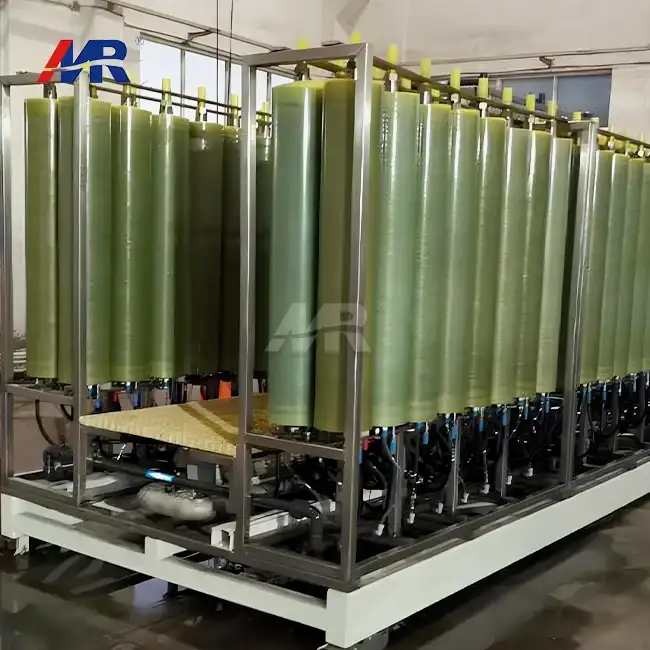
Understanding Leachate Collection Systems in Landfills
To handle liquid garbage leftovers, modern landfills need high-tech equipment. These systems are a key point where protecting the environment and running operations efficiently meet.
What Is Leachate and Why Does It Matter?
Leachate is created when rainwater seeps through trash and picks up contaminants that are both dissolved and suspended. There are heavy metals, ammonia, organic matter, and other pollutants in this liquid that are very bad for water sources. Leachate can move through the earth and pollute groundwater that people depend on for drinking water if it is not contained properly. This pollution can't happen if the collection works well, and workers can treat the liquid before it is released or recirculated.
Core Components of the Collection Infrastructure
A full leachate collection system in a landfill is made up of many parts that work together. The base starts with a composite liner system, which is usually made up of a geomembrane layer and compacted clay. This system separates the trash from the dirt below. There is a drainage layer made of gravel or geosynthetic materials on top of this lining. This layer directs runoff towards collection pipes. HDPE lines with holes in them that are buried in the drainage layer move the liquid to storage sumps. The liquid is then moved from sumps to holding tanks or treatment plants by a leachate collection system in landfill submersible pumps. Monitoring wells put around the borders in a planned way find any possible breaks in control.
Designing an Effective Leachate Collection System
To create a leachate collection system in a landfill that works well, you have to find a balance between technology needs, the conditions at the place, and government rules.
Site Assessment and Design Parameters
Before defining system parts, engineers have to think about a number of things. The total area that needs to be covered and the number of pickup zones that are needed are both affected by the size of the landfill. How much rain falls in an area has a direct effect on how much leachate is made. Climates that are warmer need drainage systems that can handle more water. The type of waste affects the chemistry of the leachate. For example, industrial waste makes different contaminants than local solid waste, which changes the choice of liner material and the treatment needs. The groundwater depth and how permeable the soil are used to build the liner's thickness and amount of redundancy. These factors affect every design choice, from the specs of the lining to the size of the pump.
Material Selection for Long-Term Performance
The lifespan and upkeep costs of a system are directly related to how durable its parts are. Because they are so flexible and resistant to chemicals, HDPE geomembranes are perfect for use as main liners. Geomembranes and geosynthetic clay liners (GCLs) are used together in composite systems to provide extra security. Drainage geocomposites combine the ability to filter and move water in thin shapes that make placement easier than thick layers of gravel. The collection lines have to be able to handle both the chemical attack from the leachate and the physical stress from the trash loads above. The materials used in pumps need to be able to handle the acidic chemistry of the liquid while also working reliably in tough situations. If you choose the right materials for the job, they will last for decades without breaking down.
Comparing Leachate Collection Systems and Treatment Technologies
To choose the best leachate collection system in a landfill and treatment options, you need to know what the pros and cons of each technical method are.
Evaluating System Performance Characteristics
Active collection methods give you more control and are easy to adjust to new situations on the site. Pumping plans can be changed by operators to match the rate of output with the treatment capacity. These systems are used in places where gravity flow isn't enough, like those with bad drainage or high water tables. The trade-off is that it uses more energy, needs more mechanical upkeep, and depends on power being reliable. Passive systems don't have these problems, but they aren't flexible when output rates change with the seasons or the leachate collection system in a landfill when parts of a dump are full. By looking at the conditions in the area, you can figure out which method fits your business goals and budget the best.
Drainage Layer Options and Their Implications
Traditional dirt drainage layers work well and have been shown to last for a long time. The material naturally blocks out small particles and keeps its ability to let things through for decades. But dirt needs to be a lot thick—usually twelve to eighteen inches—which makes digging more expensive and limits the amount of room that can be used for trash. Geosynthetic drainage materials can achieve the same flow rates in shapes as thin as half an inch, so they can still be used to make money. When you use lighter materials that need fewer tools, the installation goes faster. One of the things to think about is how to balance the initial prices of the materials with the long-term benefits in terms of capability and installation efficiency.
Operational Considerations and Maintenance of Leachate Systems
For performance to last, the leachate collection system in a landfill needs to be closely watched and maintained regularly.
Critical Monitoring Parameters
Testing the water quality shows how healthy the system is and how well the cleaning is working. The pH scale shows how active living things are and helps workers make changes to the cleaning process. Chemical oxygen demand (COD) measures the amount of biological waste that needs to be cleaned up. The levels of ammonia and nitrogen affect how well biological treatments work and how well the release rules are followed. Heavy metal analysis makes sure that treatment methods work correctly and control systems stay together. Monitoring the flow rate keeps an eye on production trends and helps figure out how much capacity will be needed. Automated monitors collect data in real time, which lets people react quickly to changing situations.
Preventive Maintenance Best Practices
Regular checks find small issues before they get worse and cause the system to fail. Pipe camera scans find problems in collection lines like clogs, root intrusion, or damage to the structure. As recommended by the maker, pump upkeep includes lubricating the bearings, replacing the seals, and testing the motor. Cleaning the sump gets rid of the dirt that builds up and lowers the storage space. It can also damage the impellers of pumps. Liner checks use visible scans to find the source of electrical leaks to make sure the integrity of the containment. By keeping track of all upkeep tasks, you can make historical records that help you make choices about long-term asset management and spending planning.
Selecting and Procuring Leachate Collection System Components
To make smart choices about buying leachate collection system in landfill components, you need to balance technical requirements with business needs.
Cost-Benefit Analysis for System Investments
Instead of just looking at the initial capital cost, procurement teams need to look at the total costs of ownership. Higher-quality materials that the leachate collection system in landfill costs more often have lower lifetime costs because they last longer and need less upkeep. Energy-efficient pumps cost more at first, but they save money over time because they use less energy. Automated tracking systems cost money, but they keep expensive environmental problems from happening and make it easier to report them to the government. Making financial models that include costs for setup, use, upkeep, and final replacement helps people make decisions by letting them compare options fairly.
Sourcing Reliable Equipment and Materials
Working with well-known manufacturers guarantees access to tried-and-true technologies and ongoing expert help. Leading geomembrane manufacturers offer materials that meet ASTM and GRI standards and have been shown to be resistant to chemicals and have good mechanical qualities. Manufacturers of pumps with product lines designed specifically for landfills know what the needs of the application are and offer parts that are built to work with leachate. Instrumentation companies that offer solutions for environmental tracking send monitors that are tuned to work well with leachate. Checking a vendor's credentials involves looking at their Certifications, asking for examples of past work, and seeing how well they can create unique solutions when standard goods don't fully meet the needs of the project.
Procurement Process Essentials
For procurement to go well, there must be clear, thorough technical specs that spell out what needs to be done. Requests for quotes should include details about performance standards, material requirements, delivery dates, and guarantee terms. To compare different bids, plans need to be normalised so that they can be compared even though they have different terms and limits. When you negotiate a contract, you have to find a balance between price, payment terms, delivery guarantees, and help after the work is done. Planned logistics make sure that supplies get to where they need to go when installation teams need them, which cuts down on storage costs and project delays. Coordinating the commissioning of equipment with seller representatives makes sure that it is installed correctly and teaches working staff how to do maintenance.
Conclusion
When building managers and procurement workers know the basics of the leachate collection system in a landfill, they can make decisions that protect the environment and keep costs down. Multiple designed parts are put together in these systems to make integrated solutions that collect, move, and clean contaminated liquids that are made when trash breaks down. Designs that work well take into account things like the climate, the type of waste, and any rules or regulations that apply to that particular place. Comparing the different system choices helps teams choose methods that meet both performance needs and price constraints. Continuous upkeep and tracking ensure reliable operation for decades of work lives. Strategic buying methods get good parts from trustworthy sources while lowering the total cost of ownership.
FAQ
1. How long do leachate collection systems typically last?
Systems that are well-designed and well-kept work well for thirty to fifty years. As long as they are kept away from too much stress and UV light, geomembrane covers made to current standards last a very long time. Collection pipes and drainage layers keep their capacity when workers keep them from getting clogged by doing regular repairs. Depending on how they are used and how well they are maintained, pumps and other mechanical tools need to be replaced every ten to fifteen years. Facilities can make sure they have enough money in their budgets for long-term asset management by planning for repairs of individual parts over the course of the leachate collection system in the landfill's lifetime.
2. 3. How often should leachate quality testing occur?
How often tests are done depends on what the regulations say and how things are running. Most facilities do full analyses every three months when they are running normally. These analyses measure a wide range of pollutants, such as metals, organic substances, and standard factors. It's important to do more tests, like once a month or even once a week, for key factors, during start-up times, seasonal changes, or when treatment processes change. Continuous automated tracking of pH, conductivity, and flow gives operating information in real time between lab tests.
Can existing landfills retrofit modern collection technology?
Retrofitting has problems, but it is still possible in many Cases. Facilities can add extra collection systems on top of existing liner arrangements to catch sewage before it gets to older infrastructure. Horizontal drilling lets you add more collection lines below the waste without having to dig up the ground. Upgrading the tracking and pumps makes the system work better without changing the container parts. For each retrofit, site-specific planning is needed to figure out what options will work best and see if they are even possible.
Partner With Morui for Advanced Leachate Management Solutions
Guangdong Morui Environmental Technology makes complete systems for treating water and wastewater that are designed to meet the needs of demanding industry and municipal uses. Our engineering team has a lot of experience designing leachate collection systems in landfill equipment, getting the right tools, and installing systems completely. We have dedicated production sites where we make high-performance membrane filter parts. We also work with leaders in the field, like Shimge Water Pumps and Runxin Valves, to offer full system solutions. We help clients from the beginning of the planning process all the way through commissioning and ongoing operational support. We have over 500 technical workers spread out across fourteen branches. Our Team helps you find the right mix between following the rules and running your business efficiently, whether you're planning a new dump or improving the ones you already have. Get in touch with our experts to talk about your unique needs and get thorough proposals from a provider of leachate collection systems with a lot of experience. Visit benson@guangdongmorui.com to learn more about how our integrated method protects the environment in a safe and cost-effective way.
References
1. American Society of Civil Engineers. (2018). Geosynthetic Design and Construction Guidelines for Landfill Applications. ASCE Press.
2. Qasim, S.R., & Chiang, W. (2019). Sanitary Landfill Leachate: Generation, Control and Treatment. CRC Press.
3. Rowe, R.K., & Brachman, R.W. (2020). "Assessment of Long-term Performance of Geomembrane Barriers." Geotextiles and Geomembranes, 48(5), 631-648.
4. United States Environmental Protection Agency. (2021). Municipal Solid Waste Landfills: Technical Manual for Design and Operation. EPA Publication 530-R-21-002.
5. Kjeldsen, P., et al. (2017). "Present and Long-term Composition of Landfill Leachate: A Review." Critical Reviews in Environmental Science and Technology, 32(4), 297-336.
6. Tchobanoglous, G., & Kreith, F. (2019). Handbook of Solid Waste Management. Third Edition. McGraw-Hill Education.
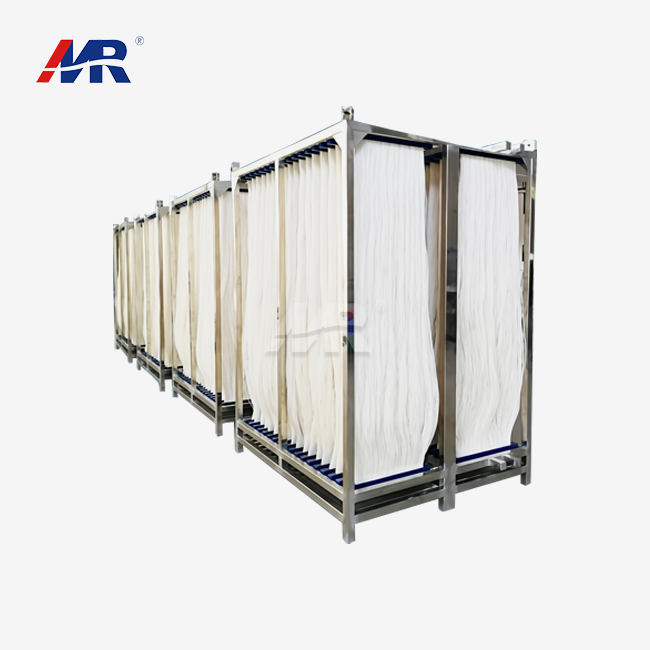 VIEW MOREbioreactor wastewater treatment
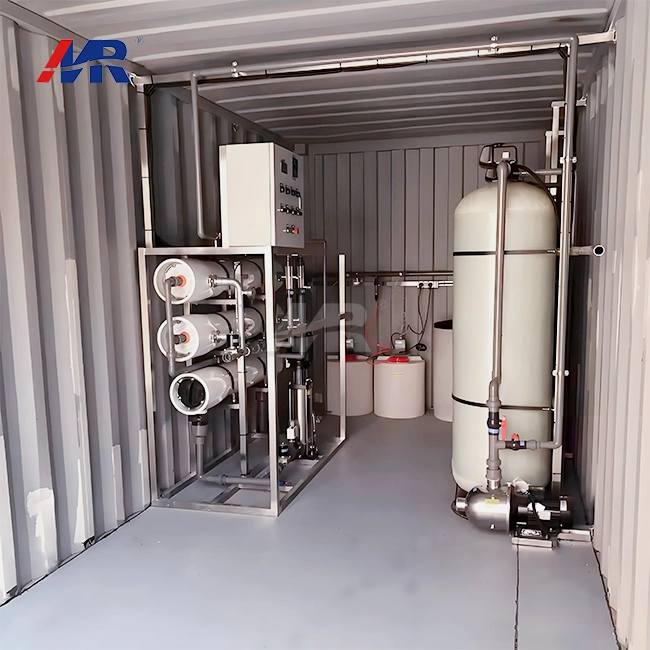 VIEW MOREcontainerized water treatment systems
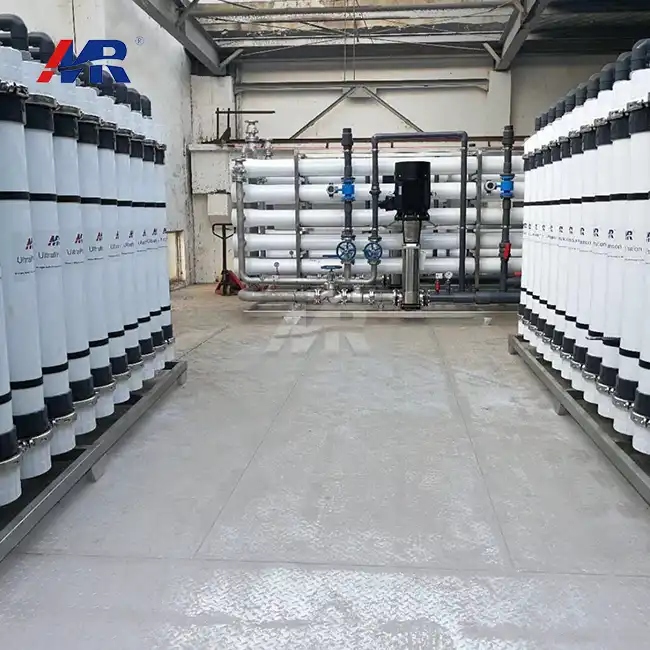 VIEW MORE2000m3/day ultrafiltration equipment
 VIEW MOREMBR wastewater treatment plant
 VIEW MOREosmosis drinking water system
 VIEW MOREseawater desalination pre-treatment
 VIEW MORE200m3/hour ultrafiltration equipment
 VIEW MORE12m3/hour reverse osmosis BWRO system
