

_1745823981883.webp)

Preventing Groundwater Contamination: Best Practices with Landfill Leachate Systems
Strategic use of a leachate collection system in landfill activities is needed to keep groundwater from eachate collection system in landfill getting contaminated. These engineered systems collect and handle the polluted liquid that forms when rainwater passes through trash that is breaking down. Heavy metals, organic pollutants, and pathogens can get into the groundwater without the right facilities for collecting. This puts drinking water sources and ecosystems at risk. Modern leachate management uses multiple barrier systems, drainage networks, and treatment technologies to keep environmental damage to a minimum and keep municipal, industrial, and toxic waste sites in line with the rules.
Understanding Landfill Leachate and Its Environmental Impact
One of the most difficult environmental problems in garbage handling is landfill leachate. When rainwater seeps through trash that is breaking down, it breaks down many harmful chemicals, making a poisonous mix that is different based on how old the trash is, the weather, and how it was thrown away.
What Makes Leachate Hazardous to Groundwater
The chemicals in waste leachate are very bad for the health of groundwater. In mature dumps, volatile organic molecules and ammonia levels that can go over 1,000 mg/L can be found along with heavy metals like lead, mercury, and cadmium. EPA documents say that leachate that hasn't been handled has biochemical oxygen demand levels that reach 30,000 mg/L, which is hundreds of times higher than normal household garbage. These pollutants stay in the land and water for decades, building up through food chains and polluting drinking water sources many miles away from where they were first found.
Regulatory Framework Governing Leachate Management
In the United States, wastewater system design is based on the following environmental rules. Under Title D of the Resource Conservation and Recovery Act, local solid waste dumps must meet certain liner requirements, tracking methods, and corrective action standards. Environmental agencies at the state level usually have tighter rules. For example, they might require double composite liner systems that can find leaks and regular groundwater tracking at certain distances from the edges of landfills. Not following the rules can lead to big fines and even the closure of a building. This makes a strong wastewater eachate collection system in landfill management both an environmental and a business necessity.
Economic and Liability Considerations
Leachate pollutes the environment and causes long-term financial problems that go beyond the costs of cleaning up. Under CERCLA law, facility owners may be responsible for Superfund sites, and cleaning them up can cost millions of dollars. Property prices in the surrounding areas go down, and lawsuits from communities that are impacted add to the cost of litigation. It is cheaper to invest in an extensive leachate collection system in a landfill ahead of time than to do remediation after the fact. This protects both the environment and the organization's finances.
Components and Design Standards of Effective Leachate Collection Systems
An appropriately designed leachate collection system in a landfill has many parts that work together to gather, move, and get rid of polluted liquids before they reach groundwater.
Primary Containment: Liner Systems
Synthetic geomembranes and compacted clay layers are used together in composite lining systems in modern dumps. The geomembrane, which is usually made of high-density polyethylene (HDPE) and is 60 to 80 mils thick, acts as a main barrier for liquids. Under this man-made layer, there are packed clay layers that are at least two feet thick and have a hydraulic conductivity of less than 1x10^-7 cm/sec. These act as secondary containment. This two-barrier method protects against any holes or damage that might happen in either part, making it much less likely that leachate will move. The quality of the installation is very important. The long-term performance depends on using the right seaming methods and doing quality assurance tests during building.
Drainage Layer Architecture
Above the liner system, drainage levels help the liquid move to places where it can be collected. Granular drainage layers made of gravel or sand and geocomposite drainage materials are the two main types of designs used today. Granular systems usually use 12 to 24 inches of clean gravel that has to meet certain permeability standards. This makes draining reliable but adds a lot of weight to liner systems. Geocomposite options mix synthetic drainage cores with geotextile filters, which cuts down on the amount of material needed and the time it takes to install while keeping the hydraulic performance the same. The choice of material is based on things specific to the place, like the amount of trash, how much leachate is expected to be produced, and the budget.
Collection Infrastructure Components
Collection lines with holes in them, which are usually 6 to 8 inches in diameter, join to the drainage layer at regular intervals and direct leachate toward sumps or wet wells. Pipe spacing and slope estimates take into account the amount of flow that is predicted, making sure that there is enough capacity during times of high generation. Collection sumps with hidden pumps get rid of leachate that has built up, and dual-pump designs provide backup and stop overflows. Flow meters and level sensors allow for constant tracking and send out alerts when help is needed. This infrastructure needs to be carefully connected to systems that handle waste gas so that pollution doesn't happen, and both systems keep running at their best.
Best Practices to Prevent Groundwater Contamination Through Leachate Systems
Using tried-and-true methods during system planning, building, and operation improves performance and life while protecting groundwater to the fullest. Leaders in the industry each teach collection systems in a landfill know that preventing pollution requires a complete focus on many factors that affect each other, rather than just one set of safety measures.
Site-Specific System Optimization
To handle leachate effectively, the place must first be fully described. Hydrogeological studies draw maps of groundwater flow patterns, find the levels of aquifers, and set the quality of water at a standard level. Testing the soil shows how permeable it is, how much weight it can hold, and whether the suggested cover materials will react chemically with it. Analysis of climate data predicts the amount of leachate that will be produced, which tells us how much space we need for holding and cleanup. With this basic understanding, engineers can make system designs that work with the problems that are specific to each place instead of using pre-made templates. Facilities that are near or above fragile springs or areas with a lot of rain need extra safety steps on top of what is required by law.
Layered Barrier Strategies
Redundancy is very important for keeping groundwater clean. In addition to main liner systems, many sites have secondary leachate collection layers that are put between double liner systems. This middle collection network grabs any leachate that gets through the main barrier. This lets you know right away if the system has been compromised and stops contaminants from moving. The area between the plates is used to find leaks; even a small amount of liquid building up there causes an investigation and repairs to be made. Some more modern sites use tertiary containment methods, which separate trash from groundwater supplies with more than one barrier.
Advanced Treatment Integration
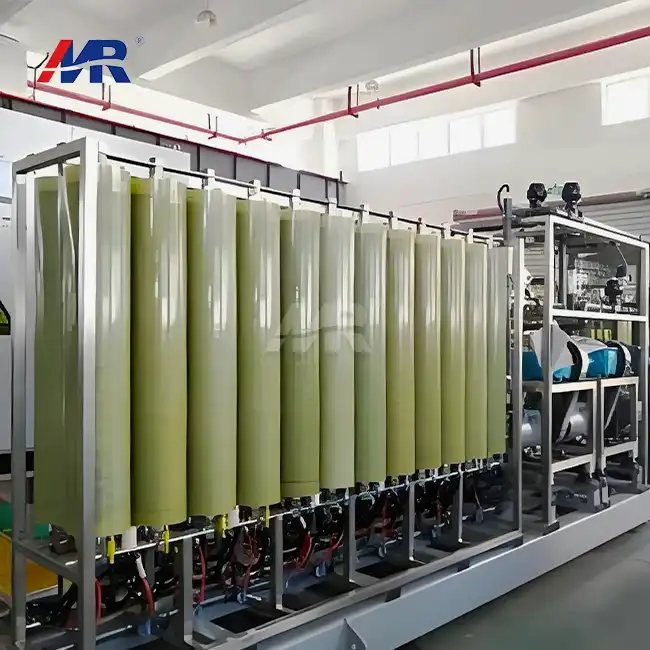
Collecting wastewater is only one part of protecting groundwater in a complete way. Treatment systems get rid of contaminants before they are released into the environment or used again. This keeps them from building up in collection systems and lowers the long-term costs of removal. Biological reactors, chemical precipitation, membrane filtering, and advanced oxidation processes are all on-site treatment possibilities. At Morui, we've created combined treatment systems that use both biological pretreatment and reverse osmosis technology to get rid of key contaminants at rates higher than 95%. Our modular systems can handle anywhere from 10 to 500 cubic meters of trash per day, so they can be used in a wide range of sites, from small municipal landfills to big industrial garbage operations. Integrating a treatment system means paying close attention to the properties of the leachate, which change as the trash breaks down and the facility goes through different stages of operation.
How to Choose the Right Landfill Leachate Collection System for Your Needs
Choosing how to buy waste management infrastructure has a big effect on how well the facility works, how compliant it is, and how much it costs to run in the long run. Technical decision-makers and site managers have to look at a lot of factors to find the best answers for each operating situation.
Assessment of Operational Parameters
Before choosing a system, all of the building's features must be carefully examined. The size of the collection network and the amount of pumping that is needed depend on the landfill's footprint and its ability to handle garbage. The type of trash affects the chemistry of leachate, which changes how well materials work together and how much cleaning is needed. The planned longevity of the building affects choices about how long to use parts and how flexible upgrades can be. Sites that will be used for decades should invest in high-quality materials that will last a long time. On the other hand, sites that will only be used for a short time may be able to use eachate collection system in a landfill, cheaper options that still meet legal requirements without over-engineering.
Material Selection Criteria
When picking between different drainage systems, you have to weigh the pros and cons of each one's performance and cost. Granular drainage layers have been shown to be reliable and easy to maintain, but they need a lot of material and close supervision during construction. Geocomposite drainage goods cut down on installation time and allow sidewall slopes to be steeper, which makes better use of waste spaces. When choosing materials, you need to think about how much trash they will hold, how well they react with chemicals, and how they will behave under long-term stress and pressure. At Morui, our engineering team does site-specific research that compares the lifecycle costs of different configurations. This helps clients understand their total ownership costs instead of just focusing on the initial capital investment.
Evaluating Supplier Capabilities
Working with reputable suppliers means more than just buying tools; it also means getting help with installation, training operators, and ongoing expert support. Reputable makers give a lot of information, like design rules, installation instructions, and upkeep schedules. Product approvals from well-known testing labs back up claims about the performance and qualities of the materials. Suppliers who have worked on similar projects before can give you useful information, and references from past customers can show you how good the service is and how quickly they respond. Companies like Morui offer unified support throughout the entire duration of a project. They do this through their network of 14 offices and over 500 committed professionals, including 20 specialized engineers. Our in-house membrane production plant and partnerships with equipment manufacturers let us keep an eye on quality and make changes to meet the specific needs of each project.
Conclusion
To keep groundwater from getting contaminated by waste leachate, you need to plan the system well, place it correctly, and keep an eye on it all the time. Engineered walls, drainage networks, and cleaning technologies that are specifically designed for each site make up an effective leachate collection system in a landfill. System problems have big effects on the environment and on money, so it's smart to invest in tried-and-true technologies and reliable providers. As rules change and demands for environmental responsibility rise, facility managers need to keep up with new tools and the best ways to use them. Strategic relationships with experienced providers give you access to the technical know-how, reliable tools, and ongoing support you need to stay in compliance and protect the environment.
FAQ
1. What is the difference between leachate collection and leachate treatment?
Leachate gathering is the process of using physical structures to collect polluted liquids inside landfills. This includes liner systems, drainage layers, collection pipes, sumps, and pumps that all work together to keep rainwater from getting in. Leachate treatment includes steps that get rid of or neutralize contaminants after they have been collected. Biological breakdown, chemical precipitation, improved membrane filtration, and oxidation are some of the ways that waste can be treated. Both functions are necessary—collection stops pollution from going into the environment, and treatment lets it go out safely or be used in a good way. This creates a combined management that deals with all contamination risks.
2. How often should landfill leachate systems be inspected?
The number of inspections depends on the rules and how complicated the system is, but eye checks every three months are the norm in the business. These tests make sure the pump works, look for leaks that can be seen, and make sure the water drains properly. Every year, experienced engineers do full inspections to check the structure's strength, measure its flow capacity, and find damage that needs fixing. After bad weather or changes to how things are run, the system is checked again to make sure it is stable. Documenting all inspection activities helps make sure that regulations are followed and creates performance records that help with planning upkeep and deciding which parts to replace.
3. Can existing landfills upgrade leachate collection systems?
Retrofitting old buildings is hard from a technical point of view, but it is still possible by using different leachate collection systems in landfill methods. Surface drainage improvements make it easier to collect leachate in trash that has already been dumped, and horizontal drilling lets you put in collection lines without having to dig. Updating treatment systems makes the quality of the wastewater that comes out of current collection systems better. Lateral movement of wastewater is stopped by vertical barriers, such as slurry walls. Changes to the cap system lower the amount of infiltration, which lowers the production rates. Sometimes, regulatory programs give money to help older facilities make their environments better. A qualified engineering review finds the best ways to improve a place while taking into account environmental benefits, technical feasibility, and project costs.
Transform Your Landfill Leachate Management with Morui Solutions
Environmental compliance and groundwater protection require reliable partners, delivering proven leachate collection systems in landfills backed by comprehensive support. Morui has been treating water in a specific way for more than ten years. They now use their own membrane technologies and integrated system, eachate collection system in a landfill design to help with trash management. Our engineering team works with building managers to figure out what the unique needs of the site are, come up with custom solutions, and provide full installation services. We make high-quality tools for tough jobs as a top manufacturer of leachate collection systems in landfills. We have our own production facilities and smart partnerships with well-known names like Shimge Water Pumps and Runxin Valves. Our 500-person company with 14 regional branches makes sure that you get quick help wherever your sites are located. Get in touch with our technical experts at benson@guangdongmorui.com or moruiwater.com to talk about how our solutions can help you protect your groundwater supplies, make compliance easier, and cut down on running costs.
References
1. Qasim, S.R. and Chiang, W. (1994). "Sanitary Landfill Leachate: Generation, Control and Treatment." CRC Press, Boca Raton, Florida.
2. Rowe, R.K., Quigley, R.M., Brachman, R.W., and Booker, J.R. (2004). "Barrier Systems for Waste Disposal Facilities." Taylor & Francis Books Ltd, London.
3. Tchobanoglous, G., Theisen, H., and Vigil, S.A. (1993). "Integrated Solid Waste Management: Engineering Principles and Management Issues." McGraw-Hill, New York.
4. U.S. Environmental Protection Agency (2020). "Municipal Solid Waste Landfills, Volume 1: Summary of the Requirements for the New Source Performance Standards and Emission Guidelines for Municipal Solid Waste Landfills." EPA-453/R-96-004.
5. Koerner, R.M. and Daniel, D.E. (1997). "Final Covers for Solid Waste Landfills and Abandoned Dumps." American Society of Civil Engineers Press, Reston, Virginia.
6. Christensen, T.H., Kjeldsen, P., Bjerg, P.L., Jensen, D.L., Christensen, J.B., Baun, A., Albrechtsen, H.J., and Heron, G. (2001). "Biogeochemistry of Landfill Leachate Plumes." Applied Geochemistry, Vol. 16, Issues 7-8, pp. 659-718.
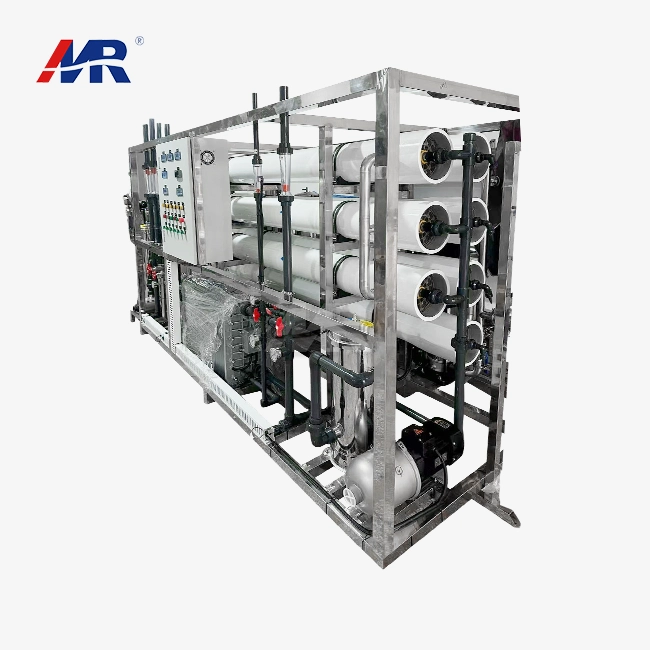 VIEW MOREedi module water treatment
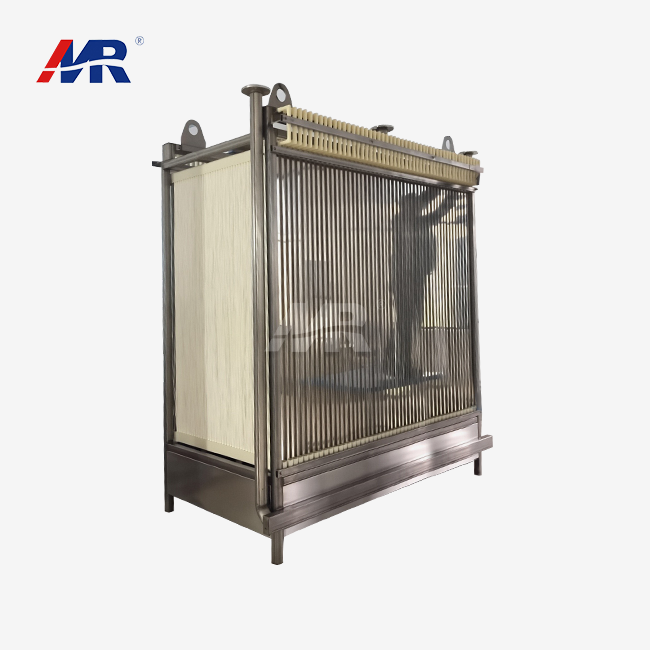 VIEW MOREsubmerged membrane bioreactor
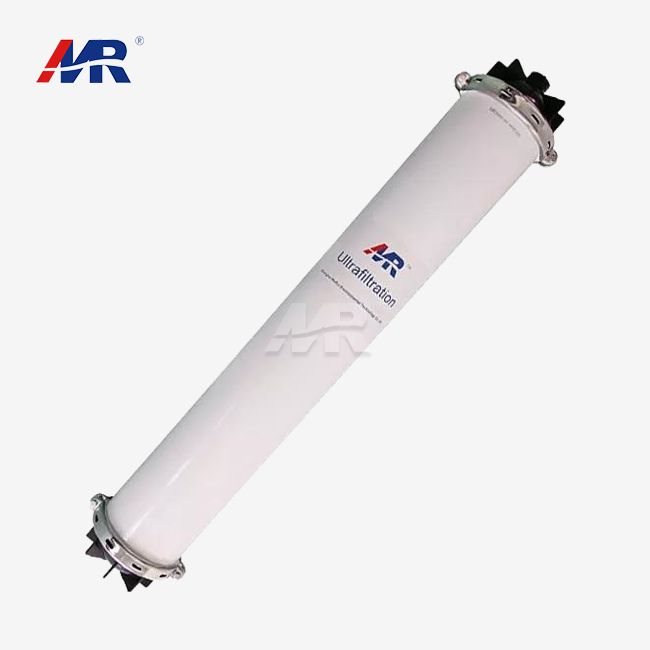 VIEW MOREultrafiltration membranes for water treatment
 VIEW MOREro edi system
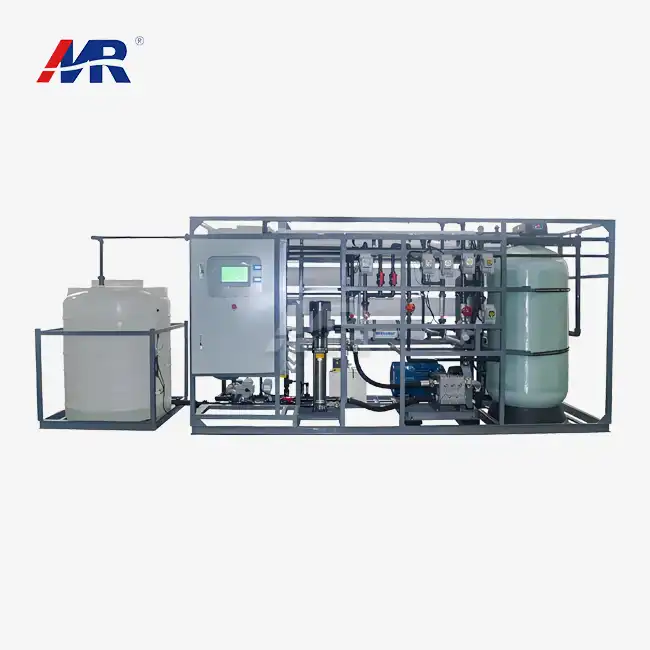 VIEW MORE5m3/hour seawater desalination equipment
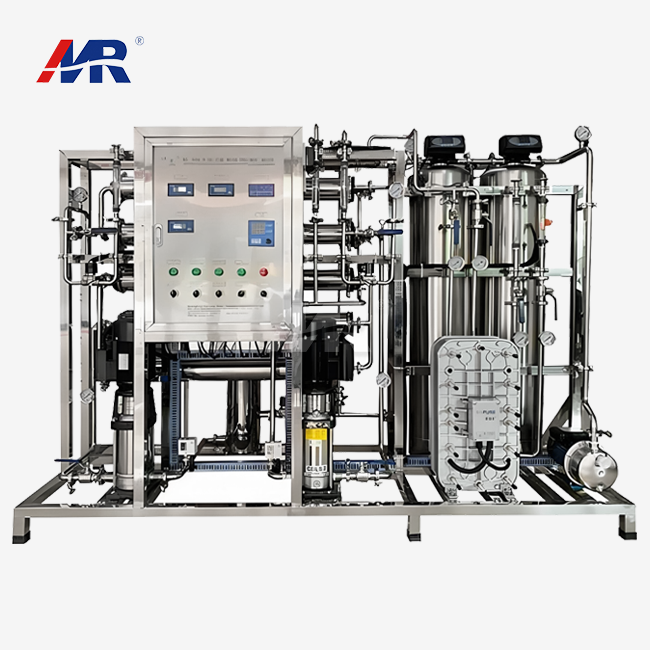 VIEW MOREElectrodeionization system
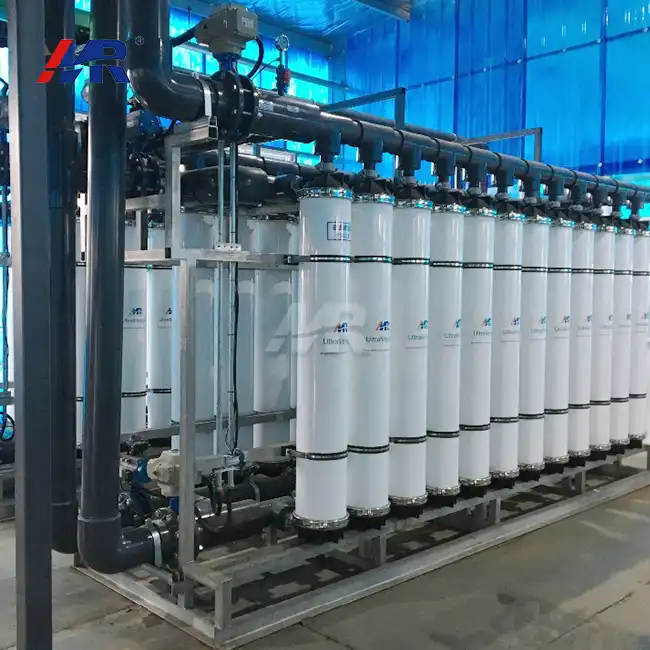 VIEW MORE50m3/hour ultrafiltration plant
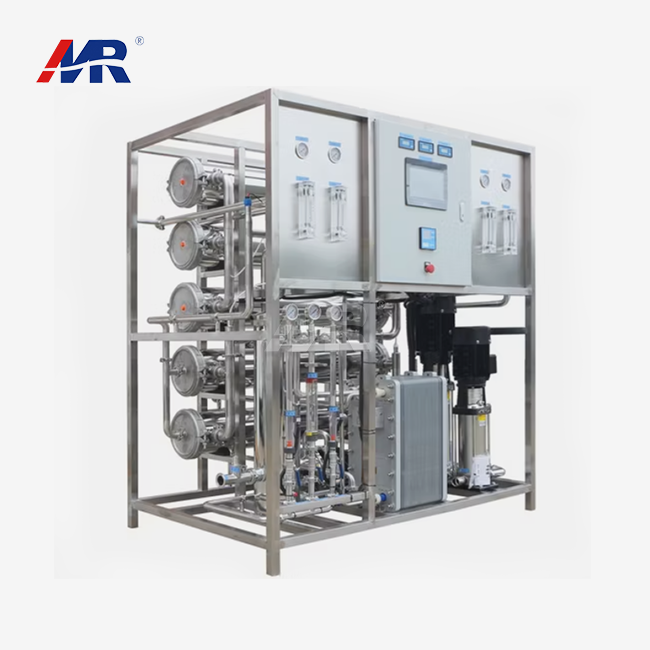 VIEW MOREro edi water system
