_1745823981883.webp)

Step-by-Step Installation Cost Breakdown for Leachate Management Systems
To install a leachate management system, you need to carefully plan your budget and know what factors affect costs throughout the project's lifecycle. These specialized systems collect and clean up dangerous wastewater from dumps. This keeps groundwater from getting contaminated and makes sure that environmental rules are followed. Costs for procurement managers usually range from $500k to over $3 million, based on the size of the landfill, the treatment method chosen, and the conditions at the site. Understanding each step of the installation process, from the initial site assessment to finishing, helps you make accurate budget predictions and negotiate with vendors in a smart way. This breakdown takes the mystery out of the investment that needs to be made. It helps technical and financial decision-makers balance environmental goals with fiscal responsibility while still meeting regulatory standards in business, industrial, and local settings.
Understanding Leachate Management Systems and Their Role
Leachate is made when rainwater seeps through trash, breaking down toxins and making a very polluted liquid. Without proper management, this waste harms underground resources, breaks environmental laws, and puts people in the nearby areas at great health risk.
Components of Effective Leachate Control
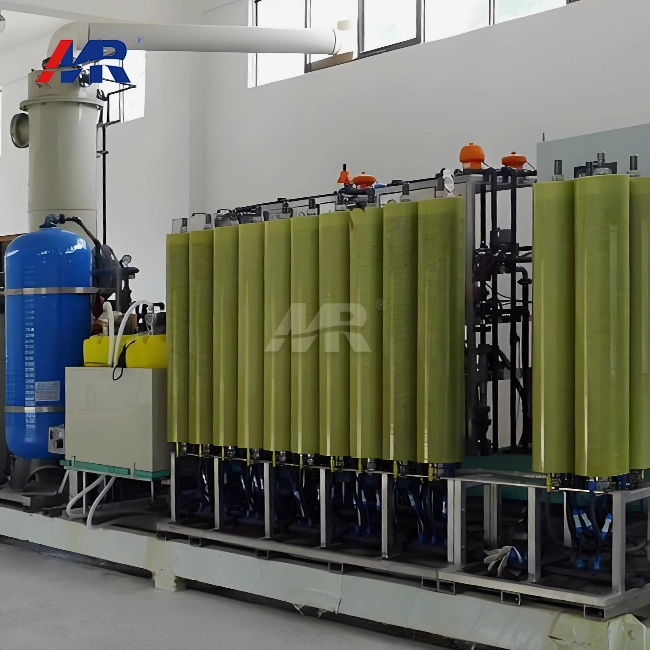
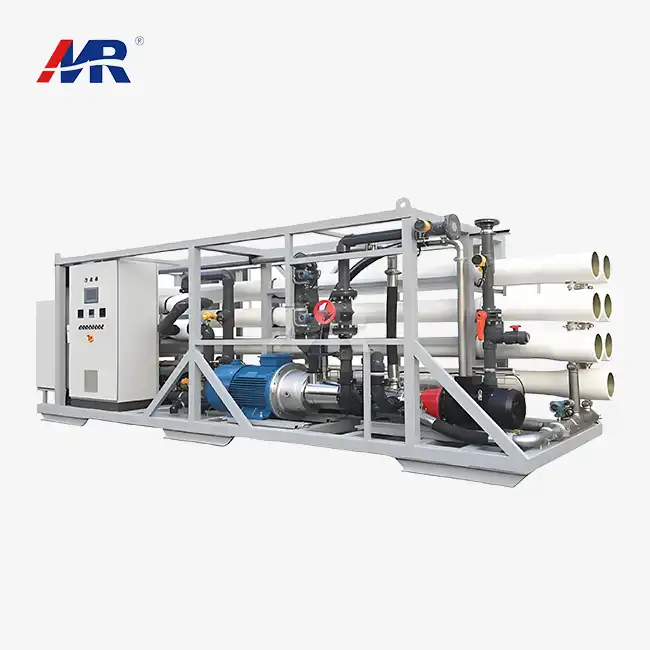
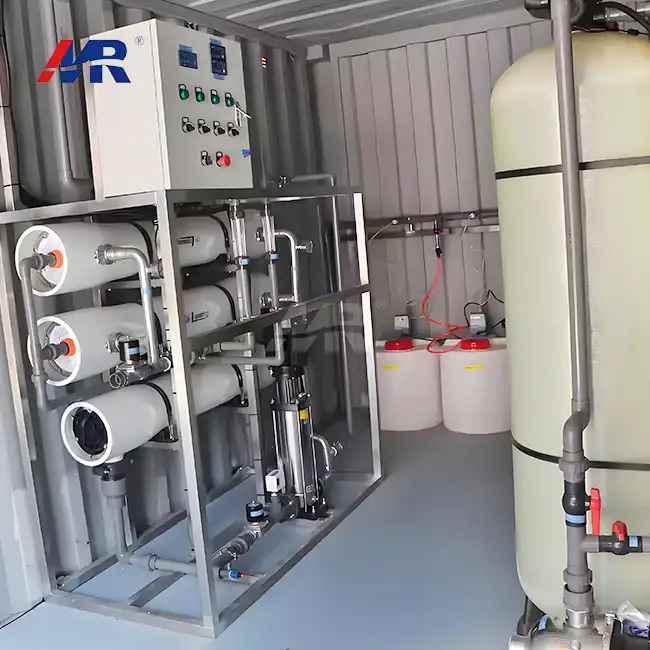
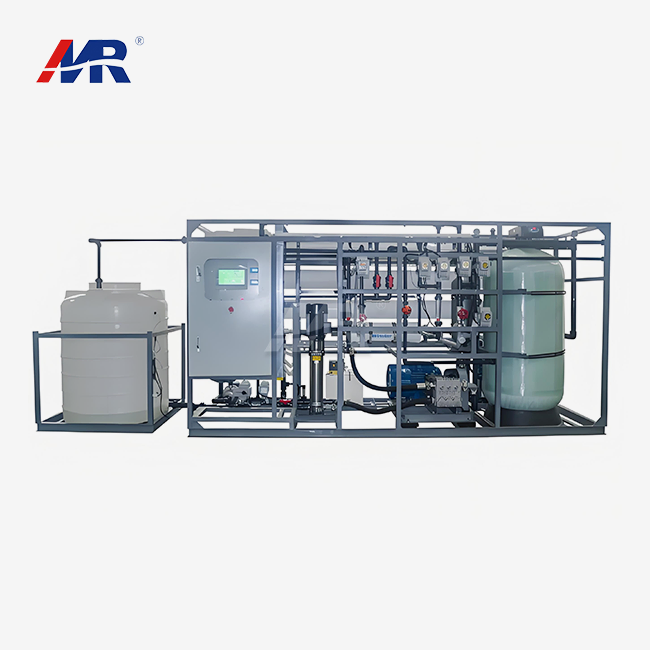
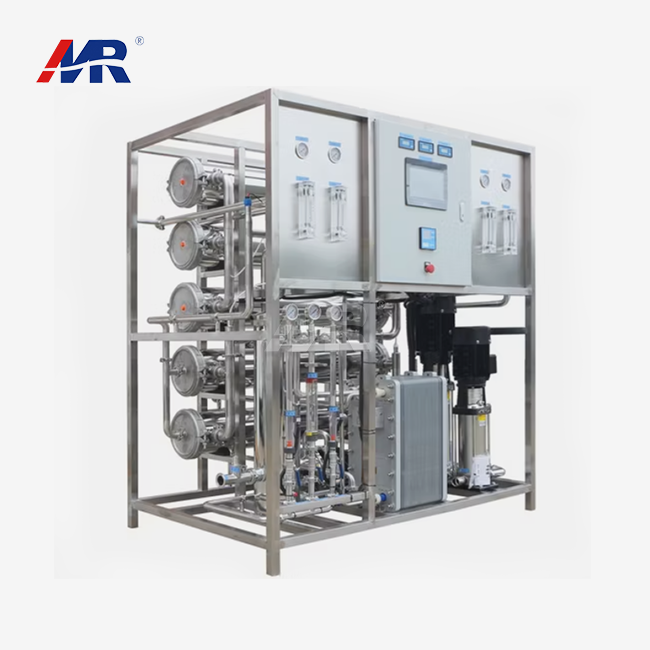
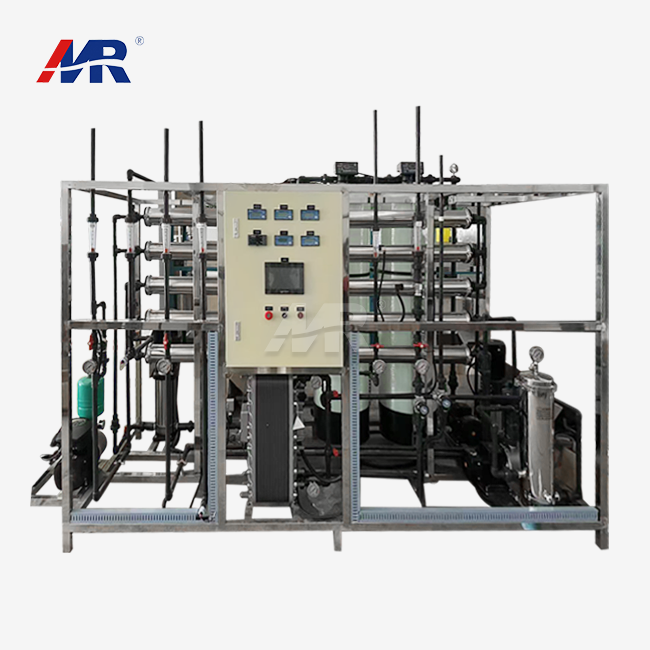
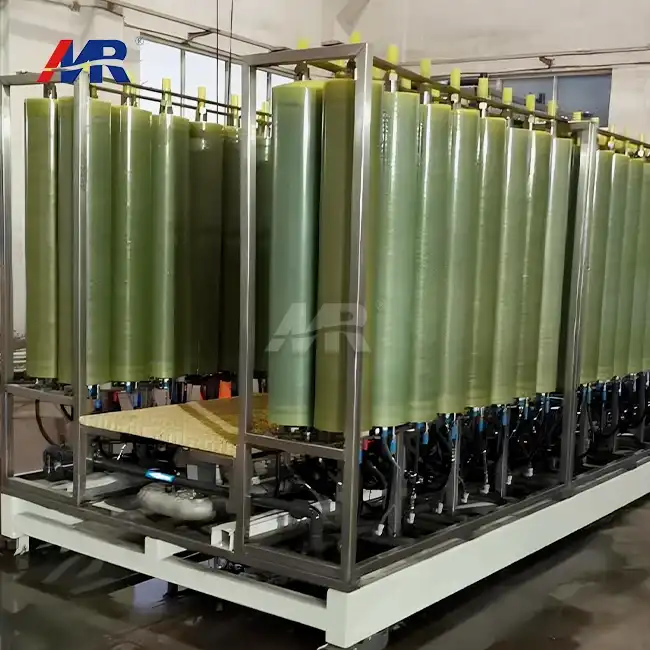
Modern methods for collecting leachate use a number of different technologies that work together. At the bottom of the dump, polluted liquids are collected by networks of lines with holes in them and drainage layers. The liquid is then pumped to treatment plants, where it is cleaned up by physical, chemical, and biological processes. Depending on the amount of waste that needs to be removed and the rules in the area, advanced systems use reverse osmosis membranes, biological reactors, and evaporation technologies.
Regulatory Drivers for Investment
Under Subtitle D rules for municipal solid waste landfills, the Environmental Protection Agency requires them to follow strict leachate management practices. State bodies often add extra rules about how to treat people and how often they should be monitored. Risks of not following the rules include large fines, shutting down operations, and cleanup costs that reach millions of dollars. Investing in strong treatment facilities ahead of time saves both the environment and the business's ability to keep running.
Industry Applications Beyond Landfills
While landfills are the most common use, industrial sites also produce contaminated waste that needs special handling. Effluents that look like leachate are made by mining activities, chemical factories, leachate management systems, and places that store toxic waste. The treatment methods and tools are still the same, but the types of contaminants may be very different depending on the trash and the industry processes used.
Key Factors Influencing Installation Costs of Leachate Management Systems
When making a budget, you have to look at a lot of site-specific factors that have an effect on how hard the leachate management system is to build and install. By understanding these cost causes, you can make more accurate financial predictions and find ways to save money.
Site Characteristics and Geology
The size of the landfill has a big impact on the system's potential needs and the prices that come with them. A building that handles 2,000 tons per day needs very different equipment than one that handles 500 tons per day. Soil conditions affect how hard it is to dig and how hard it is to place a liner. For example, rocky land requires more tools and more work hours. The liner specs and tracking needs are affected by how close the well is to groundwater. High water tables require stronger containment measures.
Treatment Technology Selection
There are three main ways to treat schizophrenia, and each has its own costs. For medium-sized systems, the tools needed for physical treatment through filtering and membrane separation cost between $300,000 and $800,000. Biological treatment with sequencing batch reactors or membrane bioreactors costs between $400,000 and $1.2 million, based on how much organic material is added. Advanced oxidation and evaporation systems can handle the toughest leachates, but they cost between $600,000 and $2 million more than other methods.
Regulatory Compliance Requirements
Discharge standards have a direct effect on how hard and expensive care is. There are strict limits on nutrients, heavy metals, and organic substances that plants can put into surface waters after they have been cleaned. For these reasons, multi-stage treatment may be needed, which will raise the base cost by 30 to 50 percent. On the other hand, systems that send treated leachate back to dumps lower the amount of treatment needed, but they need strong collection facilities.
Step-by-Step Installation Process and Associated Costs
By dividing the work into separate stages, it becomes clearer where costs are occurring and helps figure out how to best spend the money on the leachate management system. At each stage, engineering teams, equipment suppliers, and building workers need to work together very carefully.
Phase 1: Site Assessment and Feasibility Studies
The first step in starting a project is a full site inspection, including a leachate management system, which can cost anywhere from $25,000 to $75,000, based on how complicated the landfill is. Test borings and lab research are used in geotechnical studies to find out how much weight the soil can hold and how permeable it is. Hydrological studies find out how groundwater flows and where pollution might be entering the system. Environmental baseline sample sets the conditions that were there before they were compared in future tracking. For designing a gravity-flow system, topographic studies are needed to get accurate information about elevations.
Phase 2: Engineering Design and Permitting
8 to 12 percent of the total cost of a project goes to design services, which amounts to $60,000 to $250,000 for medium-sized installs. Engineering companies make thorough plans for infrastructure for tracking, collection, and treatment systems. In this step, process modeling is used to find the best treatment results and lifetime costs. Regulatory bodies need a lot of paperwork to show that environmental security is adequate. This process can take 4 to 8 months. Fees to apply for a permit range from $5,000 to $25,000, based on how complicated the area is.
Phase 3: Equipment Procurement
The area of expenses that is the biggest is treatment tools. For a project to succeed, it's important to find trusted providers who offer good value for money. Here are some important types of tools and their usual price ranges:
- Collection System Components: High-density polyethylene lines, sumps, and pumping stations can cost anywhere from $80,000 to $300,000, depending on the size of the gathering area and the rate of flow. Prices for submersible pumps that can handle corrosive wastewater run from $8,000 to $25,000 per unit.
- Primary Treatment Units: These include equalization tanks, screening tools, and pH adjustment systems. They cost between $50,000 and $180,000 and are used for primary treatment. These parts smooth out changes in flow and get wastewater ready for further cleaning.
- Secondary Treatment Systems: The treatment core costs between $200,000 and $900,000 and is made up of biological reactors or membrane filter units. Membrane bioreactor systems that combine biological treatment with ultrafiltration are very space-efficient, but they cost a lot.
- Tertiary Polishing: For the final step, reverse osmosis systems, activated carbon adsorption, or advanced oxidation can be used. These methods can cost anywhere from $100,000 to $400,000, based on the amount of waste that needs to be removed.
Buying more of the same thing from well-known sources can save money when buying equipment. We have partnerships with top manufacturers like Shimge Water Pumps for reliable fluid handling and Createc Instruments for accurate monitoring equipment. This way, we can make sure that our customers get tested technology and full expert support.
Phase 4: Site Preparation and Construction
Civil building turns engineering plans into structures that can be used. Preparing building sites involves digging and leveling. Depending on the type of dirt, earthwork costs between $35 and $80 per cubic yard. Installation of liner barriers that don't let water through saves groundwater supplies. Geomembrane systems cost $8 to $18 per square foot, which includes materials and skilled work. Concrete work for bases for tools and walls costs $150 to $300 per cubic yard. 25 to 35 percent of the total cost of installation goes to workers. Crews with more experience and knowledge of environmental building finish jobs faster and with fewer changes and delays. We offer full installation services by using our network of qualified workers who know how complicated treatment systems are and what the rules are.
Phase 5: Electrical and Controls Integration
Automation systems improve the effectiveness of treatments while reducing the amount of work that needs to be done. Installing programmable logic controllers that check flow rates, treatment settings, and the state of equipment can cost between $30,000 and $100,000. Depending on how complex they are, SCADA systems that allow tracking from afar cost an extra $20,000 to $60,000. Transformers, motor control centers, and wires are all parts of electrical distribution that usually cost $80,000 to $200,000.
Phase 6: Commissioning and Performance Verification
Before putting systems online, they need to be tested in a planned way to make sure all of their parts work as they should. Costs range from $15,000 to $50,000 for commissioning services, which include checking out the equipment, making sure the control system code is correct, and testing the system's first performance. Through classroom teaching and hands-on practice, operator training gets building staff ready for their daily jobs. Performance proof shows that rules are being followed by running sampling programs that cost $8,000 to $20,000.
Operational and Maintenance Cost Considerations Post-Installation
When figuring out the total cost of ownership, knowing about the leachate management system's ongoing costs is just as important as knowing about the initial cash input. These ongoing costs have a direct effect on the project's ability to stay financially viable over the usual 20–30 year system lifespan.
Routine Maintenance Requirements
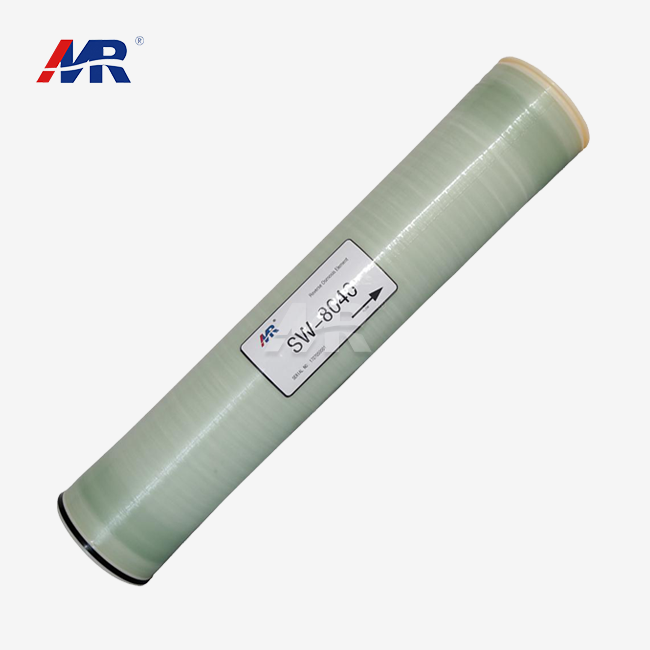
Maintenance that stops problems before they happen saves money and extends the life of tools. It costs $3,000 to $8,000 per unit to fix a pump every two to three years. The highest ongoing cost is replacing the membranes. Depending on the system's capacity, reverse osmosis membranes need to be replaced every three to five years at a cost of $30,000. Biological cleaning systems need to be managed and given extra nutrients and waste on a regular basis, which costs $15,000 to $40,000 a year.
Monitoring and Compliance Costs
Regulatory agencies require regular performance tracking to show that the release is being followed. Depending on factors and permit conditions, sampling can happen anywhere from once a week to three times a year. The cost of tracking once a year is usually between $20,000 and $60,000. This includes lab tests and writing up reports. When people don't follow the rules, police actions are taken, which could cost hundreds of thousands of dollars in fines and corrective actions.
Energy Consumption
A lot of electricity is used for pumping and cleaning processes. Medium-sized systems use about 50,000 to 200,000 kWh per year, which is about $6,000 to $25,000 at normal business prices. 15 to 25 percent less energy is used when pumps and process settings are adjusted. We recommend high-efficiency equipment that saves a lot of money over its lifetime, going beyond the original cost fees.
Service Agreements and Technical Support
Working with service companies with a lot of knowledge ensures that problems are fixed quickly. Service contracts that cover preventative maintenance, emergency reaction, and expert advice once a year usually cost 3 to 6 percent of the value of the equipment. These deals make the budget more stable and give you access to specialized knowledge that keeps things running at their best. Our full-service packages use 20 tech workers and service networks across the country to make sure that problems are fixed quickly.
Conclusion
Setting up facilities for collecting and treating leachate takes a lot of money, which has to be weighed against the need to protect the environment and follow the rules. From evaluating the site to putting it into use, the costs usually run from $500,000 to over $3 million, based on the treatment technology, capacity, and other factors unique to the site. For projects to be successful, suppliers need to be carefully chosen based on their professional skills, wide range of services, and ability to optimize lifecycle costs over time, rather than just having the lowest starting price. Understanding what causes costs to rise and fall during the installation process helps you make smart budgeting and decision-making. Total ownership cost assessments must take into account ongoing operating costs such as monitoring, upkeep, and energy use to ensure long-term financial stability and environmental responsibility.
FAQ
1. What represents the largest cost component in leachate treatment installations?
Treatment equipment usually makes up 40 to 50 percent of the total cost of a project. Advanced oxidation equipment, biological reactors, membrane systems, and biological reactors all cost more. The second-largest group, which includes drilling, liner installation, and containment buildings, is made up of 25–35% civil work. Engineering planning, getting permits, and testing all add up to about 15% of funds.
2. How long does a typical installation take from planning through operational startup?
On average, it takes 12 to 18 months for medium-sized installations to go from the first site review to full working state. Just getting the permits takes 4 to 8 months, based on how busy the regulatory agencies are and how complicated the job is. Getting equipment takes three to five months for special construction. Depending on the site factors and the weather, construction usually takes between 4 and 8 months. Adhering to the schedule is much easier when you plan ahead and hire experienced workers.
3. Can existing systems be upgraded economically versus complete replacement?
It is financially possible to upgrade infrastructure as long as it is still structurally sound and the added capacity stays within 30 to 40 percent of the original plan. Adding membrane cleaning to biological treatment or using advanced oxidation for certain chemicals usually costs between 40 and 60% of the cost of installing a new system. Complete replacement is needed when collection systems break down, rules change in a big way, or the amount of space needed doubles.
Partner with Morui for Comprehensive Leachate Treatment Solutions
Guangdong Morui Environmental Technology specializes in delivering turnkey leachate management system installations backed by extensive engineering expertise and comprehensive manufacturing capabilities. Our integrated approach combines proprietary membrane production, strategic equipment partnerships including Shimge pumps and Runxin valves, and nationwide installation services through 14 regional branches. With 500 dedicated professionals and 20 specialized engineers, we provide customized solutions addressing unique site conditions and regulatory requirements across municipal, industrial, and commercial applications. As an established leachate management system manufacturer, we ensure quality control, competitive pricing, and responsive support throughout project lifecycles. Contact our technical team at benson@guangdongmorui.com to discuss your specific requirements and receive detailed cost estimates aligned with your environmental objectives and budget parameters.
References
1. Kjeldsen, P., Barlaz, M.A., Rooker, A.P., Baun, A., Ledin, A., and Christensen, T.H. (2002). Present and Long-Term Composition of MSW Landfill Leachate: A Review. Critical Reviews in Environmental Science and Technology, 32(4), 297-336.
2. Renou, S., Givaudan, J.G., Poulain, S., Dirassouyan, F., and Moulin, P. (2008). Landfill Leachate Treatment: Review and Opportunity. Journal of Hazardous Materials, 150(3), 468-493.
3. U.S. Environmental Protection Agency. (2019). Municipal Solid Waste Landfills: Economic Impact Analysis for the Proposed New Subpart to the New Source Performance Standards. EPA Publication 530-R-19-002.
4. Slack, R.J., Gronow, J.R., and Voulvoulis, N. (2005). Household Hazardous Waste in Municipal Landfills: Contaminants in Leachate. Science of the Total Environment, 337(1-3), 119-137.
5. Tatsi, A.A. and Zouboulis, A.I. (2002). A Field Investigation of the Quantity and Quality of Leachate from a Municipal Solid Waste Landfill in a Mediterranean Climate. Advances in Environmental Research, 6(3), 207-219.
6. Qasim, S.R. and Chiang, W. (1994). Sanitary Landfill Leachate: Generation, Control and Treatment. CRC Press, Boca Raton, Florida.