_1745823981883.webp)

How Does Water Remineralization Work?
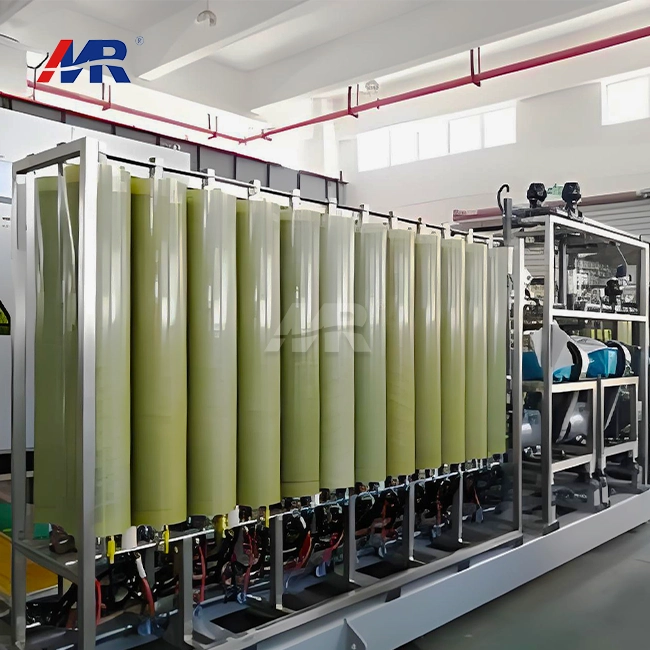
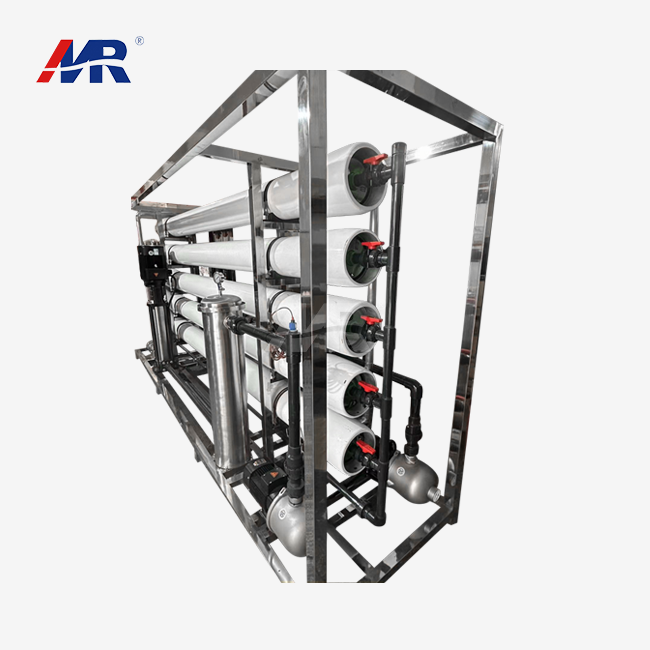
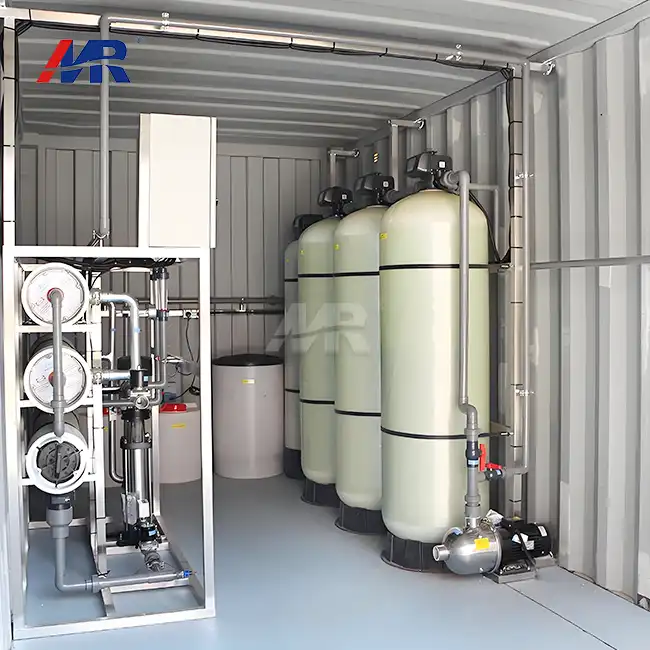
After reverse osmosis filtration, important minerals like calcium, magnesium, and potassium are added back into clean water through a post-treatment process called water remineralization, which is part of a RO system with remineralization. Water molecules pass through semi-permeable membranes that stop contaminants from entering the RO system with remineralization during RO purification. However, this process also gets rid of helpful minerals, making the result acidic and tasteless. Most remineralization capsules have calcite, corosex, or ceramic mineral balls inside them. As water flows through them, the minerals slowly break and release, restoring pH balance and making the taste better. This step is especially helpful in business and industry settings where water quality has a direct effect on product standards, machine performance, and following the rules.
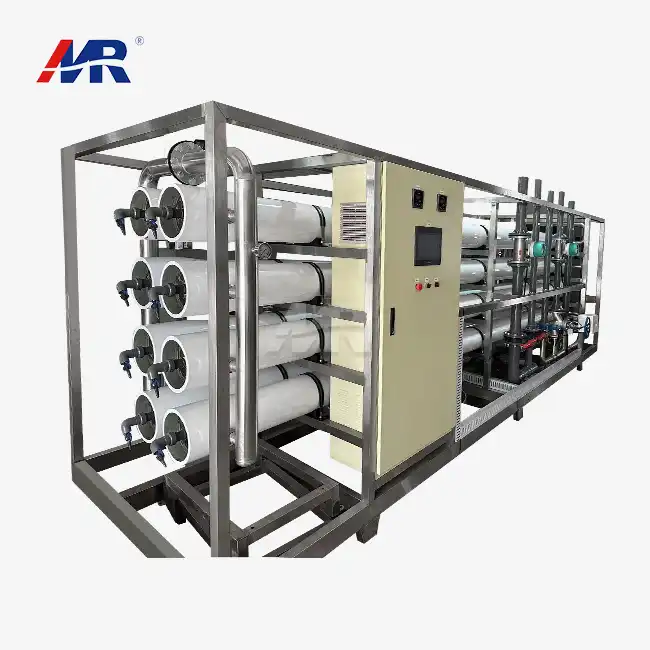
Understanding Water Remineralization in RO Systems
Reverse osmosis technology has become the standard for making very clean water in the city, pharmaceutical, and industrial sectors. But RO filtration is very thorough, which can be a problem. It gets rid of dissolved solids, heavy metals, and microbes that are harmful, but it also gets rid of minerals that make water stable and improve its taste. When technical decision-makers know how remineralization works, they can choose methods that combine purity with functionality.
The Science Behind Reverse Osmosis and Mineral Removal
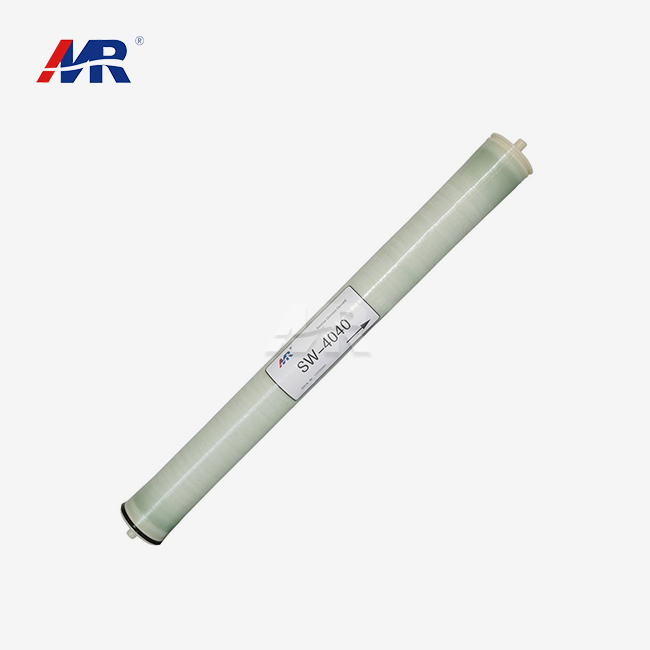
ro membranes work at the molecular level, pushing water through walls with pores that are only 0.0001 microns wide. With this level of accuracy, salts, bacteria, and organic molecules are essentially thrown away, with removal rates for most contaminants topping 95%. The problem comes up because minerals that are good for you, like calcium and magnesium, are dissolved in water as ions that the barrier cannot tell the difference between. The end product is demineralized water with less than 10 parts per million of total dissolved solids. This water is very clean, but it becomes slightly acidic and could damage pipes. Demineralized water can also make things taste bad in places where people drink it, like factories that make bottled water or hospitals. More importantly, demineralized water may speed up corrosion in storage tanks and distribution lines in industrial settings, which can raise upkeep costs and the number of times that equipment needs to be replaced.
Types of Remineralization Technologies
There are different ways that modern systems remineralize, and each one works best for a certain set of practical needs. Mineral cartridge filters are the most common type. They use media beds with calcite or magnesium oxide that break down slowly as water flows through them. Depending on the amount of water and the mineral percentage you want, these cartridges need to be replaced every 6 to 12 months. Alkaline remineralization filters add a new depth by adding minerals and raising the pH level to a normal or slightly alkaline range of 7.5 to 9.0. This method works especially well in places that make drinks because pH affects taste profiles and shelf stability. A lot of the time, alkaline filters use more than one type of media, like tourmaline and activated carbon, to fully clean the water. A mechanical option is TDS controllers, which mix a limited amount of feedwater that hasn't been treated with RO permeate. By changing the bypass ratio, this method lets you precisely change the mineral content, giving you options for uses that need specific TDS levels. This method is often preferred by pharmaceutical facilities and electronics makers because it keeps mineral profiles constant without adding extra filter steps that a RO system with remineralization could break sterility rules.
Critical Considerations for Industrial Buyers
When procurement managers look at remineralization choices, they should think about a number of practical factors. Flow rate compatibility makes sure that the steps of remineralization don't slow down production lines. A plant that processes 10,000 gallons of oil every day needs units that are the right size to handle peak demand without causing pressure drops that damage equipment further down the line. Analysis of the chemistry of water is the basis for choosing the type of media to use. Feedwater that is very hard might benefit from remineralization with calcite, while processes that need a stable pH might choose alkaline filters. Testing source water in a lab helps engineers design systems that work with the current treatment infrastructure instead of against it. Regulatory compliance is still very important in all fields. Food and drink processors need to make sure that the remineralization media meet FDA food-grade guidelines. Pharmaceutical processors, on the other hand, need USP-grade parts. During checks and validation processes, proof and certification from the maker are very important.
Benefits of RO Systems with Remineralization for B2B Clients
A RO system with remineralization has measured benefits that go beyond better water quality and affect how well operations run and the results of the Products. More and more, people in charge are realizing that the money they spend on remineralization technology pays off by protecting tools, improving product quality, and making sure that regulations are followed.
Enhanced Water Quality and Taste Profiles
Because it has certain properties, remineralized water can be used for more things than regular RO output. Minerals give the water a neutral flavor that people associate with natural spring water. This makes it perfect for companies that sell bottled water to high-end customers. Manufacturers of drinks say that remineralized water makes flavors more consistent. This is especially true in the coffee, tea, and soft drink industries, where mineral content affects how quickly ingredients are extracted and how they react with each other. In addition to improving taste, remineralized water helps your body stay hydrated. Studies show that cells can absorb water better when it has the right amount of minerals in it compared to water that has been stripped of minerals. Remineralized water systems are being used more and more in hospitals and office fitness programs to help employees stay healthy while still meeting microbiological safety standards.
Equipment Longevity and Infrastructure Protection
The strong corrosion potential of demineralized water can damage delivery systems made of copper, steel, or some plastics. When minerals aren't present, an ion imbalance happens. This causes the water to seep materials out of pipes, which damages infrastructure over time. According to studies from water quality groups, remineralization stabilizes the chemistry of water and creates a protective mineral layer inside lines that cuts the rate of corrosion by up to 60%. This protective action directly leads to less upkeep. Facilities that use remineralized systems say that pumps, valves, and holding tanks don't need to be serviced as often. The lower risk of corrosion also lowers the risk of metal pollution, which is especially important in the pharmaceutical industry, where trace metal limits are closely enforced. Scaling avoidance represents another practical benefit. While RO gets rid of minerals that cause scale, remineralization after treatment lets them be added back in at levels that are good for taste and health without going over saturation limits. When remineralized water is balanced correctly, it keeps Langelier Saturation Index values close to zero, which is the best range for stopping both rust and scale formation.
Regulatory Compliance and Quality Assurance
Remineralization systems help industries that have to follow strict rules meet their safety goals. The FDA says that bottled water that says it is cleaned should have a certain minimum mineral level. Standard RO systems cannot meet these standards without extra treatment. Remineralization filters make it easy to follow the rules, making sure that goods meet the labeling requirements while still being microbiologically safe, which is what RO does. Environmental laws are supporting remineralization technology more and more. Putting very low-TDS water into natural or city streams can damage ecosystems and is against the rules for discharge permits. By remineralizing RO concentrate before it is thrown away, the parameters of the sewage are brought back into acceptable ranges. This keeps penalties from happening and shows environmental responsibility.
How to Maintain and Optimize RO Systems with Remineralization Filters
To keep integrated RO and remineralization systems working well, they need strategic repair plans that are made to fit the needs of industrial processes. When compared to reactive methods, organized maintenance plans help engineering teams keep systems running longer and keep the water quality more stable.
Replacement Schedules and Performance Monitoring
Remineralization cartridges lose their effectiveness in expected ways that the RO system with remineralization depends on the amount of flow they receive, instead of the time of year. Keeping track of how much water is produced each day lets facilities plan refills before running out, which changes the quality of the output. Most industrial-grade mineral capsules can handle between 50,000 and 100,000 gallons of water before they need to be replaced. However, the real lifespan depends on the TDS of the feedwater and the mineral concentration that is desired. Regular pH tests and mineral level analyses should be part of performance tracking. A slow drop in pH or calcium levels means that the cartridge is almost empty. When you install inline conductivity meters, you get constant feedback. When readings fall outside of certain areas, repair alerts are sent out. This method, which is based on data, stops quality changes that could hurt groups of products or go against government rules.
Troubleshooting Common Operational Challenges
Inconsistent flow rates through remineralization media often cause mineral contents to change. If your facility's production changes, you might want to add flow controls before the mineral cartridges to keep the contact time fixed. Changeable flow patterns make media less effective because minerals don't dissolve completely when there isn't enough touch. Early cartridge exhaustion is usually a sign of systems that are too small or source water TDS levels that were not supposed to be so low. Comparing the plan specifications to the real working settings can help you find problems. Capacity problems can be fixed without replacing the whole system by upgrading to bigger cylinders or adding parallel mineral stages. Taste complaints despite recent cartridge replacement may point to media quality issues. Specifying cartridges from certified manufacturers ensures consistent mineral composition and dissolution rates. Media that do not meet the requirements can add harsh tastes or not reach the right pH levels, which can lead to quality issues that make the investment in remineralization technology useless.
Integration with Preventive Maintenance Programs
Remineralization filter repair should be planned at the same time as other RO system service plans to make technicians more productive and reduce downtime. Changing mineral capsules when membranes need to be cleaned on time cuts down on the number of system shutdowns, which is especially helpful in settings where production is ongoing. Keeping records of repair tasks makes people responsible and gives quality control systems a way to check their work. When filters reach the end of their useful life, unplanned shutdowns can be avoided by keeping the right substitute refills on hand. Setting up deals with vendors for regular shipments guarantees supply and could lead to volume discounts. Facilities with more than one machine should use the same types of cartridges across all of them to make managing supplies and training easier.
Purchasing Guide for RO Systems with Remineralization Filters
When buying water treatment equipment strategically, you have to weigh short-term budget limits against long-term running costs and performance needs. This advice helps buying managers make decisions in a structured way.
Budget Analysis and Total Cost of Ownership
The initial buying price is only one part of the total cost of the system. Estimating the estimated system lifespan, energy use, consumable costs, and upkeep work is needed to figure out the total cost of ownership. When rust damage is taken into account and equipment life is increased, a $15,000 ro system with remineralization might be less expensive over five years than a $10,000 normal RO system. Different system types use a wide range of amounts of energy. Models with energy recovery devices lower running costs in high-volume settings, which could save thousands of dollars a year in places that process more than 5,000 gallons of water every day. Asking vendors for details on how much energy they use during the review process lets you make correct cost estimates.
Supplier Evaluation and Quality Assurance
Checking the credentials of the seller shields you from getting a low-quality ro system with remineralization tools that do not work as promised. When an RO system is certified by NSF/ANSI Standard 58, it means that it meets set safety and efficiency standards. Suppliers who work with the food or drug businesses should show that they know about the FDA, GMP, and HACCP rules that apply to water treatment equipment. The terms of the warranty show that the maker trusts the product to work well. Full warranties that cover both parts and work for 3 to 5 years are a sign of high-quality building and a manufacturer's dedication to customer service. By looking over the warranty's exclusions, you can find coverage gaps that could lead to unexpected costs. After-sales support capabilities also impact long-term satisfaction. Domestic providers with area service networks can respond more quickly compared to international vendors.
Procurement Channels and Negotiation Strategies
When you deal directly with the maker, you can often get better prices and professional help than through a distributor. This is especially true for big installations that need to be customized. Making promises to buy in bulk at various facilities can help you negotiate better, which could lead to discounts of 10 to 15 percent off of normal prices. Installation, commissioning, and user training are all included in bundled kits that make project management easier and make sure the system is set up correctly. Even though these kits cost more, they lower the chances of bad fitting, which could void warranties or make the system less effective. By comparing prices for grouped and unbundled services, you can see how valuable full-service packages really are.
Conclusion
When industry leaders understand water remineralization technology, they can choose treatment systems that meet operating needs, product quality standards, and budget limits. Remineralization changes RO-purified water from a lab-pure but possibly problematic output into a balanced resource that can be used for many things, from making filtered water to precision manufacturing. The technology solves real practical problems like infrastructure corrosion, improving taste, and following rules. It also helps with environmental goals by lowering the need for new equipment and chemicals. When companies are thinking about investments in water treatment, they should compare the remineralization capabilities to their specific application needs. They should also know that investing up front in complete systems pays off in the long run through better product quality, longer equipment life, and more operational flexibility. Water quality rules are always changing, and businesses are putting an emphasis on being environmentally friendly. Remineralization technology helps sites meet new standards while keeping their working efficiency high enough to stay competitive.
FAQ
1. Does remineralized RO water taste better than standard RO water?
According to taste tests, remineralized water tastes much better than demineralized RO output. Calcium and magnesium give the water a fuller taste and a mild flavor that people associate with natural spring water. Standard RO water's slightly acidic tang is taken away by a balanced pH. Remineralization is widely used by companies that make drinks and drinking water to make their products more appealing to customers and set them apart from others.
2. How often do remineralization filters require replacement?
How often you replace it relies on how much water you make each day and what mineral percentage you want. Industrial cartridges can usually handle 50,000 to 100,000 gallons of liquid before they run out, which means that most industrial uses will need to be done every 6 to 12 months. Instead of just using calendars to decide when to change the cartridge, keeping an eye on the pH and mineral content makes sure that the water quality stays the same and the cartridge isn't thrown away too soon.
3. Are there health benefits to drinking remineralized RO water versus plain RO water?
Minerals in remineralized water help keep bones healthy, the heart working well, and the metabolism working efficiently. When compared to food, water is a pretty small source of minerals. However, every bit helps with general nutrition, especially for people who don't eat much. Remineralized water tastes better, which makes people drink more of it, which supports drinking goals that have been shown to be good for health.
Partner with Morui for Advanced RO System with Remineralization Solutions
Guangdong Morui Environmental Technology delivers comprehensive water treatment expertise spanning industrial, municipal, and commercial applications. Our engineered RO system with remineralization configurations combines proven RO technology with precisely calibrated mineral restoration, ensuring your facility achieves optimal water chemistry for product quality and equipment protection. With manufacturing capabilities including membrane production and equipment fabrication across multiple facilities, we provide customized solutions backed by 20 dedicated engineers and over 500 technical professionals. As authorized distributors for premium component brands including Shimge Water Pumps and Runxin Valves, we guarantee quality throughout every system component. Whether you require pharmaceutical-grade purified water, beverage production specifications, or municipal drinking water compliance, Our Team designs, installs, and commissions turnkey solutions tailored to your operational requirements. Procurement managers seeking a reliable RO system with remineralization manufacturers benefit from our one-stop service model covering consultation, equipment supply, installation, and ongoing Technical support. Contact our technical team at benson@guangdongmorui.com to discuss your water treatment objectives and receive detailed system proposals, including performance specifications, cost analysis, and implementation timelines customized for your facility.
References
1. World Health Organization. (2009). Calcium and Magnesium in Drinking Water: Public Health Significance. Geneva: WHO Press.
2. American Water Works Association. (2018). Water Quality and Treatment: A Handbook on Drinking Water, 6th Edition. New York: McGraw-Hill Education.
3. Cotruvo, J., & Bartram, J. (2009). Calcium and Magnesium in Drinking-water: Public health significance. World Health Organization Publications.
4. National Sanitation Foundation International. (2020). NSF/ANSI Standard 58: Reverse Osmosis Drinking Water Treatment Systems. Ann Arbor: NSF International.
5. Kozisek, F. (2005). Health Risks from Drinking Demineralised Water. Rolling Revision of the WHO Guidelines for Drinking Water Quality. World Health Organization.
6. United States Environmental Protection Agency. (2016). Membrane Filtration Guidance Manual. Washington, DC: Office of Water.