_1745823981883.webp)

Understanding Environmental Regulations for Landfill Leachate and Compliance Strategies
One of the biggest environmental problems in garbage handling right now is leachate from landfills. When rainwater or other natural wetness seeps through trash that is breaking down, it dissolves the collection system in the landfill and takes many pollutants with it. This makes the liquid dangerous and needs to be handled carefully. As the first line of defense, the leachate collection system in the landfill is very important. It stops this polluted liquid from getting into the groundwater and dirt nearby. Without the right equipment for collection and treatment, sites could be breaking environmental laws, which could lead to heavy fines and damage to the environment that can't be fixed and could affect communities for generations.
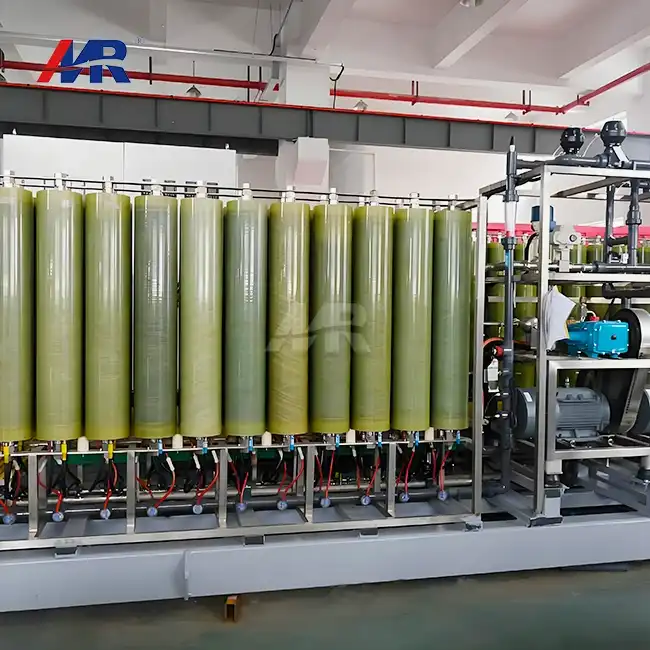
Overview of Landfill Leachate and Its Environmental Impact
Formation and Composition of Leachate
Leachate is made naturally, and the process starts when rain or snow falls into waste cells. As water moves through layers of trash, it comes across biological matter, chemicals, heavy metals, and many other things. This dirty liquid soaks up ammonia, volatile chemical molecules, dissolved solids, and bacteria that can make you sick. The blend that is made is very complicated garbage that needs special ways to be treated. Biochemical oxygen demand (BOD) levels in leachate from modern dumps can be higher than 50,000 mg/L, which is about 100 times higher than normal household garbage. Heavy metals like cadmium, lead, and mercury dissolve in the fluids. So do chlorinated chemicals and organic toxins that stay in the environment for a long time. Changes in temperature, the type of trash, and the age of the landfill all affect the features of leachate. This means that each site has slightly different treatment needs.
Components of Effective Collection Systems
There are many layers in the waste collection system in the landfill that work together to keep the surroundings clean. Usually, the base is made of packed clay or synthetic geomembrane layers that act as walls that can't be broken through. On top of these liners, drainage layers made of gravel or geonet materials let leachate run toward gathering points instead of building up and possibly breaking through the containment. The liquid flows through lines with holes in them to sumps, a collection system in a landfill, where it is pumped to treatment plants. Active collection systems use pumps and monitoring tools to keep exact control over the flow rates and amounts of leachate. Gravity drainage is used in passive designs, but they need careful planning to make sure they work consistently without any external help. Sensor networks keep an eye on liquid levels, flow rates, and basic water quality factors to let workers know if anything is wrong with the system.
Environmental Consequences of Poor Management
Leachate can move outside of landfills when collection systems don't work or aren't built well. Probably the worst effect is that it could pollute groundwater. Once toxins get into groundwater systems, it is very hard and expensive to clean them up. Communities that get their drinking water from underground may be putting their health at risk, and they may need to spend millions of dollars to set up other water sources. Surface water that gets leachate that hasn't been handled loses oxygen, fish die, and the environment is thrown off. The EPA kept records of times when unchecked leachate flow made dead zones in lakes and rivers, which destroyed aquatic environments and put species' lives at risk. Soil pollution near dumps makes it harder to grow crops and can make land useless for decades. Concerns about public health go beyond water quality and include smell issues, the spread of vectors, and people's worries about living near badly run facilities.
Key Environmental Regulations Governing Landfill Leachate Management
Federal Standards in the United States
Subtitle D of the Resource Conservation and Recovery Act (RCRA) sets out strict rules for all American landfills that store local solid garbage. Facilities must put in hybrid liner systems that include synthetic barriers and layers of packed clay because of these rules. The EPA requires that the leachate collection system in a landfill keep the depth of the leachate below 30 centimeters on the liner. This is done to stop hydraulic head buildup that could damage the structure of the containment. Even tighter rules apply to hazardous trash sites under Subtitle C. These buildings need double-layer devices that can find leaks between the layers. Monitoring wells around the boundaries must be tested every three months while the mine is being used and for thirty years after it is shut down. When contamination is found, it's necessary to take appropriate action, which can cost facility owners a lot of money and hurt their image in the market. Through National Pollutant Discharge Elimination System (NPDES) licenses, the Clean Water Act, and managing landfills are linked.
Regional and State-Level Requirements
A lot of states have rules that go beyond the federal minimums. Through its Regional Water Quality Control Boards, California applies strict rules on how trash can be dumped into waterways. These rules often require advanced treatment technologies that go beyond simple legal compliance. Before allowing the building of a new landfill, Texas needs thorough engineering studies and hydrogeological investigations. These differences between regions make things harder for operators who run sites in more than one state. In the European Union, the Landfill Directive encourages keeping trash out of landfills and supports alternative waste management strategies.
Consequences of Non-Compliance
When people break the rules, they face harsh punishments beyond just fines. The EPA can issue compliance orders that demand quick action to fix problems, no matter how much it costs. Facilities may not be able to do their jobs or be told to close until problems are fixed. Executives could go to jail if they are found guilty of knowing violations or harm, which are both criminal offenses. Failures to comply can hurt a company's reputation, which can hurt its business relationships and standing in the community. When purchasing, professionals look at providers; they look more closely at their environmental records. Companies that have been involved in pollution events are not considered for contracts by large businesses and government agencies. After violations, insurance rates go up a lot, eachate collection system in landfill, and investors may avoid projects that are bad for the environment.
Designing and Maintaining Leachate Collection Systems for Regulatory Compliance
Best Practices in System Design
Thoroughly describing the site is the first step in designing a collection system that works well. Hydrogeological studies show how groundwater moves, how permeable the soil is, and how the bedrock is formed, all of which affect control tactics. To make sure that the collection equipment is the right size, engineering teams look at how much trash is expected, how much rain is expected, and how fast leachate is expected to form. Liner selection strikes a mix between project funds and performance needs. High-density polyethylene (HDPE) membranes are very durable and resistant to chemicals. For city garbage sites, a thickness of 60 mil is usually required. When properly hydrated, geosynthetic clay walls can be used as backup containment and can fix themselves. Pump stations need to have backup capacity to make sure they can keep running even when equipment breaks down or is being serviced. Variable frequency motors keep necessary flow rates while using the least amount of energy. Automated tracking systems give information about how well a system is working in real time, letting maintenance personnel plan ahead and avoid expensive emergency fixes.
Maintenance Challenges and Solutions
Biological pollution is a problem that the leachate collection system in a landfill has to deal with all the time. Bacterial biofilms slowly make pipes and sewage layers less permeable, which makes gathering less effective. Regular flushing programs with high-pressure water jets can recover flow capacity, but this method of upkeep is harder to use in some systems because of entry issues. Using hydrogen peroxide or other oxidizing agents in chemical treatments helps stop biological growth. Mineral precipitation, especially calcium carbonate scaling, happens in systems that deal with leachate from places that deal with building waste. These deposits can be removed by acidic cleaning solutions, but plastic liners need to be carefully checked to make sure they won't be damaged. Some operators use leachate recycling programs that lower the cost of dumping while providing moisture that helps waste break down. Instead of just measuring the amount of leachate, monitoring systems should keep an eye on a number of different success indicators.
Strategic Procurement Guidance for Leachate Collection and Treatment Systems
Evaluating Suppliers and Equipment
Buying things for the eachate collection system in landfill has a big effect on how well a building works and how well it follows the rules in the long run. Quality licenses are the first thing that possible providers are checked against. ISO 9001 certification shows dedication to quality management, and ISO 14001 shows environmental management expertise. Technical specifications must take into account the conditions of a particular site. The materials used in pumps should not rust when exposed to acidic or alkaline waste chemistry. Control systems need to be complex enough to handle changing makeup and flow rates without having to be constantly tweaked by hand. Vendors should include detailed maintenance plans and prices for consumables. Service after the sale sets good providers apart from average ones. Commissioning help, training programs for staff, and stocks of extra parts reduce downtime when equipment breaks down.
Balancing Cost and Quality
When looking at the purchase price, you need to eachate collection system in landfill, including the total cost of ownership over the equipment's lifespan. A cheaper pump that needs to be replaced every three years ends up costing more than a premium one that works well for ten years. As power prices rise, the energy economy becomes more important; systems that use 20% less power save money and are better for the environment. The terms of the warranty show that the maker trusts the product to work well. An extended guarantee shows high quality and lowers the owner's risk, but the terms need to be read for upkeep requirements. Spreading out costs through financing or leasing programs can make a project more likely to succeed and help groups build necessary infrastructure, even with capital constraints. Some sellers back up their work with performance guarantees tied to payment schedules, which aligns the interests of both the vendor and the customer.
Preparing Effective Requests for Quotes
Full RFQ paperwork leads to proposals that let you compare suppliers in a useful way. Instead of naming specific equipment configurations, technical specifications should list performance standards like treatment capacity, effluent quality goals, and expected dependability. This allows sellers to offer creative solutions while making sure all bids meet your real needs. Clear decision-making is helped by sharing evaluation standards ahead of time. Giving weighted scores to technical ability, price, and vendor experience makes it possible to compare bids objectively. Requiring sellers to visit the site lets them see actual conditions, which lowers the risk of unrealistic bids or change orders. When negotiating a contract, you should address performance promises, payment terms, and ways to settle disagreements. Buyers are protected from getting equipment that doesn't meet their needs by clear acceptance standards linked to measurable metrics. Retention terms that delay final payment until satisfactory performance is shown encourage suppliers to fully finish projects.
Conclusion
Managing leachate in a way that follows the rules requires a deep understanding of environmental standards, the right choice of technology, and smart buying habits. Environmental safety depends on the waste collection system in the landfill, which needs to be carefully designed and maintained on a regular basis. When choosing a treatment method, it's important to think about both performance needs and price constraints, as well as long-term operating costs. Procurement experts who know about regulations and technology can find solutions that meet safety requirements and make the best use of resources. To be successful, you need to look at more than just prices. You need to look at overall ownership costs, vendor skills, and how well they match up with your facility's needs.
FAQ
1. What regulatory requirements apply to landfill leachate collection systems?
Federal rules under RCRA Subtitle D require composite liner systems with disposal levels that keep the depth of the liquid below 30 centimeters. Collection systems need to be able to be monitored, find leaks in places that handle toxic trash, and have backup plans in case the system fails. State laws may include extra rules about wall thickness, collection pipe specs, or how often tracking needs to happen. Facilities that release treated wastewater need NPDES permits that spell out the maximum levels of contaminants that can be present. Regular inspections and repair records must be kept so that regulators can look at them. Before you start designing, you need to know the exact rules that apply to your area and the type of waste you have.
2. How do treatment costs compare between on-site and off-site approaches?
On-site treatment costs money for the tools and infrastructure needed, but it saves money on dumping fees that are usually $50 to $200 per thousand gallons. Costs for running a system include electricity, chemicals, repairs, and staff. Off-site cleanup at city plants or by specialized haulers doesn't cost much up front, but it does cost a lot over time, depending on how much leachate there is and how strong it is. The break-even point changes based on the size of the building and the state of the local market. Larger operations that produce more than 50,000 gallons of wastewater every month may find that treating the wastewater on-site is more cost-effective, while smaller facilities may benefit from off-site plans that avoid the need to buy equipment and make operations more complicated.
3. What maintenance challenges affect collection system performance?
Over time, bacterial biofilms cause biological fouling that makes draining less effective. This means that the system needs to be cleaned regularly with high-pressure washing or chemical treatments. Scaling of minerals, especially calcium carbonate, can block collection pipes in places that take in building waste. Damage to the liner from settling or poor trash placement can lead to leaks that need to be fixed right away. If there isn't any backup capacity, system backups happen when pumps break. Monitoring device drift doesn't give accurate data unless it is calibrated on a frequent basis. Preventive repair programs that take care of these problems before they become compliance issues protect both the operations of the building and the purity of the environment.
Partner with Morui for Comprehensive Leachate Management Solutions
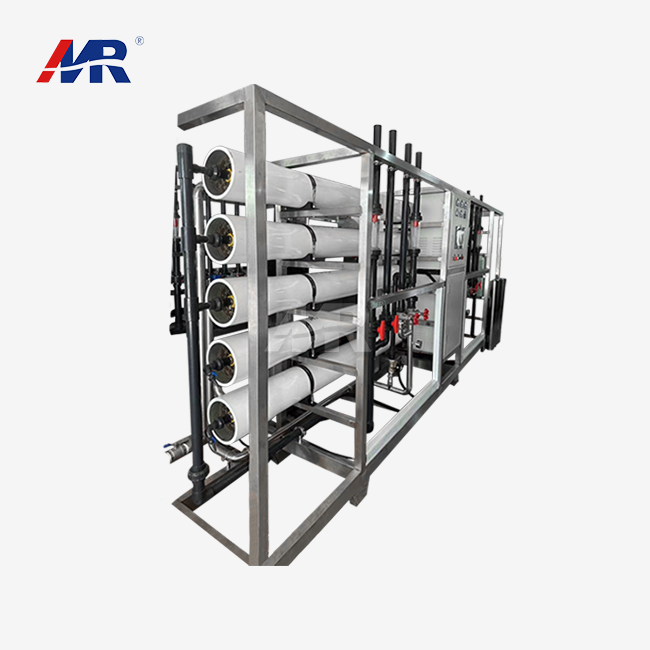
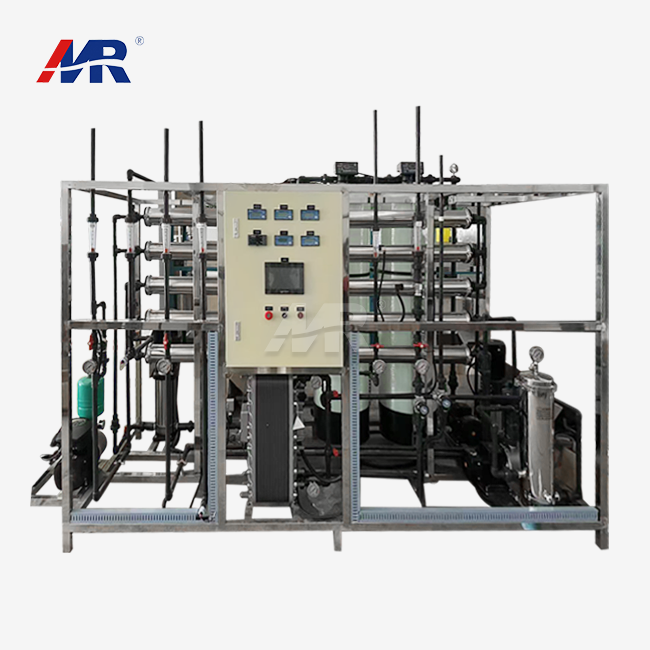
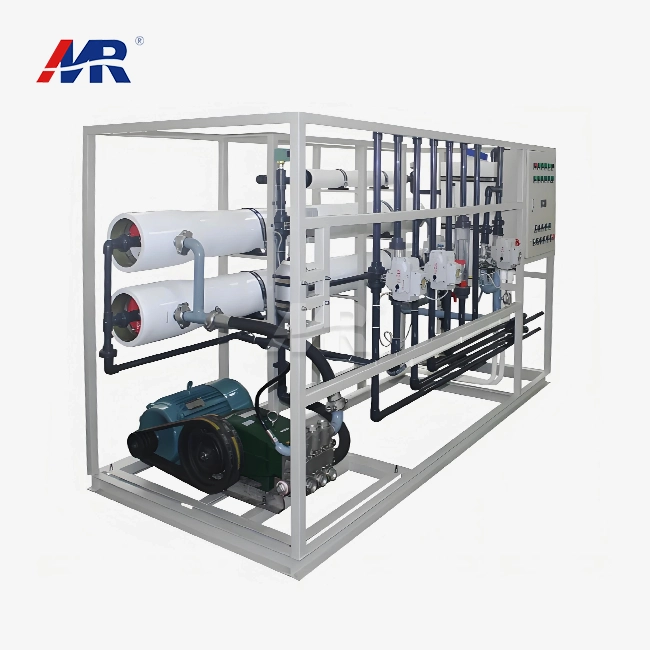
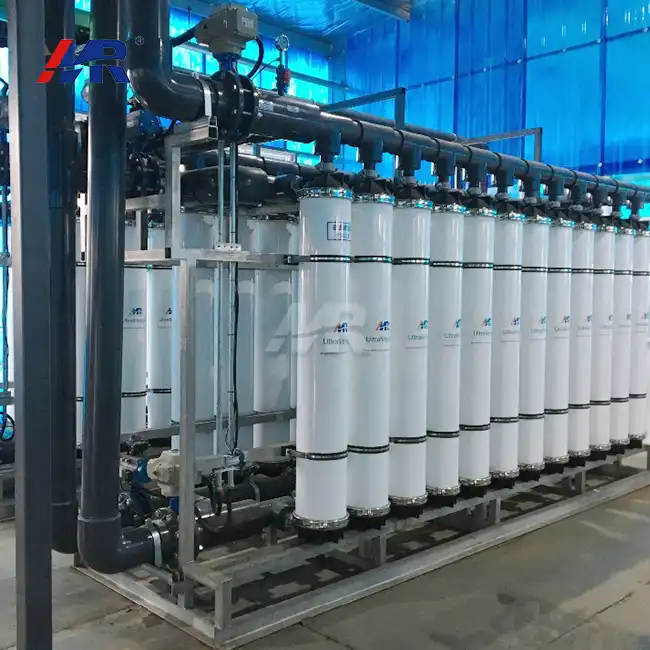
To solve problems with leachate management, you need people with a lot of knowledge who can provide full solutions, from the initial plan to long-term operational support. Guangdong Morui Environmental Technology has been treating water for more than ten years and can help landfill owners find trusted makers of leachate gathering systems. Our all-in-one method combines tried-and-true technologies—like reverse osmosis, ultrafiltration, and membrane bioreactor systems—with custom engineering that takes into account the specific needs of your building.
With 500 employees, 20 committed engineers, and our own in-house collection system for landfill production skills for membranes, our company can provide turnkey installations that eliminate the need to coordinate with multiple providers. From medicines to petrochemicals, we work with a wide range of industries and know how hard it can be for environmental managers and sourcing experts to keep up with all the rules. Strategic relationships with top brands like Shimge Water Pumps and Runxin Valves make sure that the parts we sell are reliable, and our 14 regional stores make sure that we can help you no matter where your business is based.
Our Team has the technical know-how and high-quality Products that you need to meet legal requirements, whether you're building new facilities or updating old ones to keep up with changing standards. Get in touch with Benson at benson@guangdongmorui.com to talk about your leachate management needs and find out how our wide range of services can help you meet both environmental goals and budgetary limits. You can look at all of our water cleaning methods at moruiwater.com.
References
1. Tchobanoglous, G., Kreith, F. (2002). "Handbook of Solid Waste Management." McGraw-Hill Professional, Second Edition.
2. U.S. Environmental Protection Agency (2018). "Municipal Solid Waste Landfills: Economic Impact Analysis for the Proposed New Subpart to the New Source Performance Standards." EPA Publication 530-R-18-002.
3. Kjeldsen, P., Barlaz, M.A., Rooker, A.P., et al. (2002). "Present and Long-Term Composition of MSW Landfill Leachate: A Review." Critical Reviews in Environmental Science and Technology, Volume 32, Issue 4.
4. Renou, S., Givaudan, J.G., Poulain, S., et al. (2008). "Landfill Leachate Treatment: Review and Opportunity." Journal of Hazardous Materials, Volume 150, Issue 3.
5. Qasim, S.R., Chiang, W. (1994). "Sanitary Landfill Leachate: Generation, Control and Treatment." CRC Press, Boca Raton, Florida.
6. Rowe, R.K., Quigley, R.M., Brachman, R.W., Booker, J.R. (2004). "Barrier Systems for Waste Disposal Facilities." Taylor & Francis Books, London.