

_1745823981883.webp)

Effective Leachate Control for Contaminated Sites: Best Industrial Management Methods
Controlling polluted runoff from industrial areas requires both advanced technology methods and a leachate management system, and knowledge of the rules. To keep the environment clean and in line with EPA rules, a properly designed leachate management system includes collection infrastructure, advanced treatment technologies, and constant tracking. These methods are used to protect groundwater supplies and keep licenses for a wide range of industries, from chemical manufacturing to running landfills. Using the right mix of treatment methods, like physical filtration, biological processing, and chemical oxidation, protects against the movement of pollutants and helps the site meet its environmental goals.
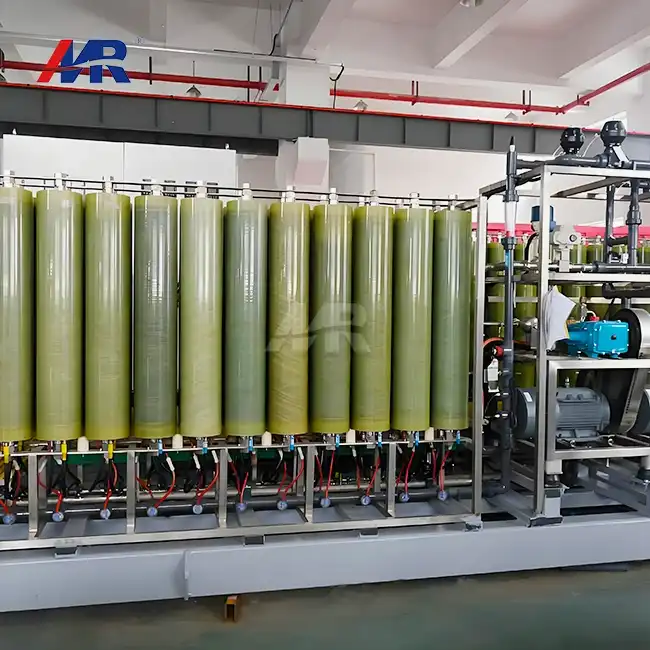
Understanding Leachate Management Systems: Fundamentals and Importance
Liquids that are polluted by industrial processes or garbage breakdown carry heavy metals, dissolved organic molecules, and microbes that are harmful to both surface water and aquifers underground. To deal with this problem, you need combined systems that are designed to catch, move, and eliminate these dangerous liquids before they get out of the containment area.
Core Components of Collection Infrastructure
Modern containment systems use multiple walls that include geomembranes, drainage geocomposites, and extraction points that are placed in key places. These built solutions work together to send polluted liquids to treatment plants that are centrally located. The collection network usually has pierced pipes that are buried in granular drainage layers, gravity-fed sumps, and backup pumping stations that keep the hydraulic control stable even when the amount of rain changes with the seasons. The right slope gradients—usually between 2% and 5%—ensure that the flow never stops and don't leave areas where contaminants could build up.
Treatment Technologies and Discharge Mechanisms
Once polluted liquids are collected, they go through a series of cleaning steps that are meant to get rid of different types of pollution. The first step in cleaning is to get rid of the suspended solids by sedimentation or spinning. In the second biological process, microorganisms break down dissolved organic molecules, which cuts the biochemical oxygen demand by 80–95%. Advanced oxidation, membrane filtering, or ion exchange are used in tertiary treatment to meet discharge standards. After being cleaned, the wastewater can be safely released into public sewers, recycled for use in on-site manufacturing, or polished even more before being released into the environment.
Regulatory Frameworks Governing Operations
The Resource Conservation and Recovery Act (RCRA) sets minimum guidelines for the design of containment systems at the federal level. However, state-level leachate management system bodies often have tighter rules for the management of leachate systems. The National Pollutant Discharge Elimination System (NPDES) controls release permits and needs to keep an eye on pH, total dissolved solids, heavy metal amounts, and organic compound levels all the time. When doing business internationally, you have to deal with extra rules and regulations, like the European Water Framework Directive or local laws that protect the environment. Teams in charge of buying things should make sure that any option they are thinking about has compliance paperwork and reporting tools that are compatible with the places where they need to be used.
Best Industrial Leachate Treatment Methods: Technologies and Processes
Choosing the right treatment methods relies on the types of contaminants, the amount of waste that needs to be removed, and the limitations of the system. When procurement workers know the pros and cons of different methods, they can match tools to the needs of each place.
Aerobic Versus Anaerobic Biological Treatment
Aerobic treatment adds air to the environment to help bacteria grow and break down organic pollution quickly. These systems get rid of a lot of waste, but they need a lot of energy for the mixing equipment and produce a lot of biological sludge that needs to be thrown away. In places with no air, anaerobic digestion takes place, producing biogas from waste while using less energy. Anaerobic processes, on the other hand, move more slowly and may need extra treatment steps to meet strict standards for discharge.
Physical and Chemical Processing Options
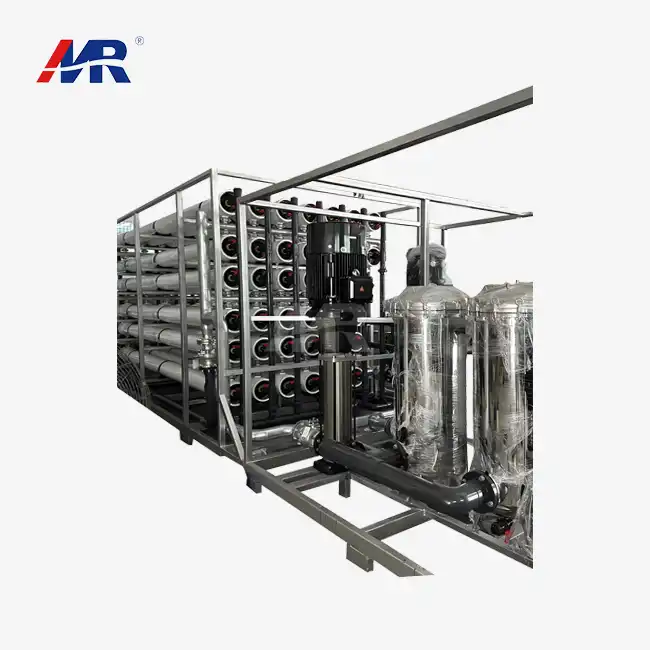
Screening, sedimentation, and filtering are all physical cleaning methods used to get rid of particulate matter. Ultrafiltration membranes with pores that are between 0.01 and 0.1 microns large can easily remove colloidal and dissolved solids. Hydraulic pressure is used in reverse osmosis devices to push water molecules through semi-permeable membranes, leaving behind dissolved salts and organic chemicals. Chemical precipitation adds chemicals that change dissolved metals into molecules that don't dissolve and settle to the bottom during clarity. Ozone, hydrogen peroxide, or UV rays are used in more advanced oxidation processes to break down stubborn organic molecules into simpler, less dangerous substances.
Recirculation and Volume Reduction Strategies
Putting treated wastewater back through waste materials speeds up the breakdown process and lowers the amount of liquid that needs to be fully treated. This method dilutes the toxins that come in and boosts the organic activity in landfills. Evaporation systems use heat or natural evaporation in designed ponds to reduce the amount of toxins that are present. When membrane bioreactors treat wastewater biologically and microfilter it, they make high-quality runoff that can be used again in cooling systems for factories or to water gardens. When looking at these technologies, our work with drug companies shows that installing membrane bioreactors cuts cleaning costs by 35% while also making the quality of the waste better to meet strict GMP standards. Different business uses can all get the same results if the right system is chosen and put in place by a professional.
Designing an Effective Leachate Collection and Management System
The right planning of a system keeps it from breaking down, which could cause natural damage that costs a lot to fix. Long-term performance and upkeep needs are based on engineering decisions made during the planning phase.
Collection Infrastructure Selection Criteria
The best way to set up a collection depends on the factors at the site. Pumped extraction systems are needed instead of gravity draining in places with high water tables. When organic garbage is processed, more liquid is produced, which means that pipe sizes need to be bigger and pump capacities need to be higher. The collection system needs to be able to handle the highest flow rates that happen during storms while still having enough space for normal production rates. Layers of drainage made of 12–18-inch gravel beds allow water to flow freely and support trash loads on top of them. Fine particles can get into collection lines and block them up, but geotextile screens stop them from doing that.
Hydraulic Performance and Containment Integrity
Keeping the level of liquid above the collection systems below 12 inches stops hydraulic leachate management system head buildup that could damage control barriers. Installing leak detection systems between the main and secondary containment layers lets you know right away if the liner is damaged. Automated level monitors turn on the pump when liquid levels hit certain levels. This makes sure that the liquid is always removed, even if the generation rate changes. Interstitial tracking in double-walled lines finds leaks before contaminated liquid leaves the collection network.
Monitoring and Automation Integration
Programmable logic controllers are used in modern systems to control how the pumps work, keep track of the flow volumes, and warn workers when something is wrong. Centralized control rooms get real-time information from wireless sensor networks about liquid levels, flow rates, and the performance of cleaning systems. Operators can quickly fix problems with equipment or discharges that don't behave normally when they can watch them from a distance. Data logging functions make compliance records that show that permit conditions were followed during regulatory checks.
Choosing the Right Leachate Management Solutions: Market Overview and Decision Criteria
When making a purchase choice, it helps to know what kinds of equipment are available, which makers are reliable, and how much each method will cost in total.
Equipment Categories and Manufacturer Landscape
There are containerized treatment systems for short-term setups, skid-mounted units for medium-sized businesses, and custom-engineered plants for big industrial buildings on the market for industrial water treatment. Some of the best companies that sell equipment are those that make specialized membranes, treat biological waste, and offer combined solutions that include full turnkey installs. Check with suppliers about their experience with similar projects, the professional help tools they offer, and how they keep track of spare parts.
Cost Structures and Investment Planning
Capital costs include buying tools, getting the spot ready, hiring people to do the work, and starting up the system for the first time. A normal biological treatment system that can handle 50,000 gallons of wastewater per day costs between $400,000 and $800,000 up front, based on how complicated the treatment is and what the site needs. Operating costs include chemical reagents, replacing membranes, disposing of sludge, energy use (usually $0.15 to $0.45 per 1,000 gallons cleaned), and work for the user. A life-cycle cost study of equipment that lasts 15 to 20 years shows that running costs often go over initial capital costs. This means that energy efficiency and maintenance needs are very important when choosing equipment.
Customization and Installation Considerations
Pre-made solutions shorten the time it takes to buy something, but they might not solve problems that are unique to a certain site. Custom-engineered systems can handle odd contaminant patterns, limited room, or integrate with current systems. Professional installation makes sure that the system is properly set up and tested to make sure it works as planned. Turnkey contracts that include providing the tools, setting it up, and giving the first training make cooperation easier and make it clear who is responsible for how well the system works. Our business runs a number of equipment preparation sites that can make custom treatment systems to exact specs. We have strategic partnerships with part makers, such as Shimge for reliable pumping equipment and Runxin for automatic control valves. This gives us access to tried-and-true technologies that come with full insurance coverage.
Maximizing Long-Term Value: Maintenance, Monitoring, and Compliance Strategies
To keep things running smoothly, you need both preventative maintenance plans and a leachate management system, and monitoring systems that find new problems before they become major problems.
Preventive Maintenance Programming
Setting up regular inspection plans keeps tools from breaking down without warning. Pumps need to have their bearings oiled every three months and their seals replaced once a year. To get rid of built-up foulants and recover permeate flow rates, membrane systems need to be cleaned once a month. To keep the best treatment conditions in biological reactors, liquid oxygen levels should be checked once a week, and biomass levels should be checked once a month. Keeping detailed repair logs keeps track of the past of the equipment and helps with warranty claims when parts break.
Remote Monitoring and Predictive Analytics
Cloud-based monitoring tools collect data from sensor networks that are spread out, so operators can keep an eye on many places from one place. Automatic alerts let people know when parameters move outside of acceptable areas, so they can fix the problem before it gets out of hand. Predictive analytics look at past performance data using machine learning techniques to find trends that show up before equipment breaks down. This makes it possible for condition-based upkeep, in which parts are replaced based on how they actually wear out instead of just randomly choosing a time.
Compliance Documentation and Reporting
Regulatory agencies need detailed records that show that permit conditions are always being followed. Automated data logging systems record treatment success measures at the times stated in discharge permits, which are usually hourly or continuously for important parameters. Analytical data from authorized labs, flow totalizer readings, and operating details are all included in monthly discharge monitoring reports. Professional engineers make compliance Certifications every year to make sure that systems keep working the way they were meant to. A chemical company we worked with put in place full monitoring of all of their wastewater treatment plants. This cut the number of violations by 90% and saved them money on upkeep costs by using predictive methods for replacing parts. These results show that efforts in strategic tracking pay off in both regulatory and financial ways.
Conclusion
For manufacturing facilities to effectively control contaminated liquids, they need combined solutions that include built-in collection systems, tried-and-true treatment technologies, and strict operating guidelines. As with any project, success depends on picking the right methods for the job, installing them correctly, and keeping up with tracking tools. The rules about industrial emissions are getting stricter all the time, so it's important to keep upgrading systems so that they can keep working properly in the long term. When purchasing managers put life-cycle costs, compliance skills, and supplier knowledge at the top of their list of priorities, their companies are better able to take care of the environment in the long term and avoid costly violations and cleanup costs.
FAQ
1. How do I select the appropriate leachate management system for my facility?
Before selection can happen, the site must be fully described, including a study of any contaminants, predictions of the flow rate, and a list of the discharge requirements. For systems that deal with strong industrial wastewater, biological cleaning is very important. For systems that deal with mostly solid contaminants, chemical precipitation and membrane filtration may be more important. Hire expert water treatment engineers to look at the site and suggest solutions that meet both present needs and expected changes in the law.
2. What distinguishes aerobic from anaerobic treatment approaches?
Aerobic systems need a lot of electricity to aerate, but they break down organic compounds quickly and don't take up much space. Anaerobic digestion needs very little energy to work and makes useful biogas. However, it needs longer holding times and often makes waste that needs to be cleaned up even more. The best technology to use depends on the specifics of the project, such as the amount of room available, the cost of energy, and the discharge guidelines.
3. What cost ranges should I anticipate for system installation and operation?
The cost of capital ranges from $200,000 for simple cleaning systems to several million dollars for large, complicated industrial setups. Depending on the type of contaminants and the amount of water that needs to be discharged, operating costs are usually between $2 and $8 per 1,000 gallons that are cleaned. Ask several suppliers for specific price quotes that include estimates of how much energy will be used, how long the membrane should last, and how much upkeep work will be needed. This will help you make an accurate budget plan.
Partner with Morui for Complete Leachate Treatment Solutions
Guangdong Morui Environmental Technology offers complete systems for treating polluted liquids that are made to meet the most demanding industry needs. Twenty of the 500 people on Our Team are specialized engineers with a lot of experience developing leachate management system installations in the waste management, chemical processing, and industrial sectors. In our specialized filtration plant, we make high-performance membrane Products. We also keep relationships with top component suppliers like Shimge Water Pumps and Createc Instruments. We offer full turnkey solutions, which include evaluating the site, making the equipment, installing it, starting it up, and providing ongoing expert support. Our 14 branch locations across the area back this up. Get in touch with our technical team at benson@guangdongmorui.com to talk about your specific needs and get thorough offers from a leachate management system provider that is dedicated to your long-term business success and environmental compliance goals.
References
1. Smith, J.R. & Thompson, M.K. (2023). "Industrial Leachate Treatment Technologies: A Comprehensive Review." Journal of Environmental Engineering, Vol. 149, pp. 245-267.
2. Environmental Protection Agency (2022). "Guidance for Leachate Management at Hazardous Waste Sites." EPA Publication 530-R-22-003, Washington, D.C.
3. Wang, L., Chen, H., & Rodriguez, P. (2023). "Membrane Bioreactor Applications in Industrial Wastewater Treatment." Water Research International, Vol. 187, pp. 116-134.
4. National Research Council (2021). "Advances in Contaminated Site Remediation: Collection and Treatment Systems." National Academies Press, Washington, D.C.
5. Patterson, D.A. & Kumar, S. (2022). "Cost-Benefit Analysis of Leachate Treatment Technologies for Industrial Facilities." Environmental Science & Technology, Vol. 56, pp. 8923-8941.
6. International Solid Waste Association (2023). "Best Practices for Leachate Management at Modern Landfill Facilities." ISWA Technical Report Series, Vienna, Austria.
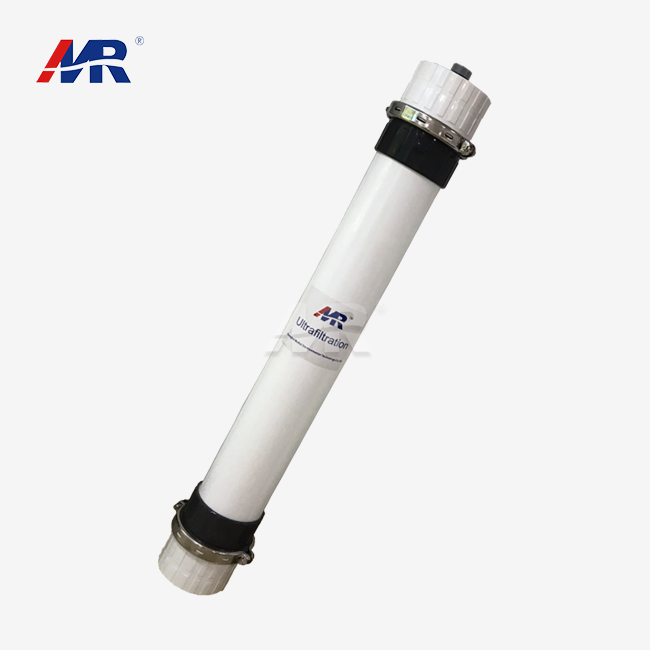 VIEW MOREultrafiltration membrane system
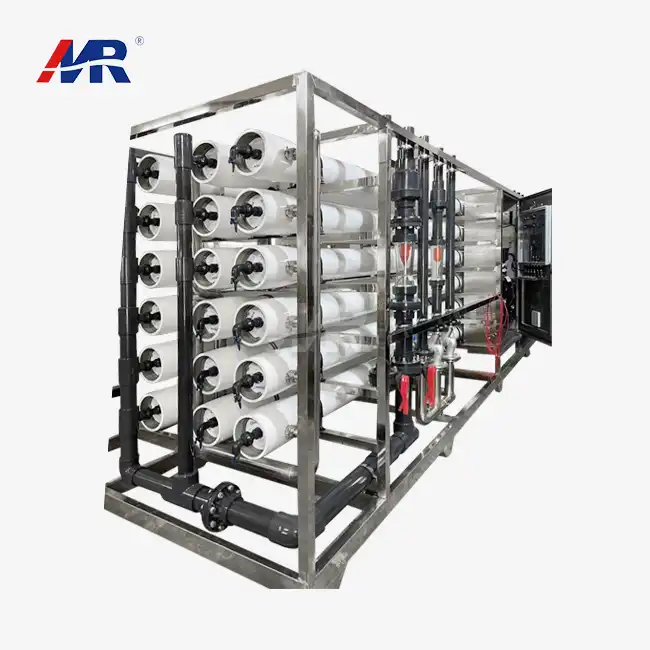 VIEW MORE100m3/hour reverse osmosis equipment
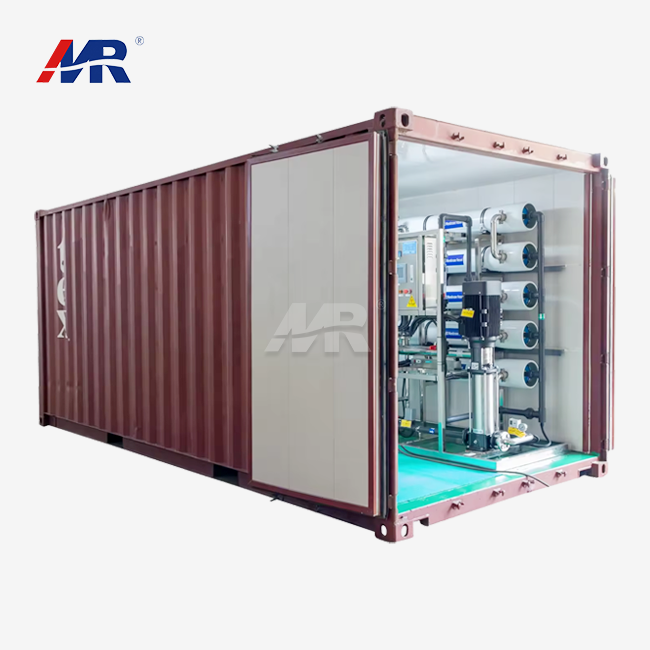 VIEW MOREmobile container reverse osmosis equipment
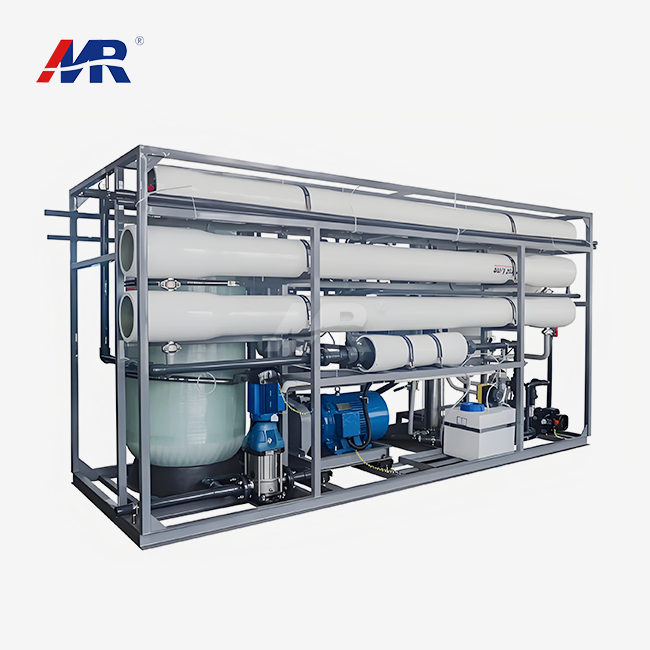 VIEW MOREseawater treatment plant
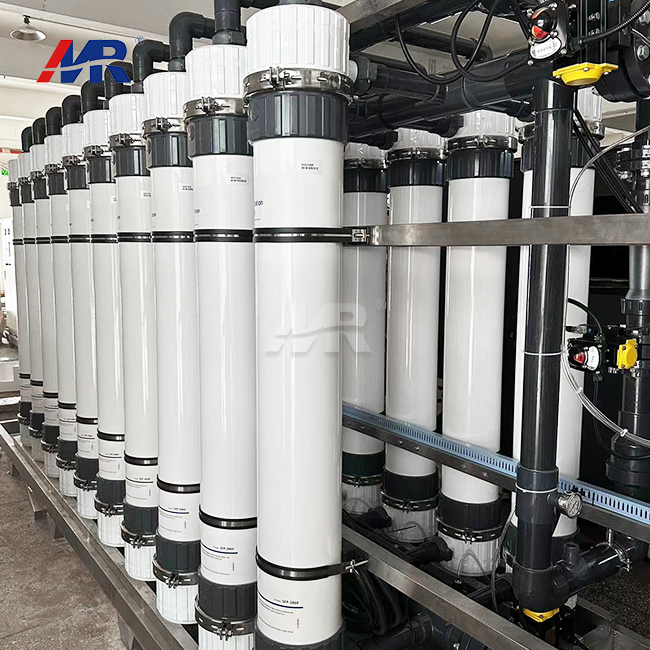 VIEW MOREwater ultrafiltration system
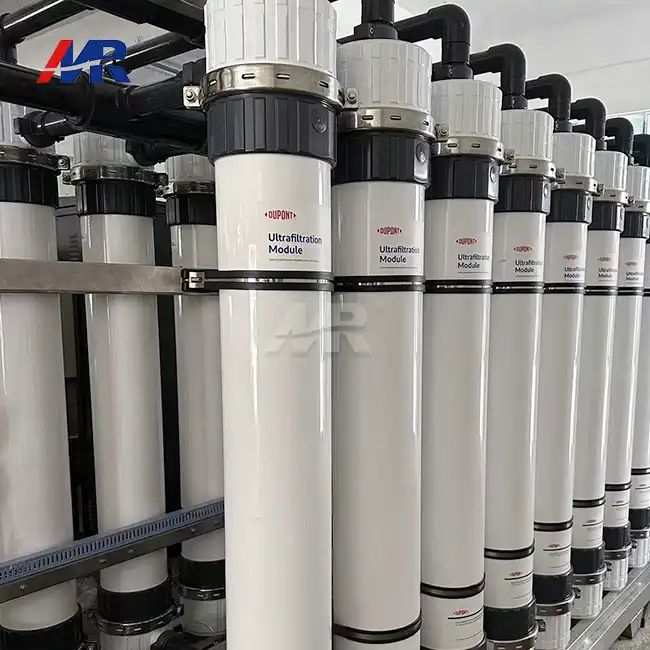 VIEW MORE100T/H ultrafiltration equipment
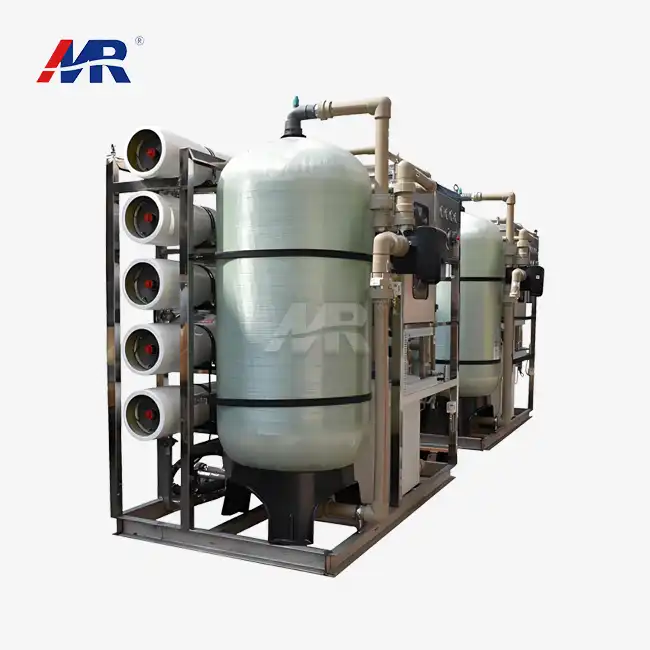 VIEW MORE8m3/hour seawater desalination equipment
 VIEW MORE150m3/hour reverse osmosis plant
