_1745823981883.webp)

Best Leachate Treatment Plant for Landfill: Choosing the Right System for Your Needs
To pick the best leachate plant for your waste, you need to find a system that is efficient, follows the rules, and doesn't cost too much. Complex toxins, such as heavy metals, organic substances, and high salt amounts, are found in landfill leachate and need to be treated in specific ways. The best option for your facility will depend on the type of leachate it produces, its volume capacity, and the rules that apply. Modern treatment methods, especially advanced membrane systems like DTRO (Disc Tube Reverse Osmosis), can handle difficult leachate mixtures reliably while causing the least amount of damage to the environment and saving money on costs.


Understanding Leachate Treatment Plants: Definition and Importance
What Makes Landfill Leachate Different from Regular Wastewater
Leachate from landfills is made when rainwater seeps through layers of trash that are breaking down, picking up dissolved pollutants as it goes. This liquid is very different from city refuse because it contains heavy metals, organic matter, ammonia nitrogen, and chemical compounds that last a long time. The makeup changes depending on how old the trash is, how much it rained, and what kinds of things were dumped there. To clean up this polluted liquid, you need special tools that can deal with huge changes in pH levels, chemical oxygen demand (COD), and dissolved solids amounts that would be too much for regular treatment plants to handle.
Environmental and Regulatory Implications
Leachate that hasn't been cleaned up is very bad for groundwater reservoirs and the wildlife around them. When leachate gets out of control systems, it can pollute drinking water and ruin the quality of the land for many years. Environmental security agencies all over the world have strict rules about how wastewater treatment works. Facilities must consistently meet certain conditions, such as biological oxygen demand, total dissolved solids, and specific poison amounts. By putting in a good cleaning system, your company can avoid fines from the government and meet its environmental responsibility obligations.
How Treatment Systems Protect Your Operations
Putting money into effective leachate treatment equipment protects the long-term running of your landfill. In addition to following the rules, proper handling lowers the legal risks that come with environmental contamination. Modern methods make it possible to collect and reuse water, which lowers the amount of freshwater used and the cost of dumping. This operating effectiveness is especially useful as landfills get bigger and more leachate is produced over time.
Core Criteria for Selecting the Best Leachate Treatment Plant for Your Landfill
Matching System Capacity to Your Facility Requirements
To choose the right system capacity, you must first accurately estimate how much leachate is being made now and in the future. A small city landfill might make 50-100 cubic meters of trash every day, while a big regional facility could make several hundred cubic meters. The technology you choose should be able to handle high flow times during times of heavy rain without lowering the level of treatment. Scalability is important because landfills change over time, and your cleanup infrastructure should be able to grow with you without having to update the whole system.
Evaluating Treatment Technology Options
Different ways of treating leachate are best for different types of it. Biological treatment with activated sludge or sequencing batch reactors works well for organic compounds that break down naturally, but not so well for pollutants that are hard to get rid of. Adding reagents to chemical precipitation and coagulation breaks down heavy metals and solids in suspension. When it comes to different types of runoff, physical separation technologies, especially membrane systems, work well. Membrane filtration is very good at getting rid of dissolved contaminants that go through chemical and biological steps. Knowing the results of your leachate study helps you choose the right technology for your unique pollution profile.
Operational Complexity and Maintenance Considerations
The complexity of your leachate plant system has a direct effect on your operating and hiring needs. Simple methods with fewer steps may make teaching easier, but they may not be as good at treating problems. More advanced automated systems need less daily human work, but they still need specialized expert help to fix problems. Checking how often repairs need to be done, how easy it is to get extra parts, and how easy it is to get service support can help avoid long periods of downtime. Systems with a history of working well in landfills offer repair plans that can be planned ahead of time, which helps with budgeting.
Balancing Initial Investment with Long-Term Operating Costs
The cost of capital spending is only one part of the total cost of ownership. Using a lot of energy, chemicals, replacing membranes, and getting rid of sludge are all constant costs that add up over time. A cheaper system that uses a lot of energy or needs to repair parts often may end up costing more in the long run than more expensive equipment that works better. A lifecycle cost study over a period of 10-15 years shows how well different choices really do in terms of money. Utilizing systems that either return treated water or reduce the amount of trash that is made adds value by protecting resources.
Comparing Leading Leachate Treatment Technologies and Systems on the Market
Biological Treatment Approaches and Their Applications
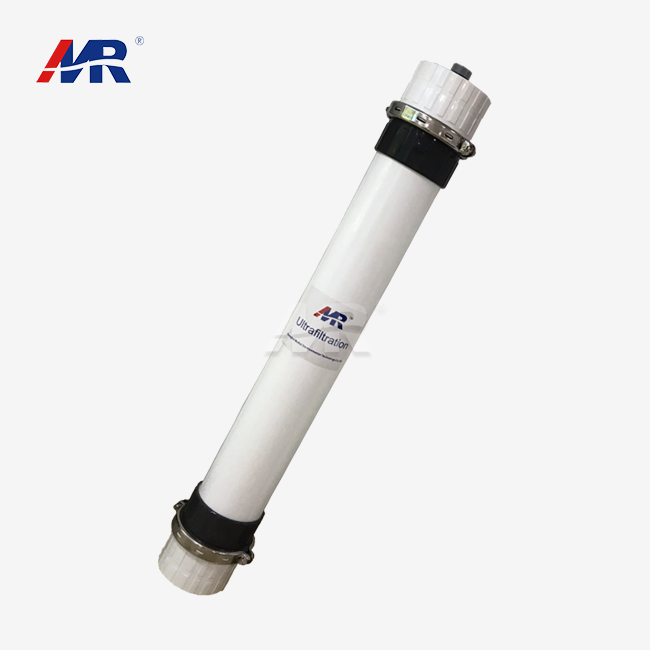
Microorganisms are used in biological cleaning to break down organic toxins in leachate. Aerobic processes add oxygen to the system to help the bacteria that break down biodegradable materials. This lowers the COD and metabolic oxygen demand. When dealing with young leachate that is high in organic matter, these systems work effectively. But when dealing with older leachate that has chemicals that are hard to remove, they have problems. Membrane bioreactors treat wastewater biologically, and ultrafiltration makes it better while taking up less space. To keep microbes active, the biological method needs to keep the temperature stable and the nutrients balanced, which makes the process more difficult to run.
Chemical and Physical Treatment Methods
Coagulants and flocculants are used in chemical treatment to break up particles in suspension and separate dissolved metals. This method gets rid of contaminants quickly, but it makes chemical sludge that needs to be thrown away. Advanced oxidation methods that use ozone, hydrogen peroxide, or ultraviolet light break down organic molecules that are hard for living things to break down. Physical means, such as adsorption onto activated carbon, use surface pull to get rid of color, smell, and dissolved organics. Each method targets a different type of pollution, which makes them useful parts of multistage cleanup trains.
Membrane Technology Advantages for Leachate Treatment
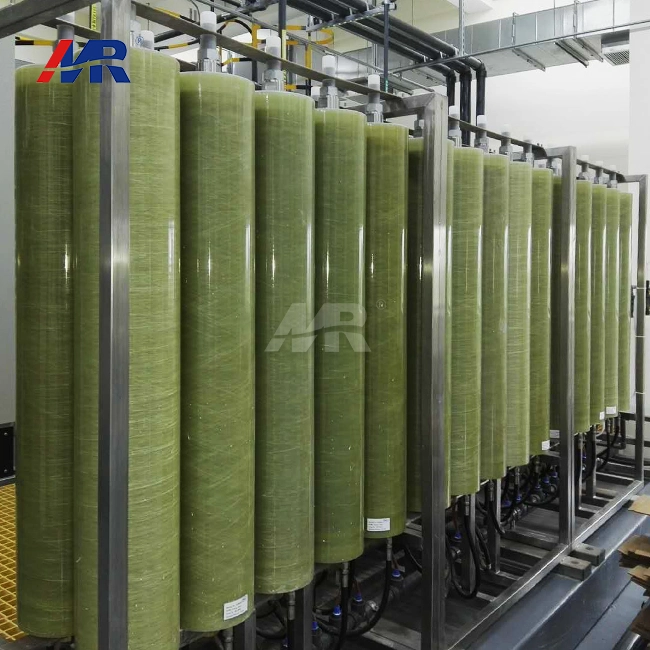
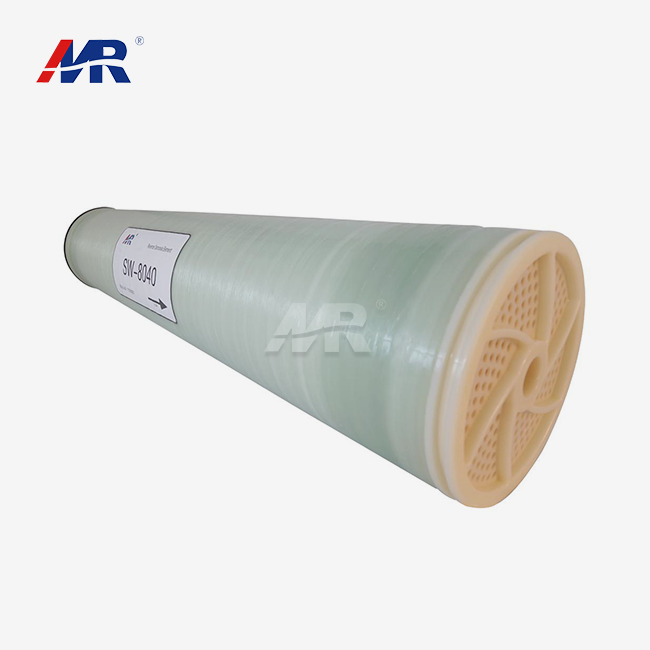
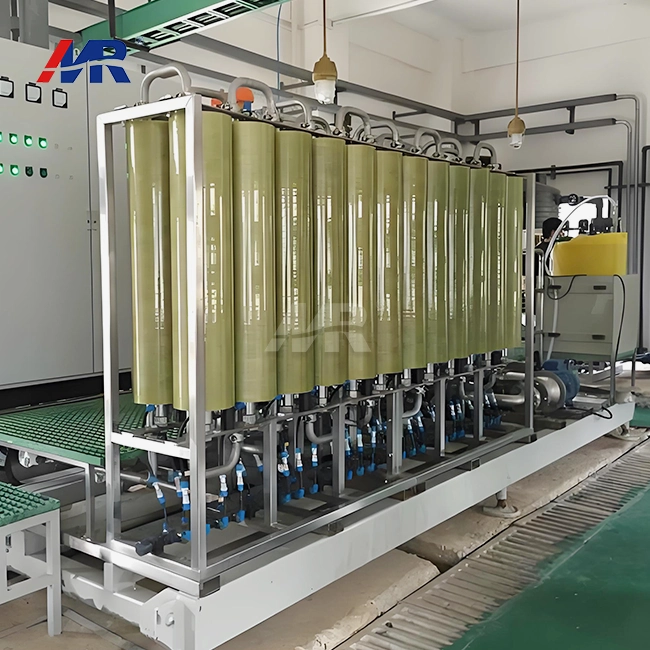
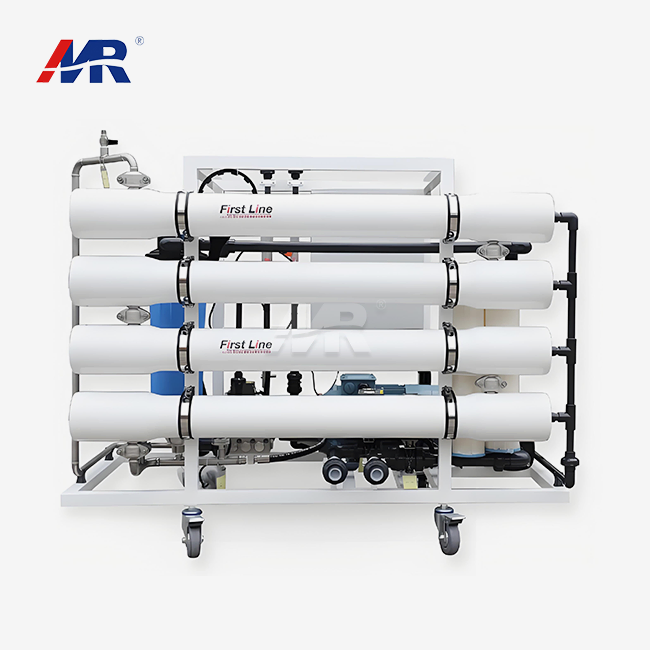
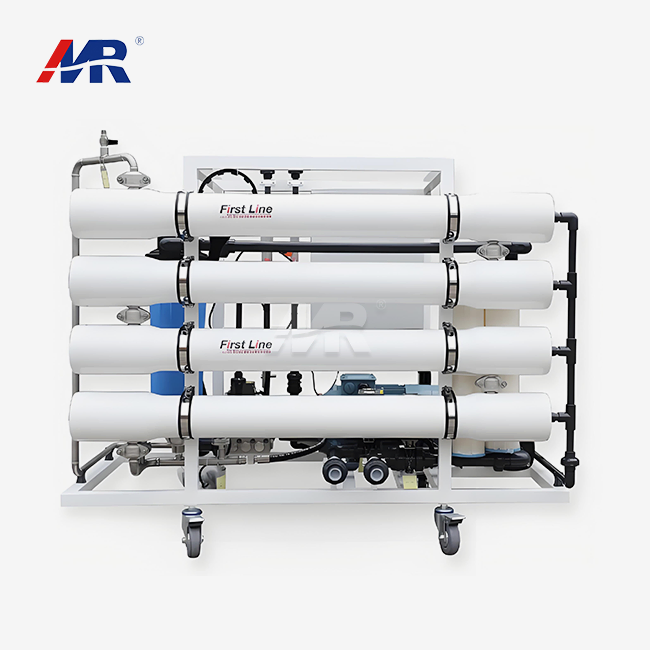
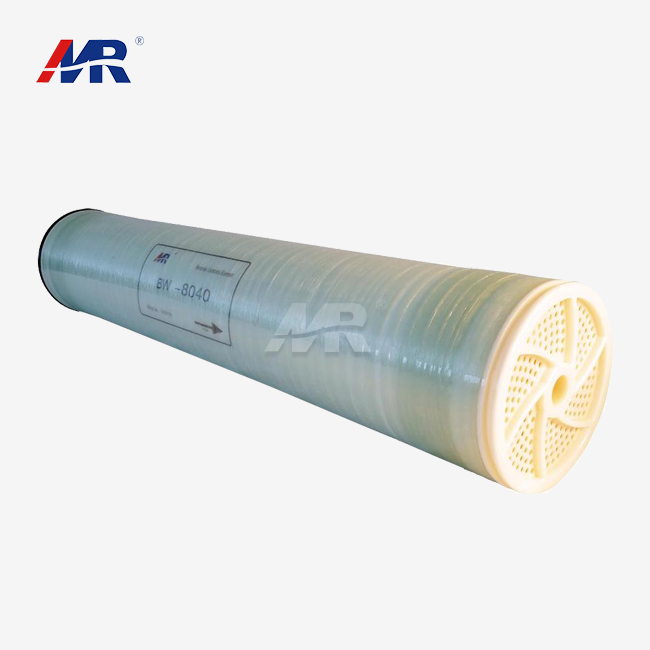
When dealing with difficult leachate streams, membrane systems are the most effective way to meet strict release standards. Reverse osmosis and nanofiltration membranes make physical walls that keep out dissolved salts, organic molecules, and small amounts of contaminants based on their size. DTRO technology is designed to work with leachates that have a lot of dirt in them. It does this by using disc-stack membrane configurations that don't get clogged and keep the quality of the permeate constant. Total dissolved solids, ammonia, and COD are removed at rates of 90-98% by these devices. The water they make can be used again or safely dumped into the environment.
The MR-DTRO-80TD device is an example of cutting-edge membrane technology designed to work well in tough waste situations. When wastewater with up to 25,000 mg/L of COD is fed into the system, it can handle contamination levels that are too high for most cleaning methods to handle. With recovery rates of 50-70% and an output of 65 kW/h, it strikes a good mix between high water recovery and low energy use. Corrosion-resistant 316L stainless steel is used to build the machine, and anti-fouling membranes keep it working well in salty settings. Older membrane technologies needed to be replaced every two years, but these newer membranes work well for 3-5 years, which greatly lowers the overall cost of ownership.
Integrated systems with multiple treatment steps work best for leachates with complicated makeup. During pre-treatment, solids and grease that would clog membranes further down the line are removed. Before the final membrane cleaning, biological or chemical steps lower the amount of organic material that is loaded. This stacked method increases the membrane's life span and makes sure that it always follows the rules, even when the influent conditions change.
Procurement and Implementation: How to Acquire and Install Your Leachate Treatment Plant
Identifying Qualified Suppliers and Equipment Providers
To be successful with procurement leachate plants, you need to work with providers who have a track record of using waste leachate in the right way. Implementation risks are lower for manufacturers with a lot of completed projects and success data that can be checked. Quality approvals, like ISO 9001, make sure that production standards are met, and CE and RoHS compliance make sure that safety and environmental standards are met. When you look at a supplier's services beyond just selling tools, like system design, installation support, and aftermarket service, you can find partners who can help your business succeed in the long run. References from sites that are similar give you an idea of how well the company will actually do and how quickly they can respond.
Understanding Cost Structures and Financing Options
The cost of installing a leachate treatment device can run from a few hundred thousand dollars for small sites to several million dollars for big regional landfills. When you buy separate pieces of tools versus complete systems that include software and controls, the costs are different. New equipment has the newest technology and comes with full protection. Refurbished systems are cheaper but are expected to last less long. Leasing agreements spread the cost of capital across running budgets, but the total payments usually go over the price of buying the item directly. The finances of a project can be made better by looking into scholarships, environmental improvement funds, and low-interest loan programs.
Installation Planning and Commissioning Process
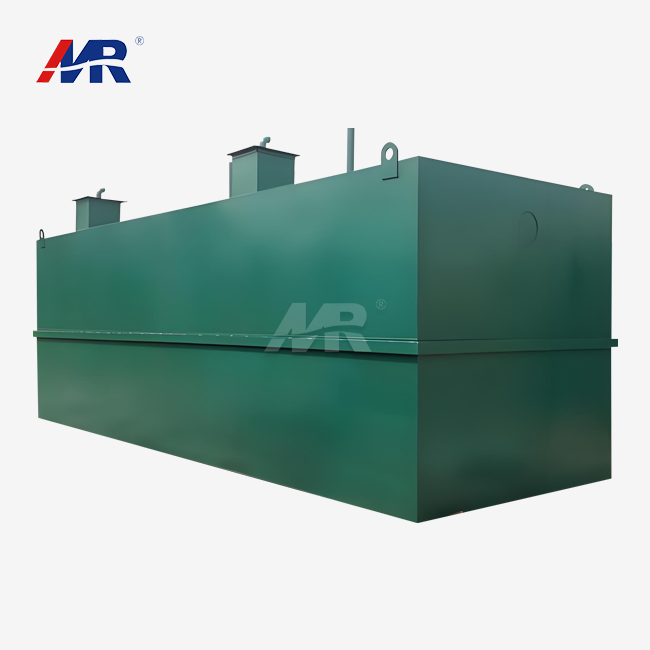
For implementation to go smoothly, suppliers, contractors, and building workers need to work together closely. Building a base, connecting utilities, and integrating with existing waste collection systems are all parts of preparing a site. Pre-assembled modular systems make installation easier and cut the time it takes to build something on-site from months to weeks. Manufacturers with a lot of experience ship treatment skids in containers that are already connected when they arrive. This cuts down on weather delays and work costs. Professional commissioning makes sure that all of the parts work right and that workers get training by doing. Before full working handover, the system's performance is confirmed by testing it with real leachate while being watched.
Guangdong Morui Environmental Technology brings a wide range of manufacturing skills. With more than 15 workshops managing the buying of parts like Danfoss pumps and Toray membranes, the company makes solutions that fit the needs of each site. Systems with flow rates from 5 to 50 m³/h can be used in buildings of different sizes. The 20-35 day delivery time from pre-assembled skids speeds up project execution compared to options that are built on-site. Full installation support and testing services make sure that the change from building to operation goes smoothly.
Customization for Site-Specific Requirements
Each dump has its own problems because of the room it has, how easy it is to get to utilities, and how it wants to be run. Installation areas that are limited can still be used with modular system designs that maintain treatment efficiency. The amount of automation can be changed depending on the technical staff's skills and the level of practical participation that is wanted. Systems that deal with changing amounts of leachate need extra capacity and pump controls that can change the speed. For placements in cold places, you need weatherproof enclosures and heating devices. Working with companies that let you customize their Products will make sure that your treatment plant fits in perfectly with your current infrastructure and operating processes.
Conclusion
To choose the best waste leachate plant system, you need to carefully look at your facility's needs, the technologies that are available, and how the system will work in the long run. Advanced membrane systems, such as DTRO, can reliably handle difficult wastewater mixtures while having the least possible effect on the environment. Economists say that the economy will last as long as the original investment and lifecycle running costs are balanced. When you work with experienced providers who offer full support, from system design to ongoing maintenance, your facility is more likely to meet legal requirements and run smoothly. As environmental standards change, buying cleaning technology that has been tried and tested will protect your company's environmental responsibility and financial health.
Frequently Asked Questions About Leachate Treatment Systems
1. What factors should influence choosing between biological and membrane treatment?
Biological treatment works well for runoff that has a lot of organic matter that breaks down and not too much ammonia. It uses less energy, but the process needs to be carefully managed, and it makes organic gunk. Membrane systems can handle a wider range of contaminants, such as chemicals that don't dissolve easily and high levels of dissolved solids. They produce better wastewater quality and more reliable performance. Facilities that need to deal with mature runoff or strict release limits usually need membrane technology. Biological pre-treatment is often used before membrane cleaning in many processes.
2. How long does a typical installation take from order to operation?
Installation times depend on how complicated the system is and how the place is set up. After an order is confirmed, modular pre-assembled systems can be up and running in 45-60 days, which includes manufacturing, shipping, and testing. Field-built systems that need a lot of building work may take 3-6 months. Timelines are affected by things like the weather, getting permits, and when utilities are connected. When you choose containerized solutions over traditional building methods, release goes much faster.
3. Can treatment systems handle seasonal variations in leachate volume and composition?
Good treatment methods are flexible enough to adapt to changes in the seasons. Variable-speed pumps and flexible membrane arrays let you change the capacity to match the amount of leachate that is being produced. Equalization tanks lower short-term volume jumps that happen when it rains a lot. Chemical dosing and membrane cleaning rates can be changed so that treatment processes can adapt to changes in makeup. Talking to your providers about your facility's seasonal patterns will help them make sure you get the right system size and working flexibility.
Partner with Morui for Advanced Leachate Treatment Solutions
Guangdong Morui Environmental Technology offers complete leachate plant solutions and has been specializing in membrane technology for more than 19 years. Our MR-DTRO-80TD system is a masterpiece of engineering. It can treat high-strength leachate with COD levels of up to 25,000 mg/L and recover 50-70% of the water it contains. We are in charge of every part of the production process in more than 15 workshops. This means that we can completely change the flow rates, materials, and levels of automation to meet your exact needs. Our products are reliable in challenging industrial settings and have been used by Fortune 500 companies like BYD and CATL.
Morui offers full project help, including system design, installation, commissioning, and ongoing expert support. Our Team provides free leachate analysis and ROI estimates to help you make smart purchasing choices. As a reliable leachate plant maker, we keep extra parts available all over the world and can be at your place within 72 hours in an emergency. Our ISO 9001, CE, and RoHS certificates show that we are dedicated to quality and following the rules. Get in touch with our expert team at benson@guangdongmorui.com to talk about how our advanced DTRO systems can help your building handle leachate in a way that is both cost-effective and good for the environment.
References
1. Renou, S., Givaudan, J.G., Poulain, S., Dirassouyan, F., and Moulin, P. (2008). "Landfill Leachate Treatment: Review and Opportunity." Journal of Hazardous Materials, 150(3), 468-493.
2. Kurniawan, T.A., Lo, W.H., and Chan, G.Y.S. (2006). "Physico-Chemical Treatments for Removal of Recalcitrant Contaminants from Landfill Leachate." Journal of Hazardous Materials, 129(1-3), 80-100.
3. Wiszniowski, J., Robert, D., Surmacz-Gorska, J., Miksch, K., and Weber, J.V. (2006). "Landfill Leachate Treatment Methods: A Review." Environmental Chemistry Letters, 4(1), 51-61.
4. Abbas, A.A., Jingsong, G., Ping, L.Z., Ya, P.Y., and Al-Rekabi, W.S. (2009). "Review on Landfill Leachate Treatments." American Journal of Applied Sciences, 6(4), 672-684.
5. Mondal, S. and Wickramasinghe, S.R. (2008). "Produced Water Treatment by Nanofiltration and Reverse Osmosis Membranes." Journal of Membrane Science, 322(1), 162-170.
6. Foo, K.Y. and Hameed, B.H. (2009). "An Overview of Landfill Leachate Treatment via Activated Carbon Adsorption Process." Journal of Hazardous Materials, 171(1-3), 54-60.