

_1745823981883.webp)

How a SWRO filter works?
A seawater reverse osmosis (SWRO) filter operates by forcing seawater through specialized semi-permeable membranes under high pressure, typically ranging from 800 to 1,200 psi. The membrane's thin-film composite architecture allows water molecules to pass through while rejecting dissolved salts, minerals, and other contaminants. This process converts seawater with 30,000-50,000 ppm total dissolved solids into high-quality fresh water suitable for industrial applications, municipal water supplies, and process operations across various industries.
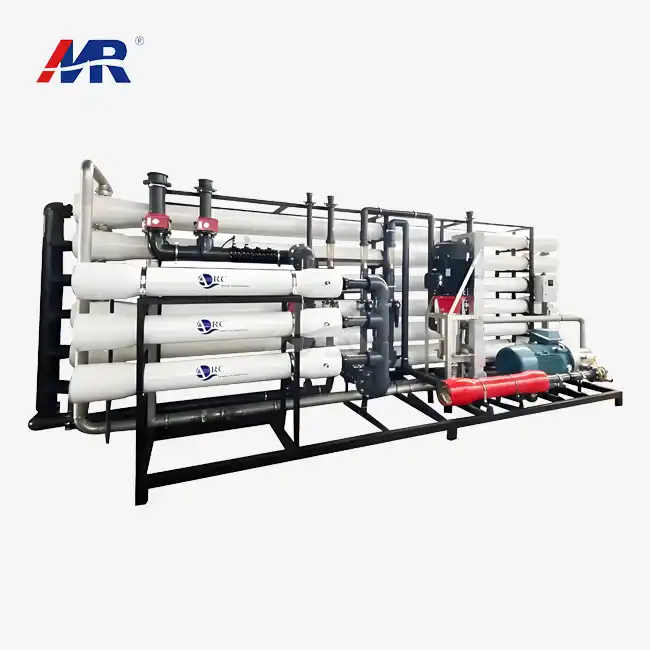
Understanding the Basics of SWRO Filtration
One advanced way to treat water is through seawater reverse osmosis filtration, which uses advanced membrane separation methods to turn salty saltwater into clean fresh water. This technology has changed how industrial water is sourced, especially for sites near the coast and in remote areas where access to traditional freshwater sources is limited or nonexistent.
Core Components of SWRO Systems
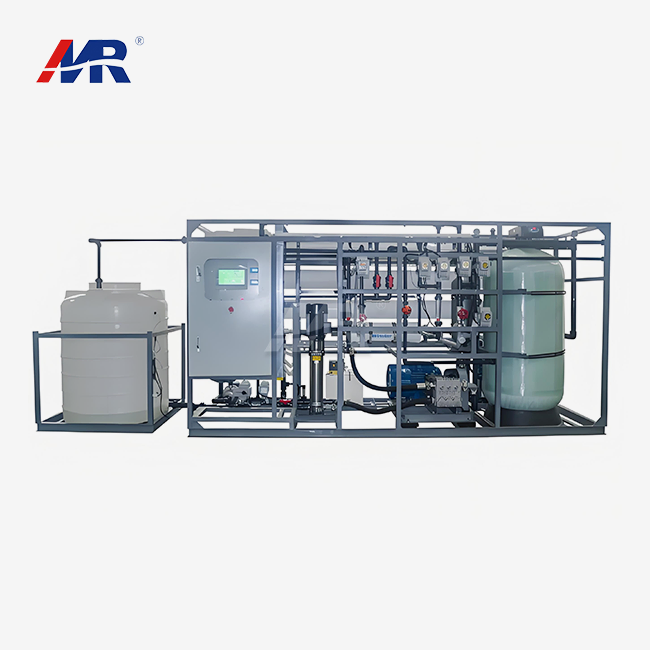
The basic structure of an SWRO system is made up of several parts that are all linked to each other and work together to get the best dehydration results. Multiple steps of treatment are built into these systems to make sure that the water quality result is always the same.
The entry system is where most of the water comes in. It does this by drawing seawater through structures that are carefully made to keep marine life and trash from getting hurt. Multimedia filtration, ultrafiltration, and chemical dose systems are some of the pre-treatment parts that get the feedwater ready for the reverse osmosis membranes by getting rid of trapped solids, organic matter, and possible fouling agents.
The main part of the process is high-pressure pumps that make enough force to beat the osmotic pressure of seawater. To keep energy use as low as possible, these pumps must keep the pressure constant while working efficiently. This is because energy use is the biggest practical cost component in seawater treatment projects.
Industrial Applications Across Sectors
Seawater reverse osmosis systems are used to make process water in factories. These systems are most common in seaside petrochemical sites and power plants. For these uses, water sources must be reliable and meet high quality standards so that operations can keep going.
Desalinating seawater is becoming more and more important in the food and drink business, especially in bottled water plants and beverage preparation plants that are close to the coast. The water needed for these processes isn't up to city standards, so modern membrane filtering is needed to ensure the quality of the Products.
Pharmaceutical and research businesses that work near the coast depend on reverse osmosis of seawater to power their ultrapure water systems. Before the final polishing steps that meet GMP standards for water quality needed for drug manufacturing and study, the technology does the first step of cleansing.
The Science Behind SWRO Filters: Principles and Working Mechanism
The membrane separation process is based on basic physical chemistry rules that control how molecules move through walls that are only partially transparent, known as selective wall rejection operation (SWRO). Engineers and procurement workers can improve system performance and predict operational results by understanding how these processes work.
Pre-treatment Process Optimization
Effective pretreatment has a direct effect on how well and how long the membrane lasts, which makes this step very important for the total cost of the system. Coagulation, flocculation, sedimentation, and multimodal filtration are common steps in the pretreatment train. They lower the turbidity and get rid of particles that could clog membranes further down the line.
As the last step before reverse osmosis filters, ultrafiltration makes sure that the quality of the feedwater stays the same all year, even if the characteristics of the seawater change with the seasons. This technology gets rid of almost all suspended solids, germs, and viruses while keeping the quality of the permeate steady. This saves the investment in high-pressure membrane elements.
To keep membranes from getting nasty and scaling, chemical pretreatment includes carefully applying antiscalants, biocides, and chemicals that change the pH. Modern systems use controlled chemical doses and real-time tracking to get the most out of the chemicals while still protecting the membrane.
High-Pressure Membrane Separation
The process of reverse osmosis happens in pressure tanks that have many membranes lined up in a row. Each part has spiral-wound fabric arrangements that make the most of the surface area while keeping the system's size small enough for commercial use.
Ions that are dissolved in salt can't get through the membrane structure because of size restrictions and charge repulsion effects. Modern SWro membranes can reject more than 99.7% of salt, making extract with total dissolved solids levels usually below 200 ppm from saltwater feedwater.
Temperature has a big effect on how well a membrane works. For every degree Celsius rise in feedwater temperature, the permeate flow goes up by about 3%. To keep production rates steady all year, system designs must take yearly changes in temperature into account.
Comparing SWRO Filters with Traditional Desalination Methods
When it comes to energy economy and operating flexibility, seawater reverse osmosis technology is a big step up from traditional thermal desalination methods. Because of these benefits, it is widely used in industry settings where water security and cost control are still very important.
Energy Efficiency Advantages
For example, heat distillation methods use 8–12 kWh per cubic meter of water, but modern SWRO systems only use 3–4 kWh. This huge drop in energy use directly leads to lower operating costs and a smaller carbon footprint, making reverse osmosis the method of choice for companies that care about the environment.
Energy recovery devices take the pressure energy from the high-pressure brine stream and use it again. This lowers the net amount of energy used even more. Modern energy recovery systems can get back up to 95% of the pressure energy. This means that in places where water is scarce, large-scale saltwater desalination can compete cheaply with other water sources.
Operational Flexibility Benefits
When it comes to operating freedom, reverse osmosis systems are better than thermal desalination plants. They can quickly start up and shut down in response to changes in the amount of water that people need. This adaptability is especially helpful for factories that have changing production plans or yearly changes in demand.
Adding membrane trains to a modular system design lets it handle more passengers without making major changes to the infrastructure. This scalability lets businesses match the amount of money they spend on water treatment to the growth in demand, which makes the best use of capital and lowers financial risk.
The pharmaceutical manufacturer Novartis reported a 40% reduction in water treatment costs after replacing their thermal distillation system with an advanced SWRO system at their Puerto Rico facility. The new method not only used less energy, but it also made the water quality more consistent, which meant that production stopped less often and the quality of the products was better.
Selecting and Procuring the Right SWRO Filter System
Before buying saltwater reverse osmosis systems, you need to carefully look at their technical specs, how they will be used, and how much they will cost in the long run. Understanding key performance factors and the skills of suppliers helps organizations make decisions that are in line with their goals.
Technical Evaluation Criteria
For ocean uses, membrane recovery rates are usually between 35 and 45%. This shows how much of the feedwater is turned into product water. Higher recovery rates use less feedwater, but they may also make membrane fouling more likely and require more cleaning, so they need to be carefully optimized based on the feedwater's properties.
The performance of salt rejection has a direct effect on the quality of the product water, and the treatment needs further down the line. When properly kept, modern SWRO membranes regularly reject more than 99.7% of salt, making water that can be used in most industrial processes without any extra treatment.
Specifications for system capacity must take into account needs during peak demand, changes with the seasons, and the need for future growth. The right size makes sure that there is enough water during times of high demand without spending too much money on capacity that isn't being used.
Supplier Assessment and Procurement Strategy
Some of the best membrane makers, like DuPont, Toray, and Hydranautics, make specialized saltwater membrane products that work better in different situations. When weighing these choices, it's important to think about the total cost of ownership, the support for area services, and the unique needs of the application.
Here are the main reasons why it's better to work with well-known SWRO suppliers:
- A track record of success with documented performance data from similar applications and working conditions, which gives trust in the choice of technology and performance forecasts
- Full expert support, including help with system design, help with setup, and ongoing optimization services that make sure the system works at its best throughout its lifecycle
- Global service networks that offer local help for repairs, maintenance, and emergencies, lowering the risk of downtime and preventing business interruptions
- Advanced membrane technologies that use the newest advances in materials science to make them work better, last longer, and be less likely to get clogged.
All of these benefits work together to lower the risk of the project and ensure long-term operating success and the best return on investment for industrial water treatment uses.
Selecting and Procuring the Right SWRO Filter System
When buying, teams look at SWRO providers; they should give more weight to those that can fully integrate systems than to those that can only provide parts. This method makes sure that all parts of the system work together and gives one person responsibility for making sure the system works well.
Aside from the original capital costs, other financial factors to think about are the amount of energy used, when to change the membranes, how much chemical is used, and how often maintenance needs to be done. The most accurate way to choose a provider and compare technologies is to look at the total cost of ownership over 15 to 20 years of operation.
Maintenance, Troubleshooting, and Future Trends in SWRO Filtration
For saltwater reverse osmosis to work well, there needs to be regular repair that keeps the membranes working well and keeps downtime to a minimum. Knowing the most common ways that systems fail and taking steps to stop them from happening ensures the best system stability and return on investment.
Preventive Maintenance Best Practices
Regular cleaning procedures for membranes stop fouling that can't be fixed and lowers performance and shortens membrane life. According to industry standards, you should clean the system when the normalized permeate flow drops by 10 to 15 percent, the normalized salt passage rises by 5 to 10 percent, or the difference pressure rises by 15 percent compared to the starting conditions.
Clean-in-place methods let cleaning cycles happen automatically using special chemical mixtures that are made to work with certain types of fouling. Acidic cleaners break down mineral scales and artificial deposits that build up during normal use, while alkaline cleaners get rid of organic and bacterial fouling.
Performance tracking systems keep an eye on important signs like flow rates, pressures, conductivity, and chemical use to spot problems before they affect production. Advanced tracking systems use data analytics and predictive maintenance programs to find the best times to clean and the right amount of chemicals to use.
Emerging Technology Trends
Applications that use artificial intelligence and machine learning are changing how SWRO systems work by using predictive analytics to improve performance and lower costs. By looking at past performance data, these technologies can figure out what the best working conditions are and spot possible equipment failures before they happen.
Smart membrane technologies with built-in sensors give real-time information about the state of the membrane and the level of fouling. These new ideas allow condition-based care plans that make membranes last longer while lowering the number of times they need to be cleaned and the amount of chemicals that are used.
Hybrid renewable energy integration uses solar and wind power along with treatment of seawater to lower costs and protect the environment. These systems use energy storage technologies to keep working even when the supply of green energy changes.
Conclusion
Seawater reverse osmosis (SWRO) filtration has become a reliable and energy-efficient solution for converting seawater into high-quality freshwater for industrial, municipal, and commercial applications. With advanced pretreatment, high-pressure membrane separation, and energy recovery technologies, SWRO systems deliver consistent performance, lower operating costs, and flexible scalability compared to traditional desalination methods. Careful supplier selection, proper system design, and regular preventive maintenance are essential to ensure long membrane life and stable operation. As smart monitoring, AI optimization, and renewable energy integration continue to evolve, SWRO technology will play an increasingly important role in addressing global water scarcity and supporting sustainable industrial development.
FAQ
1. What factors determine SWRO membrane lifespan in industrial applications?
The membrane's life span is usually between 3 and 7 years, but it depends on the quality of the feedwater, how it is used, and how often it is maintained. If you treat the water properly before using it and clean the membrane regularly, it can last longer, but if the water quality is bad or you don't do enough upkeep, you may need to replace it within two to three years.
2. How does feedwater temperature affect SWRO system performance?
Temperature changes of 1°C usually boost membrane flow by about 3%, but they also let more salt through, so the pressure needs to be changed to keep the water quality. Systems that work in hot areas might need extra cooling or better pressure management to meet performance goals.
3. What pretreatment is required for SWRO systems?
Some important parts of pretreatment are multimedia filtration to get rid of dissolved solids, chemical treatments to stop scale and fouling, and usually ultrafiltration to keep the quality of the feedwater stable. The exact pretreatment setup is based on the properties of the ocean and the needs of the system design.
4. Can SWRO systems handle varying seawater quality conditions?
Adaptive control systems are built into modern SWRO systems. These systems change the working parameters immediately when the feedwater conditions change. Extreme differences, on the other hand, might need more pretreatment or changes to how things are done in order to keep up performance standards.
5. What energy recovery options are available for SWRO systems?
Pressure exchanges, turbochargers, and other energy recovery devices can get back 90 to 95% of the pressure energy from the high-pressure salt stream. These devices cut net energy use and operating costs by a large amount, which is especially important for large-scale uses.
Partner with Morui for Advanced SWRO Solutions
Morui Environmental Technology makes complete saltwater reverse osmosis systems that are designed for tough industry uses in the pharmaceutical, municipal, and manufacturing sectors. Our unified method blends cutting-edge membrane technology with strong system design to make sure that freshwater production works reliably in tough working conditions.
Morui has more than 500 trained workers and 20 dedicated engineers who work on projects from the beginning planning phase to long-term support and commissioning. We can make membranes in-house, and we work with top component sources like Shimge Water Pumps and Runxin Valves to make sure that our systems work well together and reliably.
Get in touch with our expert team at benson@guangdongmorui.com to talk about your unique SWRO needs and find out how our tried-and-true solutions can help you with your water treatment problems.
References
1. Fritzmann, C., Löwenberg, J., Wintgens, T., & Melin, T. (2007). State-of-the-art of reverse osmosis desalination. Desalination, 216(1-3), 1-76.
2. Greenlee, L. F., Lawler, D. F., Freeman, B. D., Marrot, B., & Moulin, P. (2009). Reverse osmosis desalination: water sources, technology, and today's challenges. Water Research, 43(9), 2317-2348.
3. Amy, G., Ghaffour, N., Li, Z., Francis, L., Linares, R. V., Missimer, T., & Lattemann, S. (2017). Membrane-based seawater desalination: Present and future prospects. Desalination, 401, 16-21.
4. Elimelech, M., & Phillip, W. A. (2011). The future of seawater desalination: energy, technology, and the environment. Science, 333(6043), 712-717.
5. Qasim, M., Badrelzaman, M., Darwish, N. N., Darwish, N. A., & Hilal, N. (2019). Reverse osmosis desalination: A state-of-the-art review. Desalination, 459, 59-104.
6. Jones, E., Qadir, M., van Vliet, M. T., Smakhtin, V., & Kang, S. M. (2019). The state of desalination and brine production: A global outlook. Science of The Total Environment, 657, 1343-1356.
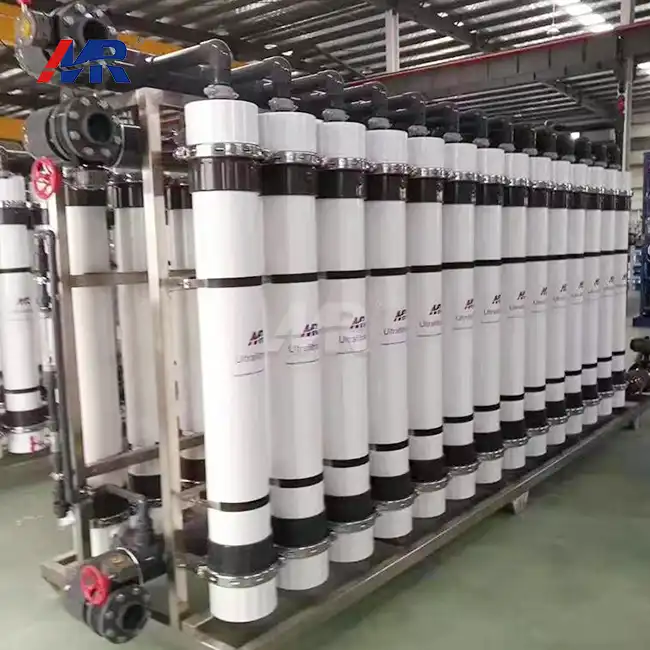 VIEW MORE70m3/hour ultrafiltration plant
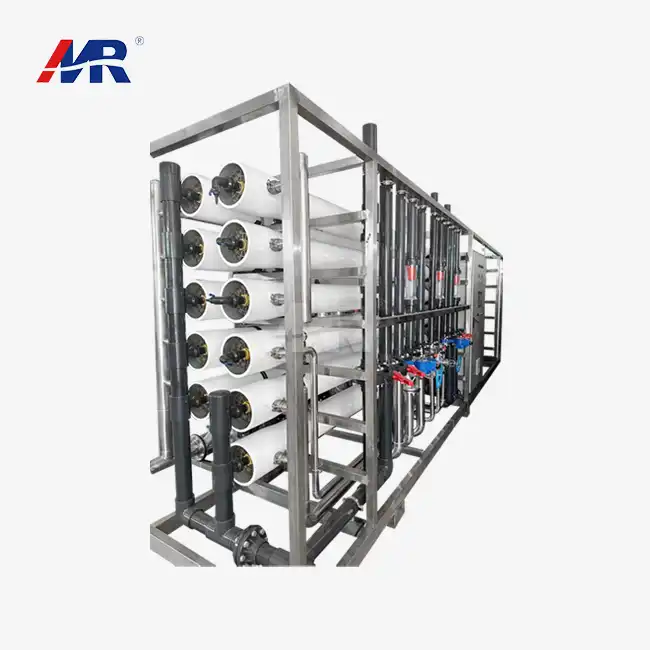 VIEW MORE60m3/hour reverse osmosis plant
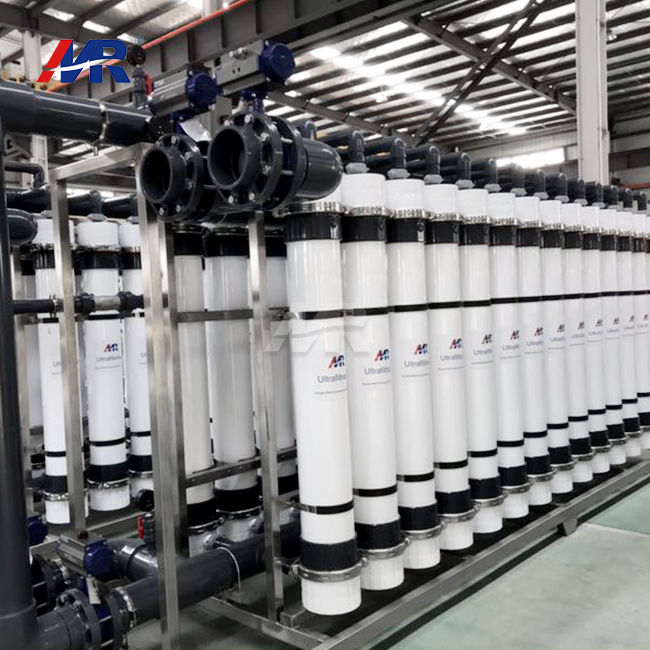 VIEW MOREultrafiltration machine
 VIEW MORELeachate DTRO Treatment Equipment
 VIEW MOREcontainer seawater desalination equipment
 VIEW MOREmembrane bioreactor
 VIEW MOREseawater desalination system
 VIEW MOREseawater treatment system
