

_1745823981883.webp)

Sewage Treatment Plants (STP) and their Maintenance
An STP treatment plant is an important piece of infrastructure that turns wastewater into safe, clean effluent that can be released into the environment or reused. The public's health is protected by these facilities, which get rid of contaminants through screening, biological processing, membrane filtration, and cleaning. Sewage systems work consistently, follow the rules, and save money in the long run if they are properly maintained. Whether you're buying for cities, factories, or drug companies, knowing how these plants work and what they need to be cared for lets you make smart choices about what to buy that protects both the environment and your budget.
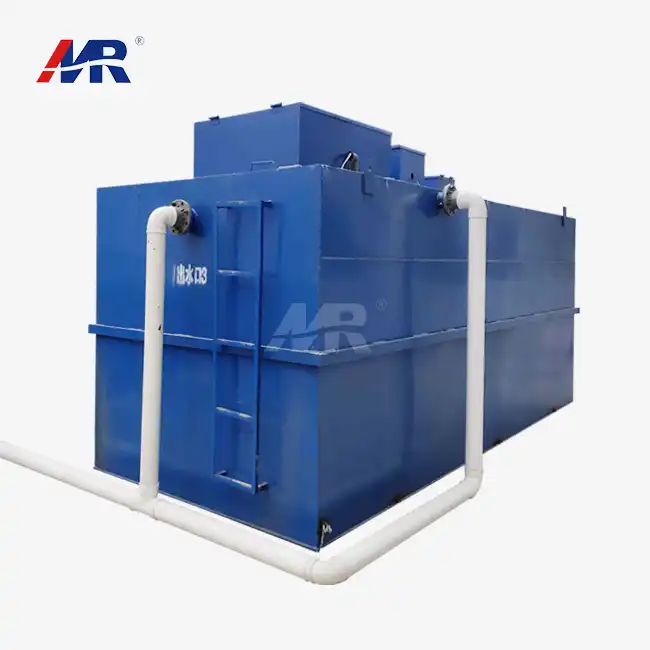
Understanding Sewage Treatment Plants and Their Processes
Learn about STP treatment plants and how they work. As the most important part of modern sanitation, STP treatment plants keep environments and communities safe from pollution that is bad for them. Millions of gallons of wastewater from homes, hospitals, workplaces, and business buildings are processed by these systems every day. They turn dirty water into effluent that meets strict quality standards.
Primary Functions of Wastewater Treatment Systems
Any STP treatment plant's main job is to get rid of physical, chemical, and biological pollutants in wastewater before letting it go back into the environment. Suspended solids, organic matter, nutrients like nitrogen and phosphorus, bacteria, and sometimes industrial chemicals can be found in raw waste. If these chemicals are not properly treated, they reduce the amount of oxygen in the water they enter, hurt marine life, and spread disease. These toxins are regularly cleaned up in treatment plants by using chemical, biological, and mechanical processes that are carefully planned to work together.
Stepwise Treatment Process Overview
The first step in treatment is basic screening, which removes big pieces of trash like plastic, sticks, and rags that could damage equipment further down the line. After grit is removed, sand and large particles settle to the bottom because the flow speed slows down. After primary clearing, the solids that are still present are left to settle, creating sludge that goes through separate processing.
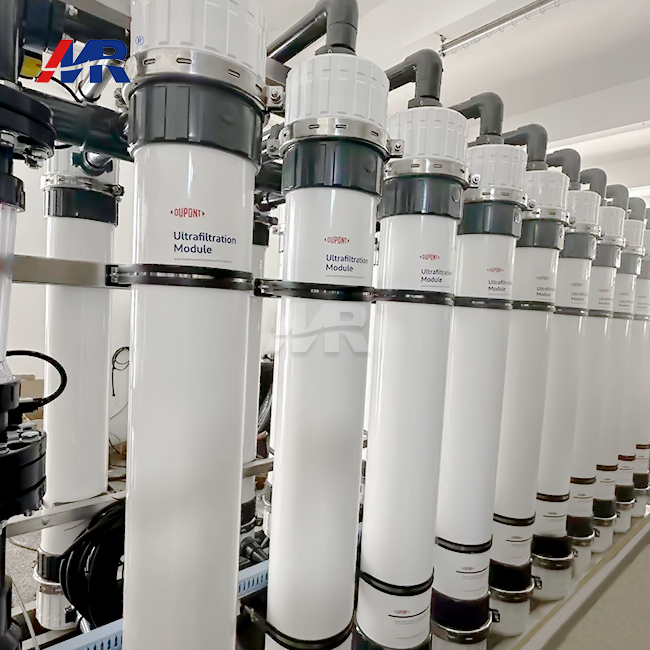
In secondary treatment, bacteria break down dissolved organic waste through biological processes. Aeration tanks give these good bacteria air so they can break down pollution into biomass and carbon dioxide. More and more modern facilities use membrane bioreactor technology, which combines advanced filtering with biological treatment to get rid of particles as small as 0.1 microns. This MBR method of treatment is very effective, getting rid of 99.9% of contaminants while taking up a lot less room than other systems.
In the tertiary treatment stage, UV disinfection or chlorination is used to get rid of any leftover germs. This makes sure that the treated water meets the standards for discharge or reuse. As this process goes on, workers keep an eye on the water quality factors, such as the biochemical oxygen demand, the total suspended solids, and the number of coliform bacteria.
Types of Treatment Facilities and Design Principles
STP treatment plants are very different in terms of their size, the number of people they serve, and the types of garbage they process. Most centralised public plants handle between 1 and 100 million gallons of trash every day, and they serve whole towns through large collection networks. Decentralised systems handle flows from single buildings, neighbourhoods, or industrial sites that can't connect to central facilities.
Biological treatment systems work with sewage from homes that has a known amount of organic matter because they use live bacteria. When industrial wastewater has chemicals that would hurt living things, it is treated chemically with coagulants, oxidisers, or pH adjustments. For complex waste water from making drugs or chemicals, hybrid techniques use both of these ways together.
Peak amounts and organic loading rates are used in capacity planning to figure out the right size of equipment for the STP treatment plant. Environmental laws set basic treatment standards that affect the choice of technology. For example, advanced nutrient removal is often needed for marine flows to stop algae blooms, while pathogen elimination might be more important at inland sites. Safety concerns include keeping dangerous gases inside, having plans for an emergency overflow, and having backup power systems that make sure the system keeps running even when the power goes out.
Common Challenges and Solutions in STP Operation and Maintenance
Even treatment centres that are well-designed have problems that affect how well they work if they are not fixed, including the STP treatment plant. Facilities that have trouble with compliance are different from those that run reliably and cheaply because they are aware of these problems and take steps to avoid them.
Frequent Operational Problems
One of the most annoying problems is mechanical breakdowns. Impellers and seals wear out in pumps that handle gritty wastewater. Aerators build up mineral layers that make it harder for air to move through them. If valve motors get stuck or break, they can't control the flow properly. These problems with technology often have a domino effect. For example, if a pump stops working, it can flood upstream and starve downstream, which stops biological processes all over the plant.
Root Causes Requiring Attention
Design mistakes are often the cause of long-term problems. Even if the average capacity is enough, equipment that is too small can't handle high rates. When you don't have enough resilience, a single point of failure can stop whole processes. Maintenance jobs are harder to do when they are hard to get to, so technicians skip regular maintenance.
Budget cuts, worker shortages, or poor training can all lead to inadequate upkeep. Companies put off preventative work, which lets small problems become costly emergencies. Bearings wear out faster when cleaning plans are missing. Failures that are very bad usually start with sound or temperature warnings that are ignored.
Load mismanagement directly impacts the STP treatment plant's biological processes. When influent pH or temperature fluctuates wildly due to unannounced industrial discharges, the activated sludge in the aeration tanks can be shocked, leading to biomass die-off. Similarly, hydraulic overloads from stormwater infiltration can wash out suspended solids from secondary clarifiers, causing the STP treatment plant to violate its discharge permit for total suspended solids (TSS).
Maintenance Best Practices That Deliver Results
Inspections that are planned ahead of time find problems before they become major ones. Every day, walkthroughs are done to look for leaks, strange sounds, or smells. Checking the tools once a week to make sure that important parts are working properly. Monthly trends of performance data show a slow decline that needs to be fixed.
Preventive maintenance is based on what the maker says and what has been learned from running the business. Routines for lubrication protect things that move. Filter refills keep the design flowing. Calibration makes sure that tracking is exact. A strategic stockpile of extra parts cuts down on downtime when something breaks.
Automation tools for tracking give early notice of problems with the process. pH, dissolved oxygen, sediment, and flow rates are all tracked by online instruments. Alarm systems let workers know when values go outside of normal ranges. Trending software finds trends that point to bodily stress or machine breakdown before they get really bad.
We saw a client in the food processing industry cut their repair costs by 40% after adding remote tracking to their STP treatment plant. The system noticed a slow rise in pressure in their membrane filter unit, which allowed them to clean it on time and avoid having to shut down. In the past, they had to change the membranes three times a year in an emergency, which cost a lot of money and stopped output. By taking action based on real-time data, they were able to change their repair strategy from managing crises after the fact to planned, cost-effective service.
Procurement Guide: How to Choose and Acquire the Right STP Treatment Plant?
To choose the right wastewater treatment technology, you have to find a balance between technical performance, legal compliance, lifetime costs, and how easy it is to use. Evaluations that are done in a planned way keep people happy and avoid mistakes that cost a lot of money.
Critical Selection Criteria
Accurately describing flow is the first step in figuring out capacity. The average daily flow sets the minimum needs, and the highest hourly rates set the hydraulic capacity that keeps the water from overflowing. The amount of biological treatment is based on the amount of organic loads, which is measured by biochemical oxygen demand or chemical oxygen demand. It's common for buyers to mistake peak conditions, which can make buying systems work less well during times of high demand. We suggest that you size the system to handle 120 to 150% of the expected peak amounts. This will give you room for error and allow for future growth.
Technology choices and design aspects are based on meeting regulatory requirements. The discharge permits spell out the highest levels of pollutants that cleanup must consistently reach. Because of nutrient limits, phosphorus and nitrogen must be removed biologically or chemically. Standards for pathogens may need UV cleaning or membrane screening. By knowing the rules that apply, you can avoid buying systems that can't meet the law, which can save you a lot of money on repairs or legal action.
Scalability lets investments be made in stages that match growth. By adding more similar treatment trains, modular designs make it possible to increase throughput without having to replace whole systems. A regional hospital we worked with put in two 50-cubic-metre-per-day units at first and then added a third as the number of patients increased. This method spread the cost of capital over several budget cycles while keeping the quality of care the same during the growth.
Customisation takes into account the limitations of the place and the unique properties of the trash. Compact membrane systems or vertical flow setups work well in cities that don't have a lot of room. Industrial clients whose discharges have different compositions need treatment levels that can be changed or special preparation for chemicals that cause problems. Off-grid sites need low-power systems that can work with either solar panels or generators.
Cost Evaluation Considerations
The purchase price is only one part of the total cost of owning. Installing equipment usually costs 30 to 50 per cent of its price. This includes getting the spot ready, connecting utilities, and starting up the machinery. Ongoing running costs, such as energy, materials, labour, and getting rid of waste, add up over the 15 to 20 years that equipment is used.
Designs that use less energy lower running costs by a large amount. Our membrane bioreactor systems use between 0.5 and 1.5 kWh per cubic metre, which means they can treat wastewater with less energy than regular activated sludge systems that need to be clarified and filtered separately. Aeration uses 40–60% of the energy in an STP treatment plant, so choosing the right blowers and controlling the process well are important for keeping costs down.
Different technologies have very different maintenance needs. Simple systems with few moving parts and strong construction require less maintenance and parts replacement. Support costs go up when automation or private parts are too complicated. Warranty coverage that protects against early failures protects your finances during the important early operation time.
Supplier Verification and Standards Adherence
Through third-party approval, reputable producers show that they meet well-known quality standards. ISO 9001 quality management certification means that production is controlled in a planned way and methods for ongoing growth are used. Before buying, performance claims are checked by testing the equipment according to NSF or similar standards.
Reference setups show that a source can do what they say they can do and that the product is reliable. Talking to current customers can show real success, quick service, and long-term satisfaction. By visiting working sites, you can see how well the equipment works in the real world, not just in the lab.
After-sales service is what sets great sellers apart from those who leave their customers after the sale. Technical help during setup makes sure that the beginning goes smoothly. Training for operators builds the skills needed for good ongoing management. Quick fixing when problems happen keeps downtime from lasting too long. Spare parts that are available locally or quickly shipped reduce the time that equipment is down.
We have 14 branches that serve clients in different areas. Twenty dedicated engineers provide technical help, and 500 employees make sure that all of our services are provided. Our membrane production facility, STP treatment plant, and equipment processing plants let us keep an eye on quality throughout the whole manufacturing process. Our relationships with well-known component names like Shimge pumps and Runxin valves give us reliable Products. This unified method makes sure that customers get full help from the first meeting to decades of business.
Conclusion
Infrastructure for treating waste that works well saves public health and the environment while also boosting the economy across all industries. To choose the right technology, you need to know about the treatment methods, upkeep needs, and legal requirements that are unique to each application. Compared to older methods, modern membrane-based systems offer better performance in smaller packages while also lowering both the initial and ongoing costs. Partnering with experienced makers that offer full support, reliable equipment, and a dedication to long-term customer success is good for procurement pros. Proper building care using preventative measures and automated tracking makes sure that rules are always followed and gets the most out of investments in infrastructure.
FAQ
1. How do I determine the right capacity for an STP treatment plant?
Find the average amount of wastewater that comes from all sources every day, and then find the highest hourly rates during times of high production or population. To account for changes and future growth, make sure the cleaning capacity can handle 120 to 150% of the peak flow. Measure biochemical oxygen demand concentrations and overall amounts to account for organic loading. Equalisation tanks help facilities with very changeable discharge patterns by reducing changes in flow and concentration, which lets smaller treatment units work further downstream. Working with skilled engineers can help you figure out the correct capacity so you don't end up with systems that are too small and don't meet regulations or units that are too big and waste money.
2. What maintenance practices extend equipment longevity?
Visual checks every day catch problems early as they start to happen. Bearing problems can be avoided by lubricating spinning equipment once a week. Monthly performance trends show that things are slowly getting worse and need to be fixed before they fail completely. Comprehensive inspections by experienced experts once a year make sure everything is working right and suggest changes. Following the manufacturer's repair schedules for cleaning the membrane, replacing the filter, and overhauling parts will make the equipment last longer and keep the guarantee valid.
3. Can systems be customised for industrial wastewater treatment?
Of course. Before biological processing, many industrial uses need special pretreatments to get rid of oils, heavy metals, or concentrated organics. Chemical addition systems change the pH level or make certain toxins stick together. Drugs or poisons that are resistant to biodegradation are broken down by advanced oxidation processes. We often come up with custom solutions to meet the specific needs of our clients, whether they are dealing with rinse waters for chip manufacturing or waste from slaughterhouses.
Partner with Guangdong Morui for Your Wastewater Treatment Needs
Guangdong Morui Environmental Technology offers complete sewer solutions backed by manufacturing know-how and support systems that are designed to work with the solutions. Our STP treatment plant systems use high-performance membrane technology to treat 99.9% of the water they receive while only using 0.5 to 1.5 kWh per cubic meter. Modular designs let the daily capacity grow from 50 to 10,000 cubic meters, making them useful for a wide range of settings, from small facilities to large public ones. Our systems lower lifetime costs while making sure uniform regulatory compliance. They can be monitored remotely, have small footprints, and use little energy. Twenty engineers help clients with all stages of a project, from the original meeting to commissioning and ongoing operation. As a well-known company that makes STP treatment plants, we keep a stock of parts to make sure that you can get them quickly. Email benson@guangdongmorui.com to talk to Our Team about your unique needs and get full technical proposals that are made to fit your business.
References
1. Metcalf & Eddy, Inc. (2014). Wastewater Engineering: Treatment and Resource Recovery. McGraw-Hill Education, New York.
2. Environmental Protection Agency (2021). Primer for Municipal Wastewater Treatment Systems. EPA 832-R-04-001, Washington, DC.
3. Water Environment Federation (2018). Design of Municipal Wastewater Treatment Plants: WEF Manual of Practice No. 8. McGraw-Hill Education, New York.
4. Judd, S. (2016). The MBR Book: Principles and Applications of Membrane Bioreactors for Water and Wastewater Treatment. Butterworth-Heinemann, Oxford.
5. Tchobanoglous, G., Stensel, H.D., Tsuchihashi, R., and Burton, F. (2013). Wastewater Engineering: Treatment and Resource Recovery. McGraw-Hill Education, New York.
6. American Water Works Association (2017). Water Treatment Plant Design. McGraw-Hill Education, New York.
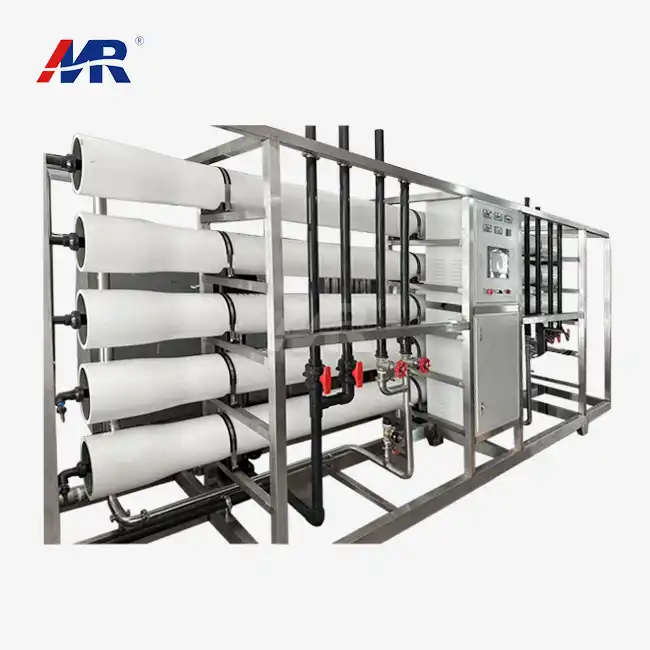 VIEW MORE25m3/hour reverse osmosis equipment
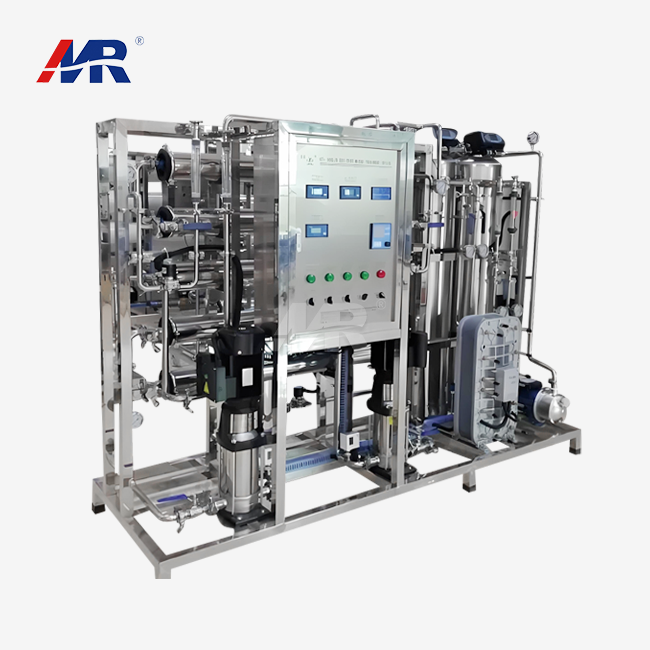 VIEW MORE1000LPH EDI equipment
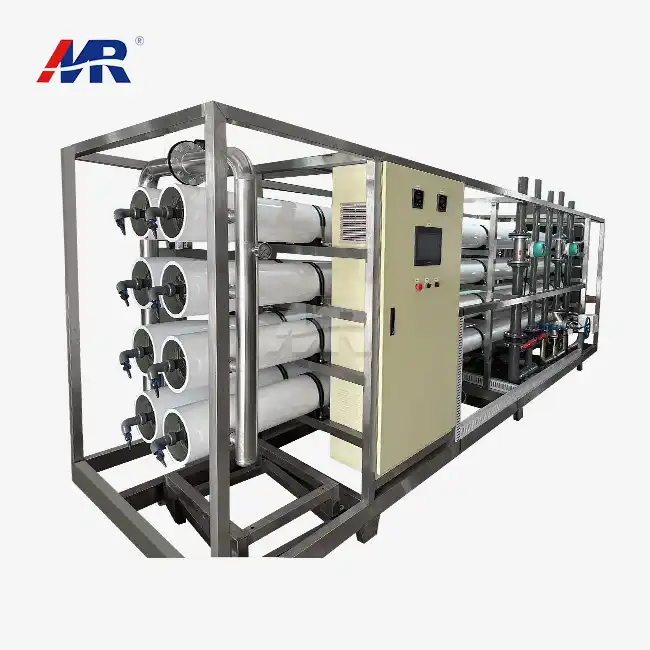 VIEW MORE8m3/hour two pass reverse osmosis system
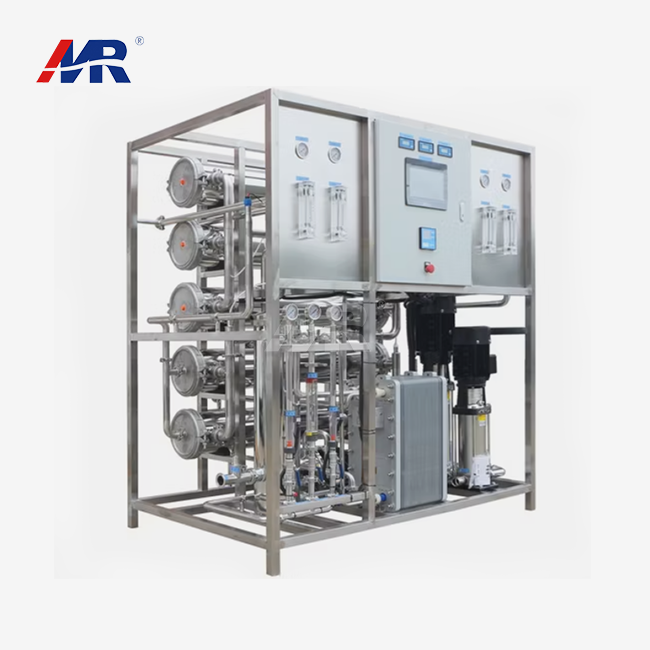 VIEW MOREro edi water system
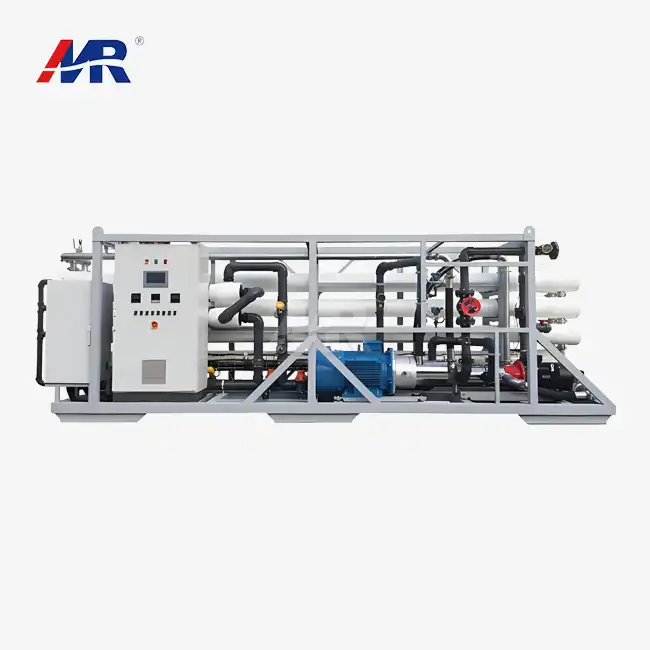 VIEW MORE15m3/hour seawater desalination system
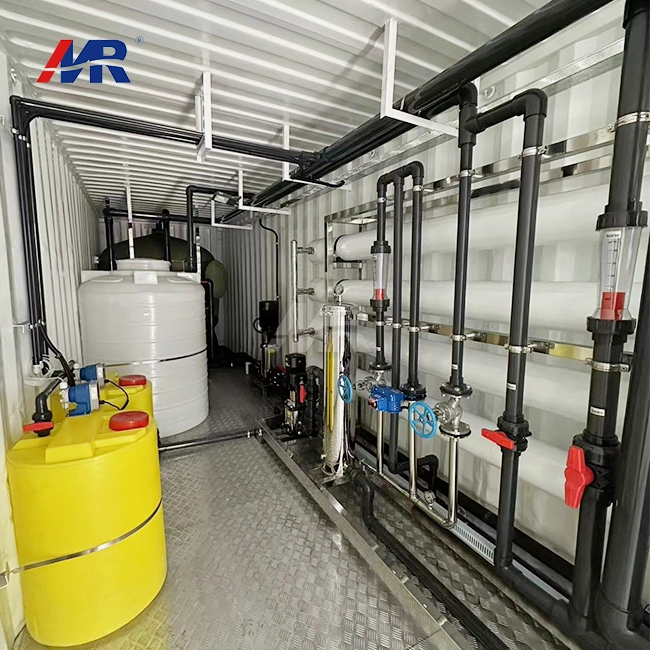 VIEW MOREcontainerized desalination plant
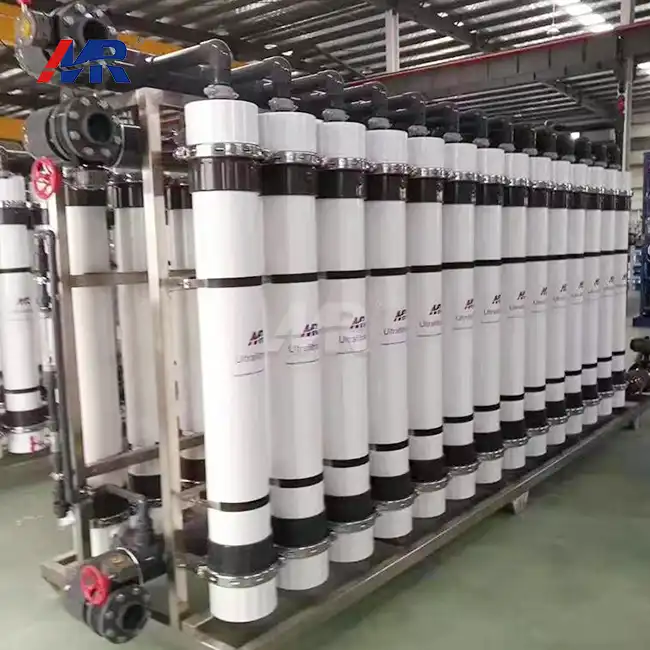 VIEW MORE70m3/hour ultrafiltration plant
 VIEW MOREultrafiltration water treatment system
