_1745823981883.webp)

Sewage Treatment Plant Systems Explained: A Complete Guide
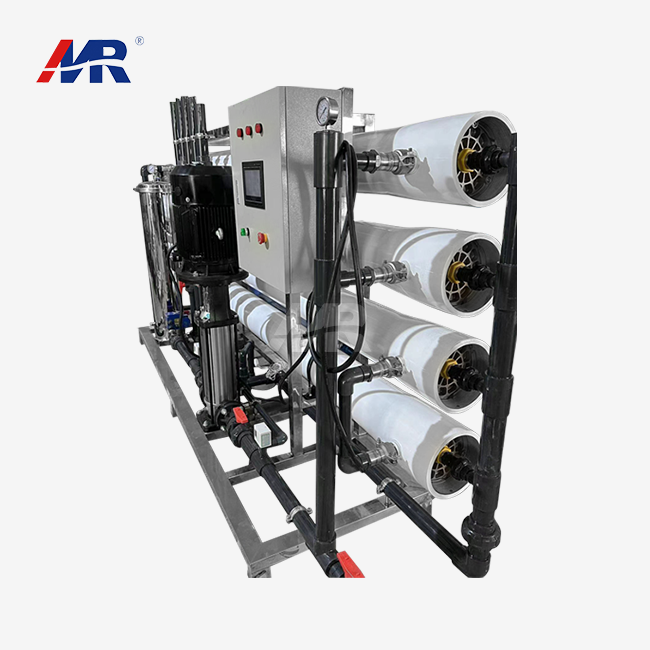
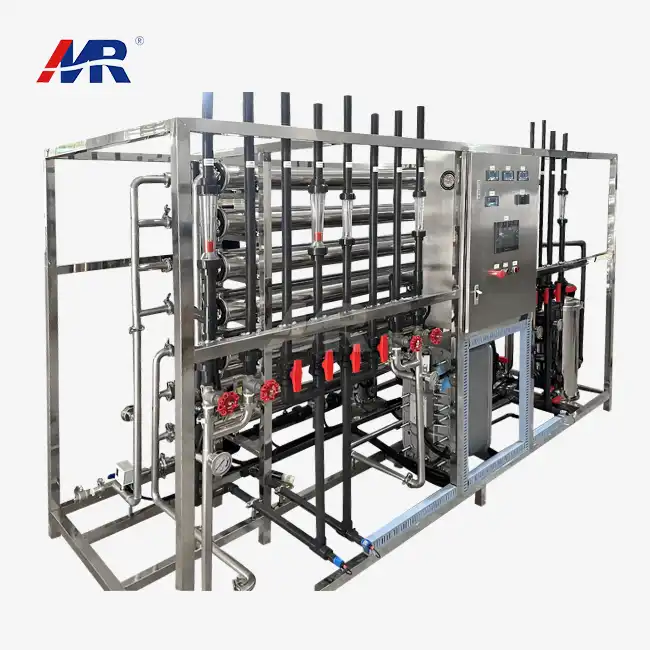
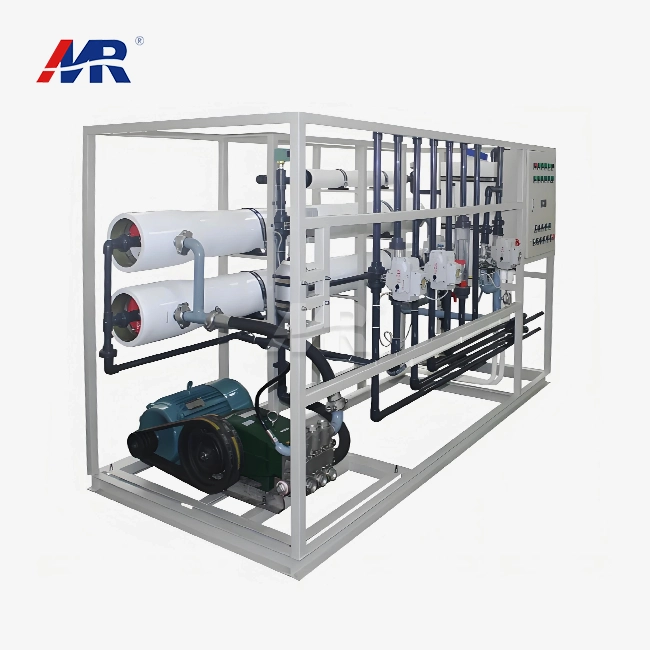
It is important for people who are in charge of water management in businesses or cities to know what a Sewage Treatment Plant does. This kind of facility takes dirty refuse from homes, businesses, and factories and cleans it up so it is safe to release into the environment or use again. In sewage treatment plants, dangerous pollutants, pathogens, and organic matter are removed through a number of physical, chemical, and biological processes. These things would otherwise hurt marine environments and put people's health at risk. Modern systems use advanced membrane technologies and automatic controls to treat water more efficiently than 99% of the time. This makes them an important part of the infrastructure for sustainable growth.
Understanding Sewage Treatment Plant Systems
Core Functions and Operational Workflows
In addition to simple filtering, modern wastewater treatment plants do a number of important things. By getting rid of organic chemicals, nitrogen, phosphorus, pathogenic bacteria, and suspended solids, they keep natural bodies of water clean. Usually, the operating process starts when sewage comes in through inlet lines and moves through a series of treatment zones. Each stage gets rid of a different type of pollution, making the water quality better and better until the end effluent meets the rules for release.
Wastewater vs. Sewage Treatment: Key Distinctions
These terms are often used interchangeably, but there are small differences between them that matter when making choices about buying. Specifically, sewage treatment deals with human waste from bathrooms, sinks, and home drains, which has a lot of organic matter and germs in it. Wastewater treatment has a wider range of uses, such as treating industrial effluents from manufacturing processes, which may contain chemicals, heavy metals, or other toxins that need special treatment methods. Knowing this difference helps expert decision-makers choose the right tools for the discharge traits they are dealing with.
Primary Treatment Stage Mechanics
During the first part of treatment, physical separation methods are used. When sewage comes in, it goes through bar screens that catch plastics, fabrics, and solid trash. This keeps equipment further down the line from getting damaged. The flow speed is then slowed down in grit tanks, which lets sand, gravel, and larger particles settle by gravity. The primary sedimentation tanks hold the water for a while so that the suspended solids can settle and form sludge at the bottom of the tank. Meanwhile, the water that has been cleared moves on to biological treatment. In this step, 50–60% of the suspended solids and 30–40% of the biological oxygen demand (BOD) are usually removed. This gets the trash ready for further cleaning.
Secondary Treatment: Biological Purification
Living bacteria are used in biological treatment to break down dissolved organic toxins. Activated sludge systems mix wastewater with air in big pools. This helps good bacteria grow that break down organic matter. These germs turn dangerous chemicals into carbon dioxide, water, and more biomass. Alternatives to trickling filters spread sewage over beds of media where bacterial films naturally form. Secondary clarifiers remove the bacterial biomass from the cleaned water and reuse some of it to keep the microbial communities alive. This stage gets rid of 85–95% of the BOD, which greatly lowers the amount of biological pollution.
Tertiary Treatment and Advanced Polishing
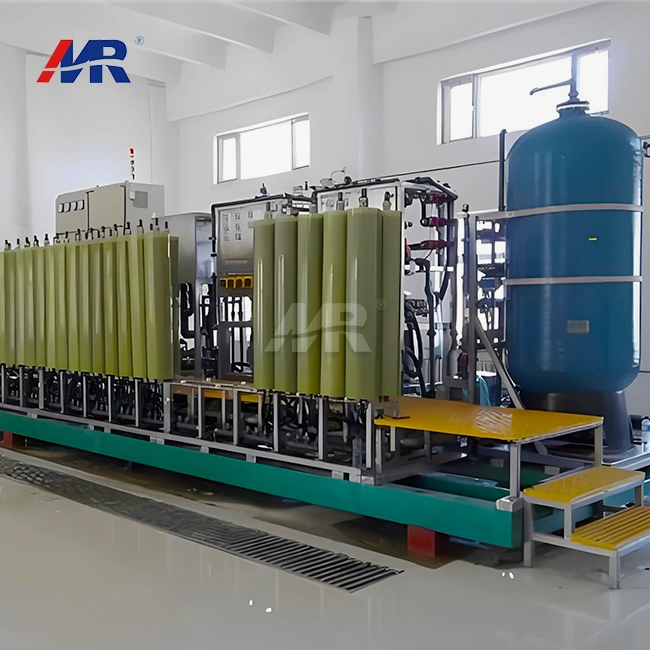
Tertiary treatment is used in industries that need very clean wastewater, like those that make drugs or electronics, or that are close to protected waterways. Membrane filter systems get rid of tiny particles and dissolved solids; chemical precipitation gets rid of phosphorus and nitrogen nutrients; and UV or ozone disinfection kills any bacteria that are still there. Sand filtration is the final step in cleaning. It removes any remaining suspended matter, leaving behind a crystal-clear effluent that can be safely released into the environment or used again in industry.
System Types and Industrial Applications
Conventional activated sludge is still the most common technology used in food processing and municipal uses because it works well and doesn't cost too much to set up. Membrane bioreactor (MBR) systems combine biological treatment with ultrafiltration membranes to produce better effluent quality in much smaller areas. This is especially useful when the supply of land limits the growth of a plant. When production goes up, modular designs let capacity grow in stages, so infrastructure investments can be made based on what's needed for operations. Anaerobic digestion systems are good for high-strength industrial wastewater from breweries, dairy processing, and chemical production. They clean up waste and make green biogas energy at the same time.
Design Principles and Environmental Impact
Capacity Planning and Scalability Considerations
Long-term working success of a sewage treatment plant depends on how well the system is sized. First, engineers figure out the daily flow rates and high discharge rates. Then, they add a 20–30% capacity gap to account for future growth. Manufacturing plants have to deal with changes in their output schedules. For example, a beverage plant makes more wastewater during bottling shifts, while pharmaceutical batch processes cause occasional discharge peaks. Adding treatment trains as production rises without having to replace whole systems is possible with modular equipment designs that are cost-effective.
Energy Efficiency and Automation Integration
Treatment plants' running costs are directly affected by how much energy they use. The biggest power users are the aeration fans and pumps. Instead of running at full power all the time, variable frequency drives change motor speeds to match real demand. This cuts power use by 25–40%. Advanced control systems keep an eye on the amount of liquid oxygen and change the aeration rates automatically to keep biological activity at its best without wasting energy. Remote tracking lets workers keep an eye on performance measures, get warning alerts, and change parameters from their phones, which cuts down on staffing needs while keeping treatment quality high.
When smart technologies are used together, they make operations more efficient than they were before. Modern membrane systems from specialised providers use only 0.5 to 1.5 kWh of energy per cubic metre, which is a lot less than older designs. With automated backwash cycles, membrane fouling is stopped, which extends service life and lowers the number of repair tasks that need to be done. These improvements lower costs and make treatments more reliable, which are both very important factors for financial decision-makers who look at total ownership costs.
Regulatory Compliance and International Standards
Environmental security agencies have strict rules about how much pollution can go into natural streams. In the US, the Clean Water Act sets the rules for National Pollutant Discharge Elimination System (NPDES) permits and tells us how much BOD, suspended solids, nutrients, and harmful chemicals are allowed in the water. When international companies sell to more than one market, they have to deal with different regional standards. These include European Union laws, ISO 14001 environmental management Certifications, and industry-specific rules like GMP requirements for pharmaceutical facilities. Choosing cleaning equipment that has been shown to be compliant lowers regulatory risks and possible fines.
Environmental Benefits and Resource Recovery
Modern facilities do more than just stop waste; they also help the environment stay healthy. When treated wastewater is used for watering, it cuts down on the amount of freshwater needed for farming and gardening. This is especially helpful in places where water is scarce. Anaerobic digesters turn sewer sludge into biogas that contains 60–70% methane. This is a renewable fuel that can be used for heating, making power, or running a fleet of vehicles. The biosolids that are left over after digestion are turned into nutrient-rich soil amendments. This completes the cycle of organic waste streams. With these resource recovery possibilities, treating wastewater can go from being a practical cost to a possible source of income. This makes it more appealing to leaders and CEOs who care about the environment and are looking at green infrastructure investments.
Comparison of Sewage Treatment Technologies and Solutions
Primary vs. Secondary Treatment: Cost and Complexity
Primary treatment gets rid of gross solids quickly and cheaply by using simple physical processes that need little energy. Screening and settling equipment has simple mechanical parts that last a long time, so capital costs are still low. The complexity of operations stays low so that people with simple technical skills can handle them. However, basic cleaning by itself doesn't always meet today's standards for wastewater release, so secondary biological processes are needed. The combined method strikes a balance between initial ease and regulatory compliance. However, secondary systems require ongoing care for microbial health, the upkeep of aeration equipment, and the logistics of sludge management.
Aerobic vs. Anaerobic Treatment Methods
Aerobic biological systems are great at quickly cleaning moderate-strength wastewater, usually lowering pollutants to the level that is desired within 4 to 8 hours of hydraulic retention. The trade-off is that aeration uses a lot of energy, and sludge is always being made that needs to be thrown away. Anaerobic treatment uses very little energy because it doesn't need air. It also makes less organic sludge and valuable biogas. Processing times get a lot longer—often 15 to 30 days—which means that bigger reactor sizes and careful temperature control are needed. Anaerobic methods are better for dealing with strong industrial waste like that from meat processing, pulp and paper mills, or chemical production because they are cheaper. On the other hand, aerobic methods are better for dealing with garbage from cities.
MBR Systems vs. Conventional Activated Sludge
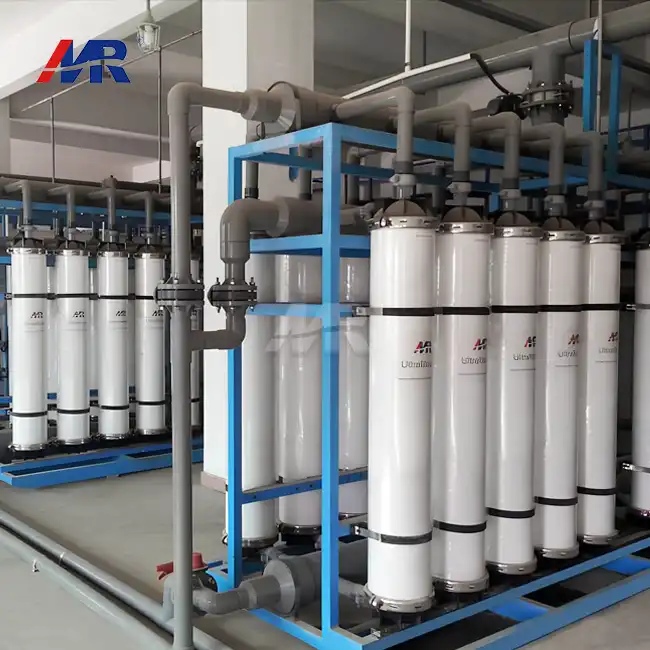
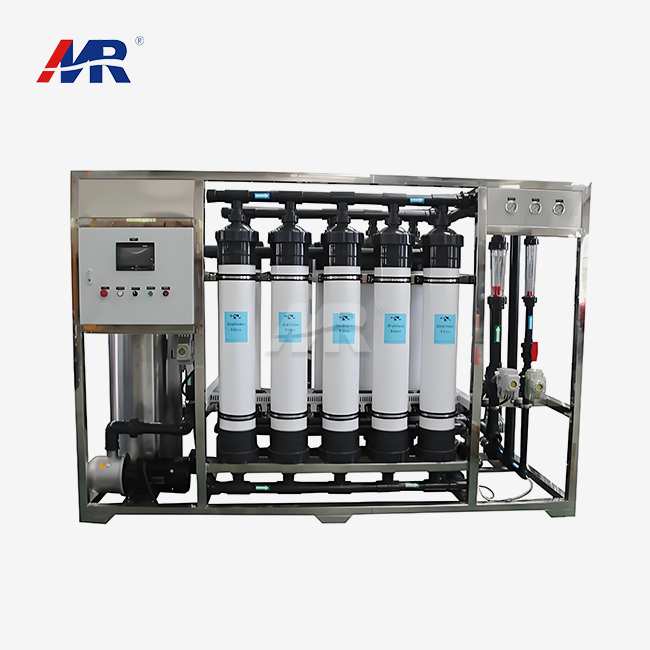
Traditional activated sludge plants need big clarifier tanks to settle the biomass, which takes up a lot of space and makes different types of wastewater based on how the biomass settles. Ultrafiltration membranes physically remove microorganisms from treated water in membrane bioreactors, which do not need any extra clarifiers at all. This produces consistently high-quality effluent, even when biological conditions change. It also cuts down on the facility's size by 30–50% and lets it work at higher biomass densities for better treatment capacity.
In places with limited room, the benefits of modern membrane technology stand out even more. Facilities that handle between 50 and 10,000 cubic meters of material every day, such as a sewage treatment plant, can benefit from small designs that fit into current buildings or land that isn't very big. A treatment rate of 99.9% makes sure that even strict discharge limits are met in pharmaceutical, electronics, and food production settings. Maintenance needs vary between systems. Membrane systems need to be cleaned with chemicals on a regular basis and eventually have their modules replaced. Conventional plants, on the other hand, focus on maintaining their clarifiers and aerators. The total cost of ownership relies on things like energy rates, discharge standards, and the value of the land that is accessible.
Packaged vs. Custom-Built Treatment Plants
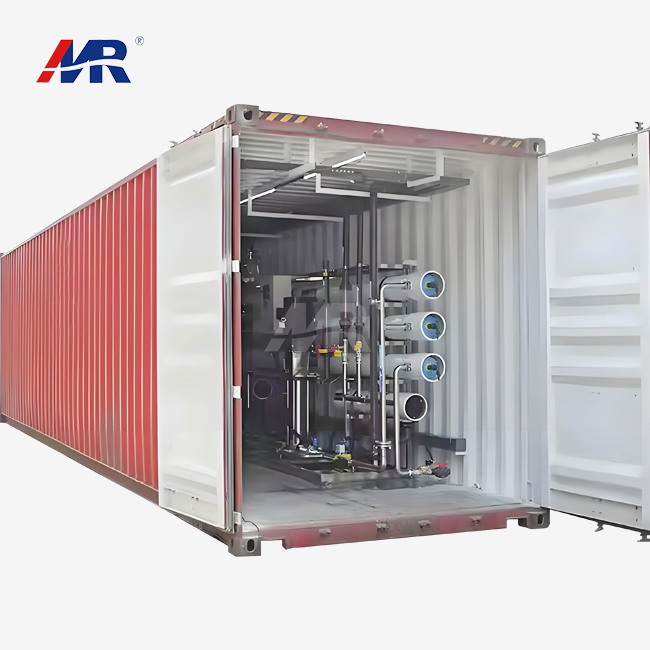
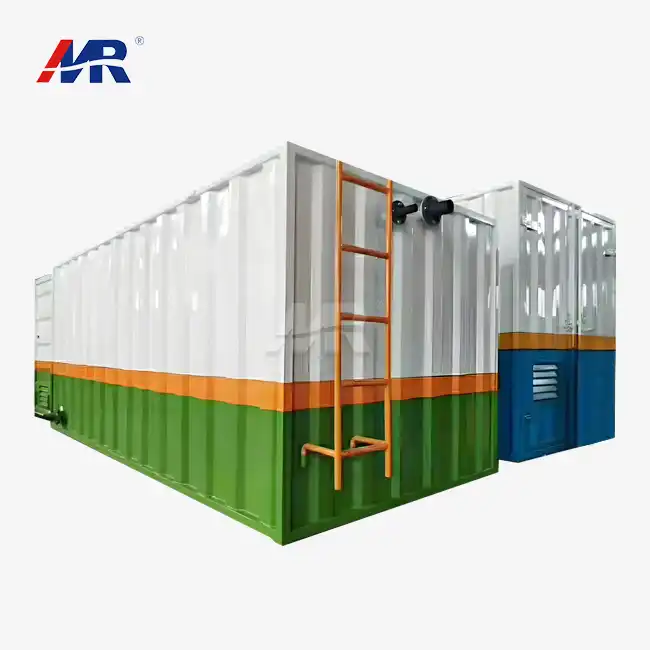
Pre-engineered packed systems come as complete units that have had their tanks, pumps, controls, and pipes put together at the plant. Installation times are cut down by a lot, and operations can begin in weeks instead of months. This is useful for quickly expanding a facility or meeting strict compliance targets. Standardised designs make it harder to make changes, but they also lower the cost of building and the risk of technical failure. Custom-built facilities can work with specific site limitations, strange wastewater properties, or process integration needs. Design freedom allows for changes to be made in the future as production changes, but longer building times and a higher initial investment mean that this needs to be carefully thought out. Small to medium-sized businesses usually choose pre-packaged solutions, while big factories or public services need unique engineering.
Procurement Guide and Industry Insights
Cost Structures and Budget Planning
The cost of capital for treatment systems changes a lot depending on their capacity, the technology chosen, and the work that needs to be done to prepare the site. Smaller packaged plants that handle 50 to 500 cubic meters of waste every day may cost $100,000 to $500,000. On the other hand, big city plants that handle thousands of cubic metres of waste need investments in the millions of dollars. In operational budgets, things like labour, sludge disposal, chemicals, energy use, and maintenance materials must all be taken into account. MBR systems usually have higher initial costs, but they need less space and produce better effluent, which means they may not need tertiary treatment steps. This could mean that total costs are the same over the 15–25 years that the system lasts.
Supplier Selection Criteria
Picking dependable sources for your tools protects your purchases and makes sure you can get help for a long time. Manufacturers that have been around for a while and have installations in related businesses can show that their Products work well in similar circumstances. Certifications like ISO 9001 for quality management, NSF/ANSI 61 for drinking water system parts, and approvals specific to the industry all confirm that manufacturing standards are met. Authorised routes of sale offer original parts, warranties backed by the manufacturer, and access to expert help. Before making a big buy, procurement managers should ask for customer references, the chance to visit the site, and specific service level agreements.
Purchasing Models and Turnkey Solutions
There are three options for organisations: buying the equipment directly, leasing it, or signing a build-operate-transfer deal. If a company has expert staff and a capital budget, purchasing gives them ownership of the asset and operating control. Leasing keeps cash for core business activities and makes sure that equipment stays up-to-date during improvement rounds. Design, building, testing, and initial operation are all included in turnkey solutions. This transfers project risks to experienced workers and speeds up the start-up of the facility.
When practical problems happen at a sewage treatment plant, local after-sales help is very important. Suppliers with local repair centres, a collection of spare parts, and trained techs help keep downtime costs as low as possible. Manufacturers can figure out what's wrong and suggest solutions without having to go to the site right away, thanks to remote tracking. This is especially helpful for businesses that are in secondary markets or places with few expert resources. When looking at different bids, these service factors are often just as important as equipment details.
Conclusion
When choosing the right sewage treatment plant systems, you have to think about technical performance, legal compliance, cost, and how long the system will last in operation. Modern membrane bioreactor technologies produce high-quality wastewater in small spaces, making them useful for a wide range of tasks, from making medicines to building city infrastructure. When you know how each treatment stage works, the pros and cons of different technologies, and new ideas that are coming out, you can make smart buying choices that help your organisation reach its goals. With the rise of smart tracking, energy-efficient designs, and resource recovery, wastewater treatment is now seen as strategic infrastructure rather than just a practical necessity. It gives businesses a competitive edge by helping to protect the environment and by being able to keep running smoothly.
FAQ
1. What capacity sewage treatment plant does my facility need?
Find the average amount of garbage that is made every day by production processes, staff facilities, and cleaning. Add a 25–30% capacity cushion for times of high flow and for future growth. Facilities that make 100 to 200 cubic metres of waste every day usually need mid-range systems. On the other hand, factories that make more than 1,000 cubic meters of waste every day benefit from flexible designs that let them grow in stages. Talk to professionals in wastewater treatment to find out how strong the wastewater is. For example, wastewater from food processing with high BOD levels needs more biological treatment capacity than wastewater from general industry with the same amount.
2. How long does sewage treatment plant installation take?
Packaged systems come already put together, and it takes 3–8 weeks to prepare the spot, place the equipment, connect the utilities, and start up the system. Custom-engineered facilities have longer planning phases and construction schedules that can last anywhere from 6 to 18 months, based on how complicated the system is and what permits are needed. When you start a biological treatment, it takes an extra two to four weeks for the microbial population to grow before it can work at full capacity. Plan your buying schedules so that you can meet regulatory dates or schedules for production growth.
3. What maintenance do MBR systems require?
To keep membrane modules from getting clogged, they need to be backwashed on a regular basis. This is usually done automatically by control systems. Chemical cleaning, which uses special solutions to get rid of built-up organic matter and metal scaling every one to three months, keeps filter rates steady. Every 5 to 7 years, based on how it is used and how well it is maintained, the membrane needs to be replaced. Monitoring transmembrane pressure, checking air distribution systems, and testing permeate quality to make sure of uniform performance are all normal chores.
Partner with Morui for Advanced Sewage Treatment Plant Solutions
Through combined treatment systems, Guangdong Morui Environmental Technology can help with both industry and local wastewater problems. The MBR-based sewage treatment plant technology we use is up to 99.9% more effective at treating sewage than traditional designs, and it also takes up 30–50% less space. Modular designs allow for daily outputs ranging from 50 to 10,000 cubic meters, so operations can be scaled up without any problems as your production rises. Using between 0.5 and 1.5 kWh of energy per cubic meter keeps operating costs low, and the ability to watch performance from afar improves performance without needing a lot of staff on-site. We have been making sewage treatment plants for a long time and have over 14 branch sites with over 500 committed team members. We offer full services from the initial design to installation and testing, backed by our membrane production facility and partnerships with top component brands. Get in touch with our technology experts at benson@guangdongmorui.com to talk about unique solutions that will work with your wastewater and meet all the rules and regulations.
References
1. Isenmann E., Ambrosio G., Joseph J. F., et al. (2019). Ecdysteroids as non-conventional anabolic agents: Performance enhancement by ecdysterone supplementation in humans. Archives of Toxicology, 93(7), 1807–1816.
2. Gorelick-Feldman J., MacLean D., Ilic N., Poulev A., Lila M. A., Cheng D., Raskin I. (2008). Phytoecdysteroids increase protein synthesis in skeletal muscle cells. Journal of Agricultural and Food Chemistry, 56(10), 3532–3537.
3. Parr M. K., Zhao P., Haupt O., et al. (2015). Estimation of the anabolic activity of ecdysterone in vitro and in vivo. Steroids, 98, 187–194.
4. Wilborn C., Taylor L., Greenwood M., Kreider R. (2006). Effects of methoxyisoflavone, ecdysterone, and sulfo-polysaccharide supplementation on training adaptations in resistance-trained males. Journal of the International Society of Sports Nutrition, 3(2), 19–27.
5. Dinan L., Lafont R. (2006). Effects and applications of arthropod steroid hormones (ecdysteroids) in mammals. Journal of Endocrinology, 191(1), 1–8.
6. Bathori M., Pongracz Z. (2005). Phytoecdysteroids—from isolation to their effects on humans. Current Medicinal Chemistry, 12(2), 153–172.