_1745823981883.webp)

Sewage treatment plant: Understanding the basics of STP technology
If your business needs good ways to deal with wastewater, you need to know how a Sewage Treatment Plant works. An STP plant carefully goes through a series of steps to clean up dirty water. This turns dangerous waste into clean water that can be safely dumped into the environment or used again. All three types of technology are used together to get rid of pollution, keep the world safe, and help people follow the rules. How well the environment is cleaned, how much it costs to run, and how long it lasts all depend on the water treatment method that is chosen. This is true whether you are in charge of a plant that makes food, a store, or the foundation of a city.
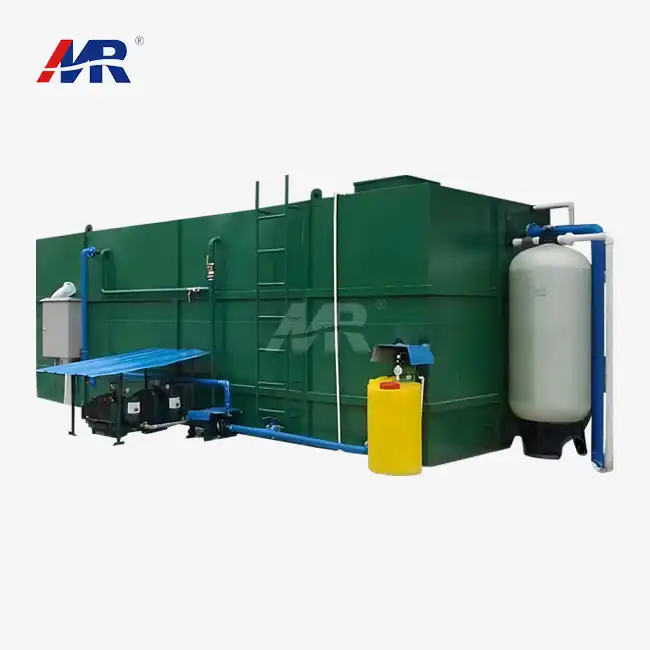
Overview of STP Technology and Processes
In modern sewage treatment plants, contaminants are removed through a multi-step purification process. Each stage targets specific types of pollutants to ensure the water is thoroughly cleaned before discharge.
Primary Treatment: Removing Settled Solids
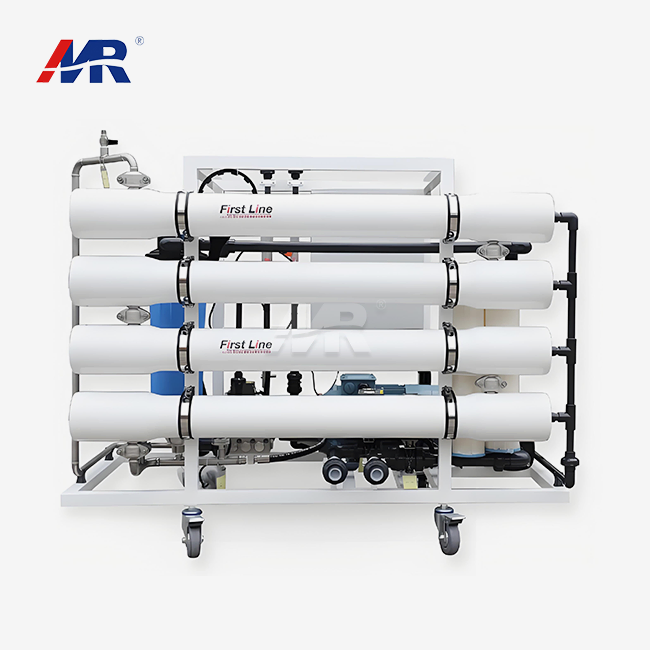
Screening and grit removal are used in the first step to get rid of the big pieces of trash and solids that are moving in the fluid. The wastewater is sent to major clarifiers, which use gravity to separate the heavy parts from the liquid stream. In this first step, less organic matter gets into the biological treatment zones. This saves equipment further down the line from getting broken. As much as 10,000 m³ of material can be put through our Morui devices every day. They use cutting-edge screening technology. They are small and take up 30% less space than standard designs, but they are good at getting rid of a lot of waste water.
Secondary Biological Treatment: Degrading Organic Matter
The main thing that makes water clean is biological processes. During aerobic treatment, microorganisms eat dissolved organic molecules in places with lots of oxygen. This can get rid of up to 95% of BOD. There is no air in anaerobic systems, so they make biogas from trash. This biogas can then be used to make energy. Desnitrogenation is a process that helps plants get rid of nitrogen. Chemical oxygen is used much less in this biological stage, and dangerous organic matter is turned into safe biomass that is easy to separate in the next step of cleaning.
Tertiary Treatment and Membrane Filtration
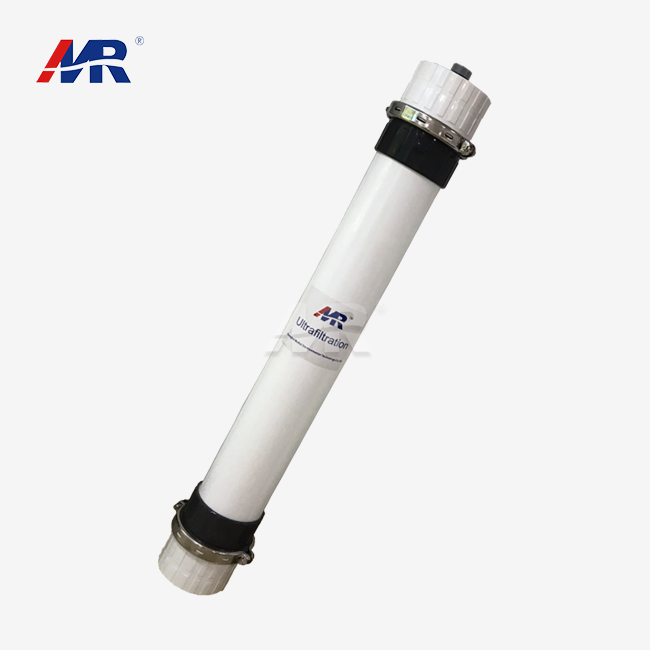
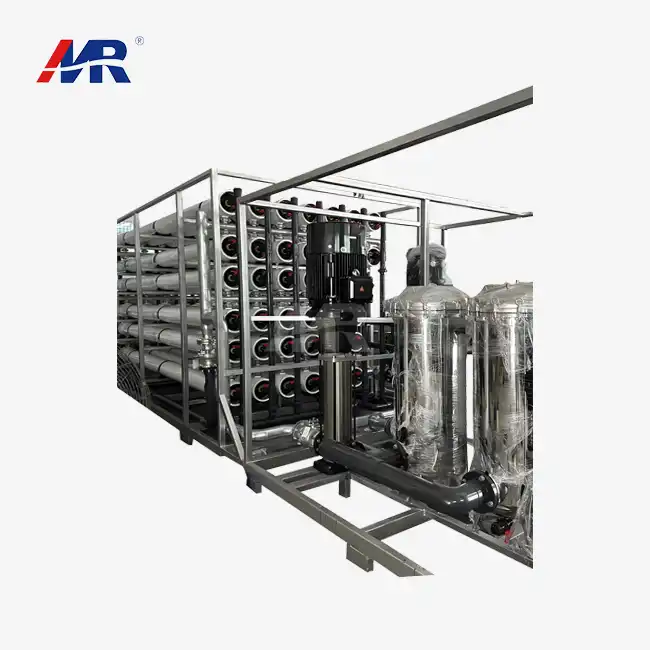
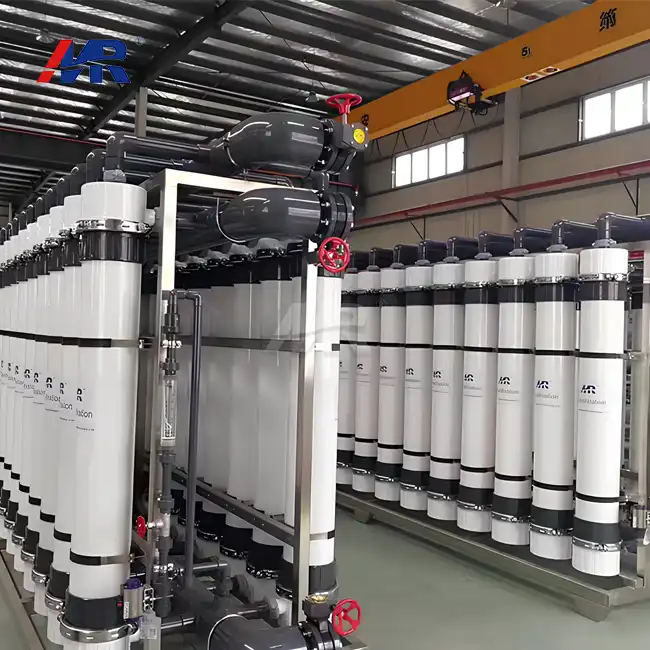
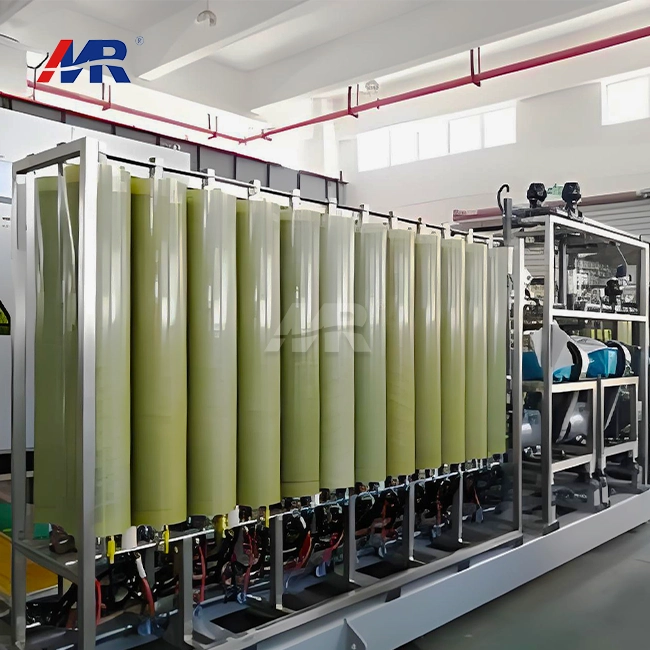
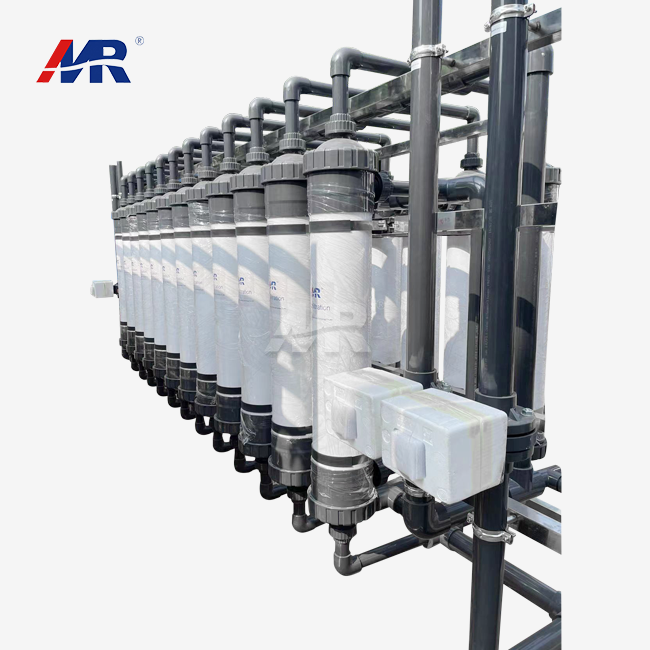
The wastewater is cleaned in more advanced steps that make it better than intermediate norms. Biological cleaning and membrane filtering are both parts of membrane bioreactor (MBR) technology, which makes water that meets strict rules for release. Our MBR systems can get rid of up to 95% of TSS and up to 90% of COD. The trash that is left over can be safely put back into the environment or used again in industry. Chlorine, UV light, or ozone can be used to kill pathogenic germs. This keeps people healthy and keeps marine areas safe.
Sludge Management and Resource Recovery
Biosolids are made during treatment, and they need to be treated in the right way. Sludge is processed, thickened, and dried out to make it smaller while keeping its biological makeup the same. Not only does anaerobic digestion break down sludge, but it also makes biogas that is high in methane. This lets energy be reused, which makes the plant cheaper to run. If you handle biosolids the right way, they can be used to improve farmland. This stops the loop on nutrients and supports the idea of a circular economy. When sludge is managed well, it costs less to dump, and useful materials can be taken from garbage streams.
Types of STP Systems: Packaged vs. Conventional
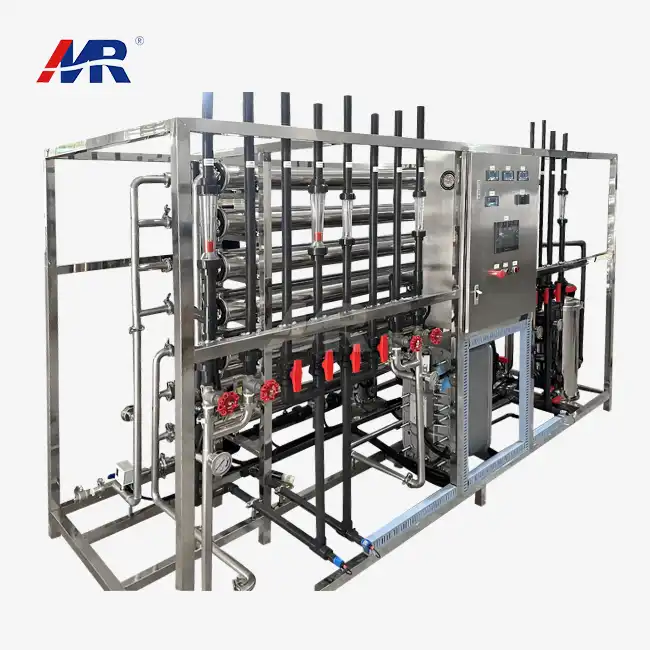
Packaged sewer treatment plants are easy to move and don't need a lot of space. They are also great for places that want to grow slowly. Because these systems are made up of separate parts, they are easier to set up and take less time to install. Conventional plants that are made on-site can be changed to fit the needs of big businesses or people in the area. There are different operating needs for each way. Which one to use depends on the flow rate, the location, the budget, and the need for future growth.
Key Design Criteria and Maintenance for Efficient Operation
The way treatment plants (STP plants) work will stay the same as long as they are used if they are built right. There are a lot of things expert buyers need to think about when picking systems that meet legal requirements and practical needs, including STP plants.
Capacity Calculation and Influent Characterisation
How fast the wastewater moves, how much BOD and COD it has, how many chemicals it has, and how it changes with the seasons are all things you need to think about in order to get the right size. A lot of work goes into figuring out the organic refill rates and the hydraulic holding time so that the treatment tanks are the right size. In homes, 150 to 300 litres per person per day are made. In businesses, however, the uses are very different and rely on the goods being made. The engineers at Morui carefully look at each site to help you choose the best tools for your influential character. This way, we can be sure that the systems are strong enough and have enough safety holes.
Energy Efficiency and Operational Costs
A lot of the money it takes to run a wastewater treatment plant goes to the electricity it needs. Modern plants only need 0.3 to 0.5 kWh of power per cubic metre of material that is being handled. This is possible with variable-frequency drives, efficient air systems, and settings that make the process run more smoothly. Tools that do the tracking automatically keep track of performance measures in real time. This lets workers change settings right away to make sure everything works well. Plants that use less energy save a lot of money and leave less of a carbon footprint, which is in line with businesses' goals to be more environmentally friendly.
Routine Maintenance and Preventive Practices
Computers and other electronics don't break down as often and cost a lot of money when they do. It is important to clean the membrane modules and keep an eye on the biological populations, as well as check the pumps, fans, and other mechanical parts on a regular basis. Problems are found before they happen by scheduled preventive maintenance. This means that unexpected downtime that slows down operations is kept to a minimum. We offer full support after the sale to protect your investment and make sure you always follow the rules for discharge permits. This includes training on how to do maintenance, providing extra parts, and providing expert help.
Troubleshooting Common Operational Challenges
There can be process problems in facilities, such as bad settlement, foam buildup, or less effective treatment. Most of the time, these issues are brought on by shock loads, changes in temperature, damaging inputs, or a lack of nutrients. Having a lot of knowledge and tests on the water quality helps workers figure out what's wrong. It's very helpful to have established ties with service providers who can offer quick expert support when problems arise. Morui has twenty experts who work together to get things back to normal as fast and with as little impact on production as possible. They do both online diagnostics and troubleshooting on-site.
Comparing STP Plants with Alternative Solutions – Making the Right Choice
STP versus Effluent Treatment Plant (ETP)
Although STP plants are traditionally designed for domestic sewage, modern STP systems can be adapted to treat certain industrial wastewater streams, especially those with high organic content (e.g., food processing). The key lies in integrating customised pre-treatment modules—such as oil-water separation or pH neutralisation—before the biological stages. However, for effluents containing heavy metals or toxic chemicals, a dedicated Effluent Treatment Plant (ETP) may still be required. Therefore, understanding your influent characteristics is essential to determine whether an STP alone is sufficient or if an ETP is needed.
Aerobic versus Anaerobic Treatment Systems
In STP plants, aerobic treatment is the most common secondary process, as it rapidly degrades organic matter and produces high-quality effluent that meets strict discharge standards. However, it requires continuous aeration, leading to higher energy consumption. Anaerobic treatment, by contrast, operates without oxygen, consumes less energy, and generates biogas that can be recovered for power. The trade-off is a slower degradation rate and more sensitive process control. Many modern STP plants integrate both technologies—using anaerobic pre-treatment for high-strength organic loads, followed by aerobic polishing—to optimise performance and energy recovery.
Packaged Systems versus Site-Built Plants
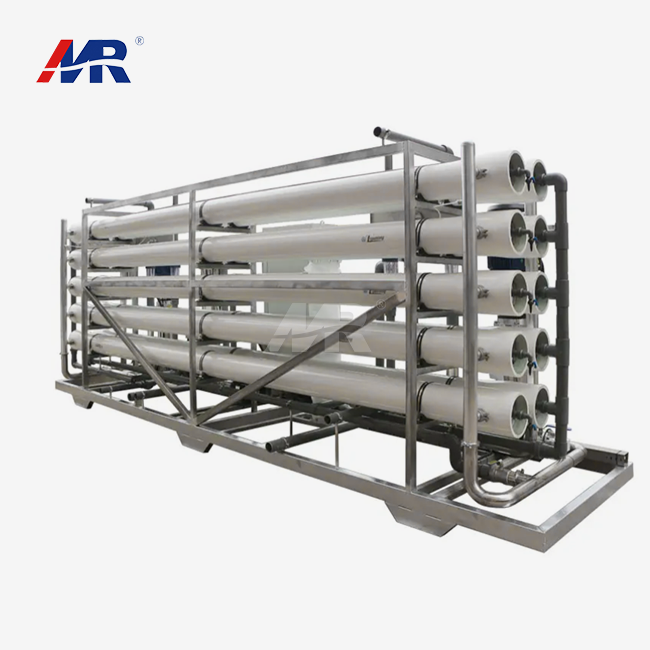
Packaged treatment plants offer full solutions that are built away from the site and then brought in as a single unit. There are fewer risks with this method, and the project can be finished faster. It works well for smaller buildings, hotels, apartment complexes, and short-term installations. If a public or commercial use needs to handle more than 1,000 m³ of water per day, site-built plants are more cost-effective and give planners more freedom. Morui's designs are flexible, so it's easy to add on as demand grows. This protects the initial investment while still allowing for growth in the future.
Cost Considerations and Total Ownership Economics
The cash cost at the beginning is only one part of the total cost of ownership. Costs of running the business, like electricity, chemicals, labour, and fixes, add up over many years. Long-term costs are cheaper with systems that use less energy, and people are needed less when automation is better. Long-term maintenance costs depend on things like the length of the guarantee, the ease of getting replacement parts, and how safe the service company is. For an STP plant, the best answer over its whole life can be seen by comparing the original costs to the ongoing savings in a full economic study. This is very helpful for buying managers who have to watch their spending and find a balance between needing to get things done and having limited funds.
Environmental and Economic Benefits of Deploying STP Plants
Water Pollution Reduction and Ecosystem Protection
Putting garbage that hasn't been cleaned into rivers, lakes, or coastal seas hurts wildlife, destroys aquatic environments, and lowers the amount of oxygen in the water. A good treatment gets rid of biological toxins, nutrients, and pathogens before they can spread. This saves fragile environments and keeps biodiversity. People in an area benefit from better water quality because it helps keep drinking water sources and fishing grounds open. Firms stay out of trouble with the law and keep their good name by following the Clean Water Act's disposal rules and local environmental standards.
Enabling Water Reuse and Resource Conservation
It meets quality standards for uses other than drinking when high-performance systems treat their wastewater. These uses include watering plants, making up cooling towers, processing water, and cleaning toilets. Recycling water lowers the need for freshwater sources, which is helpful in dry areas or places where there isn't a lot of it. Some companies, like those that process food and make electronics, use clean water for output more than once. This makes processes more stable and cuts the cost of raw water. The wastewater from our systems is of high quality and can be used in many different ways. This helps circular water management methods.
Regulatory Compliance and Risk Mitigation
Environmental laws are getting stricter all over the world. These laws put higher limits on the amount of nutrients, heavy metals, and new toxins that can be released into the environment. New, high-tech wastewater treatment plants have compliance gaps that let rules change in the future without having to spend a lot of money on costly retrofits. Breaking the rules can cost you a lot of money in fines, court problems, and lost business time if you lose your release permit. Environmental care that is proactive builds better relationships with customers, communities, and officials. Customers give more weight to providers who show they care about the environment.
Long-Term Cost Savings and Operational Efficiency
Cleaning systems that are well-designed use less energy, chemicals, and sludge and get rid of more of it, so they cost less to run. Automated control systems are always making processes better, which means that less work needs to be done and success levels stay the same. For an STP plant, the cost of power is balanced by the energy recovered from biogas output. This makes the plant more profitable overall. In places where water is scarce, facilities that reuse cleaned wastewater instead of buying pricey drinking water save a lot of money. These economic benefits add up over the 20–30 years that the equipment is used. This means that people who invest in environmental infrastructure get a good return on their money.
Conclusion
Knowing how waste treatment plants work scientifically helps people who buy them pick systems that do their jobs well, follow the rules, and are good for the business. STP plants today use a mix of organic processes, membrane filtering, and robots to get rid of many pollutants. They are easy to run and use very little energy. To pick the right technology, you need to think about the type of trash, the room you have, and any rules that might be in place. When you work with experienced providers who offer full turnkey solutions, high-quality manufacturing, and quick support, you can be sure that the project will be a success. As rules about the environment change and water problems get worse, putting money into new cleaning plants will help your business grow in the long term.
FAQ
1. What factors determine STP plant cost?
How much a system costs depends on how much trash needs to be cleaned, how bad the trash water is, how difficult the technology is, how the place is set up, and which seller is chosen. Because of the benefits of scale, bigger plants cost less per unit. It costs more to build more modern membrane systems or biogas recovery options, but it costs less to run them. Suppliers who are open and honest give price quotes that include the costs of all the parts and labour needed to set up and run the business. This helps you make better budget plans.
2. Can STP systems treat industrial wastewater effectively?
Normal sewage treatment plants are great at getting rid of trash from homes. When wastewater from an industrial use has a lot of certain contaminants, you need custom solutions or plants that treat wastewater. A lot of businesses sell mixed systems that have certain steps of pretreatment that come before biological processes. If you talk to experienced experts, you can be sure that the technology you pick is right for your industrial waste and follows the rules for release.
3. How frequently does an STP plant require maintenance?
Checks are done once a week, and full preventative maintenance is done every three to six months, depending on how the system is set up and how often it is used. The membrane should be cleaned every three to six months, but this depends on how often it gets clogged. People who take good care of plants know how much it costs to fix them when they break. With automatic tracking, workers don't have to keep an eye on things as much, and they are also told when something needs their attention, which makes maintenance go more quickly.
Partner with Morui for Your Next STP Plant Project
Guangdong Morui Environmental Technology has a lot of technical knowledge and a lot of different manufacturing skills that they use to offer tried-and-true waste treatment choices. Our state-of-the-art units use only 0.3 to 0.5 kWh/m³ and can get rid of up to 95% of BOD. This is better for the earth and lowers the cost of doing business. We are a well-known STP plant manufacturer. Our designs are flexible and can handle 50 to 10,000 m³ of water per day. They also have small sizes that take up 30% less space. Send an email to benson@guangdongmorui.com to talk to our expert team about your specific needs and get a full plan that works for your application, your budget, and your time frame.
References
1. Metcalf & Eddy, Inc. (2014). Wastewater Engineering: Treatment and Resource Recovery (5th ed.). McGraw-Hill Education.
2. United States Environmental Protection Agency. (2021). Primer for Municipal Wastewater Treatment Systems. Office of Wastewater Management.
3. Tchobanoglous, G., Stensel, H.D., Tsuchihashi, R., & Burton, F. (2013). Wastewater Engineering: Treatment and Resource Recovery. McGraw-Hill Professional.
4. World Health Organization. (2018). Guidelines for the Safe Use of Wastewater, Excreta and Greywater (Vol. 2). WHO Press.
5. Water Environment Federation. (2017). Design of Water Resource Recovery Facilities (6th ed.). WEF Manual of Practice No. 8.
6. Judd, S., & Judd, C. (2011). The MBR Book: Principles and Applications of Membrane Bioreactors for Water and Wastewater Treatment (2nd ed.). Butterworth-Heinemann.