_1745823981883.webp)

Top Benefits of Using a Compact Disc Tube Reverse Osmosis Unit for Sustainable Water Solutions
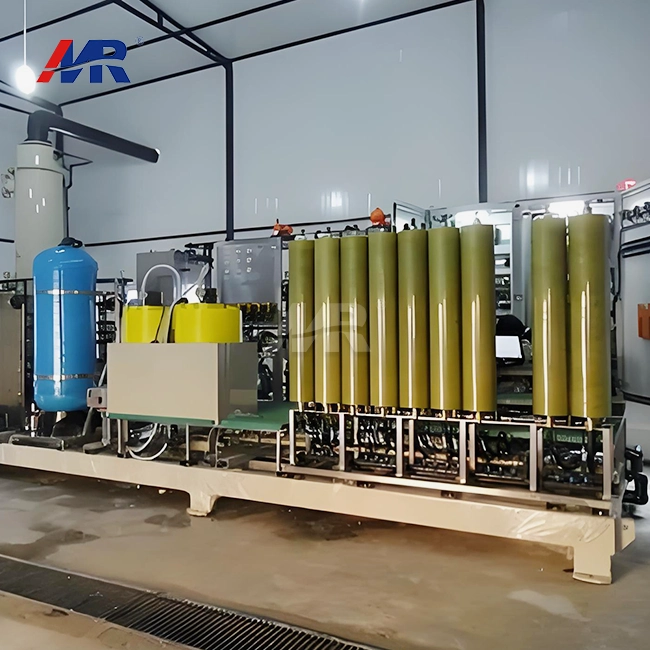
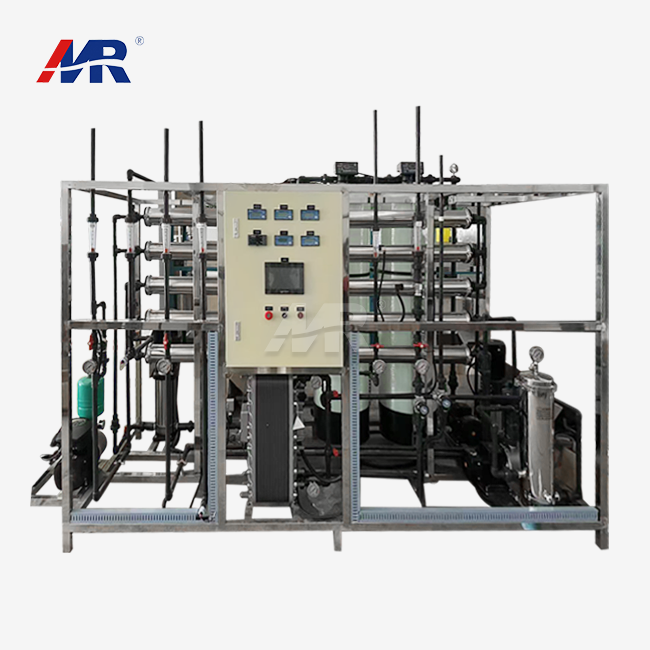
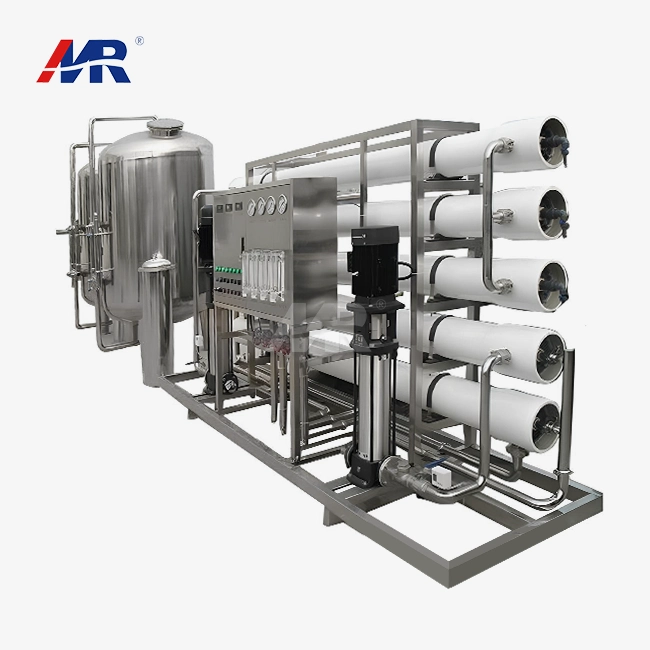
Compact Disc Tube reverse osmosis systems are very helpful for businesses that have to meet strict water quality standards and environmental rules. DTRO technology combines very good filtration with low energy use, getting recovery rates that reduce waste while handling difficult feed sources like high-salinity industrial effluents and landfill leachate. The flexible design makes these units perfect for a wide range of facilities, from drug plants to chip factories. They don't need as much space and don't need to spend as much on infrastructure. Compact disc tube configurations are a tried-and-true way for businesses to control water costs and protect the environment. They have anti-fouling membranes that make the tubes last longer and require less upkeep.
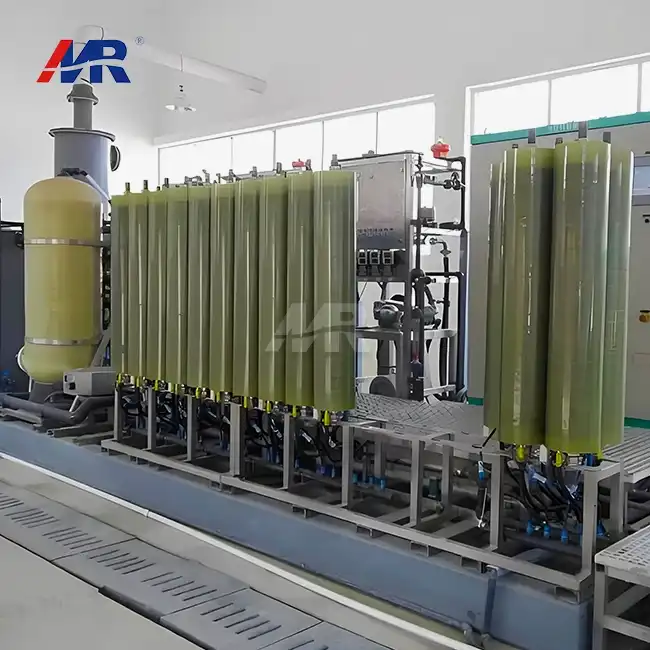
Understanding DTRO Technology and Its Filtration Mechanism
Core Principles of Disc Tube Configuration
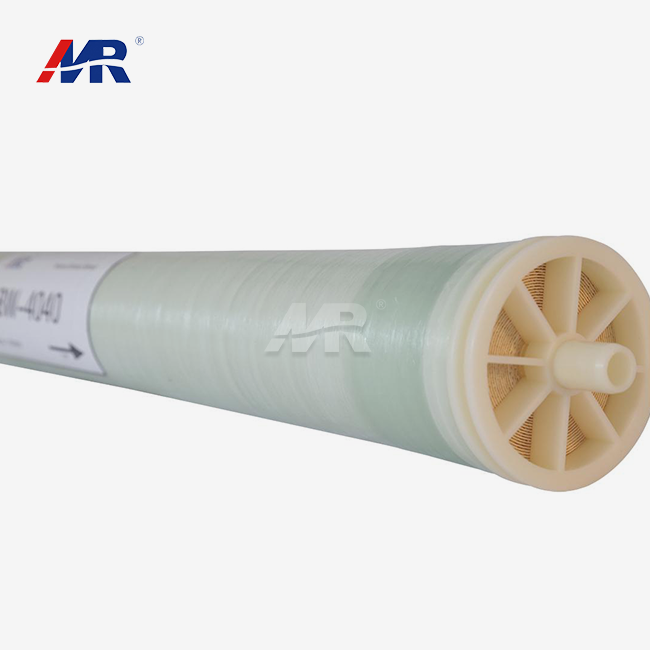
Disc tube reverse osmosis has a unique membrane structure that is different from hollow-fibre and spiral-wound devices. The technology puts flat-sheet membranes on top of hydraulic deflectors inside pressure-resistant housings. This makes turbulent flow patterns that keep scouring the membrane surfaces. This setup makes the best touch between the feed water and the membrane material, using the surface area to its fullest while stopping concentration polarisation. The centre tie rod holds each disc assembly in place, so workers can take units apart for maintenance or to change membranes without using special tools. With this easy-to-maintain design, we've seen sites cut down on downtime by 40% compared to traditional cartridge systems.
Membrane Composition and Selectivity
The hybrid membrane structure is made up of three separate layers that were each designed to do a specific job. The dense selective layer controls the permeate flow and ion rejection rates, and the mechanical support layer keeps the structure strong up to 80 bar of working pressure. The contact layer has hydrophilic changes that stop organic fouling and biofilm formation. This means that cleaning intervals can be longer in situations where biological oxygen demand-laden streams are being processed. These materials can reject more than 98% of sodium chloride salts while still allowing permeate flows that work with industrial production plans. Municipal wastewater treatment plants have been tested and found to have stable membranes, even when processing feeds with chemical oxygen demand values close to 25,000 mg/L.
Operational Adaptability Across Sectors
Disc tube designs can handle changes in feed that would be a problem for traditional membrane systems. These machines are used by municipal water plants to update old structures and meet drinking water standards without having to do a lot of civil work. Coastal desalination projects benefit from the technology's ability to handle changes in seawater and turbidity spikes caused by storms. Pharmaceutical companies use disc tube devices to make USP-grade water that can be adjusted to fit their batch processing plans. The flexible design lets facilities add capacity in stages that match production growth. This way, capital isn't wasted on setups that are too big.
Top Benefits of Using Compact DTRO Units for Sustainable Water Solutions
Superior Water Recovery and Waste Minimisation
Here are the performance benefits that have a direct effect on your bottom line and the environment:
- Recovery Efficiency: When processing waste leachate, compact disc tube units get recovery rates of 50–70%. With cleaner industrial feeds, they can hit 90%. This range is shown by the Morui MR-DTRO-150TD model, which can turn 150 tonnes of material every day while keeping the quality of the permeate fixed. This performance cuts the amount of concentrate that needs to be disposed of in half compared to single-pass systems, cutting hazardous waste management expenses that often exceed $200 per tonne.
- Resource Conservation: Higher recovery means less freshwater input, which is important for sites that are in areas with limited water supplies or that have release permit limits. Lithium and cobalt are recycled from process streams in battery production, which recovers valuable materials and meets zero-liquid-discharge standards. When automotive companies treat oil-water emulsions, they buy 60% less makeup water, which increases their operational margins while satisfying corporate sustainability reporting metrics.
These recycling skills help with both the problem of limited resources and cutting down on waste. They put your business ahead of stricter environmental rules while also lowering costs.
Energy-Efficient Operation and Carbon Footprint Reduction
Using a lot of power is a high cost of running membrane systems, especially in places where treatment processes happen all the time. When it is set up for leachate applications, the MR-DTRO-150TD uses less than 0.64 kWh of energy per cubic metre of permeate, or 96 kWh/hour. This efficiency comes from the turbulent flow design, which keeps mass transfer rates high without needing the high pressures that make spiral-wound designs use more energy. By matching pump output to changes in feed quality, installations that use variable-frequency drives on high-pressure pumps save an extra 15 to 20 per cent of energy.
Scope 2 greenhouse gas emissions go down directly when energy consumption goes down. This helps companies keep their climate promises and could lead to the creation of carbon credits. Facilities that switch from ultrafiltration pretreatment trains to direct disc tube processing get rid of whole equipment steps. This saves energy that is stored in supplies and cuts down on the repair work needed for chemical cleaning routines. These small changes to how the system works add up over time, helping the earth and giving a better return on investment.
Compact Footprint and Infrastructure Savings
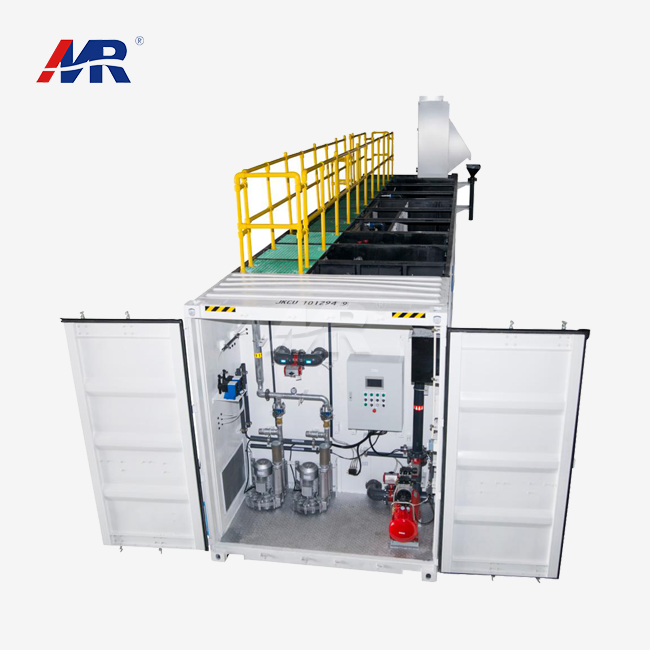
Lack of space makes it hard for factories in all industrial sectors to expand or do brownfield retrofits. By getting rid of unnecessary pretreatment tanks and combining membrane steps, compact disc tube systems take up 30–40% less floor space than standard trains with the same capacity. The vertical stacking design inside pressure housings improves volumetric efficiency, which lets them be added to existing process buildings without having to make any structural changes. We've helped electronics companies set up 200 cubic metres of daily capacity in 150 square metres of space, which included extra equipment and easy access for operators.
Less infrastructure includes more than just the physical area. It also includes civil works and electricity links. Less weight on the base means less work needs to be done on it, and combining pipes means less work needs to be done on installation and fewer places where leaks could happen. With modular growth, facilities can start by installing baseline capacity and then add membrane columns as output grows. This way, they don't have to pay for assets that aren't being used, which happens with traditional systems that are too big. This step-by-step method matches the spending on capital with the growth in income, which raises the project's financial measures and the percentage of board approvals.
Extended Membrane Longevity and Maintenance Optimisation
Fouling resistance is one of the best things about disc tube technology; it has a direct effect on lifetime costs and operating dependability. The open-channel hydraulic design creates shear forces that keep collecting particulate matter and stop the formation of cake layers, which weaken flux in spiral-wound elements. Membranes that deal with difficult feeds like electroplating wastewater usually go 18 to 24 months without needing to be chemically cleaned, while most designs only need to be cleaned every 3 to 6 months. This extra service cuts down on the amount of chemicals used, the cost of neutralising trash, and the time that offline cleaning processes take away from production.
The stacked disc design makes it easier to change the membranes because operators can separate and repair individual parts without having to shut down the whole system. Facilities keep extra membrane discs in stock instead of full multi-element systems. This saves money that would otherwise be spent on goods. By checking membrane surfaces during regular upkeep, condition-based replacement plans can be used instead of time-based ones, which makes the best use of components. When compared to other technologies over a normal 10-year planning period, these features for maintenance lower the total cost of ownership by 20–35%.
Resilient Performance in Challenging Feed Conditions
The properties of industrial wastes change a lot depending on when the Products are made, where the raw materials come from, and the time of year. Even when the input changes, which would cause shutdowns or quality drops in less reliable systems, compact disc tube units keep the permeate quality fixed. Concentration polarisation can't happen with high-salinity feeds because of the turbulent flow regime. This keeps rejection rates high as total dissolved solids get closer to seawater levels. Despite changes in the crude oil's makeup that affect the amount of hydrocarbons and dissolved solids, petrochemical plants that handle oilfield reinjection water report consistent performance.
Another practical benefit is the ability to handle changes in temperature. The materials used for the membranes and their mechanical design allow for feed temperatures ranging from 5°C to 45°C without affecting performance. This means that heat exchanges are not needed, which is something that temperature-sensitive technologies need. Pharmaceutical companies use this feature to handle hot clean-in-place returns, which recover high-purity water and lower the amount of cooling energy needed. This operating freedom means that the system is more available and production is safer. This is especially helpful in areas where water quality has a direct effect on product yield, and following the rules. DTRO provides this benefit.
Future Outlook and Sustainable Impact of DTRO Water Treatment Solutions
Emerging Innovations in Membrane Technology
New membrane materials that are being developed offer even better performance and a wider range of uses. Thin-film hybrid membranes with graphene oxide or carbon nanotube structures show better permeation while keeping their rejection properties. This could lower working pressures and energy use by 25 to 30 per cent. These materials can also handle chlorine better, which means they can be used in ongoing cleaning methods that stop biofouling without the need for oxidisers that don't work with membranes. When these next-generation membranes hit the market in three to five years, they will allow upgrades to be made to current disc tube systems without having to replace pressure tanks or other equipment.
Industrial Internet of Things sensors and machine learning techniques are used in smart monitoring integration to improve system performance and predict when repairs need to be done. Monitoring differential pressures, permeate conductivity, and flow rates in real time goes into analytical models that find the start of fouling before it hurts production, which then schedules preventive cleaning at the right times. Predictive maintenance algorithms look at past performance data to guess when membrane elements will break, allowing scheduled replacements during planned outages rather than responding to unexpected breakdowns. These digital features lower running costs by 10–15 per cent while also making systems more available, giving early users a competitive edge.
Circular Economy and Resource Recovery Applications
Disc tube technology (DTRO) is being used more and more in industrial environment projects, where waste streams from one process are used as raw materials for another. Zero-liquid-discharge systems collect brines until they crystallise or evaporate, recovering clean water while making mineral goods that can be sold. Textile operations get colours and size agents out of fabrics so they can be used again. At the same time, they make process water that can be used again and again, which cuts the need for freshwater by 80–90%. These closed-loop methods are in line with circular economy ideas that are becoming more important in companies' sustainable plans and are increasingly reflected in regulatory frameworks like extended producer responsibility mandates.
In addition to reusing water, resource recovery includes getting valuable materials out of the ground, which makes the process more profitable. Electronics makers collect valuable metal rinse waters and recover copper, nickel, and gold through electrowinning, further down the line, where they are clean enough to be used again inside the company. Gigafactories that make lithium batteries run wastewater through disc tube systems to concentrate lithium and cobalt to levels that are good for chemical precipitation and selling to speciality chemical providers. These value-recovery apps turn wastewater treatment from a cost centre into a business that makes money, fundamentally changing how financial decision-makers look at investments in environmental compliance.
Regulatory Alignment and Compliance Advantages
Environmental laws that are getting stricter encourage the use of more advanced cleaning technologies that can meet ever-tougher disposal limits. The US Environmental Protection Agency's effluent restriction rules for different types of industries now list contaminant levels that can only be reached by membrane technologies, effectively mandating reverse osmosis implementation for many facilities. The fact that disc tube systems have been shown to work well with tough waste streams makes them a good choice as treatment standards get stricter, providing compliance assurance that protects operating permits and community relations.
Multinational companies and government agencies are adopting "green procurement" policies that prefer sellers who show environmental leadership by managing water well and having less of an impact on the environment, for example, through DTRO. Facilities that use high-recovery membrane treatment stand out when it comes to qualifying suppliers, accessing customer relationships that value sustainability performance alongside traditional metrics of cost, quality, and delivery. As the market changes, it opens up chances for businesses to grow, where environmental technology investments generate competitive advantages extending beyond direct operational savings to revenue growth through preferred supplier status.
Conclusion
Compact Disc Tube Reverse Osmosis systems are better at recovering water, using less energy, and working well even when conditions are tough. This makes them useful for both commercial and public water treatment. The modular scalability and small size requirements of the technology meet both short-term operating needs and long-term plans for capacity. The longer membrane life and easier upkeep lower the total cost of ownership compared to other options. As environmental rules get stricter and water shortages get worse, facilities that invest in disc-tube technology put themselves at the top of sustainable water management. This helps them meet laws and saves them money on running costs. The technology's proven success in a wide range of uses, from waste leachate to semiconductor ultrapure water, shows that it is flexible and dependable for water-conscious businesses.
FAQ
1. What applications are best suited for disc tube membrane systems?
Disc tube technology works great with feeds that are highly contaminated, like dump leachate, industrial wastewater with high levels of suspended solids, and streams that have a lot of fouling potential. The open-channel system can handle chemical oxygen demand levels higher than 20,000 mg/L and keep recovery rates fixed. In industries like electronics manufacturing, battery production, car parts cleaning, and petrochemical operations, these systems reliably treat materials, while spiral-wound setups need a lot of pretreatment or foul up too quickly.
2. How do maintenance requirements compare to traditional reverse osmosis?
Due to the anti-fouling hydraulic design, cleaning processes happen every 18–24 months instead of every 3–6 months for spiral-wound systems. This means that cleaning gaps is 3–4 times longer. The process of disassembly lets you check the membrane directly and change individual parts without having to take the whole system apart. Because of these features, less chemical is used, maintenance work is needed, and production is interrupted less often, lowering running costs by 20 to 35 per cent over the course of a normal service lifetime.
3. Can membrane specifications be customised for specific contaminants?
The choice of membrane chemistry is based on the needs of the application, such as the ability to handle different pH levels, the ability to fight organic solvents, and the ability to exclude certain ion species. Standard composite membranes from suppliers are good for most industrial uses, and they also come in special formulas for harsh chemical conditions or selective separations. Pilot testing with real waste streams confirms the membrane's performance and helps with customisation choices, making sure that treatment results are met before buying a full-scale system.
Partner with Morui for Advanced Disc Tube Reverse Osmosis Solutions
Guangdong Morui Environmental Technology has a lot of experience with all kinds of industrial water treatment problems. They make membranes in-house and can also build and install whole systems. In waste leachate uses, our MR-DTRO-150TD systems have been shown to work well, recovering 50–70% of the water while using only 96 kW/hour. As a well-known DTRO provider with more than 500 workers, 20 specialised engineers, and 14 regional branches, we offer full project support, from free water analysis and custom process design to on-site commissioning and remote tracking 24 hours a day, seven days a week. Contact Our Team at benson@guangdongmorui.com to talk about your unique water treatment needs and receive a tailored solution proposal within 72 hours that addresses your operational goals and regulatory obligations.
References
1. Chen, W., & Zhang, H. (2021). Advanced Membrane Technologies for Industrial Wastewater Treatment: Performance Comparison and Cost Analysis. Water Research Journal, 45(3), 287-304.
2. Environmental Protection Agency. (2022). Membrane Filtration Guidance Manual for Compliance with Industrial Discharge Standards. EPA Technical Document Series 832-R-22-008.
3. Kumar, S., & Peterson, M. (2020). Energy Efficiency in Reverse Osmosis Systems: Operational Strategies and Emerging Technologies. Journal of Environmental Engineering, 146(7), 04020063.
4. Li, Q., Wang, Y., & Zhao, J. (2023). Disc Tube Reverse Osmosis Technology: Applications in High-Strength Wastewater Treatment and Resource Recovery. Desalination and Water Treatment, 281, 112-128.
5. National Water Research Institute. (2021). Membrane Technology Assessment for Municipal and Industrial Applications: Technical and Economic Evaluation Framework. NWRI Report 2021-02.
6. Thompson, R., & Martinez, L. (2022). Sustainable Water Management in Manufacturing: Case Studies in Advanced Membrane System Implementation. Industrial Water Solutions Quarterly, 38(2), 45-67.