

_1745823981883.webp)

DTRO Zero Liquid Discharge Solutions: Achieving Maximum Water Recovery in Chemical Processing Plants
Chemical processing plants are under more and more pressure to use less fresh water and stop dumping garbage. Disc Tube Reverse Osmosis (DTRO) technology has become a revolutionary way to get rid of all liquid waste and restore up to 90% of process water. Disc Tube Reverse Osmosis is different from other membrane systems because it has a special open-channel design that doesn't get clogged up by high-concentration chemical effluents. This makes it perfect for handling complex wastewater streams that have high amounts of heavy metals, organic solvents, and TDS. With this cutting-edge membrane separation technology, businesses can follow strict environmental rules while cutting their costs by a large amount.
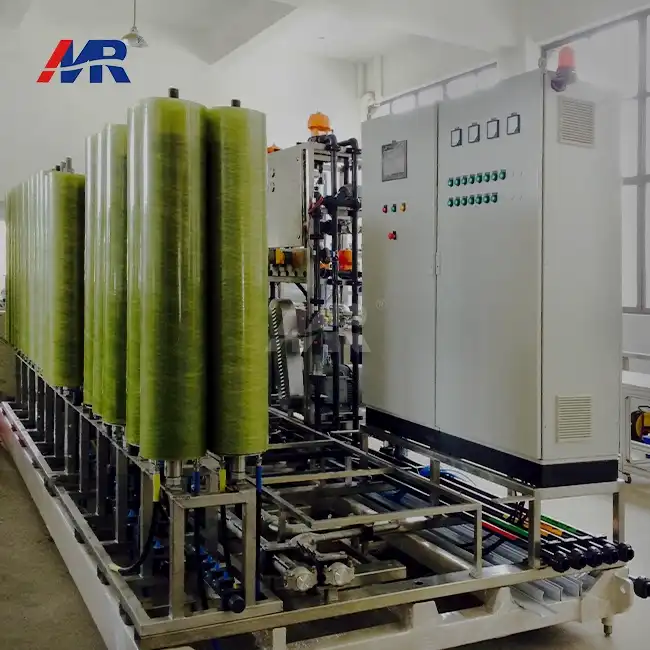
Understanding DTRO Technology and Its Role in Zero Liquid Discharge
Using membrane technologies that can handle even the toughest industrial wastewater is what makes DTRO Zero Liquid Discharge systems work. When it comes to high-concentration wastewater, disc tube reverse osmosis is a type of reverse osmosis that was specially designed for those uses.
How Disc Tube Membrane Configuration Works?
Disc tube reverse osmosis is built in a very different way than spiral-wound membranes. There are several membrane discs stacked vertically along a centre tie rod in each membrane column. There are specially made guide plates between these membrane sheets that make turbulent flow pathways. This arrangement creates constant hydraulic flow across membrane surfaces, which stops particles from settling and reduces concentration polarisation as much as possible. This keeps the flow rates steady even when handling feedwater with more than 25,000 mg/L of COD.
The membrane is made up of three separate layers that work together to do their job. When the working pressure is between 600 and 1,200 psi, the support layer keeps the structure stable. This is followed by the thick separation layer, which is usually a polyamide thin-film composite and does the real work of rejecting salt and contaminants. The contact layer is in line with the feedwater stream and has anti-fouling qualities that make cleaning less often and increase the membrane's life.
Advantages Over Traditional Reverse Osmosis Systems
When chemical plants handle wastewater that has oils, biologically active compounds, or dissolved solids, regular RO systems have a hard time keeping up with the fouling and flux drop. Disc tube technology gets around these problems by using a number of new engineering ideas. The open-channel flow path can handle particles up to 3 mm in width without getting clogged, which means that less preparation is needed. Surfaces of membranes are constantly being scraped by turbulent flow, which delays both organic and inorganic growth.
Recovery rates in Disc Tube Reverse Osmosis systems often go above 70% for chemical plant effluents, and in some Cases, they can reach 85–90% recovery with the right preparation. For example, our MR-DTRO-150TD model can treat waste leachate and keep recovery rates between 50 and 70% while processing feedwater with COD levels below 25,000 mg/L and using only 96 kW/hour. These success measures directly lead to fewer tonnes of concentrate that need to be thrown away, lower costs for making up fresh water, and better compliance with Zero Liquid Discharge rules.
Critical Role in Zero Liquid Discharge Frameworks
Strategies for zero liquid discharge usually use more than one cleaning stage to gradually concentrate wastewater. Disc tube reverse osmosis is an important part of this treatment line because it gets rid of salt and other impurities before the final steps of crystallisation or evaporation. By getting back 70–90% of the feedwater as clean condensate, these systems greatly decrease the amount of water that needs to be heated and concentrated, which uses a lot of energy.
Chemical makers can make real money by integrating with ZLD systems. In many places, getting rid of high-TDS industrial wastewater now costs more than $50 per thousand gallons. By using high-recovery membrane systems, a plant that handles 150 tonnes of chemical wastewater every day could save more than $2 million a year on dumping fees alone. The amount of energy used goes down in the same way. For example, it takes a lot less energy to evaporate 30 tonnes of concentrate than 150 tonnes of raw wastewater.
Overcoming Challenges in Chemical Plant Wastewater Treatment with DTRO
In the real world, industrial settings are more complicated than they seem, so systems like DTRO need to be well-designed and maintained regularly. Long-term success depends on knowing how to deal with regular problems.
Addressing Membrane Fouling Mechanisms
In chemical processes, there are three main types of fouling that affect membrane systems: organic adsorption, particulate deposition, and mineral scaling. Particulate fouling happens when solids that are floating in the fluid build up on the sides of membranes, even though the flow is chaotic. Organic fouling happens when dissolved organic molecules stick to membrane polymers, making a layer that is biologically active. Inorganic scaling happens when salts that don't dissolve completely, like calcium sulphate or barium sulphate, form crystals when the content goes up.
The first line of defence against fouling is good prep. In chemical plants, multi-media filtration is usually needed to get rid of particles bigger than 10 microns, and then the pH needs to be changed to keep scaling from happening. Antiscalant dosing keeps calcium and sulphate salts in solution even when the amounts are very high. Some facilities use upstream ultrafiltration for oils that have been mixed or colloidal solutions that go through regular screens.
Maintenance Protocols for Sustained Performance
Setting up regular cleaning plans keeps design flux rates stable and stops membrane harm that can't be fixed. We suggest that you check the standardised permeate flow and the difference in pressure every day. If the permeate flow drops by 10% or the pressure rises by 15%, cleaning is needed. Most of the time, acidic solutions are used to get rid of artificial scale, and alkaline solutions are used to get rid of organic fouling. Because Disc Tube Reverse Osmosis systems are flexible, repair can be done on just a few membrane columns without having to shut down the whole treatment plant.
Preventive upkeep is more than just cleaning the membrane. Depending on the quality of the feedwater, cartridge filters that protect high-pressure pumps need to be changed every 30 to 90 days. Every year, pressure tanks and seals need to be checked for rust or wear. Our service teams do performance checks every three months, looking at things like permeate quality, recovery rates, and specific energy use to find ways to improve things before they get worse.
Troubleshooting Common Operational Issues
Systematic fixing quickly finds the root causes when system performance deviates from the parameters that were planned. High salt passing, even though pressure and flow are typical, says that the membrane is damaged and needs to be replaced. Fouling that might be fixed by changing the cleaning process is shown by the permeate flow that is decreasing while the pressure stays the same. Rapid pressure increases across barrier steps are a sign that the pretreatment failed, letting the particles get through.
Changes in temperature have a big effect on how well membranes work; leakage goes up by about 3% per degree Celsius. Chemical plants that have to deal with changes in temperature throughout the year should use temperature-corrected performance tracking to tell the difference between usual thermal effects and system degradation. Automated tracking systems now send real-time alerts through cloud-based platforms. This lets technicians do repairs from afar and cuts down on unplanned downtime.
Procuring and Implementing DTRO Systems: What B2B Clients Need to Know?
Buying water treatment equipment in a strategic way can have effects on how the building works for 15 to 20 years. Decision-makers can make better choices if they know the most important evaluation factors and the best methods for execution.
Selecting Reliable Membrane Suppliers and System Integrators
Since the membrane module is the most important part of any DTRO device, it is very important that the membrane be of high quality. Well-known companies offer a lot of information about their Products' success, such as salt refusal curves, flux rates at different pressures, and chemical compatibility charts. Warranty terms are very different but usually cover you for 3 to 5 years, based on how hard you use it. Chemical processing applications should look for providers who offer performance promises based on the specifics of the feedwater instead of general warranty language.
Aside from membrane hardware, what sets one provider apart from another is their technical help. Find partners who run nearby repair shops and keep important spare parts on hand. Our 14-branch network in China makes sure that new parts get to client sites within seven days, which keeps costly downtime to a minimum. More and more, remote tracking is built in as normal. For example, PLC-based control systems send performance data to cloud platforms so that maintenance can be planned ahead of time.
Understanding Installation and Commissioning Requirements
Many of the problems that happen in the first year of running can be avoided by having experienced engineers do the work. If you build your pipes correctly, the flow will be evenly spread across the membrane columns. Local safety rules and laws must be followed when integrating high-pressure pumps, sensors, and control systems electrically. During commissioning, tasks like pressure testing, membrane washing, chemical cleaning, and checking performance against design specs are done.
We train our staff on how to use the system properly and safely, as well as how to clean it and fix problems. This training is part of the system deployment process. Depending on how complicated the system is and how much experience the operator has, on-site training usually lasts between 5 and 10 days. Technical help is still available through a hotline that is open 24/7 and through regular performance checks. Managers of chemical plants should set aside money each year for service contracts that cover preventative upkeep, repairs in case of an accident, and improving performance.
Procurement Logistics and Pricing Considerations
At the moment, it takes 12 to 16 weeks from the time of the buy order to the time of plant acceptance testing for engineered water treatment systems, including DTRO. It could take up to 20 weeks to make custom skid-mounted systems that need special materials or Certifications. When coordinating with building growth projects or regulatory compliance goals, strategic procurement planning takes these dates into account.
Different providers have different pricing structures. Quotes are usually given as full turnkey systems that include all mechanical equipment, electrical parts, sensors, and controls. For corrosion protection, chemical plants often need rare materials like duplex stainless steel or titanium, which raises the base price by 15 to 25 per cent. Companies with more than one location can get volume discounts of 8–12% and standard specs that make long-term upkeep easier by buying in bulk.
Real-World Applications and Case Studies of DTRO Zero Liquid Discharge Solutions
Chemical Manufacturing Success Stories
Our MR-DTRO system was used by a speciality chemical company in the southeast of the United States to clean the sludge from cleaning batch reactors. The factory used to pay more than $850,000 a year to truck 180 tonnes of dirty water to a place where it could be disposed of. Their feedwater had different amounts of organic matter, catalyst particles in suspension, and TDS levels ranging from 8,000 to 35,000 mg/L. These conditions kept clogging up their spiral-wound RO system.
The plant now reuses 82% of the process water in cooling towers and for washing equipment after switching to disc tube technology. The amount of concentrate dropped to 32 tonnes per week, which cut the cost of dumping by 82% and made 148 tonnes of restored water worth $1.20 each. Before, the system had to be cleaned every week, but now it only needs to be cleaned every three months. The capital investment paid for itself in 18 months, and the yearly savings are now over $700,000.
Performance Metrics and Validation Data
Thoroughly checking the system's performance confirms its skills and finds ways to make it better. Normalised flux rates, salt refusal percentages, specific energy usage, and concentrate volume ratios are some of the most important measures we track across all of our installed base. When processing chemical plant waste, our MR-DTRO-150TD model regularly rejects 96–98% of monovalent salts and 99% or more of divalent ions.
The average amount of energy used by 47 operational setups was 3.1 kWh per cubic metre of permeate. The best-performing sites were able to achieve 2.7 kWh/m³ by integrating energy recovery and preparation in the best way possible. Chemical cleaning happens about once every 90 days on average in places that follow the right pretreatment practices. In situations where the chemical makeup of the feedwater is well controlled, membrane replacement can happen after more than five years. However, in difficult chemical settings, replacement may be needed after three to four years.
Emerging Innovations in Disc Tube Technology
New discoveries in the science of membrane materials point to even better efficiency. Nanoparticles added to next-generation thin-film nanocomposite membranes increase permeability while keeping rejection rates the same. This could cut energy use by an extra 15%. New covering technologies make chlorine less harmful, which lets cleaners be harsher without damaging the membrane.
Automation and predictive upkeep are at the centre of system-level advances, including for DTRO. Machine learning algorithms now look at real-time sensor data to predict fouling events 72 to 96 hours in advance. This lets cleanings happen on a schedule during planned breaks instead of having to be done quickly in an emergency. Digital twins, which are virtual copies of physical systems, let workers try changes to a process in a simulation before putting them into production. This lowers the risk of mistakes and speeds up the optimisation process.
Conclusion
Chemical processing plants must have DTRO Zero Liquid Discharge for environmental reasons and for business reasons. When dealing with the toughest industrial wastewater, Disc Tube Reverse Osmosis technology has been shown to collect 85–90% of the water that was lost. The special membrane shape, irregular flow mechanics, and fouling-resistant design make it work for a long time in situations where other systems fail. Chemical companies that use these methods usually see a payback time of 18 to 30 months because they save money on water disposal costs, use less freshwater, and follow the rules better. As the lack of water gets worse and rules on runoff get stricter, high-recovery membrane technologies will go from being a competitive benefit to being necessary for operations. Facilities that put money into strong water treatment facilities now will be able to stay in business and compete on price in the long run.
FAQ
1. What recovery rates can chemical plants realistically achieve with DTRO systems?
Recovery rates are mostly determined by the properties of the feedwater, especially the TDS level and growth potential. With the right pretreatment and antiscalant doses, chemical processing uses can usually get 70–85% recovery. 85–90% recovery can be reached in situations where the salt is mild, below 15,000 mg/L. Streams with higher concentrations may need to work at 60–70% recovery to keep the membrane from growing. A study of the water at the site determines the best recovery method for your use.
2. How does membrane lifespan compare between disc tube and spiral wound systems in chemical applications?
In tough chemical settings, disc tube membranes usually last between 4 and 6 years, while spiral-wound membranes only last between 2 and 4 years in the same conditions. The longer operating life is due to the better fouling resistance and ability to handle harsh cleaning. The actual length depends on the chemistry of the feedwater, the working pressures, and how well the system is maintained. Facilities that follow uniform pretreatment and cleaning plans say that membranes last longer than six years.
3. What pretreatment requirements exist before DTRO systems?
As a minimum, preparation should include cartridge filtration to get rid of particles bigger than 100 microns, pH change to stop scaling, and a dose of an antiscalant. Chemical companies that work with oils or emulsions might need to separate the oil and water upstream or use dissolved air floating. Biological cleaning lowers COD before membrane treatment, which is helpful for applications with a lot of organic matter. During the proposal part, our engineering team creates pretreatment systems that are perfect for the type of garbage you have.
Partner with Morui for Your Zero Discharge Goals
Chemical companies that want to reach their DTRO Zero Liquid Discharge goals can get help from Guangdong Morui Environmental Technology, which has a lot of experience treating water. Our MR-DTRO-150TD system can recover 50–75% of the COD in complex effluents with levels as high as 25,000 mg/L while only using 96 kW/hour of power. We help with your project from the first water study to system setup and beyond. Certified engineers oversee the installation and train operators. Our flexible designs can be easily expanded as production needs. Meanwhile, PLC-based tracking stops costly downtime by sending out maintenance alerts before they happen. As a well-known manufacturer with 20 engineers and 500 workers spread across 14 sites, we keep spare parts in stock locally so that we can send them within seven days. Please email our technical team at benson@guangdongmorui.com to get a free water analysis and system ideas that are specifically made for your wastewater and recovery goals
References
1. Membrane Technology and Applications, Third Edition. Baker, R.W. (2012). John Wiley & Sons, Ltd.
2. Zero Liquid Discharge: Drivers, Technologies, and Economics. Tong, T. & Elimelech, M. (2016). Environmental Science & Technology, 50(13), 6846-6855.
3. Disc Tube Module Technology for Reverse Osmosis Applications. Chen, J.P., Kim, S.L., & Ting, Y.P. (2015). Desalination, 367, 163-172.
4. Industrial Water Reuse and Wastewater Minimization. Mann, J.G. & Liu, Y.A. (1999). McGraw-Hill Professional.
5. Fouling Mechanisms in Membrane Bioreactors: A Review. Le-Clech, P., Chen, V., & Fane, T.A.G. (2006). Journal of Membrane Science, 284(1-2), 17-53.
6. Advanced Membrane Technology for Wastewater Treatment and Reuse. Vigneswaran, S. & Sundaravadivel, M. (2018). IWA Publishing.
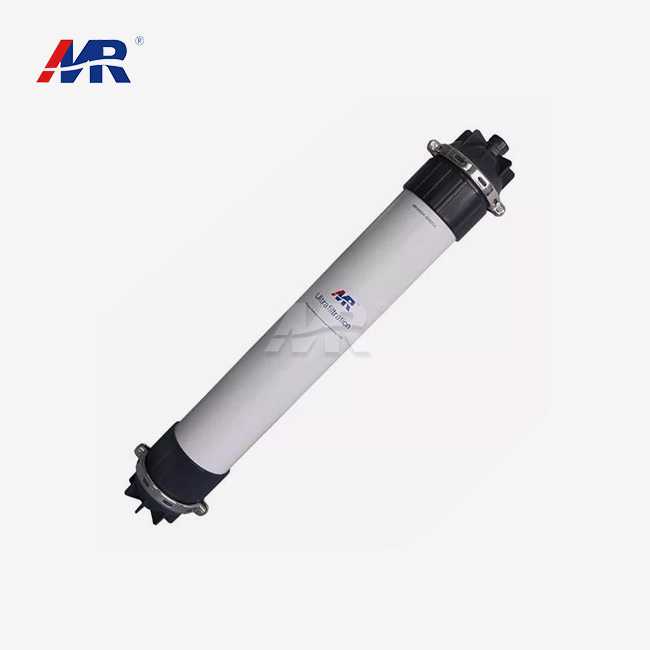 VIEW MOREultra filter membrane
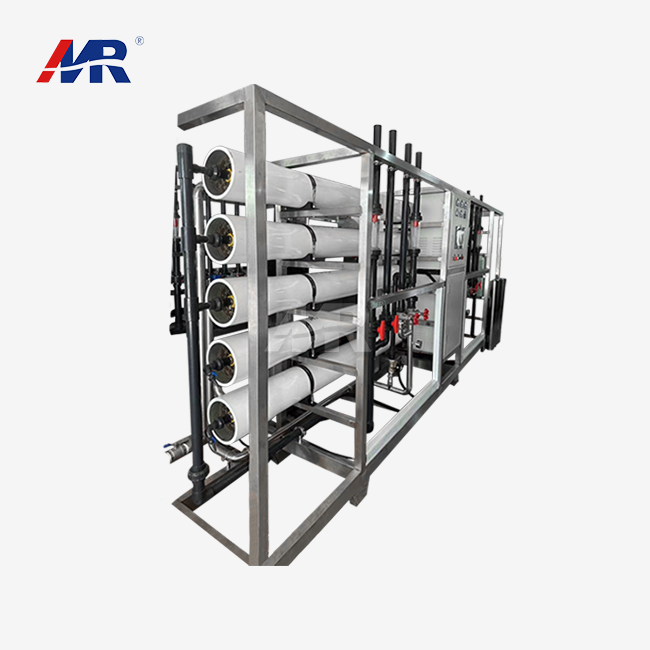 VIEW MOREhighest rated reverse osmosis system
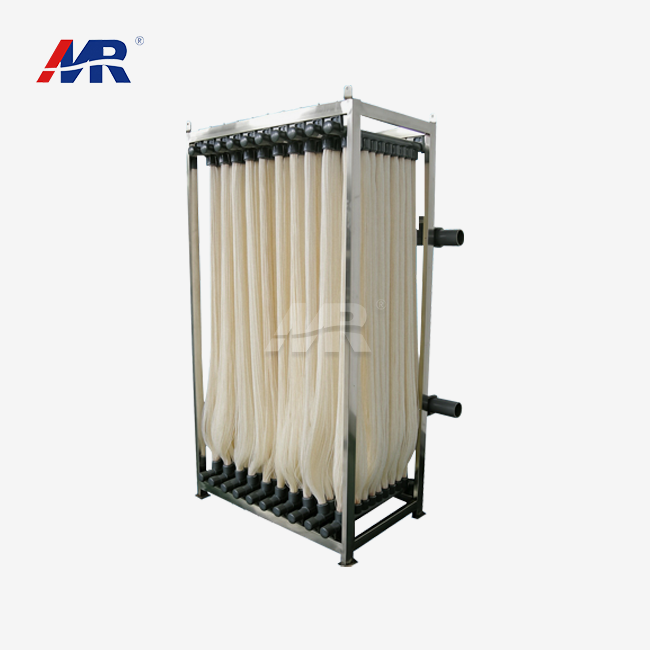 VIEW MOREbiological reactor wastewater treatment
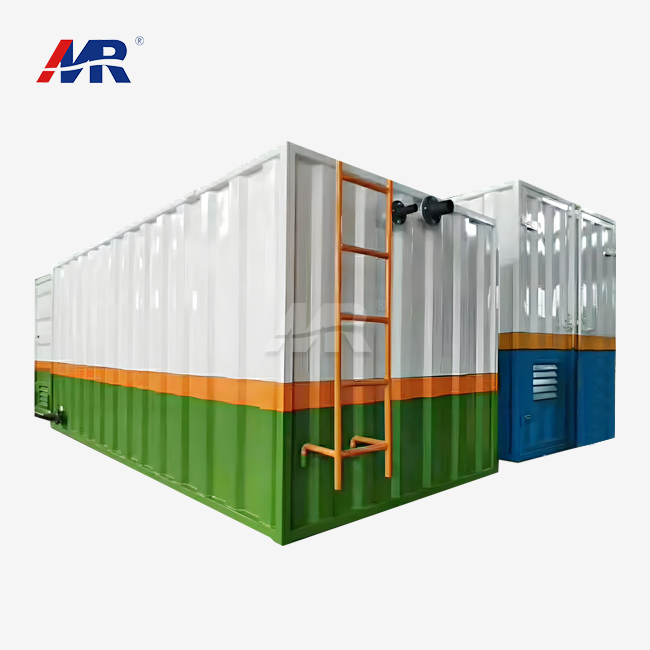 VIEW MOREindustrial sewage treatment plant
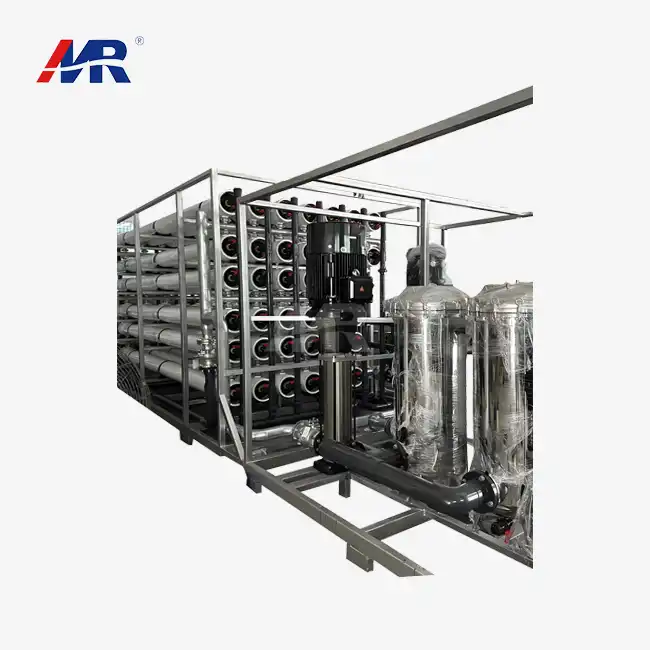 VIEW MORE150m3/hour reverse osmosis plant
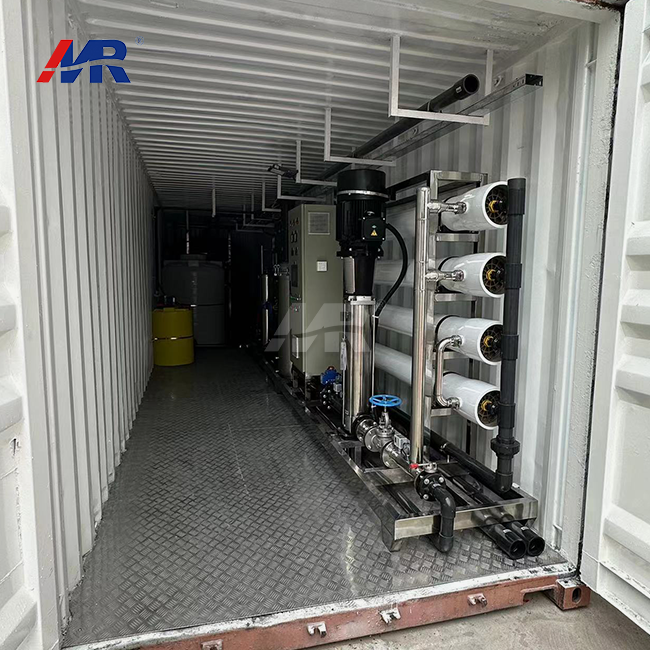 VIEW MOREcontainerized ro system
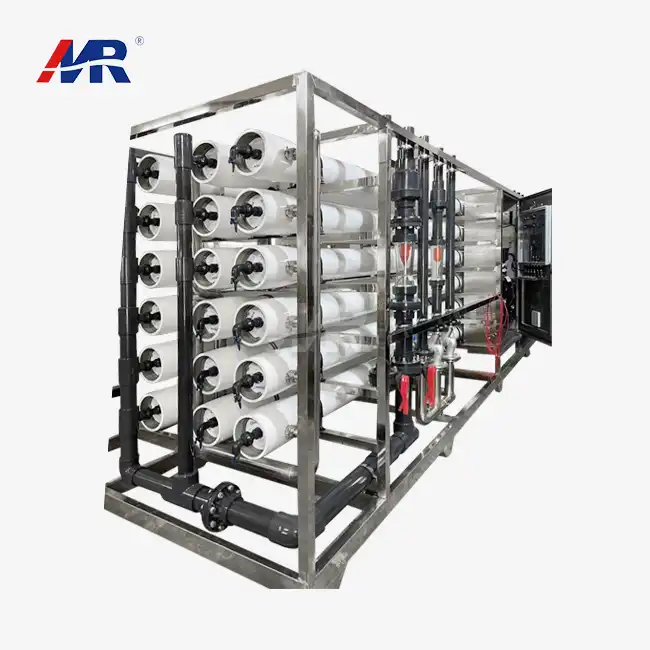 VIEW MORE100m3/hour reverse osmosis equipment
 VIEW MOREseawater desalination equipment
