

_1745823981883.webp)

Innovative Solutions for Municipal Landfill Leachate Management
Leachate from landfills needs to be managed in a way that goes beyond simple control. It needs to be managed using systems that combine effective collection infrastructure with advanced cleaning technologies. A strong landfill leachate collection system uses drainage layers, collection lines, and pumping stations to catch polluted liquids where they start. This keeps groundwater from becoming contaminated. When combined with cutting-edge treatment methods such as membrane bioreactors and reverse osmosis, cities can turn harmful waste streams into safe, even reused water that complies with stricter environmental rules.
Understanding Landfill Leachate Collection Systems
Professionals in municipal waste management have to safely control and handle the toxic liquid that seeps through trash that is breaking down. This dirty liquid, called leachate, has flammable substances, heavy metals, organic compounds, and ammonia in it that could harm ecosystems nearby if it is not handled properly.
Core Components and How They Work
Carefully designed layers at the bottom of every landfill make gathering work better. Drainage layers made of gravel or man-made materials direct liquid toward collection lines, which are usually HDPE tubes with holes in them that are 4 to 12 inches in diameter. The liquid goes through these lines and into sumps, where underground pumps move it to storage tanks or straight to treatment plants.
The system depends on gravity flow and uses motorized pumps when they are needed. The effectiveness of the collection varies a lot on how well the slope is designed (usually a 2-5% grade) and where the pipes are placed. Modern setups use multiple paths so that the system doesn't fail during upkeep or when equipment breaks down.
Regulatory Standards Shaping Design Decisions
U.S. city dumps have to follow EPA Subtitle D rules when they decide how to be designed. These standards require certain lining systems, ways to find leaks, and levels of collection efficiency. Similar rules are set by European EN standards, which stress long-lasting quality and protecting the environment.
When purchasing managers look at a landfill leachate collection system, they need to make sure that the suppliers they work with understand these models. Systems that weren't made with regulatory compliance in mind will always need expensive upgrades, cause problems with operations, and could put the company at risk of legal trouble. These risks can be avoided by choosing equipment that is approved to meet regional standards from the start. This also makes sure that the approval process goes smoothly.
Challenges in Municipal Landfill Leachate Management
Even though owners of landfills plan carefully, they still have problems that make the system less effective and put environmental safety at risk. Realizing these problems helps people make choices that focus on long-term fixes instead of short-term effects.
Common System Failures and Their Consequences
Most of the time, operating problems are caused by clogging. Over time, biological growth, mineral precipitation, and particulate buildup lower the pipe's ability to move, which makes the leachate pool inside the trash. This pooling raises the water pressure on lining systems, which makes leaks more likely. When pre-treatment isn't done right or upkeep plans aren't followed regularly, clogging happens faster, turning small problems into big infrastructure failures.
The danger of corrosion is also always there. The acidic pH of leachate, which is usually between 4.5 and 7.5, wears away metal parts over time. Even materials that don't rust break down over time when they are attacked by chemicals, especially in warmer areas where biological activity increases. System builders who don't take corrosion rates into account risk having to repair equipment too soon and having contamination problems.
Navigating Evolving Discharge Standards
Regulatory standards are getting stricter all over the world. In the last ten years, the standards for biological oxygen demand, chemical oxygen demand, and ammonia nitrogen discharge have gotten a lot lower. Five years ago, facilities that met safety standards were now in violation unless they increased the number of people they could help.
Knowing this regulatory trend has a big effect on the buying strategy. More and more, decision-makers want treatment systems that can adapt to changes in regulations in the future instead of just meeting the bare minimums required by law right now. This forward-thinking method keeps operating budgets safe over the long term while preventing the need for repeated capital investments as standards change.
Innovative Solutions and Technologies in Leachate Collection Systems
Recent improvements in technology have changed how cities and towns handle wastewater. Instead of doing emergency repairs, they now use data to plan ahead and run their operations. Through better materials and smart tracking, these improvements make things more reliable while lowering their lifecycle costs.
Advanced Materials Extending System Longevity
Modern gathering networks use elements that were made to work in tough leachate conditions. Adding carbon black to high-density polyethylene lines makes them resistant to both chemical attack and UV breakdown while they are stored above ground. 316L stainless steel pumps can survive corrosive conditions that would kill regular steel parts in months.
Another important step forward is geosynthetic drainage materials. When compared to traditional aggregate layers, these prefabricated systems cut down on building time by 30–40% because they only need to be installed once. They also include filtering, drainage, and safety layers. Their constant hydraulic performance gets rid of the variations that come with natural materials, so you can be sure that they will collect water efficiently over time.
Smart Monitoring and Automation Technologies
Sensor networks built into a landfill leachate collection system let you see the state of operations in real time. Level monitors in sumps set off pumps automatically, stopping overflows that used to need constant tracking by hand. Flow meters keep track of the amount of fluid being collected and look for odd patterns that could mean there are leaks or system blockages before they get worse and cause failures.
IoT-enabled control screens combine multiple streams of data to give workers complete dashboards that they can access from their phones. Small municipal teams can successfully handle multiple sites with this remote visibility, and they can respond to new problems after hours without having to send staff to places they don't need to be. Instead of waiting for equipment to break down, predictive algorithms look at trends in past data and schedule preventative maintenance for the best times.
Modular Treatment Integration
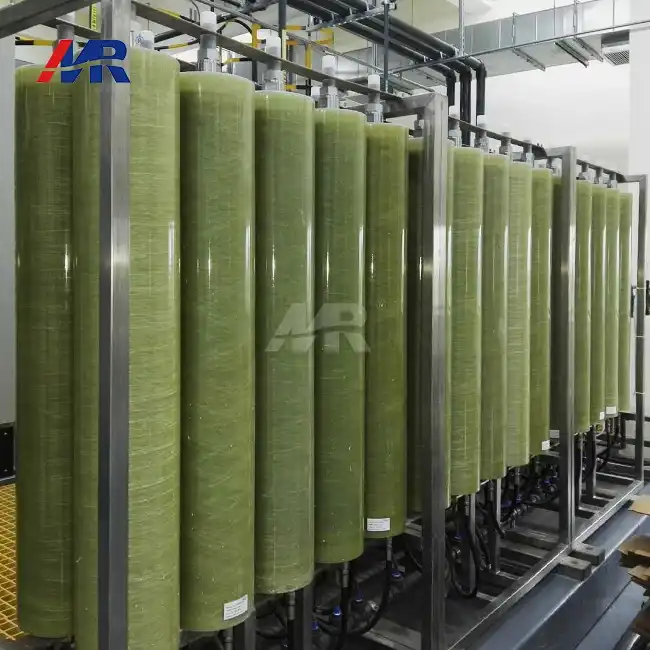
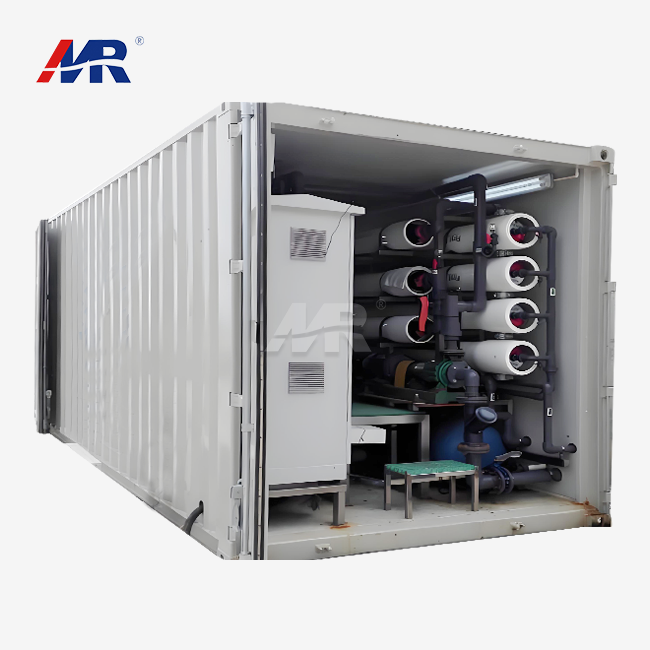
The most important new idea is to connect collection devices straight to advanced treatment modules. The MR-DTRO-100TD Landfill Leachate Treatment Plant from Guangdong Morui Environmental Technology is an example of this method. It uses multi-stage membrane systems to treat the leachate that is gathered. This combination gets rid of the waste that comes with moving leachate to treatment plants that are far away. This cuts down on costs while also making things better for the environment.
These unified systems can handle COD amounts of up to 25,000 mg/L at the inlet, so they can handle even the toughest leachate profiles from old dumps. Ultrafiltration, membrane bioreactors, and reverse osmosis are all used together in the cleaning process to get recovery rates of 50–70%. This turns polluted waste streams into water that can be used in industry or dumped legally. Power use stays low at 75 kW/hour for a daily capacity of 100 tons, which strikes a good balance between treatment efficiency and operational costs.
Modular setups can be changed to fit different site situations and needs. Pre-assembled skids come tested and ready to connect, which cuts the time it takes to install systems to 20–35 days, which is a lot less time than it takes for custom-built systems. This quick deployment is helpful for cities that have to meet legal dates or have to meet emergency capacity needs after severe weather events.
How to Choose the Best Landfill Leachate Collection System for Your Needs
Buying something has long-lasting effects that last for decades after it is installed. It's not enough to just look at the upfront price; you should also carefully consider technical performance, supplier dependability, and total cost of ownership.
Critical Selection Criteria for Decision-Makers
The most important mechanical criterion is collection efficiency. Under normal working conditions, systems should be able to collect at least 95% of the leachate that they produce. This will stop seepage that gets out of hand. This efficiency rests on good hydraulic design, the right-sized pipes, and the ability to handle times of high flow, like when it rains a lot.
Operational consistency is directly linked to reliability. Unplanned downtime is kept to a minimum by using parts that are rated for constant service in harsh settings. Specifications for buying things should require pump motors with IP68 ingress protection, pipe materials that don't fade in UV light, and bolts that don't rust during the whole installation. Suppliers who offer full warranties—usually 2–5 years on major parts—show that they are sure their tools will last.
Evaluating Supplier Capabilities Beyond Equipment
The infrastructure for technical help is what separates capable sellers from equipment vendors. Providers with their own tech teams can change standard designs to fit the needs of each site, which ensures the best performance instead of pushing solutions that aren't ideal. This knowledge is especially helpful when the landfill leachate collection system needs to grow or when it needs to be integrated with other systems.
Service after the sale is more important for long-term happiness than any description sheet. When equipment breaks down, suppliers with area service centers can fix it faster and for less money. It doesn't matter what kind of parts are available; proprietary parts with long lead times create operating weaknesses that can be avoided with standard, easily accessible options. Before deciding on a seller, procurement teams should check to see where parts are stored and how long it usually takes to send them.
Balancing Capital Investment With Lifecycle Economics
The initial cost of the tools only makes up 30 to 40 percent of the total cost over their lifetime. Long-term budgets are mostly made up of costs for energy use, upkeep work, supplies, and following the rules. Treatment systems that cost more up front usually have better long-term value because they require less work and are serviced more often.
Compliance-related saves deserve extra care. Systems that consistently meet discharge standards escape fines for violations that can easily be higher than the cost of the equipment. In addition to direct fines, regulatory breaches lead to more oversight, negative public attention, and possibly limits on operations. These hidden costs make it okay to charge more for tried-and-true compliance solutions, especially in places where regulation is strict.
Professional help during the choosing process pays off over the life of the system. Engineering companies that focus on managing leachate can find hidden costs and ways to improve things that general builders miss. Their presence usually adds 5 to 8 percent to the cost of a project, but it keeps costly mistakes from happening and makes sure systems work as planned from the time they are turned on until they are retired.
Conclusion
The handling of leachate from municipal landfills has changed over time from simple filtration to complex, technology-based systems that protect the environment and make operations more efficient. Strong collection systems and modern cleaning technologies that can handle complex contaminant profiles are needed for solutions to work. When decision-makers put collection speed, legal compliance, and lifecycle economics at the top of their list of priorities, they secure systems that work reliably for decades of service. Using smart tracking, long-lasting materials, and flexible treatment platforms together solves current problems and gets facilities ready for future rules. For implementation to go well, suppliers must be carefully evaluated, site-specific needs must be met, and strict maintenance routines must be followed to keep the system's integrity throughout its operating life.
FAQ
1. What components comprise a complete leachate management system?
Drainage layers, HDPE lines, sumps, and pumps make up the gathering infrastructure. Treatment tools like ultrafiltration, membrane bioreactors, and reverse osmosis modules make up the treatment infrastructure. Storage tanks provide extra space, and control systems run tasks automatically and keep an eye on performance factors all the time.
2. How do treatment costs vary between different technology approaches?
Capital costs range from $800,000 to $3,500,000, based on how much treatment is done and how much space is needed. Operating costs are usually between $15 and $45 per cubic meter cleaned. These costs depend on how much energy is used, how often the membrane needs to be replaced, and how many chemicals are used. Systems that deal with higher COD loads need more intense care, which raises the costs of both groups.
3. Can advanced systems meet tightening environmental regulations?
Modern membrane-based treatment consistently gets COD levels below 100 mg/L and ammonia levels below 10 mg/L, which is well above the existing limits set by the EPA and the EU. Modular designs allow for improvements in capacity as rules get stricter, which protects original investments from becoming useless too soon. Suppliers who offer performance guarantees give towns that are afraid of taking risks extra compliance security.
Partner With Morui for Complete Leachate Management Solutions
Guangdong Morui Environmental Technology's integrated method helps municipal engineers and procurement workers who are looking for reliable landfill leachate collection system makers. Our MR-DTRO-100TD treatment plants use 20 years of technical knowledge and tried-and-true membrane technology to make systems that can handle COD levels of up to 25,000 mg/L while keeping recovery rates between 50 and 70%. We offer full solutions, from the initial site survey to commissioning and training of operators. Our 15+ production plants support quick deployment.
Our technical team makes sure that the configurations fit your unique trash type, capacity needs, and legal requirements. We offer pre-tested modular systems that are ready to connect, which cuts installation times by 40% compared to traditional methods. This is true whether we are upgrading current infrastructure or creating new installations. Full lifecycle support includes advice on upkeep, availability of parts, and expert help for more than 10 years after installation.
To talk about your leachate control problems, email our technology experts at benson@guangdongmorui.com. We'll give you thorough plans that include site-specific details, compliance checks, and lifetime cost analyses that will help you make smart purchasing choices.
References
1. Kjeldsen, P., et al. (2002). "Present and Long-Term Composition of MSW Landfill Leachate: A Review." Critical Reviews in Environmental Science and Technology, Volume 32, Issue 4.
2. Renou, S., et al. (2008). "Landfill Leachate Treatment: Review and Opportunity." Journal of Hazardous Materials, Volume 150, Issue 3.
3. Environmental Protection Agency (2021). "Municipal Solid Waste Landfills: Technical Guidance for RCRA Subtitle D Facilities." EPA Publication 530-R-21-002.
4. Foo, K.Y. and Hameed, B.H. (2009). "An Overview of Landfill Leachate Treatment via Activated Carbon Adsorption Process." Journal of Hazardous Materials, Volume 171, Issues 1-3.
5. Wiszniowski, J., et al. (2006). "Landfill Leachate Treatment Methods: A Review." Environmental Chemistry Letters, Volume 4, Number 1.
6. Çeçen, F. and Aktaş, Ö. (2011). "Activated Carbon for Water and Wastewater Treatment: Integration of Adsorption and Biological Treatment." Wiley-VCH Verlag GmbH & Co., Weinheim, Germany.
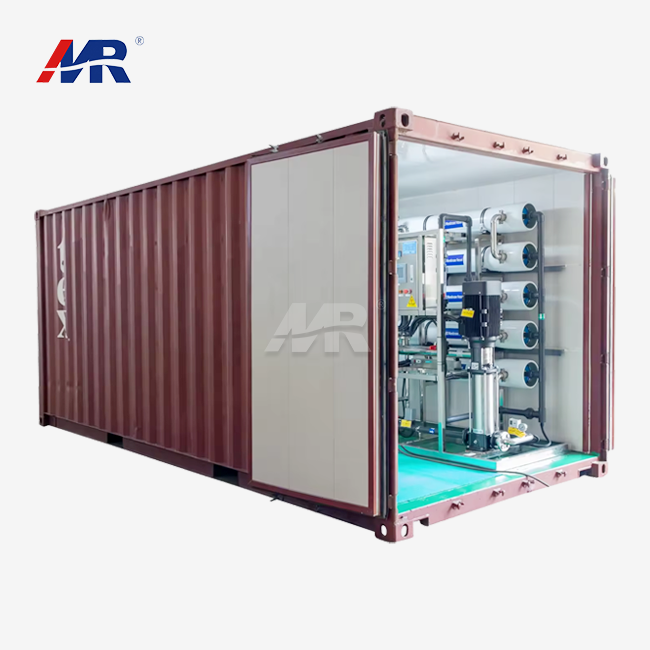 VIEW MOREmobile container reverse osmosis equipment
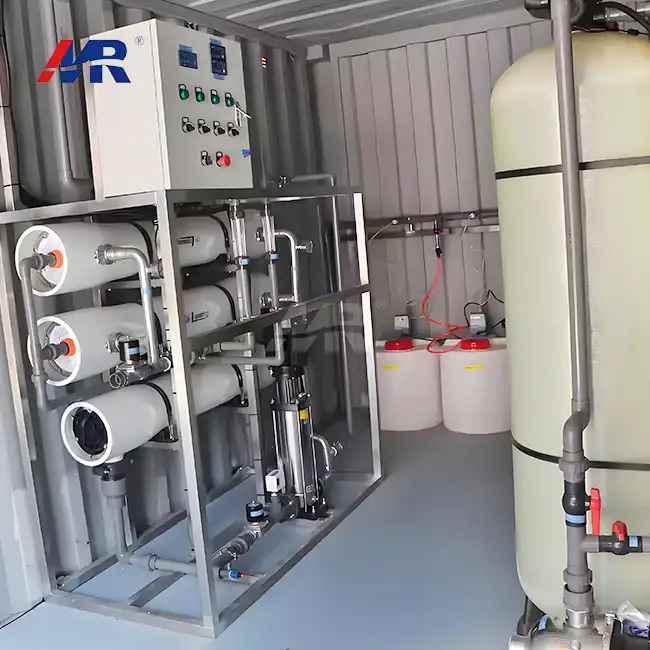 VIEW MOREcontainer 3m3/hour RO equipment
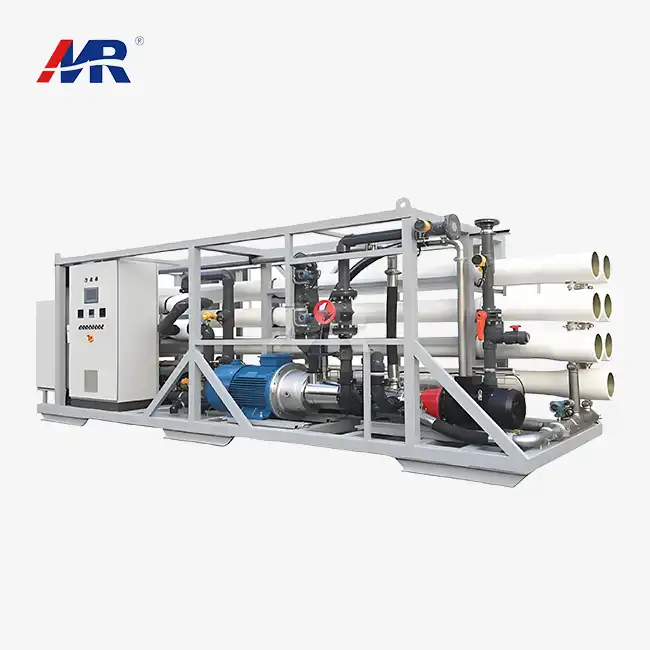 VIEW MORE20m3/hour seawater desalination equipment
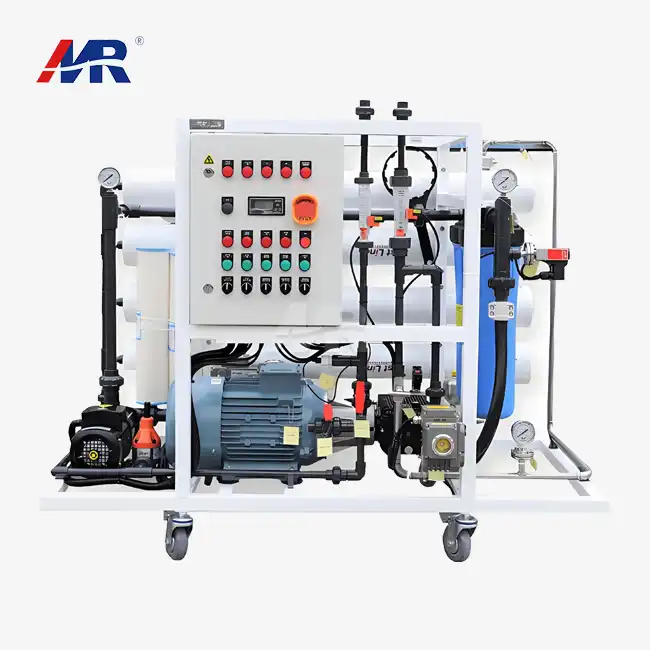 VIEW MORE2m3/hour seawater desalination equipment
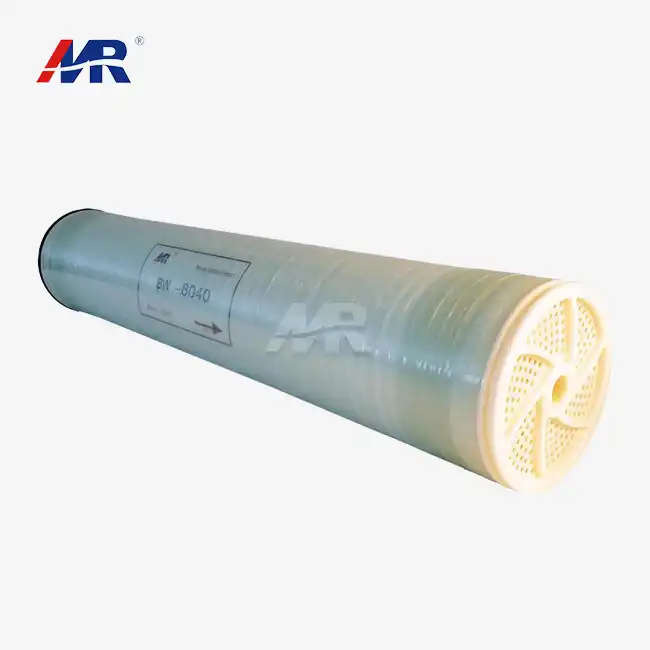 VIEW MORE80 40 ro membrane
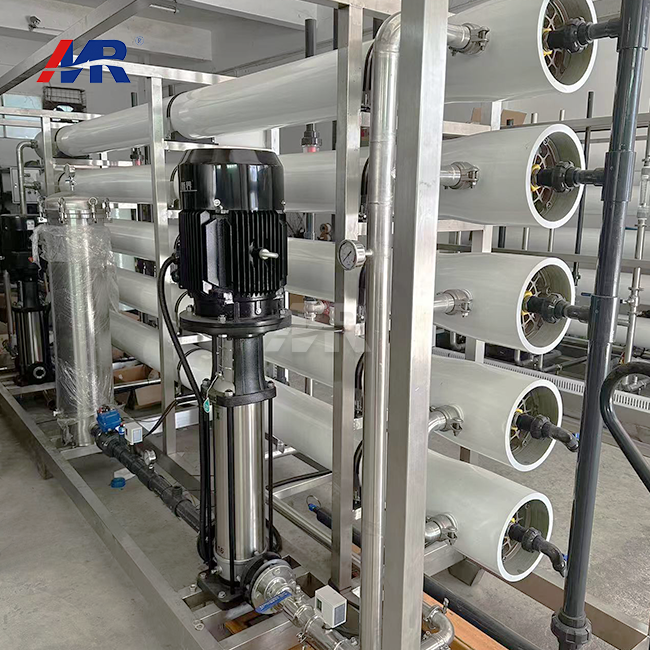 VIEW MOREosmosis water purification system
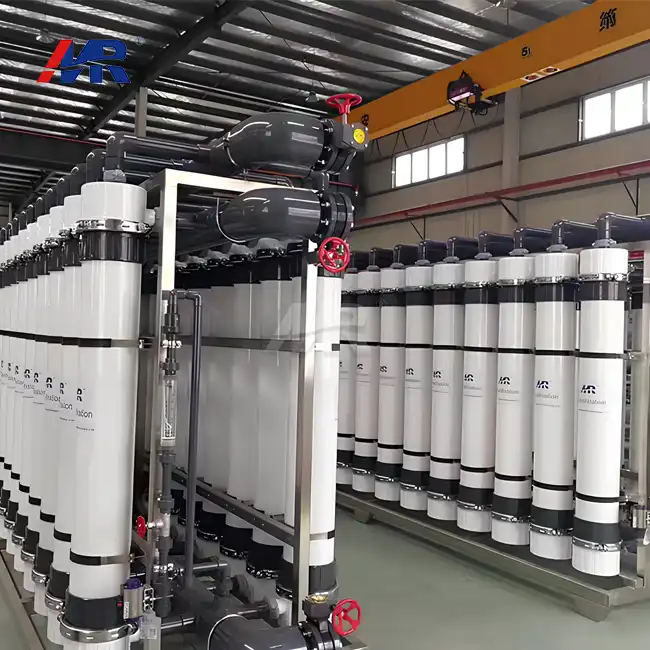 VIEW MORE200m3/hour UF plant
 VIEW MOREcontainer seawater desalination equipment
